BACKGROUND:Preeclampsia increases the risk of cardiovascular mortality and morbidity both during pregnancy and long term after the labor by causing cardiac changes that may lead to atrial and ventricular arrhythmias. OBJECTIVE:We aimed to investigate noninvasive predictors of atrial and ventricular arrhythmias and cardiac structural changes in preeclampsia. METHODS:The study included 34 preeclampsia patients as the study group and 33 healthy pregnant women as the control group. The presence of fragmented QRS morphology, P dispersion, QT dispersion, Tp-e/QTc ratio, inter- and intra-atrial electromechanical delay, left ventricular mass index was evaluated in the groups by 12 lead- ECG and standard and tissue Doppler echocardiography. RESULTS:Left ventricular mass index and relative wall thickness, and E/Em ratio was significantly higher in preeclampsia. Inter- and intra-atrial electromechanical delay and Tp-e were prolonged, and P dispersion, QT dispersion, and Tp-e/QTc ratio were increased significantly in patients with preeclampsia. In addition, fragmented QRS morphology was seen in 76.5% of patients with preeclampsia while it was present in only 27.3% of the control group (p < .001). CONCLUSION:Preeclampsia causes significant cardiac structural and electrocardiographic alterations that may increase the risk of atrial and/or ventricular arrhythmias. A more thorough and earlier cardiac assessment and closer follow-up of these patients would be useful to avoid further complications.
Background Obese non-alcoholic fatty liver disease (NAFLD) was found to increase the risk of developing atrial fibrillation (AF) regardless of the metabolic syndrome subgroups that may accompany it. In this study, the effect of NAFLD on the structural and electrical functions of the heart was investigated using tissue Doppler echocardiography (TDE) in non-obese NAFLD patients without any known risk factors for AF.Material and methods The study included 43 female patients (31.3±3.8 years), who had stage 2–3 hepatosteatosis detected by liver ultrasonography and diagnosed as non-obese NAFLD (patient group), and 31 healthy women (control group, 32.5±3.6 years). In addition to standard echocardiographic parameters, inter- and intra-atrial electromechanical delay (EMD) were evaluated by TDE.Results Interatrial EMD (PA lateral – PA tricuspid) and intraatrial EMD (PA septum – PA tricuspid) were significantly longer in patient group (16.1±3.4 vs. 12.5±2.3 ms, p<0.001, and 8.4±1.6 vs. 6.6±1.6 ms, p<0.001, respectively). At the subclinical level. atrial size, left ventricular diastolic function, and left ventricular wall thickness measurements were greater in the patient group.Conclusion Inter-atrial and intra-atrial EMD were detected in young women with non-obese NAFLD. In addition, at the subclinical level, structural and functional impairment was detected However, large-volume prospective studies are required to cobfirm these findings regarding the development of AF in non-obese NAFLD patients.
Aim: Transcatheter aortic valve implantation has been used widely as an alternative treatment method for patients with symptomatic aortic stenosis carrying high surgical risk. Despite technological advances and increased experience, its early and late mortality rate is still relatively high and it is important to predict upcoming cardiac events and mortality for the management of patients. In this study, we aimed to investigate the clinical and laboratory parameters affecting mortality after these procedures performed in our clinic. Material and Methods: The patients who underwent TAVI due to severe AS between May 2015 and March 2019 were investigated retrospectively. Demographic, echocardiographic and laboratory data of all patients were recorded. During the follow-up period (mean: 556 days), patients were divided into 2 groups; deceased patients (group 1, n=13) and living patients (group 2, n=34). The data of the patients before TAVI procedure were compared between the two groups. Results: Among demograhic data, the ratio of chronic kidney disease was significantly higher in the deceased group. Among echo parameters, left ventricular ejection fraction was significantly lower and pulmonary artery pressure was significantly higher in the deceased group. Of laboratory parameters, blood urea nitrogen and creatinine levels were significantly higher and toral protein levels were significantly lower in the deceased group. Additionally, leukocyte, uric acid, CRP and CRP/albumin ratio were significantly higher and albumin was significantly lower in the deceased patients. Conclusion: The presence of chronic kidney disease, low left ventricular EF, high pulmonary artery pressure, high CRP levels, increased CRP/albumin ratio and high uric acid levels preceding TAVI may be helpful to determine the risk of mortality after the TAVI procedure.
Introduction: This study aimed to investigate the relationship between all-cause mortality and markers of hematological mortality in post-procedure follow-up of patients who underwent percutaneous coronary intervention (PCI) due to severe left main coronary artery (LMCA) disease. Patients and Methods: Between January 2015 and August 2019, a retrospective cohort study was performed based on the data of 166 consecutive patients (43 females, 123 males) who were diagnosed with severe LMCA disease as a result of coronary angiography performed in our clinic. The study population was followed median 631.00 (270.75-1172.00) days, was divided into two groups as deceased (group 1, n= 42, 25.3%) and living (group 2, n= 124, 74.6%). Results: Fasting blood glucose, blood urea nitrogen (BUN), creatinine, alanine aminotransferase (ALT), aspartate aminotransferase (AST), uric acid, C-reactive Protein (CRP)/Albumin ratio, leukocyte, neutrophil, erythrocyte distribution width percentage (RDW) values were found to be higher (p< 0.05) and triglyceride, total protein, albumin, hemoglobin, hematocrit values were lower in the deceased group (p< 0.05). In logistic regression analysis, statistical significance of all of these parameters disappeared. Conclusion: Advanced age, presence of chronic renal failure (CRF), FBS, BUN, creatinine, AST, ALT, uric acid, CRP/Albumin ratio, leukocyte, and neutrophil height may be helpful in determining increased mortality risk after percutaneous LMCA interventions.
Background/aim:In the literature, there is a paucity of data about the effects of fibromyalgia syndrome (FMS) on myocardial function and electrophysiological properties of atrium and ventricles. In this study, we investigated cardiac functions and noninvasive predictors of arrhythmias in patients with FMS.Materials and methods:The study included 43 female patients diagnosed with FMS and 30 age- and sex-matched healthy subjects. The presence of fragmented QRS (fQRS) morphology, P dispersion, QT dispersion, inter- and intraatrial electromechanical delay was evaluated in the groups with 12-lead ECG and standard and tissue Doppler echocardiography.Results:Among electrocardiographic parameters, P dispersion, QT dispersion, and the ratio of presence of fQRS morphology were found to be significantly higher in the study group as compared to the control group. In lateral and septal, the ratio of the early transmitral flow velocity to the early diastolic tissue velocity (E/Em) was significantly higher in the study group. Additionally, intra- and interatrial electromechanical delay was found significantly prolonged in the study group.Conclusion:FMS is found to be associated with significant cardiac electrical alterations that may indicate the increased risk of atrial and ventricular arrhythmias in this group of patients.
Objective: Atrial fibrillation (AF) is the most common form of arrhythmia in hemodialysis (HD) patients. Fragmented QRS (fQRS) morphology has been proposed as an ECG marker to predict the risk of paroxysmal AF in various conditions. In this study, we aimed to investigate the association between risk of AF development and P dispersion (Pd) and fQRS morphology in HD patients. Methods: After analyzing the 24-hour Holter recordings of the patients, they were divided into 3 groups as without atrial runs (WAR), short atrial runs (SAR), and silent paroxysmal atrial fibrillation episode (SPAFE). In ECGs taken before HD, the presence of fQRS morphology was investigated, and Pd was measured. Results: As a result of the analysis of the 24-hour Holter ECG recordings, it was determined that 12 of the 74 patients had SAR, while 6 had SPAFE. The duration of hemodialysis was significantly longer in the SPAFE groups than the WAR group (p=0.026). It was found that fQRS morphology could be an independent predictor of SAR (odds ratio=0.056; 95% CI, 0.006–0.548; p=0.013). The incidence of fQRS morphology was significantly higher in the SPAFE group than the WAR group (p=0.002). However, this significance did not continue in the multivariate analysis. Pd was similar between the groups. Conclusion: This retrospective study is the first study that investigated the association of fQRS morphology with SAR and SPAFE in HD patients, and it showed that fQRS morphology may be useful in distinguishing HD patients with a high AF risk.
Objective: Widely used method is blinded puncture of subclavian vein, but the complication rate is high in this method. In this study, we aimed to demonstrate the effect of roadmap use during implantation of permanent pacemaker on the success rate, speed of puncture and complications. Methods: The study was designed as a prospective randomized controlled study. Totally, 125 devices were implanted to the patients included in the study, and 518 punctures were performed for implantation of these devices. 186 punctures were performed in roadmap group and 332 punctures were performed in conventional group. Two groups were compared with regard to clinical and demographic features, speed and success of puncture and complications. Results: Baseline characteristics were similar between groups. Median duration of intervention for each puncture was 27 (15/46) s in roadmap group and 56 (30/100) s in conventional group. The number of attempts for a successful puncture was detected as 1 (1/2) in roadmap group and 2 (2/4) in conventional group. Arterial puncture incidence was 10.3% in roadmap group and 37% in conventional group (P < 0.001 for all). Considering complications, the incidence of pneumothorax and intramuscular puncture was seen lower significantly (P = 0.046 and P = 0.006, respectively). Conclusion: Number of attempts for successful puncture, time needed for successful puncture, number of arterial puncture and complication rate was significantly lower in patients undergoing pacemaker implantation by roadmap technique. Based on these data, roadmap technique may take the place of conventional method of puncture.
Background: Majority of the incidentally discovered adrenal masses, called adrenal incidentaloma (AI), are nonfunctioning adrenal adenomas. The appropriate management of AI is still a matter debate, so it is necessary to investigate their associated morbidity. However, data regarding morphological and functional cardiac alterations are limited in this group. Objective: In this study, we aimed to assess cardiac structural and functional characteristics and atrial conduction properties in patients with nonfunctioning AI. Methods: Thirty patients with nonfunctioning AI and 46 properly matched control subjects were included in the study. After hormonal and biochemical analysis, all participants underwent transthoracic echocardiography to obtain systolic and diastolic parameters of both ventricles, in addition to atrial conduction times by tissue Doppler echocardiography. Data were analyzed with Statistical Package for the Social Sciences (SPSS, Chicago, IL, United States) statistics, version 17.0 for Windows. P < 0.05 was considered statistically significant. Results: Left ventricular (LV) mass index and LV myocardial performance index were significantly increased in AI group. Among atrial conduction times, both intra- and interatrial electromechanical delays were significantly prolonged in patients with nonfunctioning AI. Other laboratory and echocardiographic findings were similar between groups. Conclusion: Our study revealed that intra- and inter-atrial conduction times were prolonged, and LV mass index was increased in patients with nonfunctioning AI. These findings may be markers of subclinical cardiac involvement and tendency to cardiovascular complications. Close follow-up is necessary for individuals with nonfunctioning AI for their increased cardiovascular risk.
Introduction: Transcatheter aortic valve implantation (TAVI) is a minimally invasive therapeutic method preferred in patiens with aortic stenosis who are candidates for surgical replacement of aortic valve but not favorable for surgery due to increased surgical risk . One of the most significant criteria needed to perform TAVI in aortic stenosis is annular or valvular calcification. This calcification is importan to anchor the prosthetic valve. TAVI is less applicable in patients with severe aortic regurgitation (AR) with high surgical risk due to absence of calcification to anchor the prosthetic valve in addition to other difficulties .We presented our therapeutic approach to a patient with severe AR and large annulus (36 mm) undergoing TAVI because of high surgical risk.
Background and objective: Prevalence of atrial fibrillation is higher in hemodialysis patients as compared to the general population. Atrial electromechanical delay is known as a significant predictor of atrial fibrillation. In this study, we aimed to reveal the relationship between atrial electromechanical delay and attacks of atrial fibrillation. Materials and methods: The study included 77 hemodialysis patients over 18 years of age giving written consent to participate in the study. The patients were divided into two groups based on the results of 24-h Holter Electrocardiogram (Holter ECG) as the ones having attacks of atrial fibrillation and the others without any attack of atrial fibrillation. Standard echocardiographic measurements were taken from all patients. Additionally, atrial conduction times were measured by tissue Doppler technique and atrial electromechanical delays were calculated. Results: Intra- and interatrial electromechanical delay were found as significantly lengthened in the group of patients with attacks of atrial fibrillation (p = 0.03 and p < 0.001 respectively). The optimal cut-off time for interatrial electromechanical delay to predict atrial fibrillation was >21 ms with a specificity of 79.3% and a sensitivity of 73.7% (area under the curve 0.820; 95% confidence interval (CI), 0.716–0.898). In the multivariate logistic regression model, interatrial electromechanical delay (odds ratio = 1.230; 95% CI, 1.104–1.370; p < 0.001) and hypertension (odds ratio = 4.525; 95% CI, 1.042–19.651; p = 0.044) were also associated with atrial fibrillation after adjustment for variables found to be statistically significant in univariate analysis and correlated with interatrial electromechanical delay. Conclusions: Interatrial electromechanical delay is independently related with the attacks of atrial fibrillation detected on Holter ECG records in hemodialysis patients.
Unconventional sites are being used for pacing in patients with inaccessible right ventricle like single ventricle, atresia of tricuspid valve and in anomalous venous drainage. Here we report a case in which the right ventricle could not be accessed due to the bioprosthesis. A 65-year-old woman with history of TVR and CABG was admitted to our emergency depertmant with syncope. In physcial examination results are: blood pressure 70/40 mmHg, pulse rate 35/min, electrocardiogram (ECG): Atrial fibrillation and heart rate 38 bpm (figure 1), peripheral pulses were palpable. We learned that the patient was treated with digoxin furosemide and rivaroxaban. we implemented temporary pacemaker because the hemodynamics of the patient was unstable and we followed up the patient during the 72 hours. At the end of the third day her ECG rhythm was AF and heart rate was 35 bpm. We decided to implement permanent pacemaker. We decided treated with epicardial pacing via coronary sinüs, because the patient had history of TVR. Coronary sinus was cannulated and occlusive CS angiogram was performed (figure 2). There was posterolateral side branch which could be targeted for lead implantation. However, the proksimal part of the side brunch was angeled and small. Therefore middle cardiac vein was targeted. A 0,014'' guidewire was positioned into the middle cardiac vein and CS pacing lead was advanced over it. The lead was stable and there was not diaphragmatic stimulation. Pacing threshold impedance and R wave amplitude were within normal ranges.(figure3).
Peripartum cardiomyopathy (PPCM) is an idiopathic cardiomyopathy that presents with heart failure secondary to left ventricular systolic dysfunction toward the end of pregnancy or in the months after delivery, in the absence of any other cause of heart failure. As with other forms of dilated cardiomyopathy, PPCM involves systolic dysfunction of the heart with a decrease of the left ventricular ejection fraction (EF) with associated congestive heart failure and an increased risk of atrial and ventricular arrhythmias, thromboembolism (blockage of a blood vessel by a blood clot), and even sudden cardiac death. We report a case with acute pulmonary thromboembolism and biventricular thrombosis.
Takayasu arteritis is an uncommon chronic inflammatory arteritis affecting large vessels. The chronic inflammation causes progressive transmural fibrosis of the large arteries, primarily the aorta and its major branches This disease, primarily known to be frequent in Asia and Latin America region, occurs mainly in young female people between the ages of 15 and 25 years. We report a young female patient with Takayasu arteritis affecting multiple arter and treated with percutaneous transluminal angioplasty.
Amaç: Bariatrik cerrahi tedavi hızlı bir şekilde kilo kaybında çok etkili olmaktadır. Bu çalışmamızda obezite cerrahisi öncesi ve sonrasında biyokimyasal ve ekokardiyografik olarak kardiyak fonksiyonları inceledik.Gereç ve Yöntem: Çalışmamıza prospektif olarak Genel cerrahi polikliniğinde bariatrik cerrahiye (laparoskopik sleeve gastrektomi) uygun olarak değerlendirilen, 23-55 yaş arası, morbit obez ( VKİ 47.8 ± 7.3 kg/m2 ) olan 30 (22 kadın ve 8 erkek ) hasta alınmıştır. Hastaların fizik muayene ve biyokimyasal testleri yapıldı. Bariatrik cerrahi öncesi ve 6 ay sonrası konvensiyonal ve doku doppler ekokardiyografi parametreleri, sol ve sağ ventrikül fonksiyonları, miyokard performans indeksleri (MPI), sol ve sağ atriyal volüm endeksleri ölçüldü.Bulgular: VKİ cerrahi öncesi 47.8 ±7.3 kg/m2 iken 6 ay sonunda 34.1±7.1 kg/m2 ölçüldü (p<0.001). Kalp hızı (p= 0.020) ve sistolik (p = 0.003) ve diyastolik kan basıncı (p = 0.009) ve plasma açlık glukoz (p<0.001) değerleri iki grup arasında anlamlı düşük bulundu. Sol ventrikül diyastol sonu çapı, sol ventrikül kitlesi, Triküspit E/A oranı ve sol atrium volüm indeksi anlamlı olarak farklı idi (sırasıyla p= 0.026, p= 0.010, p<0.001, p= 0.006 ). Sol ventrikül septal MPI (0.44±0.06 ; 0.40±0.06, p=0.05) ve sağ ventrikül MPI anlamlı şekilde düştüğü gözlendi (0.43±0.08 ; 0.35±0.05, p<0.001). Sonuç: Kilo kaybının morbid obez hastalarda kardiyak fonksiyonları iyileştirdiğini düşündürmektedir. Bulgularımız hastaların sistolik ve diyastolik fonsiyonlarında olumsuz değişme olmadığını, ayrıca myokard performans indeksinin iyileştiği sonucunu ortaya koymuştur.
 Gulizar Sokmen合作论文数53Gurkan Acar合作论文数Department of Cardiology, Karadeniz Technical University32Sedat Koroglu合作论文数Faculty of Medicine, Kahramanmaras Sutcu Imam University30
 Ahmet Akcay合作论文数29Cemal Tuncer合作论文数25Alper Bugra Nacar合作论文数22Arif Suner合作论文数20
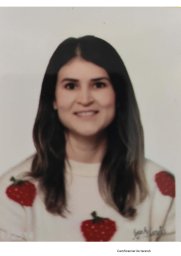 Hakan Kaya合作论文数School of Medicine, Suleyman Demirel University17
 Sami Ozgul合作论文数12Hakan Güneş合作论文数12
 Ekrem Aksu合作论文数12Sila Yalcintas合作论文数11Murat Koleoglu合作论文数11
 Murat Kerkutluoglu合作论文数Kahramanmaras Sutcu Imam Univ10Altun Burak合作论文数Faculty of Medicine, Çanakkale Onsekiz Mart University7
 Mehmet Sayarlioglu合作论文数LIV Hospital Samsun7
 Enes Celik合作论文数5
 Kemal Göçer合作论文数Faculty of Medicine, Kahramanmaraş Sütçü İmam University5
 Huseyin Nacar合作论文数4
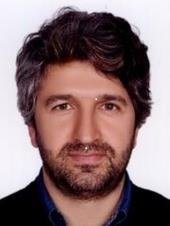 Aykan Ahmet Çağrı合作论文数Department of Cardiology, Ahi Evren Chest and Cardiovascular Surgery Education and Research Hospital4Hafize Oksuz合作论文数4Akif Düzenli合作论文数3Murat İspiroğlu合作论文数Fac Med, Kahramanmaras Sutcu Imam Univ3
 Akif Serhat Balcıoglu合作论文数Dept Cardiol, Kahramanmaras Sutcu Imam Univ3
 Ergul Belge Kurutas合作论文数Faculty of Medicine, Kahramanmaras Sutcu Imam University3Adem Doganer合作论文数The University of Fırat3
 Ahmet Soylu合作论文数Medical Faculty, Inonu University3Yalçin Atli合作论文数2Mesut Ozkaya合作论文数2Mehmet Kirisci合作论文数2Mahmut Tuna Katırcıbaşı合作论文数2hanife bolat合作论文数2Fatma Betul Guzel合作论文数2
 Bayram Öztürk合作论文数Duzici State Hosp2Murat Sahin合作论文数2
 Kadri Özdemir合作论文数2Cabioğlu Durmuş Eren合作论文数2
 Hakki Kaya合作论文数Dahili Tıp Bilimleri, Tıp Fakültesi, Canakkale Onsekiz Mart Universitesi2Balakan Ozan合作论文数2
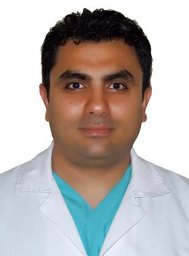 Bozoglan Orhan合作论文数Faculty of Medicine, Kahramanmaraş Sutcu Imam University2
 Bulent Mese合作论文数2Tuzun Dilek合作论文数Department of Endocrinology and Metabolism, Ankara Atatürk Education and Research Hospital2Aydın Naci合作论文数2Ayten Oguz合作论文数2
 Kurtulus Ozdemir合作论文数Medicine Faculty of Meram, Selcuk University2Mehmet Akif Duzenli合作论文数2Nazif Aygul合作论文数Medicine Faculty of Meram, Selcuk University2
 Alptekin Yasim合作论文数Department of Cardiovascular Surgery, KSU Medical School2Hayriye Sayarlioglu合作论文数Faculty of Medicine, Sutcu Imam University2




