Open thoracoabdominal aortic aneurysm (TAAA) repair remains the gold standard for patients with connective tissue disorders. Traditionally, repair of these aneurysms is conducted through a single thoracotomy often requiring rib resection or excessive retraction and resulting in postoperative pain and complications. This report presents the case of a 47-year-old woman with Loeys-Dietz syndrome who required an extent V TAAA repair. A single-incision double-thoracotomy approach was performed. This technique is believed to improve outcomes with less postoperative pain and to provide better exposure with a more expeditious procedure overall.
OBJECTIVE:To determine the state of patient blood management (PBM) practice in leading US cardiac surgery centers. DESIGN:A survey tool addressing PBM program structure and PBM program operations was deployed. The survey also incorporated practice in managing certain case scenarios. SETTING:Cardiac surgery centers. INTERVENTION:None. PARTICIPANTS:The US News and World Reports 2024 top 25 cardiac surgery centers. MEASUREMENTS AND MAIN RESULTS:Only 29% of sites had full-time equivalents committed to PBM. The approach to informed consent varied among sites. Most sites (54%) obtained informed consent to cover the entire hospital stay. Consent for non-emergent transfusion was obtained at 21% of sites. Preadmission anemia screening was deployed for longer than 2 weeks in 29% of sites. While many anesthesia techniques associated with blood conservation were used by the majority (e.g., acute normovolemic hemodilution 92%, retrograde autologous priming 95%), simple steps like adjusting cardiopulmonary (CPB) circuits for patient size were only offered at 43% of sites. CONCLUSIONS:Key features of well-designed PBM programs were not found in many of the surveyed programs. This audit suggests an opportunity for PBM growth across cardiovascular surgery programs.
BACKGROUND:Bivalirudin infusions are traditionally monitored with activated partial thromboplastin time (aPTT) despite the poor correlation with bivalirudin dose-response curves. This discordance may lead to over or under-anticoagulation, predisposing patients to bleeding or thrombosis and repeated dose adjustments. While a chromogenic bivalirudin-specific anti-IIa assay, which measures bivalirudin plasma concentrations, is available, the extent to which this test may improve clinical monitoring and patient outcomes remains unclear. Accordingly, we aimed to retrospectively assess the correlation between the bivalirudin dose and the anti-IIa assay and to establish a therapeutic range. We then performed a retrospective comparative cohort study assessing the impact of anti-IIa monitoring compared to aPTT on patient outcomes. METHODS:Plasma samples from adults receiving bivalirudin anticoagulation were analyzed to assess the correlation between bivalirudin dose, aPTT, and the anti-IIa assay. A retrospective comparative analysis was then conducted to evaluate operational and clinical outcomes in patients monitored with aPTT versus the anti-IIa assay. RESULTS:Analysis of 127 samples from 11 bivalirudin-anticoagulated adults showed a very weak correlation between bivalirudin dose and aPTT (r2 = 0.08), while a strong correlation was seen with the anti-IIa assay (r2 = 0.65). The dose-response slope's coefficient of variation (CV) for the aPTT and anti-IIa assay were 31 % and 6.6 %, respectively. Patients monitored with the anti-IIa assay had significantly higher time in therapeutic range than those monitored with aPTT (92.1 % vs. 26 %, p < 0.001). CONCLUSIONS:These findings suggest that the anti-IIa assay provides more reliable bivalirudin monitoring than aPTT, with a significant reduction in minor bleeding.
Platelet transfusion is a frequent procedure with benefits and risks. To provide recommendations in adult and pediatric populations in whom platelet transfusions are commonly performed. Grading of Recommendations Assessment Development and Evaluation (GRADE) methodology was applied to findings from 21 randomized trials and 13 observational studies in contexts of limited randomized clinical trial data. Transfusion strategies using fewer (restrictive) vs greater (liberal) amounts of platelets were compared. Evidence demonstrated that restrictive transfusion strategies probably did not cause increases in mortality or bleeding relative to liberal strategies across predefined clinical populations. Exceedingly low incidence of spinal hematoma was identified in patients with thrombocytopenia undergoing lumbar puncture. Because definitions of restrictive strategies varied across trials, recommendations reflect practical guidance. The following recommendations are strong recommendations with high/moderate–certainty evidence. For hypoproliferative thrombocytopenia in nonbleeding patients receiving chemotherapy or undergoing allogeneic stem cell transplant, platelet transfusion is recommended when platelet count is less than 10 × 103/μL. For consumptive thrombocytopenia in neonates without major bleeding, platelet transfusion is recommended when platelet count is less than 25 × 103/μL. In patients undergoing lumbar puncture, platelet transfusion is recommended when platelet count is less than 20 × 103/μL. In patients with consumptive thrombocytopenia due to Dengue without major bleeding, platelet transfusion is not recommended. The following recommendations are conditional recommendations with low/very low–certainty evidence. For hypoproliferative thrombocytopenia in nonbleeding adults undergoing autologous stem cell transplant or with aplastic anemia, prophylactic platelet transfusion is not recommended. In adults with consumptive thrombocytopenia without major bleeding, platelet transfusion is recommended when platelet count is less than 10 × 103/μL. In adults undergoing central venous catheter placement in compressible anatomic sites, platelet transfusion is recommended when platelet count is less than 10 × 103/μL. In adults undergoing interventional radiology, platelet transfusion is recommended when platelet count is less than 20 × 103/μL for low-risk procedures and less than 50 × 103/μL for high-risk procedures. For adults undergoing major nonneuraxial surgery, platelet transfusion is recommended when platelet count is less than 50 × 103/μL. For patients without thrombocytopenia undergoing cardiovascular surgery in the absence of major hemorrhage, including those receiving cardiopulmonary bypass, platelet transfusion is not recommended. For nonoperative intracranial hemorrhage in adults with platelet count greater than 100 × 103/μL, including those receiving antiplatelet agents, platelet transfusion is not recommended. A consistent pattern of evidence supports the implementation of restrictive platelet transfusion strategies. Restrictive strategies reduce risk of adverse reactions, mitigate platelet shortages, and reduce costs. It is good practice to consider overall clinical context and alternative therapies in the decision to perform platelet transfusion.
Importance:Platelet transfusion is a frequent procedure with benefits and risks. Objective:To provide recommendations in adult and pediatric populations in whom platelet transfusions are commonly performed. Evidence Review:Grading of Recommendations Assessment Development and Evaluation (GRADE) methodology was applied to findings from 21 randomized trials and 13 observational studies in contexts of limited randomized clinical trial data. Transfusion strategies using fewer (restrictive) vs greater (liberal) amounts of platelets were compared. Findings:Evidence demonstrated that restrictive transfusion strategies probably did not cause increases in mortality or bleeding relative to liberal strategies across predefined clinical populations. Exceedingly low incidence of spinal hematoma was identified in patients with thrombocytopenia undergoing lumbar puncture. Because definitions of restrictive strategies varied across trials, recommendations reflect practical guidance. The following recommendations are strong recommendations with high/moderate-certainty evidence. For hypoproliferative thrombocytopenia in nonbleeding patients receiving chemotherapy or undergoing allogeneic stem cell transplant, platelet transfusion is recommended when platelet count is less than 10 × 103/μL. For consumptive thrombocytopenia in neonates without major bleeding, platelet transfusion is recommended when platelet count is less than 25 × 103/μL. In patients undergoing lumbar puncture, platelet transfusion is recommended when platelet count is less than 20 × 103/μL. In patients with consumptive thrombocytopenia due to Dengue without major bleeding, platelet transfusion is not recommended. The following recommendations are conditional recommendations with low/very low-certainty evidence. For hypoproliferative thrombocytopenia in nonbleeding adults undergoing autologous stem cell transplant or with aplastic anemia, prophylactic platelet transfusion is not recommended. In adults with consumptive thrombocytopenia without major bleeding, platelet transfusion is recommended when platelet count is less than 10 × 103/μL. In adults undergoing central venous catheter placement in compressible anatomic sites, platelet transfusion is recommended when platelet count is less than 10 × 103/μL. In adults undergoing interventional radiology, platelet transfusion is recommended when platelet count is less than 20 × 103/μL for low-risk procedures and less than 50 × 103/μL for high-risk procedures. For adults undergoing major nonneuraxial surgery, platelet transfusion is recommended when platelet count is less than 50 × 103/μL. For patients without thrombocytopenia undergoing cardiovascular surgery in the absence of major hemorrhage, including those receiving cardiopulmonary bypass, platelet transfusion is not recommended. For nonoperative intracranial hemorrhage in adults with platelet count greater than 100 × 103/μL, including those receiving antiplatelet agents, platelet transfusion is not recommended. Conclusions And Relevance:A consistent pattern of evidence supports the implementation of restrictive platelet transfusion strategies. Restrictive strategies reduce risk of adverse reactions, mitigate platelet shortages, and reduce costs. It is good practice to consider overall clinical context and alternative therapies in the decision to perform platelet transfusion.
Acute type A aortic dissection (ATAAD) with cerebral malperfusion presents a significant surgical challenge. This report describes a novel approach involving initial right carotid artery repair with interposition grafting and selective cerebral perfusion, followed by total aortic arch replacement using deep hypothermic circulatory arrest. This strategy optimized cerebral perfusion and facilitated successful aortic repair. The patient experienced partial neurologic recovery despite an initial ischemic stroke with hemorrhagic conversion. This case highlights the importance of a tailored, multidisciplinary approach in patients with complex ATAAD.
Goal:Value-based care is not simply a matter of cost, but also one of outcomes and harms per dollar spent. This definition encompasses three key components: healthcare delivery that is organized around patients' medical conditions, costs and outcomes that are actively and consistently measured, and information technology that enables the other two components. Our objective in this project was to implement and measure a systemwide high-value, evidence-based care initiative with five pillars of high-value practices.Methods:We performed a quasi-experimental study from September 1, 2019, to August 31, 2022, of a new care program at the University of Texas Medical Branch. Drawing from the ABIM Foundation's Choosing Wisely Campaign, the program was based on five pillars-blood management and antimicrobial, laboratory, imaging, and opioid stewardship-with interdisciplinary teams led by institutional subject matter experts (i.e., administrative leaders) accompanied by nursing, information technology, pharmacy, and clinical and nonclinical personnel including faculty and trainees. Each pillar addressed two goals with targeted interventions to assess improvements during the first three fiscal years (FYs) of implementation. The targets were set at 10% improvement by the end of each FY. Monthly measurements were recorded for each FY.Principal Findings:We tracked performance toward 30 pillar goals and determined that the teams were successful in 50%, 50%, and 70% of their goals for FY 2020, 2021, and 2022, respectively. For example, in the antimicrobial stewardship FY 2021 pillar, one goal was to decrease meropenem days of therapy (DOT) by 10% (baseline was 45 DOT/1,000 patient days; the target was 40.5 DOT/1,000 patient days). We measured quarterly DOT/1,000 patient day rates of 32.02, 30.57, and 26.9, respectively, for a cumulative rate of 26.9. Critical interventions included engaging and empowering providers and service lines (including outliers whose performance was outside norms), educational conferences, and transparent data analyses.Practical Applications:We showed that a multidisciplinary approach to the implementation of an evidence-based, high-value care program through a partnership of engaged administrative leaders, providers, and trainees can result in sustainable and measurable high-value healthcare delivery. Specifically, structuring the program with pillars to address defined metrics resulted in progressive improvement in meeting value-based goals at the University of Texas Medical Branch. Also, challenges can be embraced as learning opportunities to inform value-based interventions that range from technological to educational tactics. The results at the University of Texas Medical Branch provide a benchmark for the implementation of a program that engages, empowers, and aligns innovative value-based care initiatives.
Proximal control of the thoracic aorta during the open repair of thoracoabdominal aorta can be challenging. Various techniques have been developed to address these challenges, including the use of deep hypothermic circulatory arrest and staged procedures such as the conventional as well as frozen elephant trunk procedures. This paper is a brief review of the challenges and rationale behind some approaches.
Objectives: We aimed to evaluate how the current working climate of cardiothoracic surgery and burnout experienced by cardiothoracic surgeons influences theirMethods: A 33-question well-being survey was developed by the American Association for Thoracic Surgery Wellness Committee and distributed by e-mail to the SOs of cardiothoracic surgeons and to all surgeon registrants of the 2020 and 2021 American Association for Thoracic Surgery Annual Meetings with a request to share it with their SO. The 5-item Likert-scale survey questions were dichotomized, and associations were determined by x2 or independent samples t tests, as appropriate.Results: Responses from 238 SOs were analyzed. Sixty-six percent reported that the stress on their cardiothoracic surgeon partner had a moderate to severe influence on their family, and 63% reported that their partner's work demands didn't leave enough time for family. Fifty-one percent reported that their partner rarely had time for intimacy, 27% reported poor work-life balance, and 23% reported that interactions at home were usually or always not good-natured. SOs were most affected when their partner was <5 years out from training, worked in private vs academic practice, and worked longer hours. Having children, particularly younger than age 19 years, and a lack of workplace support resources further diminished well-being. Conclusions: The current work culture of cardiothoracic surgeons adversely affects their SOs, and the risk for families is concerning. These data present a major area for exploration as we strive to understand and mitigate the factors that lead to burnout among cardiothoracic surgeons.
Importance Individuals who are incarcerated represent a vulnerable group due to concerns about their ability to provide voluntary and informed consent, and there are considerable legal protections regarding their participation in medical research. Little is known about the quality of surgical care received by this population. Objective To evaluate perioperative surgical care provided to patients who are incarcerated within the Texas Department of Criminal Justice (TDCJ) and compare their outcomes with that of the general nonincarcerated population. Design, Setting, and Participants This cohort study analyzed data from patients who were incarcerated within the TDCJ and underwent general or vascular surgery at the University of Texas Medical Branch (UTMB) from 2012 to 2021. Case-specific outcomes for a subset of these patients and for patients in the general academic medical center population were obtained from the American College of Surgeons National Quality Improvement Program (ACS-NSQIP) and compared. Additional quality metrics (mortality index, length of stay index, and excess hospital days) from the Vizient Clinical Data Base were analyzed for patients in the incarcerated and nonincarcerated groups who underwent surgery at UTMB in 2020 and 2021 to provide additional recent data. Patient-specific demographics, including age, sex, and comorbidities were not available for analysis within this data set. Main Outcome and Measures Perioperative outcomes (30-day morbidity, mortality, and readmission rates) were compared between the incarcerated and nonincarcerated groups using the Fisher exact test. Results The sample included data from 6675 patients who were incarcerated and underwent general or vascular surgery at UTMB from 2012 to 2021. The ACS-NSQIP included data (2012-2021) for 2304 patients who were incarcerated and 602 patients who were not and showed that outcomes were comparable between the TDCJ population and that of the general population treated at the academic medical center with regard to 30-day readmission (6.60% vs 5.65%) and mortality (0.91% vs 1.16%). However, 30-day morbidity was significantly higher in the TDCJ population (8.25% vs 5.48%, P = .01). The 2020 and 2021 data from the Vizient Clinical Data Base included 629 patients who were incarcerated and 2614 who were not and showed that the incarcerated and nonincarcerated populations did not differ with regard to 30-day readmission (12.52% vs 11.30%) or morbidity (1.91% vs 2.60%). Although the unadjusted mortality rate was significantly lower in the TDCJ population (1.27% vs 2.68%, P = .04), mortality indexes, which account for case mix index, were similar between the 2 populations (1.17 vs 1.12). Conclusions and Relevance Findings of this cohort study suggest that patients who are incarcerated have equivalent rates of mortality and readmission compared with a general academic medical center population. Future studies that focus on elucidating the potential factors associated with perioperative morbidity and exploring long-term surgical outcomes in the incarcerated population are warranted.
Pathways for cardiothoracic surgery training have evolved over the years, from individualized training to the establishment of formal fellowship programs following completion of or concurrent with general surgery training. With the introduction of the 6-year integrated programs in 2006, another pathway was created that, by the nature of the applicant pool, also created new challenges and needs. Thoracic programs could no longer rely on surgery programs to assess the technical capability of potential trainees, and medical students, some with relatively minimal exposure to both surgery and cardiothoracic surgery, were being asked to commit to subspecialty training.
Extracorporeal membrane oxygenation (ECMO) is utilized in the management of severe respiratory and circulatory failure. Advanced malignancy is a relative contraindication, but the indication for ECMO in the oncologic population has not been clearly established because of the wide spectrum of malignant disease and prognoses. The Extracorporeal Life Support Organization database was queried for patients older than 18 years with an International Classification of Diseases code of neoplasm over the past 2 decades (2000–2019). The data were divided into 2 decades to analyze and compare the trends with background and outcomes. One thousand six-hundred ninety-seven patients met inclusion criteria from the latest decade which is over 15 times the previous decade (n = 110). Compared with the previous decade, ECMO was used more in patients with older age (56 vs . 50.5 years old; p < 0.001), cardiac and extracorporeal cardiopulmonary resuscitation (ECPR) support type ( p = 0.011), and lower oxygenation index (23.0 vs . 35.6; p < 0.001) in the latest decade. Although overall survival did not show significant improvement overall (38.9% vs . 33.6%; p = 0.312), survival in pulmonary ECMO has significantly improved in the latest decade (41.6% vs . 29.1%; p = 0.032). Compared with the previously reported data for all adult ECMO, our patients had a significantly lower survival with pulmonary (41.6% vs . 61.1%; p < 0.001) and cardiac (38.4% vs . 44.3%; p = 0.008) support while not with ECPR.
Abstract Solitary fibrous tumor (SFT) are rare pleura neoplasms often localized to middle or inferior hemithorax. A middle-aged woman presents to the emergency department following a motor vehicle accident, the computed tomography scan revealed a giant tumor occupying the entire left pleural cavity with a complete collapse of the left lung and substantial right deviation of heart and mediastinum. Using preoperative arterial coiling followed by a double-level thoracotomy we successfully resected the giant tumor. The SFT weighed ~10 lbs. At 2-month follow-up visit patient reports mild discomfort during strenuous movement/heavy lifting but denies any shortness of breath.
We sought to identify temporal, geographic, age and sex-based mortality trends of IE in the US over the past 2 decades. This population-based study utilized the CDC WONDER database to identify IE-related deaths occurring within the US between 1999 and 2019. IE-related crude and age-adjusted mortality rates (CMRs and AAMRs, respectively) were determined. Joinpoint regression was used to determine trends in CMR/AAMR using annual percent change (APC) in the overall sample in addition to demographic (sex, race/ethnicity, age) and geographic (rural/urban, statewide) subgroups. Between 1999 and 2019, a total of 279,154 deaths related to IE were reported. The overall AAMR declined from 54.2/1,000,000 in 1999 to 51.4 in 2019. However, AAMRs increased among several sub-groups over the past decade including men [2009-2019 APC = 0.4%, 95%CI, 0.1%-0.6%], non-Hispanic (NH) whites [APC of 0.8% from 2009 to 2019 (95%CI 0.5%-1.1%)], NH American Indians or Alaskan Natives [APC of 1.4% during the study period (95%CI, 0.7%-2.0%)], and those in rural areas [APC of 1.0% from 2009 to 2019 (95%CI 0.5%-1.5%)]. The CMRs increased among subjects 40-64 years old [APC of 2.8% from 2010 to 2019 (95%CI 2.2%-3.5%)] and 15-39 years old [APC of 16.4% from 2010 to 2017 (95%CI 13.5%-19.4%)]. IE-related CMR/AAMR increased among men, NH whites, NH American Indian or Alaskan Natives, those <65-year-old, and those from rural areas. Discerning the reasons for the increase in IE-related mortality among these groups and examining the impact of the social determinants of health may represent important opportunities to enhance care.
Central MessageState-of-the-art experimental studies of aortic mechanics may have important implications for the endovascular treatment of aortic diseases.See Article page 701. State-of-the-art experimental studies of aortic mechanics may have important implications for the endovascular treatment of aortic diseases. See Article page 701. Advances in diagnostic imaging, anesthetic and postoperative management, and significant developments in endovascular techniques, have expanded the pool of patients with treatable aortic disease. The current no man's land for endovascular surgery is the zone zero aorta, the region from the aortic annulus to the innominate artery origin. Understanding the biomechanics of this region could aid in conquering this zone. Durbak and other Multidisciplinary Study of Ascending Tissue Characteristics and Hemodynamics for the Development of Novel Aortic Stentgrafts investigators1Durbak E. Tarraf S. Gillespie C. Germano E. Cikach F. Blackstone E. et al.Ex vivo biaxial load testing analysis of aortic biomechanics demonstrates variation in energy distribution across aortic zone zero.J Thorac Cardiovasc Surg. 2023; 166: 701-712.e7Abstract Full Text Full Text PDF Scopus (6) Google Scholar provide a comprehensive analysis of zone zero aortic biomechanical properties. This study used the elastic energy stored in the aortic tissue to better identify and characterize regional variations along zone zero. The main finding was that the elastic energy varies significantly along the ascending aorta and the calculated energy decreases with age. Using the elastic energy to characterize an elastic material, including soft biological tissue, is an established approach in solid (bio)mechanics. There is a clear relationship between age and distensibility (elastic energy) of tissue samples, the older the age, the lower the distensibility, as previously shown for aged human iliac arteries.2Schulze-Bauer C.A.J. Mörth C. Holzapfel G.A. Passive biaxial mechanical response of aged human iliac arteries.J Biomech Eng. 2003; 125: 395-406Crossref PubMed Scopus (163) Google Scholar The authors used an inflection point from which the elastic energy was calculated. Our primary comments regarding this study are as follows: •The term inflection point is misleading. By definition, an inflection point is a point at which the curvature changes sign. Instead, this inflection point was defined as a transition from a low-stiffness (stiffness being the ratio of stress to strain) range of strains to a high-stiffness range. Such transitions cannot be seen in the plots of the article because the curvature in all stress-strain curves transitions gradually.•As defined, the circumferential normal stress at the inflection point almost always appears to be below the 100 kPa level, which is well below the stress level present at physiological range mean arterial pressure, so no conclusion can be drawn on this basis.•The elastic strain energy is equal to the integral of stress through strain; that is, the area under the stress-strain relationship. However, there is no apparent reason why the authors chose the so-called inflection point strain as the upper bound for the integration to calculate the strain energy.•Such an approach results in some energy stored in the aortic segment, but certainly not in the correct elastic energy because this is not a 1-dimensional problem. The biaxial tests carried out can also be used to determine longitudinal normal stress. Thus, strains occur in the circumferential and axial direction, and due to incompressibility (constant density when subjected to loading), the strain in the radial direction can also be calculated (it is a 3-dimensional problem). It is then possible to derive the strain energy from the full set of strains. This could be done by fitting the experimentally obtained data to an anisotropic material equation to obtain the material properties, and then the strain energy3Holzapfel G.A. Nonlinear Solid Mechanics. A Continuum Approach for Engineering. John Wiley & Sons, 2000Google Scholar (elastic energy stored in the tissue) can be calculated for a certain state of physiological strains. These scalar measures can then be compared with each another on a reliable theoretical basis. Despite these technical misgivings, the authors are to be congratulated on this innovative approach. Studies such as this are critical in understanding the tissue properties of the aorta. Ex vivo biaxial load testing analysis of aortic biomechanics demonstrates variation in elastic energy distribution across the aortic zone zeroThe Journal of Thoracic and Cardiovascular SurgeryVol. 166Issue 3PreviewWe hypothesized that tissue characteristics vary significantly along zone zero, which may be reflected by regional differences in stored elastic energy. Our objectives were to (1) characterize the regional variation in stored elastic energy within tissues of the aortic zone zero and (2) identify the association between this variation and patient characteristics. Full-Text PDF
Perioperative bleeding is a recognized complication of cardiac procedures, with increased risks associated with cases performed on cardiopulmonary bypass and those requiring hypothermia. This complication is further compounded by evidence demonstrating that blood transfusions negatively impact both short- and long-term morbidity and mortality.1-4
Acute postoperative myocardial ischemia (PMI) after cardiac surgery is an infrequent event that can evolve rapidly and become a potentially life-threatening complication. Multiple factors are associated with acute PMI after cardiac surgery and may vary by the type of surgical procedure performed. Although the criteria defining nonprocedural myocardial ischemia are well established, there are no universally accepted criteria for the diagnosis of acute PMI. In addition, current evidence on the management of acute PMI after cardiac surgery is sparse and generally of low methodological quality. Once acute PMI is suspected, prompt diagnosis and treatment are imperative, and options range from conservative strategies to percutaneous coronary intervention and redo coronary artery bypass grafting. In this document, a multidisciplinary group including experts in cardiac surgery, cardiology, anesthesiology, and postoperative care summarizes the existing evidence on diagnosis and treatment of acute PMI and provides clinical guidance.
In chronic aortic dissection, conventional wisdom maintains that persistence of the false lumen (FL) is associated with disease progression and poorer long-term outcomes relative to FL thrombosis.1,2 Even partial thrombosis has been linked to aortic expansion.3 These observations are similar in patients with surgically repaired acute type A aortic dissection with persistent distal disease. Although the principal etiology of progressive aortic dilatation is FL patency, advancements in surgical techniques (eg, open distal anastomoses, frozen elephant trunks) have reduced the likelihood of long-term patency.
 Balsam Leora B合作论文数47
 Yota Suzuki合作论文数Medical Branch at Galveston, The University of Texas9
 Patricia Ursomanno合作论文数9
 Sean G Yates合作论文数Department of Pathology, UT Southwestern Medical Center9Gal Levy合作论文数8
 Alex Reyentovich合作论文数Division of Cardiology, Department of Medicine, Grossman School of Medicine, New York University8
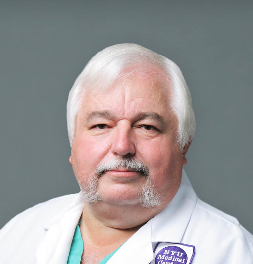 Eugene A. Grossi合作论文数NYU Langone Medical Center8
 Griffith, Boyce合作论文数Department of Mathematics, University of North Carolina at Chapel Hill;Departments of Mathematics and Biomedical Engineering, University of North Carolina at Chapel Hill8Andre Y Son合作论文数7
 Leonard N. Girardi合作论文数Department of Cardiothoracic Surgery, Weill Cornell Medical Center7
 Ravi S. Radhakrishnan合作论文数Trauma Research Center, University of Texas-Houston Medical School7
 Aubrey C. Galloway合作论文数Division of Adult Cardiac Surgery, Grossman School of Medicine, New York University6Vincent R. Conti合作论文数6
 Keshava Rajagopal合作论文数Department of Surgery, Duke University6Patrick T. Roughneen合作论文数6Scott Maddalo合作论文数5
 Ourania Preventza合作论文数Department of Cardiovascular and Endovascular Surgery, Arizona Heart Institute and Arizona Heart Hospital5
 Vittoria Flamini合作论文数5Stuart D Katz合作论文数4
 Edward P Chen合作论文数4
 Alison F. Ward合作论文数4Rui-Min D Mao合作论文数4Mobli Keyan合作论文数Department of Neurobiology and Anatomy and Graduate School of Biomedical Sciences;Health Science Center at Houston, The University of Texas;Houston;Department of Nanomedicine;The Methodist Hospital Research Institute;Houston4Smith Deane E合作论文数4
 John Elefteriades合作论文数Yale School of Medicine4Bruce D. Spiess合作论文数4
 Marc Moon合作论文数Division of Cardiothoracic Surgery, Baylor College of Medicine;Baylor St. Luke’s Medical Center, Texas Heart Institute;Adult Cardiac Surgery Section, Baylor St. Luke's Medical Center4Samuel H Cass合作论文数3Peter McCaffrey合作论文数3Karen M Kim合作论文数3Jared P. Beller合作论文数Department of Surgery, University of Virginia3
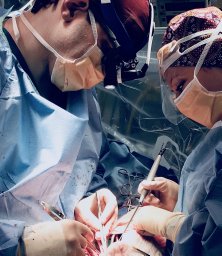 Louis H. Stein合作论文数Division of Cardiothoracic Surgery, Albany Medical Center3
 Stephen Fremes合作论文数Department of Surgery, Temerty Faculty of Medicine, University of Toronto;Sunnybrook Research Institute;Sunnybrook Health Sciences Centre;Institute for Clinical Evaluative Studies3Yaffee David W合作论文数3
 Fankhauser Grant T合作论文数Department of Surgery, Mayo Clinic3Hui Dawn S合作论文数3
 Joseph Woo合作论文数Department of Cardiothoracic Surgery, Stanford University School of Medicine3
 Annette E Rabinovich合作论文数3Douglas S. Tyler合作论文数3
 Richard Lee合作论文数Department of Stem Cell & Regenerative Biology, Harvard University;Harvard Medical School;Brigham and Women's Hospital3
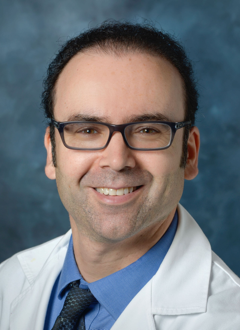 Ali Khoynezhad合作论文数Department of Cardiovascular Surgery, MemorialCare Heart and Vascular Institute3Alan C. Braverman合作论文数3Elaine E. Tseng合作论文数Depatment of Surgery, The Johns Hopkins Medical Institutions3
 Tom C. Nguyen合作论文数University of California3Emily A. Farkas合作论文数3Guy J. Fradet合作论文数3
 John S. Ikonomidis合作论文数Department of Cell Biology and Physiology, School of Medicine, The University of North Carolina at Chapel Hil3James S. Gammie合作论文数3
 Nabiha Huq Saifee合作论文数2




