Background Four-factor prothrombin complex concentrates (4F-PCCs) reverse vitamin K antagonist (VKA)-induced acquired coagulation factor deficiency. However, limited data exist on the benefits and risks of 4F-PCC treatment in patients with supratherapeutic international normalized ratio (INR) values (>6), for whom a high dose of 4F-PCC (50 IU/kg) is indicated. Objective To assess the hemostatic efficacy and safety of high-dose 4F-PCC in patients on VKA therapy before urgent surgery with an INR > 6. Methods The LEX-209 Phase 3 randomized, active-controlled study (NCT02740335) enrolled adults taking VKAs before urgent surgery with a substantial bleeding risk. Patients were randomized to either investigational or control 4F-PCC. This post hoc subanalysis included patients with baseline INR > 6, who were given high-dose 4F-PCC (50 IU/kg). Outcomes were analyzed according to original treatment assignment. The primary endpoint was hemostatic efficacy assessed by a blinded Independent Endpoint Adjudication Board. Results Twenty-three patients had an INR > 6 (mean ± SD INR, 9.1 ± 3.2). The mean ± SD dose of 4F-PCC administered was similar in the investigational (n = 15) and control (n = 8) 4F-PCC groups (49.7 ± 1.2 IU and 49.2 ± 2.3 IU of factor IX/kg, respectively). Effective hemostasis was achieved in 100% of patients in both groups, with adequate increments in vitamin K-dependent factors. No drug-related treatment-emergent adverse events or thromboembolic events were reported. Conclusions In this small sample, 4F-PCC, at the maximum permitted dose, was effective for VKA reversal in patients requiring urgent surgery, with no adverse safety signal observed.
BACKGROUND:Passenger lymphocyte syndrome (PLS) is a hematologic complication of ABO blood-type minor incompatibility that can occur following both solid-organ and hematopoietic stem cell transplant (HSCT). HSCT patients usually require red blood cell (RBC) transfusions until they achieve full erythroid engraftment. It is unclear whether the blood bank should honor the recipient's blood type or the donor's blood type at the time of issuing RBC products for minor ABO-incompatible HSCT patients prior to full engraftment. To avoid this confusion, blood group O RBCs are often transfused. However, the role of this approach in the prevention of PLS in minor ABO-mismatched HSCT recipients prior to full engraftment is not well understood. STUDY DESIGN AND METHODS:We conducted a survey of academic hospital blood banks across the United States in October-December 2025 to assess their practices for providing RBC transfusion support to minor-incompatible HSCT patients. RESULTS:Sixteen out of 24 hospital blood banks, including adult and pediatric centers, responded to the survey. The majority reported providing crossmatch-compatible type O RBC to recipients with blood types A, B, or AB, regardless of engraftment outcome. Five do not routinely transfuse O RBC. Two hospitals had one patient each with PLS resulting in severe intravascular hemolysis, and 11 reported mild PLS despite providing crossmatch-compatible type O RBC products to recipients. CONCLUSION:Regardless of the blood type of the transfused RBC, mild PLS can occur in minor ABO-incompatible HSCT patients prior to full engraftment.
Background: The diagnostic workup of heparin-induced thrombocytopenia (HIT) involves a heparin–platelet factor 4 complex-dependent screening test, such as an enzyme-linked immunosorbent assay (ELISA) or a rapid latex immunoturbidimetric assay (LIA), followed by a heparin-dependent platelet activation assay. Because of the high false-positive rates observed with LIA alone in our hospital, our laboratory adopted a reflex algorithm in which LIA-positive results are confirmed by an immunoglobulin G–specific ELISA before evaluation with serotonin release assay (SRA). Objectives: To evaluate the diagnostic performance and operational impact of an LIA-first reflex ELISA algorithm for suspected HIT compared with ELISA or LIA alone. Methods: We retrospectively compared ELISA alone, LIA alone, and LIA with reflex ELISA confirmation across 3 diagnostic eras, with performance assessed against SRA-confirmed HIT. Sensitivity, specificity, positive predictive value (PPV), negative predictive value, and accuracy were calculated for each era, and associations between the magnitudes of screening-assay reactivity and SRA positivity were assessed. Results: PPV improved from 31.3% with ELISA alone and 25.3% with LIA alone to 61.2% with reflex testing, while accuracy improved from 39.8% and 33.3% to 63.5%, respectively. Reflex ELISA confirmation reduced the number of patients classified as screening positive from 127 of 804 to 49 of 804, corresponding to a 61.4% reduction in potential SRA send-outs and a decrease from 15.8 to 6.1 SRA send-outs per 100 patients evaluated. Higher combined LIA and ELISA reactivities were associated with higher probability of SRA positivity. Conclusion: Reflex ELISA confirmation improved the diagnostic efficiency of HIT evaluation by increasing PPV and accuracy while reducing SRA send-outs. Combined screening-assay strength may help stratify the likelihood of HIT and guide the need for confirmatory testing, potentially improving time to HIT diagnosis and management in certain scenarios.
Introduction The therapeutic landscape for patients with haemophilia A (PwHA) is rapidly evolving with the introduction of extended half-life FVIII (EHL-FVIII) and non-FVIII therapies that mimic FVIII, such as emicizumab (EMI). Monitoring non-factor therapies in the laboratory poses challenges; however, the thrombin generation assay (TGA) can be utilized to evaluate hemostatic capacity.Aim To compare the endogenous thrombin potential (ETP) and peak thrombin (PT) in pediatric patients with moderate to severe haemophilia A (SHA) undergoing EHL-FVIII therapies and EMI.Methods Platelet-poor plasma (PPP) from PwHA on EHL-FVIII or EMI prophylaxis was tested on the calibrated automated thrombogram (CAT) using PPP low reagent.Results ETP and PT were significantly higher in the EHL-FVIII group compared to the EMI group.Conclusion Pediatric patients on EHL-FVIII prophylaxis demonstrated higher ETP in vitro using PPP compared to those on EMI prophylaxis. These findings highlight the need for further systematic investigations to explore the implications of these differences in bleed control.
BACKGROUND:Bivalirudin infusions are traditionally monitored with activated partial thromboplastin time (aPTT) despite the poor correlation with bivalirudin dose-response curves. This discordance may lead to over or under-anticoagulation, predisposing patients to bleeding or thrombosis and repeated dose adjustments. While a chromogenic bivalirudin-specific anti-IIa assay, which measures bivalirudin plasma concentrations, is available, the extent to which this test may improve clinical monitoring and patient outcomes remains unclear. Accordingly, we aimed to retrospectively assess the correlation between the bivalirudin dose and the anti-IIa assay and to establish a therapeutic range. We then performed a retrospective comparative cohort study assessing the impact of anti-IIa monitoring compared to aPTT on patient outcomes. METHODS:Plasma samples from adults receiving bivalirudin anticoagulation were analyzed to assess the correlation between bivalirudin dose, aPTT, and the anti-IIa assay. A retrospective comparative analysis was then conducted to evaluate operational and clinical outcomes in patients monitored with aPTT versus the anti-IIa assay. RESULTS:Analysis of 127 samples from 11 bivalirudin-anticoagulated adults showed a very weak correlation between bivalirudin dose and aPTT (r2 = 0.08), while a strong correlation was seen with the anti-IIa assay (r2 = 0.65). The dose-response slope's coefficient of variation (CV) for the aPTT and anti-IIa assay were 31 % and 6.6 %, respectively. Patients monitored with the anti-IIa assay had significantly higher time in therapeutic range than those monitored with aPTT (92.1 % vs. 26 %, p < 0.001). CONCLUSIONS:These findings suggest that the anti-IIa assay provides more reliable bivalirudin monitoring than aPTT, with a significant reduction in minor bleeding.
BACKGROUND:Transfusion has a persistent low risk of transfusion-transmitted infection and transfusion-associated graft-versus-host disease that may be addressed using pathogen reduction. The Red Cell Pathogen Inactivation (ReCePI) trial tested whether amustaline/glutathione pathogen-reduced red cells are noninferior to conventional transfusions for support of acute surgical blood loss. METHODS:A phase 3, double-blinded, noninferiority trial randomized cardiac or thoracic-aorta surgery patients with increased risk of red cell transfusion to receive pathogen-reduced or conventional red cells during and for 7 days postsurgery. The primary endpoint was the proportion of patients with acute kidney injury (AKI), which is defined as an increase from baseline of greater than or equal to 0.3 mg/dl serum creatinine within 48 h of surgery. Noninferiority was claimed if the upper bound 95% CI of the treatment difference was less than half (50%) of the observed conventional arm incidence. Adverse events and treatment-emergent red cell antibodies were assessed for 28 and 75 days, respectively. RESULTS:A total of 581 subjects were randomized, and 321 (55%) were transfused with study red cells. Transfused subjects in both arms had similar baseline demographics, medical histories, hemoglobin levels, and surgical procedures. Hemoglobin day 3 nadir levels (8.6 g/dl [7.8 to 9.2] in the pathogen-reduced arm; 8.4 g/dl [7.8 to 9.3] in the conventional arm; P = 0.52) were comparable. Incidence of AKI by 48 h was 46 of 157 (29.3%) in the pathogen-reduced arm and 45 of 161 (28.0%) in the conventional arm (treatment difference, 0.7%; 95% CI, -8.9 to 10.4%; noninferiority margin, 14.0%; P = 0.001 for noninferiority). AKI within 7 days by Kidney Disease Improving Global Outcomes staging criteria was not different (59 of 159 [37.1%] in the pathogen-reduced arm; 55 of 162 [34.0%] in the conventional arm; P = 0.53), but stage III was more common in the pathogen-reduced arm (pathogen-reduced arm, 15 of 159 [9.4%]; conventional arm, 7 of 162 [4.3%]; P = 0.075). Of 159 pathogen-reduced red cell recipients, 5 (3.1%) developed specific, low-titer antibodies without evidence of hemolysis. CONCLUSIONS:The incidence of AKI in recipients of pathogen-reduced red cells was noninferior to conventional red cell transfusion. Treatment-emergent antibodies were uncommon and not clinically significant.
Neuropsychiatric sequala are increasingly recognized as major long-term complications of immune thrombotic thrombocytopenic purpura (iTTP). Caplacizumab, a nanobody targeting the A1 domain of von Willebrand Factor (VWF), rapidly inhibits VWF interaction with platelets. This inhibition effectively prevents microthrombi formation and has led to its increasing use as a frontline disease-modifying agent. Clinical trial and post-marketing data suggest that caplacizumab administration guided by ADAMTS13 recovery may be as effective and possibly safer compared to dosing recommended by the manufacturer. Accordingly, this before-after cohort study sought to compare historical cases of iTTP (20 episodes) managed without caplacizumab to cases of iTTP (20 episodes) using a tailored approach to caplacizumab administration based on ADAMTS13 activity measured twice weekly during the hospital stay. Caplacizumab was discontinued when the ADAMTS13 activity was ≥20% on two consecutive occasions. Caplacizumab-treated patients received 6 doses (range 2-30), an 81% reduction relative to the number of doses based on the manufacturer’s recommendations (35+), leading to cost savings of $6,466,800. Platelet count normalization occurred at 4 days in caplacizumab-treated patients versus 6 days in the non-caplacizumab cohort (p=0.2). Rates of exacerbation and relapse were similar between both groups. Ultimately, these findings suggest that tailoring caplacizumab administration based on ADAMTS13 activity recovery leads to a marked reduction in the caplacizumab doses required. Despite this reduction, clinical and laboratory data were similar to those described in clinical trials and post-marketing studies while generating significant cost savings. Given these findings, prospective studies utilizing ADAMTS13 activity to guide individualized caplacizumab therapy are warranted.
Importance Millions of people take vitamin K antagonists (VKAs). Some people who need urgent surgical procedures require rapid VKA reversal to prevent excessive intraoperative bleeding. Objective To evaluate the hemostatic noninferiority of an investigational 4-factor prothrombin complex concentrate (4F-PCC) to a control 4F-PCC for rapid VKA reversal before urgent surgery. Design, Setting, and Participants This phase 3, double-blind, noninferiority randomized clinical trial (LEX-209) was conducted in 24 hospitals in the US, Russia, Georgia, Belarus, Ukraine, and Romania from June 7, 2017, through November 8, 2021; the study was stopped in February 2022. Participants were adult patients taking VKA who had an international normalized ratio (INR) of 2 or higher and needed urgent surgery with a substantial bleeding risk (>= 50 mL). Patients were randomized 1:1 to a single infusion of either the investigational 4F-PCC or the control 4F-PCC. Data analysis followed intention-to-treat and per-protocol approaches. Interventions Single intravenous infusion was dosed by body weight and baseline INR. A dose of 25, 35, or 50 IU/kg of investigational 4F-PCC or control 4F-PCC was administered for baseline INR of 2 to less than 4, 4 to 6, or over 6, respectively. Main Outcome and Measure The primary end point was hemostatic efficacy at surgery end. An independent adjudication board, blinded to the 4F-PCC treatment allocation, assessed hemostatic efficacy using an objective 4-point scale. Results A total of 208 patients (median [range] age, 67.5 [31-92] years; 118 males [56.7%]) received the investigational (n = 105) or the control (n = 103) 4F-PCC. The median (range) dose was 25 (16-50) IU/kg in the investigational group and 25 (15-50) IU/kg in the control group, with a median (range) infusion time of 12 (8-50) minutes and 13 (7-30) minutes and a median (range) time from infusion to surgery start of 1.42 (0.25-15.25) hours and 1.50 (0.42-18.50) hours, respectively. Baseline median (range) INR was 3.05 (1.97-21.10) in the investigational group and 3.00 (2.00-11.30) in the control group. In the intention-to-treat analysis, the investigational 4F-PCC was noninferior to the control 4F-PCC, resulting in effective hemostasis in 94.3% of patients vs 94.2% of patients (proportion difference, 0.001; 95% CI, -0.080 to 0.082; P < .001), meeting the prespecified noninferiority margin of 0.15. An INR of 1.5 or lower at 30 minutes after infusion occurred in 78.1% of patients in the investigational group vs 71.8% of patients in the control group (proportion difference, 0.063; 95% CI, -0.056 to 0.181). Thrombotic events (2.9% vs 0%, respectively) and mortality (4.8% vs 1.0%, respectively) were no different than expected for 4F-PCC use. One patient in each treatment group discontinued due to adverse events (cardiac disorders unrelated to 4F-PCC). Conclusions and Relevance This randomized clinical trial found that the investigational 4F-PCC was hemostatically noninferior to the control 4F-PCC for rapid VKA reversal in patients needing urgent surgery with considerable bleeding risk; the safety profile of these two 4F-PCCs was similar. These results support the investigational 4F-PCC as a therapeutic option for surgical patients requiring rapid VKA reversal.
Introduction: Acute chest syndrome (ACS) is the leading cause of mortality, accounting for 25% of all deaths among individuals with sickle cell disease (SCD). The etiologies and clinical manifestations of ACS are variable, with a lack of clear risk stratification guidelines for the practicing clinician. Management of ACS is based on limited evidence and is currently guided primarily by expert opinion. Based on this gap in the diagnosis and management of ACS, we created a multicenter ACS work group in March 2022 that included pediatric and adult hematologists, and transfusion medicine physicians. We hypothesized that the risk stratification and management of ACS is significantly variable among providers involved in the care of SCD individuals. Methods: The ACS work group created a survey to determine how providers from different subspecialty groups diagnose and manage ACS. The survey was anonymous. Five ACS diagnostic features had to be rated from 1 to 5 in addition to 3 case scenarios to reflect mild, moderate, or severe ACS events as determined by the work group. The study was IRB approved and distributed through RedCap to providers from adult and pediatric hematology/oncology, transfusion medicine, emergency medicine, critical care and pulmonology during a one-month period in June to July, 2023. Results: Out of 465 providers who have received the survey to date, 161 providers have responded (34.6%). Of these, 103 (64%) reported caring for over 50 SCD individuals while 38 (24%) reported caring for >200 SCD individuals in the year prior. Most providers (68%) were from pediatric specialties (110/161) while 20% (32/161) were from solely adult specialties. One hundred and twenty-four (77%) of respondents were hematologists. Sixty-four percent (n= 103) of the providers rated a new pulmonary infiltrate as one of the top 2 criteria to diagnose ACS. However no other criteria for ACS such as hypoxia, lobar pneumonia, fevers, drop in hemoglobin of more than 2 g/dL from baseline, were rated as the top 2 criteria by more than 40% of the providers. For the case scenarios, the case deemed moderate ACS by the work group received the most discordant results about its stratification and management. Although most respondents considered it ACS (93%), 42% graded it as mild ACS (63/150) and 31% graded it as moderate ACS (46/150). For the management of this case, transfusion practices varied with 28 providers choosing 10-15 mL/kg packed red blood cells (pRBCs), 67 choosing pRBCs to goal hemoglobin of 9-10 g/dL and 10 providers choosing RBC exchange transfusion (RBCX). For all the case scenarios, a mean of 37 providers (24%) selected that grading for ACS is not important as the patient had ACS regardless of the grading. In the case deemed mild ACS, transfusions were selected by 4% (n = 6) of the providers choosing 10-15 mL/kg of pRBCs, and 7.5% (n =12) providers choosing pRBCs to goal hemoglobin of 9-10 g/dL. Conclusion: We conclude that diagnosis and management of ACS is highly variable, even among experienced specialty providers. Further research is needed to improve standardization of ACS risk stratification and management to optimize care for individuals with SCD.
BACKGROUND:Plasma exchange (PLEX) therapy is indicated for several disorders. The 5% albumin is often used as a sole replacement fluid during most PLEX. However, each 1.0 plasma volume exchange depletes coagulation factors by ~65%. Although most coagulation factors recover to hemostatic levels within 24 h post-PLEX, fibrinogen requires 48-72 h to recover. Fibrinogen is the key coagulation protein for hemostasis. Therefore, fibrinogen is often monitored during the acute course of PLEX, and plasma is supplemented to prevent bleeding if fibrinogen is <100 mg/dL. STUDY DESIGN AND METHODS:We conducted a prospective, single-center, observational study to evaluate bleeding risk in adults who received an acute course of PLEX with a fibrinogen level of 80-100 mg/dL without plasma supplementation during the procedure or before central venous catheter removal. The study group was compared to patients with plasma fibrinogen >100 mg/dL. RESULTS:Among the 275 patients who received 1406 PLEXes, 62 patients (23%) who underwent 323 PLEXes met the inclusion criteria, and only 2 (3%) patients had bleeding while on oral anticoagulants. In contrast, out of 275 patients, 143 (52%) with fibrinogen levels >100 mg/dL received 751 PLEX treatments, and bleeding occurred in 2 (1%) while on low-molecular-weight heparin. CONCLUSIONS:Our findings suggest that a pre-procedure fibrinogen threshold of 80-100 mg/dL without plasma supplementation does not increase bleeding risk unless patients were on anticoagulation.
 Sean G Yates合作论文数Department of Pathology, UT Southwestern Medical Center32
 Nicole De Simone合作论文数27
 Yu-Min Shen合作论文数27
 Karen Matevosyan合作论文数24
 Majed Refaai合作论文数20
 Joshua Goldstein合作论文数Center for Neurologic Emergencies, Department of Emergency Medicine, Massachusetts General Hospital, Harvard Medical School19
 Truman Milling合作论文数Department of Neurology, Dell Medical School, University of Texas at Austin;Department of Surgery and Perioperative Care, Dell Medical School, University of Texas at Austin18Eugene P. Frenkel合作论文数15
 Ayesha Zia合作论文数Division of Hematology/Oncology, University of Texas Southwestern Medical Center14James D. Burner合作论文数14Chakri Gavva合作论文数13Alagarraju Muthukumar合作论文数12Christopher Madden合作论文数11
 Nicholas Bandarenko合作论文数Department of Pathology, Duke University School of Medicine10
 Jeffrey L. Winters合作论文数Mayo Clinic10
 Jyoti P Balani合作论文数10Manasa Reddy合作论文数9
 Thomas Lee Ortel合作论文数Division of Hematology, Department of Medicine, Duke University School of Medicine;Duke Cancer Institute9Lee Francesca合作论文数9Lenin Mahimainathan合作论文数Department of Medicine, University of Texas Health Science Center9Cynthia Rutherford合作论文数8Amena Usmani合作论文数8Ellen Araj合作论文数Univ Texas Southwestern Med Ctr Dallas, Dept Pathol, Dallas, TX 75390 USA8
 Hau C Kwaan合作论文数Division of Hematology and Oncology, Department of Medicine, Feinberg School of Medicine, Northwestern University8
 Andrew E Clark合作论文数8
 Charles L. Bennett合作论文数College of Pharmacy, University of South Carolina8
 T. Raife合作论文数8Joseph E. Kiss合作论文数8Ibrahim F. Ibrahim合作论文数7
 Dilip K Pandey合作论文数7Rambally Siayareh合作论文数7Masanori Matsumoto合作论文数Department of Blood Transfusion Medicine, Nara Medical University7
 Sandra Hofmann合作论文数Hamon Center for Therapeutic Oncology Research, University of TexasSouthwestern Medical Center7Joseph E Beshay合作论文数6
 Anaadriana Zakarija合作论文数Hematology and Oncologys, Department of Medicine, Feinberg School of Medicine, Northwestern University6
 June M McKoy合作论文数Department of Medical Education, Feinberg School of Medicine, Northwestern University6
 Cursio John F合作论文数6
 X. Long Zheng合作论文数Department of Pathology and Laboratory Medicine, University of Kansas Medical Center6Mangione Antoinette合作论文数6
 Yoshihiro Fujimura合作论文数Department of Blood Transfusion Medicine, Nara Medical University6Billie L. Durn合作论文数5Martin Lee合作论文数5Natalie Bavli合作论文数5
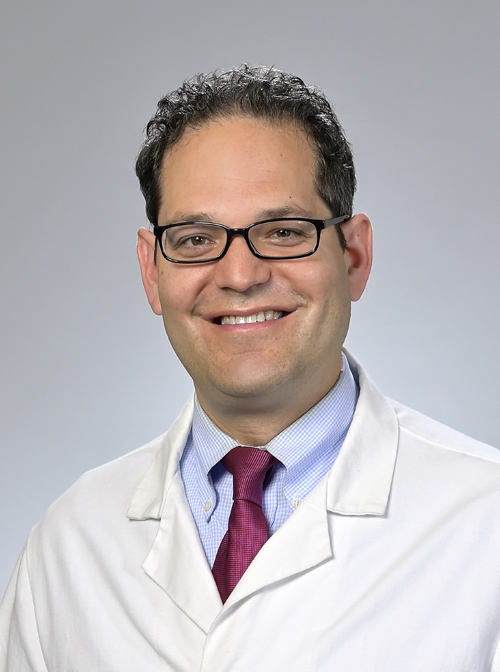 Adam C. Cuker合作论文数Division of Hematology and Oncology, Department of Medicine, Perelman School of Medicine, University of Pennsylvania5
 Srikanth Nagalla合作论文数Miami Cancer Institute, Baptist Health5Narasimhan Madhusudhanan合作论文数Department of Pharmacology and Neuroscience, Texas Tech University Health Sciences Center5Song Zhang合作论文数5Han-Mou Tsai合作论文数5Katharine A. Downes合作论文数5




