Organizational failures often cause significant harm to employees, the organization itself, and the environment. Investigations of failures consistently highlight how key employees behaved in (perhaps unintentionally) unethical ways that de-prioritized safety, such as investing fewer resources in safety (vs. other priorities) over time. Drawing on these investigations, we suggest a previously underexplored theme could explain why organizational failures persist and why employees did not "see" the potential for their behaviors to cause harm to others: Employees were distanced from where the harm eventually occurred, either in terms of space (e.g., being located miles away from the job site) or time (e.g., making decisions that would not have impacts for months or years). We use construal level theory to investigate how the way employees construe where work occurs-defined as work context construal-influences perceptions of harm and the ethical framing of risk-mitigating behaviors. We hypothesize that high-level (abstract) work context construals (vs. low-level, concrete ones) reduce perceptions of potential harm which, in turn, leads to framing risk-mitigating behaviors as less of an ethical obligation. Six studies-a correlational survey of aviation employees (Study 1), field experiments with offshore drilling employees (Study 2A) and health care workers (Study 2B), a preregistered experiment with nurses (Study 3), and two supplemental studies (Studies 4A/B)-support our hypotheses. We discuss implications of this research for understanding organizational failures, particularly in a world where technology increasingly enables employees to monitor complex and high-risk work occurring many miles away, or on the other side of the world.
Detaching from work is beneficial because it helps employees recover from work demands. However, we argue that detachment may be a trade-off for employees in organizations with higher (vs. lower) levels of performance pressure. Drawing on social self-preservation theory, we hypothesize that evening detachment leads employees working in higher (vs. lower) performance pressure work contexts to experience increased shame at work the next morning. In turn, we hypothesize that shame motivates employees to engage in cheating behaviors to covertly inflate their performance and reduce the possibility that others will form negative perceptions of them. In three studies-a 2-week experience sampling study and two experiments-we find that evening detachment leads to heightened next-morning shame in higher (vs. lower) performance pressure work contexts, increasing cheating behavior throughout the workday. (PsycInfo Database Record (c) 2023 APA, all rights reserved).
Punishments are not always administered immediately after a crime is committed. Although scholars and researchers claim that third parties should normatively enact punishments proportionate to a given crime, we contend that third parties punish transgressors more severely when there is a time delay between a transgressor's crime and when they face punishment for it. We theorize that this occurs because of a perception of unfairness, whereby third parties view the process that led to time delays as unfair. We tested our theory across eight studies, including two archival data sets of 160,772 punishment decisions and six experiments (five preregistered) across 6,029 adult participants. Our results suggest that as time delays lengthen, third parties punish transgressors more severely because of increased perceived unfairness. Importantly, perceived unfairness explained this relationship beyond other alternative mechanisms. We explore potential boundary conditions for this relationship and discuss the implications of our findings.
Multicultural experiences – such as living, traveling, or working abroad – can have many psychological benefits, including decreasing intergroup bias. However, unlike the intergroup contact literature, research on multicultural experiences has yet to examine whether the valence of these experiences may moderate such outcomes. So, could multicultural experiences actually increase intergroup bias? Five studies reveal that multicultural experiences increase (rather than decrease) intergroup bias when those experiences are negative (rather than positive). Across multiple methods (recall priming; virtual reality simulation), and experiences across multiple countries, negative multicultural experiences increased intergroup bias (stereotyping; prejudice) – both to groups associated, and stigmatized groups not associated, with the specific multicultural experience. This increased bias did not extend to ingroup members or non-human targets. The impact of negative multicultural experiences on increased bias was mediated by changes in intergroup ideologies/worldviews – specifically social dominance orientation. These findings reveal how multicultural experiences can be a double-edged sword in our increasingly globalized world.
Women are leaving the workforce at historic rates due to the inability to negotiate work and household labor. Despite considerable gains in the workforce, women still account for a greater share of domestic work. To be ideal workers, women are expected to fulfill ideal worker norms of long hours and undivided dedication, in stark contrast with gender roles which dictate that ideal women should take primary care of the household. This imbalance of unpaid domestic labor stunts women’s achievement in the paid workforce. Prior research has demonstrated the tension between work and family domains and COVID-19 has exposed the ubiquity of gender roles, as women have taken on a greater share of childcare and household chores during the pandemic (Giurge et al., 2021). In this symposium, will delve into the consequences of the push and pull of work and family responsibilities, and why women are feeling especially burdened during COVD-19. Across a variety of methodology, including longitudinal, survey, interview and experimental, we unpack the experiences of women and the undercurrent of work family conflict pushing women out of the workforce. In these four talks, we study how remote work effects work life balance, how domestic arrangements effect work outcomes, how work arrangements effect domestic arrangements, and a precursor and consequences of the conflict between the two realms. By examining the link between personal and professional lives, we demonstrate the interconnectedness of these two domains, with specific focus on the pressure women face from both, and how it may be alleviated. A Blessing or a Curse? The Benefits and Challenges of Remote Work for Working Mothers Presenter: Aurora Turek; Harvard Business School Presenter: Salvatore J. Affinito; Harvard Business School Presenter: Ashley Whillans; Harvard Business School Presenter: Leslie Perlow; Harvard Business School The Shared Parenting Premium: Caregiving, Chores, and Earnings Presenter: Stephanie Chan-Ahuja; London Business School Presenter: Eliot Sherman; London Business School New Employment Arrangements: Changes at Work and at Home Presenter: Alexandra Feldberg; Harvard Business School Presenter: Kathleen L. McGinn; Harvard U. Holding the Belief that Gender Roles Can Change Reduces Women’s Work-Family Conflict During COVID Presenter: Charlotte Townsend; Haas School of Business, UC Berkeley Presenter: Laura Kray; U. of California, Berkeley
Within and outside of the workplace, individuals regularly engage in impression management, or attempts to manage how they are perceived by others to create positive impressions of themselves (Bolino & Turnley, 2003; Jones & Pittman, 1982; Wayne & Liden, 1995). Despite the importance of cultivating a good impression, it is not uncommon for individuals to misunderstand how certain behaviors will be perceived by others (Steinmetz, Sezer, & Sedikides, 2016). The five papers in this symposium each address an important aspect of impression management and highlight nuances that provide a greater understanding of 1) when and why impression mismanagements might occur and 2) how individuals can become better impression managers so they can more effectively reach their goals. These papers examine various forms of impression management, both through language and actions, and discuss how context affects the extent to which impression management is successful. How does Variability Affect Humanization? Presenter: Kristina Wald; U. of Chicago Booth School of business Presenter: Jane Risen; U. of Chicago Booth School of business I Told You So Effect Presenter: Ovul Sezer; Columbia Business School Presenter: Salvatore J. Affinito; Harvard Business School Presenter: Bradley R. Staats; U. of North Carolina, Chapel Hill Intrinsic Motivation Display as Impression Management Presenter: Mijeong Kwon; U. of Colorado, Denver Sending Signals: Strategic Displays of Warmth and Competence Presenter: Bushra Sarah Guenoun; Harvard Business School Presenter: Julian Jake Zlatev; Harvard Business School Observer Reactions to Impression Management Use in the Workplace Presenter: Lynn A. McFarland; Darla Moore School of Business, U. of South Carolina Presenter: William Benjamin Ward; U. of South Carolina Presenter: Silvia Clark; Darla Moore School of Business, U. of South Carolina Presenter: Jonathan Hendricks; U. of Nebraska, Lincoln
Unethical behavior has disastrous consequences for organizations and society. Inspired by the conference theme “Creating a Better World Together”, this symposium brings together novel empirical insights on how people prompt and punish others’ unethical behavior. How does one person’s actions and emotions affect another’s unethical behavior? How do people react to others’ unethical behavior with constructive or counterproductive responses? The first two presentations examine how individuals intentionally or unintentionally prompt others to act unethically by giving advice (Helgason & Effron) and displaying anxiety (Yip & Lee). The next three presentations examine how people respond, often unfairly and counterproductively, to others’ unethical behavior with punishment (Kundro, Nurmohamed, Kakkar, & Affinito), ostracism (Smith-Crowe & Burns), and feedback (Frey & Green). By focusing on behaviors available to individuals regardless of their formal role, such as advice, feedback, and ostracism, this symposium provides implications for how ethically-conscious employees can not only behave ethically themselves, but also inspire ethical behavior from others in their organization. Vice Advice: Taking Advice to Justify Unethical Behavior Presenter: Beth Anne Helgason; London Business School Presenter: Daniel A. Effron; London Business School Fretting Invites Fraud: Expressing Anxiety Elicits Deceptive Behaviors by Perceivers Presenter: Jeremy Yip; McDonough School of Business Georgetown U. Presenter: Kelly Lee; - Crime, Time, and Punishment: Time Lags Exacerbate the Severity of Third-Party Punishment Presenter: Timothy Kundro; U. of North Carolina, Chapel Hill Presenter: Samir Nurmohamed; The Wharton School, U. of Pennsylvania Presenter: Hemant Kakkar; Fuqua School of Business, Duke U. Presenter: Salvatore J. Affinito; Harvard Business School Out with the Racists: Understanding Ostracism in Response to Racist Acts Presenter: Kristin Smith-Crowe; Boston U. Presenter: Nicholas Burns; Boston U. Questrom School of Business Mistake or Misconduct: Type of Violation Influences Feedback Motivations and Content Presenter: Erin Frey; U. of Southern California -Marshall School of Business Presenter: Paul Isaac Green; U. of Texas at Austin
The rise of globalization and the international labor movement has sparked the growth of opportunities for individuals to accumulate multicultural experiences and develop multicultural backgrounds. Multicultural experiences have been linked to a number of individual, interpersonal and organizational outcomes such as creativity, intergroup relations, and firm performance. As individuals gain more diverse perspectives through multicultural experiences and as the society become more multicultural, what are the potential positive and negative effects on the social processes? In this symposium, we focus on the effects of multicultural experiences on social dynamics and discuss their implications for individuals and organizations. The purpose of this symposium is to feature new research that “zooms in” on how multicultural experiences shape social behaviors at an interpersonal level and “zooms out” to explore how multicultural experiences shape social networks more broadly. Inspired by the Academy of Management 2021 theme, “Bringing the Manager Back in Management,” these projects extend research and theory on how multicultural backgrounds help managers harvest greater social tolerance and overcome intergroup biases, as well as develop social capital that leads to personal and managerial outcomes. Eat, Pray…Hate? Negative Multicultural Experiences Can Increase Intergroup Bias Presenter: Salvatore J. Affinito; Harvard Business School Presenter: William Maddux; U. of North Carolina, Chapel Hill Presenter: Giselle Elaine Antoine; U. of Washington, Seattle Presenter: Kurt Gray; U. of North Carolina, Chapel Hill The effects of multicultural experience on social tolerance during times of crisis Presenter: Carmit T. Tadmor; Tel Aviv U. Presenter: Manchi Chao; Hong Kong U. of Science and Technology Presenter: Ying-yi Hong; Nanyang Technological U. Multicultural Experience and Social Network Brokerage Presenter: Eva Hsin-Lian Lin; London Business School Presenter: Raina A. Brands; U. College London School of Management Cultural Diversity Broadens Social Networks Presenter: Adrienne Wood; U. of Virginia Presenter: Adam M. Kleinbaum; Dartmouth College Presenter: Thalia Wheatley; Dartmouth College
As globalization has become a defining issue for business and society, an increasing amount of research has examined how multicultural experiences affect a variety of psychological and organizational outcomes. We define "multicultural experiences" as exposure to or interactions with elements or members of a different culture(s). We then provide a comprehensive review of the literature and detail how multicultural experiences impact intrapersonal, interpersonal, and organizational outcomes, including creativity, psychological adjustment, intergroup bias, trust, morality, leadership effectiveness, and individual or firm performance, exploring key mechanisms and boundary conditions that have also emerged. We then present a new theoretical framework-the "Structure-Appraisal Model of Multicultural Experiences"-that organizes the overall pattern of findings and provides a roadmap for future research. The structure part of our model proposes that deeper multicultural experiences produce integrative processes that transform intrapersonal cognition, whereas broader multicultural experiences activate comparative processes that influence interpersonal attitudes and behaviors. The appraisal part of our model suggests that these intrapersonal and interpersonal effects are only likely to occur when appraisals of one's multicultural experiences are positive rather than negative. We conclude by discussing practical implications for individuals and organizations, as well as future directions for researchers to consider exploring.
Cover-ups, attempts to hide evidence of one’s own deviant behavior, are often worse than their precipitating acts of deviance. Deviance is the starting point for a chain of events that can lead to cover- ups, and existing research has accordingly focused on ways to reduce deviance. However, we argue that theoretical insight can be gained by moving beyond a focus on deviance reduction and towards a better understanding of the chain of events that occurs post-deviance. Specifically, we propose that deviance is associated with increased confessional silence, the withholding of information about one’s own deviance from other organizational members, which in turn relates to cover-up behaviors. Further, we suggest that one deviance-reducing tactic commonly implemented by management—increasing organizational punitiveness—may actually increase cover-ups. The more punitive the organizational context, the stronger the association between deviance and confessional silence, and between confessional silence and cover- ups, respectively. We find support for the majority of our theorizing in a multi-wave field study of restaurant chain employees in China and a multi-wave study of working adults in the United States.
Social scientists have long been preoccupied with defining and understanding optimal human functioning. Over the past century, pragmatists (James, 1890), needs scholars (Alderfer, 1969; Maslow, 1943), salutogenic theorists (Hobfoll, 1989), and those contemplating the broader meaning of life (Frankl, 1984), have all taken a stab at outlining what it means to live life well. These approaches, however, have faced various critiques, such as not being applicable to the whole spectrum of human experiences (May, 1969), being too tautological (Priem & Butler, 2001; Russell, 2004; Thompson & Cooper, 2001) or reductionist (Geller, 1982), or lacking empirical support (Wahba & Bridwell, 1976). Moreover, to date, no grand theory of human sustainability encompassing ideas from these various streams of thought has emerged. This symposium reaches across disciplines to “broaden our sight,” by applying dynamic energy budget theory (DEBT), a widely validated theory of biology, to understand human sustainability within organizations.
Employee cynicism is on the rise, and thus is increasingly part of the social fabric in modern workplaces. In this paper, we investigate whether interactions with cynical others may produce undesirable effects on employee energy. We integrate social information processing theory (e.g., Salancik & Pfeffer, 1978) with self-regulatory theories of energy (e.g., Kotabe & Hofmann, 2015), to argue that employees look to each other daily for information that can inform their energy investments at work. Specifically, we examine how coworkers’ expressed cynicism about their work can determine employees’ motivation to withhold or invest energy in their daily tasks. We hypothesize that cynical coworkers provide cues that result in reduced investment of energetic resources (i.e., engagement), leading to reduced task performance and increased withdrawal. Our model further suggests energetic capacity reduces employees’ susceptibility to cynical others, positing that optimal sleep mitigates these effects. Two studies largely support our hypotheses. First, an experience sampling study examines start-of-day interactions and supervisor performance ratings in a nursing context where cynicism is prevalent and sleep is often disrupted. Second, an experimental study complements these findings by replicating the model and provides evidence of causal direction.
Four studies test the hypothesis that individuals who possess high power, but low status, are more likely to be recipients of negative interpersonal treatment in their relationships, in comparison to individuals with any other power-status combination. High power, low status targets are least likely to be trusted (Studies 1 and 2), most likely to be demeaned by others (Study 3) and least likely to have their advice heeded (Study 4). These consequences derive from the stereotype that high power, low status targets lack warmth. These findings highlight differences between two fundamental bases of social hierarchy, power and status, and also illustrate how relationships with high power, low status individuals may spiral downward into a reciprocal cycle of hostility.
 Michael Christian合作论文数Kenan–Flagler Business School, The University of North Carolina at Chapel Hill4
 Kurt Gray合作论文数University of Maryland4
 Timothy Kundro合作论文数Dept Management & Org, Univ Notre Dame3
 William W. Maddux合作论文数Ohio State University3
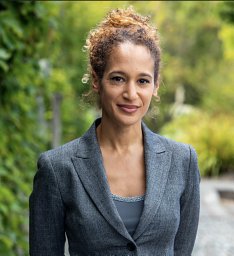 Giselle Elaine Antoine合作论文数Foster Sch Business, Univ Washington2
 jonathan e keeney合作论文数U. of Notre Dame2
 Casher Belinda合作论文数University of North Carolina at Chapel Hill2
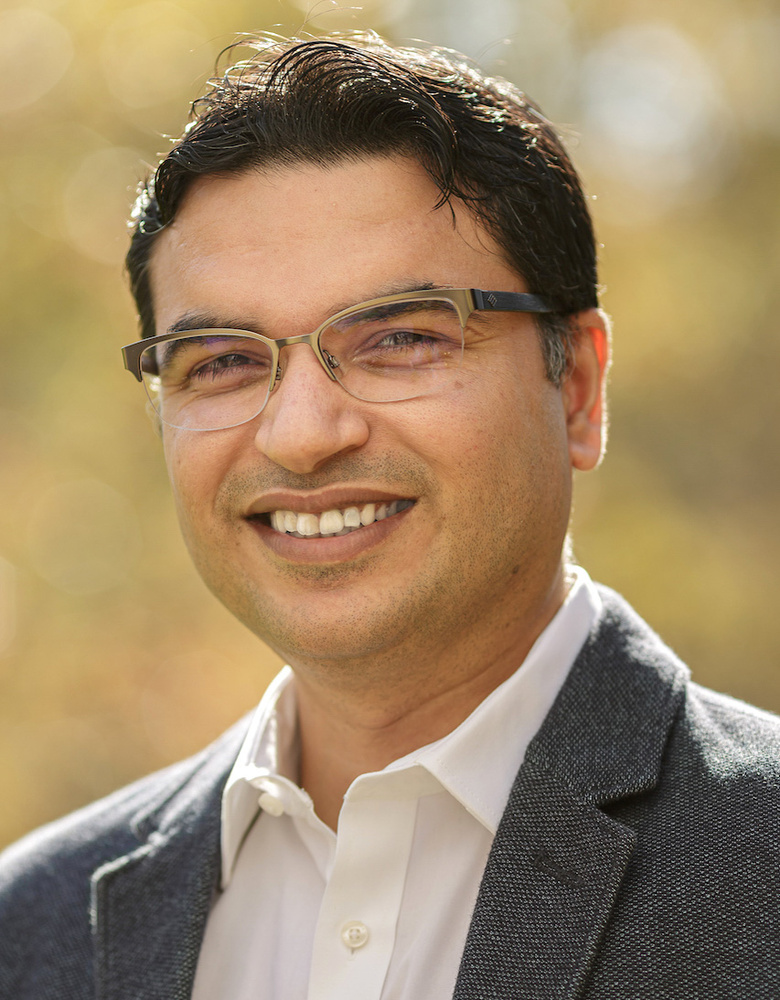 Hemant Kakkar合作论文数Management and Organization, Fuqua School of Business, Duke University2
 Carmit T. Tadmor合作论文数Tel Aviv University, Tel-Aviv University2
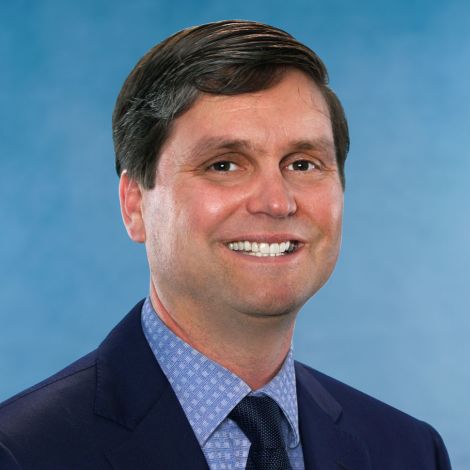 Bradley Staats合作论文数Kenan–Flagler Business School, The University of North Carolina at Chapel Hill2
 Samir Nurmohamed合作论文数Management Department, The Wharton School, University of Pennsylvania2
 Ovul Sezer合作论文数Kenan–Flagler Business School, The University of North Carolina at Chapel Hill2
 David T. Wagner合作论文数1Deirdre Gobeille Snyder合作论文数1Bushra Sarah Guenoun合作论文数1Manchi Chao合作论文数1Charlotte Townsend合作论文数1William Benjamin Ward合作论文数1Christopher Barnes合作论文数1Mijeong Kwon合作论文数1Kelly Raz合作论文数1
 Stephanie Chan-Ahuja合作论文数1Jun Yang合作论文数1
 Silvia Clark合作论文数1
 Beth Anne Helgason合作论文数1Alexandra C. Feldberg合作论文数Org Behav Unit, Harvard Sch Business1
 Erin Cooke Long合作论文数U. of Georgia1
 Aurora Turek合作论文数Business School, Harvard1
 Erin Frey合作论文数Univ Southern Calif1
 Jonathan Hendricks合作论文数University of Nebraska–Lincoln1
 Eliot Sherman合作论文数London Business Sch, London NW1 4SA, England1
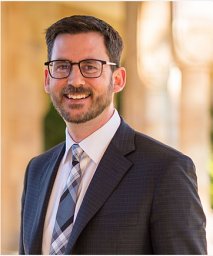 Adam Austen Kay合作论文数UQ Business School, University of Queensland1Paul Isaac Green合作论文数1Danielle D. King合作论文数1
 Daniel Skarlicki合作论文数Marketing & Behavioural Science Division, Sauder School of Business, The University of British Columbia1
 Cheryl Jones合作论文数Sydney Medical School, Faculty of Medicine and Health, The University of Sydney1
 Rebecca Schaumberg合作论文数Operations, Information and Decisions Department, The Wharton School, University of Pennsylvania1
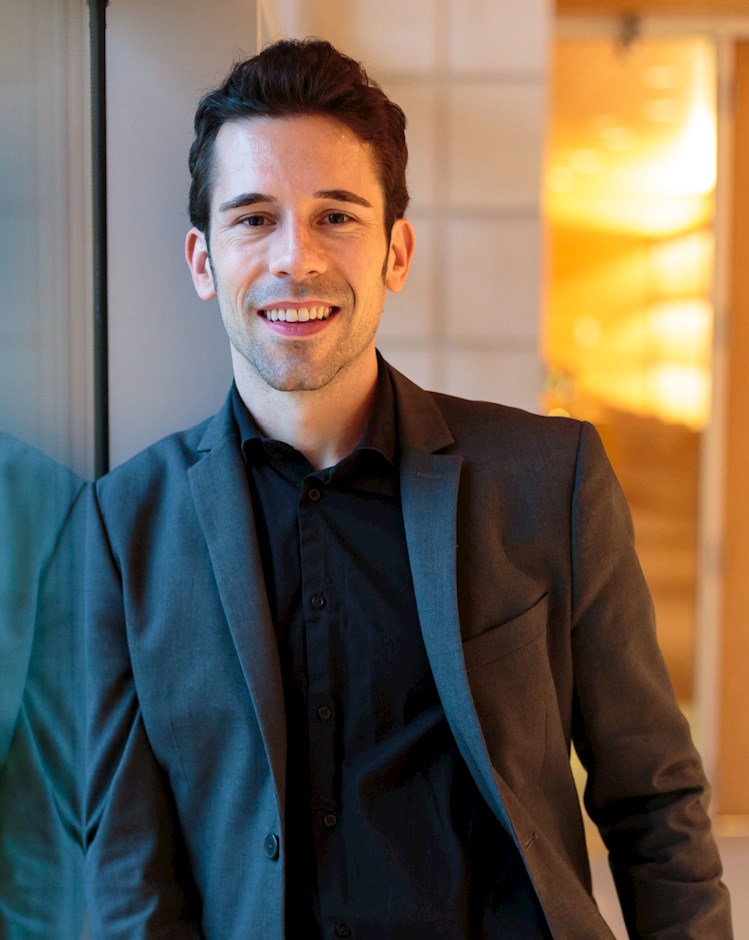 Thomas Talhelm合作论文数Booth School of Business, The University of Chicago1
 Adam Galinsky合作论文数Management Department, Columbia Business School, Columbia University1
 Daniel R. Ames合作论文数Management Division, Columbia Business School, Columbia University1
 Charles Calderwood合作论文数1
 Daniel Effron合作论文数Kellogg School of Management, Northwestern University1
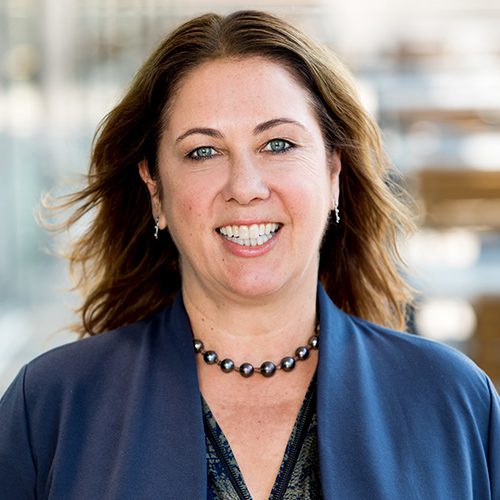 Laura Kray合作论文数Center for Equity, Gender, and Leadership, Haas School of Business, University of California, Berkeley1
 Jackson G. Lu合作论文数MIT Sloan School of Management1
 Julian J. Zlatev合作论文数Harvard Business School, Harvard University1
 Ashley V. Whillans合作论文数Harvard Business School, Harvard University1
 Kimberly French合作论文数School of Psychology, College of Sciences, Georgia Institute of Technology1
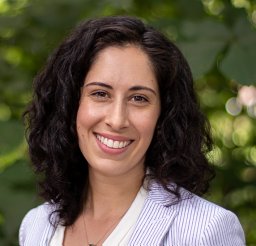 Adrienne Wood合作论文数Emotion and Behavior Lab, Department of Psychology, School of Arts & Sciences, University of Virginia1
 Andrew Hafenbrack合作论文数Foster School of Business, University of Washington1




