The global spread of SARS-CoV-2 highlighted the urgent need for broad-spectrum antiviral strategies. One promising approach is antimicrobial photodynamic therapy (aPDT), which, in the presence of oxygen, suitable photosensitizers and irradiation, generates reactive oxygen species capable of inactivating a broad spectrum of viruses. In this work, in vitro aPDT assays were performed using curcumin (Cur) and methylene blue (MB) as biocompatible photosensitizers, with bacteriophage ZC01 serving as the viral model and irradiation at 450 nm and 660 nm. Bacteriophages are frequently used as robust viral models due to their structural tolerance to photodynamic treatments compared with many mammalian viruses. Under the experimental conditions employed, a high viral load (similar to 109 PFU mL-1) was used to represent a challenging inactivation scenario. The combination of curcumin and methylene blue at fluences of 12.5 and 25 J cm-2 per wavelength produced viral load reductions of 7.01 log10 and 9.14 log10, respectively. These results indicate that Cur/MB combination can achieve efficient photodynamic viral inactivation under moderate irradiation fluences. This in vitro platform may contribute to the development of photodynamic antiviral strategies and provides a practical system for evaluating potential photosensitizers and irradiation conditions for viral photoinactivation.
Very few bacteriophages that infect Xanthomonas species have been characterized genetically and only one 3D structure, the capsid of a siphovirus that infects the phytopathogen Xanthomonas citri , has been determined at high resolution. This study presents the annotated DNA sequence and detailed structural analysis of ΦXacm4-11, a podovirus that infects Xanthomonas citri , shedding light on its unique architecture and functional attributes, providing insights into the molecular mechanisms underlying host recognition and infection. Annotation of the genome revealed conserved features among related phages, but also distinct genetic elements that may contribute to ΦXacm4-11’s specificity toward X. citri. Genes associated with host recognition and infection were identified, including the genes potentially coding for the receptor-binding proteins (RBPs) at the tail fibre tip, offering insights into their role in bacterial attachment. Using high-resolution cryo-electron microscopy, we resolved the architecture of the mature, pre-released virion, revealing a T7-like head-tail assembly with a well-defined portal-tail complex embedded at a unique fivefold vertex. Our findings provide a detailed view of the structural and functional components of ΦXacm4-11, furthering our understanding of its molecular interactions with X. citri and its potential application in phage therapy against phytopathogens. Bacteriophages are increasingly recognized as powerful tools to control bacterial pathogens in medicine and agriculture, yet the structural basis of host recognition and genome delivery remains poorly understood for most phages. Here, we present a comprehensive structural and functional analysis of ΦXacm4-11, a podovirus that infects the plant pathogen Xanthomonas citri . By combining genome annotation, proteomics, and high-resolution cryo-electron microscopy, we reveal the complete architecture of the mature virion and its specialized portal-tail machinery. Our results show how this short-tailed phage deploys an internal injection device to penetrate the bacterial cell envelope and highlight structural features linked to type IV pilus-dependent infection. These findings provide insights into phage entry mechanisms and establish ΦXacm4-11 as a model for engineering biocontrol strategies.
Microbial competition within plant tissues affects invading pathogens’ fitness. Metabolomics is a great tool for studying their biochemical interactions by identifying accumulated metabolites. Xylella fastidiosa, a Gram-negative bacterium causing Pierce’s disease (PD) in grapevines, secretes various virulence factors including cell wall-degrading enzymes, adhesion proteins, and quorum-sensing molecules. These factors, along with outer membrane vesicles, contribute to its pathogenicity. Previous studies demonstrated that co-inoculating X. fastidiosa with the Paraburkholderia phytofirmans strain PsJN suppressed PD symptoms. Here, we further investigated the interaction between the phytopathogen and the endophyte by analyzing the exometabolome of wild-type X. fastidiosa and a diffusible signaling factor (DSF) mutant lacking quorum sensing, cultivated with 20% P. phytofirmans spent media. Liquid chromatography–mass spectrometry (LC-MS) and the Method for Metabolite Annotation and Gene Integration (MAGI) were used to detect and map metabolites to genomes, revealing a total of 121 metabolites, of which 25 were further investigated. These metabolites potentially relate to host adaptation, virulence, and pathogenicity. Notably, this study presents the first comprehensive profile of X. fastidiosa in the presence of a P. phytofirmans spent media. The results highlight that P. phytofirmans and the absence of functional quorum sensing affect the ratios of glutamine to glutamate (Gln:Glu) in X. fastidiosa. Additionally, two compounds with plant metabolism and growth properties, 2-aminoisobutyric acid and gibberellic acid, were downregulated when X. fastidiosa interacted with P. phytofirmans. These findings suggest that P. phytofirmans-mediated disease suppression involves modulation of the exometabolome of X. fastidiosa, impacting plant immunity.
Bacterial viruses (bacteriophages or phages) are the most abundant and diverse biological entities on Earth. There is a renewed worldwide interest in phage-centered research motivated by their enormous potential as antimicrobials to cope with multidrug-resistant pathogens. An ever-growing number of complete phage genomes are becoming available, derived either from newly isolated phages (cultivated phages) or recovered from metagenomic sequencing data (uncultivated phages). Robust comparative analysis is crucial for a comprehensive understanding of genotypic variations of phages and their related evolutionary processes, and to investigate the interaction mechanisms between phages and their hosts. In this chapter, we present a protocol for phage comparative genomics employing tools selected out of the many currently available, focusing on complete genomes of phages classified in the class Caudoviricetes. This protocol provides accurate identification of similarities, differences, and patterns among new and previously known complete phage genomes as well as phage clustering and taxonomic classification.
There has been a growing interest in bacteriophages as therapeutic agents to treat multidrug-resistant bacterial infections. The present work aimed at expanding the microbiological and molecular characterization of lytic phages ZC01 and ZC03 and investigating their efficacy in the control of Pseudomonas aeruginosa infection in an invertebrate animal model. These two phages were previously isolated from composting using P. aeruginosa strain PA14 as the enrichment host and had their genomes sequenced. ZC01 and ZC03 present, respectively, siphovirus and podovirus morphotypes. ZC01 was recently classified into the genus Abidjanvirus, while ZC03 belongs to Zicotriavirus genus of the Schitoviridae N4-like viruses. Through proteomics analysis, we identified virion structural proteins of ZC01 and ZC03, including a large virion-associated RNA polymerase that is characteristic of N4-like viruses, some hypothetical proteins whose annotation should be changed to virion structural proteins and a putative peptidoglycan hydrolase. Phages ZC01 and ZC03 exhibit a limited yet distinct host range, with moderate to high efficiency of plating (EOP) values observed for a few P. aeruginosa clinical isolates. Phage susceptibility assays in PA14 mutant strains point to the type-IV pilus (T4P) as the primary receptor for phages ZC01 and ZC03, and the major pilin (PilAPA14) is the T4P component recognized by these phages. Moreover, both phages significantly increase survival of Galleria mellonella larvae infected with PA14 strain. Taken together, these results underpin the therapeutic potential of these phages to treat infections by P. aeruginosa and lay the groundwork for a more detailed investigation of phage-bacteria-specific recognition mechanisms.IMPORTANCEPhage therapy is gaining increasing interest in cases of difficult-to-treat bacterial human infections, such as carbapenem-resistant Pseudomonas aeruginosa. In this work, we investigated the molecular mechanism underlying the interaction of the lytic phages ZC01 and ZC03 with the highly virulent P. aeruginosa PA14 strain and their efficacy to treat PA14 infection in Galleria mellonella larvae, a commonly used invertebrate model for phage therapy. We depicted the protein composition of ZC01 and ZC03 viral particles and identified pilin A, the major component of type-4 pilus, as the receptor recognized by these phages. Our findings indicate that phages ZC01 and ZC03 may be further used for developing therapies to treat multidrug-resistant P. aeruginosa infections.
Kerstersia gyiorum is a Gram-negative bacterium found in various animals, including humans, where it has been associated with various infections. Knowledge of the basic biology of K. gyiorum is essential to understand the evolutionary strategies of niche adaptation and how this organism contributes to infectious diseases; however, genomic data about K. gyiorum is very limited, especially from non-human hosts. In this work, we sequenced 12 K. gyiorum genomes isolated from healthy free-living brown-throated sloths (Bradypus variegatus) in the Parque Estadual das Fontes do Ipiranga (São Paulo, Brazil), and compared them with genomes from isolates of human origin, in order to gain insights into genomic diversity, phylogeny, and host specialization of this species. Phylogenetic analysis revealed that these K. gyiorum strains are structured according to host. Despite the fact that sloth isolates were sampled from a single geographic location, the intra-sloth K. gyiorum diversity was divided into three clusters, with differences of more than 1,000 single nucleotide polymorphisms between them, suggesting the circulation of various K. gyiorum lineages in sloths. Genes involved in mobilome and defense mechanisms against mobile genetic elements were the main source of gene content variation between isolates from different hosts. Sloth-specific K. gyiorum genome features include an IncN2 plasmid, a phage sequence, and a CRISPR-Cas system. The broad diversity of defense elements in K. gyiorum (14 systems) may prevent further mobile element flow and explain the low amount of mobile genetic elements in K. gyiorum genomes. Gene content variation may be important for the adaptation of K. gyiorum to different host niches. This study furthers our understanding of diversity, host adaptation, and evolution of K. gyiorum, by presenting and analyzing the first genomes of non-human isolates.
Bacillus cereus is rarely implicated when diarrheal cases in children are diagnosed in developing countries due to the lack of molecular methods to identify its enterotoxigenic genes. We report that out of 62 enterobacteria isolated from 70 stool samples collected from children hospitalized at the Mile 4 Hospital, Ebonyi State, Nigeria, 24 isolates were identified as B. cereus based on 16SrRNA gene sequence. The enterotoxins genes nheA and cytK2 were detected in 23 out of the 24 isolates, while hblC was detected in 19 isolates. B. cereus may be responsible for greater number of yearly incidences of acute childhood gastroenteritis in Nigeria.
Although an environmental contaminant, Alcaligenes sp. are now increasingly reported in clinical infections. Here, we present a whole-genome sequence of an extended spectrum beta-lactamase (ESBL) Alcaligenes nematophilus strain EBU-23 encoding beta-lactamase, bla gene, isolated from the stool of a hospitalized infant with acute gastroenteritis in a tertiary hospital in Nigeria. Antibiotics susceptibility test revealed that the isolate was resistant to the β-lactams, cephalosporins, and penicillin, β-lactam combination, and the fluoroquinolones. Genomic analysis exposed the presence of a class A beta-lactam hydrolase gene and multiple multidrug efflux permease which may be responsible for the beta-lactamase and multidrug resistance observed with the isolate. To the best our knowledge, we describe the first whole-genome sequence of a multidrug-resistant A. nematophilus implicated in acute childhood gastroenteritis in Nigeria.
Bacteriophages are recognized as the most abundant members of microbiomes and have therefore a profound impact on microbial communities through the interactions with their bacterial hosts. The International Metagenomics and Metadesign of Subways and Urban Biomes Consortium (MetaSUB) has sampled mass-transit systems in 60 cities over 3 years using metagenomics, throwing light into these hitherto largely unexplored urban environments. MetaSUB focused primarily on the bacterial community. In this work, we explored MetaSUB metagenomic data in order to recover and analyze bacteriophage genomes. We recovered and analyzed 1714 phage genomes with size at least 40 kbp, from the class Caudoviricetes, the vast majority of which (80%) are novel. The recovered genomes were predicted to belong to temperate (69%) and lytic (31%) phages. Thirty-three of these genomes have more than 200 kbp, and one of them reaches 572 kbp, placing it among the largest phage genomes ever found. In general, the phages tended to be site-specific or nearly so, but 194 genomes could be identified in every city from which phage genomes were retrieved. We predicted hosts for 48% of the phages and observed general agreement between phage abundance and the respective bacterial host abundance, which include the most common nosocomial multidrug-resistant pathogens. A small fraction of the phage genomes are carriers of antibiotic resistance genes, and such genomes tended to be particularly abundant in the sites where they were found. We also detected CRISPR-Cas systems in five phage genomes. This study expands the previously reported MetaSUB results and is a contribution to the knowledge about phage diversity, global distribution, and phage genome content.
Enterobacter cloacae is among the most frequently isolated species described in clinical infections and is commonly associated with a multidrug resistance (MDR) phenotype. We present the draft genome sequence of a MDR E. cloacae isolated in Nigeria from the urine sample of an adult male outpatient diagnosed with symptomatic recurrent bacteriuria. The isolate was found to be resistant to ceftriaxone, cefotaxime, cefepime and levofloxacin. Genome analysis revealed the presence of the beta-lactamase chromosomal gene blaCMH-3, which may be responsible for the antibiotic resistance observed in the recurrent E. cloacae urinary tract infection.
Supplementary Table 3 from Large-scale Transcriptome Analyses Reveal New Genetic Marker Candidates of Head, Neck, and Thyroid Cancer
Xylella fastidiosa is the causal agent of several plant diseases affecting fruit and nut crops. Methylobacterium mesophilicum strain SR1.6/6 was isolated from Citrus sinensis and shown to promote plant growth by producing phytohormones, providing nutrients, inhibiting X. fastidiosa, and preventing Citrus Variegated Chlorosis. However, the molecular mechanisms involved in the interaction among these microbes are still unclear. The present work aimed to analyze physiological and molecular aspects of M. mesophilicum SR1.6/6 and X. fastidiosa 9a5c in co-culture. The transcriptome and secretome analyses indicated that X. fastidiosa down-regulates cell division and transport genes and up-regulates stress via induction of chaperones and pathogenicity-related genes including, the lipase-esterase LesA, a protease, as well as an oligopeptidase in response to M. mesophilicum competition. On the other hand, M. mesophilicum also down-regulated transport genes, except for iron uptake, which was up-regulated. Secretome analysis identified four proteins in M. mesophilicum exclusively produced in co-culture with X. fastidiosa, among these, three are related to phosphorous uptake. These results suggest that M. mesophilicum inhibits X. fastidiosa growth mainly due to nutrient competition for iron and phosphorous, thus promoting X. fastidiosa starvation, besides producing enzymes that degrade X. fastidiosa cell wall, mainly hydrolases. The understanding of these interactions provides a direction for control and management of the phytopathogen X. fastidiosa, and consequently, helps to improve citrus growth and productivity.
Introdução: A metagenômica permite recuperar os MAGs (genomas montados de metagenoma). Mas os métodos falham na recuperação de elementos genéticos móveis como plasmídeos disseminadores de ARGs (genes de resistência aos antibióticos), que contribuem para a resistência antimicrobiana. A recuperação de plasmídeos e ARGs, pode auxiliar na compreensão de suas funções na comunidade microbiana. Objetivo: Neste trabalho, recuperamos o plasmidoma, e o resistoma de metagenômica shotgun de short reads de compostagem. Metodologia: Estabelecemos uma metodologia para a recuperação, integrando ferramentas computacionais e databases. Resultados: Em 649 contigs de plasmídeos, encontramos 17112 ORFs, 50% das ORFs estavam associadas a genes essenciais da base DEG, 77% tiveram similaridade com o RefSeq e 76% com o COG. Dos contigs recuperados, 230 apresentaram características mais robustas de plasmídeos, dos quais uma pequena fração de contigs foram similares a 4 plasmídeos da database. Nos contigs plasmidiais, identificamos alta abundância de genes para transposases, partição e manutenção plasmidial, mecanismos de defesa, resposta ao estresse oxidativo, resistência a metais pesados e a antibióticos. Os ARGs identificados estavam mais associados aos cromossomos do que aos plasmídeos. Houve a sucessão de plasmídeos na compostagem. Genes de transposases, mecanismo de defesa e partição plasmidial foram expressos. Conclusão: Embora ainda existem desafios na montagem de sequências repetitivas que dificultam a recuperação de plasmídeos, a metodologia que estabelecemos possibilitou a recuperação mais precisa de contigs de plasmídeos.
Surface adhesion strategies are widely employed by bacterial pathogens during establishment and systemic spread in their host. A variety of cell-surface appendages such as pili, fimbriae, and afimbrial adhesins are involved in these processes. The phytopathogen Xylella fastidiosa employs several of these structures for efficient colonization of its insect and plant hosts. Among the adhesins encoded in the X. fastidiosa genome, three afimbrial adhesins, XadA1, Hsf/XadA2, and XadA3, are predicted to be trimeric autotransporters with a C-terminal YadA-anchor membrane domain. We analyzed the individual contributions of XadA1, XadA2, and XadA3 to various cellular behaviors both in vitro and in vivo. Using isogenic X. fastidiosa mutants, we found that cell-cell aggregation and biofilm formation were severely impaired in the absence of XadA3. No significant reduction of cell-surface attachment was found with any mutant under flow conditions. Acquisition by insect vectors and transmission to grapevines were reduced in the XadA3 deletion mutant. While the XadA3 mutant was hypervirulent in grapevines, XadA1 or XadA2 deletion mutants conferred lower disease severity than the wild-type strain. This insight of the importance of these adhesive proteins and their individual contributions to different aspects of X. fastidiosa biology should guide new approaches to reduce pathogen transmission and disease development. [Formula: see text] Copyright © 2022 The Author(s). This is an open access article distributed under the CC BY-NC-ND 4.0 International license.
Citrus canker is one of the main bacterial diseases that affect citrus crops and is caused by Xanthomonas citri which affects all citrus species worldwide. New strategies to control citrus canker are necessary and the use of bacteriophages as biocontrol agent could be an alternative. Phages that infect Xanthomonas species have been studied, such as XacN1, a myovirus that infects X. citri. Here we report the isolation and characterization of a new jumbo phage, vb_XciM_LucasX, which infects X. citri and X. fuscans. Transmission electron microscopy allowed classification of LucasX in the Myoviridae family, which was corroborated by its genomic sequencing, annotation, and proteome clustering. LucasX has a 305,651 bp-long dsDNA genome. ORF prediction and annotation revealed 157 genes encoding putative structural proteins such as capsid and tail related proteins and phage assembly associated proteins, however, for most of the structural proteins it was not possible assign specific functions. Its genome encodes several proteins related to DNA replication and nucleotide metabolism, five putative RNA polymerases, at least one homing endonuclease mobile element, a terminase large subunit (TerL), an endolysin and many proteins classified as beneficial to the host. Proteome clustering and phylogeny analyses showed that LucasX is a new jumbo phage having as its closest neighbor the Xanthomonas jumbo phage Xoo-sp14. LucasX presented a burst size of 40 PFU/infected cell of X. citri 306, was completely inactivated at temperatures above 50°C, presented survival lower than 25% after 80 s of exposition to artificial UV light and had practically no tolerance to concentrations above 2.5 g/L NaCl or 40% ethanol. LucasX presented optimum pH at 7 and a broad range of Xanthomonas hosts, infecting twenty-one of the twenty-three strains tested. Finally, the LucasX yield was dependent on the host strain utilized, resulting one order of magnitude higher in X. fuscans C 752 than in X. citri 306, which points out to the possibility of phage yield improvement, an usual challenge for biocontrol purposes.
Aim: To unveil a putative correlation between phage genome flexibility and virion morphogenesis yield. Materials & methods: A deeper analysis of the mechanical properties of three Pseudomonas aeruginosa lytic phage genomes was undertaken, together with full genome cyclizability calculations. Results & conclusion: A putative correlation was established among phage genome flexibility, eclipse timeframe and virion particle morphogenesis yield, with a more flexible phage genome leading to a higher burst size and a more rigid phage genome leading to lower burst sizes. The results obtained are highly relevant to understand the influence of the phage genome plasticity on the virion morphogenesis yield inside the infected bacterial host cells and assumes particular relevance in the actual context of bacterial resistance to antibiotics.
The Chapada das Mesas National Park (CMNP) is a Conservation Unit in brazilian Cerrado biome, which is considered a hotspot for biodiversity conservation and possess important rivers, waterfalls and springs with economical and touristic importance. This study objective was to characterize the total and microbial photosynthetic community of the CMNP from surface sediment samples from waterfalls of two touristic sites: Pedra Caída and Farinha river. These samples were cultivated in selective medium for photosynthesizers and both the raw samples and the enriched ones were submitted to DNA extraction and sequencing of the V3-V4 hypervariable region of the 16S rRNA gene on the Ion Torrent platform. The reads were analyzed using QIIME2 software and the Phyloseq package. The enrichment allowed detecting and identifying many genera of cyanobacteria in the Chapada das Mesas National Park, which would probably not be possible without the combination of approaches. A total of 34 genera of photosynthetic microorganisms were classified in the samples from the consortia, highlighting “Chloroplast” (45.60%) and Synechocystis _CCALA_700 (10.10%) as the most abundant groups in the tropical alkaline lakes of Maranhão. As for the functional analysis, metabolic functions associated with methanotrophy and methylotrophy, hydrocarbon degradation, phototrophy and nitrogen fixation were predicted. The results highlight a great diversity of photosynthetic microorganisms in Cerrado and the importance of using a combination of approaches when analyzing target groups who usually are underrepresented like photosynthetizers.
The worldwide increase in serious infections caused by multidrug-resistant (MDR) K. pneumoniae emphasizes the urgent need of new therapeutic strategies for the control of this pathogen. There is growing interest in the use of bacteriophages (or phages) to treat K. pneumoniae infections, and newly isolated phages are needed. Here, we report the isolation and physical/biological/molecular characterization of a novel lytic phage and its efficacy in the control of MDR K. pneumoniae. The phage vB_KpnS_Uniso31, referred to hereafter as phage Kpn31, was isolated from hospital wastewater using K. pneumoniae CCCD-K001 as the host. Phage Kpn31 presents a siphovirus-like morphotype and was classified as Demerecviridae; Sugarlandvirus based on its complete genome sequence. The 113,444 bp Kpn31 genome does not encode known toxins or antimicrobial resistance genes, nor does it encode depolymerases related sequences. Phage Kpn31 showed an eclipse time of 15 min and a burst size of 9.12 PFU/host cell, allowing us to conclude it replicates well in K. pneumoniae CCCD-K001 with a latency period of 30 min. Phage Kpn31 was shown to be effective against at least six MDR K. pneumoniae clinical isolates in in vitro antibacterial activity assays. Based on its features, phage Kpn31 has potential for controlling infections caused by MDR K. pneumoniae.
Understanding the biochemistry and metabolic pathways of cyanide degradation is necessary to improve the efficacy of cyanide bioremediation processes and industrial requirements. We have isolated and sequenced the genome of a cyanide-degrading Bacillus strain from water in contact with mine tailings from Lima, Peru. This strain was classified as Bacillus safensis based on 16S rRNA gene sequencing and core genome analyses and named B. safensis PER-URP-08. We searched for possible cyanide-degradation enzymes in the genome of this strain and identified a putative cyanide dihydratase (CynD) gene similar to a previously characterized CynD from Bacillus pumilus C1. Sequence analysis of CynD from B. safensis and B. pumilus allow us to identify C-terminal residues that differentiate both CynDs. We then cloned, expressed in Escherichia coli, and purified recombinant CynD from B. safensis PER-URP-08 (CynDPER-URP-08) and showed that in contrast to CynD from B. pumilus C1, this recombinant CynD remains active at up to pH 9. We also showed that oligomerization of CynDPER-URP-08 decreases as a function of increased pH. Finally, we demonstrated that transcripts of CynDPER-URP-08 in B. safensis PER-URP-08 are strongly induced in the presence of cyanide. Our results suggest that the use of B. safensis PER-URP-08 and CynDPER-URP-08 as potential tool for cyanide bioremediation warrants further investigation. IMPORTANCE Despite being of environmental concern around the world due to its toxicity, cyanide continues to be used in many important industrial processes. Thus, searching for cyanide bioremediation methods is a matter of societal concern and must be present on the political agenda of all governments. Here, we report the isolation, genome sequencing and characterization of cyanide degradation capacity of a bacterial strain isolated from an industrial mining site in Peru. We characterize a cyanide dehydratase (CynD) homolog from one of these bacteria, Bacillus safensis PER-URP-08.
 Joao Carlos Setubal合作论文数Virginia Bioinformatics Institute, Virginia Tech35
 Layla Farage Martins合作论文数Dept Bioquim, Univ Sao Paulo20
 Paulo Zaini合作论文数Instituto de Química, Universidade de São Paulo19
 Sergio Verjovski-Almeida合作论文数Instituto de Química, Universidade de São Paulo;Departamento de Bioquímica, Universidade de São Paulo;Department of Cell Cycle, Instituto Butantan18
 Guillermo Uceda-Campos合作论文数Instituto de Química, Universidade de São Paulo11
 Paulo Marques Pierry合作论文数10
 Eduardo M. Reis合作论文数Departamento de Bioquimica;Instituto de Quimica;Universidade de São Paulo;Instituto de Quimica, Universidade de São Paulo9
 Oséias R Feitosa-Junior合作论文数Instituto de Química, Universidade de São Paulo8
 Suely L Gomes合作论文数Departamento de Bioquímica;Instituto de Química;Universidade de São Paulo;Instituto de Química, Universidade de São Paulo8
 Gustavo Goldman合作论文数Institute for Advanced Study, Technische Universitat Munchen;School of Pharmaceutical Sciences of Ribeirão Preto, University of São Paulo7
 Barbosa Deibs合作论文数Núcleo Integrado de Biotecnologia, Universidade de Mogi das Cruzes7
 Dirce Maria Carraro合作论文数Genomics and Molecular Biology Laboratory, A. C. Camargo Cancer Center7
 Jesus Aparecido Ferro合作论文数Universidade Estadual Paulista;Faculdade de Ciências;Agrárias e Veterinárias de Jaboticabal;Departamento de Tecnologia;Departamento de Tecnologia, Universidade Estadual Paulista7Carlos Morais Piroupo合作论文数6Fernando P N Rossi合作论文数6
 Deyvid Amgarten合作论文数Hosp Israelita Albert Einstein6
 Steven E. Lindow合作论文数Department of Plant and Microbial Biology, University of California,Berkeley6
 Mari Cleide Sogayar合作论文数Instituto de Química, Universidade de São Paulo6
 Gustavo Maia Souza合作论文数Laboratory of Plant Ecophysiology, University of West Paulista6
 Luciano A. Digiampietri合作论文数University of Sao Paulo, Sao Paulo, SP (Brazil)6
 Clelia Baccari合作论文数5Quaggio Ronaldo Bento合作论文数5
 Arthur Gruber合作论文数Departamento de Patologia;Faculdade de Medicina Veterinaria e Zootecnia;Universidade de Sao Paulo;Faculdade de Medicina Veterinaria e Zootecnia, Universidade de Sao Paulo5
 Eloiza H Tajara合作论文数Instituto de Biociências, Letras e Ciências Exatas, UNESP5
 Helder Nakaya合作论文数Instituto Israelita de Ensino e Pesquisa Albert Einstein, Hospital Israelita Albert Einstein5
 Helaine Carrer合作论文数ESALQ, USP5
 Leandro M Moreira合作论文数Instituto de Ciências Exatas e Biológicas, Universidade Federal de Ouro Preto;Instituto de Química, Universidade de São Paulo5
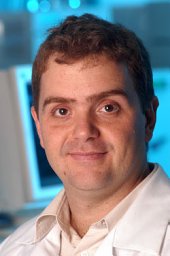 Emmanuel Dias-Neto合作论文数MD Anderson Cancer Center, University of Texas5Roberta Verciano Pereira合作论文数4Livia Maria Silva Moura合作论文数4Janete M Cerutti合作论文数4Marina P. Nobrega合作论文数4
 Lucas P P Braga合作论文数Ecosystems and Global Change Group, University of Cambridge4f g nobrega合作论文数4
 Abhaya Dandekar合作论文数Department of Plant Sciences, University of California, Davis4
 Patané José S L合作论文数4
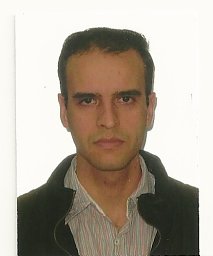 Martins J合作论文数Center for the Study of Social Insects, São Paulo State University4
 Thomas Andrew Maltez合作论文数Centro Internacional de Pesquisa, AC Camargo Cancer Center4Antunes Luciana Principal合作论文数4
 Fernando Ferreira Costa合作论文数Faculdade de Ciencias Medicas, University of Campinas4Paula Rahal合作论文数Laboratório de Estudos Genômicos, UNESP4
 Katia C Oliveira合作论文数University of Sao Paulo Medical School4
 Gonçalo Pereira合作论文数Departamento de Genética e Evolução, Instituto de Biologia, Universidade Estadual de Campinas;Centro de Energia Nuclear na Agricultura, Universidade de São Paulo;Universidade Federal do Recôncavo da Bahia;Instituto Agronômico de Campinas;Universidade Federal de Pernambuco4Walter Jose Siqueira合作论文数4
 Claudia B. Monteiro-Vitorello合作论文数Department of Microbiology, Michigan State University4
 Michael Ionescu合作论文数The Hebrew University of Jerusalem Institute of Life Sciences4
 Guilherme P. Telles合作论文数Institute of Computing, University of Campinas4
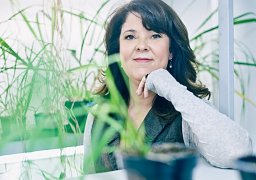 Glaucia Mendes Souza合作论文数Instituto de Química, Universidade de São Paulo4
 Felipe Rodrigues da Silva合作论文数Embrapa Genetic Resources & Biotechnology4




