Objectives We report a retrospective serological survey of cats presented to an animal practice in New York City, in close proximity to a medical center that treated the first wave of COVID-19 in the U.S. Methods Using a bead-based multiplex assay, we sampled 79, mostly indoor cats between June 2020 and May 2021, the early part of which time the community was under a strict public health “lockdown”. Results We found an overall prevalence of 13/79 (16 %) serologically positive animals for the study period; however, cats sampled in the fall of 2020 had a confirmed positive prevalence of 44 %. Of the seropositive cats, 7/13 (54 %) were also positive by virus neutralization, and two seropositive cats had previously documented respiratory signs, with neutralization titers of 1:1024 and 1:4096. There was no statistically significant association of SARS-CoV-2 seropositivity with respiratory signs, or with breed, sex, or age of the animals. Follow-up sampling of cats showed that serological titers were maintained over time. Conclusions We demonstrate the impact of SARS-CoV-2 in a defined feline population during the first wave of SARS-CoV-2 infection in humans and suggest that human-to-cat transmission was substantial in our study group. Our study provides a new One Health context for SARS-CoV-2 transmission events.
SARS-CoV-2, the cause of the ongoing COVID-19 pandemic, not only infects humans but is also known to infect various species, including domestic and wild animals. While many species have been identified as susceptible to SARS-CoV-2, there are limited studies on the prevalence of SARS-CoV-2 in animals. Both domestic and non-domestic cats are now established to be susceptible to infection by SARS-CoV-2. While serious disease in cats may occur in some instances, the majority of infections appear to be subclinical. Differing prevalence data for SARS-CoV-2 infection of cats have been reported, and are highly context-dependent. Here, we report a retrospective serological survey of cats presented to an animal practice in New York City, located in close proximity to a large medical center that treated the first wave of COVID-19 patients in the U.S. in the Spring of 2020. We sampled 79, mostly indoor, cats between June 2020 to May 2021, the early part of which time the community was under a strict public health "lock-down". Using a highly sensitive and specific fluorescent bead-based multiplex assay, we found an overall prevalence of 13/79 (16%) serologically-positive animals for the study period; however, cats sampled in the Fall of 2020 had a confirmed positive prevalence of 44%. For SARS-CoV-2 seropositive cats, we performed viral neutralization test with live SARS-CoV-2 to additionally confirm presence of SARS-CoV-2 specific antibodies. Of the thirteen seropositive cats, 7/13 (54%) were also positive by virus neutralization, and two of seropositive cats had previously documented respiratory signs, with high neutralization titers of 1/1024 and 1/4096; overall however, there was no statistically significant association of SARS-CoV-2 seropositivity with respiratory signs, or with breed, sex or age of the animals. Follow up sampling of cats showed that positive serological titers were maintained over time. In comparison, we found an overall confirmed positive prevalence of 51% for feline coronavirus (FCoV), an endemic virus of cats, with 30% confirmed negative for FCoV. We demonstrate the impact of SARS-CoV-2 in a defined feline population during the first wave of SARS-CoV-2 infection of humans, and suggest that human-cat transmission was substantial in our study group. Our study provide a new context for SARS-CoV-2 transmission events across species.
The emergence of severe acute respiratory syndrome 2 (SARS-CoV-2) has led the medical and scientific community to address questions surrounding the pathogenesis and clinical presentation of COVID-19; however, relevant clinical models outside of humans are still lacking. In felines, a ubiquitous coronavirus, described as feline coronavirus (FCoV), can present as feline infectious peritonitis (FIP)—a leading cause of mortality in young cats that is characterized as a severe, systemic inflammation. The diverse extrapulmonary signs of FIP and rapidly progressive disease course, coupled with a closely related etiologic agent, present a degree of overlap with COVID-19. This paper will explore the molecular and clinical relationships between FIP and COVID-19. While key differences between the two syndromes exist, these similarities support further examination of feline coronaviruses as a naturally occurring clinical model for coronavirus disease in humans.
Antibiotic use is an important component in dairy herd management both to treat bacterial diseases and to maximize animal welfare. However, there is concern among scientists that antibiotic misuse and/or overuse by farmers might promote the emergence of resistant pathogens. We conducted a cross-sectional web-based questionnaire study with dairy farmers/managers in New York, USA to evaluate their (i) level of concern about antibiotic resistance and (ii) interest in adopting new judicious antibiotic use practices regarding mastitis treatment. A total of 118 responses were subjected to statistical analysis. The findings revealed that nearly half (45%) of study participants were undecided or disagreed that antibiotic resistance due to antibiotic use in dairy farming may negatively impact the health of dairy cattle. In contrast, the majority (78%) of participants self-reported that they do not treat with antibiotics at the first sign of mastitis, and the majority (66%) have either fully or partially implemented culture-based mastitis treatment on their farm. The self-reported adoption of culture-based mastitis treatment practices was statistically significantly associated with higher numbers of injectable and intramammary doses of antibiotics used on the participants' farms. These findings will aid future research investigations on how to promote sustainable antibiotic use practices in dairy cattle.
The Coronaviridae is a ubiquitous viral family, capable of causing disease in domestic and wildlife species, in addition to substantial human disease as indicated by the SARS-CoV-2 pandemic. The spillover of SARS-CoV-2 into wildlife and domestic species is an ongoing concern for both conservation and public health. Following the 2002 SARS-CoV outbreak, surveillance identified a related virus in raccoon dogs that was considered a potential intermediate host between infection in bats and humans. Two other coronaviruses circulate widely in domestic dogs: namely canine coronavirus (CCoV) and canine respiratory coronavirus, and may be transmitted to and amongst wild canids. Domestic dogs have also been identified as an infrequent host for SARS-CoV-2. The spillover of CCoV has been investigated in numerous wild canid populations, primarily using serology. Here, we review reports of coronaviruses in wild canids, helping provide a baseline for future disease surveillance.
The United States regulates the use of antibiotics in agricultural settings to address the global antibiotic resistance problem. Conventional dairy cows treated with antibiotics are kept in the herd and after the withholding period milk is harvested. On organic farms, the US organic standard on antibiotic use requires sick dairy cows to be treated, but treated cows must be removed from the herd and their milk can never again be sold as certified organic. This study investigated the US public's perceptions of the organic dairy farming, antibiotic use on dairy farms, and whether these perceptions affect consumer's self‐reported purchasing behavior for organic. We used a nationally representative phone‐based survey of 1000 US adults and characterized participants’ self‐reported (i) knowledge of the legality of antibiotic use on dairy farms (conventional and organic) and (ii) frequency of purchasing organic instead of conventional dairy products, as well as several demographic and other variables. The results indicated that participants’ knowledge about antibiotic use practices in dairy farming have no effect on their self‐reported purchasing behavior for organic or conventional dairy products. However, respondents who were familiar with the regulations of antibiotic use on dairy farms were more likely to oppose the US organic standard on antibiotic use in dairy farming and thought that past antibiotic use should not permanently remove a cow's organic status. These findings contribute to understanding of public perceptions that shape the US dairy organic market.Practical ApplicationIncome, employment, health and political values, but not consumers’ knowledge about antibiotic use in dairy farming, affect self‐reported purchasing behavior for organic dairy products. However, consumers who are familiar with the regulations of antibiotic use on US dairy farms disagree with the US organic standard on antibiotic use mandating loss of organic status for any cattle treated with antibiotics. These findings may be useful to organic markets.
Feline coronavirus (FCoV) is reported worldwide and known to cause disease in domestic and nondomestic felid species. Although FCoV often results in mild to inapparent disease, a small subset of cats succumb to the fatal, systemic disease feline infectious peritonitis (FIP). An outbreak of FIP in Cheetahs (Acinonyx jubatus) in a zoological collection demonstrated the devastating effect of FCoV introduction into a naïve group of animals. In addition to cheetahs, FIP has been described in European wildcats (Felis silvestris), a tiger (Panthera tigris), a mountain lion (Puma concolor), and lion (Panthera leo). This paper reviews the reported cases of FIP in nondomestic felid species and highlights the surveys of FCoV in populations of nondomestic felids.
Among the animal superfamily Musteloidea, which includes those commonly known as mustelids, naturally occurring and species-specific alphacoronavirus infections have been observed in both mink (Mustela vison/Neovison vison) and domestic ferrets (Mustela putorius furo). Ferret systemic coronavirus (FRSCV), in particular, has been associated with a rare but fatal systemic disease. In recent months, it has become apparent that both minks and ferrets are susceptible to severe acute respiratory syndrome coronavirus 2 (SARS-CoV-2), a betacoronavirus and the cause of the coronavirus disease 2019 (COVID-19) pandemic. Several mink farms have experienced SARS-CoV-2 outbreaks, and experimental models have demonstrated susceptibility of ferrets to SARS-CoV-2. The potential for pet ferrets to become infected with SARS-CoV-2, however, remains elusive. During the 2002-2003 SARS epidemic, it was also apparent that ferrets were susceptible to SARS-CoV and could be utilized in vaccine development. From a comparative standpoint, understanding the relationships between different infections and disease pathogenesis in the animal superfamily Musteloidea may help elucidate viral infection and transmission mechanisms, as well as treatment and prevention strategies for coronaviruses.
With a presumed origin in bats, the COVID-19 pandemic has been a major source of morbidity and mortality in the humanpopulation, and the causative agent, SARS-CoV-2, aligns most closely at the genome level with the bat coronavirusesRaBtCoV4991/RaTG13 and RmYN02. The ability of bats to provide reservoirs of numerous viruses in addition to coronavirusesremains an active area of research. Unique aspects of the physiology of the chiropteran immune system may contributeto the ability of bats to serve as viral reservoirs. The coronavirus spike protein plays important roles in viral pathogenesis and the immune response. Although much attention has focused on the spike receptor-binding domain, a unique aspect of SARS-CoV-2 as compared with its closest relatives is the presence of a furin cleavage site in the S1-S2 region of the spike protein. Proteolytic activation is likely an important feature that allows SARS-CoV-2-and other coronaviruses-to overcome the species barriers and thus cause human disease. The diversity of bat species limits the ability to draw broad conclusions about viral pathogenesis, but comparisons across species and with reference to humans and other susceptible mammals may guide future research in this regard.
Bats and rodents comprise two of the world's largest orders of mammals and the order Chiroptera (bats) has been implicated as a major reservoir of coronaviruses in nature and a source of zoonotic transfer to humans. However, the order Rodentia (rodents) also harbors coronaviruses, with two human coronaviruses (HCoV-OC43 and HCoV-HKU1) considered to have rodent origins. The coronavirus spike protein mediates viral entry and is a major determinant of viral tropism; importantly, the spike protein is activated by host cell proteases at two distinct sites, designated as S1/S2 and S2'. SARS-CoV-2, which is considered to be of bat origin, contains a cleavage site for the protease furin at S1/S2, absent from the rest of the currently known betacoronavirus lineage 2b coronaviruses (Sarbecoviruses). This cleavage site is thought to be critical to its replication and pathogenesis, with a notable link to virus transmission. Here, we examine the spike protein across coronaviruses identified in both bat and rodent species and address the role of furin as an activating protease. Utilizing two publicly available furin prediction algorithms (ProP and PiTou) and based on spike sequences reported in GenBank, we show that the S1/S2 furin cleavage site is typically not present in bat virus spike proteins but is common in rodent-associated sequences, and suggest this may have implications for zoonotic transfer. We provide a phylogenetic history of the Embecoviruses (betacoronavirus lineage 2a), including context for the use of furin as an activating protease for the viral spike protein. From a One Health perspective, continued rodent surveillance should be an important consideration in uncovering novel circulating coronaviruses.
In the context of the ongoing COVID-19 pandemic, comparative medicine can be a powerful approach to help refine our understanding of coronavirus pathophysiology, vaccine efficacy and pharmaceutical interventions. With feline infectious peritonitis (FIP), in particular, coronaviruses have been recognized to be important causes of disease in animal species for many decades, in some cases being associated with the enigmatic outcomes now recognized for COVID-19 in humans. Cats and other animals have also risen to our attention as hosts for severe acute respiratory syndrome coronavirus 2 (SARS-CoV-2). Endotheliitis and vasculitis are becoming established as a component of systemic disease caused by SARSCoV-2, including in children who develop multisystem inflammatory syndrome (MIS-C).1 A case series has also described an equivalent multisystem inflammatory syndrome in adults (MIS-A), which has included a variety of extrapulmonary disease manifestations.2 By analogy, feline coronavirus (FCoV) is well known for its ability to cause FIP, which is also a multisystem inflammatory syndrome of cats – although classically defined as either effusive (fluid accumulation in any body cavity) or noneffusive (development of granulomatous to pyogranulomatous lesions across body systems).3 The multisystem signs are only more recently becoming recognized as connected to FCoV infection.4 FIP most frequently occurs in younger cats, though all age groups are susceptible. A defining feature of FIP is the invasion of the macrophage, where mutations in the spike protein contribute to the cellular tropism of the virus. Antibody-dependent enhancement (ADE) is considered a possible mechanism underlying the development of FIP. ADE has not been considered a main mechanism driving COVID-19 pathology and SARS-CoV-2 replication in macrophages appears limited;5,6 however, these do remain open and unresolved questions. Cats are also susceptible to SARS-CoV-2, both experimentally and in the community.7,8 Feline infections may be quite common, but clinical signs appear to consist of only mild respiratory signs. Cats seroconvert and can transmit to other animals, but the role of cats in spreading infection in the community appears to remain minor. Another set of susceptible animals are mustelids, including ferrets and mink. In particular, the spread of the virus between mink and humans has been observed – termed ‘spillback’ – causing a public health crisis in Denmark.9 Exposure of mink to SARS-CoV-2 from handlers in farms led to widespread infection. In many cases, the mink developed severe interstitial pneumonia and diffuse alveolar damage with systemic signs, including ‘hepatic lipidosis, chronic nephritis, sepsis, dystocia and urolithiasis’.10 Experimental challenge of the closely related domestic ferret species has failed to yield severe signs, with ferrets typically responding like cats. As with cats, both mink and ferrets harbor their own coronaviruses, with ferrets showing a notable systemic outcome consisting of an FIP-like disease, but with less vasculitis.11 The impact of coinfection with human and animal coronaviruses in this set of susceptible species, including clinical presentation or viral recombination, is presently unclear. The term ‘One Medicine’ was coined by Rudolf Virchow in the late 19th century12 and this remains a cornerstone of 21st century pathology. Virchow is perhaps better associated with the eponymous ‘triad’ comprising the components of venous thrombosis, including venous stasis, activation of blood coagulation and endothelial damage. This triad is a contributor to the multisystem signs and symptoms in both COVID-19 and FIP. One Medicine also forms the foundation of the widely publicized ‘One Health’ triad of people, animals and the environment. The environment is key to SARS-CoV-2 spillover events, whether this is local (eg, in mink farms) or global (eg, in bats and their intermediate host species). As with Virchow in the 19th century, we should today examine coronaviruses of both humans and animals using a comparative approach spanning human, veterinary and wildlife medicine – incorporating the two distinct triads that Virchow inspired (Figure 1). This may allow us to more fully draw the broad comparisons necessary to solve the public health crisis of COVID-19 and prepare for future pandemics. One Medicine: a comparative approach to investigating human and animal coronavirus infections 998904 JFM This editorial was handled and processed by the European Editorial Office (ISFM) for publication in JFMSJournal of Feline Medicine and SurgeryStout et al
Objectives Upper respiratory tract disease (URTD) is common across feline populations. Feline coronavirus (FCoV) frequently circulates widely and has occasionally been noted to have a potential role in respiratory disease. The aim of this cross-sectional pilot study was to investigate common respiratory pathogens and FCoV in shelter cats. Methods Cats were enrolled at two animal shelters in New York state between November 2018 and March 2020 and considered either clinical for URTD or apparently healthy. Respiratory samples were submitted to the Cornell Animal Health Diagnostic Center for routine upper respiratory diagnostic testing. Additional qRT-PCR was performed on respiratory and fecal samples to investigate the presence of FCoV. Results Five pathogens were identified in this population: Bordetella, feline calicivirus (FCV), M. felis, panleukopenia, and pneumovirus. FCV was the only pathogen associated with URTD signs. Pneumovirus was identified in two cats. FCoV was present in respiratory samples from one cat, who later developed gastrointestinal disease. Fecal shedding of FCoV was observed in 30% of URTD cases, compared to 11% of cats without URTD, but was not statistically significant. Conclusions and relevance Common respiratory pathogens were identified in cats with and without URTD. One cat tested positive for FCoV in a respiratory sample; FCoV shedding the feces was common, but not statistically significant, in cats with respiratory disease. Two cats were identified as shedding pneumovirus. The significance of pneumovirus to feline respiratory disease remains unknown and in further need of study.
The Coronaviridae is a highly diverse virus family, with reservoir hosts in a variety of wildlife species that encompass bats, birds and small mammals, including rodents. Within the taxonomic group alphacoronavirus, certain sub-genera (including the luchacoviruses) have phylogenetically distinct spike proteins, which remain essentially uncharacterized. Using in vitro and computational techniques, we analyzed the spike protein of the rodent coronavirus AcCoV-JC34 from the sub-genus luchacovirus, previously identified in Apodemus chevrieri (Chevrier’s field mouse). We show that AcCoV-JC34—unlike the other luchacoviruses—has a putative furin cleavage site (FCS) within its spike S1 domain, close to the S1/S2 interface. The pattern of basic amino acids within the AcCoV-JC34 FCS (-RR-R-) is identical to that found in “pre-variant” SARS-CoV-2—which is in itself atypical for an FCS, and suboptimal for furin cleavage. Our analysis shows that, while containing an -RR-R-motif, the AcCoV-JC34 spike “FCS” is not cleaved by furin (unlike for SARS-CoV-2), suggesting the possible presence of a progenitor sequence for viral emergence from a distinct wildlife host.
Coronaviruses (CoVs) cause disease in a range of agricultural and companion animal species, and can be important causes of zoonotic infections. In humans, several coronaviruses circulate seasonally. Recently, a novel zoonotic CoV named SARS-CoV-2 emerged from a bat reservoir, resulting in the COVID-19 pandemic. With a focus on felines, we review here the evidence for SARS-CoV-2 infection in cats, ferrets and dogs, describe the relationship between SARS-CoV-2 and the natural coronaviruses known to infect these species, and provide a rationale for the relative susceptibility of these species to SARS-CoV-2 through comparative analysis of the ACE2 receptor.
Feline coronavirus (FCoV) is a complex viral agent that causes a variety of clinical manifestations in cats, commonly known as feline infectious peritonitis (FIP). It is recognized that FCoV can occur in two different serotypes. However, differences in the S protein are much more than serological or antigenic variants, resulting in the effective presence of two distinct viruses. Here, we review the distinct differences in the S proteins of these viruses, which are likely to translate into distinct biological outcomes. We introduce a new concept related to the non-taxonomical classification and differentiation among FCoVs by analyzing and comparing the genetic, structural, and functional characteristics of FCoV and the FCoV S protein among the two serotypes and FCoV biotypes. Based on our analysis, we suggest that our understanding of FIP needs to consider whether the presence of these two distinct viruses has implications in clinical settings.
Ferret systemic coronaviral disease (FSCD) is a well-established cause of mortality in domestic ferrets. We describe herein novel findings in a case of FSCD that was diagnosed and medically managed following virus detection by immunohistochemical (IHC) staining of surgical biopsy samples. Hematologic changes in this ferret suggested spread of the virus to the bone marrow, which was confirmed by IHC staining of a postmortem sample. Genotyping of the virus indicated that the virus grouped with alphacoronaviruses and was most closely related to ferret enteric coronavirus (FRECV) MSU-2. Our clinical case demonstrates that a FRECV MSU-2-like ferret coronavirus associated previously with the enteric pathotype may cause systemic disease, including bone marrow involvement causing persistent pancytopenia.
In the United States, horses are used for a variety of purposes including recreation, exhibition, and racing. As farm, performance, and companion animals, horses are a unique species from a zoonotic disease risk perspective, and the risks of subclinical infections spreading among horses can pose challenges. Using a nanoscale real-time PCR platform, we investigated the prevalence of 14 enteric pathogens, 11 Escherichia coli genes, and 9 respiratory pathogens in fecal samples from 97 apparently healthy horses at a multi-day horse event. In addition, sugar flotation test was performed for fecal parasites. E. coli f17 was commonly detected, prevalent in 59% of horses, followed closely by Streptococcus equi subsp. zooepidemicus (55%). Additional pathogens recognized included betacoronavirus, Campylobacter jejuni, Cryptosporidium sp., E. coli O157, equine adenovirus 1, equine rhinitis B virus, and others. The use of PCR data may overestimate the true prevalence of these pathogens but provides a sensitive overview of common pathogens present in healthy horses. Our results prompt the continued need for practical biosecurity measures at horse shows, both to protect individuals interacting with these horses and to minimize transmission among horses.
COVID-19, caused by SARS-CoV-2, frequently manifests as a respiratory disease, including coughing, shortness of breath, fever, and loss of smell. However, additional disease manifestations occur across numerous organ systems, due at least in part to vasculitis and endotheliitis. COVID-19-associated multisystem inflammatory syndrome in children (MIS-C) was recently identified as a component of SARS-CoV-2 infection. In feline medicine, feline coronavirus is a common pathogen of cats that can lead to a fatal disease called feline infectious peritonitis (FIP). Like COVID-19 in humans, clinical manifestations of FIP are due, in part, to coronavirus-induced vasculitis that can also result in a fatal multisystem inflammatory syndrome in cats. As such, studies investigating how feline coronavirus infection can cause disseminated vasculitis in FIP cats will provide new information that can translate to understanding COVID-19 in humans. We argue for a comparative medicine approach for tackling coronavirus
 Gary Whittaker合作论文数Department of Microbiology & Immunology, College of Veterinary Medicine, Cornell University15
 Nicole M André合作论文数Dept Microbiol & Immunol, Cornell Univ9
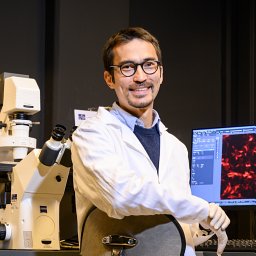 Millet Jean Kaoru合作论文数Veterinary Medical Center, Cornell University6
 Javier A. Jaimes合作论文数College of Veterinary Medicine, Cornell University5
 Bettina Wagner合作论文数Population Medicine and Diagnostic Sciences, College of Veterinary Medicine, Cornell University4Rollins Alicia合作论文数4Annette Choi合作论文数3Qinghua Guo合作论文数Key Lab Smart Drug Delivery, Minist Educ, Fudan Univ3
 Beth Licitra合作论文数3Michelle Wemette合作论文数2
 Sebastian Gonzalo Llanos-Soto合作论文数Dept Populat Med & Diagnost Sci, Cornell Univ2
 Amelia Greiner Safi合作论文数Population Medicine and Diagnostic Sciences, College of Veterinary Medicine, Cornell University2
 Renata Ivanek合作论文数Population Medicine and Diagnostic Sciences, College of Veterinary Medicine, Cornell University2
 Paolo Moroni合作论文数Population Medicine and Diagnostic Sciences, College of Veterinary Medicine, Cornell University2
 Ricardo de Matos合作论文数Department of Clinical Sciences, College of Veterinary Medicine, Cornell University2Wimer Christine合作论文数2
 Ece Bulut合作论文数Department of Food Engineering, Middle East Technical University2Babasyan Susanna合作论文数2Heather Freer合作论文数2
 Laura B Goodman合作论文数Department of Microbiology and Immunology, Cornell University2Patrick K. Mitchell合作论文数1Marina Tejada合作论文数1Rebecca Ruby合作论文数1Renee Anderson合作论文数1Deanndria Singleton合作论文数1Arjun Sweet合作论文数1
 Danielle Tarbert合作论文数1Guy H Loneragan合作论文数1Lena DeTar合作论文数1
 Robert C Schell合作论文数School of Public Health, University of California1
 Elizabeth Berliner合作论文数ASPCA1
 Michael Stanhope合作论文数Population Medicine and Diagnostic Sciences, College of Veterinary Medicine, Cornell University1
 Mani Lejeune合作论文数Population Medicine and Diagnostic Sciences, College of Veterinary Medicine, Cornell University1
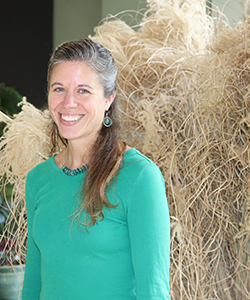 Erin Goodrich合作论文数Population Medicine and Diagnostic Sciences, College of Veterinary Medicine, Cornell University1
 Hélène Marquis合作论文数Microbiology and Immunolog, College of Veterinary Medicine, Cornell University1
 Klaus Osterrieder合作论文数Stiftung Tierärztliche Hochschule Hannover1Thompson Belinda合作论文数1Nightingale Kendra K合作论文数1
 Joshua Jay Zimmerberg合作论文数Section on Integrative Biophysics, NICHD, NIH1Shapiro Michael A合作论文数1
 Christiane Schnabel合作论文数Clinic for Horses, University of Veterinary Medicine Hannover1
 Michael Ballou合作论文数1
 Susan Baker合作论文数Infectious Disease and Immunology Research Institute, Loyola University Chicago1
 Gerald Duhamel合作论文数Biomedical Sciences, College of Veterinary Medicine, Cornell University1
 Deanna M W Schaefer合作论文数1Amy L. Glaser合作论文数1




