Eighty patients underwent anterior corpus callosotomy for treatment of generalized seizures. The patients' mean age was 18.3 years (range 4 to 53 years); the mean age at seizure onset was 5.27 years (range 0.1 to 27 years). The mean intelligence quotient (IQ) of 41 testable patients was 71.12 (range < 30 to 114). The seizure outcome was as follows: 13% were seizure-free, 65% were significantly improved, and 22% were unchanged. Ten patients subsequently underwent a second operation to complete the callosal sectioning which resulted in additional seizure improvement in only five of them. Five complications resulted from 90 operations: two epidural hematomas, one delayed subdural hematoma, one bone-flap infection, and one postcallosotomy disconnection syndrome; two patients died. A younger age at onset of seizures, a higher IQ, and generalized tonic-clonic, atonic, complex-partial, and mixed seizure types were associated with improved seizure outcome.
OBJECTIVE To report clinical, neuropathological, and outcome data for a series of adult patients with focal frontal lobe epilepsy (fFLE) who underwent nonlobar resection restricted to the frontal lobe. METHODS Sixty-eight adult cases (24 female and 44 male patients) were included in the study, on the basis of prospectively collected data that were retrospectively evaluated. There were 68 lesionectomies, 17 of which were combined with multiple subpial transection, with a mean follow-up period of 28.4 ± 23.3 months. Cases involving additional extrafrontal surgery were excluded. RESULTS Thirty-seven patients underwent invasive preoperative evaluations, and 31 underwent noninvasive evaluations. Intraoperative electrocorticography was used in 32% of cases. There were 24 tumors, 18 dysgenetic lesions, 14 gliotic lesions, and 10 vascular malformations. Fifteen tumors were of glial origin, one was a dysembryoplastic neuroepithelial tumor, and eight were gangliogliomas. The most common dysgenetic lesions were hamartomas (15 cases). Outcomes (classified into four Engel groups) were as follows: Class I, 54%; Class II, 19%; Class III, 15%; Class IV, 12%. Seizure-free rates were comparable for tumor and dysgenesis cases and were not as good for vascular malformation and gliosis cases. Outcome differences were not significant with respect to aura presence, side of surgery, age at the time of surgery, and age at seizure onset. There were 3 cases of surgical complications, 10 cases of transient neurological disturbances, and 1 case involving a permanent neurological deficit. No deaths occurred. CONCLUSION Outcomes with fFLE surgery have improved, compared with historical series. fFLE resections restricted to the frontal lobe did not yield seizure-free rates as good as those for comparable nonfocal frontal lobe epilepsy series. All fFLE cases demonstrated histological lesions. fFLE surgery was associated with a higher risk of transient neurological deficits, most likely because of the necessity for multiple subpial transection. The outcomes and higher rates of invasive evaluations and intraoperative electrocorticography indicate the special complexities of frontal lobe epilepsy. The permanent neurological disability rate was low in this series, and there were no deaths.
BACKGROUNDThe interictal "schizophrenia-like" psychoses of epilepsy conventionally are treated with antipsychotic medication with uncertain results. In patients with these psychoses, a preceding and concomitant dysphoric disorder usually can be documented. Effectiveness of the pharmacologic treatment by the combination of drugs that is effective for severe interictal dysphoric disorders is demonstrated in a series of patients with interictal psychosis.METHODPatients were treated with the combination of a tricyclic antidepressant and a selective serotonin reuptake inhibitor, enhanced if necessary by a small amount of the atypical neuroleptic risperidone. The series consisted of 8 consecutive patients with interictal psychosis seen over a 20-month period. Two additional patients seen over the past 10 years who required a different therapeutic intervention were also included.RESULTSFive of the 8 consecutive patients achieved full remission of their psychosis; 3 patients could not be reached for the full treatment effort. One patient with a malignant psychosis had been treated successfully (prior to the series reported) by surgical removal of a left frontal epileptogenic zone; a second patient (treated after the series) recovered only upon elimination of the antiepileptic drug that had suppressed clinical seizures but had resulted in an alternating psychosis.CONCLUSIONInterictal psychoses can be viewed as severe interictal dysphoric disorders with psychotic features. The same combination of psychotropic medication that is effective for severe interictal dysphoric disorders serves as the primary therapy for interictal psychoses. The interictal psychiatric disorders presumably result from seizure-suppressing mechanisms that are the targets of the proconvulsant drugs. Upon suppression of seizures, some patients with interictal psychosis may require modification of the antiepileptic medication responsible for excessive inhibition. Complete surgical removal of the epileptogenic zone can eliminate a chronic interictal psychosis upon postoperative fading of inhibitory mechanisms.
Intracranial-intracranial bypass is a valuable cerebral revascularization option. Despite several advantages, one of the main shortcomings of the intracranial-intracranial bypass is the possibility of ischemic complications of the donor artery. However, when sacrificed, the temporopolar artery (TPA) is not associated with major neurologic deficits. We sought to define the role of TPA as a donor for revascularization of the middle cerebral artery (MCA).Pterional craniotomy was performed on 14 specimens. The TPA was released from arachnoid trabecula, and the small twigs to the temporal lobe were cut. The feasibility of side-to-side and end-to-side bypass to the farthest arterial targets on insular, opercular, and cortical MCA branches was assessed. The distance of the bypass point was measured in reference to limen insulae.A total of 15 TPAs were assessed (1 specimen had 2 TPAs). The average cisternal length of the TPA was 37.3 mm. For side-to-side bypass, the TPA was a poor candidate as an intracranial donor, except for the cortical orbitofrontal artery, which was reached in 87% of cases. However, the end-to-side bypass was successfully completed for most arteries (87%–100%) on the anterior frontal operculum and more than 50% of the cortical or opercular middle and posterior temporal arteries. There was no correlation between the TPA's cisternal length and maximum bypass reach.When of favorable diameter, the TPA is a competent donor for intracranial-intracranial bypass to MCA branches at the anterior insula, and anterior frontal and middle temporal opercula (arteries anterior to the precentral gyrus coronal plane).
We studied 328 complex partial seizures (CPS) in 63 consecutive patients with temporal lobe epilepsy who underwent scalp electroencephalography/video monitoring, magnetic resonance imaging (MRI), and surgery. The initial ictal discharge (IID), defined as the first sustained electrical seizure pattern localized to the surgical site, was determined. If the IID was rhythmic waves, the median frequency was measured. To determine if IID frequency correlates with hippocampal atrophy (HA) or sclerosis (HS), hippocampal volume ratios (HVRs) were measured (n = 52) or assessed visually (n = 11) on MRI, and mesial temporal histopathology specimens (n = 22) were graded for HS. Sixteen patients (25%) had no or mild HA (HVR = 0.78-1.02), and 47 patients (75%) had moderate-to-marked unilateral (HVR = 0.33-0.76), or bilateral, HA. Theta frequency IIDs were significantly more commonly associated with moderate-to-marked HA than were delta IIDs. Theta frequency IIDs occurred in 19% of patients with mild or no HA, and 79% of patients with moderate-to-marked HA; delta IIDs occurred in 63% of patients with little to no HA, and 13% of those with moderate-to-marked HA. In addition, the median IID frequency inversely correlated with HVR and directly correlated with HS severity. In conclusion, faster frequency rhythmic IIDs during temporal lobe CPS correlate with greater degrees of ipsilateral HA on MRI, and higher grades of HS.
OBJECTIVE AND IMPORTANCE:Source modeling by magnetoencephalography (MEG) and electroencephalography (EEG) may be useful techniques for noninvasive localization of epileptogenic zones for surgery in patients with partial seizures.CLINICAL PRESENTATION:Simultaneous recordings of MEG and EEG, obtained in two patients, were coregistered on each patient's magnetic resonance image for direct comparison of these two methods with intracranial electrocorticography.TECHNIQUE:The average difference between MEG and EEG for localization of the same interictal spikes was approximately 2 cm in one patient and 3.8 cm in the other patient. One patient experienced a complex partial seizure during testing, which permitted comparison between interictal and ictal source localization by both MEG and EEG. The EEG ictal localization differed from the interictal one, whereas the MEG ictal and interictal localizations were more similar. In this patient, the MEG interictal source seemed to localize close to the ictal source, whereas EEG did not. The patients underwent temporal lobectomy after electrocorticography, and the results were compared with the findings of MEG and EEG. Although the results of both techniques agreed with the findings of electrocorticography, in one patient the MEG localization seemed to be more accurate. Both patients experienced good surgical outcomes.CONCLUSION:Both MEG and EEG source localization can add useful and complementary information for epilepsy surgery evaluation. MEG seemed to be more accurate than EEG, especially when comparing interictal versus ictal localization. Further study is needed to evaluate the validity of source localization as useful noninvasive techniques to localize the epileptogenic zone.
Summary: Purpose : Decreased memory function represents the area of greatest neuropsychological morbidity after anterior temporal lobectomy (ATL), particularly for left ATL candidates. We wished to identify easily derived demographic and neuropsychological predictors of risk of pre‐to postoperative memory decline using only information available preoperatively. Methods : We assessed decline in memory as measured by the California Verbal Learning Test (CVLT) by deriving multiple regression equations using the following measures as independent variables: age at onset, chronological age at time of surgery, sex, Full Scale IQ (FSIQ), level of education, and preoperative memory scores. In all, 203 patients (93 males, 110 females), undergoing ATL (107 left, 96 right) with preoperative and 6‐month postoperative testing, were examined. Results : The combination of age, FSIQ, sex, side of surgery and preoperative score was highly predictive (p‐values <0.0001) of postoperative memory scores. Higher postoperative scores were associated with higher preoperative score, younger chronological age, higher FSIQ, female sex, and right side of resection. Reliable change index (RCI) values were used to estimate meaningful decline on the total score across five trials. Logistic regression analysis showed preoperative score and age to be predictors of RCI decline for left‐sided resections. Sensitivity of decline (≥90th centile RCI) prediction was 56%, and specificity was 95%. Validation in 30 patients from a separate population of patients undergoing left ATL produced similar figures. Conclusions : The derived regression equations can accurately predict verbal memory decline on a list‐learning task in‐50% of individual patients undergoing ATL, and false‐positive prediction errors are very rare.
The nature, pattern, and degree of neuropsychological change following anterior temporal lobectomy (ATL) were examined as a function of the presence or absence of the syndrome of mesial temporal lobe epilepsy (MTLE). Fifty-four patients exhibited the syndrome of MTLE, while 34 patients were without the syndrome (non-MTLE). The test-retest performance of a group of 40 epilepsy patients who did not undergo surgery was used to derive regression-based estimates of test-retest change. Overall, the MTLE group did not show significant cognitive decline following ATL. In contrast, the left non-MTLE group showed significant declines on verbal memory, confrontation naming, and verbal conceptual ability. Further, verbal memory was the most substantial area of decline, and was independent of seizure outcome. Clinical and theoretical implications of these findings are discussed.
This article reviews selected medical and surgical advances that the authors view as important to improving the treatment of patients with epilepsy. This includes a review of six new antiepileptic drugs (fosphenytoin, felbamate, gabapentin, lamotrigine, toprimimate, and vigabatrin), recent studies of the surgical technique of Multiple Subpial Transections, and a summary of a prospective longitudinal study on anterior temporal lobectomy.
Language function is impaired in patients with left, speech-dominant temporal ictal onset compared to those with non-speech-dominant onset, even though the pathology in most cases is mesial temporal. In patients with intractable epilepsy undergoing chronic invasive electroencephalography (EEG) with subdural electrodes, ictal onset was classified as mesial temporal (MT) when only the mesial contacts of the subtemporal electrode were initially involved, lateral temporal (LT) when only the contacts of the lateral temporal electrode were involved, and regional temporal (RT) when the contacts of all temporal electrodes were involved. We hypothesized that preoperative language function assessed by neuropsychological parameters would be worse in the patients with RT or LT onset compared with patients in whom ictal onset was MT. Fifty-two patients were studied. Thirty-nine patients had MT onset, 10 had RT onset, and 3 had LT onset. Language function was assessed by a standard aphasia battery and no significant differences were found between the two groups. All patients underwent anterior temporal lobectomy. All LT patients and 40% RT patients had evidence of lateral temporal lobe pathology. None of the MT patients had lateral temporal pathology, 29 had hippocampal sclerosis (HS) and 10 had normal hippocampus. LT or RT ictal onset do not appear to confer additional language deficits compared with patients with MT onset.
Vossler, David G.; Abson Kraemer, Diana L.; Knowlton, Robert C.; Rostad, Steve W.; Nunnally, Nanci; Haltiner, Alan; Wyler, Allen R.; Hasegawa, Hisanori Author Information
THIS ARTICLE REVIEWS four major advances in epilepsy surgery, especially the most frequently performed surgery, temporal lobectomy, as follows: 1) the ability to preoperatively identify (using magnetic resonance imaging) the pathological condition of hippocampal sclerosis (a key component to the syndrome of mesial temporal lobe epilepsy, 2) the ability to identify preoperatively which temporal lobe candidates are at risk for postoperative memory problems, 3) the standardization of temporal lobectomy with respect to how much hippocampus should be resected, 4) a validation of the novel surgical technique of multiple subpial transections. This technique allows surgeons to attack foci within nondispensible cortex and therefore enlarges the applicability of surgical treatment to otherwise inoperable patients and potentially improves outcome.
Although disinfection byproducts (DBPs) in drinking water have been suggested as a cancer causing factor, the causative compounds have not yet been clarified. In this study, we used liquid chromatography quadrupole-time-of-flight spectrometry (LC-QTOF MS) to identify the unknown disinfection byproducts (DBPs) in drinking water produced from Taihu Lake source water, which is known as a convergence point for the anthropogenic pollutants discharged from intensive industrial activities in the surrounding regions. In total, 91 formulas of DBPs were discovered through LC-QTOF MS nontarget screen, 81 of which have not yet been reported. Among the 91 molecules, 56 only contain bromine, 15 only contain chlorine and 20 DBPs have both bromine and chlorine atoms. Finally, five DBPs including 2,4,6-tribromophenol, 2,6-dibromo-4-chlorophenol, 2,6-dichloro-4-bromophenol, 4-bromo-2,6-di-tert-butylphenol and 3,6-dibromocarbazole were confirmed using standards. The former three compounds mainly formed in the predisinfection step (maximum concentration, 0.2-2.6 µg/L), while the latter two formed in the disinfection step (maximum concentration, 18.2-33.6 ng/L). In addition, 19 possible precursors of the discovered DBPs were detected, with the aromatic compounds being a major group. 2,6-di-tert-butylphenol as the precursor of 4-bromo-2,6-di-tert-butylphenol was confirmed with standard, with a concentration of 20.3 µg/L in raw water. The results of this study show that brominated DBPs which are possibly formed from industrial pollutants are relevant DBP species in drinking water produced form Taihu source water, suggesting protection of Taihu Lake source water is important to control the DBP risks.
From a large series of epilepsy surgeries, we identified a spectrum of epileptogenic infarctions involving central neocortex. The severest end of this spectrum includes patients with the well-known syndrome of infantile hemiplegia. On magnetic resonance imaging (MRI), they show major hemispheric damage in the middle cerebral arterial distribution with or without involvement of other vessels. They usually have widespread EEG abnormalities and are best treated with hemispherectomy. The middle of this spectrum includes patients with infarction involving one or two branches of the middle cerebral artery (MCA) with varying degrees of hemiplegia. They can be treated with focal resection of only the infarcted tissue. The mildest form of this spectrum is represented by patients showing minimal to no MRI evidence of cerebral infarction and minimal to no neurologic deficit, but with histopathologic cortical abnormalities consistent with mild infarction. Such patients are candidates for multiple subpial transections (MST) when the epileptogenic focus involves indispensable cortex.
Between 1986 and 1992, among a total of 668 craniotomies performed for intractable epilepsy, 13 (1.9%) patients had a presumed aetiology of a previous episode of meningitis. Twelve were investigated with chronic electrocorticography with subdural electrodes which showed mesial temporal onset in eight, regional temporal onset in three and bilateral diffuse onset in one. One patient underwent corpus callosotomy and 12 anterior temporal lobectomy (ATL) (6L, 6R). The pathology in the resection cases was hippocampal sclerosis in six and gliosis in six. Mean length of follow up was 3 years (range 1-6 years). Ten of the 12 (83%) ATL patients were seizure free (six off medications). Two ATL patients and the callosotomy patient were significantly improved. It is concluded that in patients where the presumed aetiology of intractable epilepsy is meningitis and widespread damage may therefore be expected, this does not necessarily indicate multifocality, and the prognosis following resective surgery appears to be good.
This study sought to determine whether hippocampal sclerosis (HS) can be predicted from the results of electrocorticography (ECoG). One hundred seven patients underwent anterior temporal lobectomy (ATL) (44 R, 63 L) for epilepsy in the absence of a structural lesion and had the degree of HS graded pathologically from 0 to 4. Preoperative evaluation included ictal chronic ECoG with subdural strip electrodes, which showed a temporal onset in each case. Twenty-seven (25%) specimens were grade 0, 15 (14%) were grade 1-2, and 65 (61%) were grade 3-4. ECoG showed a unilateral mesial temporal seizure onset in 70% of grade 0, 73% of grade 1-2, and 78% of grade 3-4 patients (p > 0.5). A unilateral regional onset, i.e., involving all temporal electrodes, occurred in 15% of grade 0, 13% of grade 1-2, and 12% of grade 3-4, patients (p > 0.5). Bilateral independent onset occurred in 11% of grade 0, 13% of grade 1-2 (p > 0.5), and none of grade 3-4 patients (p < 0.01). We conclude that results of ECoG cannot reliably predict HS. Its use in planning whether mesial structures should be preserved during ATL is therefore limited. With regard to outcome, 1 year after surgery 64% grade 0 patients were seizure-free, 73% grade 1-2, and 78% grade 3-4 (p < 0.05). Results of ECoG were more reliable predictors of outcome. Sixty-five percent of those with unilateral mesial temporal onset were seizure-free at 1 year-50% of those with unilateral regional onset (p < 0.05) and 40% of those with bilateral independent onset (p < 0.001).
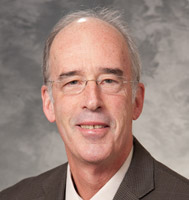 Bruce Hermann合作论文数Department of Psychology, University of Wisconsin–Madison;Department Of Neurology, School of Medicine and Public Health, University of Wisconsin–Madison52
 ET RICHEY合作论文数15
 Michael Seidenberg合作论文数Department of Psychology, Rosalind Franklin University of Medicine and Science12F C Dohan合作论文数11Keith G. Davies合作论文数10
 David Gregg Vossler合作论文数8
 Carol Robbins合作论文数8Kim J. Burchiel合作论文数7Grant Somes合作论文数7KJ Burchiel合作论文数6Js Lockard合作论文数5Arthur A. Ward合作论文数5George A. Ojemann合作论文数5Rj Wilkus合作论文数4
 Eberhard E. Fetz合作论文数Department of Physiology and Biophysics, School of Medicine, University of Washington;Department of Bioengineering, College of Engineering, University of Washington4Steven Whitman合作论文数4ME WEINAND合作论文数3Steve W. Rostad合作论文数3ARDEN F. REYNOLDS合作论文数3Alan M Haltiner合作论文数3Th Holmes合作论文数3Ca Finch合作论文数3Alan Haltiner合作论文数3Jen Schoenfeld合作论文数2CATHERINE L. LEVERONI合作论文数2Ab Harris合作论文数2BLB Phillips合作论文数2NF BOLENDER合作论文数2D Blumer合作论文数2A. J. Bush合作论文数2
 Christopher Randolph合作论文数Prophase;Department of Neurology, Loyola University Medical Center;MedAvante2
 James M. Gold合作论文数Maryland Psychiatric Research Center, Department of Psychiatry, School of Medicine, University of Maryland2Knowlton Robert C合作论文数2Carl B. Dodrill合作论文数Department of Neurology, University of Washington Seattle2
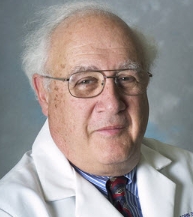 John D. Loeser合作论文数Department of Neurological Surgery, University of Washington School of Medicine2Grant W. Somes合作论文数2Steven Klein合作论文数2Catherine A. Mateer合作论文数2Roger Vander-Zwagg合作论文数2Richard A. Atkinson合作论文数2
 Hisanori Hasegawa合作论文数Graduate School of Pharmaceutical Sciences, The University of Tokyo2Richard A. Mesher合作论文数2
 John B Schweitzer合作论文数2D. Labiner合作论文数1R J Wilkus合作论文数1NM Barbaro合作论文数1G AHERN合作论文数1




