Claudin-1 (CLDN1), a tight junction protein overexpressed and mis-localized in colorectal cancer (CRC), plays a critical role in tumor progression, stemness, and therapy resistance. Integrative analyses of bulk and single-cell transcriptomic datasets revealed that CLDN1 is enriched in stem-like CRC cells, increases during metastatic progression, and is associated with microsatellite stable disease. High CLDN1 expression correlates with epithelial-to-mesenchymal transition and activation of oncogenic pathways including AKT/mTOR, Myc, and NF-κB. Here, we evaluate the therapeutic efficacy of an investigational humanized monoclonal antibody (H3L3) directed against overexpressed non-junctional CLDN1 in preclinical models of CRC. In xenograft mouse models and patient-derived organoids (PDOs), CLDN1 mAb significantly reduced tumor growth in CLDN1-expressing tumors. Mechanistically, CLDN1 mAb disrupted CLDN1-mediated signaling, notably inhibiting the AKT/mTOR pathway. CRISPR-mediated CLDN1 knockout abolished H3L3 efficacy, confirming target specificity. Transcriptomic analysis of PDOs treated with H3L3 revealed broad suppression of stemness, oncogenic signaling, and hallmark cancer pathways. Single-cell analysis further demonstrated that targeting CLDN1 modulates cellular plasticity, driving stem-like tumor cells toward a more differentiated epithelial phenotype. Together, these findings establish anti-CLDN1 monoclonal antibodies as a promising therapeutic approach for CRC. The selective binding of CLDN1 mAb to tumor-associated exposed and overexpressed CLDN1, along with its capacity to inhibit key oncogenic pathways and reprogram cancer cell states including tumors with different mutations conferring resistance to standard of care, underscores its potential to improve treatment outcomes in patients with CLDN1-expressing CRC.
Pancreatic Ductal Adenocarcinoma (PDAC) is one of the most lethal malignancies, with limited treatment options. Altered lipid metabolism, including dysregulated eicosanoid pathways, plays a role in PDAC progression and therapy resistance. In this study, we investigated the impact of a treatment with polymeric hydroxychloroquine (PCQ), a novel macromolecular derivative of hydroxychloroquine (HCQ), on tumor lipid metabolism in a syngeneic mouse model of PDAC. Using a validated LC-MS/MS method, we quantified 72 eicosanoids in tumors to assess the metabolic changes induced by PCQ and HCQ treatment. Our findings revealed significant PCQ-mediated downregulation of multiple protumorigenic eicosanoids, including PGD2, PGJ2, LTE4, LTB4, and HETEs, and upregulation of antitumor resolvins. This was further confirmed by Partial Least Squares Discriminant Analysis (PLS-DA) and heatmap analysis. The parent compound HCQ showed minimal impact on eicosanoid concentrations in the tumors, with no significant alterations at 24-h and modulation of only six eicosanoids downregulated at 72-h post treatment. Overall, our data highlight a novel role of PCQ in modulating tumor lipid metabolism, suggesting a unique mechanism of action and its potential as an adjuvant agent in the therapy of PDAC.
The kinase MAPKAPK2 regulates cell survival, proliferation, and death, and is upregulated in colorectal carcinoma (CRC) where it is associated with tumor growth and progression. However, how it regulates tumor progression in conjunction with other signaling pathways, such as MEK/ERK, remains elusive. Solid tumors are often subjected to metabolic stress, notably glucose deprivation. Here, we demonstrate that MAPKAPK2 protein levels in CRC regulate cell fate decision during stress conditions, such as glucose deprivation and therapeutic treatment. While MAPKAPK2 expression is a limiting factor for CRC growth in vitro, depleting MAPKAPK2 or inhibiting its activity pharmacologically provides a survival advantage to CRC cells under glucose limiting conditions. Subjecting CRC cells to low glucose resulted in an ERK1/2-mediated decline in MAPKAPK2 to promote survival. Additionally, cells with reduced MAPKAPK2 activity were less sensitive to trametinib under glucose limiting conditions. Utilizing transcriptomic profiling, we found that glucose deprivation and MAPKAPK2 depletion activate pathways associated with survival during metabolic stress. This relationship was also observed in CRC patients (TCGA), where tumors with low MAPKAPK2 expression had higher ERK1/2 activation and upregulated stress-induced pathways, leading to poor survival. Finally, MAPKAPK2 modulated growth of CRC organoids, subcutaneous tumors, and patient-derived xenografts (PDX), and reduced MAPKAPK2 levels decreased efficacy of trametinib, in vitro and in vivo. Overall, this study identifies an interrelationship between MEK/ERK and p38/MAPKAPK2 signaling pathways during glucose deprivation to support cell survival and features MAPKAPK2 loss as a possible mechanism leading to reduced efficacy of trametinib-based anticancer therapy and poor patient outcomes in CRC.
Despite advancements in colorectal cancer (CRC) therapy, surgery remains the only curative option. Incomplete resection resulting in tumor cell positive surgical margins occurs in 7
The intractable and devastating nature of pancreatic ductal adenocarcinoma (PDAC) necessitates an urgent need for novel therapies. This study presents the development of a novel polymer prodrug system for the combination treatment of PDAC, based on an optimized pharmacologically active anti-metastatic macromolecular carrier, PCQ, conjugated with gemcitabine (GEM). Structure-activity relationship evaluations showed that random PCQ copolymers exhibited superior anti-migratory activity compared to the gradient PCQ analogs. GEM was incorporated into the random PCQ copolymers using disulfide linker to prepare a reduction-responsive prodrug, PCQ (r)6-SS-GEM12. The resultant therapeutic system presents a pharmacologically active delivery strategy that targets both the proliferative and the metastatic phenotype in PDAC. The PCQ(r)6-SS-GEM12 prodrug demonstrated a selective release of GEM under the reductive tumor environment leading to a significant inhibition of tumor growth with pronounced anti-metastatic effect. Collectively, our data show that the combination of antimetastatic PCQ and cytotoxic GEM-based reduction-responsive prodrug polymer offers an innovative strategy to treat PDAC.
Targeted drug delivery remains a critical challenge in the treatment of ulcerative colitis, as the side effects of current systemic therapies often outweigh their therapeutic benefits. In this study, we developed a reactive oxygen species (ROS)-responsive nanogel system that releases polymeric chloroquine (PCQ), a macromolecular derivative of hydroxychloroquine (HCQ), for localized treatment of ulcerative colitis. The initial nanogel formulation, measuring 183 nm in size with a surface charge of +13 mV, was synthesized via RAFT polymerization using a thioketal dimethacrylate cross-linker to demonstrate ROS-triggered degradation, physicochemical stability in simulated gastrointestinal fluids, favorable biocompatibility, and preferential accumulation in inflamed colonic tissue. To assess how variations in size and surface charge impact in vivo therapeutic efficacy, additional formulations were synthesized, resulting in a series of nanogels (T1-T4) with hydrodynamic diameters ranging from 180 to 680 nm and surface charges from +13 to +24 mV and tested in a Citrobacter rodentium-induced model of colitis. The nanogels delivered superior therapeutic benefits, including histological recovery, restoration of epithelial architecture, reduced immune cell infiltration, and attenuation of STAT3 activation as compared to the parent drug HCQ. Cytokine and eicosanoid profiling further revealed robust local and partial systemic immunomodulatory effects, with T1 showing the greatest local efficacy but relatively limited systemic eicosanoid suppression. These findings underscore the importance of optimizing nanogel size and surface properties to balance local and systemic therapeutic outcomes. Overall, this inflammation-responsive PCQ nanogel platform represents a promising strategy for targeted ulcerative colitis therapy with potentially no side effects.
Microtubule-associated serine-threonine kinase-like (MASTL) has recently been identified as an oncogenic kinase given its overexpression in numerous cancers. Our group has shown that MASTL expression is upregulated in mouse models of sporadic colorectal cancer and colitis-associated cancer (CAC). CAC is one of the most severe complications of chronic inflammatory bowel disease (IBD), but a limited understanding of the mechanisms governing the switch from normal healing to neoplasia in IBD underscores the need for increased research in this area. However, MASTL levels in patients with IBD and its molecular regulation in IBD and CAC have not been studied. This study reveals that MASTL is upregulated by the cytokine interleukin (IL)-22, which promotes proliferation and has important functions in colitis recovery; however, IL-22 can also promote tumorigenesis when chronically elevated. Upon reviewing the publicly available data, we found significantly elevated MASTL and IL-22 levels in the biopsies from patients with late-stage ulcerative colitis compared with controls, and that MASTL upregulation was associated with high IL-22 expression. Our subsequent in vitro studies found that IL-22 increases MASTL expression in intestinal epithelial cell lines, which facilitates IL-22-mediated cell proliferation and downstream survival signaling. Inhibition of AKT activation abrogated IL-22-induced MASTL upregulation. We further found an increased association of carbonic anhydrase IX (CAIX) with MASTL in IL-22-treated cells, which stabilized MASTL expression. Inhibition of CAIX prevented IL-22-induced MASTL expression and cell survival. Overall, we show that IL-22/AKT signaling increases MASTL expression to promote cell survival and proliferation. Furthermore, CAIX associates with and stabilizes MASTL in response to IL-22 stimulation.NEW & NOTEWORTHY MASTL is upregulated in colorectal cancer; however, its role in colitis and colitis-associated cancer is poorly understood. This study is the first to draw a link between MASTL and IL-22, a proinflammatory/intestinal epithelial recovery-promoting cytokine that is also implicated in colon tumorigenesis. We propose that IL-22 increases MASTL protein stability by promoting its association with CAIX potentially via AKT signaling to promote cell survival and proliferation.
Background The repurposing of FDA-approved drugs for anti-cancer therapies is appealing due to their established safety profiles and pharmacokinetic properties and can be quickly moved into clinical trials. Cancer progression and resistance to conventional chemotherapy remain the key hurdles in improving the clinical management of colon cancer patients and associated mortality. Methods High-throughput screening (HTS) was performed using an annotated library of 1,600 FDA-approved drugs to identify drugs with strong anti-CRC properties. The candidate drug exhibiting most promising inhibitory effects in in-vitro studies was tested for its efficacy using in-vivo models of CRC progression and chemoresistance and patient derived organoids (PTDOs). Results Albendazole, an anti-helminth drug, demonstrated the strongest inhibitory effects on the tumorigenic potentials of CRC cells, xenograft tumor growth and organoids from mice. Also, albendazole sensitized the chemoresistant CRC cells to 5-fluorouracil (5-FU) and oxaliplatin suggesting potential to treat chemoresistant CRC. Mechanistically, Albendazole treatment modulated the expression of RNF20, to promote apoptosis in CRC cells by delaying the G2/M phase and suppressing anti-apoptotic-Bcl2 family transcription. Conclusions Albendazole, an FDA approved drug, carries strong therapeutic potential to treat colon cancers which are aggressive and potentially resistant to conventional chemotherapeutic agents. Our findings also lay the groundwork for further clinical testing.
The intricate interplay between extracellular vesicles (EVs), microRNAs, and RNA binding proteins (RBPs) constitutes a crucial mechanism in glioblastoma pathogenesis. The regulated sorting of microRNAs into EVs, influenced by RBPs and specific RNA motifs, plays a pivotal role in intercellular communication and significantly impacts various biological processes associated with glioblastoma development. Glioblastoma cells exploit this mechanism to exchange genetic information, influencing tumor progression, heterogeneity, and treatment response. This review highlights the dysregulation of EV-encapsulated microRNAs as a modulator of key signaling the disease. The versatile role of EV-microRNAs extends to impacting glioma behavior, immune response, angiogenesis, and serving as valuable diagnostic, prognostic, and therapeutic targets. Furthermore, the involvement of RBPs in microRNA sorting into EVs presents therapeutic targets that bridge cellular signaling with EV cargo composition. This comprehensive understanding and the strategic approaches targeting the complex interactions within the EV-microRNA-RBP axis opens promising avenues for advancing diagnostics and developing targeted therapies against the heterogeneous nature of glioblastoma and enhance treatment efficacy. The personalized and effective treatment strategies that may emerge from this research have the potential to revolutionize the approach to combating this devastating brain cancer.
Inflammatory bowel disease (IBD) is a chronic gut disorder that also elevates the risk of colorectal cancer (CRC). The global incidence and severity of IBD are rising, yet existing therapies often lead to severe side effects. Curcumin offers potent anti-inflammatory and chemotherapeutic properties. However, its clinical translation is hindered by rapid metabolism, as well as poor water solubility and stability, which limits its bioavailability. To address these challenges, we developed OC-S, a water-soluble and colon-targeted curcumin formulation that protects against colitis in mice. The current study advances OC-S as a dietary supplement by establishing its stability and compatibility with various commercial dietary products. Further, OC-S exhibited specific binding to inflamed colon tissue, potentially aiding in targeted drug retention at the inflammation site in colitis with diarrhea symptoms. We further investigated its efficacy in vivo and in vitro using a murine model of colitis and tumoroids from APCmin mice. OC-S significantly reduced colitis severity and pro-inflammatory cytokine expression compared with curcumin, even at very low doses (5 mg/kg/day). It also demonstrated higher anti-proliferative activity in CRC cells and colon cancer tumoroids vs. curcumin. Overall, this study demonstrated that OC-S effectively targets and retains water-soluble curcumin at the inflamed colon sites, while showing promise in addressing both colitis and colorectal cancer, which potentially paves the way for OC-S to advance into clinical development as a dietary product for both IBD and CRC.
 Dhawan Punita合作论文数99
 Rizwan Ahmad合作论文数67
 Kumar Balawant合作论文数Council of Scientific &, Central Drug Research Institute;Industrial Research), BS-10/1, Sector-10 Jankipuram Extension, Uttar Pradesh, India.38
 Mary Kay Washington合作论文数Department of Pathology, Microbiology and Immunology, Vanderbilt University Medical Center;School of Medicine, Vanderbilt University31
 Raymond C. Harris合作论文数Vanderbilt Institute for Infection, Immunology and Inflammation, Vanderbilt University Medical Center;Division of Nephrology, Vanderbilt University Medical Center20Saiprasad Gowrikumar合作论文数Dept Biochem & Mol Biol, Univ Nebraska Med Ctr18
 Bernhard Hering合作论文数Schulze Diabetes Institute, Department of Surgery, Medical School, University of Minnesota17
 R. Daniel Beauchamp合作论文数School of Medicine, Vanderbilt University15
 Kiran Bastola合作论文数School of Interdisciplinary Informatics, College of Information Science & Technology, University of Nebraska at Omaha15
 Geoffrey Talmon合作论文数13
 Melanie L Graham合作论文数13Jingwen Liu合作论文数13Raju Lama Tamang合作论文数11
 Ishwor Thapa合作论文数Madan Puraskar Pustakalaya11Moorthy Krishnan合作论文数11
 Rupesh Chaturvedi合作论文数Veterans Affairs Tennessee Valley Healthcare System11
 Susmita Barman合作论文数Department of Biochemistry and Molecular Biology, University of Nebraska Medical Center10Dong Bin合作论文数10
 Keith T Wilson合作论文数Division of Gastroenterology, Hepatology and Nutrition, Department of Medicine, Vanderbilt University Medical Center;Vanderbilt Center for Mucosal Inflammation and Cancer, Vanderbilt University Medical Center;School of Medicine, Vanderbilt University10
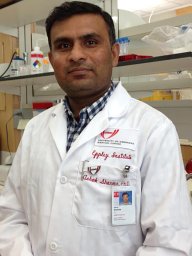 Ashok Sharma合作论文数10
 Sabarinathan Ramachandran合作论文数Washington University in St.Louis10
 Ajaz Bhat合作论文数Functional and Molecular Imaging Laboratory, Cancer Research Department, Sidra Medical and Research Center9
 Daryl J Murry合作论文数College of Pharmacy, University of Iowa9
 Iram Fatima合作论文数8Mark Primeaux合作论文数8
 Dhawan Puneet合作论文数New Jersey Medical School, Rutgers-The State University of New Jersey8
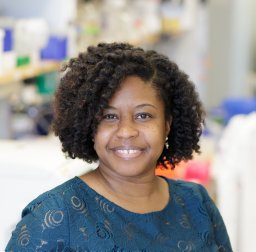 Pope Jillian L合作论文数8
 Wilma Lucia Suarez-Pinzon合作论文数Diabetes Canada8
 Roy Zent合作论文数Membrane Biology Group, University of Toronto8
 Amanda E Ramer-Tait合作论文数Dept Vet Microbiol & Prevent Med, Iowa State Univ7
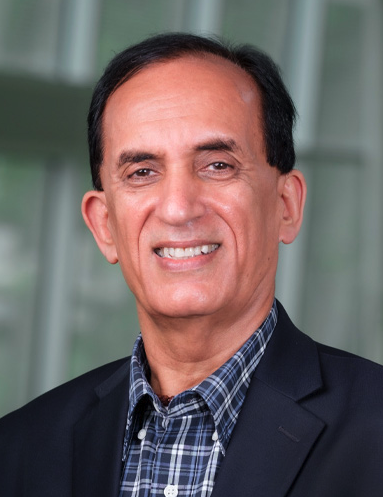 Surinder K. Batra合作论文数Department of Biochemistry and Molecular Biology, College of Medicine, University of Nebraska Medical Center;Fred & Pamela Buffett Cancer Center, University of Nebraska Medical Center7
 David Oupicky (戴维·奥皮茨基)合作论文数Department of Pharmaceutical Sciences, College of Pharmacy, University of Nebraska Medical Center7
 J. Joshua Smith合作论文数Univ Washington, Dept Genome Sci, Seattle, WA 98195 USA6
 Raza Ali合作论文数Department of Biosciences, Jamia Millia Islamia6Singh Shailender合作论文数6Burlak Christopher合作论文数6
 Mohammad Asim合作论文数School of Biosciences, University of Surrey6
 Santosh Yadav合作论文数5
 Kristina Pravoverov合作论文数5
 Jeffrey Salomon合作论文数Department of Cellular & Integrative Physiology, University of Nebraska Medical Center5
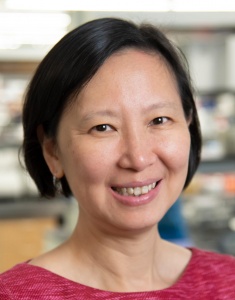 Xunrong Luo合作论文数Department of Medicine, School of Medicine, Duke University5
 Stephen D Miller合作论文数Department of Microbiology-Immunology, Feinberg School of Medicine, Northwestern University5
 Yashpal Singh Chhonker合作论文数Pharmacokinetics and Metabolism Division, CSIR-Central Drug Research Institute;Academy of Scientific and Innovative Research;Academy of Scientific and Innovative Research, CSIR-Central Drug Research Institute5Prasad Sujata合作论文数5
 Geoffrey Thiele合作论文数Division of Rheumatology and Immunology, Department of Internal Medicine, College of Medicine, University of Nebraska Medical Center5
 Timothy J Yeatman合作论文数Department of Surgery, University of South Florida5Antony J. Williams合作论文数5Appakalai N Balamurugan合作论文数Children's Hospital of Pittsburgh Diabetes Institute Pittsburgh PA USA5




