The unprecedented success of deep learning (DL) makes it unchallenged when it comes to classification problems. However, it is well established that the current DL methodology produces universally unstable neural networks (NNs). The instability problem has caused an enormous research effort -- with a vast literature on so-called adversarial attacks -- yet there has been no solution to the problem. Our paper addresses why there has been no solution to the problem, as we prove the following mathematical paradox: any training procedure based on training neural networks for classification problems with a fixed architecture will yield neural networks that are either inaccurate or unstable (if accurate) -- despite the provable existence of both accurate and stable neural networks for the same classification problems. The key is that the stable and accurate neural networks must have variable dimensions depending on the input, in particular, variable dimensions is a necessary condition for stability. Our result points towards the paradox that accurate and stable neural networks exist, however, modern algorithms do not compute them. This yields the question: if the existence of neural networks with desirable properties can be proven, can one also find algorithms that compute them? There are cases in mathematics where provable existence implies computability, but will this be the case for neural networks? The contrary is true, as we demonstrate how neural networks can provably exist as approximate minimisers to standard optimisation problems with standard cost functions, however, no randomised algorithm can compute them with probability better than 1/2.
In deep learning (DL), the instability phenomenon is widespread and well documented, and the most commonly used measure of stability is the Lipschitz constant. While a small Lipchitz constant is traditionally viewed as guarantying stability, it does not capture the instability phenomenon in DL for classification well. The reason is that a classification function – which is the target function to be approximated – is necessarily discontinuous, thus having an ‘infinite’ Lipchitz constant. As a result, the classical approach will deem every classification function unstable, yet basic classification functions a la ‘is there a cat in the image?’ will typically be locally very ‘flat’ – and thus locally stable – except at the decision boundary. The lack of an appropriate measure of stability hinders a rigorous theory for stability in DL, and consequently, there are no proper approximation theoretic results that can guarantee the existence of stable networks for classification functions. In this paper, we introduce a novel stability measure $\mathcal{S}(f)$ , for any classification function $f$ , appropriate to study the stability of classification functions and their approximations. We further prove two approximation theorems: First, for any $\epsilon \gt 0$ and any classification function $f$ on a compact set, there is a neural network (NN) $\psi$ , such that $\psi - f \neq 0$ only on a set of measure $\lt \epsilon$ ; moreover, $\mathcal{S}(\psi ) \geq \mathcal{S}(f) - \epsilon$ (as accurate and stable as $f$ up to $\epsilon$ ). Second, for any classification function $f$ and $\epsilon \gt 0$ , there exists a NN $\psi$ such that $\psi = f$ on the set of points that are at least $\epsilon$ away from the decision boundary.
Generalised hardness of approximation (GHA) is the phenomenon that one can easily compute an ϵ -approximation to a solution of a computational problem for ϵ> ϵ _1 > 0 , but for ϵ < ϵ _1 (the approximation threshold) it suddenly becomes hard, for example, non-computable or intractable (non-polynomial time). In this paper we demonstrate the phenomenon that GHA happens when using AI techniques for solving inverse problems, namely training neural networks (NNs) to optimally perform on the training data. In particular, for any non-zero underdetermined linear inverse problem the following phase transition can occur: For a certain family of training sets Ω , one can prove the existence of optimal NNs for solving the inverse problem for each 𝒯∈Ω , however, these optimal neural networks can only be computed to a certain accuracy ϵ _1 > 0 . Below the approximation threshold ϵ _1 , not only does it become intractable to compute the NNs, it becomes impossible regardless of computing power, and no randomised algorithm can solve the problem with probability better than 1/2. Moreover, despite the existence of a stable optimal NN, any attempts of computing it below two times the approximation threshold 2ϵ _1 will yield an unstable NN. Our results use and extend the current mathematical framework of the Solvability Complexity Index (SCI) hierarchy and initiate a program for analysing the GHA phenomenon throughout computational mathematics and AI. GHA generalises the phenomenon of hardness of approximation in discrete computations to arbitrary computational problems.
DNA looping is vital for establishing many enhancer-promoter interactions. While CTCF is known to anchor many cohesin-mediated loops, the looped chromatin fiber appears to predominantly exist in a poorly characterized actively extruding state. To better characterize extruding chromatin loop structures, we used CTCF MNase HiChIP data to determine both CTCF binding at high resolution and 3D contact information. Here we present FactorFinder, a tool that identifies CTCF binding sites at near base-pair resolution. We leverage this substantial advance in resolution to determine that the fully extruded (CTCF-CTCF) state is rare genome-wide with locus-specific variation from ~1-10%. We further investigate the impact of chromatin state on loop extrusion dynamics, and find that active enhancers and RNA Pol II impede cohesin extrusion, facilitating an enrichment of enhancer-promoter contacts in the partially extruded loop state. We propose a model of topological regulation whereby the transient, partially extruded states play active roles in transcription.
As cells exit mitosis and enter G1, chromosomes decompact and transcription is reestablished. Hi-C studies have indicated that all interphase three-dimensional genome features, including A/B compartments, topologically associating domains and CCCTC-binding factor loops, are lost during mitosis. However, Hi-C is insensitive to features such as microcompartments, nested focal interactions between cis-regulatory elements. Here we apply region capture Micro-C to mouse erythroblasts from mitosis to G1. We unexpectedly observe microcompartments in prometaphase, which strengthen in anaphase and telophase before weakening throughout G1. Microcompartment anchors coincide with transcriptionally spiking promoters during mitosis. Loss of condensin loop extrusion differentially impacts microcompartments and A/B compartments, suggesting that they are partially distinct. Polymer modeling shows that microcompartment formation is favored by chromatin compaction and disfavored by loop extrusion, providing a basis for strong microcompartmentalization in anaphase and telophase. Our results suggest that compaction and homotypic affinity drive microcompartment formation, which may explain transient transcriptional spiking at mitotic exit.
Enhancer-gene communication is dependent on topologically associating domains (TADs) and boundaries enforced by the CCCTC-binding factor (CTCF) insulator, but the underlying structures and mechanisms remain controversial. Here, we investigate a boundary that typically insulates fibroblast growth factor (FGF) oncogenes but is disrupted by DNA hypermethylation in gastrointestinal stromal tumors (GISTs). The boundary contains an array of CTCF sites that enforce adjacent TADs, one containing FGF genes and the other containing ANO1 and its putative enhancers, which are specifically active in GIST and its likely cell of origin. We show that coordinate disruption of four CTCF motifs in the boundary fuses the adjacent TADs, allows the ANO1 enhancer to contact FGF3, and causes its robust induction. High-resolution micro-C maps reveal specific contact between transcription initiation sites in the ANO1 enhancer and FGF3 promoter that quantitatively scales with FGF3 induction such that modest changes in contact frequency result in strong changes in expression, consistent with a causal relationship.
AbstractDiseases caused by S. pneumoniae are the leading cause of child mortality. As antibiotic resistance of S. pneumoniae is rising, vaccination remains the most recommended solution. However, the existing pneumococcal polysaccharides vaccine (Pneumovax® 23) proved only to induce T-independent immunity, and strict cold chain dependence of the protein conjugate vaccine impedes its promotion in developing countries, where infections are most problematic. Affordable and efficient vaccines against pneumococcus are therefore in high demand. Here, we present an intranasal vaccine Lipo+CPS12F&αGC, containing the capsular polysaccharides of S. pneumoniae 12F and the iNKT agonist α-galactosylceramide in cationic liposomes. In BALB/cJRj mice, the vaccine effectively activates iNKT cells and promotes B cells maturation, stimulates affinity-matured IgA and IgG production in both the respiratory tract and systemic blood, and displays sufficient protection both in vivo and in vitro. The designed vaccine is a promising, cost-effective solution against pneumococcus, which can be expanded to cover more serotypes and pathogens.
Kongsberg Defence Aerospace (KDA) and SINTEF are developing a flash-LIDAR for use in space and specifically for landing applications. The baseline is a compact 5 kg design without moving parts. The technology is based on time-of-flight (ToF) measurement of emitted laser pulses with the use of a Mega pixel CMOS camera. Each short high energy laser pulse illuminates the complete target area. By selecting different delay times for the camera gating and through real time processing of the sensor output, a three-dimensional image of the scene is generated. The technology is tolerant to sunlight illuminating the landing site. A narrow band optical filter is utilized to improve the signal to noise ratio. High resolution 3D maps can be generated at 500–300 m altitude. Lower resolution 3D maps can be generated for altitudes up to 1000 m. With minor modifications the flash-LIDAR can also be used for other missions like in-orbit-servicing and for planetary rovers.
iNKT cells – often referred as the “Swiss Army knife” of the immune system ‒ have emerged as central players in cancer vaccine therapies. Glycolipids activating iNKT cells, such as α-galactosylceramide (αGalCer), can enhance the immune response against co-delivered cancer antigens and have been applied in the design of self-adjuvanting anti-tumor vaccines. In this context, this work focuses on the chemical synthesis of ganglioside tumor-associated carbohydrate antigens (TACAs), namely GM3 and (Neu5Gc)GM3 antigens, their conjugation to αGalCer, and their formulation into liposomes as an efficient platform for their in vivo delivery. Liposomes containing GM3‒αGalCer, (Neu5Gc)GM3‒αGalCer, and equimolar amounts of the two conjugates have been fully characterized and their ability to activate iNKT cell has been confirmed in vitro. Finally, the candidates were tested in in vivo immunization studies, demonstrating an ability to induce both Th1 and Th2 cytokines further leading to the production of all subclasses of IgG antibodies. Notably, the study also demonstrated that serum antibodies raised against the two TACAs alone and in combination were cross-reactive. This finding has consequences for future vaccine designs – even if a highly tumor-selective antigen is chosen, the resulting antibody response may be broader than anticipated.
BACKGROUND:Bone infections with Staphylococcus aureus are notoriously difficult to treat and have high recurrence rates. Local antibiotic delivery systems hold the potential to achieve high in situ antibiotic concentrations, which are otherwise challenging to achieve via systemic administration. Existing solutions have been shown to confer suboptimal drug release and distribution. Here we present and evaluate an injectable in situ-forming depot system termed CarboCell. The CarboCell technology provides sustained and tuneable release of local high-dose antibiotics. METHODS:CarboCell formulations of levofloxacin or clindamycin with or without antimicrobial adjuvants cis-2-decenoic acid or cis-11-methyl-2-dodecenoic acid were tested in experimental rodent and porcine implant-associated osteomyelitis models. In the porcine models, debridement and treatment with CarboCell-formulated antibiotics was carried out without systemic antibiotic administration. The bacterial burden was determined by quantitative bacteriology. RESULTS:CarboCell formulations eliminated S. aureus in infected implant rat models. In the translational implant-associated pig model, surgical debridement and injection of clindamycin-releasing CarboCell formulations resulted in pathogen-free bone tissues and implants in 9 of 12 and full eradication in 5 of 12 pigs. CONCLUSIONS:Sustained release of antimicrobial agents mediated by the CarboCell technology demonstrated promising therapeutic efficacy in challenging translational models and may be beneficial in combination with the current standard of care.
The therapeutic challenges of orthopedic device-related infections and emerging antimicrobial resistance have attracted attention to drug delivery technologies. This study evaluates the preclinical efficacy of local single- and dual-antibiotic therapy against implant-associated osteomyelitis (IAO) using a drug-eluting depot technology, CarboCell, that provides sustained release of high-dose antibiotics and allows for strategic in situ placement in relation to infectious lesions. Clindamycin and gentamicin were formulated in CarboCell compositions. One-stage-revision of tibial Staphylococcus aureus IAO was conducted in 19 pigs. Pigs were treated locally with CarboCell containing either gentamicin alone for 1 week or a co-formulation of gentamicin and clindamycin for 1 or 3 weeks. Bone, soft tissue, and antibiotic depots were collected for microbiology, histology, and HPLC analyses. Supporting in vivo release studies of CarboCell formulations were performed on mice. Both single- and dual-antibiotic CarboCell formulations were developed and capable of eradicating the infectious bacteria in bone and preventing colonization of implants inserted at revision. Eradication in soft tissue was observed in all pigs after 3 weeks and in 6/9 pigs after 1 week of treatment. Neutrophil counts in bone tissue were below the infection cut-off in all pigs receiving the dual-antibiotic therapies, but above in all pigs receiving the single-antibiotic therapy. Histological signs of active bone reorganization and healing were observed at 3 weeks. In conclusion, all CarboCell formulations demonstrated strong therapeutic activity against IAO, eradicating S. aureus in bone tissue and preventing colonization of implants even without the addition of systemic antibiotic therapy.
We introduce the Consistent Reasoning Paradox (CRP). Consistent reasoning, which lies at the core of human intelligence, is the ability to handle tasks that are equivalent, yet described by different sentences ('Tell me the time!' and 'What is the time?'). The CRP asserts that consistent reasoning implies fallibility – in particular, human-like intelligence in AI necessarily comes with human-like fallibility. Specifically, it states that there are problems, e.g. in basic arithmetic, where any AI that always answers and strives to mimic human intelligence by reasoning consistently will hallucinate (produce wrong, yet plausible answers) infinitely often. The paradox is that there exists a non-consistently reasoning AI (which therefore cannot be on the level of human intelligence) that will be correct on the same set of problems. The CRP also shows that detecting these hallucinations, even in a probabilistic sense, is strictly harder than solving the original problems, and that there are problems that an AI may answer correctly, but it cannot provide a correct logical explanation for how it arrived at the answer. Therefore, the CRP implies that any trustworthy AI (i.e., an AI that never answers incorrectly) that also reasons consistently must be able to say 'I don't know'. Moreover, this can only be done by implicitly computing a new concept that we introduce, termed the 'I don't know' function – something currently lacking in modern AI. In view of these insights, the CRP also provides a glimpse into the behaviour of Artificial General Intelligence (AGI). An AGI cannot be 'almost sure', nor can it always explain itself, and therefore to be trustworthy it must be able to say 'I don't know'.
Cancer curing immune responses against heterogeneous solid cancers require that a coordinated immune activation is initiated in the antigen avid but immunosuppressive tumor microenvironment (TME). The plastic TME, and the poor systemic tolerability of immune activating drugs are, however, fundamental barriers to generating curative anticancer immune responses. Here, we introduce the CarboCell technology to overcome these barriers by forming an intratumoral sustained drug release depot that provides high payloads of immune stimulatory drugs selectively within the TME. The CarboCell thereby induces a hot spot for immune cell training and polarization and further drives and maintains the tumor-draining lymph nodes in an anticancer and immune activated state. Mechanistically, this transforms cancerous tissues, consequently generating systemic anticancer immunoreactivity. CarboCell can be injected through standard thin-needle technologies and has inherent imaging contrast which secure accurate intratumoral positioning. In particular, here we report the therapeutic performance for a dual-drug CarboCell providing sustained release of a Toll-like receptor 7/8 agonist and a transforming growth factor-β inhibitor in preclinical tumor models in female mice.
Liposomes carrying chemotherapeutic drugs can accumulate passively in solid tumors at high levels. However, additional targeting of the liposomes towards e.g. receptors expressed on cancer cells may improve their interaction and therapeutic properties. In this study, we designed a liposomal delivery system, which utilizes the intrinsic characteristics of HER2-positive tumors to ensure efficient delivery of oxaliplatin to the cancer cells. On the liposome surface, trastuzumab, an antibody specific to the HER2 receptor, was shown to facilitate internalization by the cancer cells. A polyethylene glycol (PEG) layer on the liposome surface provides protection from mononuclear phagocyte system uptake. To optimize the interaction between liposomes and cancer cells, a protease-sensitive cleavable peptide linker was inserted at the base of each PEG. The PEG layer is then cleaved off by intra- and extracellular matrix metalloproteinases (MMPs) upon accumulation in the tumor. Our data demonstrate that the removal of PEG significantly destabilizes the liposomes and leads to substantial oxaliplatin release. The proposed beneficial effect of combining antibody-mediated internalization with MMP sensitivity was confirmed in a series of in vivo studies using ovarian cancer xenograft models. The results demonstrated that HER2-targeted MMP-sensitive liposomes have superior anticancer activity compared to non-targeted and non-cleavable liposomes.
Transcriptional coregulators and transcription factors (TFs) contain intrinsically disordered regions (IDRs) that are critical for their association and function in gene regulation. More recently, IDRs have been shown to promote multivalent protein-protein interactions between coregulators and TFs to drive their association into condensates. By contrast, here we demonstrate how the IDR of the corepressor LSD1 excludes TF association, acting as a dynamic conformational switch that tunes repression of active cis-regulatory elements. Hydrogen-deuterium exchange shows that the LSD1 IDR interconverts between transient open and closed conformational states, the latter of which inhibits partitioning of the protein’s structured domains with TF condensates. This autoinhibitory switch controls leukemic differentiation by modulating repression of active cis-regulatory elements bound by LSD1 and master hematopoietic TFs. Together, these studies unveil alternative mechanisms by which disordered regions and their dynamic crosstalk with structured regions can shape coregulator-TF interactions to control cis-regulatory landscapes and cell fate.
DNA double-strand breaks (DSBs) occur every cell cycle and must be efficiently repaired. Non-homologous end joining (NHEJ) is the dominant pathway for DSB repair in G1-phase. The first step of NHEJ is to bring the two DSB ends back into proximity (synapsis). Although synapsis is generally assumed to occur through passive diffusion, we show that passive diffusion is unlikely to produce the synapsis speed observed in cells. Instead, we hypothesize that DNA loop extrusion facilitates synapsis. By combining experimentally constrained simulations and theory, we show that a simple loop extrusion model constrained by previous live-cell imaging data only modestly accelerates synapsis. Instead, an expanded loop extrusion model with targeted loading of loop extruding factors (LEFs), a small portion of long-lived LEFs, and LEF stabilization by boundary elements and DSB ends achieves fast synapsis with near 100% efficiency. We propose that loop extrusion contributes to DSB repair by mediating fast synapsis.
 Andreas Kjær合作论文数Department of Biomedical Sciences, University of Copenhagen58
 Thomas L. Andresen合作论文数Department of Health Technology, Technical University of Denmark;T-Cypher Bio56
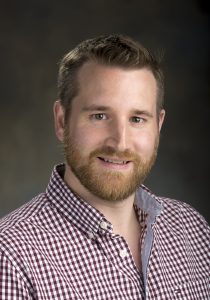 Ben Adcock合作论文数Department of Mathematics, Faculty of Science, Simon Fraser University39
 Jonas R. Henriksen合作论文数Department of Health Technology, Technical University of Denmark;Monta Biosciences36
 Xavier Darzacq合作论文数Genetics, Genomics & Development Faculty, Department of Molecular and Cell Biology, University of California, Berkeley22
 Jensen Andreas T I合作论文数22
 Annemarie Thuri Kristensen合作论文数Department of Veterinary and Animal Sciences, Faculty of Health and Medical Sciences, University of Copenhagen21Frederikke P Fliedner合作论文数21
 Robert Tjian (钱泽南)合作论文数Department of Molecular and Cell Biology, College of Letters & Science, University of California, Berkeley;Howard Hughes Medical Institute;Tjian + Darzacq Group, University of California, Berkeley;Division of Genetics and Development, University of California, Berkeley20
 Esben Christensen合作论文数Center for Nanomedicine and Theranostics, Technical University of Denmark13Fredrik Melander合作论文数12
 Jesper Tranekjær Jørgensen合作论文数Novo Nordisk;Department of Biomedical Sciences, Faculty of Health and Medical Sciences, University of Copenhagen11
 Claudia Cattoglio合作论文数Dept Mol & Cell Biol, Univ Calif Berkeley11
 Bogdan Roman合作论文数Department of Applied Mathematics and Theoretical Physics, University of Cambridge11
 Betina Børresen合作论文数Department of Veterinary and Animal Sciences, Faculty of Health and Medical Sciences, University of Copenhagen10
 Camilla Stavnsbjerg合作论文数Faculty of Health Sciences, University of Copenhagen10Alexander Bastounis合作论文数10Fintan J. Mcevoy合作论文数Faculty of Life Sciences, University of Copenhagen10
 Per Munck af Rosenschöld合作论文数Radiation Physics, Lund University Hospital, Lund, Sweden9Mads H. Clausen合作论文数Department of Chemistry, Technical University of Denmark9
 Rasmus Jølck合作论文数8Vegard Antun合作论文数University of Oslo8Lars Ringgaard合作论文数8
 Martin Bak合作论文数Autom., Tech. Univ. of Denmark;c;Autom., Tech. Univ. of Denmark8
 Gael Clergeaud Veiga合作论文数8Bruun Linda M合作论文数8Clausen Malene M合作论文数Department of Radiation Oncology, Rigshospitalet8
 Laura Thesing合作论文数DAMTP, Univ Cambridge7
 Gregory Severin合作论文数7Elema Dennis合作论文数7
 Subhadeep Gupta合作论文数Department of Physics, University of Washington7Alexander Khramov合作论文数7
 Rasmus Eliasen合作论文数Dept Hlth Technol, Tech Univ Denmark6
 Tsung-Han Stanley Hsieh合作论文数6
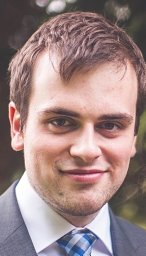 Matthew Colbrook合作论文数DAMTP, Univ Cambridge6Engelholm Svend Aage合作论文数6
 Paul Kempen合作论文数6
 Svend Aage Engelholm合作论文数6
 Iryna Pustova合作论文数5Anne Skovsbo Clausen合作论文数5Trine B Engel合作论文数5
 Ian Law合作论文数The Neurobiology Research Unit, N 9201, Copenhagen University Hospital, Rigshospitalet, Denmark5
 Sheila Teves合作论文数Department of Biochemistry & Molecular Biology, Faculty of Medicine, The University of British Columbia5
 Luke Lavis合作论文数Howard Hughes Medical Institute5
 Milana Gataric合作论文数5Zornhagen Kamilla Westarp合作论文数5Clarice Poon合作论文数Department of Applied Mathematics and Theoretical Physics, University of Cambridge5William Dowd合作论文数5Elizabeth Serrano-Chávez合作论文数4




