The subsurface ocean around Antarctica is one of the primary drivers of mass loss from the Antarctic ice sheet through the basal melting of ice shelves. The resultant meltwater flux into the surrounding ocean can, mainly through reduced vertical mixing, further enhance subsurface ocean warming, inducing a positive feedback that amplifies mass loss and sea-level rise. This feedback is omitted in most sea-level projections though, as few Earth system models are fully coupled to an interactive model of the Antarctic ice sheet. Here, we quantify this feedback between Antarctic meltwater release and ocean warming using linear response functions in the Earth system model EC-Earth3. Increased meltwater release from five individual Antarctic ice-sheet regions is found to unambiguously warm the subsurface Southern Ocean at centennial timescales in EC-Earth3. This warming response is quantified in terms of linear ocean response functions. Combining these with linear response functions of the Antarctic mass loss and sea-level rise because of ocean warming allows for the quantification of the meltwater-ocean-warming feedback. Here, this feedback is calculated for ocean temperature projections from 14 CMIP6 Earth system models and linear response functions from 8 ice-sheet models. Using a fixed basal melt relation with ocean temperatures, the feedback enhances 21st century projections of the Antarctic sea-level contribution by approximately 80 %. However, the inclusion of this feedback necessitates a calibration of the basal melt relation in order to reproduce historical ice-mass loss. This calibration leads to a reduction in the basal melt parameter by 35 %, after which the 21st century sea-level enhancement due to the feedback decreases to a mere 5 %. We propose that a similar reduction in the basal melt parameter must be applied in ice-sheet model forcing when transitioning from a stand-alone setup to an ice-sheet-ocean coupled setup in which the meltwater-warming feedback is explicitly simulated.
The current state and future projections of the climate and environmental crises call for science to be able to have a deep impact on society, and to have it quickly. Here we discuss how scientists engaging in climate activism can contribute to educating the general public and press for urgent action, as well as under which conditions such scientific activism can be most effective. Traditionally, science has mostly interacted with society by making scientific results public, without interfering in how politicians, business and the general public would make use of them. Similarly, the role of science educators has been often confined to spreading knowledge to students and broader audiences, independently of how this knowledge affects society. However, such communication and education efforts appear insufficient considering unambitious policies with regards to the current climate and ecological crises. As a result, many scientists, both within and outside academia, have been looking for other ways to communicate the urgency of the climate crisis. Notably, communication efforts have increasingly extended to public support of environmental action movements and participation in protests and civil disobedience actions. In this work, we discuss how activism can be complementary to classical approaches of science communication and public education on the urgency of the climate and environmental crises. We will highlight recent examples of civil disobedience by scientists with a focus on the Netherlands. We also present the reaction from stakeholders such as politicians and representatives of companies, as well as the reception of such actions by the scientific community. We discuss the place of activism in the broader scientific community, where our viewpoint is that scientific activism can only become an efficient way of science communication and public engagement if (i) it is accepted and respected within the scientific community, and (ii) it adheres to rules allowing such communication to maintain or increase scientific reputation in society. We also stress the supportive role of universities and research institutes in enabling the engagement with activism, especially for early career scientists. Scientific institutions should emphasize that climate activism and advocacy is welcome among both researchers and educators, that their freedom of speech is protected, and that such activities are recognized as valuable.
The current climate and environmental crisis requires immediate societal changes. Here, we propose a discussion on whether scientists should engage in climate action. Activism offers a new avenue for climate advocacy that goes beyond traditional methods. We explore how scientists engaging in climate activism can educate the general public and press for urgent action and the conditions under which scientific activism can be most effective. Using historical and recent examples of non-violent civil disobedience by scientists, including actions we joined and/or supported as members of Scientist Rebellion, we demonstrate how such activism can be effective in complementing classical approaches to public education about the urgency of the climate and environmental crises, as well as in pushing for critically needed political action. We invite all scientists to engage in a discussion on whether we should engage in climate action as we acknowledge the complexities around scientific values, ethics, authority, and integrity.
With detailed understanding of planetary boundaries like the connection of continuously increasing global greenhouse gas emissions and the frequency and severity of climate change impacts (geo)scientists recognize the critical need for ambitious political action perhaps more urgently than non-experts. Yet, global policies have consistently failed to deliver on their ambitions, goals, and implementation, making necessary transformations elusive. We argue that (geo)scientists can have a considerable impact beyond the traditional avenues of publishing papers and reports or advising policy makers. Drawing inspiration from historical successes, particularly in non-violent civil disobedience, we explore the considerations of engaging in climate activism from the dual perspectives of scientists and civil servants. Using the example of scientists at public scientific institutions in the Netherlands, we delve into questions surrounding one’s rights, duties, and responsibilities. We aim to stimulate reflection on effective strategies for scientists to advocate for change in the critical arena of climate action and climate justice.
Ice-sheet meltwater affects ocean stratification and circulation, sea ice, and ultimately the global climate through various feedback mechanisms. Most current generation global climate models do not include interactive ice sheets and as such do not capture the projected increases in additional meltwater under future emission scenarios. We use the EC-Earth3 coupled climate model to investigate the climate response to various scenarios of Antarctic meltwater input. With the idealized experiments of the Southern Ocean Freshwater Input from Antarctica Model Intercomparison Project (SOFIAMIP), as well as a plausible future meltwater release experiment, we investigate the sensitivity to both amount and location of the freshwater forcing in both the eddy-permitting (0.25°) and the standard, non-eddying (1°) resolution model versions. We find that the amount of freshwater strongly controls the sea ice with associated atmospheric adjustments and feedbacks. We also see that while inserting additional meltwater at the surface enhances stratification increasing sea ice cover, inserting it at depth decreases stratification and enables more ocean heat to be released at the surface. Our results represent improved model physics and support calls for using prescribed Antarctic meltwater input as forcing in the Coupled Model Intercomparison Project to, for example, improve modelled sea ice evolution and sea level trends.
As the climate warms, the grounded ice sheet and floating ice shelves surrounding Antarctica are melting and releasing additional freshwater into the Southern Ocean. Nonetheless, almost all existing coupled climate models have fixed ice sheets and lack the physics required to represent the dominant sources of Antarctic melt. These missing ice dynamics represent a key uncertainty that is typically unaccounted for in current global climate change projections. Previous modelling studies that have imposed additional Antarctic meltwater have demonstrated regional impacts on Southern Ocean stratification, circulation, and sea ice, as well as remote changes in atmospheric circulation, tropical precipitation, and global temperature. However, these previous studies have used widely varying rates of freshwater forcing, have been conducted using different climate models and configurations, and have reached differing conclusions on the magnitude of meltwater–climate feedbacks. The Southern Ocean Freshwater Input from Antarctica (SOFIA) initiative brings together a team of scientists to quantify the climate system response to Antarctic meltwater input along with key aspects of the uncertainty. In this paper, we summarize the state of knowledge on meltwater discharge from the Antarctic ice sheet and ice shelves to the Southern Ocean and explain the scientific objectives of our initiative. We propose a series of coupled and ocean–sea ice model experiments, including idealized meltwater experiments, historical experiments with observationally consistent meltwater input, and future scenarios driven by meltwater inputs derived from stand-alone ice sheet models. Through coordinating a multi-model ensemble of simulations using a common experimental design, open data archiving, and facilitating scientific collaboration, SOFIA aims to move the community toward better constraining our understanding of the climate system response to Antarctic melt.
A major source of uncertainty in future sea level projections is the ocean-driven basal melt of Antarctic ice shelves. While ice sheet models require a kilometre-scale resolution to realistically resolve ice shelf stability and grounding line migration, global or regional 3D ocean models are computationally too expensive to produce basal melt forcing fields at this resolution on long timescales. To bridge this resolution gap, we introduce the 2D numerical model LADDIE (one-layer Antarctic model for dynamical downscaling of ice-ocean exchanges), which allows for the computationally efficient modelling of detailed basal melt fields. The model is open source and can be applied easily to different geometries or different ocean forcings. The aim of this study is threefold: to introduce the model to the community, to demonstrate its application and performance in two use cases, and to describe and interpret new basal melt patterns simulated by this model. The two use cases are the small Crosson-Dotson Ice Shelf in the warm Amundsen Sea region and the large Filchner-Ronne Ice Shelf in the cold Weddell Sea. At ice-shelf-wide scales, LADDIE reproduces observed patterns of basal melting and freezing in warm and cold environments without the need to re-tune parameters for individual ice shelves. At scales of 0.5-5 km, which are typically unresolved by 3D ocean models and poorly constrained by observations, LADDIE produces plausible basal melt patterns. Most significantly, the simulated basal melt patterns are physically consistent with the applied ice shelf topography. These patterns are governed by the topographic steering and Coriolis deflection of meltwater flows, two processes that are poorly represented in basal melt parameterisations. The kilometre-scale melt patterns simulated by LADDIE include enhanced melt rates in grounding zones and basal channels and enhanced melt or freezing in shear margins. As these regions are critical for ice shelf stability, we conclude that LADDIE can provide detailed basal melt patterns at the essential resolution that ice sheet models require. The physical consistency between the applied geometry and the simulated basal melt fields indicates that LADDIE can play a valuable role in the development of coupled ice-ocean modelling.
Abstract The additional water from the Antarctic ice sheet and ice shelves due to climate‐induced melt can impact ocean circulation and global climate. However, the major processes driving melt are not adequately represented in Coupled Model Intercomparison Project phase 6 (CMIP6) models. Here, we analyze a novel multi‐model ensemble of CMIP6 models with consistent meltwater addition to examine the robustness of the modeled response to meltwater, which has not been possible in previous single‐model studies. Antarctic meltwater addition induces a substantial weakening of open‐ocean deep convection. Additionally, Antarctic Bottom Water warms, its volume contracts, and the sea surface cools. However, the magnitude of the reduction varies greatly across models, with differing anomalies correlated with their respective mean‐state climatology, indicating the state‐dependency of the climate response to meltwater. A better representation of the Southern Ocean mean state is necessary for narrowing the inter‐model spread of response to Antarctic meltwater.
Abstract. The global acceleration of sea-level rise (SLR) during the 20th century is now established. On the local scale, this is harder to establish as several drivers of SLR play a role, which can mask the acceleration. Here, we study the rate of SLR along the coast of the Netherlands from the average of six tide gauge records covering the period 1890–2021. To isolate the effects of the wind field variations and the nodal tide from the local sea-level trend, we use four generalised additive models (GAMs) which include different predictive variables. From the sea-level trend estimates, we obtain the continuous evolution of the rate of SLR and its uncertainty over the observational period. The standard error in the estimation of the rate of SLR is reduced when we account for nodal-tide effects and is reduced further when we also account for the wind effects, meaning these provide better estimates of the rate of SLR. A part of the long-term SLR is due to wind forcing related to a strengthening and northward shift of the jet stream, but this SLR contribution decelerated over the observational period. Additionally, we detect wind-forced sea-level variability on multidecadal timescales with an amplitude of around 1 cm. Using a coherence analysis, we identify both the North Atlantic Oscillation and the Atlantic Multidecadal Variability as its drivers. Crucially, accounting for the nodal-tide and wind effects changes the estimated rate of SLR, unmasking an SLR acceleration that started in the 1960s. Our best-fitting GAM, which accounts for nodal and wind effects, yields a rate of SLR of about 1.72.21.3 mm yr−1 in 1900–1919 and 1.51.91.2 mm yr−1 in 1940–1959 compared to 2.93.52.4 mm yr−1 in 2000–2019 (where the lower and upper bounds denote the 5th and 95th percentiles). If we discount the nodal tide, wind and fluctuation effects and assume a constant rate of SLR, then the probability (p value) of finding a rate difference between 1940–1959 and 2000–2019 of at least our estimate is smaller than 1 %. Consistent with global observations and the expectations based on the physics of global warming, our results show unequivocally that SLR along the Dutch coast has accelerated since the 1960s.
The Greenland and Antarctic ice sheets are losing mass to the ocean. This additional freshwater flux to the ocean is only expected to increase in the future, but it is usually not included in current climate model simulations as ice sheets are not modelled interactively. However, this freshwater flux will influence multiple aspects of the climate response. We develop a plausible, future freshwater forcing scenarios for both ice sheets and use a high-resolution, eddy-permitting version of EC-Earth3 to simulate the response to a high emission scenario. We investigate the effect of this additional freshwater on sea ice, ocean circulation, surface temperatures, and sea level by comparing the simulations to the HighResMIP EC-Earth3 simulations without ice sheet mass loss.
We studied the wind influence on multidecadal variability and trend of sea level along the Dutch coast. Annual mean sea level for the period 1890 to 2020 is obtained from 6 tide gauges. We compared three widely used multi-linear regression models relating sea level and wind based on either local zonal and meridional wind speed or large-scale pressure patterns. For this purpose, surface wind and pressure data from the ERA5 reanalysis and the twentieth century reanalysis v3 (20CRv3) are used. We find a significant multi-decadal mode of variability with an amplitude of around 1 cm and a period of 40 to 60 years that is related to the Atlantic Multidecadal Variability. We show that this multi-decadal wind variability is responsible for an average drop in sea level of 0.5 mm/yr over the last 40 years which is around a quarter of the total sea level rise of 2 mm/yr over that period. Therefore, wind effects on sea level partly masked sea level acceleration at the Dutch coast. This is important for sea level monitoring supporting decision making. The same multi-linear regression models are then applied to the CMIP6 historical and future climate scenario data to make projections of future wind impact on sea level along the Dutch coast. Contrary to our expectation based on a previous study in the German Bight (Dangendorf et al. 2014) we find no sign that long term wind changes will increase sea level during the 21st century. Reference: Dangendorf, Sönke, Thomas Wahl, Enno Nilson, Birgit Klein, and Jürgen Jensen. “A New Atmospheric Proxy for Sea Level Variability in the Southeastern North Sea: Observations and Future Ensemble Projections.” Climate Dynamics 43, no. 1–2 (July 2014): 447–67. https://doi.org/10.1007/s00382-013-1932-4.
We investigate the freshwater budget of the Atlantic and Arctic oceans in coupled climate change simulations with the Community Earth System Model and compare a strongly eddying setup with 0.1∘ ocean grid spacing to a non-eddying 1∘ configuration typical of Coupled Model Intercomparison Project phase 6 (CMIP6) models. Details of this budget are important to understand the evolution of the Atlantic Meridional Overturning Circulation (AMOC) under climate change. We find that the slowdown of the AMOC in the year 2100 under the increasing CO2 concentrations of the Representative Concentration Pathway 8.5 (RCP8.5) scenario is almost identical between both simulations. Also, the surface freshwater fluxes are similar in their mean and trend under climate change in both simulations. While the basin-scale total freshwater transport is similar between the simulations, significant local differences exist. The high-ocean-resolution simulation exhibits significantly reduced ocean state biases, notably in the salt distribution, due to an improved circulation. Mesoscale eddies contribute considerably to the freshwater and salt transport, in particular at the boundaries of the subtropical and subpolar gyres. Both simulations start in the single equilibrium AMOC regime according to a commonly used AMOC stability indicator and evolve towards the multiple equilibrium regime under climate change, but only the high-resolution simulation enters it due to the reduced biases in the freshwater budget.
The contact between ice shelves and relatively warm ocean waters causes basal melt, ice shelf thinning, and ultimately ice sheet mass loss. This basal melt, and its dependence on ocean properties, is poorly understood due to an overall lack of direct observations and a difficulty in explicit simulation of the circulation in sub-shelf cavities. In this study, we compare a number of parameterisations and models of increasing complexity, up to a 2D ‘Layer’ model. Each model is aimed at quantifying basal melt rates as a function of offshore temperature and salinity. We test these models in an idealised setting (ISOMIP+) and in a realistic setting for the Amundsen Sea Embayment. All models show a comparable non-linear sensitivity of ice-shelf average basal melt to ocean warming, indicating a positive feedback between melt and circulation. However, the Layer model is the only one which explicitly resolves the flow direction of the buoyant melt plumes, which is primarily governed by rotation and by the basal topography of the ice shelves. At 500m resolution, this model simulates locally enhanced basal melt near the grounding line, in topographical channels, and near the western boundary. The simulated melt patterns for the Amundsen Sea ice shelves are compared to satellite observations of ice shelf thinning and to 3D numerical simulations of the sub-shelf cavity circulation. As detailed melt rates near the grounding line are essential for the stability of ice sheets, spatially realistic melt rates are crucial for future projections of ice sheet dynamics. We conclude that the Layer model can function as a relatively cheap yet realistic model to downscale 3D ocean simulations of ocean properties to sub-kilometer scale basal melt fields to provide detailed forcing fields to ice sheet models.
Abstract. Climate variability on multidecadal time scales appears to be organized in pronounced patterns with clear expressions in sea surface temperature, such as the Atlantic Multidecadal Variability and the Pacific Decadal Oscillation. These patterns are now well studied both in observations and global climate models and are important in the attribution of climate change. Results from CMIP5 models have indicated large biases in these patterns with consequences for ocean heat storage variability and eventually the global mean surface temperature. In this paper, we use two multi-century Community Earth System Model simulations at coarse (1°) and fine (0.1°) ocean model horizontal grid spacing to study the effects of the representation of mesoscale ocean flows on major patterns of multidecadal variability. We find that resolving mesoscale ocean flows both improves the characteristics of the modes of variability with respect to observations and increases the amplitude of the heat content variability in the individual ocean basins. The effect on the global mean surface temperature is relatively minor.
Climate variability on decadal to multidecadal time scales appears to be organized in pronounced patterns with clear expressions in sea surface temperature, such as the Pacific Multidecadal Variability and the Atlantic Multidecadal Variability. These patterns are now well studied both in observations and in global climate models and are important in the attribution of climate change. Results in CMIP5 models have indicated large biases in these patterns with consequences for ocean heat storage variability and eventually the global mean surface temperature. We use two multi-century Community Earth System Model simulations at coarse (1°) and fine (0.1°) ocean model horizontal grid spacing and study the effect of the representation of mesoscale ocean flows on major patterns of multidecadal variability. We find that resolving mesoscale ocean flows both improves the characteristics of the modes of variability with respect to observations and increases the amplitude of the heat content variability in the individual ocean basins. However, the effect on the global mean surface temperature is relatively minor.
An open and fundamental issue in climate dynamics is the origin of multidecadal variability in the climate system. Resolving this issue is essential for adequate attribution of human-induced climate change. The purpose of this paper is to provide a perspective on multidecadal variability from the analysis of observations and results from model simulations. Data from the instrumental record indicate the existence of large-scale coherent patterns of multidecadal variability in sea surface temperature. Combined with long time series of proxy data, these results provide ample evidence for the existence of multidecadal sea surface temperature variations. Results of a hierarchy of climate models have provided several mechanisms of this variability, ranging from pure atmospheric forcing, via internal ocean processes to coupled ocean-atmosphere interactions. An important problem is that current state-of-the-art climate models underestimate multidecadal variability. We argue that these models miss important processes in their representation of ocean eddies and focus on a robust mechanism of multidecadal variability which is found in multi-century simulations with climate models having a strongly eddying ocean component.
Recently, multidecadal variability in the Southern Ocean has been found in a strongly eddying global ocean circulation model. In this paper, we study the Lorenz energy cycle of this so-called Southern Ocean Mode (SOM). The Lorenz energy cycle analysis provides details on the energy pathways associated with the SOM. It shows that ocean eddies and the baroclinic energy pathway together with variations in the kinetic energy input by the wind are crucial aspects of the variability. It is also shown how convective mixing, which is induced by the SOM in particular in the Weddell Gyre, is responsible for the large-scale multidecadal variability in Antarctic Bottom Water and Atlantic Meridional Overturning Circulation.
In times of anthropogenic climate change, refining our understanding of the climate system is crucial. Earth System Models can simulate all climate subsystems and their interactions under a variety of scenarios; they are among the most important tools of climate science. The ocean is a vital component of the climate system as ... read more it covers the majority of the Earth's surface and constitutes the largest heat, water, and carbon reservoirs. Equivalent to atmospheric high and low pressure systems, the ocean exhibits turbulence which consists of dynamic current filaments and ring-like structures, so-called mesoscale eddies, with typical length scales of 10--100~km. These mesoscale features influence the large-scale ocean mean state, its variability, and its response to forcing. A fine enough ocean model grid is needed to resolve the ocean mesoscale; this is computationally expensive and only with the increased computing power of the last years has it become feasible to perform century-long climate model simulations with strongly-eddying oceans. In this thesis, we investigate the effects of mesoscale turbulence on the large spatial and long timescale ocean and climate state. One key question of climate science is how the climate varies internally allowing us to distinguish human-caused changes in the climate. One of the many mechanisms that lead to variability is chaotic mesoscale turbulence which is associated with timescales of days to months but can affect much slower variability on decadal to multidecadal timescales. By investigating sea surface temperature patterns of multidecadal variability, we find enhanced multidecadal variability when mesoscale turbulence is simulated. As modern climate models do not generally employ eddying ocean components, multidecadal variability may be systematically underestimated in these simulations which are widely used for climate change projections. Further, we investigate the mechanisms of one particular mode of multidecadal variability, the Southern Ocean Mode, by looking at the mechanical energy balances involved. This mode does not appear in the non-eddying model and the energetics suggest a crucial role for mesoscale eddies and their interaction with the time-average flow field, suggesting that this form of variability is only possible in strongly-eddying ocean models. Another key question is how the climate will change under a greenhouse gas emission scenario because it allows us to set meaningful climate change mitigation targets. We compare multiple aspects of the climate response of the strongly-eddying and non-eddying climate models. While we find numerous local differences, globally-integrated measures are similar between the simulations and do not immediately suggest systematic differences. However, some climate-subsystems, such as the Atlantic Meridional Overturning Circulation (AMOC), are susceptible to "tipping point" behavior. One indicator of whether the AMOC could quickly and irreversibly weaken is the salinity distribution in the Southern Atlantic which is why we investigate changes to the Atlantic's freshwater budget. Our results suggest that, in contrast to the non-eddying model simulation, the AMOC in the high-resolution simulation may become unstable under a high-emission scenario. This is primarily due to reduced salinity biases suggesting that non-eddying models may give a false impression of the stability of the AMOC. show less
 Henk A. Dijkstra合作论文数Institute for Marine and Atmospheric research Utrecht, Department of Physics, Utrecht University;Centre for Complex Systems Studies, Utrecht University6
 Sybren S Drijfhout合作论文数Royal Netherlands Meteorological Institute6Iris Keizer合作论文数5
 Erwin Lambert合作论文数Univ Utrecht, Inst Marine & Atmospher Res Utrecht, Utrecht, Netherlands5
 Anna S. Von der Heydt合作论文数4
 Dewi Le Bars合作论文数Royal Netherlands Meteorol Inst4
 Roderik Van De Wal合作论文数Institute for Marine and Atmospheric Research Utrecht, Utrecht University4
 Qian Li合作论文数2
 a pauling合作论文数Department of Atmospheric Sciences, University of Washington2
 Morven Muilwijk合作论文数Geophys Inst, Univ Bergen2
 Rebecca Beadling合作论文数Univ Corp Atmospher Res2
 Max Thomas合作论文数Ctr Ocean & Atmospher Sci, Univ East Anglia2Jiajia Chen合作论文数Hohai Univ2
 John Marshall合作论文数Department of Earth, Atmospheric and Planetary Sciences, Massachusetts Institute of Technology2
 Neil C. Swart合作论文数Department of Oceanography;University of Cape;Department of Oceanography, University of Cape2
 Paul Holland合作论文数British Antarctic Survey;University of Bristol2
 Torge Martin合作论文数Institute for Polar and Marine Research2
 Ariaan Purich合作论文数CSIRO Marine & Atmospher Res2Inga J. Smith合作论文数2Tore Hattermann合作论文数2Daniele Castellana合作论文数1
 Marion Devilliers合作论文数1Christopher Danek合作论文数1
 Woosok Moon合作论文数Major Environm Atmospher Sci, Pukyong Natl Univ1
 Jan P. Viebahn合作论文数1
 Xuhua Cheng (程旭华)合作论文数College of Oceanography, Hohai University1
 Matthew England合作论文数Centre for Marine Science & Innovation, University of New South Wales1
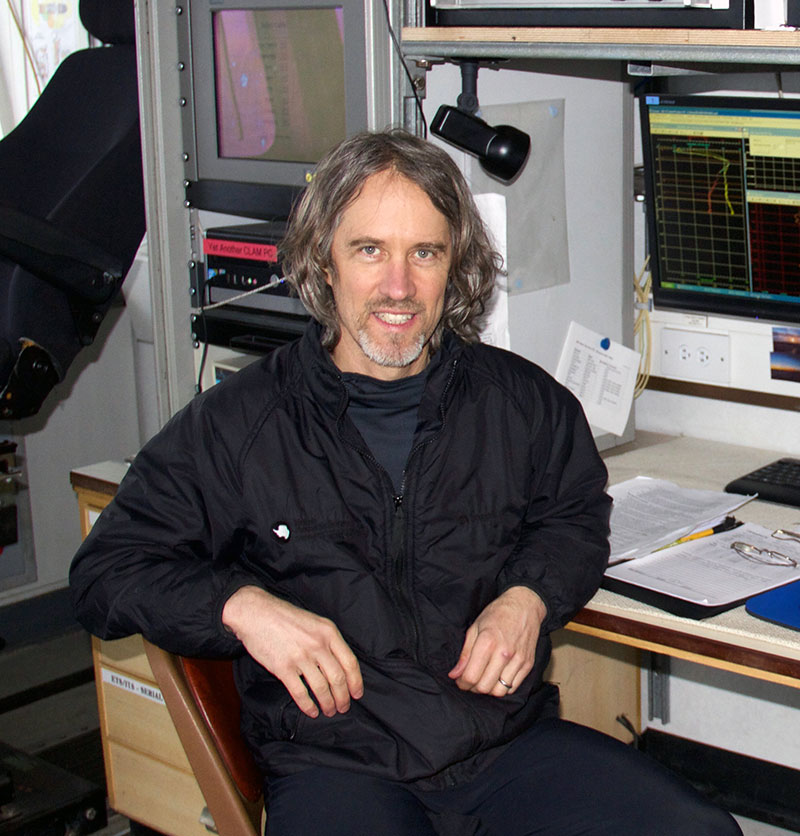 Stephen Matthew Griffies (Stephen M. Griffies)合作论文数Princeton University;Geophysical Fluid Dynamics Laboratory, National Oceanic and Atmospheric Administration1
 Riccardo Farneti合作论文数GFDL/AOS Program, Princeton University1Andrew Mcc. Hogg合作论文数1
 Alexander Haumann合作论文数1
 Philippe Le Sager合作论文数1
 Judith Hauck合作论文数1
 C. De Valk合作论文数Argoss1




