Nuclear factor κ-B (NFκB) is activated in iPSC-cardiac myocytes from patients with arrhythmogenic cardiomyopathy (ACM) under basal conditions, and inhibition of NFκB signaling prevents disease in Dsg2mut/mut mice, a robust mouse model of ACM. Here, we used genetic approaches and single-cell RNA-Seq to define the contributions of immune signaling in cardiac myocytes and macrophages in the natural progression of ACM using Dsg2mut/mut mice. We found that NFκB signaling in cardiac myocytes drives myocardial injury, contractile dysfunction, and arrhythmias in Dsg2mut/mut mice. NFκB signaling in cardiac myocytes mobilizes macrophages expressing C-C motif chemokine receptor-2 (CCR2+ cells) to affected areas within the heart, where they mediate myocardial injury and arrhythmias. Contractile dysfunction in Dsg2mut/mut mice is caused both by loss of heart muscle and negative inotropic effects of inflammation in viable muscle. Single nucleus RNA-Seq and cellular indexing of transcriptomes and epitomes (CITE-Seq) studies revealed marked proinflammatory changes in gene expression and the cellular landscape in hearts of Dsg2mut/mut mice involving cardiac myocytes, fibroblasts, and CCR2+ macrophages. Changes in gene expression in cardiac myocytes and fibroblasts in Dsg2mut/mut mice were dependent on CCR2+ macrophage recruitment to the heart. These results highlight complex mechanisms of immune injury and regulatory crosstalk between cardiac myocytes, inflammatory cells, and fibroblasts in the pathogenesis of ACM.
Arrhythmogenic cardiomyopathy (ACM) is a familial heart disease characterized by cardiac dysfunction, arrhythmias, and myocardial inflammation. Exercise and stress can influence the disease’s progression. Thus, an investigation of whether a high-fat diet (HFD) contributes to ACM pathogenesis is warranted. In a robust ACM mouse model, 8-week-old Desmoglein-2 mutant (Dsg2mut/mut) mice were fed either an HFD or rodent chow for 8 weeks. Chow-fed wildtype (WT) mice served as controls. Echo- and electrocardiography images pre- and post-dietary intervention were obtained, and the lipid burden, inflammatory markers, and myocardial fibrosis were assessed at the study endpoint. HFD-fed Dsg2mut/mut mice showed numerous P-wave perturbations, reduced R-amplitude, left ventricle (LV) remodeling, and reduced ejection fraction (%LVEF). Notable elevations in plasma high-density lipoprotein (HDL) were observed, which correlated with the %LVEF. The myocardial inflammatory adipokines, adiponectin (AdipoQ) and fibroblast growth factor-1, were substantially elevated in HFD-fed Dsg2mut/mut mice, albeit no compounding effect was observed in cardiac fibrosis. The HFD not only potentiated cardiac dysfunction but additionally promoted adverse cardiac remodeling. Further investigation is warranted, particularly given elevated AdipoQ levels and the positive correlation of HDL with the %LVEF, which may suggest a protective effect. Altogether, the HFD worsened some, but not all, disease phenotypes in Dsg2mut/mut mice. Notwithstanding, diet may be a modifiable environmental factor in ACM disease progression.
INTRODUCTION:Cigarette smoke (CS) invokes an inflammatory response associated with vascular dysfunction and atherosclerosis. The role of sex and nicotine in CS effects on cardiovascular function and atherosclerosis is unexplored. AIMS AND METHODS:Male and female C57Bl/6 WT (wild type) and ApoE-/- mice were exposed to CS and nicotine with access to chow and water ad libitum for 16 weeks to fill this gap. Heart rate and endothelial function were measured in the aorta of WT mice, while the lipid profile, cytokines, chemokines, and plaque area and composition were assessed in ApoE-/- mice. RESULTS:CS increased heart rate similarly in both sexes and induced a more substantial impairment in endothelial function in males and more plaque in females than nicotine. Necrotic core areas were similar for both treatments in both sexes, while females had higher collagen deposition across treatments. Both treatments elevated senescence-associated GLB1/-galactosidase (SA-GLB1) and interleukin 17A (IL17A) similarly in both sexes. CS upregulated cholesterol in both sexes, triglycerides, very low-density lipoprotein, high-density lipoprotein, and C-X-C motif chemokine ligand-5 (CXCL5/LIX) only in males, and LDL and IL1A only in females. Additionally, nicotine metabolism showed sex-specific responses to nicotine but not smoking. CONCLUSIONS:Findings suggest that sex influences cardiovascular function and atherosclerosis following exposure to nicotine and CS. IMPLICATIONS:The purpose of this study was to fill the existing literature gap through assessment of the differential sex effects of CS and nicotine on vascular function and atherosclerosis to identify sex-specific risk factors. We show sex-specific differences in endothelial function, plaque, inflammation, and extracellular matrix (ECM) regulators with exposure to CS and nicotine, which underscore the importance of assessing sex in tobacco and nicotine exposure studies. This study also shows the negative effect of oral nicotine administration as many oral dissolvable nicotine products, such as pouches and gum, are becoming increasingly popular among adolescents and young adults.
The hormone adiponectin has many beneficial effects in atherosclerosis, as gene deficiency in adiponectin or its receptor has shown detrimental effects on plaque burden in mice. Our objective was to understand the potential roles adiponectin deficiency has on aortic plaque content, inflammation, and markers of cardiovascular disease according to sex and age. To study the influence of adiponectin status on sex and atherosclerosis, we used young male and female adipoq−/−apoe−/−, adipoq+/−apoe−/−, and apoe−/− mice, which were given a high-fat diet (HFD). Even a 50% reduction in the expression of adiponectin led to a plaque reduction in males and an increase in females compared with apoe−/− controls. Changes in plaque were not attributed to changes in cholesterol or cardiovascular disease markers but correlated with inflammatory markers. Plaque reduction in males was associated with reduced monocyte chemoattractant protein 1 (MCP1) and increased colony stimulating factor 3 (CSF3), while the increase in plaque in females correlated with the opposite effect in these markers. In old mice, both adiponectin-deficient genotypes and sexes accumulated more plaque than their respective apoe−/− controls. The increase in plaque with adiponectin deficiency according to age was not explained by a worsening lipid profile but correlated with increased levels of C-C motif chemokine ligand 5 (CCL5). Overall, our study uncovered genotype-specific effects that differed by sex and age of adiponectin deficiency in atherosclerosis.
Gut microbiome alterations have recently been linked to many chronic conditions including cardiovascular disease (CVD). There is an interplay between diet and the resident gut microbiome, where the food eaten affects populations of certain microbes. This is important, as different microbes are associated with various pathologies, as they can produce compounds that are disease-promoting or disease-protecting. The Western diet negatively affects the host gut microbiome, ultimately resulting in heightened arterial inflammation and cell phenotype changes as well as plaque accumulation in the arteries. Nutritional interventions including whole foods rich in fiber and phytochemicals as well as isolated compounds including polyphenols and traditional medicinal plants show promise in positively influencing the host gut microbiome to alleviate atherosclerosis. This review investigates the efficacy of a vast array of foods and phytochemicals on host gut microbes and atherosclerotic burden in mice. Reduction in plaque by interventions was associated with increases in bacterial diversity, reduction in the Firmicutes/Bacteroidetes (F/B) ratio, and upregulation of Akkermansia. Upregulation in CYP7 isoform in the liver, ABC transporters, bile acid excretion, and the level of acetic acid, propionic acid, and butyric acid were also noted in several studies reducing plaque. These changes were also associated with attenuated inflammation and oxidative stress. In conclusion, an increase in the abundance of Akkermansia with diets rich in polyphenols, fiber, and grains is likely to reduce plaque burden in patients suffering from CVD.
Adiponectin (adipoq), the most abundant hormone in circulation, has many beneficial effects on the cardiovascular system, in part by preserving the contractile phenotype of vascular smooth muscle cells (VSMCs). However, the lack of adiponectin or its receptor and treatment with recombinant adiponectin have shown contradictory effects on plaque in mice. RNA sequence of Adipoq+/+ and adipoq−/− VSMCs from male aortas identified a critical role for adiponectin in AKT signaling, the extracellular matrix (ECM), and TGF-β signaling. Upregulation of AKT activity mediated proliferation and migration of adipoq−/− cells. Activation of AMPK with metformin or AdipoRon reduced AKT-dependent proliferation and migration of adipoq−/− cells but did not improve the expression of contractile genes. Adiponectin deficiency impaired oxidative phosphorylation (OXPHOS), increased expression of glycolytic enzymes, and elevated mitochondrial reactive oxygen species (ROS) (superoxide, and hydrogen peroxide). Anti-atherogenic mechanisms targeted the ECM in adipoq−/− cells, downregulating MMP2 and 9 and upregulating decorin (DCN) and elastin (ELN). In vivo, the main sex differences in protein expression in aortas involved a more robust upregulation of MMP3 in females than males. Females also showed a reduction in DCN, which was not affected in males. Our study uncovered the AKT/MAPK/TGF-β network as a central regulator of VSMC phenotype.
Atherosclerosis is a major cause of death and disability. The beneficial effects of phytochemicals and probiotics on atherosclerosis have gained significant interest since these functional foods can improve inflammation, oxidative stress, and microbiome dysbiosis. The direct effect of the microbiome in atherosclerosis, however, needs further elucidation. The objective of this work was to investigate the effects of polyphenols, alkaloids, and probiotics on atherosclerosis using a meta-analysis of studies with mouse models of atherosclerosis. Identification of eligible studies was conducted through searches on PubMed, Embase, Web of Science, and Science Direct until November 2022. The results showed that phytochemicals reduced atherosclerosis, which was significant in male mice, but not in females. Probiotics, on the other hand, showed significant reductions in plaque in both sexes. Berries and phytochemicals modulated gut microbial composition by reducing the Firmicutes/Bacteroidetes (F/B) ratio and by upregulating health-promoting bacteria, including Akkermansia muciniphila. This analysis suggests that phytochemicals and probiotics can reduce atherosclerosis in animal models, with a potentially greater effect on male animals. Thus, consumption of functional foods rich in phytochemicals as well as probiotics are viable interventions to improve gut health and reduce plaque burden in patients suffering from cardiovascular disease (CVD).
Arrhythmogenic cardiomyopathy (ACM) is a familial heart muscle disease driven by persistent innate immune signaling. We have shown that ventricular fibrosis and contractile dysfunction in Dsg2 mut/ mut mice, a model of ACM with homozygous knock-in of a variant in the gene for the desmosomal protein desmoglein-2, is mediated by activation of NFκB and actions of pro-inflammatory macrophages that express CCR2. To gain further insights into the roles of specific immune signaling pathways in the pathogenesis of ACM, we crossed Dsg2 mut/ mut mice with mice with germline deletion of Csf2 which encodes GM-CSF. This factor acts to mobilize inflammatory cells to sites of injury. Csf2 -/- mice have a normal leukocyte repertoire and no apparent phenotype under basal conditions, but show reduced immune cell infiltration after MI associated with improved healing and cardiac function. Thus, we anticipated delayed onset and less severe disease in Dsg2 mut/ mut Csf2 -/- mice compared with Dsg2 mut/ mut mice. In fact, the opposite occurred. By 8-weeks of age, Dsg2 mut/ mut Csf2 -/- mice showed a marked increase in ventricular fibrosis (18.2±6.2% of section area; n=11; p<0.05 vs all) compared to Dsg2 mut/ mut (2.6±0.4%; n=27) or wildtype (WT) control (0.9±0.1%; n=18) mice. Dsg2 mut/ mut Csf2 -/- mice also had reduced LV ejection fractions (49.6±8.3%; n=11; p<0.05 vs all) compared to Dsg2 mut/ mut (64.5±3.2%; n=27) or WT (81.8±1.0%; n=18) mice. Hearts of 8-week Dsg2 mut/ mut Csf2 -/- mice contained increased levels of pro-inflammatory chemokines (CCL21, CXCL1), matrix metalloproteinases, osteopontin (Spp1) and periostin (Postn). Single nucleus RNA sequencing studies revealed increased numbers of Spp1 + macrophages and Postn + fibroblasts, and a marked decrease in cDC2 dendritic cells in hearts of Dsg2 mut/ mut Csf2 -/- mice compared to Dsg2 mut/ mut or WT mice. cDC2 dendritic cells are known to have anti-inflammatory actions. These results suggest that cDC2 cells, mobilized by GM-CSF, may act to mitigate disease onset and severity in ACM. If so, cDC2 cells could serve as a determinant of disease expression in ACM patients.
Introduction: Cigarette smoke presents a high-risk factor for coronary heart disease development. Cigarette smoke is often linked with increased susceptibility to cardiac ischemia and arrhythmias. p62/SQSTM1 is a stress-sensing protein responsible for proteasomal degradation that maintains redox homeostasis during cardiac tissue injury. However, its exact mechanism for arrhythmia development is not clear. Hypothesis: Here we tested the biological role of p62/SQSTM1 mice on cardiac ischemia injury-induced arrhythmogenesis after chronic cigarette smoke exposure. Methods: Mice (global p62/SQSTM1 deletion mice; p62/SQSTM1 -/- , 4 months old age) were exposed to cigarette smoke (9.4 mg tar/0.726 mg nicotine) for 16 weeks. Afterward, we utilized ischemia-reperfusion (IR) injury in intact hearts to test the risk of arrhythmias. Results: The smoke-exposed p62/SQSTM1 -/- isolated hearts (8 months old age) significantly reduced the incidence of ventricular arrhythmias compared to hearts obtained from p62/SQSTM1 +/+ mice post-IR during the first 15 minutes reperfusion (% of mice with ventricular arrhythmias, p62/SQSTM1 +/+ ; 7/10 hearts, p62/SQSTM1 -/- ; 2/8 hearts*, * <0.05). Abnormal Ca 2+ regulation in cardiomyocytes is triggering diastolic delayed afterdepolarizations and often leads to ventricular tachycardia. Therefore, we tested cellular Ca 2+ regulation with acute cigarette smoke extract (CSE) exposures in cardiomyocytes. p62/SQSTM1 -/- cardiomyocytes for 30 minutes exposed to CSE significantly alleviated CSE-induced spontaneous Ca 2+ waves (% of cardiomyocytes with spontaneous Ca 2+ waves, p62/SQSTM1 +/+ ; 6/13 cells, p62SQSTM1 -/- ; 1/15 cells*, * <0.05). Conclusions: Overall, our results suggest that the deletion of p62/SQSTM1 protein has a protective effect on acute cardiac ischemia-induced arrhythmogenesis after chronic cigarette smoke in mice.
Abstract Objectives To determine if GA reduces plaque in a sex-dependent manner in atherosclerotic mice. Additionally, whether plaque burden correlates to changes in cholesterol (CHO) and inflammation. Methods Male and female atherosclerotic (ApoE−/−) mice 3–4 months old (8/group) were treated with or without 0.2% GA in drinking water and chow diet for 2 weeks, then switched to high-fat diet (HFD) with and without GA for 5 weeks. Blood and aorta were collected for CHO and liver inflammation (AST, ALT) marker and en face plaque analysis, respectively. Livers and spleens were also collected and weighed; a higher weight associated with heightened inflammation. Results Males but not females receiving GA plus HFD had reduced plaque burden vs. HFD controls. Both the arch (p = 0.012) and descending (0.0017) portions of male aortas had reductions. GA did not reduce CHO, AST, ALT or liver weight, but reduced spleen weight in males and females. These data suggest GA reduces inflammation to attenuate plaque accumulation in males. Conclusions This study determined GA attenuated atherosclerosis in male but not female mice, and changes were independent of CHO, liver inflammation but corresponded with a reduction in spleen mass and inflammation. Findings are significant and suggest therapeutic potential because a prior study supplementing blackberries rich in GA reduced plaque in male mice, but this result could have been due to other components such as fiber. Funding Sources USDA and the Florida Department of Health (FDOH).
Polyphenols found in fruits and vegetables are associated with a reduced incidence of cardiovascular disease (CVD), the leading cause of death in the USA. Our lab demonstrated that blackberry supplementation reduces atherosclerosis in male, but not in female mice. The current study investigates whether gallic acid (GA), a polyphenol abundant in blackberry, decreases plaque and whether its effect is also sex-dependent. In vitro work using vascular smooth muscle cells (VSMCs) demonstrated that GA reduced cell signaling associated with proliferation, migration, and senescence. ApoE-/- male and female mice were treated with and without 0.2% GA in drinking water and fed a chow diet (2 weeks), then switched to high-fat diet (HFD) (5 weeks) with the same GA regimen. Similar to the blackberry study, GA reduced atherosclerosis only in males. This GA-induced plaque reduction was independent of plasma cholesterol, triglycerides (TG), LDL, or HDL but corresponded with indices of lower inflammation. Males showed reduced spleen weight and serum IL3 and IL12 levels, and gut health improvement. In females, GA increased anti-atherogenic (HDL and IL10) molecules, while upregulating several pro-inflammatory cytokines and chemokines, including tumor necrosis factor α (TNFα). A major sex-dependent effect of GA was the almost complete disappearance of Eubacterium fissicatena and Turicibacter induced by HFD in males, a finding not seen in females. This study provides novel insights into how GA can improve gut microbiota alterations associated with CVD and suggests that males suffering from atherosclerosis may benefit from GA supplementation, as this polyphenol partially restored microbiome dysbiosis.
Cigarette smoke (CS) damages the vasculature and causes atherosclerosis or arterial plaque build-up. While mechanistic differences in males and females likely exist, this area is largely unexplored. In fact, our lab observed that male atherosclerotic mice exposed to CS for 4 months had less severe plaque build-up than their female counterparts. Thus, we hypothesized that male cells had a protective mechanism against the adverse effects of CS. To test our hypothesis and fill the gap in the literature, we treated male and female vascular smooth muscle cells (VSMCs) with cigarette smoke extract (CSE). Using increasing concentrations of CSE (10-50%), we observed that in female cells mortality increased significantly at 40% and 50% CSE, while in males' significant mortality only occurred at 50% CSE. Female cells treated with CSE (30%) had higher levels of reactive oxygen species (ROS) and cellular senescence than male cells. Increased resistance of male cells to CSE correlated with a decrease in phosphorylated AKT, which drove an upregulation of endogenous antioxidants (catalase, superoxide dismutase 1 - SOD1) as well as levels of autophagy markers including Sequestosome 1/p62 (SQSTM1) and microtubule-associated protein light chain 3 II (LC3-II). This mechanism was not seen in female cells. Sqstm1 VSMCs express lower levels of catalase and SOD1, increased ROS levels and showed a higher mortality to CSE compared with wild type cells, suggesting that the upregulation of SQSTM1 is required for male cell's protective effects. Differences in cellular and secreted ECM-regulators, metalloproteinases (MMPs), were also observed between sexes, suggesting that plaque stability is different between males and females exposed to CS. Altogether, these data show that intrinsic sex-dependent differences regulate the Akt/SQSTM1 pathway in response to CS and that SQSTM1 is a possible target to reduce the effects of CS in the cardiovascular system.
Smoking is the foremost modifiable risk factor for cardiovascular disease, the leading cause of death in the U.S., yet almost 14% of American adults continue to smoke. Cigarettes contain nicotine, a highly addictive stimulant which prevents users from quitting smoking without withdrawal. Nicotine and other chemicals in cigarette smoke damage the endothelium, a process that in turn influences smooth muscle cells and contributes to atherosclerosis or plaque build‐up in the arteries causing cardiovascular diseases. Gender differences have emerged between risk for both cardiovascular disease and the effect of smoking on cardiovascular disease. While risk of developing cardiovascular disease is highest in men, women's risk increases post‐menopause, which may be partly explained by a decrease in protective estrogen levels. In addition, while slightly more men smoke than women (15% vs 13%), smoking is more harmful to women's cardiovascular system, resulting in an increased risk for heart attacks compared to men with a similar background.
We hypothesize that nicotine plays a role in the progression of atherosclerosis by inducing VSMC phenotypic switching and cell migration from the media to an inner layer–the intima. This forms a new layer called the neointima, which becomes a plaque with a lipid-rich necrotic core and fibrous VSMC cap. The cap confers protection against plaque rupture and stroke or heart attack. However, VSMCs can contribute to cap thinning by secreting metalloproteinases (MMPs) which degrade the extracellular matrix (ECM) creating a plaque prone to rupture. Our lab will test blackberry extract. Blackberries contain health-promoting phytochemicals called polyphenols and other polyphenol extracts have been shown to inhibit MMPs. Specifically, blackberry extract will be added to nicotine treated cells and to animal model diets. In VSMCs, we found that nicotine significantly increased the expression of several MMPs, while decreasing the expression of multiple tissue inhibitors of metalloproteinases (TIMPs). MMP activity measured by zymography was also upregulated by nicotine suggesting that nicotine modulates extracellular matrix (ECM) remodeling by increasing MMP expression and activity. Consistent with ECM remodeling, nicotine promoted cell migration, which was associated with increased reactive oxygen species (ROS) levels. These data suggest nicotine promotes VSMC migration into the intima and contributes to plaque instability by fibrous cap weakening. However, future studies are needed to demonstrate nicotine changes plaque composition in vivo. To negate detrimental effects, our lab will test blackberry extract. Blackberries contain health-promoting phytochemicals called polyphenols and other polyphenol extracts have been shown to inhibit MMPs. Specifically, blackberry extract will be added to nicotine treated cells and to animal model diets. Florida Department of Health.
 Gloria Salazar合作论文数Department of Nutrition, Food and Exercise Sciences, Florida State University16
 Stephen Patrick Chelko合作论文数College of Veterinary Medicine, The University of Georgia8
 Abigail Cullen合作论文数7
 Vladimir Ukhanov合作论文数7Waleed Farra合作论文数6Vinay Penna合作论文数5Elisa N Cannon合作论文数5
 Jeffrey E. Saffitz合作论文数Harvard Medical School;Beth Israel Deaconess Medical Center5
 Maicon Landim-Vieira合作论文数Florida State Univ, Biomed Sci, Tallahassee, FL 32306 USA5
 Kory Lavine合作论文数John T. Milliken Department of Medicine, School of Medicine, Washington University;Center for Advanced Medicine Heart & Vascular Center, Washington University;Barnes-Jewish West County Hospital5Riley Deitado合作论文数4
 Leila Khalili合作论文数Dept Nutr & Integrat Physiol, Florida State Univ4
 Morgan Engel合作论文数3
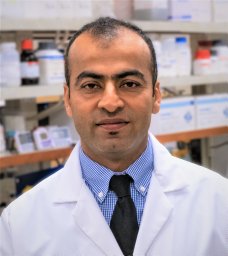 Ravinder Nagpal合作论文数Institute of Engineering & Technology, MIT3Stephanie Hill合作论文数2McKenzie Clark合作论文数2
 Judy Muller-Delp合作论文数Dept Physiol & Funct Genom, Univ Florida2
 Orlando Laitano合作论文数2
 Hyun Seok Hwang合作论文数2
 Michelle S Parvatiyar合作论文数Miller School of Medicine, University of Miami2Niccole Schaible合作论文数1Alexis Carbonell合作论文数1zhao zhong ai joanne合作论文数1
 Tooyib A Azeez合作论文数1
 Saurabh Kadyan合作论文数Department of Nutrition and Integrative Physiology, Florida State University1
 Ahmed Ismaeel合作论文数Ctr Muscle Biol, Univ Kentucky1
 Koutakis Panagiotis合作论文数Department of Surgery, University of Nebraska Medical Center1La Favor Justin D合作论文数1
 Pradeep G Bhide合作论文数Developmental Neurobiology, Massachusetts General Hospital1Isela Valera合作论文数1




