Advanced therapies (ATs), including gene and stem cell therapy, hold great potential for preventing and ameliorating many rare neurological disorders (RNDs) in children. These technologies are set to expand across modalities, potentially disrupting and augmenting conventional therapeutic pipelines, with the rapid pace of development highlighting data gaps and implementational challenges. We conducted a two-round modified Delphi study to co-develop a practice framework supporting the safe and effective application of advanced and/or experimental neurotherapeutics for children with rare neurological disorders within a public health ecosystem. The study generated 101 consensus recommendations encompassing criteria to 1) facilitate equitable and timely therapeutic access, 2) optimise transparent communication and shared decision making with families, 3) incorporate disease and patient level considerations for minimising risk and optimising safety within advanced therapeutic research, 4) strengthen resourcing of health systems to enable longitudinal evaluation of treatment effects and safety. Embedding this framework into practice will depend on enhancement of workforce training, establishment of digital infrastructure, fit-for-purpose clinical environments and education and engagement of patients, families and the broader community.
AIM:To evaluate a multipronged toolkit (Connect, Pause and Reflect Toolkit [CPRT]) codesigned to support clinicians' professional fulfilment, meaning, and multidisciplinary connection when caring for children with severe neurological impairment. METHOD:This study used convergent mixed-methods design. Participants reviewed CPRT and completed an online mixed-methods questionnaire, including a combination of validated, purpose-designed, and qualitative questions. We assessed CPRT engagement, acceptability, and utility, including barriers and enablers to implementation and intrapersonal and interpersonal impacts on clinicians. We adopted a convergent approach, integrating quantitative and qualitative data to critically examine and enrich understanding of participants' responses. RESULTS:Participants (n = 100) rated CPRT as highly acceptable, and valuable in supporting clinicians coping with cognitive and emotional challenges of clinical practice. Self-reported data suggest engaging with CPRT stimulated deep reflection, and multidisciplinary connection, reducing clinicians' isolation. Quantitative and qualitative data converged to suggest CPRT normalized and validated clinicians' struggle and positively reinforced a sense of meaning and professional purpose. INTERPRETATION:This exploratory descriptive study suggests CPRT is acceptable and effective in supporting multidisciplinary clinicians facing immense challenges caring for children with severe neurological impairment. CPRT provides a novel and freely accessible multipronged suite of interventions, to support clinicians' resilience, reflection, and multidisciplinary connection.
BACKGROUND:Thrombolysis is infrequently delivered to children with acute ischemic strokes (AIS). We explored potential eligibility for treatment with tPA (tissue-type plasminogen activator) for pediatric AIS. METHODS:This retrospective, multicenter, observational, cohort study reviewed children aged 29 days to 17 years with symptomatic AIS identified via Children's Hospital Westmead, John Hunter Children's Hospital, and Sydney Children's Hospital between January 1, 2010, and December 31, 2019. Medical records were examined to evaluate eligibility for treatment with tPA based on established multinational and the 2026 American Heart Association guidelines, reasons for exclusion beyond delay to diagnosis, and long-term outcomes as pediatric modified Rankin Scale scores. We also explored additional exclusions and outcomes among children with small-vessel AIS and AIS in the context of brain tumors, who are currently excluded from tPA. RESULTS:A total of 135 patients with 139 symptomatic AIS were identified-median age, 6 years; 36% female; 73% presented via emergency departments; mean follow-up, 43 months; 12% deaths. Irrespective of delay to diagnosis, only 26 of 139 (19%) AIS were potentially eligible for treatment with tPA. Among patients potentially eligible for tPA, acute neuroimaging revealed large-vessel occlusions, unilateral focal cerebral arteriopathy, or extracranial dissections. Thirteen of 26 (50%) had nondisabled outcomes without tPA treatment. One hundred thirteen of 139 (81%) AIS were ineligible for treatment with tPA, irrespective of delay to diagnosis. All deaths occurred among patients excluded from tPA, predominantly related to underlying disorders. Fifty-four small-vessel AIS accounted for 39% of AIS. Eighteen (33%) had no additional ineligibilities to thrombolysis, among whom 10 had nondisabled outcomes without tPA. CONCLUSIONS:Based on current recommendations, 19% of symptomatic childhood AIS were potentially eligible for treatment with tPA, irrespective of delay to diagnosis. Selected patients with small-vessel AIS may offer an opportunity to extend the role of tPA. These observations may be relevant for optimizing pediatric stroke management strategies.
AIM:Patients with Severe Neurological Impairment (SNI) have progressive conditions of the central nervous system, resulting in permanent cognitive and motor disabilities and enduring hypercomplexity. This study aimed to explore clinicians' shared psychosocial experience of caring for families of children with SNI, including the challenges, and components of care that bring clinicians meaning and purpose, to identify resource pathways to sustain clinicians. METHOD:We purposively recruited multidisciplinary clinicians with expertise caring for patients with SNI to participate in a series of four sequential and semi-structured reflective practice workshops. We recorded workshops and performed a qualitative content analysis, following verbatim transcription. RESULTS:We conducted sixteen workshops with multidisciplinary clinicians including paediatricians (n = 14), paediatric neurologists (n = 5), allied health professionals (n = 3), clinical geneticists (n = 2), clinical nurse specialists (n = 2), a paediatric nephrologist (n = 1), a neurosurgeon (n = 1) and a metabolic specialist (n = 1). Workshops focused on three primary domains: 'the struggle', 'making a difference' and 'finding purpose and meaning'. Clinicians acknowledged psychosocial challenges and the limits to their medical expertise, emphasising the importance of ongoing reflective practice and proactive multidisciplinary collaboration to sustain themselves and empower patients. In the final workshop series, clinicians identified their preferences for multipronged, multimodal resources, centred on connection, reflection, and support. CONCLUSION:This research provides in-depth insight into how multidisciplinary clinicians caring for patients with SNI cope with challenges and gain meaning and purpose in their role. Co-designed clinician interventions, coupled with integrated and structured reflective practice will address identified challenges and foster clinician meaning and purpose, in supporting their patients.
Parents of a child with a chronic illness can experience greater distress than the average population, yet little is understood about differences between illness groups. This cross-sectional survey study aimed to compare parents' psychological distress and perceived wellbeing across five chronic illnesses. Parents from one Australian pediatric hospital completed the Kessler Psychological Distress Scale and seven purpose-designed items about their wellbeing. Data from 106 parents (cancer = 48, cystic fibrosis [CF] = 27, kidney disease = 12, gastrointestinal condition/disorder = 9, developmental and epileptic encephalopathy [DEE] = 10) was analysed using bivariate Pearson's Correlation and linear mixed-effects models. Parents' distress scores differed between groups (F(4,80) = 2.50, p = .049), with the DEE group reporting higher distress than the CF group (mean difference = 6.76, 95% CI [0.11, 13.42]). Distress scores were moderately correlated to parents' perceptions of their child's health and their own wellbeing. Parents' self-reported coping with their child's condition/treatments differed (F(4,81) = 3.24, p = .016), with the DEE group rating their coping as poorer than the CF group (mean difference = -25.32, 95% CI [-46.52, 4.11]). Across all groups, parents reported unmet needs, particularly for psychosocial support and practical/financial assistance. Support interventions may be most effective if tailored to the child's illness, with greater support potentially needed for parents who have a child with DEE and/or severe comorbidities.
AIM:To investigate clinicians' psychosocial experiences navigating interdisciplinary care for children with severe neurological impairment (SNI), for example children with a developmental epileptic encephalopathy; secondarily, to identify preferences for future interventions to support clinicians caring for children with SNI. METHOD:We conducted a qualitative descriptive study with interdisciplinary clinicians by using a purposeful sampling recruitment strategy. Twenty-four participants with expertise caring for children with SNI completed in-depth, semi-structured interviews. We transcribed the interviews, de-identified them, and performed inductive thematic analysis. RESULTS:Thematic analysis elicited interrelated themes. Clinicians experienced immense professional barriers providing patient-centred care across fragmented healthcare contexts. Physical, emotional, and psychological impacts were attributed to inadequate reflective practice training and a paucity of integrated resources to support clinicians over time. Multipronged strategies were prioritized by clinicians, incorporating psychoeducation, interdisciplinary peer mentorship, and psychological resources to build reflective practice skills for clinicians providing complex care in an advancing era of medicine. INTERPRETATION:This study provides novel and in-depth insight into clinicians' experiences navigating care for children with SNI. The results will be used to inform future integrated and multipronged co-developed resources tailored for clinicians, on the basis of their recommendations.
BACKGROUND:Caregivers of a child with a Developmental and Epileptic Encephalopathy (DEE) often report challenges accessing relevant and understandable information regarding their child's condition. We developed GenE Compass, an information linker service where caregivers are invited to submit questions and receive high-quality, personalised reports. We conducted a pilot evaluation to determine the feasibility and acceptability of GenE Compass. METHODS:We invited eligible caregivers to complete a baseline questionnaire (Q1) prior to receiving three months access to submit an unlimited number of questions to GenE Compass. We then invited caregivers to complete a follow-up questionnaire (Q2) and optional interview. Caregivers also had the opportunity to share report-specific feedback at the time of receiving each report. RESULTS:Seventy-two caregivers completed Q1, of which 41 submitted at least one question (range = 1-7). We received a total of 76 questions. The median turnaround time was 12 working days for our information linker (range = 1-28). Thirty-seven caregivers completed Q2, of whom 32 submitted at least one question (87 %). Overall, caregivers were highly satisfied with GenE Compass and their reports, and indicated that they would use it in the future if they had another question. Caregivers' qualitative data from Q1 and interviews highlighted the ongoing need for an information linker service like GenE Compass due to a lack of understandable information and limited resources, and the benefit in reducing burden of constant information searching. CONCLUSION:Our study shows that GenE Compass is feasible with the appropriate allocation of resources and highly acceptable to caregivers who have a child with a DEE.
Abstract High survival rates in pediatric low-grade gliomas (pLGG) may overshadow potentially significant long-term toxicities and functional impact. Chemo-radiation sequelae are well documented, in contrast to those who undergo surgical resection or observation alone. We performed a retrospective cohort study from 2000-2015, assessing cognitive, academic, and quality of life (QoL) impact on 45 eligible pLGG survivors aged 0-16 years at diagnosis, at a median 7.4 years post-treatment. A multidisciplinary panel oversaw proxy questionnaires for young children (<7 years), proxy and self-reported for adolescents (8-15 years) and self-reported for young adults (>15 years). Data included demographics; tumor and treatment; early school (young child) progress; academic and occupation achievement (adolescents and young adults); health; and lifestyle issues. The incidence of abnormalities in the domains studied were compared to published population statistics. 16% of survivors underwent observation alone, and 84% surgery (58% complete resection). 57% of survivors experienced cognitive deficits. Young children (50%) and adolescents (42%) had low cognitive functioning scores, correlating with poor academic (p < 0.01) and standardised school educational tests’ performance. 42% of mainstream school attendees required learning support; 33% examination assistance; 50% completed secondary education and 22% a tertiary degree, but had attention (young child and adolescent), and memory (young adult) issues. 65.9% of survivors had at least one neurological concern, highest in adolescents (70%). Language deficits (42.9%), pain, fatigue, and hearing loss (28.6 %) in young children; and vision/sleep difficulties (35%); fatigue (30%) and mobility (25%) in adolescents were reported. Young adults suffered headaches (47.1%) and fatigue (29.4%). Young children (57%) suffered more emotional disturbance than adolescents (16%). Anxiety (23%) and depression (14%) reflected poor QoL on Emotion Thermometer scales in all survivors. These findings challenge the ‘benign’ label of pLGG and highlights the importance of close psychosocial surveillance in helping survivors achieve their best emotional and educational potential.
Objectives To determine: i) seizure recurrence; ii) developmental disability; iii) co-morbidities and risk factors in self-limited familial neonatal and/or infantile epilepsy (SeLFE) in a multigenerational study. Methods Families were retrospectively recruited from epilepsy databases (2021-2022) in 2 paediatric hospitals, Sydney, Australia. Eligible families had 2 first degree relatives with seizures and underwent genetic testing. Demographics/clinical data were collected from interviews and medical records. Vineland Adaptive Behaviour Scales-Third Edition measured adaptive function. Results Fifteen families participated. Fourteen had a genetic diagnosis (93%): 11 pathogenic; PRRT2 (n=4), KCNQ2 (n=3), SCN2A (n=4), 3 likely pathogenic; KCNQ2 (n=1), SCN8A (n=2). Seizures affected 73 individuals (ages 1-76 years); 30 children and 20 adults had in-depth phenotyping. Ten of 50 individuals (20%) had seizure recurrence, aged 8-65 years. Median time from last neonatal/infantile seizure was 11.8/12.8 years. Predictors of recurrence were high seizure number (p=0.05) and longer treatment duration (p=0.03). Seven children had global developmental delay (GDD): mild (n=4), moderate (n=1) and severe (n=2). Vineland-3 identified 3 had low-average and 3 had mild-moderately impaired functioning. The majority (82%) were average. GDD was associated with older age at last seizure (p=0.03), longer epilepsy duration (p=0.02), and higher number of anti-seizure medications (p=0.05). Four children had speech delay, 5 (10%) had Autism Spectrum Disorder. Paroxysmal kinesiogenic dyskinesia (n=5) occurred in 4 families and hemiplegic migraine (n=8) in 3 families. Conclusions Individuals with SeLFE have a small risk of recurrent seizures (20%) and neurodevelopmental disability. Significant predictors are higher seizure number and longer epilepsy duration. Developmental surveillance is imperative.
This is the first of three articles exploring the aspects of clinical care for children with rare neurological disorders including uncertainties old and new. The disruptive technologies of genomic sequencing and advanced therapeutics such as gene-based therapies offer parents of children with severe but rare neurological conditions for the first-time unprecedented opportunities for 'precision medicine'. At the same time, the realities of limited genomic diagnostic yields and not infrequent detection of variants of uncertain significance, lack of natural history study data and management guidelines for individually rare neurogenetic conditions, means that high pre-genomic test expectations are all too often replaced by an accumulation of new uncertainties. This can add to the chronic traumatic stress experienced by many families but may also have under-recognised impacts for their clinicians, contributing to 'burn-out' and attendant negative psychosocial impacts. This first article aims to address how clinicians might manage the accumulation of uncertainties to be more helpful to patients and their families. Moreover, it seeks to address how clinicians can move forward providing compassionate care to their patients and a little more consideration for themselves.
Objective For over two years, the global COVID-19 pandemic has forced major transformations on health, social, and educational systems, with concomitant impacts on mental health. This study aimed to understand the unique and additional challenges faced by children with chronic illness and their families during the COVID-19 era. Method Parents of children receiving treatment for a chronic illness within the neurology, cancer, renal and respiratory clinics of Sydney Children’s Hospital were invited to participate. We used qualitative methodology, including a semi-structured interview guide, verbatim transcription, and thematic analysis supported by QSR NVivo. Results Thirteen parents of children receiving tertiary-level care, for nine chronic illnesses, participated. Parents reported intense fears relating to their ill child’s additional vulnerabilities, which included their risk of developing severe COVID-19 disease and the potential impact of COVID-19-related disruptions to accessing clinical care, medications, allied health support and daily care protocols should their parent contract COVID-19. Parents perceived telehealth as a highly convenient and preferred method for ongoing management of less complex healthcare needs. Parents reported that the accrual of additional stressors and responsibilities during the pandemic, experienced in combination with restricted social interaction and reduced access to usual support networks was detrimental to their own mental health. Hospital-based visitation restrictions reduced emotional support, coping, and resilience for both parents and children and in some cases led to marital discord, sibling distress, and financial loss. Supportive factors included increased time spent together at home during the pandemic and improved hygiene practices at school, which dramatically reduced the incidence of non-COVID-19-related communicable illnesses in chronically ill children. Discussion For families caring for a chronically ill child, COVID-19 made a difficult situation harder. The pandemic has highlighted the need for targeted psychosocial intervention for vulnerable families, to mitigate current mental health burden and prevent chronic psychological distress.
AimThe purpose of this study was to evaluate whether a neurology outreach teaching programme delivered via video‐teleconferencing (6 × 60 min live sessions every 6–8 weeks) is acceptable, contributes to understanding and meets the neurology learning needs of Australian paediatricians from metropolitan, rural and remote areas.MethodsA sample of six NSW sites that joined the neurology outreach programme between 2017 and 2019 (Arm 1) and six interstate sites from QLD, WA and TAS who commenced the programme in 2020 (Arm 2) participated. A mixed‐methods survey explored participants' learning needs and value of the programme.ResultsForty‐six participants submitted programme evaluation surveys (26 arm 1, 20 arm 2); 9 were removed due to insufficient data (n = 37). Quantitative and qualitative data showed the programme was acceptable in format, relevant to practice, appropriate for clinician learning needs, and engaging. Clinicians reported improvement in understanding and confidence. Participants felt more connected/less isolated and up‐to‐date. Participants reported a positive impact from the programme on approach to neurological problems and ensuing consults, and more differentiated and appropriate paediatric neurology referrals.ConclusionThis study validates the live video‐teleconference outreach model as an acceptable, effective and important means of providing continuing neurology education for Australian paediatricians.
Spotted fever group rickettsiae are obligate intracellular pathogens able to manipulate the actin cytoskeleton, thus enabling cell-to-cell spreading during infection. While the RickA protein, which has similarity to the WASP family of Arp2/3-complex activators, was described as being responsible for actin-based motility, recent studies demonstrated that another factor, still unidentified, is also involved in this phenomenon. Here, using recombinant protein of Rickettsia conorii as an antigen, we produced a monoclonal antibody (mAb) directed against RickA. Its specificity was checked using two-dimensional polyacrylamide gel electrophoresis coupled with MS analysis. In Western-blot assays, our antibody recognized the RickA protein from all spotted fever group rickettsiae tested. This mAb would be useful to monitor the expression of RickA in spotted fever group rickettsiae grown under various culture conditions, associated or not with the motility phenotype, and thus to gain better knowledge about the molecular mechanisms involved in their cell-to-cell spreading.
Aim To investigate the psychosocial impact of genetic testing for childhood‐onset developmental and epileptic encephalopathies (DEEs) in order to identify parents’ information and support needs. Method In this mixed‐methods study, we conducted in‐depth semi‐structured interviews with parents ( n =25) of children, recruited from the Sydney Children’s Hospital Network, Australia, who had received genetic testing. Thematic saturation was reached; interviews were transcribed, deidentified, line‐by‐line coded, and thematically analysed by three coders, using an inductive approach. We also quantitatively assessed the impact of genetic testing on quality of life outcomes and parents’ satisfaction with genetics services. Results Qualitative and quantitative analysis revealed that compassionate genetic counselling and consistent clinician–parent partnerships facilitated parents’ capacity to process their child’s genetic diagnosis. Parents believed that a sparsity of diagnosis‐specific information to contextualize their child’s genetic DEE, combined with limited psychosocial resources to support coping with ongoing prognostic uncertainty, contributed to chronic psychological stress. Access to diagnosis‐specific resources and peer support was considered necessary to support parents in communicating their child’s genetic DEE and to reduce social isolation. Interpretation Integrated psychosocial resources, including tailored psychological supports, diagnosis‐specific information, and peer‐to‐peer supports, are priority areas to complement genetic services.
Objective: To understand parents' of children with developmental and epileptic encephalopathies needs and preferences for psychological resources. Methods: Using a person-based approach, a multidisciplinary panel of clinician and researchers (n = 9) hosted a priority-setting workshop to 1) understand parents' needs and preferences for psychological resources and 2) to develop ‘guiding principles’ to inform a future suite of psychological resources. The multidisciplinary panel analysed the parent priority-setting workshop data, using a combination of thematic and lexical analysis. Results: Thematic analysis identified six key domains wherein parents (n = 8) prioritised a need for psychological resources to support adaptation to their child's genetic DEE diagnosis. Lexical analysis revealed that connection to diagnosis-specific resources provided a pathway to promote enhanced psychological adaptation, by reducing social isolation and reorienting parents towards feelings of hope. Combination of both analyses generated six thematic informed ‘guiding principles’. Conclusion: Codesigned psychological resources may help parents to cope with the unique and complex interplay of stressors associated with their child's DEE diagnosis and treatment. Our ‘guiding principles’ will be translated to inform a future suite of tailored psychological resources. Innovation: This study demonstrates an innovative codesign approach to inform tailored psychological resources for families of children with rare genetic conditions.
This is the second of a three-part series that explores different aspects of uncertainty, certainty and hope in the context of providing clinical care for children with rare and life-limiting neurological disorders. When caring for families impacted by an overwhelming complex disorder in a child, complicated by threatening uncertainties and potentially more threatening certainties, clinicians utilise skills drawn from differing fields to make the load of information, and the emotional impact more manageable. The first article in this series addressed how clinicians might manage the 'accumulation of uncertainties' and to provide compassionate care not only to their patients, and their families, but also to themselves. This second paper delves into the less helpful aspects of 'certainty', including the associated losses and griefs endured by parents responding to threatening fears associated with their child's condition. In the extreme, disconnection and psychological isolation borne by parents can lead to a sense of hopelessness and desperation. Facing unwelcome certainties - clinicians and parents together - forms the basis of future trust and hope. Clinicians who share the field of trust with families and show commitment to helping parents, even when cure remains elusive, build a sense of hope. This is the sort of hopefulness that clinicians need to have and to offer as they share the journey with families. In this series, we seek to harness a shared approach to face unwelcome certainties and to kindle a sense of hope that is both credible and meaningful to the parents, family and clinician.
Aim The purpose of this study was to evaluate whether pre‐recorded video‐based lectures (VBLs) covering a range of paediatric topics are an acceptable means of providing ongoing education for consultant and trainee paediatricians in Australia. Methods Previous participants (paediatric consultants and junior medical officers) of a neurology outreach teleconference programme offered by a paediatric neurologist between 2017 and 2020 were invited to participate in a multi‐specialty pre‐recorded video‐based education programme. Acceptability was explored by assessing relevance, likelihood of utilising VBL's in the future, uptake and learning activity preferences. The impact of VBLs on confidence, currency and practice was also explored. Additional data including topics of interest, preferred video format, duration, viewing method and frequency of delivery were captured, to better understand participant preferences to inform future efforts. Results A total of 135 consented; 116 returned baseline; 94 returned follow‐up surveys. Preferred learning activities included a live/interactive component. Videos were considered relevant. Preferences for pre‐recorded videos improved from ninth to sixth most preferred learning activity post‐intervention. VBL convenience and accessibility were valued. Practice was altered in: approach to management, use of treatments, confidence in decision‐making, and discussion with families and patients. The average view duration was 16 min. Longer videos yielded slightly lower audience retention rates. For future offerings, the majority endorsed a preference for a ‘mixed’ video format and duration of 20–40 min, offered monthly. Conclusion Video‐based medical education is an appealing and sustainable alternative, given the convenience of unrestricted accessibility, in meeting ongoing learning needs of Australian paediatricians and trainees.
Siblings of young people with chronic illness commonly undertake caring responsibilities for their affected brother/sister, which may encourage maturation, yet may also be perceived as a burden. Our study determined (1) siblings' caring responsibilities, (2) siblings' current emotional distress and psychosocial functioning, and (3) how siblings' caring responsibilities and psychosocial functioning related to familial relationships and coping strategies. Siblings completed questionnaires which contained Sibling Inventory of Behavior, Sibling Inventory of Differential Experiences, PedsQL, emotion thermometers, Brief COPE, and a checklist of caregiving responsibilities. We analyzed the data with t-tests and multi-level models. Forty-five siblings (mean age = 15.40 years, SD = 3.31 years; 60.0% female) participated. Siblings who had caring responsibilities (n = 26, 57.8%) reported lower anxiety symptoms, lower need for help, greater use of problem-focused coping, and more companionship and teaching/directiveness with their affected brother/sister than siblings without caring responsibilities. Siblings reported lower psychosocial and physical functioning when they perceived their parents provided them with less affection than their affected brother/sister. Family-based psychosocial interventions may aim to improve the sibling-parent relationship (including expressing affection) and the sibling-sibling relationship. Future interventions may also focus on increasing siblings' use of problem-focused coping strategies.
Objective To assess the benefits and limitations of whole genome sequencing (WGS) compared to exome sequencing (ES) or multigene panel (MGP) in the molecular diagnosis of developmental and epileptic encephalopathies (DEE). Methods We performed WGS of 30 comprehensively phenotyped DEE patient trios that were undiagnosed after first-tier testing, including chromosomal microarray and either research ES (n = 15) or diagnostic MGP (n = 15). Results Eight diagnoses were made in the 15 individuals who received prior ES (53%): 3 individuals had complex structural variants; 5 had ES-detectable variants, which now had additional evidence for pathogenicity. Eleven diagnoses were made in the 15 MGP-negative individuals (68%); the majority (n = 10) involved genes not included in the panel, particularly in individuals with postneonatal onset of seizures and those with more complex presentations including movement disorders, dysmorphic features, or multiorgan involvement. A total of 42% of diagnoses were autosomal recessive or X-chromosome linked. Conclusion WGS was able to improve diagnostic yield over ES primarily through the detection of complex structural variants (n = 3). The higher diagnostic yield was otherwise better attributed to the power of re-analysis rather than inherent advantages of the WGS platform. Additional research is required to assist in the assessment of pathogenicity of novel noncoding and complex structural variants and further improve diagnostic yield for patients with DEE and other neurogenetic disorders.
AimThe aim was to evaluate an educational video in educating doctors on the key messages and follow‐up pathways following a first afebrile seizure presentation. A multidisciplinary expert team developed the video (http://www.pennsw.org.au/families/resources/first-seizure-pack-and-video) based on available evidence and best‐practice. It contains a role‐play between the parent/child and physician. It addresses: key messages to impart following a first seizure, seizure first aid, safety messages including necessary precautions post‐discharge, contents of the First Seizure Pack for families, follow‐up pathway and issues for discussion with the paediatrician at a later appointment.MethodsPaediatric/Emergency department (ED) trainees across three Australian sites were recruited during terms 1 and 2, 2019. A repeated measures design was used. Multilevel modelling analyses were performed. The primary outcome was clinician knowledge. Secondary outcomes were confidence in answering questions and counselling families. Qualitative data on the utility, strengths and weaknesses of the video were evaluated.ResultsA total of 127 participants consented, one withdrew prior to commencing. A total of 126 baseline surveys, 115 follow‐up surveys and 45 1‐month follow‐up surveys were returned. Viewing the video significantly improved knowledge of key messages at immediate follow‐up (P < 0.001) and 1‐month follow‐up (P = 0.048). Likewise, confidence was significantly improved; 96.5% of responders found the video useful, 90.3% were likely to use the resource in the future and 82% would change their approach to counselling. Most liked aspects of the resource were clarity/conciseness of the information (n = 70) and comprehensiveness (n = 38).ConclusionThis education video significantly improved clinician knowledge and confidence in counselling families following first seizure.
 Elizabeth Emma Palmer合作论文数The University of New South Wales, Sydney;Centre for Clinical Genetics, Sydney Children's Hospital Network18
 Rani Sachdev合作论文数16Rebecca Macintosh合作论文数15
 Andrew Bleasel合作论文数School of Medicine, Faculty of Medicine and Health, The University of Sydney14John A. Lawson合作论文数12
 Anne M. Connolly合作论文数Division of Child Neurology, Nationwide Children's Hospital;Washington University in St. Louis12Fleur A Le Marne合作论文数11Erin Beavis合作论文数9
 Suzanne mary Nevin合作论文数8Kandula Tejaswi合作论文数8
 Edwin P Kirk合作论文数University of NSW School of Women’s and Children’s Health8Kenneth Nunn合作论文数7
 Mark Cowley合作论文数School of Clinical Medicine, University of New South Wales;School of Women’s & Children’s Health, University of New South Wales;Children's Cancer Institute7Tony Roscioli合作论文数Univeristy of New South Wales7
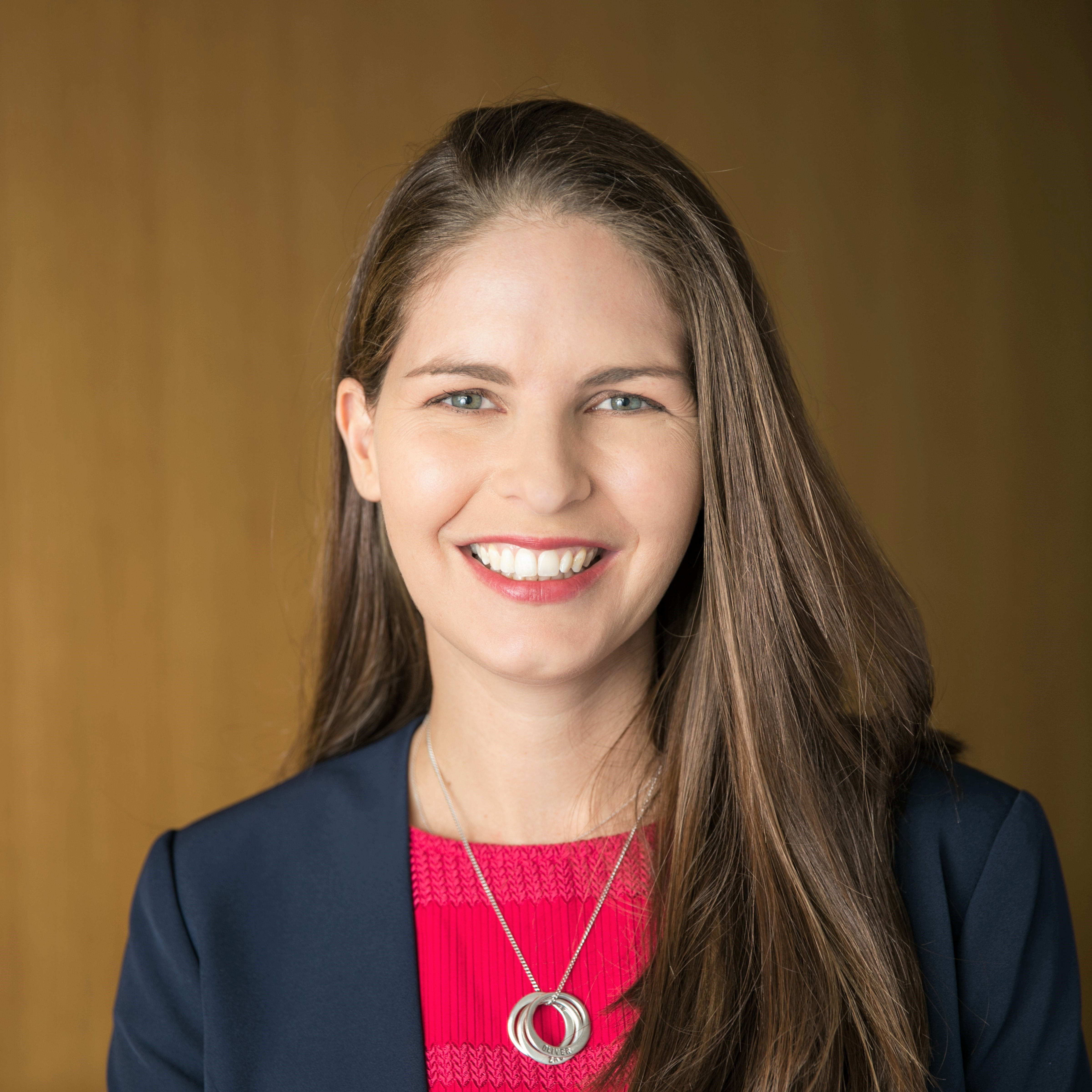 Claire Wakefield合作论文数School of Clinical Medicine, The University of New South Wales7
 Marcel E. Dinger合作论文数School of Biotechnology & Biomolecular Sciences, Faculty of Science, The University of New South Wales6Ying Zhu合作论文数5Michael Cardamone合作论文数5Mark Sabaz合作论文数5Amy Lonergan合作论文数5Kerith-Rae Dias合作论文数4JA Lawson合作论文数4Paula Morris合作论文数4Jiang Tao合作论文数4
 Lauren Kelada合作论文数4
 Michelle Farrar合作论文数School of Clinical Medicine, The University of New South Wales;School of Women's and Children's Health, The University of New South Wales;Sydney Children’s Hospital4
 Ingrid Scheffer合作论文数Department of Medicine, The University of Melbourne;Faculty of Medicine, Dentistry and Health Sciences, The University of Melbourne;Florey Institute of Neuroscience and Mental Health;Department of Neurology, Royal Children's Hospital Melbourne;Austin Health4D R Cairns合作论文数3Sinéad B Heavin合作论文数3A Berroya合作论文数3J McIntyre合作论文数3DR Cairns合作论文数3E Northcott合作论文数3Hugo Sampaio合作论文数3Arjun Rao合作论文数Emergency Department, Sydney Children's Hospital3
 Annette Burgess合作论文数School of Medicine, Faculty of Medicine and Health, The University of Sydney3
 Donna Drew合作论文数3Minoche André E合作论文数Kinghorn Centre for Clinical Genomics, Garvan Institute of Medical Research3Howell Katherine B合作论文数3Ying Kevin合作论文数3
 Michael Buckley合作论文数Department of Earth and Environmental Sciences, University of Manchester/Manchester Institute of Biotechnology, University of Manchester3John T Lawson合作论文数The Center for Experimental Therapeutics, The University of Pennsylvania3
 Sam Berkovic合作论文数Department of Medicine, University of Melbourne;Epilepsy Research Centre, Austin Health3
 Adam Jaffe合作论文数School of Women's and Children's Health, Faculty of Medicine, The University of New South Wales3
 Sean Edward Kennedy合作论文数School of Women's and Children's Health, Faculty of Medicine, The University of New South Wales3Deepak Gill合作论文数3Jane Christie合作论文数3Ian Andrews合作论文数2M Sabaz合作论文数2




