Objective: This study aimed to describe the development and evaluation of an OA eLearning program for healthcare professionals. The evaluation objectives were to measure the usability of, and engagement with, this program and assess the perceived feasibility, acceptability, appropriateness and user satisfaction among OA healthcare professionals. Methods: A feasibility study was conducted, involving registered healthcare professionals, who regularly manage people with OA. Following baseline questionnaires, participants were asked to complete at least four OA eLearning modules over 10 weeks, followed by a 23-item evaluation questionnaire. The primary outcomes were usability and engagement with the OA eLearning program. Secondary outcomes included feasibility, acceptability, appropriateness, and satisfaction. Results: The 31 eligible participants reflected a broad range of professional experiences, nationalities and settings. Program usability, engagement with content, navigation, presentation and overall satisfaction were rated as either very good or good by at least 84% of participants. Participants considered the program to be acceptable, feasible, and appropriate, with some areas for improvement in navigating the program. Conclusions: The OA eLearning program shows promise in supporting healthcare professionals to deliver evidence-based care. While the findings from this study will inform a randomised trial, the OA eLearning program is well positioned to enhance clinical education and practice.
BACKGROUND:In 2020, the Sydney Medical School introduced the 'Personalised Pathways' (PP) program in Year 2 of the medical curriculum. The PP aimed to provide students with access to specific specialty areas and an opportunity to individualise their educational experience at an early stage. The role this program plays in student career preference is not well understood. We sought to explore students' engagement and experience of the placement and gain an understanding of how it may influence their views of specialities, the role of the consultant and career intentions. APPROACH:In 2023, 220 PP placements were offered to Year 2 students (n = 254) across six teaching hospitals as an optional activity. In total, 122/254 (48%) students applied for a PP; of these, 103/122 (84%) gained a placement. Students attended an individualised PP for 4 h each week across 12 weeks. EVALUATION:Qualitative data were collected by survey, reflecting on students' perception of the placement, the role of the consultant and potential influence on career choice. Data were coded and categorised into themes. In total, 24/103 (23%) students responded to the survey, reporting an increased awareness of specialty career pathways, lifelong learning requirements and work-life balance. The PP also provided insight into the breadth of the consultants' leadership role and teaching responsibilities. IMPLICATIONS:Implementation of the personalised pathway provided valuable opportunities that students appreciated being afforded early on. Notably, it gave some students a reason to rethink their career choice, while others found the experience reinforced their initial plans regarding career pathway intentions.
BACKGROUND:Interprofessional education (IPE) helps to prepare health professional students to deliver patient-centred care within collaborative team environments. However, large-scale delivery of IPE is challenging. Using team-based learning (TBL) as a teaching and learning strategy, we sought to develop, implement and evaluate a large-scale learning activity on 'understanding, and learning from errors'. APPROACH:In 2023, 769 senior students from pharmacy (n = 145), nursing (n = 158), dentistry (n = 109), oral health (n = 46) and medicine (n = 311) were timetabled to participate in one of nine 2 h interprofessional sessions structured in TBL format, as a mandatory component of their unit of study. At least five facilitators from multiple disciplines were present at each session. EVALUATION:In total, 752/769 (98%) students attended their assigned TBL session. Following the TBL session, students were invited to complete a questionnaire using closed and open-ended items. Quantitative data were analysed using descriptive statistics. Qualitative data were analysed using thematic analysis. Students reported that the TBL structure enabled interdisciplinary collaboration on a clinical scenario, immediate feedback, and the opportunity to better understand patient safety and the roles of different disciplines. However, some students felt the clinical scenario lacked relevance to their disciplines. IMPLICATIONS:Our study provided a scalable and effective model for interprofessional learning using the TBL framework. In future iterations, consideration should be given to the number of disciplines per team, and the relevance of the clinical scenario.
INTRODUCTION:Despite challenges, interprofessional education during clinical placements offers well documented benefits. Interprofessional learning remains underutilised and under-researched in primary care practice-based settings. Sydney Medical School, Australia, implemented a program placing medical students in diverse primary care health professions. Grounded in bounded relativism and social constructivism, This study explored students' perceptions of the educational value of these placements. METHODS:Data from second year medical student survey responses (n=299) from 2021-2023 and ten student written reflections and interviews (2021-2022) were triangulated. We employed situated learning theory as a theoretical framework which envisioned student learning across various health professions representing different communities of practice (CoPs). These form a complex social learning system, creating an intricate landscape of practice. RESULTS:We derived four themes: (1) A real-world understanding of primary care (2) Reaching a broader understanding of roles (3) Broadening clinical expertise and (4) Boundary crossing and navigating barriers. DISCUSSION:While their engagement with other health professions was peripheral, students reported considerable benefits from interprofessional learning in primary care. Using the landscape of practice model, this study highlighted how boundary objects impacted students' learning as they navigated various CoPs. These insights align with situated learning theory, emphasising the value of interprofessional experiences beyond traditional medical training.
There is an identified need to strengthen the field epidemiology workforce training in the Asia Pacific region. In response, the Asia Pacific Consortium of Veterinary Epidemiology (APCOVE) developed an online training program consisting of 36 modules delivered asynchronously and synchronously across 6 months in 2022. We sought to explore the effectiveness of the program based on participant perception and knowledge acquisition. All participants ( n = 139) were invited to participate in focus groups. Framework analysis was conducted using Biggs’ 3P model as a conceptual framework. In total, 93/139 (67%) trainees completed all competencies (36 modules) and 74/139 (53%) trainees participated in one of 12 focus groups. Participants were from the Philippines ( n = 28), Indonesia ( n = 18), Vietnam ( n = 16), Cambodia ( n = 3), Papua New Guinea ( n = 3), Laos ( n = 3), and Timor-Leste ( n = 3). They valued the interactivity of the modules, including online tools, calculators, and knowledge checks. Module content, including case scenarios, was relevant to the region and applicable to participants’ workplaces. Suggestions for improvement included incorporating local face-to-face sessions to complement the online delivery. The median score for the end-of-competency assessment tasks ranged from 42.5 to 45 (out of 50), and the APCOVE online training program provided an effective and scalable framework to ensure access to up-to-date training resources across the Asia-Pacific region. To improve module access and increase engagement, asynchronous online modules are now available and downloadable in six languages. The provision of face-to-face sessions to complement asynchronous online delivery, and engagement from country partners as mentors, will increase effectiveness and sustainability.
Learning from patients and understanding their lived experience plays an important role in improving health professions education. However, opportunities for patients to contribute meaningfully to interprofessional learning (IPL) activities remain limited. We developed an interprofessional student-led clinic where people living with Parkinson's disease voluntarily participated, sharing their experiences and engaging in structured student-led assessments. This article outlines a step-by-step approach to integrating patient perspectives within an IPL setting, focusing on trust-building, resource sharing and the establishment of shared norms. The model highlights both the benefits and challenges of structured patient involvement in student learning and paves the way for deepening patient involvement.
There are increasing demands for including interprofessional education (IPE) within medical curricula. Primary care is a relatively new medium for IPE. Traditionally in medical programs, most primary care placements are in general medical practice. However, primary care may provide a sustainable solution for practice-based interprofessional learning; ultimately, improving interprofessional collaborative practice. An innovative program at Sydney Medical Program (Australia) incorporates medical student placements with various primary care interprofessional supervisors. Uniprofessional supervisor experiences are well documented. In this qualitative study, we aimed to gain an in-depth understanding of interprofessional supervisor experiences and motivating factors affecting their recruitment and ongoing engagement. Semi-structured interviews were conducted with 21 supervisors from various health professions. Themes were developed through reflexive thematic analysis and further explored using self-determination theory (SDT) as a theoretical lens. Key themes impacting motivation were identified: (a) Affordances and challenges in providing placements (b) Developing competencies and enhancing skills (c) Bridging gaps in primary care. Using SDT as a framework enabled a better understanding of supervisor perceptions and motivation for participating in student placements. Encouraging supervisor autonomy, engaging supervisors in faculty development, and strengthening their relatedness to universities are key to forming sustainable partnerships and enriching student learning in uni- and interprofessional settings.
BackgroundThe 'Surgical Anatomy Based on GSSE' course is an elective within the Master of Surgery coursework degree. It is designed to assist in preparation for the General Surgical Science Examination (GSSE), conducted by the Royal Australasian College of Surgeons (RACS) and required for entry into the Surgical Education and Training (SET) program. The purpose of this study was to investigate student perception of the course, and their knowledge acquisition.ApproachForty-six students enrolled during 2022 and 2023. Teaching sessions occurred across nine 7-h face to face sessions. Topics included upper extremity, lower extremity, head and neck, thorax and back, abdomen, pelvis and perineum. Modified team-based learning methods included online pre-class preparation (pre-recorded lectures, reading and quizzes). Classes were facilitated by anatomists, surgeons and course alumni, where students worked in groups of four, with didactic teaching based on specially prosected wet specimens. Assessment methods included multiple-choice questions and SPOT tests.EvaluationIn total, 45/46 (98%) students responded to a post-course survey, including closed and open-ended items. All students (100%) passed the course assessments. Descriptive statistics were used to analyse course assessment data. Overall, students reported a positive experience, finding the course helpful in preparation for the GSSE. While participants found the teaching methods and supervision valuable, some suggested a need for additional sessions.ImplicationsThe course provided a comprehensive platform for both self-directed and supervisor-led learning of anatomy at postgraduate level. It demonstrates an excellent framework for aspiring surgical trainees to acquire knowledge and skills in preparation for the GSSE.
BACKGROUND:Children and young people with intellectual disability have poor healthcare and are at risk of patient safety events due to lack of staff training and consensus on competencies for safe and quality care. For the adoption of reasonable adjustments in mainstream paediatric healthcare clinical competencies needed to be adapted to an existing patient safety education framework. METHODS:Thirteen experts in intellectual disability health and patient safety participated in an eDelphi survey aimed at reaching consensus on core competencies required of the paediatric healthcare workforce. Four rounds were completed with descriptive and thematic analyses undertaken. RESULTS:Consensus was achieved for 120 competencies across seven domains. Results highlighted the need for adaptations in all the domains, particularly communication, working safely and specific areas unique to this population. CONCLUSION:An adapted framework that addresses competencies for safe and quality care that included reasonable adjustments is critical for improving care for this population.
INTRODUCTION:There is limited evidence about whether and how faculty development programs influence clinical educators' practice and professional identity formation, and the factors which make faculty development outcomes sustained and impactful. METHODS:This multi-institution interpretive phenomenological study reports on the findings from in-depth interviews of 21 clinical educators who had participated in university-based longitudinal faculty development programs. RESULTS:Participants perceived completing these programs had influenced their growth as clinical educators. There was evidence that participants experienced growth differently based on the program duration: all participants described growth in teaching practices but those who had completed a program of one year or longer in duration also articulated their experiences around growing in their educator identity and perspective. According to participants, the program elements that most influenced growth were embedded reflective learning activities, opportunities to learn and apply at the same time, and connections they made with other clinical educators in the program. CONCLUSIONS:Our findings contribute to an ongoing discussion around how clinical educators' translate learning outcomes from university-based faculty development programs into their clinical and education workplaces. Importantly, they provide insights into how longer longitudinal faculty development programs can support professional identity development and provide a viable and visible career path as a future clinician educator.
Interviewers’ judgements play a critical role in competency-based assessments for selection such as the multiple-mini-interview (MMI). Much of the published research focuses on the psychometrics of selection and the impact of rater subjectivity. Within the context of selecting for entry into specialty postgraduate training, we used an interpretivist and socio-constructivist approach to explore how and why interviewers make judgments in high stakes selection settings whilst taking part in an MMI. We explored MMI interviewers’ work processes through an institutional observational approach, based on the notion that interviewers’ judgements are socially constructed and mediated by multiple factors. We gathered data through document analysis, and observations of interviewer training, candidate interactions with interviewers, and interviewer meetings. Interviews included informal encounters in a large selection centre. Data analysis balanced description and explicit interpretation of the meanings and functions of the interviewers’ actions and behaviours. Three themes were developed from the data showing how interviewers make professional judgements, specifically by; ‘Balancing the interplay of rules and agency,’ ‘Participating in moderation and shared meaning making; and ‘A culture of reflexivity and professional growth.’ Interviewers balanced the following of institutional rules with making judgment choices based on personal expertise and knowledge. They engaged in dialogue, moderation, and shared meaning with fellow interviewers which enabled their consideration of multiple perspectives of the candidate’s performance. Interviewers engaged in self-evaluation and reflection throughout, with professional learning and growth as primary care physicians and supervisors being an emergent outcome. This study offers insights into the judgment-making processes of interviewers in high-stakes MMI contexts, highlighting the balance between structured protocols and personal expertise within a socially constructed framework. By linking MMI practices to the broader work-based assessment literature, we contribute to advancing the design and implementation of more valid and fair selection tools for postgraduate training. Additionally, the study underscores the dual benefit of MMIs—not only as a selection tool but also as a platform for interviewers’ professional growth. These insights offer practical implications for refining future MMI practices and improving the fairness of high-stakes selection processes.
This article describes a framework to assist individuals and teams who prepare for (or are engaged in) health professions education innovations. The four essential elements are Needs Assessment, Planning, Implementation and Programme Evaluation. Each element is described in detail with a series of questions to contemplate, and to ensure that all key steps are sufficiently covered. While it is helpful to use this process at the beginning of a project, it will be necessary to develop a continuing cycle of reflection. Needs change and a rapid quality improvement cycle will help maintain relevance and thus effectiveness. It will promote dissemination to inspire educators at the same or other institutions. The four-element framework was developed by the ASPIRE-to-Excellence Award Panel and Academy Section for Innovative and Inspirational Approaches to Health Professions Education (I&I). Examples from 11 awardees from four continents are provided. They illustrate innovative and inspirational work that can stimulate more progress in the field.
Background Acknowledging the significant contribution of junior healthcare professionals to the teaching ‘workforce’, Student-as-Teacher (SaT) programs are emerging internationally, preparing graduates for their teaching responsibilities. In alignment with existing clinician educator competency frameworks (e.g. AoME Professional Standards for Medical, Dental and Veterinary Educators, ACGME Clinician Educator Milestones), literature-informed recommendations for SaT curricula define what an effective educator ‘knows’ and ‘does’. However, how such competencies relate to students as future healthcare professionals is not well understood. Course content commonly includes topics related to planning and facilitating learning, and engaging students in feedback. Practical experience in teaching is also common, with many SaT programs incorporating or preparing students for near-peer ‘teacher’ roles 1 . In 2016, Cruess et al., suggested amending Miller’s pyramid - adding ‘is’ (encouraging medical students to ‘think, act and feel’ like doctors) to the peak of the pyramid - to better support their professional identity formation 2 . Drawing on this concept, to strengthen the ‘educator’-identity formation of our students, and enable them to better recognise and prepare for a greater variety of ‘educational’ roles (i.e., beyond the ‘teacher’ role), we suggest designing SaT (i.e. ‘future-faculty’) development programs to instead be scaffolded around the diverse educator roles junior healthcare professionals engage in, rather than just ‘teaching’ competencies. As a practical learning experience within SaT programs, students can also engage - with faculty support - in the co-design and co-delivery of Faculty Development programs, thus also becoming 'faculty developers'. 1 Burgess, A., & McGregor, D. (2018). Peer teacher training for health professional students: a systematic review of formal programs. BMC Medical Education , 18 (1), 263–263. 2 Cruess, R. L., Cruess, S. R., & Steinert, Y. (2016). Amending Miller’s Pyramid to Include Professional Identity Formation. Academic Medicine , 91 (2), 180–185. Discussion Statement(s) Framing SaT curricula to explicitly define the educator ‘roles’ of a junior clinician will support students in developing and embracing their ‘educator’ identity and to more effectively assume these roles as our ‘future-ready’ newly-graduated health professional teaching workforce. Student engagement through co-design and co-facilitation of Faculty Development programs will empower students to be ‘future-ready’ as educators on graduation. Co-design and co-facilitation of Faculty Development programs with students - and participation in these 'student-enriched' Faculty Development programs - ensures we, as faculty, are also ‘future-ready’ as educators as we learn with, and from, our next generation of students and emerging health professional educators. Interactive Discussion We will briefly present existing frameworks (e.g., Harden & Lilley (2018) ‘8 roles of a medical teacher’) 3 and share our experiences of how UNSW SaT program alumni are contributing as educators in their early post-graduate years. Building on this, further discussion will explore the ‘educator’ roles of new-graduate health professionals in other contexts and consider how these may inform and enhance other SaT programs. Additionally, we will explore the benefits – for students and faculty - of providing students participating in SaT programs with opportunities to co-design and co-facilitate Faculty Development programs. 3 Harden, R. M., & Lilley, P. (2018). Eight roles of the medical teacher: the purpose and function of a teacher in the healthcare professions. Elsevier health sciences.
 Roberts Chris合作论文数35Craig Mellis合作论文数School of Health Sciences, Faculty of Medicine and Health, The University of Sydney32Christie Van Diggele合作论文数School of Health Sciences, Faculty of Medicine and Health, The University of Sydney26Mellis Craig合作论文数21
 Jane Bleasel合作论文数School of Medicine, Faculty of Medicine and Health, The University of Sydney12Tyler Clark合作论文数10Inam Haq合作论文数School of Health Sciences, Faculty of Medicine and Health, The University of Sydney9Ramsey-Stewart George合作论文数8
 Antonia Clarke合作论文数School of Medicine, Faculty of Medicine and Health, The University of Sydney7
 Renata Chapman合作论文数6
 Kim Oates合作论文数School of Medicine, Faculty of Medicine and Health, The University of Sydney6Eszter Kalman合作论文数5
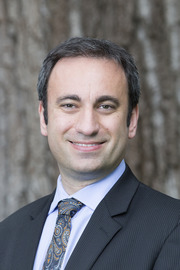 Carl Schneider合作论文数School of Pharmacy, Faculty of Medicine and Health, The University of Sydney5
 Kirsten Black合作论文数Faculty of Medicine and Health, The University of Sydney5
 Susan Mckenzie合作论文数5
 Karyn Mossman合作论文数5
 Elie Matar合作论文数Brain and Mind Research Institute, The University of Sydney5
 Deborah Mcgregor合作论文数5Priya Khanna合作论文数4
 Merrilyn Walton合作论文数School of Public Health, Faculty of Medicine and Health, The University of Sydney4Natalie Ong合作论文数School of Medicine, Faculty of Medicine and Health, The University of Sydney4
 Stuart Lane合作论文数Sydney Medical School, Faculty of Medicine and Health, The University of Sydney4Goulston Kerry J合作论文数4Crampton Paul E S合作论文数4Anthony Freeman合作论文数3Tom Ayton合作论文数3
 Sarah Kobayashi合作论文数Faculty of Medicine and Health, University of Sydney3
 Jocelyn L Bowden合作论文数Neuroscience Research Australia3Weise Janelle合作论文数3
 Long Janet C合作论文数Australian Institute of Health Innovation, University of New South Wales3Menezes A合作论文数Sydney Medical School, The University of Sydney3
 Kim Bennell合作论文数Centre for Health, Exercise and Sports Medicine, School of Health Sciences, University of Melbourne3
 Sarah Croker合作论文数3Ann M.E. Bye合作论文数3
 Anne M. Connolly合作论文数Division of Child Neurology, Nationwide Children's Hospital;Washington University in St. Louis3Amy Lonergan合作论文数3Abbie Lucien合作论文数2
 Elizabeth Anderson合作论文数2
 Meg Vost合作论文数2Jennifer Persaud合作论文数2Erin Cihat Saricilar合作论文数2
 Joice Catherine Cunningham合作论文数2
 Alexandra C Green合作论文数Sydney School of Veterinary Science, The University of Sydney2
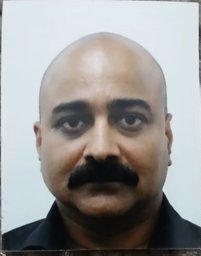 Harish Kumar Tiwari合作论文数Corresponding author.2
 Vicky Duong合作论文数University of Sydney2
 Sue Carr合作论文数Dept Nephrol, Univ Hosp Leicester NHS Trust2
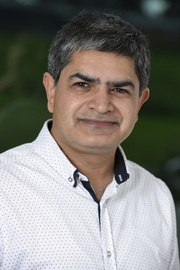 Navneet Dhand合作论文数Faculty of Science, The University of Sydney2
 Jillian Eyles合作论文数School of Health Sciences, Faculty of Medicine and Health, The University of Sydney2Deborah O'Mara合作论文数School of Medicine, Faculty of Medicine and Health, The University of Sydney2




