First Nations’ values are frequently overlooked in public and private sector decision-making. Natural Capital Accounting is increasingly promoted for decision-making but overlooks First Nations’ values, limiting its potential. Here, we present three Australian case studies highlighting the approaches, challenges, and progress made towards integrating First Nations’ values into accounting, aiming to distil lessons and help realize accounting’s potential to achieve transformative change in how decisions affecting First Nations people are made globally. We conclude that collaboration, respecting data sovereignty, and prioritizing First Nations’ voices are needed for comprehensive accounting. We recommend establishing an international working group under the auspices of the United Nations to include recognition of these values in accounting and how this recognition can inform decision-making. Recognizing First Nations’ values in Natural Capital Accounting benefits all by making these values visible and providing First Nations people, literally and figuratively, a “seat at the table” in the decisions affecting them. Including First Nations’ cultural and ecological values in natural capital accounting by engaging with land and sea managers helps bridge the gap between Indigenous and Western knowledge and enables inclusive decision making, as discussed through three Australian case studies in this Perspective.
Biodiversity offsetting aims to balance biodiversity conservation against demand for land required for development, while natural capital accounting (NCA) is an information system for integrated environmental-economic decision-making. Many countries use both, but to date, NCA is untested for biodiversity offset policy. We rectify this using the Australian Capital Territory (ACT), a subnational jurisdiction using offsetting and facing global challenges common to offset implementation and biodiversity conservation. Hybrid land cover, land use and ecosystem extent accounts for offset areas, development areas, and protected areas were produced for 2010 to 2020. These identified 2217 ha of offsets required for 26 developments, mainly impacting natural temperate grasslands (NTG) and box-gum grassy woodlands (BGGW). Assessing net biodiversity changes was challenging because changes in ecosystem extent based on land cover are open to interpretation, and ecosystem condition accounts couldn't be produced. Between 2010 and 2020, land cover associated with NTG and BGGW declined across the ACT: 3011 ha fall in BGGW-short vegetation and 5761 ha fall in BGGW-open woodland. ACT offset areas were typically within land zones unlikely to be developed, and the area for new offsets is limited (9828 ha). While the data challenges of assessing offset policy identified in this study and others are a barrier to account production and use for offset policy, we conclude that accounting could inform offset policies in the ACT and globally by systematically linking biodiversity offsets to ecosystem extent and condition, allowing consistent net biodiversity changes assessment and providing a path to international standardisation of offset measurement and reporting.
Despite global recognition of the need to protect and preserve Indigenous knowledge and values in the context of land use change, the extent and significance of these values on Indigenous lands remains not well understood and poorly considered in environmental management and planning. Including Indigenous values in the System of Environmental-Economic Accounting (SEEA) may be one way to better ensure that Indigenous values are reflected in government environmental management and planning frameworks and that these frameworks are useful for Indigenous people. To do this, the SEEA must reflect the complex and interconnected values that underpin many Indigenous people’s relationships with land and sea. We use practical examples to illustrate how the SEEA may be adapted to better reflect the cultural values in an Indigenous living cultural landscape using an example from Yawuru Country, in northern Australia. We show how extending ecosystem asset accounts to reflect cultural knowledge and combining the SEEA Central Framework with the SEEA Ecosystem Accounting to develop a novel service to ecosystem account better represents the interconnected relationships between Yawuru People, culture, and Country. To consolidate the recognition of Indigenous values in the SEEA, we recommend establishing a working group under the auspices of the United Nations to share experiences and develop a guidebook “SEEA Indigenous values”. This would promote coordinated and corporative work and improve the relevance of the SEEA.
Indigenous people have important relationships with the environment that must be recognised in environmental management frameworks if these frameworks are to be accepted and used by Indigenous people. Cultural ecosystem services (CES) have the potential to reflect Indigenous values in landscapes, yet to date, the majority of CES assessments have been conducted in non-Indigenous contexts and no studies using the System of Environmental-Economic Accounting Ecosystem Accounting (SEEA EA) have considered Indigenous CES values. To assess the key challenges and opportunities for CES approaches to better recognise Indigenous people's values and perspectives on landscapes, we reviewed 48 publications that define and measure CES from the perspective of Indigenous people. We find that these assessments tend to: (1) require a continuous rather than discrete conceptualisation of ecosystem assets; (2) emphasise an interconnected and reciprocal relationship between people and the landscape; (3) record 'benefit' from a collective rather than an individual perspective; and (4) apply qualitative research methods with small sample sizes. We identify challenges for aligning these values with the SEEA EA and highlight areas where further work is needed to broaden the relevance of CES assessment. As recognition of the importance of Indigenous land tenure and management for environmental conservation and sustainable development expands globally, reconciling perspectives across management approaches such as ecosystem accounting is important for ensuring that Indigenous people's perspectives are included within the environmental and economic planning used in government.
The System of Environmental-Economic Accounting Ecosystem Accounting (SEEA-EA) is widely promoted in environmental and economic policy and management. Unfortunately, the SEEA-EA has not substantively addressed the aspects of accounting that may be of interest to, or used by, Indigenous peoples. We investigate an Indigenous perspective on the potential of the SEEA-EA to support cultural and environmental management through collaborative workshops with managers of Nyamba Buru Yawuru, the Prescribed Body Corporate representing the Yawuru Traditional Owners in Western Australia. Our discussions highlight that while the SEEA-EA may be a valuable tool for empowering Indigenous people and supporting the management of their lands and seas, there are areas where the SEEA-EA needs to be broadened to better reflect cultural values, and the services to ecosystems provided by Indigenous peoples. Embedding Indigenous perspectives into the SEEA-EA would mean that it is of greater use to Indigenous peoples and their representative organisations and ensure that these values are better recognised in the policymaking of government.
Ecosystem accounting is emerging as a promising tool for environmental management by offering consistent information about ecosystem change over time. Via a United Nations process, ecosystem accounting has been standardised in the System of Environmental-Economic Accounting (SEEA). However, there are currently no examples of ecosystem accounts developed specifically to support Indigenous people's management of land or sea. More than 40% (3 million square kilometres) of Australia's land and sea territory has Indigenous Title. If Indigenous managers are to use ecosystem accounting, then it is essential for them to be involved in its development. We assessed how ecosystem accounts can be developed and applied in a manner that supports the management objectives of Indigenous owners and managers. Working collaboratively with the Yawuru Traditional Owners of the land and sea country around Broome, Western Australia, we constructed and assessed experimental ecosystem accounts for land cover and fire for the period 2000-2020. Three key benefits of ecosystem accounts for supporting the priorities of Yawuru managers were identified: (1) flexibility in the units used for the analysis; (2) the extended time scale of the accounts; and (3) the emphasis on consistent capturing and reporting of data. We also identified the need for further work to incorporate cultural knowledge and values within the broader SEEA, with implications for the recognition of Indigenous people, knowledge and values within accounting systems globally.
Ecosystem accounting has been advocated as a potential 'game changer' for managing the environment and economy and was recently standardised by the United Nations (UN) in the System of Environmental-Economic Accounting Ecosystem Accounting (SEEA-EA). However, Indigenous Peoples, their lands, values, and knowledge have not been explicitly included in the SEEA-EA. With more than 40% of global land under some form of Indigenous management or tenure, this omission must be addressed if Indigenous Peoples are to use the SEEA-EA; and if the values and aspirations of Indigenous Peoples are to be reflected in broader environmental and economic management and policy. We outline how Indigenous perspectives differ from those currently recognised in SEEA-EA. A key difference is that Indigenous Peoples view themselves as part of ecosystems rather than distinct from them, and this relationship is two-way, not one-way, as presented in the SEEA-EA. Reconciling these perspectives is possible but will require collaborative engagement with Indigenous Peoples guided by the principles of free, prior, and informed consent. To achieve a reconciliation, we call for two actions: (1) including recognition of Indigenous values as a new item on the SEEA-EA research agenda, and; (2) that Indigenous Peoples be part of the UN processes governing the development of the SEEA-EA.
Indigenous Peoples’ cultural knowledge and management practices play a key role in the management of ecosystems globally and inclusion of Indigenous perspectives within the development of integrated reporting systems such as SEEA-EA is important. The SEEA-EA has not substantively addressed the aspects of ecosystem accounting that may be of interest to Indigenous Peoples. This includes accounting for cultural assets within ecosystems, or for the cultural services provided by, and to, ecosystems. Our research explores how Indigenous cultural knowledge may be better accounted for in SEEA-EA. In this we examine how the cultural assets and cultural ecosystem services related to Indigenous management practices fit (or not) within the existing asset and ecosystem service classifications of SEEA-EA. We are also testing the practical application of SEEA-EA for the management of land by Indigenous Peoples, using an example from northern Australia and working collaboratively with the Yawuru people.
The Australian government's proposal to expand the Snowy Hydro Scheme to include a second pumped hydro energy storage (PHES) system, and support for feasibility studies for PHES in Tasmania, offer an opportunity to incorporate more intermittent renewable energy generation into the National Energy Market. However, the infrastructure construction required for PHES expansion may have negative effects for biodiversity in subalpine and alpine areas. To identify the potential effects of PHES on biodiversity in Kosciuszko National Park (KNP), this systematic literature review assesses: (i) the key environmental disturbances likely to arise from PHES construction; and (ii) the specific impacts of these construction processes on biodiversity in subalpine and alpine environments. We find that the effects of PHES construction-related disturbances are likely to be negative for subalpine and alpine biodiversity, with impacts including the proliferation of exotic flora, habitat loss resulting from vegetation clearing, altered landscape hydrology and reduced water quality. Management recommendations to limit these impacts are provided and further research is recommended to assess: (i) the effects of PHES on fish populations in alpine reservoirs; (ii) the utility of spoil as artificial habitat for endemic fauna; and (iii) the chemical and physical impacts of spoil dumping in alpine reservoirs.
 Michael Vardon合作论文数Fenner School of Environment and Society, College of Science, The Australian National University9
 Bruce Doran合作论文数Fenner School of Environment and Society, College of Science, The Australian National University7
 Dean Mathews合作论文数5Julie Melbourne合作论文数5a jasmyn j lynch合作论文数1
 Peter Burnett合作论文数Coll Law, Australian Natl Univ1
 Ana Manero合作论文数Crawford Sch Publ Policy, Australian Natl Univ1
 Glenn Althor合作论文数The Australian National University1
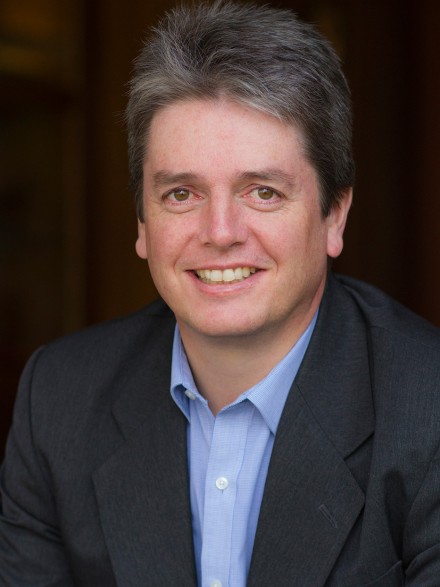 Jamie Pittock合作论文数Fenner School of Environment and Society, College of Science, The Australian National University1
 Daniel Grainger合作论文数College of Business, Law and Governance and the Indigenous Education and Research Centre, James Cook University1
 Diane Jarvis合作论文数College of Business, Law and Governance, James Cook University1
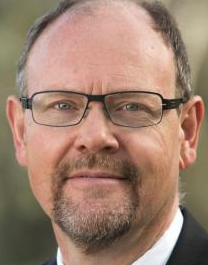 R. Quentin Grafton合作论文数Crawford School of Public Policy, Australian National University1
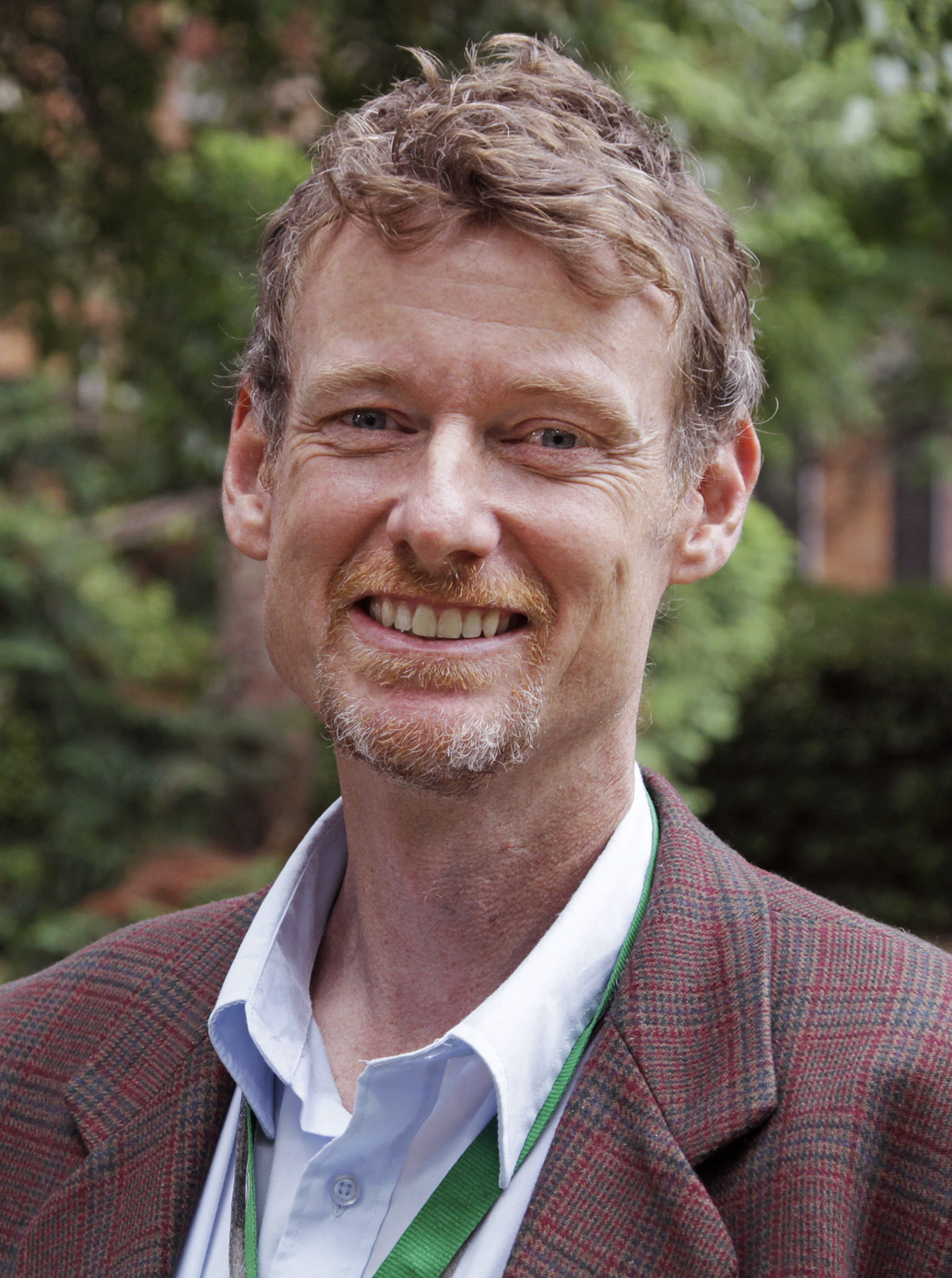 Philip Gibbons合作论文数Australian National University, Australia1




