BACKGROUND:The number of cancer survivors aged older than 65 years is rising rapidly. Current evidence-based exercise guidelines lack specific guidance for older cancer survivors as a result of insufficient evidence. An expert panel was convened to develop consensus-based recommendations for exercise in older cancer survivors. METHODS:The development of recommendations was guided by the Grading of Recommendations Assessment, Development, and Evaluation Evidence-to-Decision framework for good practice statements. The panel drew from the available literature, a Delphi survey of exercise and health professionals, other exercise guidelines, clinical and research expertise, and interest-holder input provided by a community advisory board of older cancer survivors and caregivers (n = 11). Recommendations had to be deemed accessible (i.e., no added barriers) to older cancer survivors and feasible to implement. The panel voted on the strength of the recommendation for or against each statement, with consensus set at 85% agreement. RESULTS:Consensus was reached on 11 recommendations covering the following areas: medical evaluation/clearance for exercise, pre-exercise assessment, exercise prescription, exercise tolerance and safety, exercise delivery, and behavioral support. The recommendations aimed to promote engagement in and uptake of appropriately prescribed exercise programming by older cancer survivors, while keeping barriers and risks as low as possible. CONCLUSIONS:Older cancer survivors can benefit from appropriately prescribed exercise, which should be an essential component of their cancer care. Exercise and health professionals need to consider the unique needs of older cancer survivors to ensure that exercise is safe and effective for this population, while also reducing barriers to reach as many people as possible.
We recently demonstrated the feasibility of delivering functional hand training using an intergenerational model. The purpose of this study was to describe the updated methodology for Hands and Health at Home. Pre-health students were trained to deliver 8 weeks of functional hand training to local Meals on Wheels clients. Clients completed standardized measures of hand function before and after the program and both groups completed surveys which measured several aspects of psychosocial well-being. To date, three cohorts of students and clients have completed the program utilizing the updated methodology. Across three cohorts, client/student pairs completed an average of 86% of student-led sessions and reported high satisfaction with the program. This intergenerational program presents the opportunity to improve hand function and provide social interactions for homebound older adults, hands-on learning for students, and a framework for others seeking to implement intergenerational community-based programming in the university setting.
Purpose: This network meta-analysis aimed to evaluate and rank the comparative efficacy of aerobic training (AT), resistance training (RT), combined AT and RT (CT), and high-intensity interval training (HIIT) primarily on body weight and secondarily on body mass index, fat-free mass, fasting glucose, fasting insulin, handgrip strength, physical activity, cardiorespiratory fitness, fatigue, quality of life, anxiety, depression, and exercise adherence in colorectal cancer (CRC) survivors. Methods: MEDLINE/PubMed, Scopus, Web of Science, CENTRAL, and MedRxiv were searched for randomized controlled trials (RCTs) from inception up to July 1, 2025. RCTs published in English comparing exercise to controls (CON) or to another exercise type in CRC patients after colon resection surgery were qualified. Results: Thirty-two studies involving 2,001 CRC survivors (51.3/48.7 male-female ratio; mean ± SD: age, 58.0 ± 10.2 years; BMI, 27.1 ± 3.9 kg·m -2 ) were included. HIIT and CT were more effective than CON in improving cardiorespiratory fitness and fasting insulin, respectively. No exercise type was identified as being more efficacious than CON in improving any other outcome measures. Nevertheless, HIIT had the highest probability of being the best exercise intervention for improving body weight, physical activity, cardiorespiratory fitness, and quality of life. AT had the highest likelihood of reducing body mass index, fasting glucose, and anxiety. CT had the highest probability of improving fasting insulin, fatigue, depression, and exercise adherence, while RT showed the highest probability of being the most effective exercise type in increasing handgrip strength and fat-free mass. Conclusions: The current evidence indicates few confirmed benefits of exercise in CRC survivors, suggesting which types of exercise are most promising for a given psychophysiological outcome and may inform further large-scale RCTs of high methodological quality.
BACKGROUND:The Interrupting Prolonged sitting with ACTivity (InPACT) at Home intervention provides youth with access to virtual, instructor-led exercise videos to promote physical activity in the home. While this program has had statewide reach, there is a need to understand the efficacy of the exercise videos to (1) induce positive cardiometabolic benefits in youth and (2) promote exercise enjoyment in the home. PURPOSE:The purpose of this study was to determine and compare the effects of the InPACT at Home exercise videos on physical activity energy expenditure and physical activity enjoyment in children ages 7-13 years. METHODS:Thirty-nine participants ages 7-13 years were recruited to participate in this study. Participants completed five, 8-minute InPACT at Home exercise videos (cardio, strength, sports skills, and mindfulness) and one, 8-minute control video (sedentary). Physical activity energy expenditure was assessed using indirect calorimetry. Physical activity enjoyment was assessed using the Physical Activity Enjoyment Scale. RESULTS:Exercise videos elicited significantly higher physical activity energy expenditure and enjoyment compared to the control video (p < 0.05). There were also significant differences in physical activity energy expenditure by video type with the highest energy expenditure recorded during the cardio videos (24.84 ± 9.14 kcals) followed by the strength (20.97 ± 9.97 kcals), sports skills (20.66 ± 7.72 kcals), and mindfulness videos (17.34 ± 7.80 kcals, p < 0.05). There were no significant differences in physical activity enjoyment by exercise video type (all p's > 0.05). CONCLUSION:On average, children expended approximately 22 kcals while engaging in the InPACT at Home videos and rated all the videos as enjoyable. These findings highlight the potential of the InPACT at Home intervention to provide sustainable opportunities for youth to engage in health-enhancing physical activity in the home.
Exercise is recommended as a part of standard cancer care, based upon its favorable impact on treatment-related side effects and its association with better cancer outcomes. Fully incorporating exercise into oncology practice will require multidisciplinary efforts across oncology and exercise professionals. This article examines current patterns of exercise advice and prescription in oncology settings and highlights the roles of oncology clinicians, physiatrists, physical and occupational therapists, exercise physiologists and fitness trainers, and patient advocates in expanding exercise oncology across the cancer continuum. Future efforts to enhance provider education, expand community-based programs, establish referral pathways, and address policy challenges related to reimbursement will be needed to establish exercise as a universally accessible and effective component of oncology care.
BackgroundA systematic process was used to develop a curriculum that empowers families to engage in health behaviors through the common thread of physical activity.MethodsA 12-step curriculum integration process was followed: assemble curriculum development team; determine scope; consider level of physical activity integration; consider vertical and horizontal physical activity integration; create module working groups; create learning outcomes; document content; determine themes; determine sequencing; select assessments; communicate with partners; re-evaluate and revise.ResultsA multidisciplinary team created a 12-module family-based curriculum. PA was nested throughout; horizontal and vertical integration were achieved by including PA across topics and modules. Module working groups were based on expertise, with learning outcomes developed. Content focused on improving knowledge, attitudes, and skills, with the theme of families “moving together, thinking together and being together.” Module order aligns with Maslow’s hierarchy of needs. Assessments will include pre/post knowledge, attitude, and skill questions. Key partners reviewed the curriculum, with revisions completed.DiscussionThis family-based curriculum provides a needed resource for families and for potentially fostering school-home connections. The systematic development of a family-based curriculum with physical activity integrated further indicates the potential of using physical activity to promote family engagement in health behaviors.
Purpose: Cancer survivors in rural and underserved areas face barriers such as limited access to oncology exercise programs and limited facilities, contributing to health inequities in cancer survivorship. This study explored cancer survivors’ thoughts on exercise and mobile technology for exercising with a mobile application (app) during and after treatment in rural and remote areas. Methods: Three online focus groups were conducted in February 2024 using semi-structured interviews with 12 open-ended questions. Eligible participants were adult cancer survivors or caregivers living in medically underserved areas, English-speaking, consented to being audiotaped, and attended one 60-min group interview. The discussions were transcribed verbatim and analyzed via a content analysis approach with consensus. Results: Fifteen participants attended from four States. None of the participants were advised to exercise; availability of exercise resources depended on geographic location and a cancer-specific exercise app was desired. They understood the benefits of exercise after diagnosis but expressed a need for more guidance during treatment. Geographic location shaped their activities, with most engaging in daily physical tasks rather than structured exercise. Most participants were receptive to using an exercise app to manage fatigue. Suggested key features to exercise with an app included live trainers, exercise checklists, visual benchmarks, and programs tailored to different fitness levels. Conclusions: These results emphasize the need for personalized resources, guidance, and on-demand accessibility to an exercise oncology app. A cancer-specific exercise mobile app will mitigate health inequities for cancer survivors residing in rural and remote areas.
BACKGROUND:Recurrence of significant weight gain after metabolic and bariatric surgery (MBS) is common and can lead to physical and psychological complications. Although patients are encouraged to increase moderate-to-vigorous intensity physical activity (MVPA) to prevent weight recurrence, many report low motivation. This study tests whether targeting autonomous motivation through an Acceptance and Commitment Therapy (ACT)-based intervention can produce durable increases in MVPA to prevent postoperative weight recurrence. STUDY DESIGN:A total of 164 adults who are 6-20 months post-MBS with stable weight (<10 % regain from maximum weight loss) are randomly assigned to one of two 12 months programs: an ACT intervention (Physical Activity [PA]-ACT) or a contact-matched education control (PA-EDU). PA-ACT uses values clarification and acceptance strategies to foster autonomous motivation for self-determined MVPA goals. PA-EDU provides didactic instruction on PA, related health topics, and cognitive-behavioral strategies for prescribed MVPA goals. Both conditions receive group-based workshops and individual counseling delivered via video conferencing and email micro-interventions. The conditions will be compared on changes in MVPA and weight recurrence (primary outcomes) and autonomous motivation and acceptance (secondary outcomes) from baseline to 12 months (end-of-treatment) and 18 months (follow-up). Mediators of MVPA (motivation, acceptance) and weight recurrence (MVPA) will also be explored. CONCLUSION:This is the first study to examine whether an ACT-based intervention can foster autonomous motivation for sustained MVPA to prevent weight recurrence after MBS. The results may inform more robust guidelines for PA in MBS and support integration of these strategies into clinical practice to prevent significant weight recurrence. CLINICALTRIALS:govRegistration: NCT037604.
ABSTRACT Introduction Exercise oncology services are evidence based and aim to reduce symptom burden and potentially improve outcomes in adults living with and beyond cancer. Healthcare system-based exercise oncology programs include exercise prior to, during, and after treatment, but the implementation and maintenance of these programs are not well documented. We aimed to describe five healthcare system-based exercise oncology programs in the United States, including service information and barriers to and facilitators of program success. Methods This was a qualitative case study of five healthcare-based exercise oncology programs in the United States informed by the Exploration, Preparation, Implementation, Sustainment framework. We conducted semistructured online interviews with the founders and other key representatives of each program assessing program structure, adoption, and integration into the healthcare system. Data were evaluated using qualitative descriptive methodology. Results In each healthcare-based exercise oncology program, trained exercise professionals delivered in-person, virtual, or hybrid exercise programs to adults with cancer. Buy-in from healthcare system leadership, clinicians, and administration was key to success. All programs were designed to meet the needs of the individual healthcare systems. Institutionalization of the programs into existing healthcare systems facilitated sustainment. Length and exercise prescription for each program varied, but individually tailored exercise programs with physical or functional assessments (often pre/post) were reported by most programs. Funding was a common barrier. Conclusions Institutional priorities and buy-in from both leadership and clinicians were used to establish and maintain five healthcare-based exercise oncology programs from across the United States. These programs followed evidence-based recommendations provided by exercise professionals within the healthcare system to serve patients from the healthcare system’s catchment area. Healthcare systems exploring the creation of exercise oncology programs should consider institutional structures, provider priorities, resources (e.g., staff, finances), leadership buy-in, and financial support.
PURPOSE:The purpose of this secondary analysis was to 1) examine trajectories of multidimensional cancer-related fatigue (CRF) in men with prostate cancer during and after radiation treatment completion, and 2) identify biobehavioral correlates (demographic, clinical, co-occurring symptoms, and biologic [inflammatory cytokines]) for the different CRF dimensions. METHODS:Data were obtained from a descriptive, longitudinal IRB-approved study investigating the biology of CRF in men with prostate cancer receiving radiation therapy. Data were included from 68 participant medical records, self-report questionnaires, and blood samples. Multidimensional CRF was assessed using the MFSI-SF questionnaire. Data were collected at: baseline (T1), completion of radiation therapy (T2), 6 months (T3) and 24 months (T4) after completion of radiation therapy. Spearman Rank correlations between MFSI-SF subscale scores and patient reported outcomes and biomarker values were computed for each time point. RESULTS:Most dimensions (general, physical, mental) of CRF worsened during treatment, with the exception of improved emotional fatigue. After treatment completion, most CRF dimensions (general, physical, mental) improved, while emotional fatigue remained steady. During treatment, co-occurring symptoms (anxiety, depression, pain, difficulty sleeping) were each observed to be associated with different CRF dimensions. After treatment completion, prostate cancer risk group, co-occurring symptoms, and IL-8 were observed to be associated with different CRF dimensions. CONCLUSION:The findings support that there may be unique correlates, including biologic correlates, for the different dimensions of CRF. Understanding the different dimensions of CRF is critical for development of tailored assessments and interventions targeted to the unique CRF dimensions to optimize management.
PurposeWhile it is common practice for schools across the United States to include neurodivergent children in physical education classes, many programs outside of school—such as those at home or in the community—are not effectively tailored to meet their support needs. This gap contributes to lower levels of physical activity among neurodivergent children. Our objective was to address this issue by systematically adapting the InPACT (Interrupting Prolonged sitting with ACTivity) at Home program to enable neurodivergent children to safely engage in physical activity at home.MethodsThe rapid-cycle research adaptation process involved several key steps: (1) sorting and grouping video content based on different types of skills and exercises (problem exploration); (2) assembling an expert team to guide the development of the instructions (knowledge exploration); and (3) using generative artificial intelligence (AI) to create concise instructions and cue words for each skill/exercise (solution development). These outputs were then fine-tuned by the expert team. The refinements were guided by the Universal Design for Learning (UDL) principle of “Representation,” which acknowledges that learners perceive and understand information in diverse ways.ResultsFrom the 132 InPACT at Home videos, over 500 activities were identified and categorized into main skill groups: jumping, core, lateral, sport, upper body, lower body, and compound movements. Expert meetings emphasized the importance of the “Three C’s”—consistency, conciseness, and clarity—in crafting instructions, along with the use of simple, elementary sight words. AI was employed to generate and refine prompts like “Provide simplified step-by-step instructions for a jumping jack, suitable for a neurodivergent child” and “Condense the step-by-step instructions for a jumping jack, suitable for a neurodivergent child”.DiscussionThe adaptation of the existing InPACT at Home program was guided by dissemination and implementation science frameworks, aiming to increase equitable access to structured youth physical activity opportunities for neurodivergent children. By incorporating AI and UDL principles, we aim to further enhance the program’s accessibility. Our next steps include evaluating the effectiveness of our program adaptations in encouraging participation in the InPACT at Home program and subsequently increasing physical activity levels among neurodivergent children.
Abstract There is a critical need for developing the geriatric healthcare workforce, yet pre-health students are rarely given the opportunity to engage with older adults during their coursework. In addition, many health-related professional programs require students to demonstrate proficiency with a number of professional and analytical competencies. The purpose of this study was to determine the impact of Hands and Health at Home, an intergenerational hand-training program, as a gerontology-focused educational experience. In this program, upper level and graduate pre-health students were trained to deliver hand-based exercises to homebound older adults twice a week for 8 weeks. Students completed the Geriatric Attitudes Scale (GAS), Coping Self-Efficacy Scale (CSES), and a program evaluation survey. Forty students completed Hands and Hand at Home across three semesters. After the program, scores on the GAS (p< 0.05) and CSES (p< 0.05) significantly improved. Feedback about the program was overwhelmingly positive, where students indicated high satisfaction, said they would recommend the program to a friend, and felt prepared for their home training sessions. When asked to express any skills learned during the program, students often reported communication, teamwork, compassion, confidence, and creativity. The results from Hands and Health at Home demonstrate that this intergenerational service-learning program was a mutually beneficial way to deliver hand training to homebound older adults while also providing valuable hands-on experience for pre-health students. The program also resulted in reductions in ageist attitudes, improved self-efficacy, and the development of several important pre-health competencies, underscoring the need to offer more intergenerational and gerontology-based educational opportunities.
The NCCN Guidelines for Survivorship include recommendations for screening, evaluation, and treatment of psychosocial and physical problems resulting from adult-onset cancer and its treatment. They also include recommendations to promote healthy behaviors and im-munizations in survivors and provide a framework for care coordination. These NCCN Guidelines Insights summarize the panel's current recommendations regarding sexual health and fertility.
BACKGROUND Although exercise has been shown to improve cancer survivorship in other communities, cancer exercise studies among Native American communities are rare. We sought to adapt a Navajo-tailored cancer exercise pilot program to serve a broader Native American cancer community. METHODS Tribal experts representing 10 different Tribal Nations were engaged in small focus groups (n=2-4) to assess program materials for cultural appropriateness and adaptation to expand tribal inclusiveness. Facilitated by a trained Native American interviewer, focus groups were provided a primer survey and then reviewed intervention materials (protocols, incentives, logo, flyers, etc.). Consensus was reached by the research team on all program adaptations. RESULTS The program name, Restoring Balance, layout, graphics, and symbols were considered culturally appropriate overall. Program exercises and biomarker measurements were viewed as valuable to health improvements in the community. Important color, linguistic, and logistic program modifications were recommended to improve cultural alignment. The order of incentive items was revised to highlight restoration and the logo rotated to align with the four corners of the earth, an important cultural element. Linguistic modifications primarily related to prior traumatic research experiences in Native American communities where data had been taken without adequate community benefit or permission. Program emphasis should be on nurturing, added value and giving. CONCLUSION AND RELEVANCE The methodology used for cultural expert review was successful in eliciting adaptations to expand the tribal inclusiveness of Restoring Balance. Culture, as well as historically traumatic research experiences, among Native American populations must be considered when adapting health promotion programming.
The NCCN Guidelines for Survivorship include recommendations for screening, evaluation, and treatment of psychosocial and physical problems resulting from adult-onset cancer and its treatment. They also include recommendations to promote healthy behaviors and immunizations in survivors and provide a framework for care coordination. These NCCN Guidelines Insights summarize the panel’s current recommendations regarding sexual health and fertility.
Background: Cancer rehabilitation and exercise oncology (CR/EO) have documented benefits for people living with and beyond cancer. The authors examined proximity to CR/EO programs across the United States with respect to population density, race and ethnicity, socioeconomic status, and cancer incidence and mortality rates. Methods: This cross-sectional study was conducted in 2022-2023. Online searches were initiated to identify CR/EO programs. Geocoding was used to obtain latitudinal and longitudinal geospatial coordinates. Demographic data were abstracted from the 2020 5-year American Community Survey. Cancer incidence and mortality data were obtained from the Centers for Disease Control and Prevention. US 2013 Rural-Urban Continuum Code (RUCC) classification was used to define counties as either urban (RUCC 1-3) or rural (RUCC 4-9). Multivariable logistic regression was used to evaluate the association between being far from a program and census-tract level factors. Results: In total, 2133 CR/EO programs were identified nationwide. The distance from a program increased with decreasing population density: rural tracts were 17.68 +/- 0.24 miles farther from a program compared with urban tracts (p p < .001). Program proximity decreased as the neighborhood deprivation index increased (p p < .001). Exercise oncology programs were less common than cancer rehabilitation programs in tracts with a larger proportion of minority residents (p p < .001). Conclusions: Prior research has documented that underrepresented populations have worse cancer-related symptoms and higher cancer mortality. Herein, the authors document their findings that these same populations are less likely to have proximity to CR/EO programs, which are associated with improved cancer-related symptoms and cancer mortality outcomes. To realize the positive outcomes from CR/EO programming, efforts must focus on supporting expanded programming and sustainable payment for these services.
Abstract Introduction Integration of exercise into standard oncology care requires a highly skilled workforce of exercise professionals; however, competency requirements have not kept pace with advancements in the field. Therefore, the aim of this study was to obtain consensus on core competencies required for an exercise professional to be qualified to work with adults undergoing active cancer treatment. Materials and Methods A three‐round modified electronic Delphi process was used. In Round 1, an international group of 64 exercise oncology stakeholders (i.e., exercise oncology professionals (n = 29), clinical referrers (n = 21), and people with lived experience (n = 14)) responded to open‐ended prompts eliciting perspectives regarding competencies needed for an exercise oncology professional to work with adults receiving active cancer treatment. Subsequently, only exercise oncology professionals participated, ranking the importance of competencies. In Round 2, professionals received summary feedback, ranked new competencies generated from open‐ended responses, and reranked competencies not reaching consensus. In the final round, professionals finalized consensus ranking and rated frequency and mastery level for each. Results Consensus was reached on 103 core competencies required for exercise professionals to be qualified to deliver care to adults undergoing active cancer treatment. The core competencies represent 10 content areas and reflect the needs of clinical referrers and people with lived experience of receiving cancer treatment. Conclusions The core competencies identified reflect significant advancements in the field of exercise oncology. Results will underpin the development of education, certification, and employment requirements for exercise oncology professionals, providing a critical step toward achieving routine integration of exercise into standard oncology care.
 Kerri Winters-Stone合作论文数Division of Oncological Sciences, School of Medicine, Oregon Health & Science University12
 Kathryn H. Schmitz合作论文数12Lexie R Beemer合作论文数7
 Rebecca Hasson合作论文数School of Kinesiology, University of Michigan-Ann Arbor7
 Anna M Campbell合作论文数Institute of Sport and Exercise, University of Dundee7
 Wendy Demark-Wahnefried合作论文数School of Health Professions, The University of Alabama at Birmingham;University of Texas-MD Anderson Cancer Center;Comprehensive Cancer Center, The University of Alabama at Birmingham6
 Jennifer Bea合作论文数Arizona Cancer Center, University of Arizona6
 Andria B. Eisman合作论文数College of Education, Wayne State University6Lillian M. Nail合作论文数6
 Kerry Courneya合作论文数Faculty of Kinesiology, Sport, and Recreation, College of Health Sciences, University of Alberta;Cancer Research Institute of Northern Alberta, University of Alberta;Department of Oncology, Faculty of Medicine and Dentistry, University of Alberta;Behavioral Medicine Laboratory and Fitness Center, University of Alberta;Cross Cancer Institute Edmonton6
 Hendrik Dirk De Heer合作论文数Department of Kinesiology;Department of Psychology;University of Texas at El Paso;Department of Psychology, University of Texas at El Paso6
 Thomas Templin合作论文数School of Kinesiology, University of Michigan-Ann Arbor5Kathleen Y. Wolin合作论文数5Tessa Faye Flores合作论文数4Nathan Paul Fairman合作论文数4Divya Koura合作论文数4Allison L McDonough合作论文数4
 Chirayu Patel合作论文数4Shannon Ansbaugh合作论文数4
 Heather B. Neuman合作论文数Division of Surgical Oncology, Department of Surgery, School of Medicine and Public Health, University of Wisconsin-Madison4Nicolette M Gabel合作论文数4Deborah A Freedman-Cass合作论文数4
 Jessica Gorzelitz合作论文数Dept Kinesiol, Univ Wisconsin4
 Sophia K. Smith合作论文数MSN Program Faculty, School of Nursing, Duke University4
 Leah Robinson合作论文数School of Kinesiology, University of Michigan-Ann Arbor4
 Tara Sanft合作论文数Medical Oncology, Internal Medicine, Yale School of Medicine, Yale University4Christine Hill-Kayser合作论文数Department of Radiation Oncology, Perelman School of Medicine, University of Pennsylvania4
 Michelle Melisko合作论文数School of Medicine, University of California, San Francisco;Division of Hematology and Oncology, University of California, San Francisco;Helen Diller Family Comprehensive Cancer Center, University of California, San Francisco4
 Walker B L合作论文数Utah College of Nursing4Ballinger Tarah J合作论文数4Kennedy Mary A合作论文数Institute of Lifestyle Medicine, Joslin Diabetes Center4
 Lindsay J. Peterson合作论文数4
 Kristin Campbell合作论文数Department of Physical Therapy, Faculty of Medicine, The University of British Columbia4
 Phyllis C Zee合作论文数Department of Neurology, Feinberg School of Medicine, Northwestern University;Division of Sleep Medicine, Northwestern Medicine;Center for Circadian and Sleep Medicine, Feinberg School of Medicine, Northwestern University4Halle C. F. Moore合作论文数4
 Amye J. Tevaarwerk合作论文数Mayo Clinic Rochester4
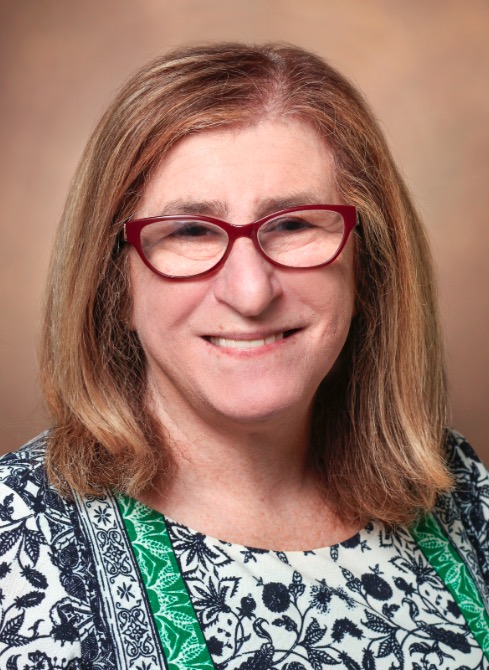 Debra L. Friedman合作论文数Division of Pediatric Hematology/Oncology, Department of Pediatrics, Vanderbilt University Medical Center;Vanderbilt-Ingram Cancer Center, Vanderbilt University Medical Center4
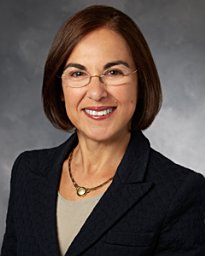 Lidia Schapira合作论文数From the Department of Medicine, Beth Israel Deaconess Medical Center4
 Kathi Mooney合作论文数College of Nursing, University of Utah4Andrea S. Porpiglia合作论文数Department of Immunology, St. Jude Children’s Research Hospital4Linda Overholser合作论文数4Jennifer A. Ligibel合作论文数4
 Mindy Goldman合作论文数Department of Obstetrics and Gynecology, University of California San Francisco4Natalie Moryl合作论文数4Saro H. Armenian合作论文数4
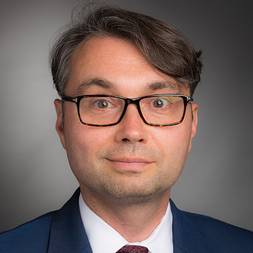 William F. Pirl合作论文数Dana-Farber Cancer Institute;Harvard Medical School4Wendy Tackett合作论文数3Etta Yazzie合作论文数3Kr Whitmer合作论文数3




