MGTA-145 or GRO beta T, a CXCR2 agonist, has shown promising activity for hematopoietic stem cell (HSC) mobilization with plerixafor in pre-clinical studies and healthy volunteers. Twenty-five patients with multiple myeloma enrolled in a phase 2 trial evaluating MGTA-145 and plerixafor for HSC mobilization (NCT04552743). Plerixafor was given subcutaneously followed 2 h later by MGTA-145 (0.03 mg/kg) intravenously with same day apheresis. Mobilization/apheresis could be repeated for a second day in patients who collected <6 x10(6) CD34+ cells/kg. Lenalidomide and anti-CD38 antibody were part of induction therapy in 92% (n = 23) and 24% (n = 6) of patients, respectively. Median total HSC cell yield (CD34+ cells/kg x 10(6)) was 5.0 (range: 1.1-16.2) and day 1 yield was 3.4 (range: 0.3-16.2). 88% (n = 22) of patients met the primary endpoint of collecting 2 x10(6) CD34+ cells/kg in <= two days, 68% (n = 17) in one day. Secondary endpoints of collecting 4 and 6 x 10(6) CD34+ cells/kg in <= two days were met in 68% (n = 17) and 40% (n = 10) patients. Grade 1 or 2 adverse events (AE) were seen in 60% of patients, the most common AE being grade 1 pain, usually self-limited. All 19 patients who underwent transplant with MGTA-145 and plerixafor mobilized HSCs engrafted successfully, with durable engraftment at day 100. 74% (17 of 23) of grafts with this regimen were minimal residual disease negative by next generation flow cytometry. Graft composition for HSCs and immune cells were similar to a contemporaneous cohort mobilized with G-CSF and plerixafor.
Successful hematopoietic cell transplantation (HCT) requires vacating recipient hematopoietic stem cell (HSC) niches to permit transplanted HSC to engraft. Currently, DNA damaging radiation or chemotherapy are used to eliminate recipient HSC and achieve niche clearance. We have pursued a non-genotoxic approach to target and deplete HSC using a humanized monoclonal antibody, AMG 191, that binds human CD117 (c-Kit), a receptor tyrosine kinase expressed on the surface of HSC and progenitor cells (HSPC). We have shown that AMG 191 suppresses human hematopoiesis in vitro, depletes human HSC in mice xenografted with human cells, and safely depletes HSC of non-human primates. We have initiated a Phase I dose escalation trial to test AMG 191 as the sole conditioning agent to achieve donor CD34-enriched HSPC engraftment in patients undergoing HCT for severe combined immunodeficiency (SCID) (ClinicalTrials.gov: NCT02963064). SCID is a severe genetic immune disorder curable only by HCT. Because of toxicity concerns, infants with SCID often receive donor hematopoietic grafts without conditioning, resulting in a lack of donor HSC engraftment. Instead, mature T lymphocytes and possibly lymphoid progenitors engraft but support only donor T cell development. This approach is associated with incomplete and poorly sustained immune reconstitution, and many patients have either no donor B cells and/or poor B cell function requiring life-long immunoglobulin replacement therapy. Second unconditioned donor HSC "boosts" can be performed, but they do not result in HSC engraftment and immune defects may persist. The primary endpoint of our study is to assess the safety and tolerability of AMG 191 as a conditioning agent in SCID patients. Secondary endpoints include AMG 191 pharmacokinetics (PK), host HSC depletion, and the determination of the dose of AMG 191 that achieves adequate donor HSC engraftment, defined as >5% donor blood granulocyte chimerism in peripheral blood at 24 weeks. Seven patients have been treated to date who are >12 weeks post-HCT (Table 1): three in each of the first two dose cohorts (0.1 and 0.3 mg/kg AMG 191), and one patient in the third cohort (1.0 mg/kg). An eighth patient has been treated at the 1.0 mg/kg dose and is three weeks post-HCT. Patients have a mixture of SCID genotypes. All patients treated to date had prior HCT with lack of donor HSC engraftment as evidenced by 0% donor sorted granulocyte chimerism at study entry. AMG 191 administration and infusion of original donor CD34+-selected cells were uniformly well tolerated. Pre- and post-infusion marrow analyses in five evaluable patients demonstrated dose-dependent decline in CD117+HSPC following AMG 191 treatment. Table 1 shows that four of six patients, who are >24 weeks post-HCT, reached the predefined endpoint of >5% granulocyte chimerism at 24 weeks, demonstrating donor HSC engraftment. The two patients who did not show donor engraftment at 24 weeks had detectable, low level (<5%) engraftment at later time points. All patients with follow up of >36 weeks show the production of recent thymic emigrants and/or de novo production of naïve T and/or B cells. In addition to improved lymphocyte values, patients have demonstrated clinical improvement including resolution of chronic diarrhea, significant weight gain, and reduced IVIG requirements. Conclusion: This study is the first demonstration of HSC engraftment following monoclonal antibody-based conditioning of patients without chemo(radio)therapy. Specifically, this first-in-human HCT trial shows that an anti-CD117 antibody safely clears HSC niches and facilitates donor HSPC engraftment in patients with SCID. Clinical benefit has been observed with minimal to no toxicity. Four of six evaluable patients have sustained evidence of donor myeloid engraftment along with T and B lymphopoiesis, indicative of engraftment of multipotent HSC. These results suggest that antibody conditioning for HCT may be preferable to traditional chemo(radio)therapy conditioning, especially in patients with non-malignant diseases and/or increased risk of toxicities due to such agents, such as certain forms of SCID, Fanconi anemia and sickle cell disease. Anti-CD117 antibody conditioning may also be applicable to gene therapy with genetically corrected autologous HSC. The AMG 191 study is actively enrolling previously transplanted SCID patients and newly diagnosed SCID patients. Disclosures Dvorak: Alexion Inc: Consultancy; Jazz Pharmaceuticals: Consultancy. Prohaska:Forty Seven Inc: Equity Ownership, Patents & Royalties. Weissman:Forty Seven Inc.: Consultancy, Equity Ownership, Patents & Royalties. Cowan:Rocket Pharma: Consultancy; Homology Medicine: Equity Ownership, Membership on an entity's Board of Directors or advisory committees; bluebird bio: Consultancy; California Institute Of Regenerative Medicine: Research Funding; UpToDate: Honoraria; Leadiant: Consultancy; NIH NIAD: Research Funding. Logan:Kadmon: Research Funding; Amgen: Consultancy, Membership on an entity's Board of Directors or advisory committees; Kite: Research Funding; TeneoBio: Consultancy; Novartis: Consultancy; Astellas: Research Funding; Abbvie: Consultancy; Incyte: Membership on an entity's Board of Directors or advisory committees; Pharmacyclics: Research Funding; Kiadis: Consultancy; Jazz: Research Funding; Agios: Consultancy, Membership on an entity's Board of Directors or advisory committees. Weinberg:U.S. Patent Office: Patents & Royalties: patent pending - submitted for aldehyde dehydrogenase 2 (ALDH2) activators to expand hematopoietic stem cells. Shizuru:Forty Seven Inc: Equity Ownership, Patents & Royalties.
Successful hematopoietic cell transplantation (HCT) requires vacating recipient hematopoietic stem cell (HSC) niches to permit donor HSC engraftment to provide life-long hematopoietic and immune function. Currently HCT relies on DNA damaging radiation or chemotherapy to achieve HSC niche clearance. We have pursued a non-toxic approach to target and deplete HSC using humanized monoclonal antibody, AMG 191, that binds human CD117 (c-Kit). We opened a Phase 1 dose escalation trial using AMG 191 as the sole conditioning agent to achieve donor HSC engraftment in patients undergoing HCT for severe combined immunodeficiency (SCID).The primary endpoint is to assess the safety of administering AMG 191. Secondary endpoints include AMG 191 pharmacokinetics (PK), host HSC depletion, and determination of the dose of AMG 191 that achieves adequate donor HSC engraftment, defined as >5% donor granulocyte chimerism at 24 weeks. We have completed the first dose cohort of patients receiving 0.1 mg/kg AMG 191 and treated the first two patients in the second cohort (0.3 mg/kg). All five patients tolerated the AMG 191 infusion and the subsequent infusion of their CD34-selectd donor cells without clinical problems. Here we report efficacy in the first two patients, who have reached the 24-week timepoint. Both patients had T-B-NK+ SCID with mutations in the DCLRE1C (Artemis) gene. Both previously received unconditioned HCT as infants, failed to develop donor B cells and remained dependent on exogenous immunoglobulin. CD34-selected mobilized peripheral blood cells from the original donors were infused when the AMG 191 serum level was <100 ng/mL. Beginning at 8 weeks post-HCT both patients showed evidence of increasing peripheral blood CD19+CD20+ B cells. Extended immunophenotype analysis demonstrated that naïve B cells were present, and chimerism studies confirmed that the B cells were of donor origin. The first patient had impaired T cell function prior to his HCT. Significant increases in both naïve CD4+ and CD8+ T cells were observed with clinical improvement beginning at 22 weeks post-HCT. Importantly, starting at 8 weeks these 2 patients demonstrated donor chimerism in purified granulocytes, an indicator of HSC engraftment, which rose from 0% pre-HCT to ≥5% at 24 weeks (Table 1).Conclusion: These data are proof of concept that a humanized monoclonal antibody targeting CD117 can safely clear human HSC niches and facilitate donor HSC engraftment. This study is ongoing and open for enrollment. Successful hematopoietic cell transplantation (HCT) requires vacating recipient hematopoietic stem cell (HSC) niches to permit donor HSC engraftment to provide life-long hematopoietic and immune function. Currently HCT relies on DNA damaging radiation or chemotherapy to achieve HSC niche clearance. We have pursued a non-toxic approach to target and deplete HSC using humanized monoclonal antibody, AMG 191, that binds human CD117 (c-Kit). We opened a Phase 1 dose escalation trial using AMG 191 as the sole conditioning agent to achieve donor HSC engraftment in patients undergoing HCT for severe combined immunodeficiency (SCID). The primary endpoint is to assess the safety of administering AMG 191. Secondary endpoints include AMG 191 pharmacokinetics (PK), host HSC depletion, and determination of the dose of AMG 191 that achieves adequate donor HSC engraftment, defined as >5% donor granulocyte chimerism at 24 weeks. We have completed the first dose cohort of patients receiving 0.1 mg/kg AMG 191 and treated the first two patients in the second cohort (0.3 mg/kg). All five patients tolerated the AMG 191 infusion and the subsequent infusion of their CD34-selectd donor cells without clinical problems. Here we report efficacy in the first two patients, who have reached the 24-week timepoint. Both patients had T-B-NK+ SCID with mutations in the DCLRE1C (Artemis) gene. Both previously received unconditioned HCT as infants, failed to develop donor B cells and remained dependent on exogenous immunoglobulin. CD34-selected mobilized peripheral blood cells from the original donors were infused when the AMG 191 serum level was <100 ng/mL. Beginning at 8 weeks post-HCT both patients showed evidence of increasing peripheral blood CD19+CD20+ B cells. Extended immunophenotype analysis demonstrated that naïve B cells were present, and chimerism studies confirmed that the B cells were of donor origin. The first patient had impaired T cell function prior to his HCT. Significant increases in both naïve CD4+ and CD8+ T cells were observed with clinical improvement beginning at 22 weeks post-HCT. Importantly, starting at 8 weeks these 2 patients demonstrated donor chimerism in purified granulocytes, an indicator of HSC engraftment, which rose from 0% pre-HCT to ≥5% at 24 weeks (Table 1). Conclusion: These data are proof of concept that a humanized monoclonal antibody targeting CD117 can safely clear human HSC niches and facilitate donor HSC engraftment. This study is ongoing and open for enrollment. Sorted Peripheral Blood CD15+ Cell Chimerism (% donor)Tabled 1Time relative to HCTPt #1Pt #2Pre0%0%Week 40%1%Week 85%9%Week 125%10%Week 184%9%Week 247%6%Week 364%7%Week 523%7% Open table in a new tab
 Judith Shizuru合作论文数Pediatrics Department, Stanford University3
 Hye-Sook Kwon合作论文数2Alyssa Guttman-Klein合作论文数2Susan S Prohaska合作论文数2Long-Boyle Janel合作论文数2
 Rajni Agarwal合作论文数Division of Pediatric Hematology, Oncology, Stem Cell Transplantation & Regenerative Medicine, Department of Pediatrics, Stanford University School of Medicine;Stanford Cancer Institute, Stanford University School of Medicine;Stanford Medicine Children’s Health2
 Morton Cowan合作论文数School of Medicine, University of California, San Francisco2
 Wes (Janice) Brown合作论文数Medicine Department, Stanford University2
 Robertson Parkman合作论文数Pediatrics Department, Stanford University2
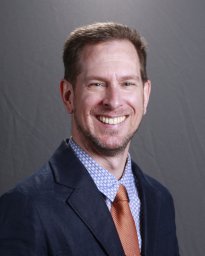 Christopher C. Dvorak合作论文数Division of Pediatric Gastroenterology, Hepatology and, Clinical Nutrition2
 Maria Grazia Roncarolo合作论文数Department of Pediatrics, Stanford University2
 Kenneth Weinberg合作论文数Division of Pediatric Hematology, Oncology, Stem Cell Transplantation & Regenerative Medicine, Stanford School of Medicine, Stanford University;Maternal & Child Health Research Institute, Stanford University2
 Aaron Logan合作论文数School of Medicine, University of California, San Francisco2
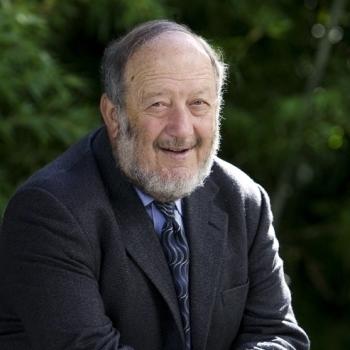 Irving Weissman合作论文数Department of Developmental Biology, Stanford University;Department of Biology and Neurosurgery, Stanford University;Department of Pathology, Stanford University2Hitomi Hosoya合作论文数1John S Tamaresis合作论文数1Andriyana Bankova合作论文数1
 Holden Maecker合作论文数Department of Microbiology and Immunology, School of Medicine, Stanford University;Stanford Cardiovascular Institute, School of Medicine, Stanford University1Holmes Tyson H合作论文数1
 David Digiusto合作论文数Department of Hematology and Hematopoietic Cell Transplantation, City of Hope1
 Shaji Kumar合作论文数Division of Hematology, Department of Internal Medicine, Mayo Clinic1Rezvani Andrew R合作论文数1Matthew Frank合作论文数Medicine Department, Stanford University1
 Ying Lu合作论文数Department of Biomedical Data Science, Stanford University;Department of Health Research and Policy, Stanford University;Stanford Cancer Institute, Stanford University1
 Sally Arai合作论文数Blood and Marrow Transplantation and Cellular Therapy Division, School of Medicine, Stanford University1
 Surbhi Sidana合作论文数Cleveland Clinic Foundation, Medicine Institute1Shiraz Parveen合作论文数1
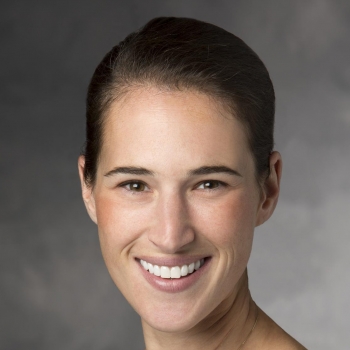 Lori Muffly合作论文数Blood & Marrow Transplantation & Cellular Therapy Division, Department of Medicine, School of Medicine, Stanford University;Stanford Cancer Institute, School of Medicine, Stanford University1
 Everett Meyer合作论文数Department of Medicine, Stanford University1
 Robert Lowsky合作论文数Blood and Marrow Transplantation & Cellular Therapy Division, Stanford School of Medicine, Stanford University1
 David Miklos合作论文数Blood and Marrow Transplantation & Cellular Therapy Division, School of Medicine, Stanford University;Stanford Cancer Institute, School of Medicine, Stanford University1
 Wen-Kai Weng合作论文数Blood and Marrow Transplantation & Cellular Therapy Division, School of Medicine, Stanford University;Department of Dermatology, School of Medicine, Stanford University1
 Laura Johnston合作论文数Department of Medicine, Stanford University1Sofia Maysel-Auslender合作论文数1




