Supplementary Table S1. Similarity between CD47 variants across species. Supplementary Table S2. Similarity between SIRPα variants across species. Supplementary Table S3. Summary of tumor necrosis scores following treatment with the indicated therapies. Supplementary Figure Legends. Supplementary Materials and Methods.
Combination therapy with CD47-blockade and anti-CD20 antibodies produces in vivo efficacy with no overt toxicity.
Successful hematopoietic cell transplantation (HCT) relies on conditioning of recipients to deplete hematopoietic stem cells (HSC) from marrow niches to allow healthy HSC to engraft. Currently, only genotoxic chemotherapy and/or radiation are used to achieve such niche clearance. We have developed a targeted non-genotoxic approach to deplete HSC using a monoclonal antibody, JSP191, that binds human CD117 (c-Kit), a receptor tyrosine kinase expressed on HSC and progenitor cells (HSPC). We have opened a phase 1 dose escalation trial using JSP191 as the sole conditioning agent in patients with SCID (ClinicalTrials.gov: NCT02963064). HCT is the only definitive cure for SCID, a uniformly lethal genetic immune disorder. Because infants with SCID lack functional T cells which can mediate transplant rejection and because of toxicity concerns, SCID infants may receive HCT without conditioning. This approach is associated with presumed engraftment of donor lymphoid progenitors but not HSC, resulting in incomplete and poorly sustained immune reconstitution, evidenced by naïve T cell production that wane over time and absent functional B cells requiring life-long immunoglobulin (Ig) replacement. Second donor HSC transplants (“boosts”) without conditioning have not led to HSC engraftment and thus immune defects persist.
PURPOSETo evaluate the safety, pharmacokinetics, and pharmacodynamics of Hu5F9-G4 (5F9), a humanized IgG4 antibody that targets CD47 to enable phagocytosis.PATIENTS AND METHODSAdult patients with solid tumors were treated in four cohorts: part A, to determine a priming dose; part B, to determine a weekly maintenance dose; part C, to study a loading dose in week 2; and a tumor biopsy cohort.RESULTSSixty-two patients were treated: 11 in part A, 14 in B, 22 in C, and 15 in the biopsy cohort. Part A used doses that ranged from 0.1 to 3 mg/kg. On the basis of tolerability and receptor occupancy studies that showed 100% CD47 saturation on RBCs, 1 mg/kg was selected as the priming dose. In subsequent groups, patients were treated with maintenance doses that ranged from 3 to 45 mg/kg, and most toxicities were mild to moderate. These included transient anemia (57% of patients), hemagglutination on peripheral blood smear (36%), fatigue (64%), headaches (50%), fever (45%), chills (45%), hyperbilirubinemia (34%), lymphopenia (34%), infusion-related reactions (34%), and arthralgias (18%). No maximum tolerated dose was reached with maintenance doses up to 45 mg/kg. At doses of 10 mg/kg or more, the CD47 antigen sink was saturated by 5F9, and a 5F9 half-life of approximately 13 days was observed. Strong antibody staining of tumor tissue was observed in a patient at 30 mg/kg. Two patients with ovarian/fallopian tube cancers had partial remissions for 5.2 and 9.2 months.CONCLUSION5F9 is well tolerated using a priming dose at 1 mg/kg on day 1 followed by maintenance doses of up to 45 mg/kg weekly.
TO THE EDITOR: Successful engraftment of hematopoietic stem cells (HSCs) involves overcoming nonimmunologic barriers that hinder access to the HSC niches in the bone marrow (BM).[1][1],[2][2] Cytotoxic chemotherapy and/or radiation are currently used to reduce these barriers in clinical
Successful hematopoietic cell transplantation (HCT) requires vacating recipient hematopoietic stem cell (HSC) niches to permit transplanted HSC to engraft. Currently, DNA damaging radiation or chemotherapy are used to eliminate recipient HSC and achieve niche clearance. We have pursued a non-genotoxic approach to target and deplete HSC using a humanized monoclonal antibody, AMG 191, that binds human CD117 (c-Kit), a receptor tyrosine kinase expressed on the surface of HSC and progenitor cells (HSPC). We have shown that AMG 191 suppresses human hematopoiesis in vitro, depletes human HSC in mice xenografted with human cells, and safely depletes HSC of non-human primates. We have initiated a Phase I dose escalation trial to test AMG 191 as the sole conditioning agent to achieve donor CD34-enriched HSPC engraftment in patients undergoing HCT for severe combined immunodeficiency (SCID) (ClinicalTrials.gov: NCT02963064). SCID is a severe genetic immune disorder curable only by HCT. Because of toxicity concerns, infants with SCID often receive donor hematopoietic grafts without conditioning, resulting in a lack of donor HSC engraftment. Instead, mature T lymphocytes and possibly lymphoid progenitors engraft but support only donor T cell development. This approach is associated with incomplete and poorly sustained immune reconstitution, and many patients have either no donor B cells and/or poor B cell function requiring life-long immunoglobulin replacement therapy. Second unconditioned donor HSC "boosts" can be performed, but they do not result in HSC engraftment and immune defects may persist. The primary endpoint of our study is to assess the safety and tolerability of AMG 191 as a conditioning agent in SCID patients. Secondary endpoints include AMG 191 pharmacokinetics (PK), host HSC depletion, and the determination of the dose of AMG 191 that achieves adequate donor HSC engraftment, defined as >5% donor blood granulocyte chimerism in peripheral blood at 24 weeks. Seven patients have been treated to date who are >12 weeks post-HCT (Table 1): three in each of the first two dose cohorts (0.1 and 0.3 mg/kg AMG 191), and one patient in the third cohort (1.0 mg/kg). An eighth patient has been treated at the 1.0 mg/kg dose and is three weeks post-HCT. Patients have a mixture of SCID genotypes. All patients treated to date had prior HCT with lack of donor HSC engraftment as evidenced by 0% donor sorted granulocyte chimerism at study entry. AMG 191 administration and infusion of original donor CD34+-selected cells were uniformly well tolerated. Pre- and post-infusion marrow analyses in five evaluable patients demonstrated dose-dependent decline in CD117+HSPC following AMG 191 treatment. Table 1 shows that four of six patients, who are >24 weeks post-HCT, reached the predefined endpoint of >5% granulocyte chimerism at 24 weeks, demonstrating donor HSC engraftment. The two patients who did not show donor engraftment at 24 weeks had detectable, low level (<5%) engraftment at later time points. All patients with follow up of >36 weeks show the production of recent thymic emigrants and/or de novo production of naïve T and/or B cells. In addition to improved lymphocyte values, patients have demonstrated clinical improvement including resolution of chronic diarrhea, significant weight gain, and reduced IVIG requirements. Conclusion: This study is the first demonstration of HSC engraftment following monoclonal antibody-based conditioning of patients without chemo(radio)therapy. Specifically, this first-in-human HCT trial shows that an anti-CD117 antibody safely clears HSC niches and facilitates donor HSPC engraftment in patients with SCID. Clinical benefit has been observed with minimal to no toxicity. Four of six evaluable patients have sustained evidence of donor myeloid engraftment along with T and B lymphopoiesis, indicative of engraftment of multipotent HSC. These results suggest that antibody conditioning for HCT may be preferable to traditional chemo(radio)therapy conditioning, especially in patients with non-malignant diseases and/or increased risk of toxicities due to such agents, such as certain forms of SCID, Fanconi anemia and sickle cell disease. Anti-CD117 antibody conditioning may also be applicable to gene therapy with genetically corrected autologous HSC. The AMG 191 study is actively enrolling previously transplanted SCID patients and newly diagnosed SCID patients. Disclosures Dvorak: Alexion Inc: Consultancy; Jazz Pharmaceuticals: Consultancy. Prohaska:Forty Seven Inc: Equity Ownership, Patents & Royalties. Weissman:Forty Seven Inc.: Consultancy, Equity Ownership, Patents & Royalties. Cowan:Rocket Pharma: Consultancy; Homology Medicine: Equity Ownership, Membership on an entity's Board of Directors or advisory committees; bluebird bio: Consultancy; California Institute Of Regenerative Medicine: Research Funding; UpToDate: Honoraria; Leadiant: Consultancy; NIH NIAD: Research Funding. Logan:Kadmon: Research Funding; Amgen: Consultancy, Membership on an entity's Board of Directors or advisory committees; Kite: Research Funding; TeneoBio: Consultancy; Novartis: Consultancy; Astellas: Research Funding; Abbvie: Consultancy; Incyte: Membership on an entity's Board of Directors or advisory committees; Pharmacyclics: Research Funding; Kiadis: Consultancy; Jazz: Research Funding; Agios: Consultancy, Membership on an entity's Board of Directors or advisory committees. Weinberg:U.S. Patent Office: Patents & Royalties: patent pending - submitted for aldehyde dehydrogenase 2 (ALDH2) activators to expand hematopoietic stem cells. Shizuru:Forty Seven Inc: Equity Ownership, Patents & Royalties.
Successful hematopoietic cell transplantation (HCT) requires vacating recipient hematopoietic stem cell (HSC) niches to permit donor HSC engraftment to provide life-long hematopoietic and immune function. Currently HCT relies on DNA damaging radiation or chemotherapy to achieve HSC niche clearance. We have pursued a non-toxic approach to target and deplete HSC using humanized monoclonal antibody, AMG 191, that binds human CD117 (c-Kit). We opened a Phase 1 dose escalation trial using AMG 191 as the sole conditioning agent to achieve donor HSC engraftment in patients undergoing HCT for severe combined immunodeficiency (SCID).The primary endpoint is to assess the safety of administering AMG 191. Secondary endpoints include AMG 191 pharmacokinetics (PK), host HSC depletion, and determination of the dose of AMG 191 that achieves adequate donor HSC engraftment, defined as >5% donor granulocyte chimerism at 24 weeks. We have completed the first dose cohort of patients receiving 0.1 mg/kg AMG 191 and treated the first two patients in the second cohort (0.3 mg/kg). All five patients tolerated the AMG 191 infusion and the subsequent infusion of their CD34-selectd donor cells without clinical problems. Here we report efficacy in the first two patients, who have reached the 24-week timepoint. Both patients had T-B-NK+ SCID with mutations in the DCLRE1C (Artemis) gene. Both previously received unconditioned HCT as infants, failed to develop donor B cells and remained dependent on exogenous immunoglobulin. CD34-selected mobilized peripheral blood cells from the original donors were infused when the AMG 191 serum level was <100 ng/mL. Beginning at 8 weeks post-HCT both patients showed evidence of increasing peripheral blood CD19+CD20+ B cells. Extended immunophenotype analysis demonstrated that naïve B cells were present, and chimerism studies confirmed that the B cells were of donor origin. The first patient had impaired T cell function prior to his HCT. Significant increases in both naïve CD4+ and CD8+ T cells were observed with clinical improvement beginning at 22 weeks post-HCT. Importantly, starting at 8 weeks these 2 patients demonstrated donor chimerism in purified granulocytes, an indicator of HSC engraftment, which rose from 0% pre-HCT to ≥5% at 24 weeks (Table 1).Conclusion: These data are proof of concept that a humanized monoclonal antibody targeting CD117 can safely clear human HSC niches and facilitate donor HSC engraftment. This study is ongoing and open for enrollment. Successful hematopoietic cell transplantation (HCT) requires vacating recipient hematopoietic stem cell (HSC) niches to permit donor HSC engraftment to provide life-long hematopoietic and immune function. Currently HCT relies on DNA damaging radiation or chemotherapy to achieve HSC niche clearance. We have pursued a non-toxic approach to target and deplete HSC using humanized monoclonal antibody, AMG 191, that binds human CD117 (c-Kit). We opened a Phase 1 dose escalation trial using AMG 191 as the sole conditioning agent to achieve donor HSC engraftment in patients undergoing HCT for severe combined immunodeficiency (SCID). The primary endpoint is to assess the safety of administering AMG 191. Secondary endpoints include AMG 191 pharmacokinetics (PK), host HSC depletion, and determination of the dose of AMG 191 that achieves adequate donor HSC engraftment, defined as >5% donor granulocyte chimerism at 24 weeks. We have completed the first dose cohort of patients receiving 0.1 mg/kg AMG 191 and treated the first two patients in the second cohort (0.3 mg/kg). All five patients tolerated the AMG 191 infusion and the subsequent infusion of their CD34-selectd donor cells without clinical problems. Here we report efficacy in the first two patients, who have reached the 24-week timepoint. Both patients had T-B-NK+ SCID with mutations in the DCLRE1C (Artemis) gene. Both previously received unconditioned HCT as infants, failed to develop donor B cells and remained dependent on exogenous immunoglobulin. CD34-selected mobilized peripheral blood cells from the original donors were infused when the AMG 191 serum level was <100 ng/mL. Beginning at 8 weeks post-HCT both patients showed evidence of increasing peripheral blood CD19+CD20+ B cells. Extended immunophenotype analysis demonstrated that naïve B cells were present, and chimerism studies confirmed that the B cells were of donor origin. The first patient had impaired T cell function prior to his HCT. Significant increases in both naïve CD4+ and CD8+ T cells were observed with clinical improvement beginning at 22 weeks post-HCT. Importantly, starting at 8 weeks these 2 patients demonstrated donor chimerism in purified granulocytes, an indicator of HSC engraftment, which rose from 0% pre-HCT to ≥5% at 24 weeks (Table 1). Conclusion: These data are proof of concept that a humanized monoclonal antibody targeting CD117 can safely clear human HSC niches and facilitate donor HSC engraftment. This study is ongoing and open for enrollment. Sorted Peripheral Blood CD15+ Cell Chimerism (% donor)Tabled 1Time relative to HCTPt #1Pt #2Pre0%0%Week 40%1%Week 85%9%Week 125%10%Week 184%9%Week 247%6%Week 364%7%Week 523%7% Open table in a new tab
Osteoarthritis (OA) is the leading cause of joint failure, yet the underlying mechanisms remain elusive, and no approved therapies that slow progression exist. Dysregulated integrin function was previously implicated in OA pathogenesis. However, the roles of integrin αVβ3 and the integrin-associated receptor CD47 in OA remain largely unknown. Here, transcriptomic and proteomic analyses of human and murine osteoarthritic tissues revealed dysregulated expression of αVβ3, CD47, and their ligands. Using genetically deficient mice and pharmacologic inhibitors, we showed that αVβ3, CD47, and the downstream signaling molecules Fyn and FAK are crucial to OA pathogenesis. MicroPET/CT imaging of a mouse model showed elevated ligand-binding capacities of integrin αVβ3 and CD47 in osteoarthritic joints. Further, our in vitro studies demonstrated that chondrocyte breakdown products, derived from articular cartilage of individuals with OA, induced αVβ3/CD47-dependent expression of inflammatory and degradative mediators, and revealed the downstream signaling network. Our findings identify a central role for dysregulated αVβ3 and CD47 signaling in OA pathogenesis and suggest that activation of αVβ3 and CD47 signaling in many articular cell types contributes to inflammation and joint destruction in OA. Thus, the data presented here provide a rationale for targeting αVβ3, CD47, and their signaling pathways as a disease-modifying therapy.
Abstract Cancer immunotherapies hold much promise, but their potential in veterinary settings has not yet been fully appreciated. Canine lymphomas are among the most common tumors of dogs and bear remarkable similarity to human disease. In this study, we examined the combination of CD47 blockade with anti-CD20 passive immunotherapy for canine lymphoma. The CD47/SIRPα axis is an immune checkpoint that regulates macrophage activation. In humans, CD47 is expressed on cancer cells and enables evasion from phagocytosis. CD47-blocking therapies are now under investigation in clinical trials for a variety of human cancers. We found the canine CD47/SIRPα axis to be conserved biochemically and functionally. We identified high-affinity SIRPα variants that antagonize canine CD47 and stimulate phagocytosis of canine cancer cells in vitro. When tested as Fc fusion proteins, these therapeutic agents exhibited single-agent efficacy in a mouse xenograft model of canine lymphoma. As robust synergy between CD47 blockade and tumor-specific antibodies has been demonstrated for human cancer, we evaluated the combination of CD47 blockade with 1E4-cIgGB, a canine-specific antibody to CD20. 1E4-cIgGB could elicit a therapeutic response against canine lymphoma in vivo as a single agent. However, augmented responses were observed when combined with CD47-blocking therapies, resulting in synergy in vitro and in vivo and eliciting cures in 100% of mice bearing canine lymphoma. Our findings support further testing of CD47-blocking therapies alone and in combination with CD20 antibodies in the veterinary setting. Cancer Immunol Res; 4(12); 1072–87. ©2016 AACR.
CD47 is a widely expressed cell surface protein that functions as a regulator of phagocytosis mediated by cells of the innate immune system, such as macrophages and dendritic cells. CD47 serves as the ligand for a receptor on these innate immune cells, SIRP-alpha, which in turn delivers an inhibitory signal for phagocytosis. We previously found increased expression of CD47 on primary human acute myeloid leukemia (AML) stem cells, and demonstrated that blocking monoclonal antibodies directed against CD47 enabled the phagocytosis and elimination of AML, non-Hodgkin’s lymphoma (NHL), and many solid tumors in xenograft models. Here, we report the development of a humanized anti-CD47 antibody with potent efficacy and favorable toxicokinetic properties as a candidate therapeutic. A novel monoclonal anti-human CD47 antibody, 5F9, was generated, and antibody humanization was carried out by grafting its complementarity determining regions (CDRs) onto a human IgG4 format. The resulting humanized 5F9 antibody (Hu5F9-G4) bound monomeric human CD47 with an 8 nM affinity. Hu5F9-G4 induced potent macrophage-mediated phagocytosis of primary human AML cells in vitro and completely eradicated human AML in vivo, leading to long-term disease-free survival of patient-derived xenografts. Moreover, Hu5F9-G4 synergized with rituximab to eliminate NHL engraftment and cure xenografted mice. Finally, toxicokinetic studies in non-human primates showed that Hu5F9-G4 could be safely administered intravenously at doses able to achieve potentially therapeutic serum levels. Thus, Hu5F9-G4 is actively being developed for and has been entered into clinical trials in patients with AML and solid tumors (ClinicalTrials.gov identifier: NCT02216409).
Hematopoietic stem cells (HSC) are rare, multipotent cells capable of generating all specialized cells of the blood system. Appropriate regulation of HSC quiescence is thought to be crucial to maintain their lifelong function; however, the molecular pathways controlling stem cell quiescence remain poorly characterized. Likewise, the molecular events driving leukemogenesis remain elusive. In this study, we compare the gene expression profiles of steady-state bone marrow HSC to non-self-renewing multipotent progenitors; to HSC treated with mobilizing drugs that expand the HSC pool and induce egress from the marrow; and to leukemic HSC in a mouse model of chronic myelogenous leukemia. By intersecting the resulting lists of differentially regulated genes we identify a subset of molecules that are downregulated in all three circumstances, and thus may be particularly important for the maintenance and function of normal, quiescent HSC. These results identify potential key regulators of HSC and give insights into the clinically important processes of HSC mobilization for transplantation and leukemic development from cancer stem cells.
Tobacco use is associated with an increase in the white blood cell (WBC) count. This association has been attributed to bronchopulmonary inflammation and/or infection. It is not known if nicotine itself may play a role. The objective of this study was to determine whether nicotine itself could affect the WBC count, and to determine whether this was due to a direct effect on hematopoietic stem cells (HSC). C57Bl6J mice received nicotine orally, and measurements of the WBC count, bone marrow and spleen cellularity, and HSC count were made. To determine the functionality of HSCs, irradiated animals received bone marrow transplants from vehicle or nicotine-treated mice. Nicotine increased leukocytes in the peripheral blood, bone marrow and spleen. The peripheral red cell and platelet count were unaffected. Nicotine increased the frequency of HSC in the bone marrow. Isolated long-term HSCs from nicotine-treated mice transplanted into irradiated mice regenerated all hematopoietic cell lineages, demonstrating the functional competence of those HSCs. HSCs expressed nicotinic acetylcholine receptors (nAChRs), as documented by FITC-conjugated alpha-bungarotoxin binding. Nicotine increased soluble Kit ligand, consistent with stem cell activation. In conclusion, the data suggest a new mechanism for the increased WBC associated with tobacco use. The effect of nicotine to activate hematopoiesis may contribute to tobacco-related diseases.
Hematopoietic stem cells (HSCs) divide and give rise to more committed progenitors, which ultimately produce all lineages of blood cells. HSCs can be induced to enter the cell cycle in vitro and in vivo by stimulatory cytokines and in vivo by ablation of bone marrow (BM) cells with irradiation or chemotherapeutic agents. Although it has been postulated that rates of HSC proliferation increase with normal hematopoietic stresses, such as infection or hemorrhage, this hypothesis has never been directly tested. The ability to analyze HSCs prospectively by cell-surface phenotype c-kit(+), Thy1.1(lo), Sca-1(+), Linage(neg/lo) has allowed us to perform a detailed examination of the effects of bleeding on the cell cycle kinetics of HSCs. Our results demonstrate for the first time that HSCs in both the BM and the spleen proliferate and self-renew in response to tail-vein bleeding in mice. This response was suppressed when red blood cells, but not when white blood cells, were transferred after bleeding. Thus, regulators of HSC proliferation can sense and respond to red blood cell levels.
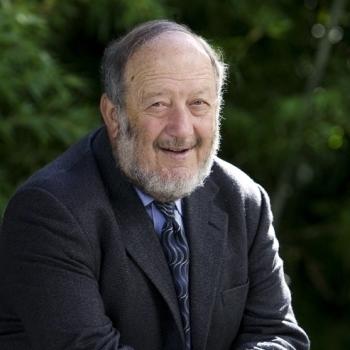 Irving Weissman合作论文数Department of Developmental Biology, Stanford University;Department of Biology and Neurosurgery, Stanford University;Department of Pathology, Stanford University27
 sarah rue合作论文数9
 Amira Barkal合作论文数Stanford Univ, Sch Med, Inst Stem Cell Biol & Regenerat Med, Stanford, CA 94305 USA9Daisuke Ito合作论文数Laboratory of Molecular Medicine, Graduate School of Veterinary Medicine, Hokkaido University, Sapporo 060-0818, Japan9
 Aaron Ring合作论文数Translational Science and Therapeutics Division, Fred Hutch;Immunotherapy Integrated Research Center, Fred Hutch;Ariax Bio;Stipple Bio;Seranova Bio;Simcha Therapeutics9Efe Jem A合作论文数and the Howard Hughes Medical Institute, University of California9Kipp Weiskopf合作论文数Inst Stem Cell Biol & Regenerat Med, Stanford Univ9Kelly M. McKenna合作论文数9O'Sullivan M Gerard合作论文数9Lowery David合作论文数9Bloink Kristin合作论文数9
 Katie L Anderson合作论文数9Schnorr Peter J合作论文数9
 Hirotaka Tomiyasu合作论文数9
 Jaime Modiano合作论文数Integrated Department of Immunology, University of Colorado Denver9Ingrid Cornax合作论文数9Timothy O’Brien合作论文数7
 Judith Shizuru合作论文数Pediatrics Department, Stanford University5Hye-Sook Kwon合作论文数4
 Amy Wagers合作论文数Department of Stem Cell and Regenerative Biology, Faculty of Arts and Sciences, Harvard University4
 Aaron Logan合作论文数School of Medicine, University of California, San Francisco4Jr Parnes合作论文数3Ng Singer合作论文数3
 Maureen Howard合作论文数3Camilla Forsberg合作论文数Dept Biomol Engn, Univ Calif Santa Cruz3
 David Fox合作论文数Medical School, University of Michigan3Long-Boyle Janel合作论文数3
 Rajni Agarwal合作论文数Division of Pediatric Hematology, Oncology, Stem Cell Transplantation & Regenerative Medicine, Department of Pediatrics, Stanford University School of Medicine;Stanford Cancer Institute, Stanford University School of Medicine;Stanford Medicine Children’s Health3
 Morton Cowan合作论文数School of Medicine, University of California, San Francisco3
 Wes (Janice) Brown合作论文数Medicine Department, Stanford University3
 Robertson Parkman合作论文数Pediatrics Department, Stanford University3Motonari Kondo合作论文数3
 Ravi Majeti合作论文数Institute for Stem Cell Biology and Regenerative Medicine, Cancer Institute, Division of Hematology, Department of Medicine, Stanford University3
 Christopher C. Dvorak合作论文数Division of Pediatric Gastroenterology, Hepatology and, Clinical Nutrition3
 Maria Grazia Roncarolo合作论文数Department of Pediatrics, Stanford University3Alyssa Guttman-Klein合作论文数2J Endres合作论文数2D. C. Scherer合作论文数2Yz Ding合作论文数2Wendy W Pang合作论文数2Anne Le合作论文数2
 Passegué Emmanuelle合作论文数Columbia Stem Cell Initiative, Department of Genetics and Development, Irving Medical Center, Columbia University2Stephen B. Willingham合作论文数2Volkmer Jens合作论文数2
 William H. Robinson合作论文数Division of Immunology and Rheumatology, Stanford University2
 Jie Liu (刘杰)合作论文数School of Biomedical Engineering, Sun Yat-Sen University2
 Laura Beretta合作论文数Department of Molecular and Cellular Oncology, The University of Texas MD Anderson Cancer Center2Markus G. Manz合作论文数2
 Timothy D. O Brien合作论文数Department of Veterinary Population Medicine, College of Veterinary Medicine, University of Minnesota;Institute for Engineering in Medicine, University of Minnesota;Sarcio, Inc.2




