Late-onset unexplained epilepsy is a potential harbinger of dementia, likely driven by network hyperexcitability that facilitates amyloid-β release and tau propagation. Dampening this activity with antiseizure medications offers a potential disease modifying strategy, yet whether specific agents differentially alter this neurodegenerative trajectory remains unknown. Here, we emulated a target trial using global real-world federated data on patients with late-onset unexplained epilepsy to compare dementia risk across antiseizure monotherapies. Using data from over 75 million adults aged 55 years or older, we found that sodium channel blockers were associated with a 27% lower hazard of incident all-cause dementia (hazard ratio = 0.73, 95% confidence interval 0.61- 0.88) and 34% lower hazard of Alzheimer's disease (hazard ratio = 0.66, 0.49 -0.88), compared with levetiracetam/brivaracetam. While the class effect was protective, individual agents such as phenytoin, carbamazepine, and lamotrigine showed divergent safety and efficacy profiles. We replicated these findings in both a Down syndrome cohort and the external National Alzheimer's Coordinating Center dataset. Our results suggest that targeting neuronal excitability with sodium channel blockers is associated with lower risk of dementia, prioritizing the repurposing of these agents for dementia prevention trials.
BACKGROUND:Artificial intelligence (AI) is rapidly transforming clinical neurology, offering significant potential to enhance diagnosis, treatment, and disease management. Despite this transformative promise, AI adoption in neurology remains limited due to a lack of a reliable evidence base to support its use, as well as educational, ethical, methodological, and regulatory barriers. Furthermore, currently, there is no standardized educational framework for the application of AI in clinical neurology across Europe. METHODS:To address this gap, the European Academy of Neurology (EAN) has established a dedicated multidisciplinary Task Force (TF) on AI in Clinical Neurology. This TF involves neurologists, neurology trainees, medical students, computer and data scientists, ethicists, patient representatives, and regulatory experts. RESULTS:The AI TF has designed a modular curriculum covering technical AI foundations and models, clinical applications, ethical implications, and regulatory compliance. Planned educational resources include e-learning modules, podcasts, masterclasses, and interactive sessions at EAN congresses. Also, a recently conducted Europe-wide survey supported the TF in identifying current knowledge levels and educational and systemic barriers, informing the design of targeted interventions. In parallel, the TF will formulate recommendations addressing the ethical and regulatory implications of AI use in neurology, tailored to the specific needs of clinicians. CONCLUSIONS:The EAN TF on AI in Clinical Neurology represents a strategic initiative to enable responsible AI integration through multidisciplinary collaboration. By closing educational gaps, establishing clear ethical standards, and facilitating stakeholder engagement, the TF aims to empower neurologists to confidently and ethically adopt AI technologies, ultimately improving patient care across Europe.
BACKGROUND:Resective epilepsy surgery is an established clinical intervention, but the cost-effectiveness at a national healthcare level is uncertain. This study evaluates the cost-effectiveness of resective epilepsy surgery compared with medical management in adults from national healthcare and personal social services perspectives. METHODS:A de novo decision analytic model was developed, comprising a 1-year decision tree and lifetime Markov model to evaluate lifetime costs and quality-adjusted life years (QALYs). Data were obtained from UK epilepsy surgery centres to evaluate the costs of preoperative assessment and the probability of undergoing resection after presurgical evaluation. Other clinical inputs were obtained from a systematic literature review. The main outcome of the analysis was the incremental cost-effectiveness ratio (ICER), with a cost-effectiveness threshold set at £20 000 cost per QALY gained. RESULTS:Data from 762 patients informed preoperative evaluation costs and the probability of undergoing epilepsy surgery after presurgical evaluation. The total lifetime cost of epilepsy treatment for people who had surgical treatment was £56 911, compared with £32 490 for medical management. Total QALYs per person for surgery were 15.91 and 13.76 for medical management. Resective epilepsy surgery was shown to be cost-effective with an ICER of £11 348 per QALY gained. CONCLUSIONS:Our data inform and strengthen recommendations to prioritise referral of those with drug-refractory epilepsy to surgical centres. We provide a health economic rationale for the development and support of resective epilepsy surgery programmes across national healthcare systems.
Cranial meningioma are the most common type of primary brain tumor, and focal onset, tumor-related seizures affect a significant proportion of patients. Seizures affect 30% of symptomatic preoperative patients and a further 12% of postoperative patients. Although most patients may be cured of their oncological disease by surgery, seizures confer disability, reduced quality-of-life, delayed return to driving and work, and increase the risk of sudden death. Tumor-associated seizures are also more likely to be resistant to antiseizure medications (ASMs). ASMs are limited to treating the symptoms of epilepsy-seizures-but have no disease-modifying effect on the mechanisms that cause or maintain seizure susceptibility. There is a need to be able to predict who is at risk of developing postoperative seizures for targeted prevention or closer monitoring of those at greater risk. Mechanisms underpinning brain tumor-related seizures are most likely multifactorial and related to morphological, biochemical, and metabolic causes. Brain tumors likely cause cortical hyperexcitability due to irritation caused by mass effect, brain invasion, and peritumoral brain edema. Inflammatory mediators are involved in epileptogenesis in animal models and human seizure syndromes and there are experimental data to support the development of inflammatory mediators as biomarkers for epileptogenesis. Meningioma-associated seizures are incompletely understood and consequently unpredictable with current knowledge. In this review, we discuss the proposed mechanisms of epileptogenesis in brain tumors and putative neuroinflammatory mechanisms for meningioma-associated seizures. Ultimately, we evaluate the potential of neuroinflammatory biomarkers of epileptogenesis in meningioma and the current challenges with extrapolating from current literature, which primarily consider epilepsy and intrinsic brain tumors. A prospective randomized controlled trial (STOP'EM: ISRCTN14381346) is open in the UK and will determine the role of two weeks of prophylactic levetiracetam in seizure-naïve patients undergoing meningioma surgery and provide an opportunity to obtain serial blood measurements from patients to assist with biomarker discovery.
Valproate is highly effective at treating epilepsy and bipolar disorder. It faces prescribing restrictions in men due to concerns it causes testicular dysfunction and infertility. These mostly stem from animal models - the human evidence is limited and conflicting. We report the largest ever retrospective cohort study of infertility in men with epilepsy or bipolar disorder, using real-world healthcare data from TriNetX. 91,917 of the men are exposed to valproate, and 535,803 unexposed. Cohorts are propensity score matched for a comprehensive set of baseline covariates, and survival analysis is undertaken using Cox-proportional hazards models. No significant difference is seen between valproate-exposed and unexposed men across lifetime risks of infertility, testicular hypofunction, testicular atrophy, and a composite of low sperm concentration, motility, vitality, normal forms, and semen volume (p > 0.05). Our findings do not support an association between valproate and infertility in men with epilepsy or bipolar disorder in real-world settings.
Qualitative, semi structured interviews. Cauda Equina Syndrome (CES) is a neurological emergency that can cause permanent disability to the lower limbs, including pain, weakness, and bladder, bowel and sexual dysfunction. There is little evidence on the lived experience of patients with different severities of CES. This study sought to address this. The interviews were conducted with persons who had experienced CES and been operated on for this condition in the UK. A sampling frame was used on a pre-existing database to select a maximum variation sample. Interviews were audio recorded and transcribed for thematic analysis supported by NVivo. Data saturation was achieved with 22 patients (12 female, 10 male) of whom 10 had CES-incomplete and 12 had CES-complete. Average age was 46 years and time since the operation was 62 months. Most interviews took place at the patients’ home or workplace. Data analysis identified 4 main data themes: (1) Varying priorities of physical health; (2) A fragmented healthcare service; (3) The process of adjustment; and 4) Anticipatory anxiety and diminished sense of self-worth. The identified themes confirm that CES can be a chronic condition, which requires holistic support to address the long-term outcomes. This highlights the importance of using the Cauda Equina Syndrome Core Outcome Set (CESCOS) in CES research studies to record these outcomes.
PURPOSE:Globally, free-to-access epilepsy helplines run by third-sector organizations are an established part of the support landscape. Despite guidelines recommending clinicians signpost individuals to them, their usage and impact have never been reported. We aimed to quantify demand for, and the nature of, contacts to a UK epilepsy helpline; assess reach and equity of access; and explore whether data on the issues people raised might serve as an indicator of changing community needs. METHODS:Retrospective analysis of anonymized records from contacts to Epilepsy Action's helpline between October 2020 and September 2024. Descriptive statistics and incidence rate calculations were used to assess contact characteristics, geographic and socioeconomic distribution, and the topic codes assigned to contacts by trained advisors. RESULTS:Helpline received 32,964 contacts from 25,316 individuals-mainly people with epilepsy (69.7 %) and family/friends (24.6 %). Use increased by 40 % over the period, exceeding population growth, with 11.43 contacts per 1000 prevalent cases in 2020/21 and 16.03 in 2023/24. Contacts came from across the UK, but fewer originated from more deprived areas than expected. Users sought support on a wide range of medical, emotional, and practical issues, with increasing contact complexity over time. Topics varied by deprivation level. Shifts over time in issues raised aligned with real-world events (e.g., COVID-19, medication shortages). CONCLUSION:This first systematic examination of a third-sector epilepsy helpline reveals high and growing demand, broad reach, and access inequities. Routine helpline data may offer a novel, real-time lens on community needs. Our analytic method could support evaluations of other helplines.
OBJECTIVES:This is a protocol for a Cochrane Review (intervention). The objectives are as follows: To assess the efficacy and tolerability of antiseizure medications (ASMs) in preventing a first seizure in people with brain tumours compared with placebo or no active treatment.
Structural neuroimaging analyses require "research quality" images, procured with costly MRI acquisitions. Isotropic (3D-T1) images are desirable for quantitative analyses, however, a routine compromise in the clinical setting is to acquire anisotropic (2D-T1) analogues for qualitative visual inspection. ML (machine learning-based) software have shown promise in addressing some of the limitations of 2D-T1 scans in research applications, yet their efficacy in quantitative research is generally poorly understood. Quantitative morphometric analyses have previously identified pathology-related abnormalities of the subcortical structures in idiopathic generalised epilepsy (IGE), which have been overlooked based on visual inspection. As such, IGE biomarkers present a suitable model in which to evaluate the applicability of image preprocessing methods. This study, therefore, explores subcortical structural biomarkers of IGE, first in our "silver standard" 3D-T1 scans, then in 2D-T1 scans that were either untransformed, resampled using a classical interpolation approach, or synthesised with a resolution and contrast agnostic ML model. 2D-T1 and 3D-T1 MRI scans were acquired during the same scanning session for 33 individuals with drug-sensitive IGE (age mean 32.16 ± SD = 14.20, male n = 14) and 42 individuals with drug-resistant IGE (31.76 ± 11.12, 17), all diagnosed at the Walton Centre NHS Foundation Trust Liverpool, alongside 39 age- and sex-matched healthy controls (32.32 ± 8.65, 16). The untransformed 2D-T1 scans were resampled into isotropic images using NiBabel (res-T1), and preprocessed into synthetic isotropic images using SynthSR (syn-T1). For the 3D-T1, 2D-T1, res-T1, and syn-T1 images, the recon-all command from FreeSurfer 8.0.0 was used to create parcellations of 174 anatomical regions (equivalent to the 174 regional parcellations provided as part of the DL+DiReCT pipeline), defined by the aseg and Destrieux atlases, and FSL run_first_all was used to segment subcortical surface shapes. The new ML FreeSurfer pipeline, recon-all-clinical, was also tested in the 2D-T1, 3D-T1, and res-T1 images. As a model comparison for SynthSR, the DL+DiReCT pipeline was used to provide segmentations of the 2D-T1 and res-T1 images, including estimates of regional volume and thickness. Spatial overlap and intraclass correlations between the morphometrics of the eight resulting parcellations were first determined, then subcortical surface shape abnormalities associated with IGE were identified by comparing the FSL run_first_all outputs of patients with controls. When standardised to the metrics derived from the 3D-T1 scans, cortical volume and thickness estimates trended lower for the 2D-T1, res-T1, syn-T1, and DL+DiReCT outputs, whereas subcortical volume estimates were more coherent. Dice coefficients revealed an acceptable spatial similarity between the cortices of the 3D-T1 scans and the other images overall, and was higher in the subcortical structures. Intraclass correlation coefficients were consistently lowest when metrics were computed for model-derived inputs, and estimates of thickness were less similar to the ground truth than those of volume. For the people with epilepsy, the 3D-T1 scans showed significant surface deflations across various subcortical structures when compared with those of healthy controls. Analysis of the 2D-T1 scans enabled the reliable detection of a subset of subcortical abnormalities, whereas analyses of the res-T1 and syn-T1 images were more prone to false-positive results. Resampling and ML image synthesis methods do not currently attenuate partial volume effects resulting from low through plane resolution in anisotropic MRI scans, instead quantitative analyses using 2D-T1 scans should be interpreted with caution, and researchers should consider the potential implications of preprocessing. The recon-all-clinical pipeline is promising, but requires further evaluation, especially when considered as an alternative to the classical pipeline.
OBJECTIVE:A key diagnostic challenge at "first seizure" clinic appointments is determining whether the reported event was epileptic. Witness accounts are often critical, yet such appointments typically occur weeks after the event. Guidelines recommend review within 2 weeks. Wait times are however often longer, with a median of 7 weeks in countries such as the UK. The accuracy of witness recall at these clinically relevant intervals and whether their confidence predicts accuracy have never been determined. This study addressed these fundamental questions. It also piloted a potential intervention: whether asking witnesses a set of systematic questions immediately after viewing a suspected seizure improves recall at follow-up, compared to the usual free recall approach used by first responders. METHODS:In this UK-based experimental study, adults (≥18 years old) viewed a video of an epileptic seizure and were randomized into four conditions: A (immediate free recall + 2-week follow-up), B (immediate free recall + 7-week follow-up), C (immediate systematic questions + 2-week follow-up), and D (immediate systematic questions + 7-week follow-up). The primary outcome was accuracy on 15 standardized questions addressing key semiological features, scored against consensus ratings from five neurologists. RESULTS:Of a representative sample of 304 participants, 295 (97%) fully viewed the video, and 94.7% completed follow-up. At 2 weeks, participants answered 54.4% of questions correctly-only 3.9% (95% confidence interval [CI] = .52-7.3) more than those at 7 weeks. Confidence was poorly correlated with accuracy. Immediate systematic questioning improved later recall by 6.7% (95% CI = 3.3-10.0). A definitive trial of this intervention would require 926 participants. SIGNIFICANCE:This is the first evidence on the accuracy of witness recall at clinically relevant intervals. Recall is modest even within recommended timeframes and declines only slightly by 7 weeks. Witness confidence does not predict accuracy. Immediate structured questioning may enhance later recall and thus support seizure diagnoses.
In this concept paper, we introduce epilepsy-heart syndrome as a shared burden of illness between epilepsy and cardiac disorders. This pragmatic definition is agnostic of which condition came first (the epilepsy or the cardiac disorder), recognising that these conditions can each serve as a risk factor for the other owing to a bidirectional relationship that exists between the brain and the heart. To provide clinical context, we include ictal asystole as an example phenotype of epilepsy-heart syndrome. We highlight evidence of patients with ictal asystole coming to harm owing to the failure of integrated care between neurology and cardiology. This underscores epilepsy-heart syndrome as an unmet need for collaborative care between neurology and cardiology. To address this, we propose a framework for integrated care, drawing upon our own centre's recently established and successful multidisciplinary team meeting (MDT) between neurologists and cardiologists, our joint cardiology-neurology PhD programme, and our work developing a joint national guideline on ictal asystole management between the Association of British Neurologists (ABN) and the British Heart Rhythm Society (BHRS).
OBJECTIVE:Few prospective studies exist on newly diagnosed focal epilepsy (NDFE), a critical period for understanding epilepsy's biology and identifying biomarkers and potential interventions. We report a prospective cohort study in patients with NDFE and age-, sex-, and education-matched healthy controls. METHODS:We recruited 104 patients with NDFE and 45 controls for research-grade 3 Tesla multi-modal magnetic resonance imaging (MRI), electroencephalography (EEG), comprehensive neuropsychological testing, and blood biomarker investigations. Baseline clinical, neuroradiological, MRI morphometric, and neuropsychological findings are reported in this article. RESULTS:Following neuroradiological reporting, MRI was unremarkable in 38% of patients, showed lesions associated with epilepsy in 12%, abnormalities of unknown significance in 49%, and incidental findings in 23%. For controls, these figures were 56%, 7%, 33%, and 16%, respectively. Patients had more white matter hyperintensities, classified as abnormalities of unknown significance, than controls. Reduced bihemispheric frontal lobe cortical thickness and thalamic volumes with moderate effect sizes were observed in patients. Compared to controls, patients scored lower on executive function, processing speed, and visual, delayed, and immediate memory tasks, and higher on depression and anxiety assessments. Cluster analysis identified four distinct patient cognitive profiles, two of which were associated with high levels of anxiety and depression and lower executive function and memory scores. SIGNIFICANCE:Adults with focal NDFE have more MRI-positive findings than previously reported. Subtle white matter lesions may have clinical significance and a pathophysiological basis in focal epilepsy. Morphometric and neuropsychological changes at epilepsy diagnosis suggest that brain and cognitive alterations are not solely due to chronic epilepsy.
BACKGROUND:Epilepsy is a common condition, affecting around 660 per 100,000 people worldwide. Despite treatment with anti-seizure medications, one-third of people do not achieve seizure control. There is a need to focus on models of service delivery and therapies that target cognitive, psychological, and behavioural aspects to improve seizure control and quality of life. OBJECTIVES:To assess the effects of service delivery, behavioural, and self-management inventions on seizure control and health-related quality of life in adults with epilepsy. SEARCH METHODS:We used the Cochrane Register of Studies, MEDLINE, and two other databases, together with reference checking and contact with study authors, to identify the studies included in the review. The latest search date was 21 August 2023. SELECTION CRITERIA:We included randomised controlled trials (RCTs) or quasi-RCTs of any design (double/single-blinded, unblinded; parallel, cross-over, or cluster) involving participants with a mean age of 16 or older. Eligible interventions included behavioural, self-management, or service-delivery approaches. Behavioural and self-management interventions had to report seizure control as an outcome. DATA COLLECTION AND ANALYSIS:Our primary outcome was seizure frequency. Our secondary outcomes were: seizure severity, health-related quality of life (HRQoL), medication usage, knowledge, general health, social and psychological function, and adverse events. We classified outcomes as short-term (up to six months) or long-term (over six months). At least two review authors independently screened all papers, extracted data, assessed the risk of bias, and analysed data. We used GRADE to assess the certainty of the evidence. MAIN RESULTS:We included 36 studies with 5834 randomised participants. Twenty-six studies included participants with a diagnosis of epilepsy, six studies included participants with severe or drug-resistant epilepsy, and four studies included participants with epilepsy and another comorbidity, including depression, psychosocial problems, or learning disabilities. We rated 16 studies as having an overall low risk of bias, 11 studies as high risk, and nine studies with an unclear risk of bias. Twenty-one studies were conducted in high-income countries, seven in upper-middle-income countries, and eight in lower-middle-income countries. We categorised interventions into psycho-behavioural, mind-body, self-management, physical exercise, nurse-led service delivery, and other service delivery interventions. Seizure frequency Two studies showed that psycho-behavioural interventions likely reduce seizure frequency at three to six months (mean seizure frequency reduction 4.42 per month, 95% confidence interval (CI) 6.41 per month lower to 2.43 per month lower; 64 participants; moderate-certainty evidence). However, this intervention may not improve seizure frequency immediately post-intervention. Three studies showed that mind-body interventions may reduce seizure frequency slightly at six to eight weeks (mean seizure frequency reduction 3.28 per month, 95% CI 6.36 per month lower to 0.20 per month lower; 148 participants; low-certainty evidence). However, evidence from two studies suggests that such interventions have no effect on seizure control. Evidence from three studies suggests that self-management interventions may not reduce seizure frequency between 20 weeks and six months (mean seizure frequency was 1.61 per month higher, 95% CI 6.08 per month lower to 9.29 per month higher; 222 participants; low-certainty evidence). However, three studies showed these interventions are likely to increase seizure freedom. In the short term, the effect of physical exercise on seizure control is very uncertain. Evidence from one study suggests that a nurse-led service delivery intervention does not improve seizure frequency. No data were available for other service-based interventions. The long-term data (> six months) for psycho-behavioural, self-management, and service-based interventions are limited. There are no long-term data available for mind-body, physical exercise, or nurse-led service delivery interventions. Health-related quality of life One study reported that psycho-behavioural interventions likely result in no difference in Quality of Life in Epilepsy Inventory (QOLIE)-10 total score at six months (mean total score was 0.89 higher, 95% CI 1.06 lower to 2.84 higher; 120 participants; moderate-certainty evidence). Overall, there is very uncertain evidence of the short- and long-term effect of psycho-behavioural interventions on HRQoL outcomes. One study showed that mind-body interventions may result in no difference in QOLIE-31-P (31-item questionnaire with patient-weighted scoring system) total scores at six weeks (mean total score was 0.75 higher, 95% CI 5.49 lower to 6.99 higher; 60 participants; low-certainty evidence). Two studies showed that self-management interventions probably do not improve the mean QOLIE-31 or QOLIE-31-P total scores at six months (mean scores 2.42 higher, 95% CI 2.58 lower to 7.42 higher; 393 participants; moderate-certainty evidence). However, one study showed that these interventions are likely to result in a slight improvement in QOLIE-10 total scores. Four studies showed that this intervention probably does not improve HRQoL outcomes. We are very uncertain about the effect of this intervention on long-term outcomes. Three studies showed that physical exercise may result in no difference to HRQoL outcomes in the short term. Two studies showed that nurse-led service delivery interventions probably do not improve outcomes in the short or long term. One study showed that a service delivery-based intervention likely results in an improvement in HRQoL in the long term. Other outcomes Evidence for improvements in epilepsy knowledge, medication usage, general health, social and psychological function was very limited and showed no consistent differences between interventions and controls. There were no reported adverse events related to the interventions. AUTHORS' CONCLUSIONS:There is no high-certainty evidence that service delivery, behavioural, and self-management interventions improve seizure control or quality of life outcomes for adults with epilepsy. There were wide variations in the size of the effect estimate, depending on how outcomes were measured. Furthermore, there was significant clinical heterogeneity amongst the populations studied, types of interventions delivered, study setting, and study design, which limit interpretation of the currently available evidence and its overall applicability. Further research is needed from well-designed studies using validated measures to assess long-term improvement in outcomes important to adults with epilepsy.
Many chronic conditions, such as epilepsy and asthma, are typified by recurrent events—repeated acute deterioration events of a similar type. Statistical models for these conditions often focus on evaluating the time to the first event. They therefore do not make use of data available on all events. Statistical models for recurrent events exist, but it is not clear how best to evaluate their performance. We compare the relative performance of statistical models for analysing recurrent events for epilepsy and asthma. We studied two clinical exemplars of common and infrequent events: asthma exacerbations using the Optimum Patient Clinical Research Database, and epileptic seizures using data from the Standard versus New Antiepileptic Drug Study. In both cases, count-based models (negative binomial and zero-inflated negative binomial) and variants on the Cox model (Andersen-Gill and Prentice, Williams and Peterson) were used to assess the risk of recurrence (of exacerbations or seizures respectively). Performance of models was evaluated via numerical (root mean square prediction error, mean absolute prediction error, and prediction bias) and graphical (calibration plots and Bland–Altman plots) approaches. The performance of the prediction models for asthma and epilepsy recurrent events could be evaluated via the selected numerical and graphical measures. For both the asthma and epilepsy exemplars, the Prentice, Williams and Peterson model showed the closest agreement between predicted and observed outcomes. Inappropriate models can lead to incorrect conclusions which disadvantage patients. Therefore, prediction models for outcomes associated with chronic conditions should include all repeated events. Such models can be evaluated via the promoted numerical and graphical approaches alongside modified calibration measures.
OBJECTIVE:To explore experiences, benefits and concerns associated with remote (telephone/video) consultations from the perspectives of children and young people with juvenile idiopathic arthritis (JIA), their parents and health professionals who were members of a multidisciplinary team in a paediatric rheumatology setting. METHODS:Qualitative design (Interpretive Description) utilizing observation of remote (telephone/video) consultations and remote follow-up interviews with children and young people (7-18 years) with JIA, their parents and health professionals. The setting was a tertiary paediatric rheumatology clinic in a hospital in Northwest England. Two groups of experts-by-experience (children, young people, parents) provided high quality input into study design and dissemination materials. Data analysis used reflexive thematic analysis. RESULTS:Thirty-seven participants were observed (11 video, five telephone consultations): health professionals (n = 8); mothers (n = 11); fathers (n = 3); children and young people (n = 15). Parents (n = 7), children and young people (n = 8) and health professionals (n = 7) were interviewed. The overarching theme was that remote consultations were 'virtually the same but remotely different' to face-to-face hospital-based consultations. Four sub-themes were identified: 'It's a catch-up rather than a check-up'; 'A sense of familiarity but a shift in dynamics'; 'Minimizing disruption and burden'; and 'Being 'seen' but seen differently'. CONCLUSIONS:Overall, remote consultations were viewed positively, bringing benefits to children, young people and parents. There was a notable transition in responsibility towards children and young people and/or their parents for reporting and recognizing disease flare, compared with face-to-face consultations. Optimizing the experience of remote consultations though better preparation, information and education for children, young people, parents and health professionals is needed.
The current definition of epilepsy allows diagnosis after a single unprovoked seizure if the estimated 10-year recurrence risk is ≥60%. While this framework is grounded in epidemiological evidence, it does not align with the shorter time horizons that guide many clinical and personal decisions. In acquired epilepsies, such as those following stroke, traumatic brain injury, or CNS infections, most recurrences occur within 1-2 years, with risk declining sharply thereafter. This temporal clustering challenges the use of static, long-term risk thresholds in isolation. Dynamic tools, such as the Chance of an Occurrence of a Seizure in the Next Year (COSY) and validated prognostic models (e.g., SeLECT, CAVE, RISE), offer recalculable, near-term estimates that reflect evolving patient status. These metrics can improve communication, inform treatment thresholds through Number Needed to Treat (NNT) calculations, and enhance clinical trial recruitment by targeting periods of highest risk. However, barriers remain, including limited integration into guidelines, gaps in external validation, and the "Oedipus effect," where probabilistic predictions influence patient behavior, treatment decisions, and research outcomes. Incorporating individualized, time-sensitive risk prediction into clinical frameworks may better align diagnostic definitions with patient needs, reduce overtreatment, and optimize both everyday care and research in epilepsy prevention and management.
Purpose: Research into epilepsy has experienced decades of chronic underfunding compared to other neurological conditions despite its prevalence and seriousness. To evidence the need for greater investment, the Epilepsy Research Institute (formerly Epilepsy Research UK) funded, led and managed a James Lind Alliance (JLA) Priority Setting Partnership (PSP). This “industry standard” methodology brings together healthcare professionals, patients, carers and patient group representatives to identify and prioritise research uncertainties within a defined area of health or care.Methods: The UK Epilepsy PSP is a once-in-a-generation, national consensus that collated and ranked the research priorities of the UK epilepsy and associated condition community. Following JLA methodology, this 18-month project engaged over 100 patient groups and 5,000 people affected by and working in epilepsy, including medics and allied healthcare professionals, from across the UK.Results: Over 5,400 priorities were received, with anti-seizure medication, sudden unexpected death in epilepsy (SUDEP) and epilepsy in women among the most frequently reported themes. The responses received were categorised and translated into distinct, researchable questions. Questions were excluded if deemed to be “answered” following an evidence check, while research uncertainties (i.e. unanswered and partially answered questions) formed the basis of a second, shortlisting survey. The shortlisted questions were then discussed and debated at the final workshop by participants that broadly represented the UK epilepsy and associated condition community. The final ranking and Top Ten priorities for research into epilepsy were then agreed.Conclusion: The aim of the UK Epilepsy PSP is to encourage and inspire researchers to investigate the research areas prioritised by those most affected by the condition and provide the evidence of need to aid future policy making discussions and support research funding applications.
Background:Core Outcome Sets (COS) define the minimum outcomes that should be measured and reported in all clinical trials for a specific health condition or health area. The aim was to develop 2 COS for intracranial meningioma to be used in future clinical studies: COSMIC: Intervention for effectiveness trials and COSMIC: Observation for studies of incidental/untreated meningioma. Methods:A study advisory group was formed with representation from international stakeholder groups: EORTC BTG, ICOM, EANO, SNO, RANO-PRO, BNOS, SBNS, BIMS, TBTC, International Brain Tumour Alliance, and Brainstrust. Outcomes of potential relevance to key stakeholders were identified and rationalized to populate 2 eDelphi surveys. Participants were recruited internationally and asked to rate each outcome on its importance for inclusion in the COS. The 2 final COS were ratified through 2, one-day, online consensus meetings. Results:The COSMIC: Intervention eDelphi survey contained 25 items and was completed by 199 participants. Following the consensus meeting, 15 outcomes were included. The COSMIC: Observation eDelphi survey contained 17 items and was completed by 129 participants. Sixteen outcomes were included. Eight core outcomes were common to both COS; tumor growth, physical, emotional, and neurocognitive functioning, overall quality of life, progression-free survival, meningioma-specific mortality and overall survival. Role and social functioning were core outcomes in COSMIC: Observation but not COSMIC: Intervention. Conclusions:Uptake of these COS in relevant future meningioma clinical studies will ensure that stakeholder-determined, critically important outcomes are consistently measured and reported across similar clinical studies.
Background and PurposeThe global burden of neurological diseases exceeds 43.1%, imposing a significant burden on patients, caregivers and society. This paper presents a roadmap to reduce this burden and improve brain health (BH) in Europe.MethodsThe roadmap is based on the European Academy of Neurology's (EAN) five-pillar BH strategy: advancing a global BH approach (P1), supporting policymaking (P2), fostering research (P3), promoting education (P4), and raising awareness of prevention and treatment (P5). It reviews current efforts, collaborations and future directions aligned with the WHO Intersectoral Global Action Plan (iGAP) for Neurological Disorders and suggests future initiatives and call for action.Results P1: Support WHO-iGAP through defined action points, international collaborations, in particular, the WHO BH Unit, and the EAN Brain Health Mission. P2: Collaborate with 48 national neurological societies to promote National Brain Plans (NBPs), addressing local needs, and improving access to care. P3: Advocate for more research funding; identify determinants of BH; develop preventive measures. P4: Provide educational opportunities for neurologists, public education programs, and advocacy training, including tools to educate the public. P5: Spearhead global awareness campaigns, organize public educational activities, and train BH advocates to contribute toward sustainable and long-term public health campaigns and policy engagement.ConclusionsThe paper highlights the importance of a unified approach, integrating international collaborations and local initiatives, to improve BH outcomes based on the WHO-iGAP, and support sustainable development goals, in particular SDG 3: Good Health and Well-being and SDG 4: Quality Education.
IntroductionTo identify service users’ preferences for an alternative care pathway for adults with epilepsy presenting to the ambulance service.MethodsExtensive formative work (qualitative, survey and knowledge exchange) informed the design of a stated preference discrete choice experiment (DCE). This hypothetical survey was hosted online and consisted of 12 binary choices of alternative care pathways described in terms of: the paramedic's access to medical records/ ‘care plan’, what happens next (described in terms of conveyance), time, availability of epilepsy specialists today, general practitioner (GP) notification and future contact with epilepsy specialists. DCE scenarios were described as: (i) typical seizure at home. (ii) typical seizure in public, (iii) atypical seizure. Respondents were recruited by a regional English ambulance service and by national public adverts. Participants were randomised to complete 2 of the 3 DCEs.ResultsPeople with epilepsy (PWE; n=427) and friends/family (n=167) who completed the survey were representative of the target population. PWE preferred paramedics to have access to medical records, non-conveyance, to avoid lengthy episodes of care, availability of epilepsy specialists today, GP notification, and contact with epilepsy specialists within 2-3 weeks. Significant others (close family members or friends) preferred PWE experiencing an atypical seizure to be conveyed to an Urgent Treatment Centre and preferred shorter times. Optimal configuration of services from service users’ perspective far out ranked current practice (rank 230/288 possible configurations).DiscussionPreferences differ to current practice but have minimal variation by seizure type or stakeholder. Further work on feasibility of these pathways in England, and potentially beyond, is required.
 Catrin Tudur Smith合作论文数Centre for Medical Statistics and Health Evaluation, University of Liverpool72
 Paula Williamson合作论文数Institute of Population Health, University of Liverpool;Faculty of Health and Life Sciences, University of Liverpool63
 Graeme J. Sills合作论文数47
 Gus Baker合作论文数Department of Molecular and Clinical Pharmacology, University of Liverpool;Institute of Systems, Molecular & Integrative Biology, University of Liverpool;Faculty of Health and Life Sciences, University of Liverpool40
 Adam J Noble合作论文数Institute of Psychiatry, King’s College London39
 Munir Pirmohamed合作论文数Institute of Systems, Molecular and Integrative Biology, Faculty of Health & Life Sciences, University of Liverpool;Royal Liverpool University Hospital38
 Simon Keller合作论文数Department of Pharmacology and Therapeutics, Institute of Systems, Molecular and Integrative Biology, Faculty of Health and Life Sciences, University of Liverpool;The Liverpool Brain Lab, Institute of Systems, Molecular and Integrative Biology, Faculty of Health and Life Sciences, University of Liverpool34
 Dyfrig Hughes合作论文数North Wales Medical School, Bangor University33
 Laura Bonnett合作论文数Institute of Population Health, Faculty of Health and Life Sciences, University of Liverpool30
 Michael Johnson合作论文数Neurology, Department of Brain Sciences, Faculty of Medicine, Imperial College London26
 Michael Jenkinson合作论文数Department of Pharmacology and Therapeutics, Institute of Systems, Molecular and Integrative Biology, Faculty of Health and Life Sciences, University of Liverpool25
 Jane Luise Hutton合作论文数Department of Statistics, The University of Warwick24Dixon Pete合作论文数24
 Ann Jacoby合作论文数Medical Sociology, Department of Health Inequalities and the Social Determinants of Health, University of Liverpool23Norman Delanty合作论文数22
 Richard Appleton合作论文数21Sanjay Sisodiya合作论文数Department of Clinical and Experimental Epilepsy, Queen Square Institute of Neurology, Faculty of Brain Sciences, University College London20
 Kumar Das合作论文数The Walton Centre NHS Foundation Trust20Kreilkamp Barbara合作论文数19
 Terry O’Brien合作论文数Department of Medicine, Faculty of Medicine, Dentistry and Health Sciences, Monash University;Department of Neuroscience, School of Translational Medicine, Monash University19
 Melissa Maguire合作论文数18
 Gianpiero Cavalleri合作论文数School of Pharmacy and Biomolecular Sciences, Royal College of Surgeons in Ireland;SFI FutureNeuro Research Centre, Royal College of Surgeons in Ireland18Chantal Depondt合作论文数Université Libre de Bruxelles;Department of Neurology;Hôpital Erasme;Department of Neurology, Université Libre de Bruxelles18
 Pasquale Striano合作论文数Center of Experimental and Translational Myology, Dipartimento Di Neuroscienze, Riabilitazione, Oftalmologia, Genetica E Scienze Materno-Infantili, Università Degli Studi Di Genova;IRCCS 'G. Gaslini'17
 Holger Lerche合作论文数Hertie-Institut für klinische Hirnforschung, Universität Tübingen17
 Nisaharan Srikandarajah合作论文数The Walton Centre16
 Sarah Jane Nevitt合作论文数16
 McCormack Mark合作论文数Department of Molecular &, The;Cellular Therapeutics, the Royal College of Surgeons in Ireland;The Department of Molecular & Cellular Therapeutics, the Royal College of Surgeons in Ireland16
 Roland Krause合作论文数Department Bioinformatics Core, Luxembourg Centre for Systems Biomedicine, Université du Luxembourg16
 B.P.C. (Bobby) Koeleman合作论文数University Medical Center Utrecht16Nasir Mirza合作论文数16
 Ley Sander (雷桑德)合作论文数Research Department of Epilepsy, Queen Square Institute of Neurology, Faculty of Brain Sciences, University College London;West China Hospital, Sichuan University15David Chadwick合作论文数Institute of Systems, Molecular and Integrative Biology, Faculty of Health and Life Sciences, University of Liverpool15
 Andrea Jorgensen合作论文数15
 Federico Zara合作论文数University of Genoa15Sridharan Ramaratnam合作论文数14Rajiv Mohanraj合作论文数14Powell Graham A合作论文数14Goodacre Steve合作论文数14
 Wolfram S. Kunz合作论文数Division of Neurochemistry, Institute of Experimental Epileptology and Cognition Research, University of Bonn14
 Sam Berkovic合作论文数Department of Medicine, University of Melbourne;Epilepsy Research Centre, Austin Health14
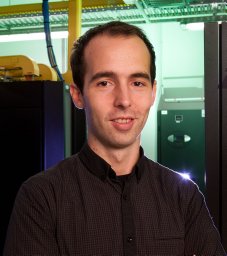 Petrovski Slavé合作论文数Ctr Human Genome Variat, Duke Univ13
 Wolking Stefan合作论文数Hertie Institute for Clinical Brain Research, University of Tübingen13Patrick Cossette合作论文数13
 Ingrid Scheffer合作论文数Department of Medicine, The University of Melbourne;Faculty of Medicine, Dentistry and Health Sciences, The University of Melbourne;Florey Institute of Neuroscience and Mental Health;Department of Neurology, Royal Children's Hospital Melbourne;Austin Health13Pauls Auce合作论文数12Smith Phil合作论文数12
 Gashirai Mbizvo合作论文数12
 David B. Goldstein合作论文数Actio BioSciences, Inc.;Praxis Precision Medicines, Inc.12




