The growing awareness of the environmental and economic consequences of fossil resource exploitation has intensified the search for renewable and sustainable alternatives. Among them, cellulose has emerged as a versatile and abundant biopolymer with applications in energy conversion, biofuels, batteries, optical devices, and advanced manufacturing technologies such as 3D and 4D printing. Although extensively studied, research on cellulose is rapidly evolving, focusing on challenges in processing, functionalization, and large-scale deployment. This review highlights recent advances in cellulose-based materials, emphasizing their mechanical, thermal, and optical properties, biodegradability, and contribution to the circular economy. Key challenges, including scalability, cost, and industrial feasibility, are critically assessed, alongside strategies to overcome them. The analysis suggests that cellulose can play a pivotal role in the transition to eco-friendly technologies, supporting sustainable development, climate action, and the replacement of petroleum-based materials. Finally, future research directions are outlined to enhance its integration into next-generation renewable and sustainable applications.
The valorization of lignocellulosic biomass represents a key strategy for the sustainable production of platform chemicals without food resources.. Amonf these, furfural is a pivotal C5 building block with applicationsin biofuels, fine chemicals, and pharmaceuticals. In this study, we report a direct and efficient conversion of raw wheat straw to furfural using a natural deep eutectic solvent (NaDES) under mild microwave-assisted conditions, without any preliminary biomass pretreatment.wheat straw to furfural using a natural deep eutectic solvent (NaDES) under mild microwave-assisted conditions, without any preliminary biomass pretreatment.A choline chloride/oxalic acid (1:1) NaDES enabled the selective transformation of the hemicellulosic fraction, affording furfural with >99% selectivity and no detectable HMF formation, as confirmed by GC–MS analysis. The process operates at low temperature (80 °C) and short reaction times, and allows straightforward product separation through cooling and centrifugation. Scale-up experiments demonstrated the robustness and reproducibility of the protocol, with furfural yields up to 20 wt% from untreated straw and 27 wt% from delignified biomass.Importantly, residual furfural remaining in the aqueous phase was further valorized in situ into bi-functionalized cyclopentenones, enabling complete utilization of the produced platform molecule and reinforcing the circular nature of the process. Overall, this work presents a NaDES-based platform for the selective C5 valorization of lignocellulosic biomass, combining process intensification, high selectivity, and circular economy principles.
This study describes an environmentally friendly and low-cost strategy to preserve the bioactivity of hydroxytyrosol, a phenolic molecule proposed for the enrichment of functional foods, characterized by a poor absorption and a rapid metabolism. The encapsulation of the natural compound within zein nanoparticles was employed to address these limitations, obtaining nanosystems with ∼100 nm diameter, a narrow size distribution, a negative zeta potential and a high entrapment efficiency. The formulations demonstrated to be stable after pasteurization and under ionic strength up to 100 mM NaCl, while FT-IR analysis showed hydrogen bonding as the key interaction driving zein-hydroxytyrosol association. Simulated gastrointestinal studies demonstrated that the nanocarriers protected hydroxytyrosol from degradation, while its antioxidant activity was preserved as confirmed by in vitro tests and ORAC assay. These results underline the potential of hydroxytyrosol-loaded zein nanoparticles as a versatile platform for nutraceutical applications and functional food fortification.
The classic drug synthesis methods applied by the pharmaceutical industry are a major source of toxic and environmentally harmful waste. Although the continuous search for increasingly effective drugs is essential, chemists and chemical engineers involved in production processes have a responsibility to adopt practices aligned with the principles of green chemistry. In this context, aquiline, a combination of choline chloride (ChCl) and water in a 1:3.33 molar ratio, representing one of the earliest examples of natural deep eutectic solvents (NADES) and water-in-salt (WiS) systems, is explored under different conditions as an environmental reaction medium for the synthesis of several 4-quinolone derivatives. These compounds represent key pharmacophores and essential intermediates in the development of various drugs. Notably, the same reaction system is crucial to obtain Ivacaftor, a commercially available drug for managing cystic fibrosis (CF).
Amide bond formation is a key transformation in organic synthesis, especially for the preparation of active pharmaceutical ingredients (APIs). In this work, we report the development of a bio-organocatalytic cascade, combining stereoselective transamination catalyzed by ω-transaminases (ω-TAs) in neat organic solvent and choline chloride (ChCl)-mediated direct amidation. This strategy enables the synthesis of chiral amides from prochiral carbonyl compounds and carboxylic acids under solvent-free microwave conditions. After optimizing the biocatalytic transamination in MTBE, we applied the method to the synthesis of key intermediates of Racecadotril and AVR-48, achieving full conversions and enantiomeric excess above 99%. The amidation step, promoted by ChCl without traditional activating agents, proved highly efficient for a wide range of aliphatic and aromatic carboxylic acids, affording the target amides in 60%-86% yields. Solvent evaporation after the transamination step was essential to remove interfering byproducts such as acetone, thus improving amidation yields. Overall, this integrated methodology provides a green, efficient, and scalable route to access amide-based building blocks in high optical purity, opening new avenues for sustainable pharmaceutical manufacturing.
Alzheimer's disease (AD) and neuroblastoma are distinct conditions that affect the nervous system. However, they share some molecular similarities, particularly concerning the amyloid precursor protein (APP) and related pathways. While previous studies have demonstrated a correlation between neurodegenerative diseases and various tumors, the causality and direction of their relationship remain unclear. Oleacein, one of the most abundant polyphenols in Extra Vergin Olive Oil (EVOO) may exert neuroprotective and/or antitumor effects. In this study, we explored the effects of the polyphenol oleacein, obtained by a simple and efficient sustainable semi-synthesis starting from natural oleuropein, on AD-related genes in SHSY5Y, a human neuroblastoma cell line, and in 3Tg-iAstro cells, immortalized astrocytes from the hippocampus of 3xTg-AD mice, to identify potential shared biological pathways.
The increasing market demand and rising costs of raw materials have intensified interest in renewable and sustainable sources. As a result, the production of building-block chemicals from natural products or synthetic feedstocks has driven scientific research toward catalytic strategies for the depolymerization of these materials. Polymer chemistry offers significant opportunities for recycling, as polymer synthesis typically begins with monomeric units. Emerging non-destructive techniques now allow for the recovery of these original reagents. This review summarizes recent advances in catalytic methods for the depolymerization of polymers derived from both natural sources, such as cellulose and lignin, and synthetic sources, including conventional plastics. The review is structured in three main sections: catalytic depolymerization of cellulose, lignin, and plastics. Special emphasis is placed on recent studies that explore innovative methodologies. The raw materials obtained through these processes can be reintegrated into production cycles, contributing to the development of a fully circular economy.
Cadmium (Cd), a carcinogenic component of tobacco, is a recognized risk factor for oral squamous cell carcinoma (OSCC). However, the molecular mechanisms underlying Cd-induced cytotoxicity in OSCC remain largely undefined. Here, we demonstrate that acute Cd exposure triggers ferroptosis in CAL27 OSCC cells derived from never-smokers, but not in SCC154 cells derived from smokers. Mechanistically, Cd outcompetes Fe, causing early iron depletion and activating the nuclear receptor coactivator 4 (NCOA4)-mediated ferritinophagy. This process enhances the labile iron pool, promotes mitochondrial reactive oxygen species (ROS) generation, lipid peroxidation, and ferroptotic cell death. Notably, iron supplementation rescues CAL27 cells from Cd-induced damage, while exacerbating iron deficiency through transferrin receptor CD71 silencing amplifies cytotoxicity. Conversely, OSCC cells from smokers exhibit resistance to Cd toxicity, likely due to the overexpression of metallothionein 2A (MT2A), a heavy metal detoxification protein. Collectively, this study provides the evidence that ferritinophagy may act as a critical upstream driver of Cd-induced ferroptosis in OSCC cells derived from never-smokers, paving the way for potential ferroptosis-targeted therapeutic strategies in Cd-associated malignancies.
Hazelnut cultivation is a strategic agricultural sector in Italy, with Calabria contributing through the native “Tonda Calabrese” cultivar, valued for its biodiversity. Despite its importance, data on the nutritional and compositional characteristics of this cultivar remain limited. In this study, hazelnuts from three different Calabrian producers were analyzed for morphological traits, proximate composition, and elemental content, using both conventional and non-destructive techniques such as CIELab color profiling and ATR-FTIR spectroscopy. The nuts showed high levels of essential micro-elements (Fe, Cu, Zn), aligning with previous findings on other cultivars, and showed no detectable pesticide residues, confirming their nutritional quality. Moreover, this study also aims to explore sustainable valorization strategies for hazelnut by-products, embracing circular economy principles in a “zero waste” approach, including oils and defatted flours. The extracted oils were evaluated for oxidative stability (peroxide value, p-anisidine, TOTOX index) and acidity, meeting Codex Alimentarius quality standards. The residual defatted flour was upcycled through eco-friendly methods, such as Ultrasound-Assisted Extraction (UAE) and Enzyme-Assisted Extraction (EAE), to isolate the polyphenol and protein fractions, respectively. Both extracts exhibited notable antioxidant activity (34.7–35.3 mmol Fe2+ eq/100 g and 64.3–82.2 mmol Fe2+ eq/100 g, respectively), suggesting their potential use as valuable ingredients for dietetic and nutraceutical applications.
In this paper, Krapcho's one-step decarbomethoxylation of oleuropein in DES is reported. Oleuropein used as reagent was extracted with water from olive leaves, widely available and inexpensive waste from the olive oil production chain. The reaction has been carried out in a series of ChCl-based DES of increasing acidity, with or without the addition of an amount of water, under microwave and conventional heating. The antioxidant power of the best reaction mixture, both in terms of biocompatibility of the medium and conversion of the starting material, was measured and compared with a natural phenolic mixture coming from EVOO. The reported results indicate that the formulation deriving by the Krapcho's one-step decarbomethoxylation of oleuropein in ChCl:Citric acid (1 : 1) DES can provide a ready-to-use “phenolic complex“ with oxygen scavenging power similar to a mixture of phenols extracted from an EVOO that meets the requirements of EFSA health claim.
Phenolic acids are contained in grape pomace, mostly in a conjugate form, and can be a natural source of building blocks if they are efficiently hydrolyzed and extracted from the natural matrix. In this study, a comparative study based on the spectrophotometric evaluation of total phenolic content, hydroxycinnamic acid content, and anthocyanin content was performed on different carboxylic-acid-based NADES with different heating sources. Moreover, a quali-quantitative characterization of the bioactive molecules extracted was performed using UHPLC-ESI-HRMS. We found that the nature of the acidic component of the DES was crucial in selecting the family of molecules to be extracted; ChCl/oxalic acid 1:1 NADES, when combined with MAE at 100 °C, is the best medium for the in situ hydrolysis and extraction of phenolic acids from grape pomace. The ORAC test performed on natural extracts with and without NADES revealed a role for NADES components in antioxidant activity against the ROS of extracted bioactive phenols.
Background: Honey is a beekeeping product with high nutritional value, considered a bio-indicator of environmental pollution. The aim of this study was to determine the mineral content in honey by analyzing toxic metals in accordance with EU regulations and evaluating the intake of microelements through honey consumption. Methods: Honey samples of different floral origins were subjected to ICP-MS analysis for the determination of toxic metals and metalloids (Cd, Pb, As) as well as microelements (Cu, Zn, Se, Fe, Mn, Co, and Al). The data were considered significant for p-values < 0.05. Results: All analyzed minerals were detected above the limit of detection (LOD) in every sample. Among toxic metals, lead (Pb) levels exceeded the maximum residue limit (MRL) of 0.1 mg/kg, as established by EU Regulation 2023/915, in most samples. However, these levels corresponded to a small percentage of the Provisional Tolerable Weekly and Daily Intake. The concentrations of microelements significantly contributed to the Recommended Daily Allowance (RDA). Conclusions: This study documents the presence of toxic metals in the analyzed honey, with lead (Pb) levels exceeding the MRL. The microelement content provides adequate nutritional intake through honey consumption. Therefore, studying the mineral profile can be used to monitor environmental pollution in the areas where the apiaries are located and to assess the safety of honey.
Polyphenols have garnered significant interest because of their potential health benefits, but their bioavailability is limited. According to recent studies, in vivo metabolites of phenol compounds may mediate their biological activity, potentially countering systemic oxidation and inflammation and therefore reducing multi-organ dysfunction associated with gut microbiota alterations. This pre-clinical study aims to characterize a novel formulation, enhancing metabolite bioavailability, ensuring long-term stability, and employing sustainable production methods. Our research provides the first evidence of the presence of these metabolites in the blood plasma of animals receiving different Bergamot polyphenols fraction (BPF) formulations. Male Sprague-Dawley were used throughout the study. The animals were subdivided into three groups of six animals each receiving 50 mg/kg of BPF standard (BPF), 50 mg/kg of Bergamot polyphenols fraction micronized (BPFmicro), and 50 mg/kgof Bergamot polyphenols fraction encapsulation (BPFencap), respectively, by oral gavage. Blood samples were collected, and plasma was prepared with a specific protocol and analysed for the presence of primary and secondary metabolites through ultra-high performance liquid chromatography-tandem mass spectrometry (UHPLC-MS/MS). UHPLC-MS/MS analysis showed significantly higher plasma concentrations of naringin and its metabolites in the BPFencap group compared to the BPF standard and BPFmicro groups at all time points. In comparison to BPF, plasma Area Under Curve (AUC) analysis of metabolites revealed substantially elevated values for the BPFencap group and substantially reduced values for the BPFmicro group. While BPFmicro greatly increased bioavailability, the improvement was only temporary, highlighting a stability problem. The bioavailability and stability of metabolites are significantly improved over time by the new BPFencap formulation (micronized BPF in hybrid phospholipid systems with citrus albedo fibers).
Aging is frequently characterized by an inadequate primary vaccine response, likely due to immunosenescence and inflamm-aging, a low-level, chronic inflammatory state. Both aspects increase the susceptibility of older adults to viral and bacterial infections, resulting in a higher frequency and severity of infectious diseases. In this preliminary study, a cohort of 52 individuals was recruited and divided into two groups: young (age range 21–35) and older adults (> 60 years old). Peripheral blood mononuclear cells (PBMCs) were collected before (time 0, T0) and after (time 1, T1) the immunization with a tetravalent influenza vaccine. Then, T cell immunophenotyping analysis was conducted to investigate how aging and influenza vaccination influence T cell responses. Additionally, the anti-inflammatory and antioxidant effects of oleuropein (OLE), a secoiridoid extracted from extra virgin olive oil, alone or in combination with BIRB 796, a potent inhibitor of p38 MAPK, were explored to enhancing the impact of influenza virus on T cell activation, aiming to identify potential alternatives or complementary strategies to improve traditional flu-vaccine formulations. Statistically significant observations were noted for a decrement in CD8 + T naïve and an increase of effector memory between the young and older adults after flu-vaccination. Moreover, preliminary findings indicate anti-inflammatory and antioxidant properties of OLE and BIRB 796 on T cell responses, particularly regarding Reactive Oxygen Species/Reactive Nitrogen Species modulation, with a trend toward the decrease of pro-inflammatory cytokines (i.e., Interferon-γ (INF-γ), Tumor Necrosis Factor-α (TNF-α)), αalthough without statistical significance.
An integrated system of three membrane bioreactors (MBRs) has been developed that cascades three different enzymatic reactions. The integrated system was applied to produce hydroxytyrosol acetate from oleuropein extracted from olive leaves. Different reactor configurations for each reaction were tested and individually optimized to select the MBR to ensure high conversion and continuous production of oleuropein aglycone (OA), hydroxytyrosol (HY) and hydroxytyrosol acetate (HA). Based on this study, the most performing configuration of the integrated system was identified. In the first reaction, oleuropein was converted to OA using a biocatalytic membrane reactor (BMR) with immobilized β-glucosidase in polymeric membranes (conversion 95 %). The OA was then fed to another BMR, where it was converted to HY (conversion: 70 %) by an immobilized mutant of the promiscuous hydrolase/acyltransferase (PestE) (from the thermophilic archaeon Pyrobaculum calidifontis VA1). The HY produced was then acetylated using PestE immobilized on magnetic nanoparticles in a multiphase MBR (conversion: 98 %) and simultaneously extracted (extraction: 98 %) in ethyl acetate. The work demonstrates that continuous cascade enzymatic reactions can be engineered using artificial membranes to tailor enzyme compartmentalization, mass transport and phase contact according to reaction requirements. Besides, environmental factors proved the sustainability of the integrated membrane bioreactive system.
In this scientific work, a novel and green method for selective lipophilization of EVOO's bioactive phenolic alcohols (PAs), namely, tyrosol, hydroxytyrosol, and its metabolite homovanillyl alcohol as fatty acid esters, is elucidated. The PAs have been employed as hydrogen bond donors in the formation of natural deep eutectic solvents (NADES) with choline chloride (ChCl). The fast and cheap esterification method by in situ formation of choline chloride-based deep eutectic solvents promotes the derivatization of PAs with various fatty acids as acylating agents in the absence of organic solvents and catalysts. Furthermore, given the growing interest in the application of NADES formed by bioactive molecules in the pharmacological and cosmetic fields, we analyzed the activity of antioxidant enzymes, superoxide dismutase, and glutathione S-transferase of three chemical formulations obtained after the formation of PA-oleate in the H2O2-treated HaCat human keratinocytes cell line, assessing also their toxicity via the MTT assay.
Given the recent research on the application of eco-sustainable methods in organic chemistry, we have focused our attention on the derivatization processes for fundamental functional groups in organic chemistry, such as amino, hydroxyl and carbonyl groups. Protection reactions are needed to temporarily block a certain reactive site on a molecule. The use of green solvents in this context has made an excellent contribution to the development of eco-sustainable methods. In recent years, deep eutectic solvents (DESs) have had great success as a new class of green solvents used in various chemical applications, such as extraction or synthetic processes. These solvents are biodegradable and nontoxic. In this framework, a list of relevant works found in the literature is described, considering DESs to be a good alternative to classic toxic solvents in the protection reactions of important functional groups.
Background Previous studies have shown that functional systemic immunity is required for the efficacy of PD-1/PD-L1 blockade immunotherapies in cancer. Hence, systemic reprogramming of immunosuppressive dysfunctional myeloid cells could overcome resistance to cancer immunotherapy. Methods Reprogramming of tumour-associated myeloid cells with oleuropein was studied by quantitative differential proteomics, phenotypic and functional assays in mice and lung cancer patients. Combinations of oleuropein and two different delivery methods of anti-PD-1 antibodies were tested in colorectal cancer tumour models and in immunotherapy-resistant lung cancer models. Results Oleuropein treatment reprogrammed monocytic and granulocytic myeloid-derived suppressor cells, and tumour-associated macrophages towards differentiation of immunostimulatory subsets. Oleuropein regulated major differentiation programmes associated to immune modulation in myeloid cells, which potentiated T cell responses and PD-1 blockade. PD-1 antibodies were delivered by two different strategies, either systemically or expressed within tumours using a self-amplifying RNA vector. Combination anti-PD-1 therapies with oleuropein increased tumour infiltration by immunostimulatory dendritic cells in draining lymph nodes, leading to systemic antitumour T cell responses. Potent therapeutic activities were achieved in colon cancer and lung cancer models resistant to immunotherapies, even leading to complete tumour regression. Discussion Oleuropein significantly improves the outcome of PD-1/PD-L1 blockade immunotherapy strategies by reprogramming myeloid cells.
Background: Gliadins have aroused significant interest in the last decade as suitable biomaterials for food and pharmaceutical applications. In particular, the oral route is the preferred method of administration for gliadin-based formulations, due to the affinity of this biomaterial for the gut mucosa. However, up to now, this has been demonstrated only by means of in vivo or ex vivo studies. Methods: This is why, in this study, various in vitro techniques were employed in order to evaluate the ability of polymeric nanoparticles, made up of a commercial grade of the protein and an etheric surfactant, to interact with porcine gastric mucin. The nanosystems were also used for the encapsulation of thiamine hydrochloride, used as a model of a micronutrient. Results: The resulting systems were characterized by a mean diameter of ~160–170 nm, a narrow size distribution when 0.2–0.6 mg/mL of thiamine was used, and an encapsulation efficiency between 30 and 45% of the drug initially employed. The incubation of the gliadin nanosystems with various concentrations of porcine gastric mucin evidenced the ability of the carriers to interact with the mucus glycoprotein, showing a decreased Zeta potential after a 4 h incubation (from ~−30 to −40 mV), while demonstrating that the encapsulation of the drug did not affect its bioadhesive features. Conclusions: Altogether, these data support the conceivable application of gliadin nanoparticles as formulations for the oral administration of bioactive compounds.
The beneficial properties of extra virgin olive oil (EVOO) on lipids blood levels were recognized by the European Food Safety Authority (EFSA) with a health claim, specifically referring to EVOOs containing at least 5 mg of hydroxytyrosol and its secoiridoids derivatives per 20 g of oil. The main purpose of the work was to characterize the phenolic profile of two commercially available Calabrian monovarietal EVOOs (Nocellara del Belice, VN; Dolce di Rossano, VDR), and to study the effect of one-year storage on secoiridoids composition, by monthly controls. A new UHPLC-ESI-HRMS method was developed and validated, thus facilitating the EFSA claim application and allowing producers to valorize their products. Seven biologically active compounds were chosen: tyrosol, hydroxytyrosol, oleocanthal, oleacein, oleuropein aglycone, verbascoside, and oleuropein. LODs and LOQs were 0.001–0.02 mg g−1 and 0.002–0.08 mg g−1, respectively. The variation coefficients were ≤20% and the percentage of recovery was between 89–109%. During the 12-month storage period, the concentration of selected compounds ranged between 1258.78–1478.91 mg Kg−1 for VN, and 1408.22–2071.45 mg Kg−1 for VDR, with a decrease of 15% and 32% respectively. The method allows an accurate quantification of EVOO phenols thus being useful to certify the nutraceutical properties of olive oil.
 Monica Nardi合作论文数102Manuela Oliverio合作论文数Dipartimento Farmaco-Biologico, Università degli Studi della Magna Grascia Complesso Ninì Barbieri81
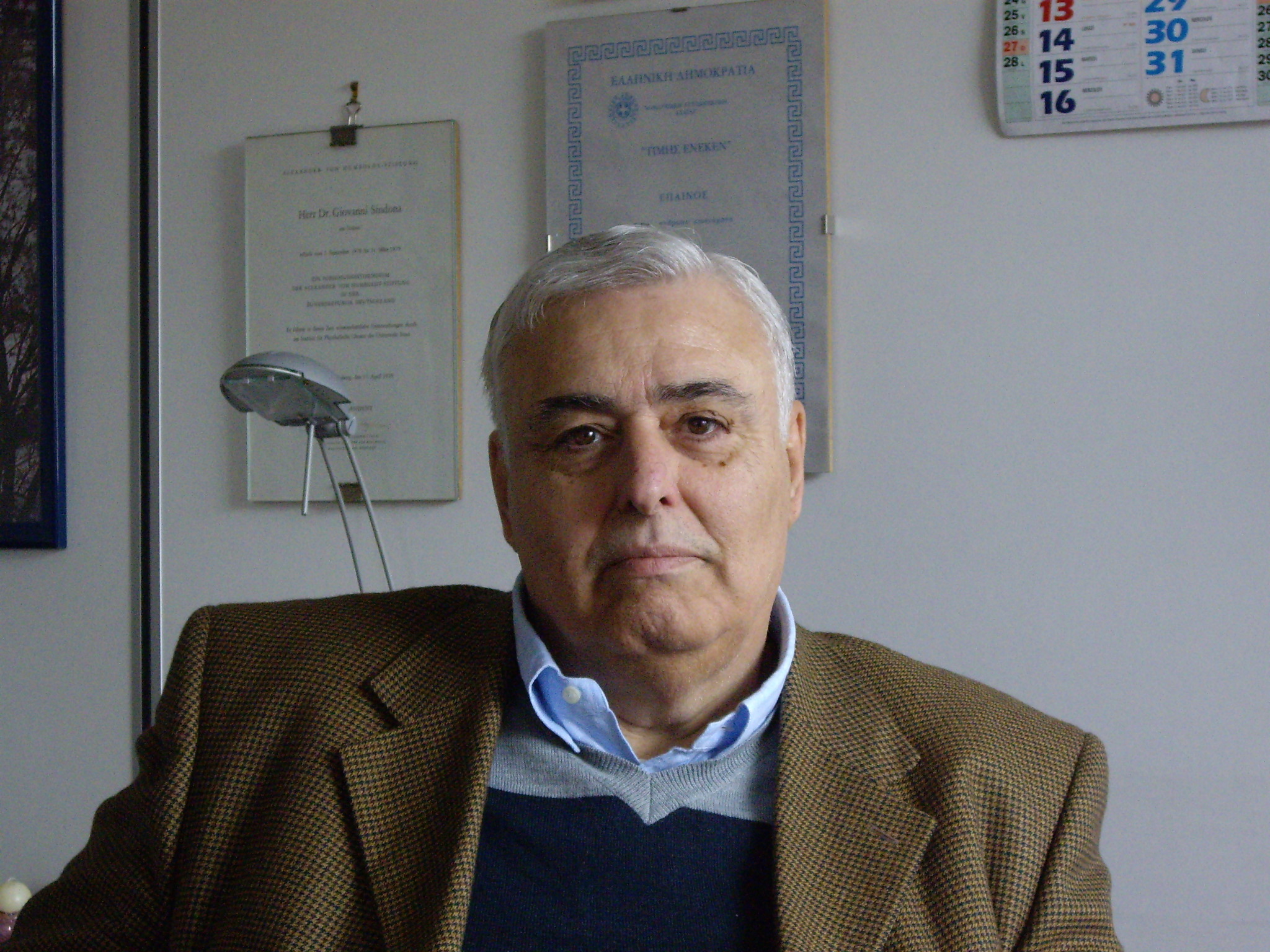 Giovanni Sindona合作论文数Organic Chemistry at the University of Calabria50
 Loredana Maiuolo合作论文数Dipartimento di Chimica, Università della Calabria50
 Renato Dalpozzo合作论文数Dipartimento di Chimica e Tecnologie Chimiche, Universita della Calabria42A De Nino合作论文数38
 Paola Costanzo合作论文数31Bonacci Sonia合作论文数26Antonio De Nino合作论文数Dipartimento di Chimica, Università della Calabria25Antonio Tagarelli合作论文数Computer and System Sciences (D.E.I.S.) ;Department of Electronics;University of Calabria16
 Luisa di合作论文数16Giuseppe Bartoli合作论文数15
 Beatrice Russo合作论文数Dipartimento di Chimica, Università della Calabria15
 Domenico Britti合作论文数Department of Veterinary Medicine and Pharmacology, University of Messina10Rosina Paonessa合作论文数10A. LIGUORI合作论文数9
 Fabrizio Olivito合作论文数9
 Roberto Romeo合作论文数9
 Alfonso Catalano合作论文数8Marialaura Frisina合作论文数7Giuseppina De Luca合作论文数7Herrera Cano Natividad合作论文数7
 Fabiola Olivieri合作论文数Sezione di Patologia Sperimentale, Dipartimento di Scienze Cliniche e Molecolari, Universita Politecnica Delle Marche7
 Antonio Rescifina合作论文数Dipartimento di Scienze Chimiche, Università di Catania7
 Massimo Fresta合作论文数Department of Health Sciences, Faculty of Pharmacy, University Magna Græcia of Catanzaro7Diego Russo合作论文数Department of Pharmacobiological Sciences, University “Magna Græcia” of Catanzaro7
 Marco Gaspari合作论文数Dipartimento Farmaco-Biologico, Università degli Studi della Magna Grascia Complesso Ninì Barbieri7
 Antonella Leggio合作论文数7
 Stefania Bulotta合作论文数7C. Siciliano合作论文数6Giovanna Cupone合作论文数6
 Francesco Ortuso合作论文数Dipartimento di Scienze Farmacobiologiche, Università di Catanzaro “Magna Græcia”,6
 Alcaro Stefano合作论文数Dipartimento di Scienze della Salute, Facoltà di Farmacia, Università Magna Graecia di Catanzaro6
 Giancarlo Cravotto合作论文数Department of Drug Science and Technology, University of Turin6
 Giovanni Romeo合作论文数Universita di Bologna6
 Donato Cosco合作论文数Department of Pharmacobiological Sciences, University “Magna Græcia” of Catanzaro6Marilena Celano合作论文数6P. Costanzo合作论文数5S Bonacci合作论文数5
 Carmela Colica合作论文数5
 Valeria Maria Morittu合作论文数5
 Nicola Uccella合作论文数Dipartimento di Chimica, Università5
 Raffaella Lazzarini合作论文数Carpigiani Group, Anzola Emilia, Bologna, Italy5Ugo Chiacchio合作论文数Dipartimento di Scienze Chimiche, Università5
 Enzo Perri合作论文数5Jessica Maiuolo合作论文数5A Denino合作论文数4Giuseppina Candore合作论文数4A Napoli合作论文数4




