BACKGROUND:In low- and middle-income countries (LMICs), provisioning for surgical care is a public health priority. Ayushman Bharat Pradhan Mantri-Jan Aarogya Yojana (AB PM-JAY) is India's largest national insurance scheme providing free surgical and medical care. In this paper, we present the costs of surgical health benefit packages (HBPs) for secondary care in public district hospitals.METHODS:The costs were estimated using mixed (top-down and bottom-up) micro-costing methods. In phase II of the Costing of Health Services in India (CHSI) study, data were collected from a sample of 27 district hospitals from nine states of India. The district hospitals were selected using stratified random sampling based on the district's composite development score. We estimated unit costs for individual services-outpatient (OP) visit, per bed-day in inpatient (IP) and intensive care unit (ICU) stays, and surgical procedures. Together, this was used to estimate the cost of 250 AB PM-JAY HBPs.RESULTS:At the current level of utilization, the mean cost per OP consultation varied from US$4.10 to US$2.60 among different surgical specialities. The mean unit cost per IP bed-day ranged from US$13.40 to US$35.60. For the ICU, the mean unit cost per bed-day was US$74. Further, the unit cost of HBPs varied from US$564 for bone tumour excision to US$49 for lid tear repair.CONCLUSIONS:Data on the cost of delivering surgical care at the level of district hospitals is of critical value for evidence-based policymaking, price-setting for surgical care and planning to strengthen the availability of high quality and cost-effective surgical care in district hospitals.
A health system is considered efficient when it provides maximum health gains to the population from the available resources. Newer drugs, diagnostics and treatment strategies aim to improve the health of the population, however, they come at an increased cost. Therefore, for an efficient health system, it needs to be decided if the extra cost being incurred is justified to achieve the extra health gains. In this regard, health technology assessment (HTA) helps to make evidence informed decisions by evaluating relative cost and benefits of the available interventions. Economic evidence generated by HTA can also be used in framing standard treatment guidelines (STGs) for high-cost cancer care. In multi-payer systems like India, the decisions regarding the clinical management of patients are taken based on the patients' ability to pay, which creates inequities in utilization of healthcare. Ayushman Bharat Pradhan Mantri Jan Aarogya Yojana (AB PM-JAY) offers an opportunity to ensure equity as it reduces financial barriers, besides having a potential to affect efficiency by including only cost-effective interventions in the benefit package. As a result, informed clinical decisions based upon HTA evidence can make cancer treatment more efficient, equitable and affordable for the patients.
A correction to this paper has been published: https://doi.org/10.1007/s40258-021-00645-5
Sir, I read the article on laboratory preparedness for SARS-CoV-2 testing in India published recently1, and want to put here a few points that may need attention of the authors. The article is useful to guide the ongoing and any future pandemic response for early containment. However, some more information provided below may be of great help in better understanding of the COVID transmission. The abstract section indicated that quarantined individuals were tested twice at days 0 and 14. From both abstract and result sections, it seemed that the testing of suspected cases and contact was conducted once, but it was not clearly mentioned. If repeat testing of these cases were conducted, the results should be reported. It is presumed that an asymptomatic suspect with a travel history, but tested negative for COVID-19 once during the symptomatic phase, will not necessarily exclude COVID-19 infection. Hence, these reports will validate the need for such repeat testing even for symptomatic group. The symptoms might have been due to a non-COVID aetiology, and there could be a possibility of the viral shedding in the later dates, which might be a factor for transmission. Among 1,369 individuals included for diagnostic evaluation based on the inclusion criteria, the details of travel history were not available in 106 individuals and of the rest 1,263 having the details of travel history, the details of 24 individuals were missing from the information provided (1,081 had documented foreign travel and 158 did not have pertinent overseas travel history, which accounts for a total of 1,239 individuals). As per the inclusion criteria, only close contacts of confirmed positive cases of COVID-19 infection were not supposed to have a history of overseas travel. The report also included 67 samples from 64 contacts leading to a little mismatch in the statistics. Since the article was intending to focus on the preparedness and networking of laboratories skilled enough to undertake viral diagnostics in the country in a health emergency; the authors did not emphasize upon the transmissibility issues during the symptomatic and asymptomatic periods of COVID-19 infection. I feel that reporting of the above information will be useful to delineate the natural history of this newly emerging public health threat. This also carries relevance in a setting, where the incubation period can range from 0 to 24 days, and there is a possibility of missing cases, which is evident from the recent World Health Organization (WHO) report of revision of caseload in Wuhan as per the Chinese authorities' information to the WHO234. The information on the natural history and transmission of the virus will also be helpful, which is also a research priority to meet the coronavirus disease 2019 challenges5.
Background & objectives: An outbreak of respiratory illness of unknown aetiology was reported from Hubei province of Wuhan, People's Republic of China, in December 2019. The outbreak was attributed to a novel coronavirus (CoV), named as severe acute respiratory syndrome (SARS)-CoV-2 and the disease as COVID-19. Within one month, cases were reported from 25 countries. In view of the novel viral strain with reported high morbidity, establishing early countrywide diagnosis to detect imported cases became critical. Here we describe the role of a countrywide network of VRDLs in early diagnosis of COVID-19. Methods: The Indian Council of Medical Research (ICMR)-National Institute of Virology (NIV), Pune, established screening as well as confirmatory assays for SARS-CoV-2. A total of 13 VRDLs were provided with the E gene screening real-time reverse transcription-polymerase chain reaction (rRT-PCR) assay. VRDLs were selected on the basis of their presence near an international airport/seaport and their past performance. The case definition for testing included all individuals with travel history to Wuhan and symptomatic individuals with travel history to other parts of China. This was later expanded to include symptomatic individuals returning from Singapore, Japan, Hong Kong, Thailand and South Korea. Results: Within a week of standardization of the test at NIV, all VRDLs could initiate testing for SARS-CoV-2. Till February 29, 2020, a total of 2,913 samples were tested. This included both 654 individuals quarantined in the two camps and others fitting within the case definition. The quarantined individuals were tested twice - at days 0 and 14. All tested negative on both occasions. Only three individuals belonging to different districts in Kerala were found to be positive. Interpretation & conclusions: Sudden emergence of SARS-CoV-2 and its potential to cause a pandemic posed an unsurmountable challenge to the public health system of India. However, concerted efforts of various arms of the Government of India resulted in a well-coordinated action at each level. India has successfully demonstrated its ability to establish quick diagnosis of SARS-CoV-2 at NIV, Pune, and the testing VRDLs.
Background & objectives: Nearly 5,500 tests for coronavirus disease 2019 (COVID-19) had been conducted on March 31, 2020 across the Indian Council of Medical Research (ICMR)-approved public and private laboratories in India. Given the need to rapidly increase testing coverage, we undertook an exercise to explore and quantify interventions to increase the daily real-time reverse transcription-polymerase chain reaction (qRT-PCR)-based testing capacity over the next few months. The objective of this exercise was to prepare a potential plan to scale-up COVID-19 testing in India in the public sector. Methods: Potential increase in daily testing capacity of the existing public laboratories was calculated across the three base scenarios of shifts (9, 16 and 24 h). Additional testing capacity was added for each shift scenario based on interventions ranging from procurement of additional qRT-PCR machines, leveraging spare capacity on available qRT-PCR machines not drafted into COVID-19 testing, to in-laboratory process optimization efforts. Results: Moving to a 24 h working model in the existing approved laboratories can enhance the daily testing capacity to 40,464 tests/day. The capacity can be further bolstered by leveraging qRT-PCR and nucleic acid amplification test (NAAT)-based machines available with the Multidisciplinary Research Units (MRUs), National AIDS Control Organisation (NACO) and National Tuberculosis Elimination Programme (NTEP). Using combination/multiplex kits, and provision of automated RNA extraction platforms at all laboratories could also optimize run time and contribute to capacity increase by 1.5-2 times. Interpretation & conclusions: Adopting these interventions could help increase public sector's daily testing capacity to nearly 100,000-120,000 tests/day. It is important to note that utilization of the scaled-up testing capacity will require deployment of additional workforce, procurement of corresponding commodities for testing and scale-up of sample collection and transportation efforts.
Background: In 2018, the Government of India launched Ayushman Bharat – Pradhan Mantri Jan Aarogya Yojana (AB - PMJAY), a large tax-funded health insurance scheme. Provider payment rates for the AB-PMJAY health benefit packages (HBPs) were determined through consultative process and review of existing publicly financed health insurance (PFHI) schemes. In this paper, we present findings of the Costing of Health Services in India (CHSI) study and the process of price revision in 2019. Methods: Reference costs were generated from first phase of CHSI study which sampled 11 tertiary public hospitals from 11 Indian states. Economic costs were estimated using mixed (top-down & bottom-up) micro-costing methods. Based on stakeholder consultations, the cost of HBPs were analysed with different combinations of fixed and variable costs. The HBP cost was compared with AB-PMJAY prices of 2018 and 2019 and the budgetary impact was estimated. Finding: Only 13% of the HBPs in 2018, were close to (± 10%) to the actual cost of providing care. More than one-third (42%) of the HBPs had price less than 50% of the cost. After revision of prices in 2019, the latter decreased to 20%. The evidence-informed revision of HBP prices is estimated to increase claims amount by 200 million (0·7%). Interpretation: Strategic purchasing and price-setting of HBPs require creation of systems of evidence generation on the cost of providing services. Further, research is recommended to develop a cost-function for unit cost estimation with changes in time, region, prices, skill-mix and other factors. Funding Department of Health Research. Funding Statement: The study is funded by Department of Health Research (DHR), Ministry of Health & Family Welfare, Government of India. Declaration of Interests: The authors declare no conflict of interest. Ethics Approval Statement: The present study was approved by the Institutional Ethics Committee (IEC) vide letter no. PGI/IEC/2018/00125A and Institutional Collaborative Committee (ICC) vide letter no. 79/30-Edu-13/111273 of Postgraduate Institute of Medical Education & Research, Chandigarh, India.
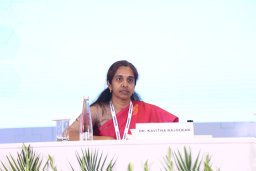 Kavitha Rajsekar合作论文数Ministry of Health and Family Welfare, Government of India4
 Praveen Gedam合作论文数4
 Shankar Prinja合作论文数School of Public Health, Post Graduate Institute of Medical Education and Research4Oshima Sachin合作论文数3
 Maninder Pal Singh合作论文数3Gangakhedkar Raman合作论文数3
 Gupta Nivedita合作论文数3Balram Bhargava合作论文数3
 Ap Sugunan合作论文数2Ambica Rangaiah合作论文数2K. Narayanasamy合作论文数2Raghunath Misra合作论文数2Jyotsna Naik合作论文数2Amit C Patel合作论文数2Ankita Panigrahy合作论文数2Jai Prakash Pankaj合作论文数2Sashi Bhusan Biswal合作论文数2Kusum Lata Gaur合作论文数2Dharmesh Kumar Sharma合作论文数2Disha Patel合作论文数2Sharminder Kaur合作论文数2Babita Fageria合作论文数2Pakalpati Sunita合作论文数2Jayaswamy Manjunatha合作论文数2
 Rakesh Bahl合作论文数2
 Sanjay Kumar合作论文数2
 Ajanta Sharma合作论文数2Hasina Banu合作论文数2Manish Pathak合作论文数2Sharmila Raut合作论文数2
 Neetu Vijay合作论文数Virology Unit, Indian Council of Medical Research2Neeraj Aggarwal合作论文数V. Ramalingaswami Bhawan, Indian Council of Medical Research2
 Megha Brijwal合作论文数Department of Microbiology, All India Institute of Medical Sciences2Amita Jain合作论文数2
 Amit Sachdeva合作论文数School of Electronics and Electrical Engineering, Lovely Professional University2
 Jitendra Narayan合作论文数Virology Unit, Indian Council of Medical Research2
 Choudhary Manohar L合作论文数Genome Valley, Bharat Biotech Foundation2
 Chitra Annamalai合作论文数Sch. of Electr. Eng., VIT Univ.;c2Kaveri Krishnasamy合作论文数2
 Avijit Hazra合作论文数Dept Pharmacol, Postgrad Inst Med Educ & Res2
 Harmanmeet Kaur合作论文数Nanomaterials Synthesis &Characterization Laboratory, Department of Bio &Nano Technology, Guru Jambheshwar University of Science &Technology;Nanomaterials Synthesis & Characterization Laboratory, Guru Jambheshwar University of Science & Technology2
 Sapkal Gajanan N合作论文数National Institute of Virology2Himanshu Sharma合作论文数2
 Bharti Malhotra合作论文数Dept. of Microbiology, Central JALMA Institute of Leprosy2Shastri Jayanthi S合作论文数Topiwala National Medical College;B. Y. L. Nair Charitable Hospital;Topiwala National Medical College & B. Y. L. Nair Charitable Hospital2
 Aashish Choudhary合作论文数2
 Praharaj Ira合作论文数Division of Gastrointestinal Sciences, Christian Medical College2
 Anukumar Balakrishnan合作论文数National Institute of Virology2Gb Shantala合作论文数2




