We investigated the association between sleep health and HIV care and prevention outcomes among transgender women of color (TWOC). We used data from TWOC living in New York City collected from 2020 to 2022. Our exposures of interest were short sleep (sleeping for less than seven hours per night), poor-quality sleep (self-rated quality of sleep as “very bad” or “fairly bad”), and long sleep onset latency (taking at least 30 min to fall asleep). We asked participants about their HIV care and prevention outcomes, including HIV/STI testing, condom use, PrEP use, and HIV viral load suppression. We used Targeted Maximum Likelihood Estimation to estimate the association between sleep and these outcomes and included age, education, income, US-born nativity, and hormone replacement therapy use as potential confounders. Among the 314 participants, 54.5
Purpose:This study aims to characterize demographic characteristics of transgender and nonbinary (trans) medical students and their training experiences. Methods:We conducted cross-sectional analyses of responses to the Association of American Medical Colleges Graduation Questionnaire (2016-2023) to characterize trans medical students using measures of race, ethnicity, age, and medical school region; assess overall satisfaction with medical training; and evaluate time to graduation, all compared to cisgender peers. Results:Among 121,291 respondents who completed gender identity items, 837 (0.7%) were trans. After adjustment, trans graduates were more likely to be unsatisfied with their education (adjusted odds ratio [aOR]: 2.64, 95% confidence interval [CI]: 2.08, 3.29, p < 0.001) and more likely to take greater than 4 years to complete medical school (aOR: 1.55, 95% CI: 1.32, 1.82, p < 0.001). Conclusion:With higher odds of being unsatisfied with their education, additional research must identify and develop interventions to improve their training experience.
House-ball scenes around the world have historically been a community for queer people to form chosen families and social networks and be exposed to community health campaigns. We investigated the impact of house-ball participation on HIV care and prevention outcomes among transgender women of color (TWOC) living in New York City. We asked 178 participants who identified as TWOC about their participation in the house-ball scene (never, former, current), and we asked them about their status-neutral HIV care and prevention outcomes, including HIV/STI testing, condom use, PrEP use, and HIV viral load suppression. We used Targeted Maximum Likelihood Estimation (TMLE) to estimate the adjusted relative risk of house-ball participation on these baseline outcomes; we included age, education, and US-born nativity as potential confounders. Among TWOC living with HIV (n = 94; 52.8 %), we found a positive effect of current participation in the house-ball scene on past six-month STI testing compared to never participation (Relative Risk: 1.20, 95 % CI: [1.07, 1.34]). Among TWOC not living with HIV (n = 84; 45.2 %), we found a positive effect of current participation in the house-ball scene on past six-month HIV testing (Relative Risk: 1.27, 95 % CI: [1.11, 1.44]). We found that those who formerly participated in the house-ball scene were less likely to currently use PrEP compared to those who never participated (Relative Risk: 0.44, 95 % CI: [0.23, 0.88]). Community, network connections, and exposure to health campaigns within the house-ball scene may enable and motivate individuals to achieve better HIV care and prevention outcomes.
PURPOSE:The objective of this study was to evaluate cross-sectional and longitudinal associations between contact with the criminal legal system (CCLS) and substance use among transgender women of color in New York City. METHODS:Data came from the Trying to Understand Relationships, Networks and Neighborhoods among Transgender Women of Color Study in New York City (2020-2023, analytic baseline n = 311). CCLS included arrest and incarceration and was measured at baseline, 6 months, and 12 months. Substance use included recreational substance use (any), alcohol use (any), and specific substance use (cannabis, cocaine, and methamphetamine). Generalized estimating equations were used to assess longitudinal associations between baseline CCLS and substance use over time. RESULTS:At baseline, 50.5% of participants reported having been arrested, and 28.0% reported experiencing incarceration. In multivariable analyses, CCLS was associated with substance use after controlling for confounders. In particular, at baseline, incarceration was associated with a 1.73 times (95% confidence interval: 1.06-2.81) likelihood of recreational substance use. We found no significant associations between CCLS and alcohol or specific substance use. CONCLUSION:The findings suggest that CCLS was associated with recreational substance use among transgender women of color at baseline. Substance use prevention and treatment programs should consider screening for substance use during reentry after incarceration and providing additional support for individuals with criminal legal system involvement.
Pre-exposure prophylaxis (PrEP) is a medication that significantly reduces the risk of HIV infection when taken as prescribed, however, less than 36
HIV infection with low CD4 count is a known risk factor for severe clinical outcomes in patients with mpox in the current global mpox outbreak. However, it is unclear how a low CD4 in addition to other clinical factors, such as viremia or co-infection with other sexually transmitted infections (STIs), serve as predictors of mpox severity. We sought to assess the risk of mpox-related hospitalization in patients with HIV, examining CD4, viral load (VL), antiretroviral treatment (ART) prescription as a proxy of adherence, and STI co-infection in people diagnosed with mpox in New York City (NYC).Table 1.Demographics and Clinical Characteristics of Patients with HIV and Mpox Receiving Tecovirimat in NYC by Hospitalization Status (N=395)Table 2.Relative Risk of Hospitalization in People with HIV and Mpox Receiving Tecovirimat in NYC We analyzed retrospective deidentified data from 8 NYC healthcare systems for patients with mpox and HIV initiating tecovirimat, an antiviral used for severe mpox, from May–December 2022. We used descriptive statistics to assess demographic and clinical characteristics of patients who were hospitalized. We used multivariable Poisson regression with robust standard errors to examine factors associated with hospitalization, adjusting for potential confounders. Of 395 patients with HIV and mpox who initiated tecovirimat, 17.72% (N=70) were hospitalized. Demographics, CD4, VL and ART prescription data are summarized in Table 1. Hospitalized patients were more likely to be non-Hispanic Black, have concurrent herpes or syphilis diagnoses, HIV viremia (HIV RNA >=200copies/mL) or CD4 < 200 cells/mm3. Multivariable models (Table 2) show patients who were non-Hispanic Black (aRR=2.14), who newly initiated or restarted ART at the time of mpox diagnosis (aRR=2.81), who had CD4 50-200 cells/mm3 (aRR=1.97), or had syphilis (aRR=1.71) were at higher risk of hospitalization after adjusting for confounding variables. In this diverse NYC cohort across multiple health systems, our findings highlight the importance of addressing structural racism as well as co-management of HIV and other STIs alongside acute mpox infection. Limitations of our analysis include lack of data on mpox vaccination status, few patients with CD4 < 50, and use of ART prescription as an imperfect proxy for ART adherence. Ofole Mgbako, MD, MS, Gilead Sciences: Advisor/Consultant Robert Pitts, MD MPH, Gilead Inc: Advisor/Consultant|ViiV: Advisor/Consultant
Purpose: Experiences with the criminal legal system can increase the risk of HIV transmission and disrupt linkage to HIV care and prevention. This study quantified the association between criminal legal system involvement and HIV outcomes among transgender women of color (TWOC).Methods: We conducted a cross-sectional analysis using first-wave data from the Trying to Understand Relationships, Networks, and Neighborhoods Among Transgender Women of Color Cohort Study (n = 314). We investigated the association between measures of criminal legal system involvement (history of arrest and history of incarceration) and HIV care and prevention outcomes (serostatus, testing, condom use, pre-exposure prophylaxis use, and viral load suppression) among TWOC living in New York City from August 2020 to November 2022. We used modified Poisson regression models to calculate the adjusted prevalence ratios.Results: Among our cohort of TWOC, 50% had previously been arrested and 28% had previously been incarcerated. Half of the participants were living with HIV. History of incarceration was positively associated with living with HIV. Among those living with HIV, a history of incarceration was associated with an increased risk of having a detectable HIV viral load.Conclusions: Among TWOC in our study, criminal legal system involvement was significantly associated with HIV seropositivity and having a detectable viral load among those living with HIV. These findings highlight the negative health implications of the criminal legal system for a socially oppressed population and can potentially inform future directions to challenge policing practices that disproportionately target TWOC.
Medical mistrust as a construct often places the onus of blame for adverse health outcomes on individuals rather than on social structures. In this study, we aimed to determine if medical mistreatment and access to transgender care were potential determinants of medical mistrust. We used longitudinal survey data from 193 transgender women of colour living in New York City. We measured medical mistrust using the Group-Based Medical Mistrust (GBMM) scale. Additionally, we analysed and coded open-ended survey data from participants regarding their trust towards medical institutions to identify potential determinants of medical mistrust. From the quantitative analysis, we found that individuals who experienced mistreatment in healthcare and those who reported poor access to transgender care had higher GBMM scores. Qualitative findings suggested that negative experiences within the healthcare system and historical trauma were key factors contributing to mistrust in medical institutions. Addressing medical mistrust should not occur at the individual level, but rather at the structural level. Potential interventions include improving access to gender affirming care and training health professionals.
Men who have sex with men (MSM) account for nearly 70% of new HIV infections annually. Although awareness of pre-exposure prophylaxis (PrEP) is growing, uptake remains low among young MSM. Peer navigators are well positioned to guide patients through PrEP care, provide psychosocial support, build trust, and demystify PrEP. Given strong evidence to support mobile health (mHealth) apps for enhancing HIV prevention knowledge, our team created MyPEEPS Plus, a HIV prevention combination intervention of mHealth and an electronic peer (e-peer) navigation program. In this article, we describe development of a remote intervention that incorporates evidence-based strategies including: HIV Incidence Risk Index for Men Who Have Sex With Men (HIRI-MSM); open-ended questions, affirmations, reflective listening, and summarizing (OARS); shared decision making approach; the PrEP Readiness Assessment (PRA); and motivational interviewing (MI) for use in an RCT. By combining digital education with personalized support, MyPEEPS Plus is designed to empower youth and reduce barriers to PrEP initiation and persistence.
Gender-inclusive and gender-specific approaches are critically needed in cancer control continuum services to recognize and meet the needs of transgender and nonbinary (trans) populations. Current research, programs, and policies largely cater to cisgender populations and subscribe to a binary, gendered cisnormative ideology, both within health care systems and insurance policies, leaving trans people's cancer prevention and treatment needs neglected. Such disparities can be attributed to the significant gap in funding and research to address trans cancer prevention and treatment. We discuss the research, program, and policy implications of cisnormative practices and provide recommendations for promoting gender-inclusive and specific services across the cancer control continuum with the goal of eliminating cancer disparities and improving cancer outcomes for people of all gender groups, including trans populations.
MyPEEPS Mobile is a mHealth tool that focuses on important psychosocial and contextual factors related to HIV risk. It provides educational information about HIV and STIs, raises awareness about minority stress (e.g., due to sexual identity), and builds skills for condom use, emotion regulation, communication between participants and their family and potential partners, and negotiating interpersonal and substance-related risk. Our study team added content related to pre-exposure prophylaxis and updated the mobile app. Following the content updates, we conducted a rigorous usability assessment composed of a heuristic evaluation and end-user testing. Overall, our study findings informed revisions to the app to improve usability. There were some issues which we were unable to implement such as including a dark mode setting and a progress bar within each activity, and for the whole app.
Introduction: Pre-exposure prophylaxis (PrEP) use among transgender women in the U.S. has not reached levels optimal to change the trajectory of the HIV epidemic owing to multilevel barriers. Long-acting injectable PrEP received Food and Drug Administration approval in 2021 and may potentially address some of the barriers experienced in initiating and adhering to daily oral PrEP (e.g., pill fatigue, medication storage). However, preferences for long-acting injectable PrEP compared with daily oral PrEP have not been well studied among transgender women. Methods: The authors analyzed data collected from transgender women not living with HIV in eastern and southern U.S. in 2020-2022. Using multivariable Poisson regression with robust standard errors, the authors estimated prevalence ratios and 95% CIs for factors associated with preference for long-acting injectable PrEP. Results: The study sample (N=789) was racially and ethnically diverse, with 42.6% identifying as Black, Latina, and/or multiracial and 12% using daily oral PrEP. Fifty-eight percent preferred long-acting injectable PrEP to daily oral PrEP. In multivariable regression analyses, preference for long-acting injectable PrEP was associated with residence in Midwest (reference group=Northeast, adjusted prevalence ratio=1.33; 95% CI=1.10, 1.60), current PrEP indications (adjusted prevalence ratio=1.14; 95% CI=1.01, 1.30), and history of gender-affirming hormone injection (adjusted prevalence ratio=1.36; 95% CI=1.18, 1.57). Conclusions: Transgender women may prefer long-acting injectable PrEP to daily oral PrEP, especially those with current PrEP indications and experience with gender-affirming hormone injections. Increasing availability and access to long-acting injectable PrEP may improve PrEP uptake in transgender women, particularly in combination with other interventions to reduce multilevel PrEP barriers. AJPM Focus 2025;4(2):100313. (c) 2025 The Author(s). Published by Elsevier Inc. This is an open access article under the CC BY-NC-ND license (http://creativecommons.org/licenses/by-nc-nd/4.0/).
Introduction: Transgender women of color (TWOC) face elevated rates of substance use, driven in part by intersecting systems of discrimination and structural inequities. Previous research has highlighted the connection between discrimination and substance use, but few studies have explored this relationship among TWOC. This study examines cross-sectional and longitudinal associations between perceived discrimination and substance use among TWOC in New York City.Methods: Data were drawn from the Trying to Understand Neighborhoods and Networks Among Transgender Women of Color Cohort Study, a prospective study of TWOC followed over 1 year (August 2020 to November 2022; analytic N = 293). Discrimination was measured using a modified Everyday Discrimination Scale and categorized as low, moderate, or high. Substance use outcomes, including recreational substance use and frequent alcohol use, were measured at baseline, 6 months, and 12 months. Associations were assessed using multivariable modified Poisson regression and generalized estimating equations, adjusting for covariates.Results: At baseline, 38.2% of participants reported moderate discrimination, and 25.3% reported high discrimination. Recreational substance use was reported by 34.8% at baseline, 19.1% at 6 months, and 22.6% at 12 months. Moderate and high discrimination were significantly associated with substance use at baseline (adjusted prevalence ratios [aPRs] = 1.75 and 1.77, respectively) and 12 months (aPRs = 3.14 and 3.06, respectively). In adjusted longitudinal models, both moderate (adjusted odds ratio [aOR] = 2.97) and high (aOR = 2.39) discrimination were associated with increased recreational substance use over time. No significant associations were observed with frequent alcohol use.Conclusion: Discrimination is associated with increased substance use among TWOC. Interventions are needed to address discrimination and its effects as a determinant of individual and public health.
Young transgender men (YTM) remain underserved by HIV prevention efforts. It is estimated that 3% of transgender men have an HIV diagnosis despite a rate of only 0.4% among the U.S. population, and young people account for more than half of new HIV diagnoses. We conducted in-depth interviews with a sample of participants who used MyPEEPS YTM to assess acceptability and perceived usefulness of the app. Qualitative analysis of the interviews was guided by the Unified Theory of Acceptance and Use of Technology and allowed us to identify app benefits including HIV prevention reinforcement and facilitation of conversations surrounding sexual health. Thematic findings highlight that MyPEEPS YTM functioned as a relational and affirming resource in settings where culturally competent care is often unavailable. For nursing, these insights provide actionable strategies to enhance clinical practice, enrich educational preparation, and advocate for policies that support equitable access to digital health interventions.
OBJECTIVES:We conducted cognitive interviews on a two-module PrEP training series developed by our study team to assess how clear, appropriate, and useful the videos are for gay, bisexual, and other men who have sex with men (collectively referred to as MSM) who are taking or interested in starting PrEP. METHODS:MSM aged 18-39 were recruited through convenience sampling to participate in cognitive interviews during which study staff screen-shared the PrEP training series and asked open-ended questions on the modules' script content, visuals and graphics, and audio. Audio recordings were transcribed and analyzed for common themes using a codebook guided by Fogg's Functional Triad, a theoretical framework which describes the persuasive functions of technology as a tool, media, and a social actor. RESULTS:Thirty participants completed cognitive interviews between November 2023 and January 2024. Common feedback included that the PrEP training videos were a useful tool for those who were either looking to start or continue PrEP use. Further, participants appreciated that the videos were inclusive of diverse populations who may benefit from PrEP, and noted that they should include important topics such as access to PrEP and plain language to improve comprehension of material. CONCLUSIONS:Our study applied Fogg's Functional Triad to identify ways in which our PrEP training series can facilitate PrEP uptake and adherence and allowed us to understand how this video series may be perceived prior to sharing it with the general public during our mChoice implementation study. PRACTICE IMPLICATIONS:The training series has the potential to promote shared decision making in a healthcare setting. Feedback collected during cognitive interviews demonstrates the need for clear and comprehensive PrEP educational tools made specifically for patients as well as the need for involvement of the priority intervention audience in the creation of the training materials prior to their release to the public.
Objectives. To examine how one's community connectedness may act as a source of resilience and promote HIV prevention and care behaviors among transgender women of color. Methods. We analyzed survey data from 313 transgender women of color living in New York City collected from August 2020 to November 2022. The Community Connectedness Scale asks participants about their baseline feelings of connection, feelings of inclusion, feelings of belonging, feelings of isolation, and feelings of being unlike in relation to the transgender community. The HIV prevention and care outcomes of interest were measured at 6-month follow-up and included consistent condom usage, recent testing for sexually transmitted infections (STIs), current preexposure prophylaxis use, and HIV viral load suppression. Results. Those with a high (compared to low) community connectedness were 62% more likely to consistently use condoms and 16% more likely to test for STIs. Conclusions. Community connectedness was associated with a greater likelihood of HIV prevention behaviors. Public Health Implications. Future interventions could include strategies to strengthen community connectedness to improve HIV status neutral care continuums. (Am J Public Health. 2025;115(10):1631-1641. https://doi.org/10.2105/AJPH.2025.308144)
BACKGROUND:Definitions of virological failure and treatment discontinuation for long-acting injectable (LAI) cabotegravir and rilpivirine antiretroviral therapy are inconsistent in clinical practice and observational studies, which complicates interpretation and implementation of findings. The CONSENSUS-LAI study aimed to establish consistent definitions of virological failure and treatment discontinuation to enhance evidence transferability and support optimal clinical outcomes. METHODS:The study had two phases. Phase 1 was an international online survey exploring existing definitions of virological and treatment discontinuation, conducted between April 25 and July 1, 2024. Eligible participants were health-care professionals working in infectious disease or sexual health services who had provided care to at least ten people living with HIV in the past 6 months, had prescribed LAI cabotegravir and rilpivirine in clinical trials or clinical practice, and were able to give informed consent. Participants were recruited via social media and mailing lists of medical specialist societies. Phase 2 was a Delphi process, in which a panel of experts, selected to ensure representation from all six WHO regions, scored leading definitions from phase 1 on a 9-point Likert scale. The proposed definitions were scored according to four validity criteria: clarity, usability in the expert's setting, appropriateness across clinical purposes, and applicability across relevant population groups. Revisions were suggested in iterative rounds until consensus was reached. Consensus was predefined as at least 75% of experts agreeing or strongly agreeing (scores 7-9) with the validity criteria. FINDINGS:386 LAI cabotegravir and rilpivirine prescribers across 28 countries completed the survey, revealing 15 definitions for virological failure on LAI cabotegravir and rilpivirine and nine for treatment discontinuation. 52 experts participated in the Delphi process. Consensus agreement on both definitions was reached after two rounds for all validity criteria. For virological failure, the consensus definition was as follows: (a) viral load 200 copies or more per mL or more on two occasions 2-4 weeks apart, or (b) a single viral load of more than 1000 copies per mL, and/or (c) emergent resistance, in the context of timely injections and prior suppression of less than 200 copies per mL, OR (d) unable to suppress viral load to less than 200 copies per mL on continuous therapy. For treatment discontinuation the consensus definition was as follows: people on LAI cabotegravir and rilpivirine who have missed two consecutive injections and have not taken oral bridging in the interim, irrespective of reason for discontinuation. INTERPRETATION:The consensus definitions provide a foundation for aligning practice and evaluating patient outcomes. Further validation of the viral load threshold for virological failure and the optimal viral load retesting window is required. FUNDING:ViiV Healthcare.
Transgender youth in the U.S. have unique health needs but often face barriers to accessing and receiving health care services, which contribute to disparate health outcomes including high risk for HIV acquisition. This article reports on a pilot randomized clinical trial of MyPEEPS Mobile for young transgender men (YTM) versus delayed intervention on condomless receptive anal and vaginal acts at 3 and 6 months after baseline. Participants rated the app as highly usable. Retention rates at 3 and 6 months were 89%. There were lower rates of condomless anal or vaginal sex acts during the intervention periods, but this reduction was not significantly different versus nonintervention periods. There was a higher likelihood of nPEP and PrEP use and HIV/STI testing during intervention periods, but this increase was not significantly different than nonintervention periods. Findings from the study support the feasibility of MyPEEPS Mobile for HIV prevention in YTM.
This exploratory study investigated the impact of the COVID-19 pandemic on stress biomarkers and allostatic load for Black and Latina transgender women living with HIV (BLTWLH), as well as COVID-19 infection, hospitalization, and vaccination status. LITE Plus is a longitudinal cohort study of BLTWLH designed to identify pathways linking biopsychosocial stress to HIV comorbidities. Participants were enrolled between October 2019 and June 2022. Descriptive statistics compared stress biomarkers and allostatic load index (ALI) scores pre- (to March 2020) and postonset pandemic onset (January 2021-December 2022). Frequencies and proportions are reported for COVID-19 indicators. Of the cohort, 26 BLTWLH completed study visits both pre- and postonset pandemic onset ("preonset"; "postonset"). Postonset, chronic stress biomarkers were elevated across all body systems. Sample ALI distribution shifted postonset, with elevated mean, median, interquartile range, and proportion above the median. Of the 108 participants who completed any postonset visits, 19% had ever tested positive for COVID-19% and 4% reported a COVID-19-related hospitalization. COVID-19 vaccination uptake was 70%, and 24% had received a booster. Of those unvaccinated, 15% intended to be vaccinated, 9% were unsure, and 6% did not intend to be vaccinated. BLTWLH deployed various strategies to cope with pandemic effects and 22% reported unmet COVID-19-related support needs. ALI for BLTWLH was high compared to other populations in the literature, suggesting unique vulnerabilities to biopsychosocial stress and chronic disease risk. Despite high engagement with COVID-19 prevention including vaccination intention and uptake, BLTWLH experienced heavy COVID-19 burden and unmet support needs.
Objective Despite increasing incidence of genital gender-affirming surgery (GGAS), there is no systematic method of evaluating patient perspectives. The objective of this study is to elucidate transgender and non-binary patient perspectives on gender-affirming phalloplasty/metoidioplasty via structured focus groups and determine convergent themes as the first step towards the development of a GGAS patient-reported outcome measure.Design We conducted a systematic qualitative study using a thematic content analysis of four focus groups from April 2021 to April 2022 comprising 8 patients undergoing phalloplasty/metoidioplasty and 10 patients post-phalloplasty/metoidioplasty. Focus groups were hosted virtually and recorded and transcribed. Discussions were guided by participant input and focused on goals, experiences, outcomes, satisfaction, and quality of life.Setting This volunteer but purposive sample of patients was recruited directly in clinic, via email, and via social media at NYU Langone Health (primary site), Callen-Lorde Community Health Center (New York, New York, USA) and the San Francisco Community Health Center.Participants We conducted focus groups with 18 patients before/after undergoing gender-affirming phalloplasty/metoidioplasty.Primary and secondary outcome measurements and statistical analysis Transcripts were uploaded into ATLAS.ti, a qualitative data analysis software that facilitates coding for thematic content analysis. We performed deductive and inductive coding to identify the themes that were clustered into overarching domains.Results The mean duration of focus groups was 81.5 min. Seven themes and 19 subthemes were constructed. The major themes were (1) goals, expectations, and priorities before/after surgery; (2) sexual function; (3) urinary function; (4) peer support; (5) decision-making; (6) mental health and quality of life; and (7) gender dysphoria. Of the major themes, those determined before the study included themes 1–3 and 6–7. Limitations include small sample size and bias in patient selection.Conclusions We conducted focus groups with 18 patients before/after undergoing gender-affirming phalloplasty/metoidioplasty. Mental health, quality of life, functional, and aesthetic outcomes are all critical to patients. Phalloplasty/metoidioplasty impact numerous aspects of patients’ lives. Experiential components of the surgical process, mental health, and quality of life are important metrics to consider in addition to functional and aesthetic outcomes.
 Sari L. Reisner合作论文数Department of Epidemiology, School of Public Health, University of Michigan41
 Tonia Poteat合作论文数School of Nursing, Duke University;Johns Hopkins Bloomberg School of Public Health;UNC Gillings School of Global Public Health34
 Robert Garofalo合作论文数Adolescent Medicine, Department of Pediatrics, Feinberg School of Medicine, Northwestern University28
 Rebecca Schnall合作论文数School of Nursing, Columbia University;Mailman School of Public Health, Columbia University26
 Andrea L. Wirtz合作论文数Epidemiology, Bloomberg School of Public Health, Johns Hopkins University24Kuhns Lisa M合作论文数24
 Kenneth Hugh Mayer合作论文数Brown University School of Medicine;Fenway Community Health Center, Inc.22
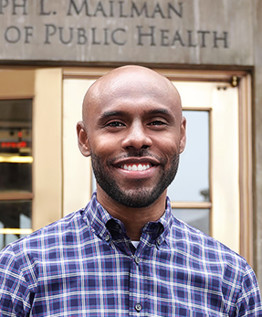 Dustin T. Duncan合作论文数Department of Epidemiology, Columbia University Mailman School of Public Health20
 David Scott Batey合作论文数20Uri Belkind合作论文数19Erin E Cooney合作论文数Dept Int Hlth, Johns Hopkins Bloomberg Sch Publ Hlth18Marco A. Hidalgo合作论文数Department of Psychology, DePaul University18
 Alexander B. Harris合作论文数Callen-Lorde Community Health Center17
 Cynthia R. Pearson合作论文数School of Social Work, University of Washington17Andrew J. Wawrzyniak合作论文数Department of Medical & Clinical Psychology, Uniformed Services University of the Health Sciences17Josh Bruce合作论文数16
 Keri N. Althoff合作论文数Department of Epidemiology, Bloomberg School of Public Health, Johns Hopkins University16
 Sabina Hirshfield合作论文数Public Health Solutions, New York, NY USA16Cannon Christopher M合作论文数15Jason Schneider合作论文数14
 Carl G Streed合作论文数Boston Med Ctr, Ctr Transgender Med & Surg12
 Christopher Beyrer合作论文数Division of Infectious Disease Epidemiology, Department of Epidemiology, Bloomberg School of Public Health, The Johns Hopkins University12Deutsch Madeline B合作论文数12
 Zil G Goldstein合作论文数Callen-Lorde Community Health Center;Graduate School of Public Health & Health Policy, City University of New York;Graduate School of Public Health & Health Policy, City University of New York11
 Sarit Golub合作论文数11
 Denton Callander合作论文数11J Sonya Haw合作论文数10
 Alex S Keuroghlian合作论文数Department of Neurobiology, Stanford University School of Medicine10
 Sahnah Lim合作论文数Division of Health & Behavior, Department of Population Health, Grossman School of Medicine, New York University9
 Jaclyn White Hughto合作论文数Department of Behavioral and Social Sciences,School of Public Health, Brown University;Department of Epidemiology,School of Public Health, Brown University;Center for Health Promotion and Health Equity,School of Public Health, Brown University9
 John A. Schneider合作论文数Department of Public Health Sciences, The University of Chicago9Samuel Dubin合作论文数8
 Allan Rodriguez合作论文数8
 Rachel Bluebond-Langner合作论文数Department of Plastic Surgery, Grossman School of Medicine, New York University7
 Park Su Hyun合作论文数Saw Swee Hock School of Public Health, National University of Singapore7Roberta Scheinmann合作论文数6Elizabeth Humes合作论文数6Dana J Pardee合作论文数6Meg Stevenson合作论文数6
 Jowanna Malone合作论文数Johns Hopkins Univ6
 Andrew Asquith合作论文数6
 Pedro B Carneiro合作论文数CUNY Graduate School of Public Health and Health Policy6
 David R Pletta合作论文数Harvard T.H. Chan School of Public Health6
 Chau Trinh-Shevrin合作论文数Division of Health & Behavior, Department of Population Health, Grossman School of Medicine, New York University6
 Richard E. Greene合作论文数Division of General Internal Medicine and Clinical Innovation, Department of Medicine, New York University6Dee Adams合作论文数5Salem Harry-Hernandez合作论文数5
 Adam M Whalen合作论文数Irving Med Ctr, Columbia Univ5
 Jae Sevelius合作论文数Columbia University Irving Medical Center;Department of Psychiatry, Columbia University;University of California, San Francisco5




