Aims Sodium-glucose cotransporter-2 inhibitors (SGLT2i) have transformed heart failure (HF) management, yet their effect in patients with concomitant tricuspid regurgitation (TR) remains unclear. We evaluated the association of SGLT2i use with clinical outcomes in HF patients with and without TR. Methods and results We analysed a cohort of patients with HF (2014-2024) who underwent echocardiography within 90 days of diagnosis. Patients were stratified by significant TR and SGLT2i use. The primary outcome was a composite of all-cause mortality and HF hospitalization. TR progression was a secondary outcome. Inverse probability treatment weighting and time-dependent Cox models were used to adjust for baseline and treatment differences. Among 28 940 HF patients [median age 75 (IQR 66-83), 43% women], 4043 (14%) had significant TR, and 2320 (8%) received SGLT2i. Over a median follow-up of 3.5 years (IQR 1-7) and 79 313 echocardiograms, 11 646 (40%) patients experienced the primary outcome. Significant TR was independently associated with worse outcomes [adjusted HR (aHR) 1.21, 95% CI 1.14-1.28, P < 0.001] while SGLT2i use was associated with lower event rates (aHR 0.79, 95% CI 0.69-0.92; P = 0.002), with consistent associations across TR strata (aHR 0.65 with vs. 0.83 without significant TR; P for interaction = 0.180). SGLT2i was also associated with 28% reduced risk for TR progression (95% CI 0.58-0.90; P < 0.001). Results were consistent across HF subtypes and sensitivity analyses. Conclusion Significant TR portends worse prognosis in HF. SGLT2i therapy is associated with improved outcomes and attenuated TR progression in this high-risk population, with findings limited by the observational design and potential residual confounding. [GRAPHICS]
Glycated haemoglobin (HbA1c) is central to diabetes mellitus (DM) management, but its prognostic value in older adults, aged ≥80 years, with heart failure (HF) remains uncertain. Thus, the study aimed to evaluate the association between HbA1c levels and all-cause mortality among adults aged ≥80 years with newly diagnosed HF. This retrospective cohort study included 5300 adults aged ≥80 years with a first diagnosis of HF and an HbA1c measurement within ±3 months of HF diagnosis between 2009 and 2025. Patients were categorized by HbA1c as normal (< 5.7
AIMS:Sodium-glucose cotransporter-2 inhibitors (SGLT2i) have transformed heart failure (HF) management, yet their effect in patients with concomitant tricuspid regurgitation (TR) remains unclear. We evaluated the association of SGLT2i use with clinical outcomes in HF patients with and without TR. METHODS AND RESULTS:We analysed a cohort of patients with HF (2014-2024) who underwent echocardiography within 90 days of diagnosis. Patients were stratified by significant TR and SGLT2i use. The primary outcome was a composite of all-cause mortality and HF hospitalization. TR progression was a secondary outcome. Inverse probability treatment weighting and time-dependent Cox models were used to adjust for baseline and treatment differences. Among 28 940 HF patients [median age 75 (IQR 66-83), 43% women], 4043 (14%) had significant TR, and 2320 (8%) received SGLT2i. Over a median follow-up of 3.5 years (IQR 1-7) and 79 313 echocardiograms, 11 646 (40%) patients experienced the primary outcome. Significant TR was independently associated with worse outcomes [adjusted HR (aHR) 1.21, 95% CI 1.14-1.28, P < 0.001] while SGLT2i use was associated with lower event rates (aHR 0.79, 95% CI 0.69-0.92; P = 0.002), with consistent associations across TR strata (aHR 0.65 with vs. 0.83 without significant TR; P for interaction = 0.180). SGLT2i was also associated with 28% reduced risk for TR progression (95% CI 0.58-0.90; P < 0.001). Results were consistent across HF subtypes and sensitivity analyses. CONCLUSION:Significant TR portends worse prognosis in HF. SGLT2i therapy is associated with improved outcomes and attenuated TR progression in this high-risk population, with findings limited by the observational design and potential residual confounding.
Aims: Elevated uric acid (UA) levels correlate with worse heart failure (HF) outcomes, but past studies used single UA measurements. The effect of intra-individual UA fluctuations, beyond mean levels, is unclear. This study assesses the relationship between serum UA variability and adverse clinical outcomes in HF patients. Methods: We analyzed 18,115 HF patients from the SHEBAHEART registry (2009-2025) with at least three UA measurements within three years of diagnosis. UA variability was quantified as the mean deviation (MD) from each patient's average UA level and divided into quartiles: Q1 (≤-0.69 mg/dL), Q2-Q3 (>-0.69 and <1.53 mg/dL, reference), and Q4 (≥1.53 mg/dL). All-cause mortality was the primary outcome and HF hospitalization was secondary. Cox regression, propensity score matching, and subgroup analyses were used. Results: Over a median follow-up of 4.3 years (IQR 1.6-7.7), 36% of patients were hospitalized for HF and 65.5% died. UA variability showed a graded association with outcomes. Low variability (Q1) was linked to reduced mortality (HR 0.79, 95% CI 0.75-0.83) and HF hospitalization (HR 0.84, 95% CI 0.79-0.90), while high variability (Q4) increased mortality (HR 1.58, 95% CI 1.51-1.69) and hospitalization risk (HR 1.17, 95% CI 1.10-1.25) (all p < 0.001). These associations remained after propensity score matching and across HF subgroups. Conclusions: UA variability is a robust, independent predictor of mortality and HF hospitalization. Serial UA monitoring may enhance risk stratification in HF management.
OBJECTIVE:To evaluate whether frailty modifies the association of multimorbidity in HF. METHODS:A retrospective cohort study of HF patients. Multimorbidity was quantified using 26 conditions and categorized as low (≤4), intermediate (5-7), or high (>8). Frailty was defined using a multimodal construct integrating functional, nutritional, and biochemical domains. All-cause mortality was assessed using cox models with frailty-multimorbidity interaction testing. Charlson Comorbidity Index (CCI) was used for validation. RESULTS:Among 18,058 patients (median age 74 years; 62% male; 64% frail), 57% died over a median follow-up of 4.0 years (IQR 1.3-7.7). Multimorbidity burden comprised 30.5% low, 48% intermediate, and 21.5% high. Frailty was associated with a 91% higher mortality risk (adjusted HR 1.91; 95% CI 1.85-2.00). Compared with low multimorbidity, intermediate and high burden were associated with an independent 8% and 20% higher mortality risks, respectively (95% CI 1.02-1.14 and 1.13-1.27; both p<.001). However, the association of multimorbidity differed by frailty such that among non-frail patients, intermediate and high multimorbidity increased mortality by 18% and 42% whereas in frail patients, the association was attenuated, with no excess risk for intermediate burden and only 13% increase for high burden (p-for-interaction <.001). CCI analyses was consistent, though differed among females and HFpEF. CONCLUSION:Frailty fundamentally attenuates risk in HF, while multimorbidity stratifies prognosis only when physiological reserve is preserved.
BACKGROUND:Advanced heart failure (HF) is characterized by progressive cardiac remodeling and recurrent episodes of decompensation, highlighting the need for biomarkers reflecting disease severity. Coagulation factor XI (FXI), beyond its established role in hemostasis, may influence inflammatory and remodeling pathways in the heart, but its relevance in advanced HF remains unclear. AIMS:This study evaluated the association between FXI activity and clinical, laboratory, and echocardiographic parameters in patients with advanced HF. METHODS:We prospectively enrolled 91 patients with advanced HF (New York Heart Association class III-IV) from a tertiary HF day-care service between November 2024 and February 2025. FXI activity was measured using a PTT-based assay, and patients were stratified by the median FXI level (<89% vs. ≥89%). RESULTS:Patients with lower FXI activity required higher intravenous diuretic doses (120 vs. 60 mg/week; P = 0.02), had more frequent HF clinic visits (2 vs. 1 per week; P = 0.01), and exhibited higher N-terminal pro-B-type natriuretic peptide levels (3350 vs. 2000 pg/ml; P = 0.01). Prolonged PT-international normalized ratio (>1.5) was more prevalent in the low-FXI group (24% vs. 2%; P = 0.006). Echocardiographic findings included larger LV end-diastolic diameter (mean 5.5 vs. 5.03 cm; P = 0.01), greater left atrial area (median 29 vs. 25 cm2; P = 0.007), higher prevalence of pulmonary hypertension (41% vs. 20%; P = 0.04), and more frequent moderate-to-severe mitral regurgitation (34% vs. 13%; P = 0.02). CONCLUSIONS:Reduced FXI activity is associated with adverse clinical and echocardiographic profiles in advanced HF. These findings support a potential biomarker or cardioprotective role for FXI and call for caution in applying FXI-targeted therapies in this population.
Background Octogenarians (aged ≥80 years) represent a significant subpopulation of heart failure (HF) patients yet remain underrepresented in clinical trials. Objectives This study evaluates trends in mortality among octogenarians with HF between 2009 and 2024. Methods This was a retrospective analysis of HF patients treated at a single tertiary center. The primary outcome was all-cause mortality. Kaplan-Meier survival analysis and Cox proportional hazards regression models were applied, stratifying patients by age (octogenarians or older and nonoctogenarians), by time period (before and after June 2016), HF type (heart failure with preserved [HFpEF] and reduced ejection fraction), and frailty status. Results Among 32,892 patients (median age 72 years, IQR: 64-82; 58% [19,168] males), 11,013 (33%) were octogenarians or older. Over a 5-year median follow-up (IQR: 1-7), 18,558 (56%) died. Five-year mortality was 69% (7,599/11,013) in octogenarians or older vs 37% (8,095/21,879) in nonoctogenarians (P < 0.001). Use of guideline-directed medical therapy increased over time. Adjusted HRs for mortality in octogenarians or older, compared with nonoctogenarians, decreased between the early period (HR: 2.1; 95% CI: 2.03-2.19; P < 0.001) compared to the later period (HR: 1.6; 95% CI: 1.57-1.75; P < 0.001; P for interaction <0.001). In the overall cohort, mortality HR declined in HFpEF patients (HR: 2.02-1.62, P for interaction <0.001), but not in heart failure with reduced ejection fraction patients (HR: 2.25-2.00, P for interaction = 0.400). In the overall cohort, decreases in mortality HR between the early and late period were significant in nonfrail patients. Conclusions Over a 15-year period, mortality risks among octogenarians and older with HF decreased, especially in HFpEF and nonfrail patients.
Background: Functional mitral and tricuspid regurgitation (fMR and fTR, respectively) portend increased morbidity and mortality among heart failure (HF) patients. Objectives: To characterize acute decompensated valvular HF (VHF) as a novel HF category, defined by presence of either more than moderate fTR or more than moderate fMR with left ventricular ejection fraction (LVEF) <= 50%. Methods: Patients with VHF were prospectively enrolled over a 6-month period and compared to acute decompensated heart failure (ADHF) patients without significant fTR or fMR. We used a standardized diuretic protocol when indicated, and appropriate inpatient guideline-directed medical therapy was initiated. Results: Among 322 patients admitted with ADHF, 83 (26%) met VHF criteria with mean age 66 +/- 13 years, 43 (52%) males, and median LVEF of 30% (20-55). Of 61 patients in whom the diuretic protocol was initiated, 59 (97%) had an adequate response (i.e., > 100 cc/hour for at least 6 hours). VHF patients had longer length of hospitalization (8 [5-13] vs. 5 [3-8] days, P < 0.001), and higher rates of 90-day heart replacement therapy (HRT) or death (hazard ratio 2.52, 95% confidence interval (1.13-5.64); P = 0.024). Conclusions: Over a quarter of ADHF patients can be newly categorized as VHF patients, distinguished by prolonged hospitalization and worse 90-day mortality / HRT rate. The initial response rate to a standardized diuretic protocol was high.
Background The HeartMate 3 (HM 3; Abbott) left ventricular assist device (LVAD) has improved hemocompatibility-related adverse outcomes. In sporadic cases, external compression of the outflow graft causing obstruction (eOGO) can result from substance accumulation between the outflow graft and its bend relief. We sought to evaluate the prevalence, course, and clinical implications of eOGO in an international study. Methods A multicenter retrospective analysis of HM 3 LVADs implanted between November 2014 and April 2021 (n = 2108) was conducted across 17 cardiac centers in 8 countries. We defined eOGO as obstruction >25% in the cross-sectional area in imaging (percutaneous angiography, computed tomography, or intravascular ultrasound). The prevalence and annual incidence were calculated. Serious adverse events and outcomes (death, transplantation, or device exchange) were analyzed for eOGO cases. Results Of 2108 patients, 62 were diagnosed with eOGO at a median LVAD support duration of 953 (interquartile range, 600-1267) days. The prevalence of eOGO was 3.0% and the incidence at 1, 2, 3, 4, and 5 years of support was 0.6%, 2.8%, 4.0%, 5.2%, and 9.1%, respectively. Of 62 patients, 9 were observed, 27 underwent surgical revision, 15 underwent percutaneous stent implantation, 8 received a heart transplant, and 2 died before intervention. One patient underwent surgical revision and later stent implantation. The mortality with therapeutic intervention was 9/53 (17.0%). Conclusions Although uncommon, HM 3 LVAD-supported patients might develop eOGO with an increasing incidence after 1 year of support. Although engineering efforts to reduce this complication are under way, clinicians must maintain a focus on early detection and remain vigilant.
Examine the performance of a simple echocardiographic "Killip score" (eKillip) in predicting heart failure (HF) hospitalizations and mortality after index event of decompensated HF hospitalization. HF patients hospitalized at our facility between 03/2019–03/2021 who underwent an echocardiography during their index admission were included in this retrospective analysis. The cohort was divided into 4 classes of eKillip according to: stroke volume index (SVI) < 35ml/m2 > and E/E' ratio < 15 > . An eKillip Class I was defined as SVI ≥ 35ml/m2 and E/E' ≤ 15 and was used as reference. Included 751 patients, median age 78.1 (IQR 69.3–86) years, 59
Microvascular dysfunction (MVD) is considered a form of cardiac allograft vasculopathy (CAV), independently associated with poor prognosis after heart transplantation (HTX). It is unknown whether traditional risk factors for CAV are also applicable to MVD. We retrospectively analyzed factors associated with MVD in 94 HTX recipients who completed a PET scan after a normal baseline left heart catheterization excluding epicardial CAV. MVD was defined by abnormal PET blood flow. The mean age was 52 ± 14 and MVD was found in 49 patients (53%). No donor risk factors were significantly associated with recipient MVD. Recipients risk factors for MVD included-diabetes mellitus (51% vs. 27%, p = 0.016) and hypertension (78% vs. 49%, p = 0.004) in patients with and without MVD, respectively. In a multivariate model, recipient hypertension and diabetes were the only significant determinants of MVD development (OR = 2.63, 95% CI [1.69-36.98], p = 0.009 and OR 2.1, 95% CI [1.10-15.38], p = 0.035, respectively). In conclusion, MVD was more associated with metabolic risk determinants rather than traditional CAV risk factors.
Bradycardia-induced long QT syndrome (LQTS) caused by complete atrioventricular (AV) block is one of the causes of QT-related arrhythmias (torsades de pointes) most frequently encountered in clinical practice. 2 Kurita T. Ohe T. Marui N. et al. Bradycardia-induced abnormal QT prolongation in patients with complete atrioventricular block with torsades de pointes. Am J Cardiol. 1992; 69: 628-633 Abstract Full Text PDF PubMed Scopus (115) Google Scholar , 3 Topilski I. Rogowski O. Rosso R. et al. The morphology of the QT interval predicts torsade de pointes during acquired bradyarrhythmias. J Am Coll Cardiol. 2007; 49: 320-328 Crossref PubMed Scopus (189) Google Scholar , 4 Chorin E. Hochstadt A. Viskin S. et al. Female gender as independent risk factor of torsades de pointes during acquired atrioventricular block. Heart Rhythm. 2017; 14: 90-95 Abstract Full Text Full Text PDF PubMed Google Scholar Although QT prolongation is a normal response to heart rate slowing, some patients prolong their QT interval more than others during severe bradycardia. 2 Kurita T. Ohe T. Marui N. et al. Bradycardia-induced abnormal QT prolongation in patients with complete atrioventricular block with torsades de pointes. Am J Cardiol. 1992; 69: 628-633 Abstract Full Text PDF PubMed Scopus (115) Google Scholar In fact, QT interval prolongation during bradycardia, rather than the severity of bradycardia per se, correlates with the risk of torsades de pointes during AV block. 2 Kurita T. Ohe T. Marui N. et al. Bradycardia-induced abnormal QT prolongation in patients with complete atrioventricular block with torsades de pointes. Am J Cardiol. 1992; 69: 628-633 Abstract Full Text PDF PubMed Scopus (115) Google Scholar ,3 Topilski I. Rogowski O. Rosso R. et al. The morphology of the QT interval predicts torsade de pointes during acquired bradyarrhythmias. J Am Coll Cardiol. 2007; 49: 320-328 Crossref PubMed Scopus (189) Google Scholar
 Shlomo Berliner合作论文数15
 Elad Maor合作论文数Chaim Sheba Med Ctr14Yan Topilsky合作论文数Division of Cardiovascular Diseases, Mayo Clinic11Amit Segev合作论文数10
 Ulrich P. Jorde合作论文数Department of Medicine, Albert Einstein College of Medicine, Montefiore Einstein10
 Yaron Arbel合作论文数9Boris Fishman合作论文数8
 Yishay Wasserstrum合作论文数Sackler School of Medicine, Tel Aviv University, Tel Aviv, Israel8Shmuel Banai合作论文数8Hochstadt Aviram合作论文数7Laufer-Perl Michal合作论文数7Yacov Shacham合作论文数6
 Shani Shenhar-Tsarfaty合作论文数Tel Aviv Sourasky Medical Center and Sackler Faculty of Medicine, Tel Aviv University6
 Ilan Goldenberg合作论文数Department of Medicine, Cardiology Heart Research, University of Rochester5Sagit Ben Zekry合作论文数Dept Cardiol, Tel Aviv Univ5Zach Rozenbaum合作论文数Department of Cardiology, Tulane University5Kivity Shaye合作论文数Chaim Sheba Med Ctr5
 Shivank Madan合作论文数Albert Einstein College of Medicine, Saint Peters University Hospital Program5
 Omar Saeed合作论文数5
 Anat Berkovitch合作论文数5Ori Rogowski合作论文数5Itzhak Shapira合作论文数Tel Aviv Sourasky Medical Center5Daniel J. Goldstein合作论文数5
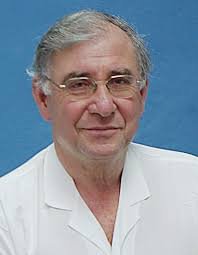 Yechezkel Sidi合作论文数Department of Medicine D, Beilinson Medical Center5Ofer Havakuk合作论文数5Rafael Kuperstein合作论文数5Shlomo Segev合作论文数5Stephen J Forest合作论文数4
 Rafael Yechiel Brzezinski合作论文数Sackler Fac Med, Tel Aviv Univ4Ben Sadeh合作论文数4Yoav Granot合作论文数4David Zeltser合作论文数4
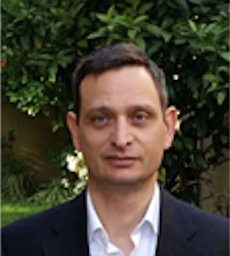 Robert Klempfner合作论文数4
 Mohamed Azeem Latib合作论文数Montefiore Health System4
 Gad Keren合作论文数Tel Aviv Sourasky Medical Center4Itzhak Herz合作论文数4Dahlia Greidinger合作论文数3Michal Ehrenwald合作论文数3Liat Mor合作论文数3Orly Sapir合作论文数3Shir Frydman合作论文数3Ziv-Baran Tomer合作论文数3Halkin Amir合作论文数3Revivo Miri合作论文数3Erez Aharon合作论文数Chaim Sheba Medical Center, Heart Institute;Sackler Faculty of Medicine, Tel Aviv University3Ariel Finkelstein合作论文数3Daniel Sims合作论文数3
 Snehal G. Patel合作论文数David H. Koch Center for Cancer Care, Memorial Sloan Kettering Cancer Center3




