This five-year prospective study adopted a person-centered approach to examine how combinations of personality traits and motivational characteristics predict university students’ degree grades and delays in study completion. A total of 179 first-year students from the Department of Physical Education and Sport Science completed questionnaires assessing multiple forms of motivation grounded in self-determination theory, as well as personality traits based on the five-factor model. LCA identified three distinct profiles: (1) students exhibiting high levels across all five personality traits and strong self-determined motivation for studying (Profile 1); (2) students characterized by higher extraversion but lower agreeableness, conscientiousness, and self-determined motivation (Profile 2); and (3) students displaying lower self-determined motivation but high agreeableness and conscientiousness (Profile 3). These profiles showed differential associations with degree grades and delays in graduation. The findings are discussed in relation to prior empirical and theoretical research.
This exploratory study examined students’ acute responses in soccer performance, executive functions, and calibration accuracy to a single soccer session delivered using three different teaching styles (i.e., command, practice, and self-check) in physical education. One hundred and forty-seven students of four elementary schools attending four fifth-grade (80 students) and four sixth-grade (67 students) classes participated in the study. Two classes (one fifth- and one sixth-grade) from each elementary school were randomly assigned to one of the four groups of the study (i.e., self-check style, command style, practice style, and control group). Students in all experimental groups were taught the soccer-passing skill in a single 45 min session using identical activities and drills but different teaching styles. Control-group students attended a classroom-based session on the ancient Olympic Games. Students were pre- and post-tested in soccer-pass performance, estimation of soccer-pass performance, and design fluency test. Students in the self-check group demonstrated more favorable changes in inhibition and cognitive flexibility than students in the command- and practice-style groups, whereas students in the practice group also showed improvements in cognitive flexibility over time. No differences between groups were found in calibration accuracy. For soccer performance, although students in the self-check group improved from pre- to post-test, nonsignificant differences between groups were observed. The findings reflected students’ immediate responses under different instructional conditions during a single soccer session, rather than outcomes of the longitudinal learning process. These results are discussed in relation to the cognitive and metacognitive aspects of learning and performing sports skills in physical education, with particular emphasis on how students responded to different teaching styles.
Purpose Despite physical activity (PA)'s health benefits, few adolescents meet recommended levels. This review examined associations between adolescents’ self-reported PA and sedentary behaviours (SB) and their modifiable determinants, assessing interventions across settings (school, home, mixed). Methods Five databases were searched from 2010 to 2023. Eligible studies included experimental studies assessing adolescents’ self-reported PA/SB and modifiable determinants at pre- and post-intervention. Within a social-ecological framework, Robust-Bayesian-Meta-Analyses (RoBMA) were conducted per setting, assessing heterogeneity and publication-bias. Single-study outcomes were narratively reported. A holistic classification of determinant domains was then applied to map measured determinants and targeted intervention components across individual-psychological, individual-behavioural, interpersonal, and environmental domains. Risk of bias and evidence certainty were also evaluated. PROSPERO-ID: CRD42021282874. Results Twelve RCTs and two CTs (school n = 10, home n = 2, and school-home n = 2 settings) were included. Thirteen studies (93%) incorporated theory-based approaches, and 13 studies (93%) addressed multiple determinant domains, although only four (29%) showed high-integration multi-domain designs. Of the 67 unique modifiable determinants identified, 94% were classified within individual/interpersonal categories. In particular, RoBMAs showed minimal or no pooled effects on PA/SB or determinants, except for weak evidence suggesting a small positive effect on planning in school setting, including action and coping planning, implementation intentions, or commitment to a plan of action, with substantial heterogeneity across studies. Risk of bias was due mainly to randomization and outcome measurement issues. The level of certainty from the evidence ranged from very low to low. Discussion Existing interventions predominantly target individual-level factors, with limited coordinated integration across socio-ecological domains. High-quality future trials should test whether well-designed, integrated multilevel interventions can more consistently modify diverse determinants of adolescents' PA/SB across setting and co-occur with psychosocial benefits.
In this tribute, Barry J. Zimmerman, a distinguished academic and influential scholar, is commemorated for his remarkable contributions to education and research following his passing on February 17th, 2025, in Tucson, Arizona. Renowned for his visionary approach to teaching and human learning, Zimmerman challenged traditional paradigms and fostered innovative perspectives on the conceptualization, assessment, and application of educational practices. His distinguished contributions, including foundational books, influential peer-reviewed articles, and a range of prestigious honors, reflect his intellectual depth and unwavering dedication to advancing the fields of educational psychology, self-regulated learning (SRL), and motivation. Throughout his career, Zimmerman explored the dynamic interplay between learners’ beliefs, behaviors, and emotions across diverse contexts such as academics, sports, music, and health. The reflections in this tribute highlight how his groundbreaking theoretical frameworks and experimental research have profoundly shaped educational scholarship and practice, while also underscoring the lasting impact of mentoring and teaching on colleagues and students alike. Zimmerman’s humility, generosity, and compassion have solidified his legacy as a cornerstone of academic excellence, inspiring future generations to build upon his foundational contributions to education and SRL.
Abstract Background Although physical activity (PA) is associated with significant health benefits, only a small percentage of adolescents meet recommended PA levels. This systematic review with meta-analysis explored the modifiable determinants of adolescents’ device-based PA and/or sedentary behaviour (SB), evaluated in previous interventions and examined the associations between PA/SB and these determinants in settings. Methods A search was conducted on five electronic databases, including papers published from January 2010 to July 2023. Randomized Controlled Trials (RCTs) or Controlled Trials (CTs) measuring adolescents’ device-based PA/SB and their modifiable determinants at least at two time points: pre- and post-intervention were considered eligible. PA/SB and determinants were the main outcomes. Modifiable determinants were classified after data extraction adopting the social-ecological perspective. Robust Bayesian meta-analyses (RoBMA) were performed per each study setting. Outcomes identified in only one study were presented narratively. The risk of bias for each study and the certainty of the evidence for each meta-analysis were evaluated. The publication bias was also checked. PROSPERO ID: CRD42021282874. Results Fourteen RCTs (eight in school, three in school and family, and one in the family setting) and one CT (in the school setting) were included. Fifty-four modifiable determinants were identified and were combined into 33 broader determinants (21 individual–psychological, four individual–behavioural, seven interpersonal, and one institutional). RoBMAs revealed none or negligible pooled intervention effects on PA/SB or determinants in all settings. The certainty of the evidence of the impact of interventions on outcomes ranged from very low to low. Narratively, intervention effects in favour of the experimental group were detected in school setting for the determinants: knowledge of the environment for practicing PA, d = 1.84, 95%CI (1.48, 2.20), behaviour change techniques, d = 0.90, 95%CI (0.09, 1.70), choice provided, d = 0.70, 95%CI (0.36, 1.03), but no corresponding effects on PA or SB were found. Conclusions Weak to minimal evidence regarding the associations between the identified modifiable determinants and adolescents’ device-based PA/SB in settings were found, probably due to intervention ineffectiveness. Well-designed and well-implemented multicomponent interventions should further explore the variety of modifiable determinants of adolescents’ PA/SB, including policy and environmental variables.
Previous physical activity interventions for children (5-12yrs) have aimed to change determinants associated with self-report physical activity behaviour (PAB) and/or sedentary behaviour (SB), however, the associations between these determinants and PAB/SB in different settings are uncertain. The present study aimed to identify modifiable determinants targeted in previous PAB/SB interventions for children. Intervention effects on the determinants and their associations with self-report PAB/SB were assessed across settings. Search of relevant interventions from pre-defined databases was conducted up to July 2023. Randomized and non-randomized controlled trials with modifiable determinants were included. Data extraction and risk of bias assessments were conducted by two independent researchers. Where data could be pooled, we performed Robust Bayesian meta-analyses. Heterogeneity, publication bias and certainty of evidence were assessed. Fifteen studies were deemed eligible to be included. Thirty-seven unique determinants within four settings were identified-school, family, school with family/home, and community with(out) other settings. Ninety-eight percent of determinants belonged to individual/interpersonal determinant categories. Narratively, intervention effects on student perception of teachers' behaviour (school), self-management, perceived barriers, external motivation, exercise intention, parental modeling on SB (school with family/home) and MVPA expectations (community) were weak to strong, however, corresponding PAB/SB change was not evident. There were negligible effects for all other determinants and the corresponding PAB/SB. Meta-analyses on self-efficacy, attitude, subjective norm and parental practice and PAB/SB in two settings showed weak to strong evidence against intervention effect, while the effect on knowledge could not be determined. Similarly, publication bias and heterogeneity for most analyses could not be ascertained. We found no concrete evidence of association between the modifiable determinants and self-report PAB/SB in any settings. This is presumably due to intervention ineffectiveness. Design of future interventions should consider to follow the systems-based approach and identify determinants unique to the context of a setting, including policy and environmental determinants.
This longitudinal study examined the development of executive function and calibration accuracy in preadolescents. This study’s sample consisted of 262 students (127 females) from grades 4 (n = 91), 5 (n = 89), and 6 (n = 82) who took measures of executive function and performance calibration in a sport task three times over 20 months. A latent growth-curve modeling analysis showed a significant relationship between the rates of change of executive function and calibration accuracy. The results also showed a dynamic interplay in the development of executive function and calibration accuracy. There were significant interindividual differences in the estimated population means both in executive function and calibration accuracy and in the rate of change of executive function, but not in the rate of change of calibration accuracy. The age of the participants had a positive effect only on the estimated population mean of executive function.
To combat the high prevalence of physical inactivity among children, there is an urgent need to develop and implement real-world interventions and policies that promote physical activity (PA) and reduce sedentary behaviour (SB). To inform policy makers, the current body of evidence for children’s PA/SB interventions needs to be translated. The current systematic review and meta-analysis aimed to identify modifiable determinants of device-measured PA and SB targeted in available intervention studies with randomized controlled trial (RCT) and controlled trial (CT) designs in children and early adolescents (5–12 years) and to quantify the effects of the interventions within their respective settings on the determinants of PA/SB and the outcomes PA and SB. A systematic search was conducted in MEDLINE, PsycINFO, Web of Science, SPORTDiscus and CENTRAL. Studies were considered if they were randomized controlled trials (RCTs) or controlled trials (CTs), included children and/or early adolescents (5–12 years; henceforth termed children), measured PA and/or SB using device-based methods and measured PA and/or SB and determinants of PA/SB at least at two timepoints. Risk of bias was assessed using the Cochrane Risk of Bias Tool for Randomised Trials (RoB2) for RCTs and Risk of Bias in Non-randomised Studies of Interventions (ROBINS-I) for CTs. The quality of the generated evidence was assessed using Grading of Recommendations Assessment, Development and Evaluation (GRADE). Robust Bayesian meta-analysis was conducted to quantify the effects of the interventions on the determinants of PA/SB, and the outcomes PA and SB, stratifying by study design, duration of PA/SB measurement, intervention setting and duration of follow-up measurement. Study characteristics and interventions were summarized. Thirty-eight studies were included with a total sample size of n = 14,258 (67
The accuracy of students’ judgments has important implications for their learning and performance in educational settings. However, little is known about how students make these judgments. This study explored university students’ justifications for making their judgments of learning in a developmental psychology course. Two independent samples were involved, including a total number of 115 senior sport students. Participants responded to a knowledge test and provided their judgments at the local (Sample 1) or at the global level (Sample 2) and then provided their justifications for making these judgments. Students’ justifications for making their judgments were classified in ten categories, including the study of the learning materials, the confidence for answering (or not) correctly, the memory, the general knowledge, the knowledge of the answer and a general reference to common sense, experience, lectures, and judgment. Variations in the frequency of these justifications were found across the local and the global level, low and high accurate students, and low and high performers. These results are discussed regarding their theoretical and practical implications for undergraduate students’ learning.
This study examined students’ calibration of performance in a sport skill in relation to their performance in an executive functions test. A total of 265 students in the fourth, fifth, and sixth grades participated in the study. The students took an executive functions test, and then they were tested on a basketball shooting test, after having provided a personal estimation regarding their performance. Based on students’ actual and estimated performance, the bias index was calculated to classify students into three categories; accurates, underestimators and overestimators, while the accuracy index (absolute values of the bias index) was also calculated. The results showed a positive but small magnitude relation between students’ scores in the executive functions test and their performance calibration, while accurate scored higher on the executive function test compared to over estimators and under estimators. These results are similar to those of previous studies with elementary school children that employed cognitive tasks and were discussed with reference to theoretical and empirical implications.
This study compared cognitively challenging physical activity games and health-related fitness activities in terms of their effects on students' executive functions and situational interest in physical education. A total of 102 fourth- and fifth-grade students (56 boys, 46 girls) participated in this study. A group-randomized controlled trial design involving an acute experiment was used. Two intact classes of students (one fourth-grade and one fifth-grade) were randomly assigned to each one of the three groups. Students in Group 1 participated in cognitively challenging physical activity games, students in Group 2 participated in activities for developing their health-related fitness, and Group 3 students were the control group without physical education. Executive functions were measured pre- and post-intervention with the design fluency test, whereas situational interest was only measured post-intervention with the situational interest scale. Group 1 students who played cognitively challenging physical activity games had increased their executive functions' scores more than the Group 2 students involved in health-related fitness activities. Students of both these groups outperformed control group students. Moreover, Group 1 students reported higher levels of instant enjoyment and total interest than Group 2 students. The results of this study suggest that cognitively challenging physical activity games can be an effective means for enhancing executive functions, and motivate students to be involved in interesting and enjoyable forms of physical activity.
This study examined the effects of cognitively challenging physical activity games on students’ executive functions and situational interest in physical education. Participants were 144 fourth- and fifth-grade students (75 boys, 69 girls) from four elementary schools. A four-group, repeated measures, cross-over quasi-experimental design was used in this acute experiment including a physical education session. One fourth- and one fifth-grade class from each school were randomly assigned to Group 1 with cognitively challenging physical activity games, Group 2 with a session for teaching soccer skills, Group 3 with a session for teaching track and field skills, and Group 4 (waiting-list control group) with cognitively challenging physical activity games after the post-test. Pre- and post-test measures for executive functions and a post-test measure for situational interest were included. Group 1 students, who were involved in cognitively challenging physical activity games, improved their scores in the executive functions more than students who participated in the sessions with soccer or track and field skills and waiting-list control group students. The positive effects on students’ executive functions were replicated when the cognitively challenging physical activity games session was implemented in the waiting-list control group. Some improvements on executive functions for students who participated in the soccer skills session were found. Students who played the cognitively challenging physical activity games reported higher scores on novelty compared to students in the soccer or track and field groups. These results support the effectiveness of the cognitive challenging physical activity games for triggering students’ executive functions in physical education.
Two studies were conducted to examine the acute effects of exergaming on students’ executive functions and to explore their situational interest regarding these games in elementary physical education. The first study involved a two-group, repeated measures, cross-over quasi-experimental design. Participants were 74 (36 boys) fourth- and fifth-grade students who were assigned to the experimental (38 students) and the waiting list control (36 students) group. The single physical education session with exergames was first implemented with the initial experimental group and after the post-test, the waiting list control group received the intervention. In the second study, a pre-test post-test, within-subjects design was involved with the experimental group students (48 fourth- and fifth-grade students, 27 boys) who participated in a booster single physical education session with exergames two months after their involvement in a four-week intervention with cognitively challenging physical activity games. Both studies involved pre- and post-intervention measures for executive functions using the design fluency test and a post-test measure for situational interest. During the acute session, students had to follow the movements of an on-screen dancing character in time to a chosen song of the Just Dance 2015 exergame. The results of the first study showed that experimental group students improved significantly from pre- to post-test their scores in design fluency and in cognitive flexibility and in the total score of the design fluency test and their improvements were higher compared to the waiting list control group. The waiting list control group students, after receiving the acute session with exergames, significantly improved their scores in design fluency, inhibition, and cognitive flexibility and in the total score of the design fluency test compared to their pre-intervention scores. Moreover, the second study showed that students’ total score in the design fluency test improved significantly from pre- to post-intervention. In both studies, students reported generally high scores in all subscales of the situational interest questionnaire. These results suggested that an acute exergame-based physical education session attracted students’ interest and positively triggered their executive functions.
Introduction Physical activity among children and adolescents remains insufficient, despite the substantial efforts made by researchers and policymakers. Identifying and furthering our understanding of potential modifiable determinants of physical activity behaviour (PAB) and sedentary behaviour (SB) is crucial for the development of interventions that promote a shift from SB to PAB. The current protocol details the process through which a series of systematic literature reviews and meta-analyses (MAs) will be conducted to produce a best-evidence statement (BESt) and inform policymakers. The overall aim is to identify modifiable determinants that are associated with changes in PAB and SB in children and adolescents (aged 5–19 years) and to quantify their effect on, or association with, PAB/SB. Methods and analysis A search will be performed in MEDLINE, SportDiscus, Web of Science, PsychINFO and Cochrane Central Register of Controlled Trials. Randomised controlled trials (RCTs) and controlled trials (CTs) that investigate the effect of interventions on PAB/SB and longitudinal studies that investigate the associations between modifiable determinants and PAB/SB at multiple time points will be sought. Risk of bias assessments will be performed using adapted versions of Cochrane’s RoB V.2.0 and ROBINS-I tools for RCTs and CTs, respectively, and an adapted version of the National Institute of Health’s tool for longitudinal studies. Data will be synthesised narratively and, where possible, MAs will be performed using frequentist and Bayesian statistics. Modifiable determinants will be discussed considering the settings in which they were investigated and the PAB/SB measurement methods used. Ethics and dissemination No ethical approval is needed as no primary data will be collected. The findings will be disseminated in peer-reviewed publications and academic conferences where possible. The BESt will also be shared with policy makers within the DE-PASS consortium in the first instance. Systematic review registration CRD42021282874.
The present study examined the effectiveness of a school-based health education program promoting healthy diet and exercise, named DIEX, implemented on adolescents. The program is based on the Theory of Planned Behavior (TPB) and is supported by life skills training. The recipients of the program were high school students (n = 367; 168 boys and 199 girls) from 14 schools in Greece who attended 10 1 h sessions implemented by their schoolteachers. Data were collected before and after the program implementation through online questionnaires for: a. attitude, intention, subjective norms, and PBC toward healthy eating; b. knowledge about healthy eating; c. exercise behavior and attitude toward the DIEX program; and d. satisfaction with the DIEX program (only post-program). The results showed that there were significant differences among the pre- and post-measures of students’ knowledge and behavior about healthy diet, as well as attitudes and satisfaction toward the program’s application. The results show that the DIEX program may have improved nutrition behavior variables. Conclusively, a theory-based behavioral intervention with skills training may result in positive behavioral changes for young students during health education in school settings with the assistance of new technologies.
This study compared the effects of three different types of cognitively challenging physical activity games on students' executive functions and situational interest. Participants were 140 students from four fourth-grade and four fifth-grade classes of four elementary schools. One fourth- and one fifth-grade class from each school were randomly assigned to the three experimental and the control group conditions. A group-randomized controlled trial design was used in this acute experiment including a single physical education session with pre- and post-test measures of executive functions and a post-test measure of situational interest. Students of each experimental group played physical activity games based on a different principle of mental engagement (i.e., contextual interference, mental control, or discovery). Control group students did not participate in physical education. The results showed positive effects of all types of cognitively challenging physical activity games on experimental group students' executive functions compared to control group students. No differences were found on executive functions and situational interest between the three experimental groups. These results provide supporting evidence regarding the utilization of cognitively challenging physical activity games for involving students in physical activity and triggering their executive functions.
This study examined 10–11-year-old students’ perceptions regarding three different types of physical activity games based on different principles of mental engagement (contextual interference, mental control, or discovery). A total of 156 students (84 girls) from five fourth-grade (75 students) and five fifth-grade (81 students) classes of five elementary schools located in a middle-sized city in central Greece participated in the study. These students participated in a larger project consisting of a series of acute experiments aiming to examine the effectiveness of cognitively challenging physical activity games in elementary physical education. Students responded to open-ended questions regarding their perceptions of the physical activity games. Their responses were analyzed through a thematic analysis. A total number of 706 quotes were identified and categorized into the lower-order themes which were organized into four higher-order themes: (a) characteristics of the games, (b) effects of the games, (c) areas for improvement, and (d) preferences for specific games. Students’ views provided supporting evidence regarding the employment of cognitively challenging physical activity games in physical education. Useful insights regarding the characteristics of the games, their effects, and their areas for improvement were also gained.
This study examined the effects of a physical education intervention consisting of cognitively challenging physical activity games on school children’s executive functions and motivational regulations. Ninety-nine fourth- and fifth-grade children participated in this two-group, repeated measures, quasi-experimental study with a cross-over design. Children’s executive functions (measured with the design fluency and Stroop and flanker tests) and motivational regulations were measured pre- and post-intervention and one month later. At post-test, the experimental group children outperformed the waiting-list control group children in all design fluency test conditions and accuracy in the Stroop and flanker tests. Both groups improved from pre- to post-intervention their speed (reaction time) in the Stroop and flanker tests. The waiting-list control group children, after receiving the intervention, improved their performance in the executive function tests except for Stroop test accuracy and flanker test speed. The positive effects were reduced significantly one month after the end of the intervention but remained significantly higher compared to pre-intervention. No intervention effects were found for the motivational regulations. These results showed that the intervention had positive effects on children’s executive functions and supported the new shift of designing physical activity programs for developing combinedly children’s physical and cognitive development.
Two studies were conducted to examine associations between undergraduate physical education students' calibration accuracy, assessed both at the local and global level, and their short and long-term achievement in two academic courses (developmental and sport psychology). Participants were 68 Greek senior and 112 first-year physical education students who completed knowledge tests and provided their judgments regarding their performance in these tests. Students' degree grade and time of graduation were also obtained in study two. Results showed that calibration accuracy could explain a small amount of variance of students' academic achievement measured both with shortterm (i.e., knowledge tests in the middle and in the end of the semester) and long-term indicators (e.g., degree grade). Calibration at the local level was generally a better predictor of students' short and long-term academic achievement while results regarding differences in the accuracy of the judgments provided at the local and the global level were mixed. These finding are discussed with reference to the theoretical and practical implications for undergraduate students' academic achievement.
This paper presents the Erasmus + TeamUp project which aimed to provide basic skills and knowledge to sport coaches in order to enable them to work with individuals with intellectual disability (ID) and act as facilitators in their own country and local community transmitting this knowledge and values. The rationale for conducting the program is analyzed and its aims and objectives are described, with emphasis given on all relative educational material developed for application in sport and physical education settings. In particular, one of the main activities of the program was the development of the educational package by the Department of Physical Education and Sport Science, University of Thessaly, aiming to increase knowledge and skills of sport coaches in three different chapters concerning ID, Special Olympics and Paralympic Games, individualized education programming and physical activity adaptations and inclusion strategies for athletes with ID, respectively. Dissemination of this educational package and results of sport coaches’ responses from Greece, Croatia, Romania and Spain to three online questionnaires relative to the three topics created, are also presented and analyzed. Finally, practical implications and suggestions for further development are discussed. Article visualizations:
 Marios Goudas合作论文数Department of Physical Education and Sports Sciences;University of Thessaly;Department of Physical Education and Sports Sciences, University of Thessaly33
 Irini Dermitzaki合作论文数University of Thessaly Dept. of Special Education Argonafton & Filellinon 382 21 Volos Greece8
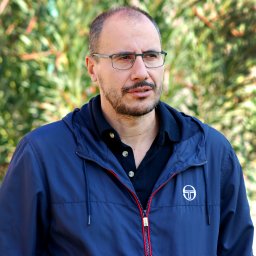 Ioannis Syrmpas合作论文数Sch Phys Educ & Sport Sci, Univ Thessaly6
 Yannis Theodorakis合作论文数Department of Physical Education and Sports Sciences;University of Thessaly;Department of Physical Education and Sports Sciences, University of Thessaly6
 Patrik Drid合作论文数5
 Evdoxia Samara合作论文数5
 Mohammed Khudair合作论文数5
 Pascal Izzicupo合作论文数5
 Frantisek Bartos合作论文数Dept Psychol, Charles Univ Prague5
 Henriette Jahre合作论文数5
 Maximilian Maier合作论文数Dept Expt Psychol, UCL5
 Chiara Corvino合作论文数Department of Psychology, Università Cattolica del Sacro Cuore5
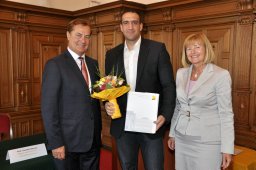 Ratko Peric合作论文数Fac Kinesiol, Univ Split5
 Angela Carlin合作论文数Sports & Exercise Sci Res Inst, Ulster Univ5
 Mirko Brandes合作论文数5
 Anna Marcuzzi合作论文数Macquarie University, University of Sydney5
 Francesca Galle合作论文数5
 Cortis Cristina合作论文数Dept Human Sci Soc & Hlth, Univ Cassino & Lazio Meridionale5
 Federico Palumbo合作论文数4Eleni Dimitriou合作论文数4Ciaran MacDonncha合作论文数4Andrea Di Credico合作论文数4
 Atle Kongsvold合作论文数4
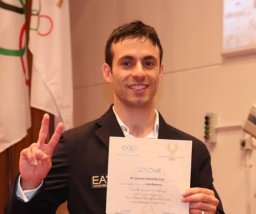 Simone Ciaccioni合作论文数Dept Movement Human & Hlth Sci, Univ Rome Foro Italico4
 Kwok Ng合作论文数Univ Eastern Finland, Sch Educ Sci & Psychol, Joensuu, Finland4
 Mette Stavnsbo合作论文数4
 Penny L S Rumbold合作论文数4
 Paul Jarle Mork合作论文数Dept Publ Hlth & Nursing, Norwegian Univ Sci & Technol4
 Wunsch Kathrin合作论文数Department of Sport and Health, University of Paderborn4
 Gavin D. Tempest合作论文数The Sansom Institute for Health Research, University of South Australia4
 Sofia Vilela合作论文数Institute of Public Health, University of Porto4
 Sandu Petru合作论文数4
 Laura Capranica合作论文数Department of Human Movement and Sport Science;Department of Human Physiology and Sports Medicine;Vrije Universiteit;Department of Human Physiology and Sports Medicine, Vrije Universiteit4
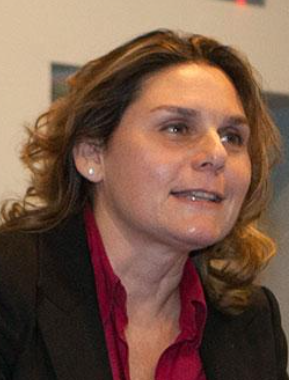 Evangelia Kouidi合作论文数School of Physical Education & Sport Science, Aristotle University of Thessaloniki;Sports Medicine Laboratory, Aristotle University of Thessaloniki4
 Catherine Woods合作论文数School of Health and Human Performance, Dublin City University4
 Fiona Chun Man Ling合作论文数Institute of Human Performance, University of Hong Kong3
 Anastasia Kitsantas合作论文数College of Education and Human Development, George Mason University3
 Mary Hassandra合作论文数Faculty of Sport and Health Sciences, University of Jyvaskyla2Fiona Mansergh合作论文数1
 Stefania Boccia合作论文数1Rosa Ma Fernández Tarazaga合作论文数1
 Jose Ribeiro合作论文数1Maria Angeli合作论文数1
 Carolina Castagna合作论文数1
 Petra Juric合作论文数1Grainne Hayes合作论文数1Kelly O'Hara合作论文数Sport Sci Dept, Univ Beira Interior1Mekonnen Teferi合作论文数Armauer Hansen Res Inst, Addis Ababa, Ethiopia1Flavia Beccia合作论文数1




