The management of locally-advanced, resectable head and neck squamous cell carcinoma (HNSCC) is undergoing a major shift driven by the integration of neoadjuvant immunotherapy (nIO). The rationale for nIO lies in its administration within an immunologically active, treatment-naïve microenvironment that enhances immune priming and anti-tumor response. Despite encouraging clinical data, including the pivotal KEYNOTE-689 trial and multiple phase II studies, methodological heterogeneity in trial design, endpoint definitions, and response criteria currently hampers data comparability and the establishment of new standards of care. This expert narrative review proposes a structured framework for standardizing clinical, pathologic, imaging, and translational endpoints in HNSCC nIO trials, highlighting harmonized definitions of pathologic response, practical reporting templates, and methods to evaluate immune priming. Standardization of response evaluation, biomarker integration, and trial methodology is essential to accelerate the translation of neoadjuvant immunotherapy into routine clinical practice for HNSCC.
BACKGROUND:Oropharyngeal cancer (OPC) exhibits distinct clinical behaviors according to HPV/p16 status and smoking exposure. While HPV-positive OPC generally shows superior survival, differences in recurrence patterns remain unclear. METHODS:A retrospective multicenter analysis of 674 AJCC VII edition Stage III-IVa/b OPC patients treated with definitive IMRT ± systemic therapy was conducted across 14 Southern European centers. Recurrence patterns, disease-free survival (DFS), overall survival (OS), and survival after recurrence (rOS) were compared between p16 groups and across smoking categories. RESULTS:HPV-positive tumors showed a higher incidence of distant recurrence, particularly among heavy smokers, while p16-negative OPC displayed predominantly locoregional failure. p16-positive patients had significantly better DFS, OS, and rOS. CONCLUSION:Recurrence patterns in OPC differ by HPV status and smoking history. HPV-positive heavy smokers represent a distinct high-risk subgroup characterized by increased distant metastasis and inferior survival, warranting refined stratification beyond p16 status alone.
Figure s10. Hallmark pathway enrichment, cell cycle gene expression, and functional network analysis of differentially expressed genes in responders and nonresponders.
Figure s6. Post-treatment changes in immune cell composition across spatial tumor compartments in responders and nonresponders
Supplement Table 4A-4B: The following is a comprehensive list of the top 20 functional enrichments in the B cell (A) and CAF2 (B) gene sets utilizing STRING database to analyze protein-protein interaction pairs among the leading edge.
PURPOSE:Immune checkpoint inhibitors (ICI) have demonstrated clinical benefit in head and neck squamous cell carcinoma (HNSCC); however, single-agent efficacy is limited, leaving significant unmet needs. Metformin may synergize with ICIs, offering promise to improve response rates. We leveraged multiomic data from a randomized, presurgical neoadjuvant trial (NCT03618654) evaluating a single infusion of the anti-PD-L1 ICI durvalumab with or without daily, standard dose metformin in previously untreated, nondiabetic patients with HNSCC to understand predictors of response and the effect of combination therapy. PATIENTS AND METHODS:Clinical, pathologic, and correlative data were analyzed to investigate response and resistance mechanisms. We present an in-depth multiomic analysis of primary tumor specimens to study treatment response/resistance in human papillomavirus-positive HNSCC. RESULTS:Baseline samples revealed that myofibroblastic cancer-associated fibroblast and extracellular matrix signatures were enriched in durvalumab plus metformin nonresponders, which were localized to the leading tumor edge on spatial transcriptomics. In contrast, baseline responder samples were enriched for the Langerhans-like dendritic cell (DC) state and IFN signatures. Treatment increased intratumoral CD8+ T-cell and IFN signatures and peripheral blood CCL2 levels. Responders demonstrated macrophage and DC enrichment and antigen processing and presentation upregulation. Enrichment of cell cycle-related gene sets, specifically the MYC targets V1 hallmark gene set, correlated with nonresponse. CONCLUSIONS:Early response and resistance dynamics for durvalumab plus metformin in human papillomavirus-positive HNSCC reveal baseline extracellular matrix-myofibroblastic cancer-associated fibroblast as predictive of nonresponse. In contrast, responders were distinguished by baseline enrichment in the Langerhans-like DC state and posttreatment antigen-presenting gene sets.
Figure s5. Baseline immune cell composition in responders and nonresponders across bulk, tumor, and stromal compartments & Immune cell deconvolution analysis in bulk tumor samples of responders and nonresponders before and after durvalumab-metformin treatment.
Abstract Purpose: We evaluated whether indoleamine 2,3-dioxygenase (IDO1) inhibitor (IDOi) BMS986205 + PD-1 inhibitor nivolumab enhanced T-cell activity and augmented immune-mediated antitumor responses in untreated, resectable head and neck squamous cell carcinoma (HNSCC). We employed response-adaptive surgical timing to identify responders to immunotherapy and enhance their response. Patients and Methods: Patients with HNSCC were 3:1 randomized to receive nivolumab with or without BMS986205 orally daily (NCT03854032). In the combination arm, BMS986205 was initiated 7 days prior to nivolumab. Patients were stratified by human papillomavirus (HPV) status. Response-adaptive surgical timing involved response assessment by radiographic criteria 4 weeks after treatment with nivolumab in both arms. Nonresponders underwent surgical resection, whereas responders received 4 more weeks of randomized therapy before surgery. Biomarker analysis utilized pathologic treatment response (pTR) and RNA sequencing. Results: Forty-two patients were enrolled, and the addition of IDOi to nivolumab did not result in greater rate of radiographic response (P = 0.909). Treatment was well tolerated, with only 2 (5%) patients experiencing grade 3 immune-related adverse events. The addition of IDOi augmented rates of pTR in patients with high baseline IDO1 RNA expression (P < 0.05). Response-adaptive surgical timing demonstrated reliability in differentiating pathologic responders versus nonresponders (P = 0.009). A pretreatment NK cell signature, PD-L1 status, and IFN-γ expression in the HPV− cohort correlated with response. The HPV+ cohort found B-cell and cancer-associated fibroblast signatures predictive of response/nonresponse. Conclusions: Response-adaptive surgical timing enhanced treatment response. IDOi BMS986205 augmented pTR in patients with high IDO1 expression in baseline samples, indicating a need for identifying and targeting resistant nodes to immunotherapy. HPV status–dependent signatures predicting response to immunotherapy in HNSCC warrant further study.
Figure s9: Integrated transcriptomic and pathway analyses reveal stress response, metabolic, and EMT-related differences in PanCK-enriched and treatment response subgroups
Figure s7. Cell state analysis of dendritic cells, monocytes/macrophages, and fibroblasts in HPV+ HNSCC responders and nonresponders
Figure s4. Gene set enrichment analysis (GSEA) across baseline responder vs. nonresponder comparisons and baseline vs. post-treatment analyses in the durvalumab-metformin clinical trial and other clinical trial cohorts. GSEA was performed to assess differences between baseline responders and nonresponders, as well as baseline vs. post-treatment samples
Figure s3. Eleven-gene signature with elevated expression in HNSCC baseline non-responders to DM, exhibiting high % expression in stroma of breast, colon, and melanoma tumors
Supplement Figure 1: Waterfall Plots. A: Degree of pathologic treatment response (pTR) at the lymph nodes. B: Degree of pathologic response at the primary site, stratifed by treatment arm. C: Degree of RECIST response of primary tumor site (yellow) and lymph nodes (purple), stratifed by treatment arm.
Supplement Table 2A-2E: GSEA quantitative data for the B cell gene sets and CAF2 gene set for Post- vs Pre-treatments Responders vs Non responders. The following is a comprehensive list of supervised B-cell (A-C) and CAF (D-E) enrichment scores, normal enrichment scores, p-values, and q-values for the included gene sets.
Figure s2. CONSORT diagram. CONSORT diagram illustrating patient enrollment, allocation, treatment, follow-up, and analysis.
Supplement Table. 3A-3C: Pro-B (A), Second Messenger (B), and CAF2 (C) leading edge genes unique to non-responders, shared between non-responders and responders, and unique to responders.
Figure s3. Eleven-gene signature with elevated expression in HNSCC baseline non-responders to DM, exhibiting high % expression in stroma of breast, colon, and melanoma tumors
Figure s8: Identification and Functional Analysis of Unique Mutations in responders and non-Responders in HPV+ DM Using Whole-Exome Sequencing (WES)
Supplementary Figure 2: Effect of IDO inhibitor BMS986205 on response rate and the tryptophan kynurenine pathway. A and B: IDO1 gene expression levels and tryptophan kynurenine pathway activity score, respectively, compared between baseline samples of responders (R) and non-responders (NR) on nivolumab + BMS986205 and nivolumab-only therapies. C: Tryptophan kynurenine pathway activity score compared between baseline and post-treatment samples of R and NR on nivolumab + BMS986205 and nivolumab-only therapies. - ns, *p < 0.05, **p < 0.01, ***p < 0.001.
 Robert L. Ferris合作论文数School of Medicine, UNC66
 Jennifer Grandis合作论文数School of Medicine, University of California, San Francisco57
 Joseph M. Curry合作论文数Thomas Jefferson University;Thomas Jefferson University Hospital50
 David M Cognetti合作论文数47
 Rita Axelrod合作论文数Department of Medical Oncology, Thomas Jefferson University43
 William E. Gooding合作论文数University of Pittsburgh Hillman Cancer Center42
 Larry A. Harshyne合作论文数37
 Adam J. Luginbuhl合作论文数Thomas Jefferson University34
 Tuluc Madalina合作论文数33
 Jonas T. Johnson合作论文数Department of Otolaryngology, School of Medicine, University of Pittsburgh33Stacey Gargano合作论文数28
 Arlene A Forastiere合作论文数Department of Oncology, Johns Hopkins Medicine28
 Jennifer Johnson合作论文数1 Department of Medicine, Thomas Jefferson University Hospital27Michalis V. Karamouzis合作论文数Department of Biological Chemistry, University of Athens25
 Barbara Burtness合作论文数Department of Internal Medicine,Yale School of Medicine, Yale University;Yale Cancer Center, Yale School of Medicine, Yale University21
 Everett Vokes合作论文数Department of Medicine, University of Chicago21
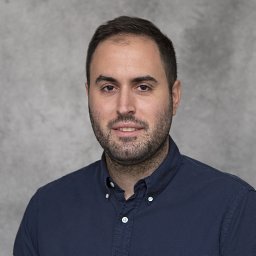 Ioannis Vathiotis合作论文数School of Medicine, National and Kapodistrian University of Athens20
 Michael K. Gibson合作论文数School of Medicine, Vanderbilt University20
 Benjamin E Leiby合作论文数19Dwight E Heron合作论文数18Charalambos C. Solomides合作论文数17
 Raja R. Seethala合作论文数Department of Pathology, Division of Anatomic Pathology, School of Medicine, University of Pittsburgh17
 Suresh S. Ramalingam合作论文数Department of Hematology-Oncology, School of Medicine, Emory University;Winship Cancer Institute, Emory University;Emory Healthcare16
 Barton Branstetter合作论文数Department of Radiology, University of Pittsburgh16Whitaker-Menezes Diana合作论文数16
 Andrew P. South合作论文数Department of Dermatology & Cutaneous Biology, College of Life Sciences, Thomas Jefferson University;The Joan and Joel Rosenbloom Research Center for Fibrotic Diseases, Thomas Jefferson University16Chandra P Belani合作论文数15Hushan Yang合作论文数15
 Dwight E. Heron合作论文数American College of Radiation Oncology;NRG Oncology;Bon Secours Mercy Health;REDJuvenate, LLC15
 Ezra Cohen合作论文数Tempus Labs, Inc14Zhao Lin合作论文数13Jill Gilbert合作论文数13
 Julie Elaine Bauman合作论文数Division of Hematology and Oncology, Department of Medicine, The University of Arizona College of Medicine - Tucson;The University of Arizona Cancer Center13Kim Seungwon合作论文数12
 Ulrich Rodeck合作论文数Department of Dermatology and Cutaneous Biology, Thomas Jefferson University12
 Sufi M. Thomas合作论文数Department of Otolaryngology, University of Pittsburgh12
 Ubaldo E. Martinez-Outschoorn合作论文数Sidney Kimmel Medical College, Thomas Jefferson University Hospital;Jefferson Methodist Hospital12
 Paolo Bossi合作论文数University of Brescia12
 Angela Alnemri合作论文数Dept Otolaryngol Head & Neck Surg, Thomas Jefferson Univ Hosp11
 Jill M. Siegfried合作论文数Department of Pharmacology, Medical School, University of Minnesota11Wang Lin合作论文数11
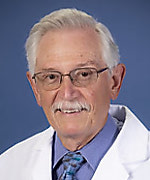 David R. Gandara合作论文数Department of Internal Medicine, UC Davis Comprehensive Cancer Center11
 Athanasios Kotsakis合作论文数University of Pittsburgh Medical Center;Cellular Processing Laboratory11Ralph G. Zinner合作论文数11Egloff Ann Marie合作论文数10Old Matthew O合作论文数10Petro Daniel合作论文数10
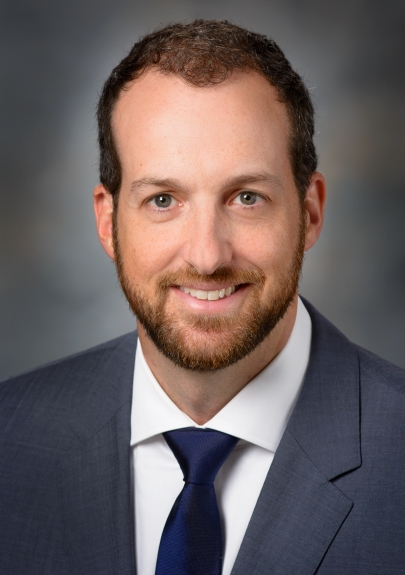 Neil D. Gross合作论文数Department of Head and Neck Surgery, Division of Surgery, The University of Texas MD Anderson Cancer Center10Zhan Tingting合作论文数Department of Pharmacology and Experimental Therapeutics, Thomas Jefferson University9




