Head and neck cancers represent a diverse group of malignancies with substantial heterogeneity in biology and prognosis for which management of advanced-stage disease remains a formidable challenge. Although the incorporation of immune checkpoint inhibitors has led the way to a new era of treatment possibilities, the current state of the science calls for further innovation and a nuanced approach to clinical trial design to address several unmet needs. This article from the NRG Oncology Recurrent/Metastatic Head and Neck Working Group aimed to critically identify gaps in clinical practice and the scientific literature and to propose actionable recommendations for future research in the framework of recurrent or metastatic squamous cell carcinoma of the head and neck.
INTRODUCTION:The COVID-19 pandemic necessitated rapid adaptations in healthcare delivery to ensure continuity of care while minimizing patient exposure to the virus. Telehealth emerged as a critical tool, supported by the Centers for Medicare and Medicaid Services (CMS) emergency waivers, which expanded telehealth services to include radiation treatment management. While telehealth has improved accessibility and convenience, its impact on clinical outcomes and healthcare utilization in oncology remains unclear. This study examines telehealth utilization during external beam radiation therapy episodes among Medicare beneficiaries, focusing on its association with emergency department (ED) visits, inpatient stays (IS), and related costs. METHODS:This retrospective cohort study analyzed Medicare beneficiaries who received external beam radiation therapy in outpatient hospital-based settings between 2020 and 2022. Radiation therapy episodes were constructed using the Medicare Standard Analytic Files (SAF) and included all treatment-related services provided over 90 days. Telehealth utilization was identified using Healthcare Common Procedure Coding System (HCPCS) codes, while ED visits and IS were determined from outpatient and inpatient claims. Multivariate logistic regression models were used to assess the association between telehealth use and healthcare utilization, adjusting for demographic and clinical risk factors. Costs were calculated based on Medicare payments and adjusted for inflation to account for changes in purchasing power over time. RESULTS:A total of 369,570 radiation therapy episodes were analyzed. Telehealth utilization declined from 9.6% in 2020 to 5.5% in 2022 but remained consistent within episodes where it was used. Patients utilizing telehealth had higher rates of ED visits (38.2% vs 30.2%) and IS (29.9% vs 21.6%) compared to those without telehealth. Multivariate analysis confirmed telehealth as a significant predictor of ED visits (p < 0.001, OR 1.057) and IS (p < 0.001, OR 1.080). Excess events attributed to telehealth use were estimated at 500 ED visits and 541 IS, with associated costs of $16.3 million during the study period. CONCLUSION:Telehealth has become an essential component of cancer care, especially during the COVID-19 pandemic. Telehealth use during radiation therapy episodes was associated with increased healthcare utilization and costs, highlighting the need for optimized telehealth delivery models. Proactive care coordination and symptom management strategies may mitigate these risks. Further research is needed to explore the long-term impact of telehealth on patient outcomes and to refine its role in oncology care.
PURPOSE:The central nervous system World Health Organization (WHO) grade 4 adult-type diffuse glioma represents one of the most aggressive and challenging primary brain tumors. This guideline aims to provide evidence-based recommendations for the multidisciplinary management of these tumors, focusing on diagnosis, initial treatment, reirradiation, and health disparities, while acknowledging that present literature primarily represents historical histologic grade 4 glioblastoma. METHODS:The American Society for Radiation Oncology convened a task force to address 4 key questions focused on indications for radiation therapy (RT) and/or adjunctive therapies (eg, systemic therapy, alternating electric field therapy), appropriate regimens for external beam RT after initial biopsy/resection including variables such as pretreatment characteristics, target volumes, technique, dose, reirradiation indications and techniques, and health disparities. Recommendations are based on a systematic literature review and created using a predefined consensus-building methodology and system for grading evidence quality and recommendation strength. RESULTS:Following maximum safe resection, molecular and pathologic diagnosis, and prognostic stratification of WHO grade 4 adult-type diffuse glioma, concurrent RT with temozolomide followed by adjuvant temozolomide is recommended for eligible patients and incorporation of alternating electric field therapy is conditionally recommended. In elderly patients, hypofractionated RT with concurrent and adjuvant temozolomide is conditionally recommended. In frail patients, supportive and palliative care is conditionally recommended following multidisciplinary, patient-centered discussion. Appropriate reirradiation techniques, with or without additional systemic therapies, can be considered and are conditionally recommended in patients following pathologic or advanced imaging confirmation of WHO grade 4 diffuse glioma recurrence. Health disparities exist in patients with WHO grade 4 adult-type diffuse glioma and attention is necessary to improve outcomes and increase clinical trial enrollment for underserved populations. CONCLUSIONS:These evidence-based recommendations and current practice adoption patterns inform best clinical practices on the management of WHO grade 4 adult-type diffuse glioma. Future advancements in personalized medicine, biomarker discovery, and novel therapies are essential to improving outcomes. The integration of multidisciplinary care and participation in future clinical trials, especially in underserved populations, is crucial in addressing the poor outcomes among WHO grade 4 adult-type diffuse glioma.
INTRODUCTION:Radiation oncology (RO) has undergone dramatic changes in clinical practice and reimbursement policy due to changes in the Medicare payment system, technological innovation in treatment modalities, and changing use patterns. This study aims to analyze the financial impact of these changes between 2016 and 2022 and their implications for the sustainability of practice and patient access. Methods: We reviewed Medicare beneficiary-level claims data from 2016 and 2022 to determine trends in payment under the Medicare Physician Fee Schedule (MPFS) and Outpatient Prospective Payment System (OPPS). Treatment episodes were classified by modality (external beam radiation therapy (EBRT) and stereotactic body radiation therapy (SBRT)) and cancer type, with financial effects determined by payment policy changes, utilization changes, and conversion factor changes. Results: The effect of payment policy changes was stable in relative value units (RVUs) and relative weights (RWs) with no combination of cancer type, service type, and practice setting, showing a difference of more than + 8% or -4%. Reimbursement for technical services in free-standing office practices declined by -16.9% for breast cancer and -14.2% for prostate cancer by greater use of hypofractionation. Inflation-adjusted Medicare conversion factors fell 12.2% in hospital outpatient departments and 20.8% in free-standing offices. The aggregate overall effects were favorable due to the geographic adjustment of national payment rates. For breast episodes, the impact sum for technical charges in the hospital outpatient setting was -21.8%, and the overall impact was -15.6%. Conclusion: RO practices from 2016 to 2022 showed stable RVUs and RWs, indicating minimal changes to payment policy. However, due to transitioning to hypofractionated regimens and lower treatment volumes, reimbursement rates for technical services for breast and prostate cancers significantly declined. Geographic adjustments reduced overall impacts. However, specific policy initiatives are necessary to guarantee fair reimbursement and maintain access to quality cancer treatment.
Recurrent squamous cell carcinoma of the head and neck remains a formidable clinical challenge. This article provides detailed current and novel reirradiation strategies, including integration of systemic, targeted, and immunotherapeutic approaches, including highlighting ongoing clinical trials.
Introduction Medicare payments for radiation oncology (RO) services adhere to a fee-for-service model. However, a growing number of stakeholders, including both payers and physicians, are increasingly supportive of transitioning to an episode-based payment (EBP) model. Multiple novel models have been proposed, including the Centers for Medicare and Medicaid Services/Center for Medicare & Medicaid Innovation Radiation Oncology Model and the American Society for Radiation Oncology Radiation Oncology Case Rate (ROCR) program. Data regarding the level of RO physician support for implementing an EBP model, and RO physician opinions on key elements of the proposed models, have not been published. The American College of Radiation Oncology (ACRO) Government Relations and Economics Committee conducted a robust survey to gain insight into physician sentiment, enhance transparency, promote dialogue, and assess consensus on payment reform. Methods A 29-item questionnaire was created and distributed electronically via email to practicing RO attending and resident physicians, identified using American Medical Association Physician Professional Data and ACRO membership rolls. The survey commenced on October 2, 2023, and concluded on February 1, 2024. Hypothesis testing was conducted using the null hypothesis that there is no consensus amongst physicians on a given item (i.e., the proportion of physicians agreeing or disagreeing with a statement defined as equal to 50%). One-sample tests of proportions, specifying the null hypothesis as 0.5, were run using R 4.3.3 (R Core Team, Vienna, Austria), a statistical computing software. Results A total of 528 responses were collected, of which 500 were from practicing RO physicians in the United States (U.S.) and were included for analysis. Respondents included attending physicians from all 50 U.S. states, the District of Columbia, and Puerto Rico. It was found that 61.0% (n = 285 of 467; p < 0.001; 95% CI: 56.4%-65.4%) of respondents support implementing an EBP model for RO services, in which payment is primarily based on the site of disease being treated, rather than the X-ray beam modality or fraction number; 17.3% (n = 81 of 467) neither support nor oppose it, and 21.6% (n = 101 of 467) oppose such a model. Support for EBP exceeds 50.0% across all experience levels, practice types (academic, community or private practice, and Veteran's Health Administration), practice sites (hospital and freestanding), practice settings (rural, suburban, and urban), and U.S. geographic regions. It was found that 63.8% (n = 298 of 467) of respondents agree that such a model would better align financial incentives with clinical guidelines. Additionally, 78.6% (n = 367 of 467) support site-neutral payments that equalize pay for RO services, regardless of whether treatments are delivered at a freestanding radiation therapy center or hospital outpatient department. Although not directly tied to EBP models, 68.7% (n = 321 of 467) support site-neutral direct supervision requirements, with specified limited exceptions. Conclusion A clear majority of RO physicians currently practicing in the U.S. either support or are neutral towards the implementation of an EBP model for their specialty. This survey represents the first comprehensive assessment of practicing RO physicians' views on implementing an EBP model. The findings provide critical insight for RO stakeholders, including members of Congress, considering the ROCR program.
e23249 Background: Complete biomarker testing (CBT) is an underutilized standard of care for patients with advanced lung adenocarcinoma, but limited tissue samples may lead to incomplete testing. Especially if quantity is not sufficient (QNS) requiring additional samples, a prolonged time-to-initiation of treatment (TTT) has been shown to negatively impact clinical outcomes. Bon Secours Mercy Health (BSMH) Youngstown, Ohio reviewed biomarker testing data and found: 1) only 41% of patients received CBT, and 2) in the case of QNS when liquid biopsies were utilized, the time from diagnosis to results took an average of 42 days. BSMH worked in collaboration with OncoLens and Q Synthesis to address these issues and reduce the TTT. To our knowledge, there is also no data on interventions that can increase CBT across large health systems and simultaneously tackle both physician and other factors associated with known health disparities. Methods: A multidisciplinary team developed a new workflow for patients diagnosed with advanced NSCLC. The pilot involved collecting both tissue and blood at the time of needle biopsy and working with a single reference lab for testing. Physicians and nurses in radiology and pulmonology were in-serviced on the new workflow. As patients were being prepared for a biopsy procedure, nurses collected two tubes of blood for liquid biopsy. After the procedure, both the tissue and blood were sent to pathology and if pathology confirmed an advanced NSCLC diagnosis, both samples were sent to the reference lab for testing. The lab developed a new process to hold blood and test it only when the tissue was QNS. If QNS, tissue testing for PD- L1 was prioritized, and additional biomarker tests were completed with the blood sample. If tissue quantity was sufficient, unused blood was discarded. The lab charged for a single test regardless of whether the test was performed on tissue and/or blood. Results: The QI project ran from Sept 2021 - Dec 2022 and achieved four improvements: 1) a 39.6% increase in CBT in patients with advanced NSCLC (80.6% post-intervention), 2) a decrease of 15.7 days from diagnosis to complete liquid biopsy test results (27.2 days post-intervention, 3) increased CBT rates across all but one physician by an average of 55% (-5% to 220%), and 4) increased CBT by 8% in females and patients with Medicare, Medicaid or other noncommercial/underinsured/uninsured payors. Conclusions: This QI project demonstrated that CBT of advanced NSCLC can be improved by programs that are tailored to large health systems and individual physicians. Gains are also seen in patient populations at risk of adverse outcomes.
The burden of cancer and access to effective treatment are not experienced equally by all in the United States. For underserved populations that often access the health-care system when their cancers are in advanced disease stages, radiation oncology services are essential. In 2001, the National Cancer Institute's (NCI's) Radiation Research Program created and implemented the Cancer Disparities Research Partnership Program (CDRP). CDRP was a pioneering funding model whose goal was to increase participation of medically underserved populations in NCI clinical trials. CDRP's Cooperative Agreement funding supported for awardees the planning, development, and conduct of radiation oncology clinical research in institutions not traditionally involved in NCI-sponsored research and cared for a disproportionate number of medically underserved, health-disparities populations. The awardee secured and provided support for mentorship from 1 of 2 NCI comprehensive cancer centers named in its application. Six CDRP awards were made over two 5-year funding periods ending in 2013, with the end-of-program accomplishments previously reported. With the current focus on addressing equity, diversity, and inclusion, the 6 principal investigators were surveyed, 5 of whom responded about the impact of CDRP on their institutions, communities, and personal career paths. The survey that was emailed included 10 questions on a 5-point Likert scale. It was not possible to collect patient data this long after completion of the program. This article provides a 20-year retrospective of the experiences and observations from those principal investigators that can inform those now planning, building, and implementing equity, diversity, and inclusion programs.
57 Background: Biomarker testing is the standard of care for patients with advanced lung adenocarcinoma, but limited tissue samples may lead to incomplete testing. Especially if quantity is not sufficient (QNS) requiring additional samples, a prolonged time-to-initiation of treatment (TTT) has been shown to negatively impact clinical outcomes. Bon Secours Mercy Health (BSMH) Youngstown, Ohio reviewed biomarker testing data and found: 1) only 41% of patients received complete biomarker testing, and 2) in the case of QNS when liquid biopsies were utilized, the time from diagnosis to results took an average of 42 days. BSMH worked in collaboration with OncoLens and Q Synthesis to address these issues and reduce the TTT. Methods: A multidisciplinary team developed a new workflow for patients diagnosed with advanced NSCLC. The pilot involved collecting both tissue and blood at the time of needle biopsy and working with a single reference lab for testing. Physicians and nurses in radiology and pulmonology were in-serviced on the new workflow. As patients were being prepared for a biopsy procedure, nurses collected two tubes of blood for liquid biopsy. After the procedure, both the tissue and blood were sent to pathology and if pathology confirmed an advanced lung adenocarcinoma diagnosis, both samples were sent to the reference lab for testing. The lab developed a new process to hold blood and test it only when the tissue was QNS. If QNS, tissue testing for PD- L1 was prioritized and additional biomarker tests were completed with the blood sample. If tissue quantity was sufficient, unused blood was discarded. The lab charged for a single test regardless of whether the test was performed on tissue and/or blood. Results: The QI project ran from Sept 2021 - Dec 2022 and achieved two improvements: 1) a 39.6% increase in complete biomarker testing in patients with advanced lung adenocarcinoma (80.6% post-intervention) and 2) a decrease of 15.7 days from diagnosis to complete liquid biopsy test results (27.2 days post-intervention). Conclusions: This QI project demonstrated a significant improvement in overall biomarker testing rates and a nearly 50% reduction in the time to completion of testing. It also demonstrated how hospitals and reference labs may coordinate efforts to streamline biomarker testing with the aim of improving clinical outcomes through reductions of TTT.
BACKGROUND Concurrent radiation therapy (RT) with cetuximab, an anti-EGFR monoclonal antibody (mAb), is a standard treatment for locally advanced head and neck squamous carcinoma (HNSCC). CTLA-4+ T regulatory cells (Treg) dampen cellular immunity and correlate negatively with clinical outcomes. This phase I study added anti-CTLA-4 mAb ipilimumab to cetuximab-RT. METHODS A [3 + 3] design established the recommended phase II dose (RP2D) of ipilimumab, added at week 5 for four, q3-week doses to fixed, standard cetuximab-RT. Eligible subjects had stage III-IVb, high-risk (HPV-) or intermediate-risk (HPV+) HNSCC. Dose limiting toxicity (DLT) was defined as grade 4 adverse event (AE) except in-field radiation dermatitis or immune-related (ir) AE requiring {greater than or equal to} 2 weeks of systemic steroids. Tumor and blood were collected for correlatives. RESULTS From July 2013-May 2016, 18 patients enrolled. Two of 6 in cohort 1 (ipilimumab 3 mg/kg) experienced grade 3 dermatologic DLTs, triggering de-escalation of ipilimumab to 1 mg/kg. Dose Level -1 was expanded to N = 12 without DLT. irAE included: grade 1, 2, and 3 dermatitis (2, 1, and 3 cases), grade 4 colitis (1), and grade 1 hyperthyroidism (1). Three-year disease-free survival (DFS) and overall survival (OS) were 72% (90% CI: 57-92%) and 72% (90% CI: 56-92%). High expression of co-inhibitory receptors PD1/LAG3/CD39 on tumor-infiltrating Treg associated with worse DFS (HR=5.6, 95% CI: 0.83-37.8, p=0.08). CONCLUSIONS The RP2D for ipilimumab plus cetuximab-RT is 1mg/kg in weeks 5, 8, 11, and 14. The regimen is tolerable and yields acceptable survival without cytotoxic chemotherapy. CLINICAL TRIAL INFORMATION NCT01935921.
One of the greatest challenges in radiation oncology is selecting the "optimal" radiation dose and weighing the benefits and risks of our choices. Higher doses generally increase both tumor control probability (TCP) and normal tissue complication probability (NTCP). Finding the sweet spot, optimizing TCP with a clinically acceptable NTCP, is often difficult. An excellent example of this delicate balance is in the treatment of brain metastases with stereotactic radiosurgery (SRS), that is, weighing the benefits of local control with the risks of symptomatic radionecrosis. It is critical to recognize that radionecrosis is an accepted and often unavoidable consequence of effective treatment of brain metastases. Although radiation oncologists tend to strictly adhere to dosimetric constraints in some settings (eg, to maintain very low risks of optic neuropathy 1 Milano MT Grimm J Soltys SG et al. Single- and multi-fraction stereotactic radiosurgery dose tolerances of the optic pathways. Int J Radiat Oncol Biol Phys. 2021; 110: 87-99 Abstract Full Text Full Text PDF PubMed Scopus (63) Google Scholar or spinal cord myelopathy 2 Sahgal A Chang JH Ma L et al. Spinal cord dose tolerance to stereotactic body radiation therapy. Int J Radiat Oncol Biol Phys. 2021; 110: 124-136 Abstract Full Text Full Text PDF PubMed Scopus (82) Google Scholar ), such a stringent approach for post-SRS brain radionecrosis can be detrimental, as some amount of risk (even with eloquent brain) must be accepted.
PURPOSE:As part of the American Association of Physicists in Medicine Working Group on Stereotactic Body Radiotherapy, tumor control probability (TCP) after stereotactic radiosurgery (SRS) and fractionated stereotactic radiosurgery (fSRS) for brain metastases was modeled based on pooled dosimetric and clinical data from published English-language literature.METHODS AND MATERIALS:PubMed-indexed studies published between January 1995 and September 2017 were used to evaluate dosimetric and clinical predictors of TCP after SRS or fSRS for brain metastases. Eligible studies had ≥10 patients and included detailed dose-fractionation data with corresponding ≥1-year local control (LC) data, typically evaluated as a >20% increase in diameter of the targeted lesion using the pre-SRS diameter as a reference.RESULTS:Of 2951 potentially eligible manuscripts, 56 included sufficient dose-volume data for analyses. Accepting that necrosis and pseudoprogression can complicate the assessment of LC, for tumors ≤20 mm, single-fraction doses of 18 and 24 Gy corresponded with >85% and 95% 1-year LC rates, respectively. For tumors 21 to 30 mm, an 18 Gy single-fraction dose was associated with 75% LC. For tumors 31 to 40 mm, a 15 Gy single-fraction dose yielded ∼69% LC. For 3- to 5-fraction fSRS using doses in the range of 27 to 35 Gy, 80% 1-year LC has been achieved for tumors of 21 to 40 mm in diameter.CONCLUSIONS:TCP for SRS and fSRS are presented. For small lesions ≤20 mm, single doses of ≈18 Gy appear generally associated with excellent rates of LC; for melanoma, higher doses seem warranted. For larger lesions >20 mm, local control rates appear to be ≈ 70% to 75% with usual doses of 15 to 18 Gy, and in this setting, fSRS regimens should be considered. Greater consistency in reporting of dosimetric and LC data is needed to facilitate future pooled analyses. As systemic and biologic therapies evolve, updated analyses will be needed to further assess the necessity, efficacy, and toxicity of SRS and fSRS.
The use of novel stimuli for obtaining nasalance measures in young children was the focus of this study. The subjects were 20 children without a history of communication disorders and 20 children at risk for velopharyngeal insufficiency (VPI). Each subject recited three passages; the standard Zoo Passage, and two novel stimuli that were named the Turtle Passage and the Mouse Passage. Like the Zoo Passage, the Turtle Passage contained no normally nasal consonants. The Mouse Passage was about 11% nasal consonants, which is similar to the Rainbow Passage. Statistical analysis showed no significant difference between the mean nasalance for the Zoo Passage and the Turtle Passage for either the subjects without risk of VPI (15.4% vs 15.7%) or for those at risk (30.4% vs 28.8%). Nasalance measures for the Mouse Passage were significantly higher than for either the Zoo Passage or the Turtle Passage. Listeners rated the stimuli on a 5-point equal-appearing intervals scale. The correlation coefficient between listener judgments of hypernasality and nasalance was significant for the Zoo Passage (r = 0.70) and for the Turtle Passage (r = 0.51) but not significant for the Mouse Passage (r = 0.32). Using cut-off scores of 22% for nasalance and 2.25 for hypernasality, the sensitivity for the Zoo Passage was 0.72, and for the Turtle Passage, 0.83.
PURPOSE:Stereotactic body radiation therapy (SBRT) and stereotactic ablative body radiation therapy is being increasingly used for pancreatic cancer (PCa), particularly in patients with locally advanced and borderline resectable disease. A wide variety of dose fractionation schemes have been reported in the literature. This HyTEC review uses tumor control probability models to evaluate the comparative effectiveness of the various SBRT treatment regimens used in the treatment of patients with localized PCa.METHODS AND MATERIALS:A PubMed search was performed to review the published literature on the use of hypofractionated SBRT (usually in 1-5 fractions) for PCa in various clinical scenarios (eg, preoperative [neoadjuvant], borderline resectable, and locally advanced PCa). The linear quadratic model with α/β= 10 Gy was used to address differences in fractionation. Logistic tumor control probability models were generated using maximum likelihood parameter fitting.RESULTS:After converting to 3-fraction equivalent doses, the pooled reported data and associated models suggests that 1-year local control (LC) without surgery is ≈79% to 86% after the equivalent of 30 to 36 Gy in 3 fractions, showing a dose response in the range of 25 to 36 Gy, and decreasing to less than 70% 1-year LC at doses below 24 Gy in 3 fractions. The 33 Gy in 5 fraction regimen (Alliance A021501) corresponds to 28.2 Gy in 3 fractions, for which the HyTEC pooled model had 77% 1-year LC without surgery. Above an equivalent dose of 28 Gy in 3 fractions, with margin-negative resection the 1-year LC exceeded 90%.CONCLUSIONS:Pooled analyses of reported tumor control probabilities for commonly used SBRT dose-fractionation schedules for PCa suggests a dose response. These findings should be viewed with caution given the challenges and limitations of this review. Additional data are needed to better understand the dose or fractionation-response of SBRT for PCa.
We sought to evaluate the association between larynx dose and risk of severe late laryngeal toxicity in patients undergoing re-irradiation SBRT for recurrent HNC. Fifty-five patients with an intact larynx underwent re-irradiation SBRT to a median dose of 44 Gy in 5 fractions. Five (41.7%) patients treated for a laryngeal/hypopharyngeal recurrence experienced late grade >= 3 laryngeal toxicity, compared to 0.0-7.1% for other sites. Logistic dose-response models were created to predict risk of severe late laryngeal toxicity, including dysphagia and airway compromise. According to the model, the risk of severe laryngeal toxicity with a larynx D5cc of 5 Gy is 5.8% (95% CI 2.9-9.9%) and rises to 11.4% with a D5cc of 20 Gy and 25.3% with a D5cc of 40 Gy. In patients with a laryngeal/hypopharyngeal recurrence, SBRT planning should carefully assess the dose to laryngeal structures given these dose findings, and SBRT should be approached with significant caution in such patients.
Objective To examine factors associated with PET scan use in the pre-operative evaluation of patients diagnosed with bladder cancer. Methods Using SEER-Medicare data, we identified bladder cancer patients who underwent radical cystectomy from 2006 to 2011 (n = 4,138). The primary outcome was PET scan use within 6 months before surgery. To examine predictors of PET scan use, we fit a mixed logit model with health service area as a random effect to account for patients nested within health service areas. We also calculated the adjusted probability of use over time and examined variation among the highest volume surgeons. Results Among the 4,138 patients, 406 (10%) received a pre-operative PET scan. The adjusted probability of a patient undergoing a PET scan increased from 0.04 in 2004 to 0.10 in 2011 (p < .001). Among the 78 highest volume surgeons, there was significant variation in PET scan use (p < .001). Patients with non-urothelial histology, measurement of alkaline phosphatase levels, and receipt of neoadjuvant chemotherapy were more likely to receive PET scan (all p < .05). Conclusion Use of PET prior to radical cystectomy doubled over a 5-year period, suggesting its increased use in patients with muscle-invasive bladder cancer, particularly those with high-risk disease. Whether its use is warranted and improves patient outcomes is not clear and requires further studies.
Background To better understand how radiation oncologists perceive intensity-modulated radiation therapy (IMRT) and stereotactic body radiation therapy (SBRT) for prostate cancer and how these perceptions may influence treatment decisions. Methods We conducted semi-structured interviews of radiation oncologists between January–May, 2016. We used a purposeful sampling technique to select participants across a wide range of experience, regions, and practice types. Two trained qualitative researchers used an inductive, iterative approach to code transcripts and identify themes. We then used content analysis and thematic analysis of the coded transcripts to understand radiation oncologists’ attitudes and beliefs about IMRT and SBRT. Results Thematic saturation was achieved after 20 interviews. Participants were affiliated with academic ( n = 13; 65%), private ( n = 5; 25%), and mixed ( n = 2; 10%) practices and had a wide range of clinical experience (median 19 years; range 4–49 years). Analysis of interview transcripts revealed four general themes: 1) most radiation oncologists offered surgery, brachytherapy, IMRT, and active surveillance for low-risk patients; 2) there was no consensus on the comparative effectiveness of IMRT and SBRT; 3) key barriers to adopting SBRT included issues related to insurance, reimbursement, and practice inertia; and 4) despite these barriers, most participants envisioned SBRT use increasing over the next 5–10 years. Conclusions In the absence of strong opinions about effectiveness, nonclinical factors influence the choice of radiation treatment. Despite a lack of consensus, most participants agreed SBRT may become a standard of care in the future.
 Steven A. Burton合作论文数76
 Sushil Beriwal合作论文数Radiation Oncology, University of Pittsburgh Cancer Institute70
 Robert L. Ferris合作论文数School of Medicine, UNC68
 M. Saiful Huq合作论文数Department of Radiation Oncology, University of Pittsburgh;UPMC Hillman Cancer Center;School of Medicine, University of Pittsburgh;Clinical and Translational Science Institute, University of Pittsburgh67Andy Clump合作论文数57
 John C. Flickinger合作论文数Department of Radiation Oncology, School of Medicine, University of Pittsburgh41Ohr James合作论文数35
 Rodney Ervin Wegner合作论文数Department of Radiation Oncology, Allegheny General Hospital35John A Vargo合作论文数32Cihat Ozhasoglu合作论文数31
 Jonas T. Johnson合作论文数Department of Otolaryngology, School of Medicine, University of Pittsburgh28
 Rwigema Jean-Claude M合作论文数Dept Radiat Oncol, Univ Pittsburgh27
 Greg Kubicek合作论文数25Ning J. Yue合作论文数22Arlan H. Mintz合作论文数21Yong Yang合作论文数21
 William E. Gooding合作论文数University of Pittsburgh Hillman Cancer Center20M. Huq合作论文数19Kalash Ronny合作论文数17
 Rodney Landreneau合作论文数University of Pittsburgh Medical Center;The Lung Center, Penn Highlands Healthcare17
 Julie Elaine Bauman合作论文数Division of Hematology and Oncology, Department of Medicine, The University of Arizona College of Medicine - Tucson;The University of Arizona Cancer Center17Rajagopalan Malolan S合作论文数16Duvvuri Umamaheswar合作论文数16Kim Seungwon合作论文数16
 Annette Quinn合作论文数16Ling Diane C合作论文数University of Pittsburgh Cancer Institute, University of Pittsburgh Medical Center15Greg Bednarz合作论文数15
 Robert Edwards合作论文数Department of Obstetrics, Gynecology & Reproductive Sciences, University of Pittsburgh;Magee-Womens Hospital, University of Pittsburgh Medical Center15
 Athanassios Argiris合作论文数Department of Medical Oncology, Sidney Kimmel Medical College, Thomas Jefferson University;1st Department of Medical Oncology, Hygeia Hospital15
 Jennifer Grandis合作论文数School of Medicine, University of California, San Francisco14
 Joseph Leo Kelley合作论文数Division of Gynecologic Oncology, Department of Obstetrics, Gynecology and Reproductive Sciences, Medical Center, Schools of the Health Sciences, University of Pittsburgh;Magee-Womens Hospital, University of Pittsburgh Medical Center14
 Ron Lalonde合作论文数13
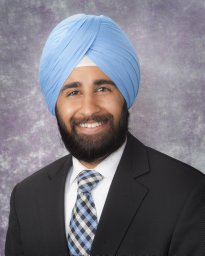 Gill Beant S合作论文数Magee-Womens Hospital, University of Pittsburgh Medical Center13Hayeon Kim合作论文数13Mark E. Bernard合作论文数12
 Barton Branstetter合作论文数Department of Radiology, University of Pittsburgh12
 James D. Luketich合作论文数Department of Cardiothoracic Surgery, School of Medicine, University of Pittsburgh;McGowan Institute for Regenerative Medicine, University of Pittsburgh12
 Herbert Zeh III合作论文数The University of Texas Southwestern Medical Center;University of Pittsburgh;Harold C. Simmons Comprehensive Cancer Center, The University of Texas Southwestern12Siyoung Jang合作论文数Boston Med Ctr, Dept Radiat Oncol, Boston, MA USA11Philip Sutera合作论文数Dept Radiat Oncol, UPMC Hillman Canc Ctr11Horne Zachary D合作论文数Department of Radiation Medicine, Georgetown University Hospital11
 Joel S. Greenberger合作论文数UPMC Shadyside Radiation Oncology,UPMC Cancer Pavilion11
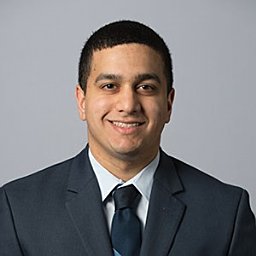 Arpan V. Prabhu合作论文数From the Departments of Radiology (A.V.P., H.A.K., B.F.B.) and Otolaryngology (B.F.B.),, University of Pittsburgh School of Medicine10Vargo John A合作论文数10Tianfang Li合作论文数Department of Medical Physics, Memorial Sloan Kettering Cancer Center10
 K. Michael Gibson合作论文数College of Pharmacy, Washington State University10Regiane S. Andrade合作论文数10Peyman Kabolizadeh合作论文数9Fernando Hiran C合作论文数9




