Chronic viral infections are ubiquitous in humans, with individuals carrying multiple viruses that can reactivate during physiological stress, including severe illness1. Notably, SARS-CoV-2 infection has been shown to reactivate chronic viruses such as Epstein-Barr virus and cytomegalovirus, yet the full extent, temporal dynamics and immunological impact of viral reactivation in COVID-19 remain incompletely understood2-7. Here, leveraging multi-omic longitudinal data from 1,154 hospitalized patients with COVID-19 from the Immunophenotyping Assessment in a COVID-19 Cohort (IMPACC) study, we reveal significant reactivation of Herpesviridae and Anelloviridae during acute COVID-19, with distinct temporal dynamics for different viruses, and demonstrate that reactivation correlates with disease severity, host immune effects and clinical outcomes. Although our results do not establish causation between virus reactivation and clinical outcomes, we highlight the prevalence of chronic viral reactivation during acute COVID-19 and long COVID. Our findings challenge the prevailing view that chronic viral reactivation is primarily a consequence of immunosuppression, demonstrating that reactivations occur frequently in immunocompetent individuals during severe illness and in association with increased systemic inflammation. Additionally, we demonstrate persistence of viral reactivation in convalescence, and report an association of Anelloviridae with long COVID. This study provides immune, transcriptomic and metabolomic signatures of viral reactivation that could inform future strategies to prognosticate and treat acute COVID-19 and long COVID.
The post-acute sequelae of SARS-CoV-2 (PASC), also known as long COVID, remain a significant health issue that is incompletely understood. Predicting which acutely infected individuals will develop long COVID is challenging due to the absence of established biomarkers, clear disease mechanisms, or well-defined sub-phenotypes. Machine learning (ML) models may address this gap by leveraging clinical data to enhance diagnostic precision. Clinical data, including antibody titers and viral load measurements collected at the time of hospital admission, are used to predict the likelihood of acute COVID-19 progressing to long COVID. Machine learning models are trained and evaluated for predictive performance. Feature importance analysis is performed to identify the most influential predictors. The machine learning models achieve median AUROC values ranging from 0.64 to 0.66 and AUPRC values between 0.51 and 0.54, demonstrating predictive capabilities. Low antibody titers and high viral loads at hospital admission emerge as the strongest predictors of long COVID outcomes. Comorbidities—such as chronic respiratory, cardiac, and neurologic diseases—and female sex are also identified as significant risk factors. Machine learning models identify patients at risk for developing long COVID based on baseline clinical characteristics. These models guide early interventions, improve patient outcomes, and mitigate the long-term public health impacts of SARS-CoV-2. Long COVID, or post-acute sequelae of SARS-CoV-2, is a prolonged health condition that can occur after acute COVID-19 infection. However, the ability to predict who will develop long COVID remains limited due to the absence of clear tests or biomarkers. We looked at patients’ medical information, including the amount of virus in their body at hospital admission, and how strong their immune response was. Using computer programs that can find hidden patterns in large sets of data, we discovered that people with a weaker immune response, higher amounts of virus, certain long term health problems and women are more likely to develop long COVID. This study highlights that computer-based tools could help doctors identify high-risk patients early and provide care that may prevent long-term complications. Jayavelu, Samaha et al., apply machine learning models on hospital admission data, including antibody titers and viral load, to identify patients at high risk for Long COVID. Low antibody levels, high viral loads, chronic diseases, and female sex are key predictors, supporting early, targeted interventions.
Azithromycin is a widely used antibiotic and was frequently used to treat hospitalized patients during the COVID-19 pandemic. The impact of empiric azithromycin use on the respiratory microbiome in patients with viral respiratory infections is unclear. Here we used longitudinal metatranscriptomics on nasal swabs from a prospective multicentre cohort of 1,164 patients hospitalized for COVID-19. We compared the upper respiratory microbiome, resistome and systemic immune response in patients treated with azithromycin (n = 366) with those who received no antibiotics (n = 474) or other antibiotics (n = 324). We found that azithromycin altered microbiome composition and increased the expression and relative proportion of macrolide/lincosamide/streptogramin (MLS) resistance genes. These changes occurred after 1 day of exposure and persisted for over a week. MLS resistance gene expression was associated with commensals and potential pathogens, while there were no differences in host inflammatory gene expression in blood and airways. This demonstrates that empiric azithromycin treatment impacts the upper respiratory microbiome and resistome without apparent anti-inflammatory benefit.
The National Institutes of Health-funded IMPACC (IMmunoPhenotyping Assessment in a COVID-19 Cohort) evaluated longitudinal clinical and immunological features of human patients hospitalized for COVID-19. This study focuses on comparing the novel NULISAseq assay with the Olink platform using a subset of participants to assess their efficacy in predicting COVID-19 severity and understanding immune response dynamics. Our findings reveal that NULISAseq could provide superior detectability and dynamic range across various targets. Elastic net analysis demonstrated that specific proteins, including amphiregulin, effectively predict COVID-19 severity from sera at admission (samples drawn within 96 h of admission), with a test area under the curve of 0.84. Longitudinal analysis identified significant differences in multiple targets, including IL-5 and interferons, between low- and high-severity groups over time. Additionally, association rule mining suggested potential early markers predictive of later immune cell changes. These findings emphasize the potential of NULISAseq for comprehensive profiling, early prediction, and identification of targeted therapeutic interventions in COVID-19.
Introduction:The coronavirus disease 2019 (COVID-19) pandemic threatened public health and placed a significant burden on medical resources. The Immunophenotyping Assessment in a COVID-19 Cohort (IMPACC) study collected clinical, demographic, blood cytometry, serum receptor-binding domain (RBD) antibody titers, metabolomics, targeted proteomics, nasal metagenomics, Olink, nasal viral load, autoantibody, SARS-CoV-2 antibody titers, and nasal and peripheral blood mononuclear cell (PBMC) transcriptomics data from patients hospitalized with COVID-19. The aim of this study is to select baseline biomarkers and build predictive models for 28-day in-hospital COVID-19 severity and mortality with most predictive variables while prioritizing routinely collected variables. Methods:We analyzed 1102 hospitalized COVID-19 participants. We used the lasso and forward selection to select top predictors for severity and mortality, and built predictive models based on balanced training data. We then validated the models on testing data. Results:Severity was best predicted by the baseline SpO2/FiO2 ratio obtained from COVID-19 patients (test AUC: 0.874). Adding patient age, BMI, FGF23, IL-6, and LTA to the disease severity prediction model improves the test AUC by an additional 3%. The clinical mortality prediction model using SpO2/FiO2 ratio, age, and BMI resulted in a test AUC of 0.83. Adding laboratory results such as TNFRSF11B and plasma ribitol count increased the prediction model by 3.5%. The severity and mortality prediction models developed outperform the Sequential Organ Failure Assessment (SOFA) score among inpatients and perform similarly to the SOFA score among ICU patients. Conclusion:This study identifies clinical data and laboratory biomarkers of COVID-19 severity and mortality using machine learning models. The study identifies SpO2/FiO2 ratio to be the most important predictor for both severity and mortality. Several biomarkers were identified to modestly improve the predictions. The results also provide a baseline of SARS-CoV-2 infection during the early stages of the coronavirus emergence and can serve as a baseline for future studies that inform how the genetic evolution of the coronavirus affects the host response to new variants.
Elevated circulating endothelial cells (CECs), released from monolayers after insult, have been implicated in worse outcomes in ARDS and COVID-19, however there is no consensus proteomic phenotype that define CECs. We queried whether a transcriptomic approach would alternatively support the presence of endothelial cells in circulation and correlate with worsening respiratory failure. To test whether elevated endothelial cell signatures (ECS) in circulation plays a role in worse respiratory outcomes, we used unsupervised bulk-transcriptome deconvolution to quantify ECS
BACKGROUNDFollowing SARS-CoV-2 infection, approximately 10%-35% of patients with COVID-19 experience long COVID (LC), in which debilitating symptoms persist for at least 3 months. Elucidating the biologic underpinnings of LC could identify therapeutic opportunities.METHODSWe utilized machine learning methods on biologic analytes provided over 12 months after hospital discharge from more than 500 patients with COVID-19 in the IMPACC cohort to identify a multiomics "recovery factor," trained on patient-reported physical function survey scores. Immune profiling data included PBMC transcriptomics, serum O-link and plasma proteomics, plasma metabolomics, and blood mass cytometry by time of flight (CyTOF) protein levels. Recovery factor scores were tested for association with LC, disease severity, clinical parameters, and immune subset frequencies. Enrichment analyses identified biologic pathways associated with recovery factor scores.RESULTSParticipants with LC had lower recovery factor scores compared with recovered participants. Recovery factor scores predicted LC as early as hospital admission, irrespective of acute COVID-19 severity. Biologic characterization revealed increased inflammatory mediators, elevated signatures of heme metabolism, and decreased androgenic steroids as predictive and ongoing biomarkers of LC. Lower recovery factor scores were associated with reduced lymphocyte and increased myeloid cell frequencies. The observed signatures are consistent with persistent inflammation driving anemia and stress erythropoiesis as major biologic underpinnings of LC.CONCLUSIONThe multiomics recovery factor identifies patients at risk of LC early after SARS-CoV-2 infection and reveals LC biomarkers and potential treatment targets.TRIAL REGISTRATIONClinicalTrials.gov NCT04378777.FUNDINGNational Institute of Allergy and Infectious Diseases (NIAID), NIH (3U01AI167892-03S2, 3U01AI167892-01S2, 5R01AI135803-03, 5U19AI118608-04, 5U19AI128910-04, 4U19AI090023-11, 4U19AI118610-06, R01AI145835-01A1S1, 5U19AI062629-17, 5U19AI057229-17, 5U19AI057229-18, 5U19AI125357-05, 5U19AI128913-03, 3U19AI077439-13, 5U54AI142766-03, 5R01AI104870-07S1, 3U19AI089992-09, 3U19AI128913-03, and 5T32DA018926-1, 3U19AI1289130, U19AI128913-04S1, R01AI122220); NIH (UM1TR004528); and National Science Foundation (NSF) (DMS2310836).
BACKGROUNDAccurate prognostic assays for COVID-19 represent an unmet clinical need. We sought to identify and validate early parsimonious transcriptomic signatures that accurately predict fatal outcomes.METHODSWe studied 894 patients enrolled in the prospective, multicenter Immunophenotyping Assessment in a COVID-19 Cohort (IMPACC) with peripheral blood mononuclear cells (PBMC) and nasal swabs collected within 48 hours of admission. Host gene expression was measured with RNA-Seq. We trained parsimonious prognostic classifiers incorporating host gene expression, age, and SARS-CoV-2 viral load to predict 28-day mortality in 70% of the cohort. Classifier performance was determined in the remaining 30% and externally validated in a contemporary COVID-19 cohort (n = 137) with vaccinated patients.RESULTSFatal COVID-19 was characterized by 4,189 differentially expressed genes in the peripheral blood. A COVID-specific 3-gene peripheral blood classifier (CD83, ATP1B2, DAAM2) combined with age and SARS-CoV-2 viral load achieved an area under the receiver operating characteristic curve (AUC) of 0.88 (95% CI, 0.82-0.94). A 3-gene nasal classifier (SLC5A5, CD200R1, FCER1A), in comparison, yielded an AUC of 0.74 (95% CI, 0.64-0.83). Notably, OLAH, the most strongly upregulated gene in both PBMC and nasal swab and recently implicated in severe viral infection pathogenesis, yielded AUCs of 0.86 (0.79-0.93) and 0.78 (95% CI, 0.69-0.86), respectively. Both peripheral blood classifiers demonstrated comparable performance in an independent contemporary cohort of vaccinated patients (AUCs 0.74-0.80).CONCLUSIONOur parsimonious blood- and nasal-based classifiers accurately predicted COVID-19 mortality and merit further study as accessible prognostic tools to guide triage, resource allocation, and early therapeutic interventions.FUNDINGNIH: 5R01AI135803-03, R35HL140026, 5U19AI118608-04, 5U19AI128910-04, 4U19AI090023-11, 4U19AI118610-06, R01AI145835-01A1S1, 5U19AI062629-17, 5U19AI057229-17, 5U19AI125357-05, 5U19AI128913-03, 3U19AI077439-13, 5U54AI142766-03, 5R01AI104870-07, 3U19AI089992-09, 3U19AI128913-03, 5T32DA018926-18, and K0826161611. National Institute of Allergy and Infectious Diseases, NIH: 3U19AI1289130, U19AI128913-04S1, and R01AI122220. National Center for Advancing Translational Sciences, NIH: UM1TR004528. The National Science Foundation: DMS2310836. The Chan Zuckerberg Biohub San Francisco.
CD16A is an activating Fc receptor on NK cells that mediates antibody-dependent cellular cytotoxicity (ADCC), a key mechanism in antiviral immunity. However, the role of NK cell-mediated ADCC in SARS-CoV-2 infection remains unclear, particularly whether it limits viral spread and disease severity or contributes to the immunopathogenesis of COVID-19. We hypothesized that the high-affinity CD16AV176 polymorphism influences these outcomes. Using an in vitro reporter system, we demonstrated that CD16AV176 is a more potent and sensitive activator than the common CD16AF176 allele. To assess its clinical relevance, we analyzed 1,027 patients hospitalized with COVID-19 from the Immunophenotyping Assessment in a COVID-19 cohort (IMPACC), a comprehensive longitudinal dataset with extensive transcriptomic, proteomic, and clinical data. The high-affinity CD16AV176 allele was associated with a significantly reduced risk of ICU admission, mechanical ventilation, and severe disease trajectories. Lower anti-SARS-CoV-2 IgG titers were correlated to CD16AV176; however, there was no difference in viral load across CD16A genotypes. Proteomic analysis revealed that participants homozygous for CD16AV176 had lower levels of inflammatory mediators. These findings suggest that CD16AV176 enhances early NK cell-mediated immune responses, limiting severe respiratory complications in COVID-19. This study identifies a protective genetic factor against severe COVID-19, informing future host-directed therapeutic strategies.
Background: The novel coronavirus severe acute respiratory syndrome coronavirus 2 (SARS-CoV-2) spread rapidly after its identification in December 2019 to cause a global pandemic. The respiratory tract is the primary site of infection, and there is a large range in the severity of respiratory illnesses caused by the virus. Defining molecular and cellular factors for protection from severe disease and death has been a goal to better understand and to predict and mitigate the effects of SARS-CoV-2 and future coronaviruses. Objective: Despite well-known susceptibilities to respiratory viral infections, respiratory allergy and allergic asthma have not been identified as risk factors for severe coronavirus disease 2019 (COVID-19) in most epidemiologic studies and may be protective. We sought to investigate associations between markers of type 2 (T2) immune responses with SARS-CoV-2 clinical outcomes and virus loads in a cohort of 1164 individuals hospitalized for COVID-19 from May 2020 to March 2021 as part of the IMPACC study. Methods: We characterized the clinical outcomes, as defined by severity trajectory groups reflecting the degree of respiratory support required, virus loads, and antibody titers of COVID-19 infections in IMPACC participants in relation to molecular and cellular markers of T2 immune responses through multiple assays, including, (1) IL-4, IL-5, and IL-13 levels in serum Olink data, (2) T2 cellular signatures in blood cytometry by time of flight data, (3) relative quantification of T2 signaling gene pathways in airway RNA sequencing data, and/or (4) T2 pathways in peripheral blood mononuclear cell RNA sequencing data. We also investigated the outcomes of individuals with self-reported asthma and evidence of T2 immune responses. Results: The diagnosis of asthma (odd ratio = 1.27), elevated serum T2 cytokine levels (median fold change = 1.06), and a higher frequency of TH2 cells (difference = +2%) were associated with less severe clinical disease during hospitalization. Distinct T2-related transcriptomic changes in nasal and blood samples were associated with reduced virus loads. This included the expression of T2-regulated genes implicated in T-/B-cell activation and apoptosis in nasal samples and the expression of T2-regulated genes implicated in myeloid differentiation and reactive oxygen species signaling in blood. Among these, several canonical T2-regulated genes that were increased in less severe disease were identified to have antiviral properties in large high-throughput screens. Conclusion: T2 immune responses were associated with lower virus loads and more favorable clinical outcomes, suggesting that T2 inflammation related to asthma and allergic diseases may have a direct protective effect against SARS-CoV-2.
Predicting mortality risk in patients with COVID-19 remains challenging, and accurate prognostic assays represent a persistent unmet clinical need. We aimed to identify and validate parsimonious transcriptomic signatures that accurately predict fatal outcomes within 48 hours of hospitalization. We studied 894 patients hospitalized for COVID-19 across 20 US hospitals and enrolled in the prospective Immunophenotyping Assessment in a COVID-19 Cohort (IMPACC) with peripheral blood mononuclear cells (PBMC) and nasal swabs collected within 48 hours of admission. Host gene expression was assessed by RNA sequencing, nasal SARS-CoV-2 viral load was measured by RT-qPCR, and mortality was assessed at 28 days. We first defined transcriptional signatures and biological features of fatal COVID-19, which we compared against mortality signatures from an independent cohort of patients with non-COVID-19 sepsis (n=122). Using least absolute shrinkage and selection operator (LASSO) regression in 70% of the COVID-19 cohort, we trained parsimonious prognostic classifiers incorporating host gene expression, age, and viral load. The performance of single and three-gene classifiers was then determined in the remaining 30% of the cohort and subsequently externally validated in an independent, contemporary COVID-19 cohort (n=137) with vaccinated patients. Fatal COVID-19 was characterized by 4189 differentially expressed genes in the peripheral blood, representing marked upregulation of neutrophil degranulation, erythrocyte gas exchange, and heme biosynthesis pathways, juxtaposed against downregulation of adaptive immune pathways. Only 7.6% of mortality-associated genes overlapped between COVID-19 and sepsis due to other causes. A COVID-specific three-gene peripheral blood classifier ( CD83, ATP1B2, DAAM2 ) combined with age and SARS-CoV-2 viral load achieved an area under the receiver operating characteristic curve (AUC) of 0.88 (95% CI 0.82–0.94). A three-gene nasal classifier ( SLC5A5, CD200R1 , FCER1A ), in comparison, yielded an AUC of 0.74 (95% CI 0.64-0.83). Notably the expression of OLAH alone, a gene recently implicated in severe viral infection pathogenesis, yielded an AUC of 0.86 (0.79–0.93). Both peripheral blood classifiers demonstrated comparable performance in vaccinated patients from an independent external validation cohort (AUCs 0.74– 0.80). A three-gene peripheral blood signature, as well as OLAH alone, accurately predict COVID-19 mortality early in hospitalization, including in vaccinated patients. These parsimonious blood- and nasal-based classifiers merit further study as accessible prognostic tools to guide triage, resource allocation, and early therapeutic interventions in COVID-19.
MHC class I polypeptide-related sequence B (MICB) is a ligand for NKG2D. We have shown NK cells are central to lung transplant acute lung injury (ALI) via NKG2D activation, and increased MICB in bronchoalveolar lavage predicts ALI severity. Separately, we found a MICB polymorphism (MICBG406A) is associated with decreased ALI risk. We hypothesized this polymorphism would protect against severe SARS-CoV-2 respiratory disease. We analyzed 1,036 patients hospitalized with SARS-CoV-2 infection from IMPACC. Associations between MICBG406A and outcomes were determined by linear regression or Cox proportional hazards models. We also measured immune profiles of peripheral blood and the upper and lower airway. We identified 560 major allele homozygous patients, and 426 and 50 with 1 or 2 copies of the variant allele, respectively. MICBG406A conferred reduced odds of severe COVID-19. MICBG406A homozygous participants demonstrated 34% reduced cumulative odds for mechanical ventilation or death and 43% reduced risk for mortality. Patients with MICBG406A variant alleles had reduced soluble inflammatory mediators and differential regulation of multiple immune pathways. These findings demonstrate a potentially novel association between increasing MICBG406A variant allele copies and reduced COVID-19 severity, independent of SARS-CoV-2 viral burden and humoral immunity, suggesting the NKG2D-ligand pathway as an intervention target.
Chronic viral infections are ubiquitous in humans, with individuals harboring multiple latent viruses that can reactivate during acute illnesses. Recent studies have suggested that SARS- CoV-2 infection can lead to reactivation of latent viruses such as Epstein-Barr Virus (EBV) and cytomegalovirus (CMV), yet, the extent and impact of viral reactivation in COVID-19 and its effect on the host immune system remain incompletely understood. Here we present a comprehensive multi-omic analysis of viral reactivation of all known chronically infecting viruses in 1,154 hospitalized COVID-19 patients, from the Immunophenotyping Assessment in a COVID-19 Cohort (IMPACC) study, who were followed prospectively for twelve months. We reveal significant reactivation of Herpesviridae , Enteroviridae , and Anelloviridae families during acute stage of COVID-19 (0-40 days post- hospitalization), each exhibiting distinct temporal dynamics. We also show that viral reactivation correlated with COVID-19 severity, demographic characteristics, and clinical outcomes, including mortality. Integration of cytokine profiling, cellular immunophenotyping, metabolomics, transcriptomics, and proteomics demonstrated virus-specific host responses, including elevated pro-inflammatory cytokines (e.g. IL-6, CXCL10, and TNF), increased activated CD4+ and CD8+ T-cells, and upregulation of cellular replication genes, independent of COVID-19 severity and SARS-CoV-2 viral load. Notably, persistent Anelloviridae reactivation during convalescence (≥3 months post-hospitalization) was associated with Post-Acute Sequelae of COVID-19 (PASC) symptoms, particularly physical function and fatigue. Our findings highlight a remarkable prevalence and potential impact of chronic viral reactivation on host responses and clinical outcomes during acute COVID-19 and long term PASC sequelae. Our data provide novel immune, transcriptomic, and metabolomic biomarkers of viral reactivation that may inform novel approaches to prognosticate, prevent, or treat acute COVID- 19 and PASC.
Hospitalized COVID-19 patients exhibit diverse immune responses during acute infection, which are associated with a wide range of clinical outcomes. However, understanding these immune heterogeneities and their links to various clinical complications, especially long COVID, remains a challenge. In this study, we performed unsupervised subtyping of longitudinal multi-omics immunophenotyping in over 1,000 hospitalized patients, identifying two critical subtypes linked to mortality or mechanical ventilation with prolonged hospital stay and three severe subtypes associated with timely acute recovery. We confirmed that unresolved systemic inflammation and T-cell dysfunctions were hallmarks of increased severity and further distinguished patients with similar acute respiratory severity by their distinct immune profiles, which correlated with differences in demographic and clinical complications. Notably, one critical subtype (SubF) was uniquely characterized by early excessive inflammation, insufficient anticoagulation, and fatty acid dysregulation, alongside higher incidences of hematologic, cardiac, and renal complications, and an elevated risk of long COVID. Among the severe subtypes, significant differences in viral clearance and early antiviral responses were observed, with one subtype (SubC) showing strong early T-cell cytotoxicity but a poor humoral response, slower viral clearance, and greater risks of chronic organ dysfunction and long COVID. These findings provide crucial insights into the complex and context-dependent nature of COVID-19 immune responses, highlighting the importance of personalized therapeutic strategies to improve both acute and long-term outcomes.
Post-acute sequelae of SARS-CoV-2 (PASC) is a significant public health concern. We describe Patient Reported Outcomes (PROs) on 590 participants prospectively assessed from hospital admission for COVID-19 through one year after discharge. Modeling identified 4 PRO clusters based on reported deficits (minimal, physical, mental/cognitive, and multidomain), supporting heterogenous clinical presentations in PASC, with sub-phenotypes associated with female sex and distinctive comorbidities. During the acute phase of disease, a higher respiratory SARS-CoV-2 viral burden and lower Receptor Binding Domain and Spike antibody titers were associated with both the physical predominant and the multidomain deficit clusters. A lower frequency of circulating B lymphocytes by mass cytometry (CyTOF) was observed in the multidomain deficit cluster. Circulating fibroblast growth factor 21 (FGF21) was significantly elevated in the mental/cognitive predominant and the multidomain clusters. Future efforts to link PASC to acute anti-viral host responses may help to better target treatment and prevention of PASC.
Age is a major risk factor for severe coronavirus disease 2019 (COVID-19), yet the mechanisms behind this relationship have remained incompletely understood. To address this, we evaluated the impact of aging on host immune response in the blood and the upper airway, as well as the nasal microbiome in a prospective, multicenter cohort of 1031 vaccine-naïve patients hospitalized for COVID-19 between 18 and 96 years old. We performed mass cytometry, serum protein profiling, anti–severe acute respiratory syndrome coronavirus 2 (SARS-CoV-2) antibody assays, and blood and nasal transcriptomics. We found that older age correlated with increased SARS-CoV-2 viral abundance upon hospital admission, delayed viral clearance, and increased type I interferon gene expression in both the blood and upper airway. We also observed age-dependent up-regulation of innate immune signaling pathways and down-regulation of adaptive immune signaling pathways. Older adults had lower naïve T and B cell populations and higher monocyte populations. Over time, older adults demonstrated a sustained induction of pro-inflammatory genes and serum chemokines compared with younger individuals, suggesting an age-dependent impairment in inflammation resolution. Transcriptional and protein biomarkers of disease severity differed with age, with the oldest adults exhibiting greater expression of pro-inflammatory genes and proteins in severe disease. Together, our study finds that aging is associated with impaired viral clearance, dysregulated immune signaling, and persistent and potentially pathologic activation of pro-inflammatory genes and proteins.
As part of our internal review, we identified a point to be clarified in the methods. The omitted step involves the reclassification of all deaths to the most severe category of outcome trajectories (trajectory group 5), and corresponding reclassification of non-deaths in this category to the adjacent, less severe category (trajectory group 4). This is implied by our use of the descriptor 'fatal' for the most severe category, but our description of methods omits the step to reclassify participants. We have included the following in the Statistics paragraph of the online version: To ensure that the most severe group contained only deaths, a final step was to reclassify any participant that died within 28 days after enrollment in the most severe group, and to reclassify any non-deaths in this group to the adjacent, next-most-severe group. We have confirmed the following:•Although the description of methods can be clarified, the stated results, discussion, and conclusions from our study remain unchanged.•The publicly available data are accurate. The publicly available analysis code has been updated and replicates our published results. The authors would like to apologise for any inconvenience caused. Phenotypes of disease severity in a cohort of hospitalized COVID-19 patients: Results from the IMPACC studyIntegration of PCR cycle threshold, and antibody values with demographics, comorbidities, and laboratory/radiographic findings identified risk factors for 28-day outcome severity, though only female sex was associated with PASC. Longitudinal clinical phenotyping offers important insights, and provides a framework for immunophenotyping for acute and long COVID-19. Full-Text PDF Open Access
The IMPACC cohort, composed of >1,000 hospitalized COVID-19 participants, contains five illness trajectory groups (TGs) during acute infection (first 28 days), ranging from milder (TG1-3) to more severe disease course (TG4) and death (TG5). Here, we report deep immunophenotyping, profiling of >15,000 longitudinal blood and nasal samples from 540 participants of the IMPACC cohort, using 14 distinct assays. These unbiased analyses identify cellular and molecular signatures present within 72 h of hospital admission that distinguish moderate from severe and fatal COVID-19 disease. Importantly, cellular and molecular states also distinguish participants with more severe disease that recover or stabilize within 28 days from those that progress to fatal outcomes (TG4 vs. TG5). Furthermore, our longitudinal design reveals that these biologic states display distinct temporal patterns associated with clinical outcomes. Characterizing host immune responses in relation to heterogeneity in disease course may inform clinical prognosis and opportunities for intervention.
 Joann Diray-Arce合作论文数Boston Childrens Hosp, Div Infect Dis, Precis Vaccines Program, Boston, MA 02115 USA22
 Ofer Levy合作论文数Division of Infectious Diseases, Boston Children's Hospital22
 Patrice M. Becker合作论文数21
 Florian Krammer合作论文数Department of Microbiology, Icahn School of Medicine at Mount Sinai20Charles B. Cairns合作论文数20
 Bjoern Peters合作论文数Center for Cancer Immunotherapy, La Jolla Institute for Immunology;Center for Vaccine Innovation, La Jolla Institute for Immunology;Center for Infectious Disease and Vaccine Research, La Jolla Institute for Immunology;Prepare Institute, University of California, San Diego20
 Nadine Rouphael合作论文数Department of Medicine, Emory University School of Medicine20
 Elias K Haddad合作论文数20
 Bali Pulendran合作论文数Department of Pathology, Stanford University;Department of Microbiology & Immunology, Stanford University;Institute for Immunology, Transplantation and Infection, Stanford University;School of Medicine, Stanford University18
 Joanna Schaenman合作论文数Departments of Medicine, Microbiology, and Pathology, University of Virginia18
 Esther Melamed合作论文数Department of Neurology, Dell Medical School, University of Texas at Austin17
 Lauren I. R. Ehrlich合作论文数Department of Molecular Biosciences, The University of Texas at Austin;LaMontagne Center for Infectious Disease, The University of Texas at Austin;Livestrong Cancer Institutes, Dell Medical School, The University of Texas at Austin17
 Ruth R Montgomery合作论文数Department of Pathology, Yale School of Medicine, Yale University17Monica Kraft合作论文数17Jordan P. Metcalf合作论文数17Matthew C Altman合作论文数16
 Steven Kleinstein合作论文数Department of Pathology, Yale School of Medicine, Yale University;Center for Biomedical Data Science, Yale University;Center for Infection and Immunity, Yale University16David J. Erle合作论文数Lung Biology Center;University of California;School of Mathematics and Statistics;University of Sydney;Department of Biochemistry;Molecular Biology;University of Texas-Houston Medical School;Cardiovascular Research Institute;Comprehensive Cancer Center;Department of Anatomy;Departments of Medicine , and Cell and Developmental Biology;Vanderbilt University;MedImmune Vaccines;Gladstone Institute of Cardiovascular Disease;University of Sydney, University of California , San Francisco16
 Catherine Lee Hough合作论文数Department of Medicine, University of Washington16
 David A. Hafler合作论文数Neuroimmunology Lab, Department of Neurology, Yale School of Medicine;Broad Institute, Massachusetts Institute of Technology;Harvard University;Brigham and Women’s Hospital;Massachusetts General Hospital;Yale-New Haven Hospital16William B. Messer合作论文数Dept Mol Microbiol & Immunol, Oregon Hlth & Sci Univ16
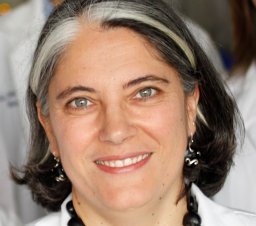 Ana Fernandez-Sesma合作论文数Department of Microbiology, Icahn School of Medicine at Mount Sinai16Nelson I Agudelo Higuita合作论文数15
 David B Corry合作论文数Baylor College of Medicine15
 Elaine Reed合作论文数Department of Pathology, David Geffen School of Medicine, University of California, Los Angeles;Department of Laboratory Medicine, David Geffen School of Medicine, University of California, Los Angeles15Farrah Kheradmand合作论文数From the Departments of Medicine and Immunology, Baylor College of Medicine15
 Carolyn Calfee合作论文数Department of Medicine, University of California San Francisco;School of Medicine, University of California San Francisco;Center for Tobacco Control Research and Education, University of California San Francisco15
 Albert Shaw合作论文数Infectious Diseases, Internal Medicine, Yale School of Medicine, Yale University14
 Holden Maecker合作论文数Department of Microbiology and Immunology, School of Medicine, Stanford University;Stanford Cardiovascular Institute, School of Medicine, Stanford University14
 Walter Eckalbar合作论文数School of Medicine, University of California, San Francisco14
 Naresh Doni Jayavelu合作论文数14
 Kari C Nadeau合作论文数Department of Environmental Health, Harvard T.H. Chan School of Public Health, Harvard University;Allergy, Extreme Weather, and Exposomics Lab, Harvard T.H. Chan School of Public Health, Harvard University14Hanno Steen合作论文数Department of Pathology, Harvard Medical School and Children’s Hospital Boston14Grace A. Mccomsey合作论文数14
 Viviana A Simon合作论文数Icahn School of Medicine at Mount Sinai14Leying (Lexi) Guan合作论文数13
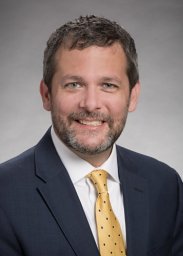 Brakenridge Scott合作论文数13
 Lindsey Robert Baden合作论文数Heart and Vascular Center, Brigham and Women's Hospital;Center for Hematologic Oncology, Dana-Farber Cancer Institute;Harvard Medical School13
 Mark A Atkinson合作论文数Department of Pathology, Immunology and Laboratory Medicine, College of Medicine, University of Florida12
 Rafick-Pierre Sékaly合作论文数Winship Cancer Institute of Emory University;Department of Pathology and Laboratory Medicine, School of Medicine, Emory University12
 Steven Bosinger合作论文数Yerkes Natl Primate Res Ctr, Emory Univ11Al Ozonoff合作论文数11Annmarie Hoch合作论文数10Seunghee Kim-Schulze合作论文数10
 Mark M. Davis合作论文数Department of Microbiology and Immunology, School of Medicine, Stanford University;Institute for Immunity, Transplantation and Infection, School of Medicine, Stanford University;Parker Institute of Cancer Immunotherapy at Stanford9
 Chaz Langelier合作论文数Department of Medicine, School of Medicine, University of California, San Francisco9
 Honoratus Van Bakel合作论文数Hess Center for Science and Medicine, Department of Genetics and Genomic Sciences, Icahn School of Medicine at Mount Sinai;Department of Microbiology, Icahn Genomics Institute, Icahn School of Medicine at Mount Sinai8
 Linda N. Geng合作论文数Department of Medicine, Stanford School of Medicine, Stanford University7
 Harry Pickering合作论文数7




