The rapid maturation of single-cell multi-omics technologies has enabled unprecedented resolution for mapping disease states and identifying disease-associated biomarkers. In practice, biomarkers are often discovered through differential detection that treat genomic features as independent contributors to phenotypes, while the combinatorial interactions that drive clinical outcomes remain a practical challenge. We present scanCT (single-cell analysis of Clinical Tree), a tree-based framework that identifies groups of genomic features associated with distinct disease phenotypes in a highly interpretable manner. scanCT uses an unbiased, model-based variable-selection procedure for data-driven split selection, which is important for handling the diverse distributional properties of single-cell data across modalities. The tree architecture captures feature interaction effects, and the association modeling enables adjustment for confounding factors. We apply scanCT to longitudinal single-cell multi-omics COVID-19 datasets spanning diverse clinical outcomes and multiple time points per patient. scanCT identifies phenotype-specific gene and protein markers while accounting for age and sex, and it reveals interpretable synergistic marker combinations that help explain differences in patient clinical phenotypes.
The multifaceted dysfunction of tumour-infiltrating T cells, including exhaustion and mitochondrial dysfunction, remains a major obstacle in cancer immunotherapy1-6. Transcriptomic and epigenomic regulation of T cell dysfunction have been extensively studied7-9, but the role of proteostasis in regulating these obstacles remains less defined. Here we combined computational analyses of atlases of T cell exhaustion and mitochondrial fitness with performed targeted in vivo CRISPR screens, which identified the E3 ubiquitin ligase KLHL6 as a dual-negative regulator of both T cell exhaustion and mitochondrial dysfunction. Mechanistically, KLHL6 expression promoted TOX poly-ubiquitination and subsequent proteasomal degradation, thereby attenuating the transition of progenitor exhausted T cells towards terminal exhaustion. Simultaneously, KLHL6 maintained mitochondrial fitness by constraining the excessive mitochondrial fission that occurs during chronic T cell receptor stimulation by means of post-translational regulation of the PGAM5-Drp1 axis. However, KLHL6 is naturally downregulated by T cell receptor ligation, mitigating its potentially beneficial ubiquitin ligase activities during exposure to chronic stimulation. Enforcing KLHL6 expression in T cells markedly improved efficacy and long-term persistence against tumours and during viral infections in vivo. These findings uncover KLHL6 as a multifunctional, clinically actionable target for cancer immunotherapy, and highlight the potential of modulating proteostasis and ubiquitin modification to improve immunotherapy.
Adoptive transfer of T cells engineered with tumor-specific T cell receptors (TCRs) has shown limited efficacy in solid tumors, hindered by insufficient persistence, tumor trafficking, and dependence on tumor-associated co-stimulatory ligands. In a phase I trial (NCT 04639245) for patients with metastatic MAGE-A1-expressing tumors and adequate organ function; one participant received treatment, which was well-tolerated. In this case and NSG murine models, infusion of CD4/CD8 T cells co-expressing a class-I MAGE-A1-specific TCR and CD8αβ, failed to control tumor progression. To enhance function downstream of TCR signaling, here we investigate the adaptability of TCR components to synthetic modification. Leveraging the obligate co-expression of CD8αβ required for class-I TCR function in CD4 T cells, we identify CD8β as a tractable site for engineering without loss of function. In vitro screening demonstrates incorporation of the CD28 intracellular tail, yielding a CD8/CD28 chimeric co-receptor, most effectively enhances cytokine production, T cell persistence, and tumor control in immunodeficient murine models while preserving stem-like transcriptional features compared to native CD8β. Further rational modification of the CD28 binding motifs improves tumor control in vivo with increased intratumoral accumulation and reduced exhaustion. This benefit also extends to PRAME and WT1-specific TCRs in vitro supporting generalizability. TCR-engineered T cells have shown limited efficacy in part due to the absence of co-stimulation leading to limited accumulation in solid tumors. The authors here show engineering the CD8β coreceptor with an intracellular CD28 domain enhances cytokine production, persistence, and tumor control in vivo independent of tumor-associated co-stimulatory ligand encounter.
Drug-induced dedifferentiation towards drug-tolerant persister states is a common mechanism cancer cells exploit to escape therapies, hindering durable responses. How early epigenomic and transcriptomic programs coordinate to initiate these reversible transitions remains largely unexplored. Here we employ high-temporal-resolution multi-omics profiling, information-theoretic approaches, and dynamic system modeling to probe these processes in BRAF-mutant melanoma models and patient specimens. We uncover a hysteretic transition trajectory in response to oncogene inhibition and subsequent release, driven by two tightly coupled transcriptional waves that orchestrate genome-scale chromatin reconfiguration. Modeling of these waves suggests NF-κB/RelA-driven chromatin remodeling as the underlying mechanism of cell-state dedifferentiation, which we validate experimentally. We identify RelA-target genes epigenetically modulated to drive this process and define a quantitative epigenome gauge of melanoma cell-state plasticity that supports targeting epigenetic machineries to potentiate oncogene inhibition. Across additional cancer models, oxidative stress-mediated NF-κB/RelA activation emerges as a common driver of transitions into drug-tolerant persister states, revealing a central role for NF-κB axis in coupling oxidative stress to cancer progression.
Abstract Epstein-Barr virus (EBV) reprograms B cells in autoimmune disease. Reprogrammed EBV + B cells activate nearby B and CD4 + T cells, via upregulated antigen presentation and costimulatory machinery, to drive autoimmune pathology. EBV reactivation is a known correlate of long COVID, which is a heterogeneous condition that can bear similarities to autoimmune disease. However, the mechanisms underpinning this association remain unresolved. We report on EBV metabolically reprogrammed B cells in patients with COVID-19. We find EBV + B cells provide stimulatory signals to bystander B and CD4 + T cells. SARS-CoV-2 infected participants exhibiting elevated fractions of EBV + B cells present, at convalescence, with dysregulated lipid profiles, increased autoantibody titers, and post-acute symptomology likely reflective of this metabolic reprogramming and cell-cell interactions. Enrichment of our EBV + B cell signatures seen in patients with COVID-19 is similar in patients with lupus and multiple sclerosis suggesting a potentially shared pathway of EBV-driven dysfunction across diseases.
Immune checkpoint inhibitors (ICIs) have transformed Merkel cell carcinoma (MCC) outcomes, but most patients with MCC develop resistance. We identified T cell receptor (TCR) MCC1 , a highly avid, HLA-A*02:01–restricted TCR targeting the Merkel cell polyomavirus (MCPyV) oncoprotein large-T antigen 15–23 . Seven patients with ICI-refractory metastatic MCPyV + MCC received TCR MCC1 -transduced cells (T TCR-MCC1 cells) after lymphodepleting chemotherapy or HLA-enhancing interventions [radiation or interferon gamma-1b (Actimmune)], with concurrent ICIs (NCT03747484). T TCR-MCC1 cells trafficked to tumor sites and expressed a gene expression profile compatible with T cell activation, with tumor regression observed in two patients. However, therapeutic activity was limited by HLA class I silencing, a common mechanism of immune escape in MCC. In one patient, delayed tumor regression coincided with endogenous effector immune activation and restoration of MCC HLA expression, implying that robust local responses could reverse HLA silencing. To overcome this barrier, we engineered CD4 and CD8 T TCR-MCC1 cells to coexpress CD8αβ and a CD200R-CD28 switch receptor, enabling CD4 T cell engagement and T cell costimulation. These modifications enhanced tumor infiltration, increased HLA expression, and improved control of HLA low MCC in vivo in mice. These findings support the feasibility of TCR-engineered cell therapy for MCPyV + MCC and provide a blueprint for overcoming immune evasion via targeted localized enhancement of antigen presentation.
Systematic whole-protein screening and comprehensive profiling of antigen-specific CD4+ T cells are crucial for advancing vaccine design and cancer immunotherapies, yet remain technically challenging. Here, we present a high-throughput platform that utilizes large-scale class II single-chain trimer libraries to detect antigen-specific CD4+ T cells, while simultaneously profiling their antigen specificity, TCRα/β sequences, MHC restriction, whole transcriptomes, and patient/timepoint origins at single-cell resolution. Upon rigorous platform validation, we screened the full SARS-CoV-2 spike receptor binding domain in a longitudinal cohort of 22 participants, identifying 2,188 antigen-specific CD4+ T cells and showing key metrics defining the immunogenicity of class II-restricted viral antigens. We further extended the platform to whole-protein screening of HPV-16 E6/E7 in a cohort of precancerous patients, indicating HPV-specific CD4 TCRs that, upon extensive characterization, demonstrate strong therapeutic potential. By integrating high-throughput antigen screening with high-dimensional, multi-modal cellular characterization, our approach provides detailed insight into CD4+ T cell immunity, potentially guiding vaccine design and next-generation TCR-based cancer immunotherapies.
Autoantibodies (autoAbs) are linked to mortality and Long COVID, yet their cellular origins remain unclear. We analyzed the INCOV cohort and identified 12 age- and sex-matched participants with varying autoAb abundance and integrated single-cell RNA-seq and ATAC-seq data from B cells, plasma proteomics, proteome-wide autoAb profiling, clinical data, and in vitro assays. AutoAb abundance inversely correlated with neutralizing IgG and declined as infection resolved, paralleling the contraction of atypical memory B cells (AtMs). In vitro, AtMs preferentially differentiated into autoAb-producing antibody-secreting cells upon TLR7/8 stimulation. CD11c+ AtMs (double-negative 2, DN2s) in autoAb-high individuals exhibited increased TLR7 signaling, oxidative stress, and isotype switching, regulated by transcription factors T-bet and XBP1. Integrated genetic and genomic analyses showed that DN2s had the strongest enrichment for autoimmune trait heritability and inferred regulatory effects of autoimmune risk variants among B cell subsets. These findings identify DN2s as key precursors of autoAb-producing cells during SARS-CoV-2 infection.
The transition from trainee to independent investigator is one of the most challenging and formative phases of a scientific career. It requires not only scientific expertise but also the skills to lead, mentor, manage, and communicate effectively. The Arthur and Sandra Irving Cancer Immunology Symposium serves as a platform for established investigators to mentor trainees and early-career faculty as they navigate this transition to independence. Through sharing personal experiences and lessons from their own careers, senior leaders provide guidance on the scientific, professional, and personal challenges that shape a successful career in cancer immunology-emphasizing how curiosity, persistence, and a translational mindset can make a lasting real-world impact. This commentary highlights key themes, including leadership, communication, recruitment, and fundraising. Altogether, these insightful thoughts provide a framework for the next generation of cancer immunologists as they establish their independent careers as future leaders in the field.
Adoptive T cell therapies have shown limited efficacy against solid tumors due in part to immunosuppressive cues such as from TGF-β and insufficient survival/proliferative signals within the tumor microenvironment (TME). We engineered chimeric immunomodulatory fusion proteins (IFPs) that convert immunosuppressive TGF-β signals into proliferative/survival Interleukin 2 (IL-2) signals in T cells. Chimeric TGF-βR/IL-2R IFPs were constructed by fusing extracellular domains of the TGF-β receptor chains with intracellular domains of IL-2Rβ and IL-2Rγ to enable TGF-β binding to trigger STAT5 phosphorylation and activate the downstream IL-2 pathway. In human primary CD8+ T cells, select IFP designs robustly induced p-STAT5 upon exposure to TGF-β1, and simultaneously reduced canonical SMAD2/3 signaling. IFP-expressing T cells proliferated and displayed enhanced viability in response to TGF-β1, effectively leveraging TGF-β-rich conditions to outcompete nontransduced cells. Transcriptomic analyses revealed that IFP signaling promoted T cell activation and allowed maintenance of stemness during culture with TGF-β. Functionally, coexpressing IFPs with a mesothelin-specific T cell receptor improved tumor killing and promoted T cell expansion in the presence of TGF-β1, highlighting both neutralization of TGF-β-mediated suppression and enhanced proliferation. TGF-βR/IL-2R IFPs appear promising for reprogramming the signals T cells receive in the TME and improving efficacy of adoptive T cell therapy in solid tumors.
Adoptive therapies using T cells genetically modified with T cell receptors (TCR)s have shown limited efficacy in the solid tumor setting. Although functional CD4 + and CD8 + T cells transduced with a TCR specific for HLA-A2-restricted melanoma-associated antigen A1 (MAGE-A1, T TCR−MA1−CD8αβ ) could be detected post-transfer and were safe in one patient who subsequently progressed, T TCR−MA1−CD8αβ were insufficient to sustain antitumor activity in “stress” mouse tumor models. Leveraging the obligate co-expression of CD8αβ required for engagement of CD4 + T cells expressing the TCR, we screened positive co-stimulatory signals tethered to the intracellular tail of CD8β and identified that CD28 reduced exhaustion, enhanced tumor infiltration and improved murine tumor control. Further modifications of the CD28 intracellular domain produced a mutant CD8β-CD28 construct that conferred superior therapeutic control across tumor models. Thus, integrating co-stimulatory signals downstream of the TCR signaling complex can enhance TCR-engineered T cell function, independent of tumor-associated co-stimulatory ligand expression.
Cancer systems biology seeks to understand how cancer arises as a system of interconnected molecules, cells, and tissues, with the goal of understanding, predicting, and controlling the disease. In the last decade, the field has rapidly grown as advances in experimental, computational, and analytic technologies have improved our ability to capture and recapitulate the complexities of cancer at multiple scales. However, the field's promise to understand how specific molecular changes give rise to altered cancer outcomes remains incompletely fulfilled. Fortunately, an opportunity exists to accelerate progress by better coordinating modeling and data-gathering efforts across the cancer systems biology community. This will create the foundation for building accurate, multiscale cancer models that can better predict and identify improved therapeutic interventions. Here, we outline some of the current challenges in cancer systems biology research, how they can be addressed, and actions that the community can take to accelerate progress in the field. This article is part of a special series: Driving Cancer Discoveries with Computational Research, Data Science, and Machine Learning/AI .
T cells interact with the world through T cell receptors (TCRs). The extent to which TCRs determine T cell behavior has not been comprehensively characterized. Our Tarpon model leverages advances in generative artificial intelligence to synthesize large-scale (>1M sequences) TCR atlases across human development and diseases into actionable insights. Tarpon creates: 1) bespoke sampling functions generating realistic Ag-specific TCRs, 2) embeddings revealing CD4+ and CD8+ single-positive TCR repertoires as distinct with divergent physiochemical properties, and 3) cross-dataset mappings of T cell states that validate fetal CD4+ versus CD8+ TCR differences in adults and find fetal type I innate T cells to map to MAIT and KIR+ adult CD8+ T cells which we verify via whole transcriptome analysis. Tarpon is a resource as a reference of TCRs across human physiological states and as a computational framework to create interpretable TCR embeddings, via physicochemical associations, that have broad implications for the field. ### Competing Interest Statement J.R.H. is a consultant for Regeneron in matters unrelated to this work. The authors declare no other competing interests.
The five-year survival rate for ovarian cancer patients remains below 50%, underscoring the need for innovative therapies. One promising approach involves engineering T cells to specifically target proteins uniquely overexpressed in tumors, thereby controlling tumor growth without toxicity to healthy tissues. Mesothelin (MSLN) contributes to the malignant and invasive phenotype in ovarian cancer and has limited expression in healthy cells, making it a candidate immunotherapy target. Our previous results in a mouse model of ovarian cancer demonstrated that T cells engineered to express a T cell receptor (TCR) targeting MSLN (TCRMSLN) mediated therapeutic activity, delaying tumor growth and prolonging mouse survival. However, inhibitory ligands expressed in the tumor microenvironment (TME) interacted with inhibitory receptors on activated T cells, suppressing antitumor function. We hypothesized combining engineered T cells with checkpoint blockade would enhance T cell function and improve therapeutic efficacy, but administration of monospecific antibodies targeting individual inhibitory pathways had no significant impact on T cell efficacy. By contrast, the combination of PD-1, Tim-3, and Lag-3 blockade with engineered T cells significantly improved T cell function and overall animal survival relative to treatment with antibody alone or TCRMSLN with singlet or doublet antibody combinations. Single-cell RNA sequencing revealed TCRMSLN T cells treated with the triplet antibody combination increased expression of genes involved in interferon responses and metabolic function, and reduced expression of genes associated with exhaustion. These results suggest that strategies to disrupt multiple inhibitory pathways simultaneously may be necessary for improved adoptive T cell therapy efficacy in patients.
CD16A is an activating Fc receptor on NK cells that mediates antibody-dependent cellular cytotoxicity (ADCC), a key mechanism in antiviral immunity. However, the role of NK cell-mediated ADCC in SARS-CoV-2 infection remains unclear, particularly whether it limits viral spread and disease severity or contributes to the immunopathogenesis of COVID-19. We hypothesized that the high-affinity CD16AV176 polymorphism influences these outcomes. Using an in vitro reporter system, we demonstrated that CD16AV176 is a more potent and sensitive activator than the common CD16AF176 allele. To assess its clinical relevance, we analyzed 1,027 patients hospitalized with COVID-19 from the Immunophenotyping Assessment in a COVID-19 cohort (IMPACC), a comprehensive longitudinal dataset with extensive transcriptomic, proteomic, and clinical data. The high-affinity CD16AV176 allele was associated with a significantly reduced risk of ICU admission, mechanical ventilation, and severe disease trajectories. Lower anti-SARS-CoV-2 IgG titers were correlated to CD16AV176; however, there was no difference in viral load across CD16A genotypes. Proteomic analysis revealed that participants homozygous for CD16AV176 had lower levels of inflammatory mediators. These findings suggest that CD16AV176 enhances early NK cell-mediated immune responses, limiting severe respiratory complications in COVID-19. This study identifies a protective genetic factor against severe COVID-19, informing future host-directed therapeutic strategies.
Elucidating the relationships between a class I peptide antigen, a CD8 T cell receptor (TCR) specific to that antigen, and the T cell phenotype that emerges following antigen stimulation, remains a mostly unsolved problem, largely due to the lack of large data sets that can be mined to resolve such relationships. Here, we describe Antigen-TCR Pairing and Multiomic Analysis of T-cells (APMAT), an integrated experimental-computational framework designed for the high-throughput capture and analysis of CD8 T cells, with paired antigen, TCR sequence, and single-cell transcriptome. Starting with 951 putative antigens representing a comprehensive survey of the SARS-CoV-2 viral proteome, we utilize APMAT for the capture and single cell analysis of CD8 T cells from 62 HLA A*02:01 COVID-19 participants. We leverage this comprehensive dataset to integrate with peptide antigen properties, TCR CDR3 sequences, and T cell phenotypes to show that distinct physicochemical features of the antigen-TCR pairs strongly associate with both T cell phenotype and T cell persistence. This analysis suggests that CD8 T cell phenotype following antigen stimulation is at least partially deterministic, rather than the result of stochastic biological properties. Combinatorial experimental and bioinformatics methods can be used to analyse function and specificity of CD8 T cells. Here the authors propose a multiomic analysis framework Antigen-TCR Pairing and Multiomic Analysis of T cell (APMAT) to relate TCR specificity to transcriptomic phenotype indicating associations with physicochemical features.
The 5-year survival rate for ovarian cancer (OvCA) patients remains below 50%, underscoring the need for innovative therapies. One promising approach involves engineering T cells to target proteins uniquely overexpressed in tumors, thereby controlling tumor growth without toxicity to healthy tissues. Mesothelin (Msln) contributes to the invasive phenotype in ovarian cancer and has limited expression in healthy cells, making it a candidate immunotherapy target. Our previous results in an OvCA mouse model demonstrated that T cells engineered to express a T cell receptor targeting Msln (TCRMsln) mediated therapeutic activity, delaying tumor growth and prolonging mouse survival. However, inhibitory ligands expressed in the tumor microenvironment (TME) interacted with inhibitory receptors on activated T cells, suppressing antitumor function. We hypothesized combining engineered T cells with checkpoint blockade would enhance T cell function in the TME and improve therapeutic efficacy, but administration of mono-specific antibodies targeting individual inhibitory pathways had no significant impact on T cell efficacy. By contrast, the combination of PD-1, Tim-3 and Lag-3 blockade with engineered T cells significantly improved T cell function and overall animal survival relative to treatment with antibody alone or TCRMsln with singlet or doublet antibody combinations. These results suggest strategies to disrupt multiple inhibitory pathways may be necessary for efficacy in OvCA. Supported by 2T32CA009657-26A1, 1K22CA266737-01A1, CA018029, CA033084, an OCRA Mentored Investigator Training Grant, STTR Award, and the Emerson Collective; research agreements with the Parker Inst., Lonza, and Juno Therapeutics. Tumor Immunology: Checkpoints, Prevention, and Treatment (TIPT)
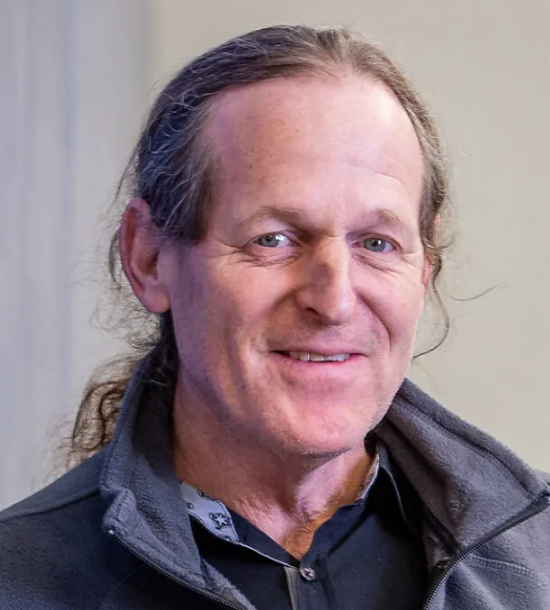 James R. Heath合作论文数Institute for Systems Biology;Health Sciences Center, University of California, Los Angeles50
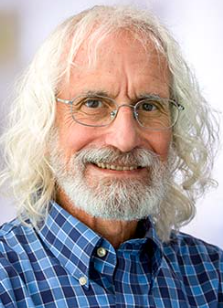 Philip Greenberg合作论文数Department of Immunotherapy, University of Washington;Fred Hutchinson Cancer Research Center19
 Antoni Ribas合作论文数Jonsson Comprehensive Cancer Center;Parker Institute for Cancer Immunotherapy Center, University of California Los Angeles19
 Goldman Jason D合作论文数Harborview Medical Center, University of Washington18
 Dan Yuan合作论文数Inst Syst Biol, Seattle, WA 98109 USA16
 Daniel S Chen合作论文数Engenuity Life Sciences;Synthetic Design Lab;Genesis BioCapital16
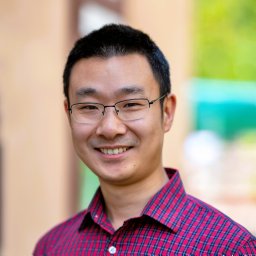 Xue Min合作论文数and California Nano Systems Institute, University of California15
 Guideng Li (李贵登)合作论文数Suzhou Institute of Systems Medicine, Chinese Academy of Medical Sciences15
 Jongchan Choi合作论文数Inst Syst Biol14Valentin Voillet合作论文数Fred Hutchinson Canc Res Ctr, Vaccine & Infect Dis Div, 1124 Columbia St, Seattle, WA 98104 USA13
 Raphael Gottardo合作论文数Biomedical Data Science Center, University of Lausanne;Lausanne University Hospital;Ozette Technologies13
 Mark M. Davis合作论文数Department of Microbiology and Immunology, School of Medicine, Stanford University;Institute for Immunity, Transplantation and Infection, School of Medicine, Stanford University;Parker Institute of Cancer Immunotherapy at Stanford11Kim M Murray合作论文数10Rachel H Ng合作论文数10Jingyi Xie合作论文数Inst Syst Biol10
 Lidia Robert合作论文数10
 Jennifer Hadlock合作论文数Institute for Systems Biology, Seattle, WA, USA.9
 Alexander Xu合作论文数9
 Lewis Lanier合作论文数Department of Microbiology and Immunology, University of California, San Francisco9
 David Baltimore合作论文数Division of Biology and Biological Engineering, California Institute of Technology9Rick Edmark合作论文数8
 Jihoon William Lee合作论文数Program Immunol, Fred Hutchinson Canc Res Ctr8Brett Smith合作论文数8Andrew T. Magis合作论文数Department of Pathology, Immunology and Laboratory Medicine, University of Florida College of Medicine8Rongyu Zhang合作论文数Institute for Systems Biology7
 Duvvuri Venkata R合作论文数Institute for Systems Biology, Seattle WA USA7Li Jing合作论文数7
 Kim Jungwoo合作论文数†Division of Chemistry and Chemical Engineering, California Institute of Technology7
 Priyanka Baloni合作论文数Department of Biochemistry, Indian Institute of Science7
 Sunga Hong合作论文数Department of Medical System Engineering, Gwangju Institute of Science and Technology (GIST),7
 Sergey A Kornilov合作论文数Moscow State University7Pamela Troisch合作论文数7Julie A Wallick合作论文数6William Chour合作论文数6
 Songming Peng合作论文数PACT Pharma6Sarah Li合作论文数6
 Alphonsus Ng合作论文数Univ Toronto, Inst Biomat & Biomed Engn, Toronto, ON M5S 3G9, Canada6Kristin Anderson合作论文数Department of Pharmacology and Cancer Biology, Duke University School of Medicine6
 Naeha Subramanian合作论文数Lab Syst Biol, NIH6
 Lee Rowen合作论文数Institute for Systems Biology, 1334 N. 34th Street, Seattle, WA 98103, USA6
 Nathan D. Price合作论文数Center for Human Healthspan, Buck Institute for Research on Aging;Thorne HealthTech;Department of Bioengineering, University of Washington6Raphael Levine合作论文数5Heather A Algren合作论文数5
 Ryan Roper合作论文数5Clifford Rostomily合作论文数5Sean Mackay合作论文数IsoPlexis, Branford, CT USA5
 Chengzhen L Dai合作论文数Inst Syst Biol, Seattle, WA 98109 USA5Christopher Lausted合作论文数5Kelsey Scherler合作论文数5




