Coach John Wooden famously said that a ‘good coach can change a game, but a great coach can change a life’. Coaches require a multitude of skills and attributes to effectively coach in accordance with the needs, goals and aspirations of young athletes. At a first glance, strength and conditioning coaches need to plan, communicate, observe and ultimately teach young athletes how to exercise to enhance athleticism and reduce injury risk, based on an understanding of training principles and paediatric exercise science. However, although this is a challenge in itself, the role of the strength and conditioning coach goes beyond merely prescribing sets and reps for a given exercise. In addition, the most effective coaches genuinely care about the welfare and wellbeing of each individual, and are emotionally invested in the long-term development of each child. This chapter documents the theoretical underpinnings of successful coaching principles while also providing a range of practical strategies that can be used when coaching young athletes.
Studies investigating the acute effect of postprandial exercise (PPE) on glucose responses exhibit significant heterogeneity in terms of participant demographic, exercise protocol, and exercise timing post-meal. As such, this study aimed to further analyze the existing literature on the impact of PPE on glycemic control in overweight individuals and individuals with obesity and type 2 diabetes (T2DM). A literature search was conducted through databases such as PubMed, CINAHL, and Google Scholar. Thirty-one original research studies that met the inclusion criteria were selected. A random-effect meta-analysis was performed to compare postprandial glucose area under the curve (AUC) and 24 h mean glucose levels between PPE and the time-matched no-exercise control (CON). Subgroup analyses were conducted to explore whether the glucose-lowering effect of PPE could be influenced by exercise duration, exercise timing post-meal, and the disease status of participants. This study revealed a significantly reduced glucose AUC (Hedges’ g = −0.317; SE = 0.057; p < 0.05) and 24 h mean glucose levels (Hedges’ g = −0.328; SE = 0.062; p < 0.05) following PPE compared to CON. The reduction in glucose AUC was greater (p < 0.05) following PPE lasting >30 min compared to ≤30 min. The reduction in 24 h mean glucose levels was also greater (p < 0.05) following PPE for ≥60 min compared to <60 min post-meal and in those with T2DM compared to those without T2DM. PPE offers a viable approach for glucose management and can be performed in various forms so long as exercise duration is sufficient. The glucose-lowering effect of PPE may be further enhanced by initiating it after the first hour post-meal. PPE is a promising strategy, particularly for patients with T2DM.
ABSTRACT:Kang, J, Ratamess, NA, Faigenbaum, AD, Bush, JA, Fardman, B, Vargas, A, Andriopoulos, T, Melao, J, O'Connell, E, Duff, A, Cmielewski, A, DeSalvo, J, Johnson, A, and Watts, M. Unlocking the body's clock: the role of exercise timing and chronotype in cardiometabolic responses. J Strength Cond Res 39(6): 634-641, 2025-Exercise enhances skeletal muscle metabolism and promotes overall health. However, the time-of-day effect of exercise on physiological responses in humans remains less clear. This study investigated how exercise timing and individual chronotype influence cardiorespiratory and metabolic responses during aerobic exercise. Thirty healthy, young (20.9 ± 1.5 years) adults comprising 15 men and 15 women were recruited and classified using the Morningness-Eveningness Questionnaire into morning types (M-types, n = 5), neither types (N-types, n = 20), and evening types (E-types, n = 5). All subjects underwent a V̇ o2 max test and 2 randomized exercise trials at ∼75% V̇ o2 max for 30 minutes, 1 in the morning before 9 am and 1 in the afternoon after 3 pm . Oxygen uptake (V̇ o2 ), heart rate (HR), respiratory exchange ratio (RER), and rates of carbohydrate (COX) and fat oxidation (FOX) were determined during the last 15 minutes of each exercise bout. No significant differences in V̇ o2 and HR were found between am and pm . However, RER and COX were lower ( p < 0.05) in am (0.920 ± 0.012 and 27.83 ± 2.29 mg·kg -1 ·min -1 , respectively) than pm (0.941 ± 0.09 and 30.65 ± 1.66 mg·kg -1 ·min -1 , respectively), while FOX was marginally higher ( p = 0.077) in am (4.12 ± 0.63 mg·kg -1 ·min -1 ) than pm (3.07 ± 0.49 mg·kg -1 ·min -1 ). In addition, HR was higher ( p < 0.05) in E-types (188.2 ± 3.9) than in N-types (178.4 ± 2.0) and M-types (167.7 ± 4.0). These results suggest that morning aerobic exercise may be more effective in mobilizing fat as an energy source compared with afternoon exercise. The similar V̇ o2 and HR levels between morning and afternoon sessions imply that the time of day may not have a major impact on cardiorespiratory responses during submaximal aerobic exercise. However, exercising HR seems to vary across chronotypes, highlighting the need to consider individual circadian phenotypes when conducting training programs.
Children's physical inactivity and increasing sedentary behaviour have become major public health concerns, with a concurrent decline in muscular fitness (MF) contributing to poor physical outcomes during childhood and adolescence, highlighting the importance of developing resistance training (RT) programs. Furthermore, several educational strategies such as gamification seem to increase students' motivation which can produce an increase in performance outcomes. This study describes the rationale and protocol of a school-based randomized controlled trial called "RETRAGAM" (REsistance TRAining based on GAMification). For this investigation, a total of ≃180 children (grades 5 and 6; 10-12 years of age) from 6 randomly selected schools in Valencia (Spain) will be enrolled for 8 weeks in one of the experimental groups: EG (15 min of RT Functional HIIT circuit program), EG + G (the same EG program but with a gamification approach) or CG (Control Group). Outcomes will include physical activity profile, MF, anthropometry and body composition, as well as the enjoyment and motivation during Physical Education (PE). An interactive app for digital devices will be used for gamified storytelling, earning points for personalized children's avatars, and implementing a flipped classroom learning model. We conclude that the RETRAGAM will provide information about the effectiveness and implementation of a school-based RT intervention during PE with and without gamification in students' MF, body composition, motivation and enjoyment.
PURPOSE:The aim was to assess the feasibility of a randomized controlled exercise intervention, including physical assessments, in children and adolescents during the first 6 months of cancer treatment. MATERIALS AND METHODS:A sample of children and adolescents (n = 84, 6‒17.9 years) from an ongoing trial (INTERACT: NCT04706676) was randomly assigned to an integrative neuromuscular training (INT) intervention or active control intervention during treatment. The following inter-related feasibility domains were assessed: availability, acceptance, and attrition. Further, we assessed adherence to INT and physical assessments. Adverse events related to exercise and physical assessments were also reported. RESULTS:We found feasible rates within the availability and attrition domains. While the INT group demonstrated feasible group-level adherence rates, individual adherence to prescribed intervention demands was suboptimal. Physical assessments after 6 months of cancer treatment showed feasible rates. CONCLUSION:This study offers insights into the feasibility of an early-initiated INT intervention designed for children and adolescents undergoing cancer treatment. To ensure an optimal frequency of exercise in future studies, a flexible approach to hospital-based INT and a structured strategy for home-based exercise should be considered. Future trials should prioritize outcomes to minimize the length and timing of assessment.
Physical literacy (PL), encompassing physical, affective, and cognitive domains, is crucial for lifelong physical activity. Structured resistance training (RT) interventions can enhance these components in children and adolescents. The aim of this preregistered systematic review was (a) to provide an overview of RT interventions targeting various components of PL in children and adolescents and (b) to quantitatively examine the effectiveness of such interventions on different PL domains. Following the Preferred Reporting Items for Systematic reviews and Meta-Analyses (PRISMA) guidelines and registered with the International Platform of Registered Systematic Review and Meta-Analysis Protocols (INPLASY), a comprehensive search (2014–2025) was conducted across five databases. Inclusion criteria followed the PICOS (population, intervention, comparison, outcomes, and study design) framework: healthy children or adolescents (5–17 years), RT-only interventions, evaluation of PL components, randomized controlled trials, and publications in English or Spanish. Two independent reviewers (VM and RGSA) conducted data extraction and quality assessment. Risk of bias was evaluated using the Cochrane Risk of Bias (RoB) 2.0 tool, and the certainty of the evidence was assessed using the GRADE (Grading of Recommendations Assessment, Development and Evaluation) approach. A random-effects inverse variance model was used to calculate pooled effect sizes (Hedges’ g). Twenty studies met inclusion criteria, with 18 included in the meta-analysis. The physical domain showed significant improvements in speed (Hedges’ g = −0.29; 95
Abstract Background Cardiovascular diseases (CVDs) are the leading cause of morbidity and premature mortality globally. While the relationship between indicators of physical fitness and arterial structure and stiffness are reasonably well-studied in adults, these associations in children and adolescents remain less understood. The aim of this study was to investigate longitudinal associations of cardiorespiratory fitness, muscular fitness and motor fitness with arterial structure and stiffness from childhood to adolescence. Results Higher mean value of VO2peak/LM from childhood to adolescence was associated with higher carotid intima-media thickness (cIMT) at 8-year follow-up (β = 0.184, 95% confidence interval [CI] = 0.019 to 0.350). Better performance in sit-up test at baseline was associated with lower cardio-ankle vascular index (CAVI) (β = − 0.219, 95% CI = − 0.387 to − 0.051) at 8-year follow-up, and higher mean sit-up performance from baseline to 8-year follow-up was associated with lower carotid-femoral pulse-wave velocity (cfPWV) (β = − 0.178, 95% CI = − 0.353 to − 0.003) and CAVI (β = − 0.190, 95% CI = − 0.365 to − 0.016) at 8-year follow-up. Also cross-sectionally, better sit-up performance at 8-year follow-up was associated with lower cfPWV (β = − 0.232, 95% CI = − 0.411 to − 0.054) and CAVI (β = − 0.185, 95% CI = − 0.365 to − 0.005) and higher carotid artery distensibility (β = 0.165, 95% CI = 0.004 to 0.327) at 8-year follow-up. Most of the associations were explained by body fat percentage (BF%). Conclusions Physical fitness had a weak if any association with indicators of arterial structure and arterial stiffness in adolescence. BF% largely explained the associations of higher VO2peak/LM with higher cIMT and better sit-up performance with lower arterial stiffness in adolescents. Therefore, preventing adiposity rather than improving CRF should be addressed in public health strategies to prevent CVDs in general paediatric populations. Key Points Better sit-up performance was associated with lower arterial stiffness, but the association was largely explained by body fat percentage. Lower body muscular strength, handgrip strength, or motor fitness was not associated with arterial stiffness or carotid artery intima-media thickness. Measures other than cardiorespiratory fitness, muscular fitness, or motor fitness, such as adiposity, should be used to screen children and adolescents at increased risk of cardiovascular diseases.
Background Cardiovascular diseases (CVDs) are the leading cause of morbidity and premature mortality globally. While the relationship between indicators of physical fitness and arterial health is reasonably well-studied in adults, these associations in children and adolescents remain less understood. The aim of this study was to investigate longitudinal associations of cardiorespiratory fitness, muscular fitness and motor fitness with arterial health from childhood to adolescence. Results Higher mean value of VO2peak/LM from childhood to adolescence was associated with higher cIMT at 8-year follow-up (β = 0.184, 95% confidence interval (CI) = 0.019 to 0.350). Better performance in sit-up test at baseline was associated with lower CAVI (β=-0.219, 95% CI=-0.387 to -0.051) and higher mean sit-up performance during 8-year follow-up associated with lower PWV (β=-0.178, 95% CI=-0.353 to -0.003) and CAVI (β=-0.190, 95% CI=-0.365 to -0.016) at 8-year follow-up. Better sit-up performance at 8-year follow-up was associated with lower PWV (β=-0.232, 95% CI=-0.411 to -0.054) and CAVI (β=-0.185, 95% CI=-0.365 to -0.005) and higher CAD (β = 0.165, 95% CI = 0.004 to 0.327) at 8-year follow-up. Most of the associations were explained by BF%. Conclusions Physical fitness had weak if any associations with arterial health in adolescence. BF% explained the associations of higher VO2peak/LM with higher cIMT and better sit-up performance with lower arterial stiffness in adolescents. Therefore, preventing adiposity should be addressed in public health strategies for CVDs prevention.
The current study investigated the effects of an integrative exercise intervention on the behaviours in children with autism spectrum disorder (ASD), and if they were influenced by ASD symptom severity. Sixty-six children (7.56 +/- 2.03 yrs.) with ASD were enrolled and cate-gorised as having mild (n = 22), moderate (n = 18) or severe (n = 26) symptoms of ASD by teachers using the Gilliam Autism Rating Scale 2nd edition. Participants completed a school-based, eight-week, inte-grative exercise intervention, consisting of three, one-hour sessions per week. Teachers rated the symptoms of ASD in each participant pre- and post-intervention using the Aberrant Behaviour Checklist. There were significant improvements in behaviours post-intervention for all children (p < 0.05; r = 0.20-0.33); however, sub-group analysis indicated that participants with severe ASD experienced greater improvements in irritability, social withdrawal, stereotypic behaviour, and inappropriate speech (p < 0.05). The findings highlight the bene-fits of school-based integrative exercise interventions for improving behaviours in children with ASD.
AIM:To determine the prevalence of adolescents who meet muscle-strengthening activities (MSA) recommendation and their associations with anthropometric variables, physical fitness, and lifestyle behaviours in a sample of Spanish adolescents aged 12-17 years. METHODS:This was a cross-sectional study using data from The Eating Healthy and Daily Life Activities (EHDLA) Study. Participants reported the days on which they engaged in MSA (≥3 days per week were considered to meet World Health Organization recommendation). Physical fitness was assessed with the ALPHA fitness battery. Additionally, body mass index, waist circumference, skinfolds and body fat percentage were assessed. Lifestyle variables were recreational screen time, sleep time and adherence to the Mediterranean diet. The associations between MSA and outcome variables were tested with linear and logistic regressions. RESULTS:Of the 852 participants, 48% met MSA recommendation. Meeting MSA recommendation was associated with lower adiposity and higher performance in the shuttle run test, maximal oxygen consumption, standing long jump, speed-agility, flexibility, lower screen time (in weekdays) and higher adherence to the Mediterranean diet. CONCLUSION:Engaging in MSA once or twice a week was linked with more desirable health outcomes than not engaging in such activities. However, meet with MSA recommendation (i.e., at least 3 days per week) reinforced these benefits.
The aim of this study was to compare the warm-up effects of a treadmill walking warm-up (TW) with a dynamic warm-up (DW) on the responses to cardiopulmonary exercise testing (CPET) in youth. A sample of 16 active youth (age 13.6 ± 1.8 yr) were tested for peak oxygen uptake (VO2 peak) using the Fitkids treadmill test protocol on 2 nonconsecutive days following different 6-min warm-up procedures. The TW consisted of walking on a treadmill at 2.2 mph and 0% grade whereas the DW consisted of 12 bodyweight exercises with a 2 kg medicine ball. Maximal heart rate (HR) was significantly higher following DW vs TW (200.8 ± 6.16 vs. 197.9 ± 7.3 bpm, respectively; p < 0.05), whereas no significant differences were found between DW and TW for VO2 peak (50.5 ± 9.9 vs 50.6 ± 11.1 ml/kg/min), maximal minute ventilation (VE; 93.0 ±21.4 vs. 92.7 ±21.2 L/min), maximal respiratory exchange ratio (1.19 ± 0.08 vs 1.22 ± 0.08), and total exercise test time (668.1 ± 103.5 vs 686.3 ± 97.0 s), respectively. During the Fitkids treadmill test protocol HR and VE were significantly higher following DW vs TW at stage 1, stage 2, stage 3 and stage 4, and oxygen uptake was significantly higher following DW vs TW during stage 1 (all p < 0.05). Findings indicate a DW elicits a higher maximal HR and higher submaximal HR, VE, and oxygen uptake values than TW during CPET in youth, although no differences in VO2 peak were observed.
Apply It! • A vast majority of adults do not engage in sufficient resistance exercise to achieve health, fitness, and functional benefits. • The Fear of Resistance Exercise, or FoRE, is a unique term that describes a phenomenon observed in individuals who develop an avoidance behavior to resistance exercise due to persistent feelings of worry, apprehension, or misunderstanding. • Leadership from health and fitness professionals can help adults set clear objectives, challenge irrational thoughts, deal with barriers, and adhere to resistance exercises.
ObjectiveThis study evaluated the relationship between physical literacy (PL) and muscular fitness (MF) as well as muscle-strengthening activities (MSA) in adolescents.MethodsA secondary cross-sectional study included 823 adolescents (45.1% boys) from the Eating Healthy and Daily Life Activities Study. The Spanish Perceived Physical Literacy Instrument for Adolescents (S-PPLI) assessed the participants’ perceived PL. The evaluation of MF in the young population was conducted using the Assessing the Levels of Physical Activity and Fitness (ALPHA-FIT) test battery. MSA were assessed by the following question: ‘In the past week, how many days did you exercise to strengthen or tone the muscle, such as through push-ups, sit-ups or lifting weights?’ To examine the associations between S-PPLI scores and handgrip strength, standing long jump and MSA days in adolescents, we employed generalised additive models.ResultsParticipants with high perceived physical literacty (PPL) had the highest handgrip strength (mean=25.1; PPL had the highest handgrip strength (mean=25.1; bias-corrected and accelerated (BCa) bootstrapped 95% CI 24.2 to 26.0) and standing long jump (mean=149.7; confidence interval (CI) 24.2 to 26.0) and standing long jump (mean=149.7; 24.2 to 26.0) and standing long jump (mean=149.7;BCabootstrapped 95% CI 145.8 to 153.5). Conversely, those adolescents with low PPL had the lowest handgrip strength (mean=23.1;BCabootstrapped 95% CI 22.3 to 23.8) and standing long jump (mean=137.3;BCabootstrapped 95% CI 133.9 to 140.6). For MSA, adolescents with high PPL had the highest mean of MSA days (mean=3.0;BCabootstrapped 95% CI 2.8 to 3.3), while the lowest mean was observed for those with low PPL (mean=2.0;BCabootstrapped 95% CI 1.8 to 2.2).ConclusionA high level of PL was associated with higher levels of MF and MSA among Spanish adolescents.
The aim of this article is to explore the concept of resistance training skill literacy and discuss related strategies to enhance learning, improve adherence and help youth realize the holistic benefits of resistance exercise.
 Nicholas Ratamess合作论文数Department of Kinesiology and Health Sciences, School of Nursing and Health Sciences, College of New Jersey147
 Jie Kang合作论文数113
 Jay R. Hoffman合作论文数Department of Physical Therapy, Ariel University71
 Gregory D. Myer合作论文数SPORT Center, Cincinnati Children’s Hospital Medical Center;The Human Performance Laboratory for the Division of Sports Medicine, Cincinnati Children’s Hospital Medical Center;Rocky Mountain University;Sport Performance and Research Center, Department of Orthopaedics, School of Medicine, Emory University;Department of Orthopedic Surgery, College of Medicine, University of Cincinnati;Department of Pediatrics, College of Medicine, University of Cincinnati57
 Jill Bush合作论文数Department of Health and Exercise Science, The College of New Jersey33
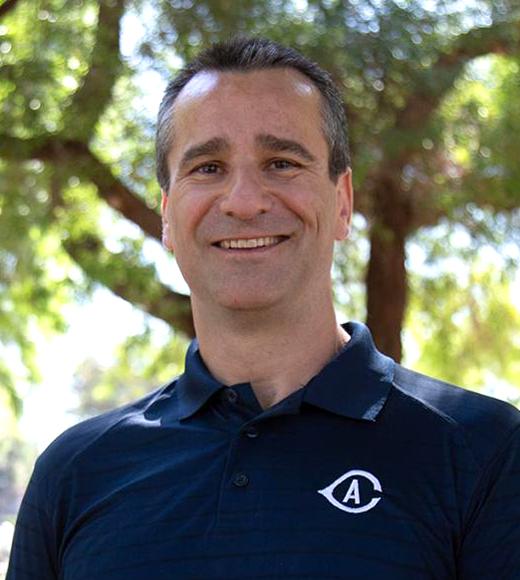 Keith Baar合作论文数Department of Neurobiology, Physiology and Behavior, College of Biological Sciences, University of California, Davis31
 Ferdinando Iellamo合作论文数31
 Pedro Tauler Riera合作论文数30Andrea Ermolao合作论文数30Francesco Fallo合作论文数30Maurizio Volterrani合作论文数28
 Tamara Rial Rebullido合作论文数28
 Rhodri Lloyd合作论文数Youth Phys Dev Unit, Cardiff Metropolitan Univ26Westcott Wayne L合作论文数25Lyle J. Micheli合作论文数25
 William Kraemer合作论文数Department of Human Sciences, College of Education and Human Ecology, The Ohio State University24William J. Kraemer合作论文数23Farrell Anne合作论文数19
 Andrea Stracciolini合作论文数19Ryan Ross合作论文数Hogan Assessment Systems17
 James Mcfarland合作论文数16
 Naclerio Fernando合作论文数15Stefanie L. Rashti合作论文数15
 Ivan Chulvi-Medrano合作论文数Department of Physical Education and Sports, University of Valencia14
 Jon Oliver合作论文数Youth Phys Dev Unit, Cardiff Metropolitan Univ14Thomas M Best合作论文数Wexner Med Ctr, Ohio State Univ13
 Rick Howard合作论文数13
 Gerald T Mangine合作论文数Department of Health and Exercise Science, The College of New Jersey12
 James MacDonald合作论文数Department of Environmental and Occupational Health Sciences, University of Washington11Christopher P. Tranchina合作论文数10Donald A Chu合作论文数9
 Nicole Ellis合作论文数9Ira Vought合作论文数9Rita Larosa Loud合作论文数9Damien Sheehan合作论文数Autism Res Grp, Inst Technol Carlow8
 Brent A Alvar合作论文数8Patrick Mediate合作论文数8
 Andrew Philp合作论文数James Black Centre, University of Dundee8
 Adam W. Kiefer合作论文数8Mario Bellucci合作论文数7Teri M McCambridge合作论文数7
 Leonard Douglas Zaichkowsky合作论文数7
 Craig Coffey合作论文数Inst Technol Carlow7
 Sharon Kinsella合作论文数7
 James J. Annesi合作论文数Central Coast YMCA;School of Health, University of Alabama at Birmingham7
 Timothy E. Hewett合作论文数Orthopaedics Department, Marshall University;Hewett Consulting7
 David Lubans合作论文数School of Education, College of Human and Social Futures, University of Newcastle7Tracy Radler合作论文数7




