BACKGROUND:Work-related musculoskeletal disorders are a growing concern in surgical practice, particularly in the context of robot-assisted surgery. Physical strain can significantly impact the well-being and performance of surgeons and surgical staff. This study aimed to evaluate the prevalence and severity of surgical strain among urologists using different available surgical platforms. METHODS:An anonymized, web-based survey was conducted between March and October 2024 using the REDCap platform. Distributed via professional networks and social media, the survey collected data on demographics, surgical experience, platform usage, and self-reported physical discomfort. Statistical analysis included Mann-Whitney U and Chi-squared tests, with P<0.05 considered significant. RESULTS:A total of 427 urologists participated. Most console surgeons (up to 83% for one robotic system variant) reported some level of physical discomfort. Discomfort was also reported by 83% of open surgeons and 80% of bedside assistants, the latter of whom had the highest incidence of injury (53%) from robotic arms. A noteworthy subset of survey respondents required physiotherapy (13-15%), medical (6-11%), or surgical (2-3.8%) interventions due to physical strain. No significant differences were observed by age or sex among console users. CONCLUSIONS:Ergonomic strain is prevalent among urologic surgeons, regardless of surgical platform, with bedside assistants particularly vulnerable. These findings underscore the need for ergonomic training, physical conditioning, and design improvements in surgical systems to safeguard surgeon health and maintain procedural efficacy.
Abstract Objective To use real‐world data to determine the clinical risk factors that are predictive of metastatic disease in high‐risk prostate cancer (PCa) patients undergoing staging [68Ga]Ga‐Prostate‐Specific Membrane Antigen (PSMA)‐11 positron emission tomography combined with computed tomography (PET/CT). Methods Subjects with newly diagnosed PCa who underwent [68Ga]Ga‐PSMA‐11 PET/CT between 1/2/20 and 1/4/23, with one or more of three major risk factors (prostate‐specific antigen (PSA) ≥ 20, MRI T‐stage ≥ 3 or International Society of Urological Pathology (ISUP) grade ≥ 3) were included. Metrics collected included [68Ga]Ga‐PSMA‐11 PET/CT primary index tumour maximum standardized uptake value (SUVmax), TNM stage, tumour histology, patient age, body mass index and treatment type. Results A total of 525 subjects were eligible for inclusion. A total of 22.1% had nodal or distant metastases on the baseline [68Ga]Ga‐PSMA‐11 PET/CT (11.8% with one major risk factor, 25.6% with two and 43.5% with three). All three major risk factors (PSA ≥ 20, MRI T‐stage ≥ 3, ISUP grade ≥ 3) and the presence of a higher percentage of positive biopsy cores were significant independent risk factors for the presence of metastatic disease on multivariable analysis. Primary index tumour SUVmax was associated with clinical risk factors, including ISUP grade in the surgical cohort. A total of 146 (27.8%) subjects underwent a radical prostatectomy, and 379 (72.2%) received non‐surgical management (including 242 (46.1%) who received curative intent radiotherapy (RT)). Conclusion This study provides real‐world validation of the clinical risk factors used for the ProPSMA study for [68Ga]Ga‐PSMA‐11 PET/CT scan eligibility, which represent significant independent risk factors for the presence of nodal or distant metastases on baseline [68Ga]Ga‐PSMA‐11 PET/CT.
BACKGROUND:Living donor kidney transplantation is the optimal method of long-term renal replacement therapy. Minimally invasive donor nephrectomy techniques, such as robot-assisted (RALDN) and hand-assisted (HALDN) laparoscopic procedures, are well-established in high-income countries and are being increasingly adopted worldwide. Nevertheless, no studies have reported surgical outcomes of RALDN donor nephrectomy from a United Kingdom center to date. AIM:To compare surgical outcomes between RALDN and HALDN laparoscopic donor nephrectomy in a United Kingdom high-volume living kidney donor transplant program. METHODS:A case-control matching analysis was performed based on the following parameters: Sex, age, body mass index, procedure laterality, number of renal arteries, and previous abdominal surgeries. Key surgical outcomes, including primary warm ischemia time, operative duration, and post-operative recovery, were evaluated. RESULTS:In this cohort of 140 living donors (70 RALDN vs 70 HALDN), donor and recipient outcomes were equivalent across key metrics: Pain scores, overall complication rates, readmissions, reoperations, and creatinine levels at 30 days and 1 year. Recipient long-term renal function did not differ between groups. Operative time for RALDN decreased significantly over the study period, indicating progressive improvement along the learning curve. Although RALDN was associated with a modestly longer mean warm ischaemia time (3.53 minutes vs 2.76 minutes, P < 0.001) and extended hospital stay (4.21 days vs 3.17 days, P < 0.001), these did not translate into any disadvantage in clinical outcomes. CONCLUSION:In this first United Kingdom comparative cohort, RALDN demonstrated excellent safety and efficacy, even in the early phase of our programme, matching the outcomes of the well-established, gold-standard HALDN approach. Moreover, the pronounced learning-curve trajectory suggests considerable potential for further improvements in robotic surgical outcomes as the programme matures.
Abstract Background Localised renal cell carcinoma is treated with radical nephrectomy (RN) or partial nephrectomy (PN). Nephron-sparing PN increases preservation of renal function, reducing incidence of end stage renal failure and associated cardiovascular events. In patients with exophytic T1a (≤ 4 cm) tumours and normal contralateral kidney, PN is standard of care. In patients with T1b (> 4–7 cm) or endophytic T1a tumours and normal contralateral kidney, the benefits of PN over RN are less clear as there are increased surgical complications and more tissue may be excised reducing the preservation of renal function. There are no high-quality studies to address if PN is superior to RN in these more complex cases. Methods PARTIAL is a pragmatic randomised controlled parallel group unblinded superiority trial with embedded internal pilot and economic and process evaluation. A total of 420 participants will be recruited in UK NHS centres with expertise in minimally invasive nephrectomy techniques. Eligible consenting adults with a single T1 renal cell carcinoma, normal contralateral kidney and equipoise within the multidisciplinary team confirming suitability to receive both interventions by minimally invasive approaches are randomised 1:1 to PN or RN. Patients with metastatic disease, existing chronic kidney disease, solitary functioning kidney, congenital renal abnormality, inherited kidney cancer syndrome, who lack capacity to consent or are pregnant or breast feeding are excluded. Primary outcomes are gains in preservation of renal function at 2 years and surgical complications over the peri-operative period. Secondary outcomes are quality of life and recovery, cost and cost-effectiveness, rates of positive surgical margin, recurrence and cardiovascular events, overall survival, progression to chronic kidney disease and end stage renal failure, operative conversion and patient acceptability. Participants are followed up for 2 years with outcomes collected from medical records and participant questionnaires. Discussion PARTIAL will determine if gains from PN are superior to RN and offset the potential harms and costs in complex T1 renal tumours suitable for either approach. If PN is not found to provide clinically significant gains and excess complications are confirmed, then a practice-changing case for RN as standard of care could be made. Trial registration ISRCTN 11293415. Registered prospectively on 19 January 2023.
OBJECTIVES:To explore the effects of ischaemia time (IT) in a multicentre cohort of patients with solitary kidney (SK), treated with partial nephrectomy (PN) for a renal mass, on short- and long-term kidney function, haemorrhagic risk and pathological outcomes. METHODS:This is an observational study of 426 patients with SK treated with on- and off-clamp PN for a single cT1-3 N0M0 renal mass from 2000 to 2023 at 19 global institutions. The primary outcomes were postoperative and 1-year renal function. The secondary outcomes of the study were haemorrhagic risk, defined as estimated blood loss (EBL) and peri-operative transfusions, and presence of positive surgical margins. The effect of IT and arterial clamping strategy was estimated using linear and logistic regressions for continuous and categorical outcomes, respectively. RESULTS:On-clamp PN was performed in 56% of patients (n = 237). The median (interquartile range [IQR]) age, body mass index, preoperative estimated glomerular filtration rate (eGFR), clinical size and PADUA score were 65 (58-71) years, 27 (24-29) kg/m2, 58 (45-46) mL/min, 3 (2-4.2) cm and 8 (7-10), respectively. The median (IQR) duration of IT was 19 (13-25) min. In multivariable linear and logistic regression analyses (MVA), IT was not associated with decreased postoperative eGFR (estimate -0.08 mL/min; P = 0.3) or 1-year eGFR (estimate -0.1 mL/min; P = 0.2). No association between on-clamp strategy and eGFR decline was recorded either postoperatively (estimate -3.11 mL/min; P = 0.1) or at 1 year (estimate -3.12 mL/min; P = 0.1). The median (IQR) EBL was lower in the on-clamp group at 200 (100-400) mL vs 300 (145-500) mL in the off-clamp group. In MVA predicting haemorrhagic risk, arterial clamping was associated with lower risk of transfusions (odds ratio 0.45; P = 0.01). CONCLUSIONS:In patients with SK, on-clamp PN did not affect long-term renal function and was associated with a modestly lower need for peri-operative transfusion. The routine use of the off-clamp technique is therefore not supported by these findings, although its selective application may remain appropriate in cases with a high risk of renal function decline.
OBJECTIVE:To develop and validate a deep learning model for interpretation of fluorescence confocal microscopy (FCM) images for intraoperative surgical margin assessment during radical prostatectomy (RP). PATIENTS AND METHODS:Fluorescence confocal microscopy images from the multicentre Imperial Prostate 8-Fluorescence Confocal Microscopy for Rapid Evaluation of Surgical Cancer Excision (IP8-FLUORESCE) study were used to train and test a convolutional neural network model. The modified model incorporated focal loss with label smoothing, dropout regularisation, adaptive class weighting, and weighted sampling to address pronounced class imbalance. Images were pre-processed by extracting regions of interest at a defined digital zoom level and normalised to 896 × 896 pixels. The reference standard was surgical margin status on conventional histopathology assessed by an expert histopathologist. Diagnostic performance was assessed using sensitivity, specificity, positive and negative predictive value, area under the receiver-operating-characteristic curve (AUC), and calibration via Brier scores. External validation was conducted using an independent dataset from the LaserSAFE feasibility trial. Model explainability was evaluated using Gradient-weighted Class Activation Mapping (Grad-CAM) and a custom graphical user interface (GUI) was developed to support real-time deployment. RESULTS:A total of 275 images (37 tumour and 238 benign from 24 patients) were included for model development and internal testing. On the internal test set (n = 57), the model achieved a sensitivity of 87.5%, specificity of 97.9%, and an AUC of 0.93, with good calibration (Brier score 0.16). External validation using 46 independent images yielded a sensitivity of 91.3%, specificity of 73.9%, and an AUC of 0.83, with acceptable calibration (Brier score 0.20). Grad-CAM visualisations aligned with malignant structures on FCM images, and the GUI enabled rapid, interpretable predictions in <2 s. CONCLUSIONS:We developed and validated a deep learning model for interpretation of FCM images from RP specimens, which demonstrated strong discriminative performance and generalisability for automated FCM interpretation. This approach represents a scalable solution for real-time intraoperative margin assessment and may reduce reliance on intraoperative pathology support.
Introduction: Interest in targeted prostate cancer screening has increased following the UK National Screening Committee’s November 2025 draft recommendation and public consultation, which supported a risk-stratified approach rather than population-wide prostate-specific antigen (PSA) screening. This literature review summarises current evidence for screening in high-risk groups, including men of Black ethnicity, those with a family history of prostate cancer, and carriers of pathogenic BRCA1/2 variants. Methods: A narrative review of landmark randomised screening trials, guideline documents, modelling studies, and prospective cohort data was performed, focusing on the effectiveness and limitations of targeted screening strategies in high-risk populations. Results: PSA-based screening reduces prostate cancer mortality in some settings but remains associated with substantial overdiagnosis. Contemporary pathways incorporating pre-biopsy magnetic resonance imaging (MRI) and active surveillance have improved the balance between benefit and harm. Recent UK modelling suggests that population screening is unlikely to be cost-effective, whereas targeted screening may offer greater value in selected high-risk groups, particularly BRCA2 carriers and potentially men of Black ethnicity. Discussion: Current evidence supports a move away from universal PSA screening towards structured, risk-stratified early detection. The strongest rationale exists for targeted screening in men with pathogenic BRCA2 variants, while evidence for other high-risk groups continues to evolve. Ongoing studies, including TRANSFORM, will be important in defining future UK screening policy. Level of evidence: Not applicable.
Background and objective:Ureteral strictures (USTs) are increasingly common. While some can be managed endoscopically, many cases require reconstructive surgery. Autologous tissue substitutes (ATSs) are a promising option in this setting. The aim of our systematic review was to map surgical techniques and outcomes for ureteral reconstruction using various ATS options. Methods:We conducted a systematic review according to the Preferred Reporting Items for Systematic Reviews and Meta-Analyses guidelines. Three databases were searched for studies on ATS ureteroplasty. Seventeen studies (559 patients) reporting on buccal mucosa grafts (BMGs), lingual mucosa grafts (LMGs), appendiceal techniques, vesical mucosa grafts (VMGs), and reconfigured intestinal segments were included. Owing to substantial clinical heterogeneity for graft types, surgical techniques, outcome definitions, and follow-up protocols, a quantitative meta-analysis was not feasible. A narrative synthesis was therefore used to report technical aspects and outcomes. Key findings and limitations:The most common UST causes were iatrogenic and stone-related. In most of the studies included, more than one-third of the patients enrolled had a history of ureteral repair. Short-term success rates were 85-100% for BMGs/LMGs, 85-93% for appendiceal techniques, and 100% in the single VMG series, but definitions of success varied widely across the studies. BMGs/LMGs were most frequently used for shorter strictures (<5 cm), whereas appendiceal techniques were used for longer defects (up to 7.5 cm). Limitations include the retrospective nature of most studies, heterogeneous reporting of outcomes, and short follow-up, which precluded meta-analysis and long-term assessment of efficacy. Conclusions and clinical implications:ATSs are a viable option for ureteral reconstruction. Graft choice should be tailored to the stricture length and location. These techniques require specialised expertise but can prevent more morbid procedures. Patient summary:This review looked at use of a patient's own tissue (eg, from the inside of the cheek or the appendix) to repair the tube draining urine from the kidney to the bladder when it is blocked by a narrow segment. Results show that these techniques work very well and can often prevent the need for more invasive surgery. The type of tissue chosen depends on the exact nature and location of the blockage.
Robotic adrenalectomy has emerged as the preferred approach for adrenal gland surgery because of its greater precision, better ergonomics, good safety profile, and minimally invasive nature. There is ongoing debate over the optimal surgical approach, specifically regarding multiport versus single-port platforms, and transperitoneal versus retroperitoneal access. Multiport robotic adrenalectomy remains the standard because of its familiarity and wider surgical exposure, whereas single-port surgery offers the advantage of better cosmesis and lower incision-related morbidity despite a more challenging learning curve. The transperitoneal approach provides familiar and superior anatomic visibility and working space, while the retroperitoneal approach avoids intra-abdominal dissection, reduces postoperative ileus, and may be preferable in selected patients. This review summarises the advantages and limitations of each technique to inform surgical decision-making. PATIENT SUMMARY: This review compares ways of performing keyhole surgery on the adrenal gland. Keyhole surgery using multiple small incisions has been more common because of the ease of use and familiarity, while keyhole surgery using a single incision has better cosmetic results but is more difficult. Accessing the adrenal gland through the abdomen (transperitoneal access) provides better visibility, whereas access by avoiding the abdomen (retroperitoneal access) allows faster patient recovery after surgery.
Background: Robot-assisted surgery (RAS) is expanding rapidly across surgical specialities, yet adoption across the globe remains variable. There is growing recognition to expand RAS across all healthcare settings, to ensure equity of access and improve clinical outcomes for all patients. Facilitating the expansion of RAS requires the development of high-quality, durable and sustainable RAS programmes. The aim of the RoboDev study was to develop a universal, globally applicable guideline to aid development and expansion of RAS programmes. Methods: The RoboDev study was conducted as an international, multistakeholder Delphi process consisting of four phases: (1) scoping review and item generation, (2) questionnaire design and pre-testing, (3) accelerated two-round Delphi survey, and (4) consensus meetings. Participants were stratified by World Bank income classification. Recommendations achieving ≥80% agreement were retained. A subset of participants subsequently evaluated the final recommendations using the APEASE criteria (Acceptability, Practicability, Effectiveness, Affordability, Spill-over effects, and Equity). Results: A total of 1,000 participants completed Round 1 and 812 completed Round 2 of the Delphi, representing HIC (59.5%), UMIC (16.6%), LMIC (18.7%), and LIC (1.6%) stakeholders. From 245 initial statements across eight domains, 194 recommendations achieved global consensus. Tailored adaptations were added for each income group, resulting in 197 recommendations for HICs, 207 for UMICs, 206 for LMICs, and 216 for LICs. Training, infrastructure readiness, and multidisciplinary engagement showed the greatest variation across settings. APEASE evaluation confirmed overall acceptability, practicality, and equity, with LIC participants reporting the highest spill-over and equity benefits. Conclusion: The RoboDev study has developed the first global, evidence-based, and context-sensitive guidelines for building and expanding robot-assisted surgical programmes. By combining universal principles with context-specific adaptations, these recommendations provide a roadmap for equitable and sustainable expansion of robotic surgery worldwide. Adoption of these guidelines has the potential to improve patient outcomes, strengthen surgical systems and ensure that the benefits of robotic innovation are shared equitably across all global contexts.
Anterior prostate cancers (APCs) are a group of impalpable neoplasms located in regions anterior to the urethra, which comprise the transition zone, apical peripheral zone and anterior fibromuscular stroma. These regions are typically undersampled using conventional biopsy schemes, leading to a low detection rate for APC and a high rate of false negatives. Radical prostatectomy series suggest prevalence rates of at least 10–30
BACKGROUND AND OBJECTIVE:Positive surgical margins (PSMs) following radical prostatectomy (RP) are linked to adverse oncological outcomes. Intraoperative margin assessment facilitates immediate secondary resection, enabling more men to undergo "nerve-sparing" RP and improving functional outcomes. Existing techniques, however, have not been adopted widely due to inherent limitations. Fluorescence confocal microscopy (FCM) is a more feasible alternative, offering rapid, high-resolution imaging of unprocessed tissue. This study evaluates the diagnostic performance of FCM for detecting PSMs during RP. METHODS:In this multicentre, prospective, blinded, paired cohort study, men undergoing RP for localised or locally advanced prostate cancer were enrolled across three UK uro-oncology centres between August 17, 2023, and September 23, 2024. FCM was performed on fresh prostatectomy specimens using the Histolog scanner. The whole specimen was examined en face with no tissue resection. Final histopathology served as the reference standard. The primary outcome was the diagnostic performance of FCM for PSM detection on a per-patient level, assessed by sensitivity, specificity, positive predictive value (PPV), and negative predictive value (NPV). Multiple definitions of PSMs were evaluated. This study was prospectively registered on ISRCTN (21536411). KEY FINDINGS AND LIMITATIONS:A total of 156 patients were recruited. The prevalence of all PSMs was 30.8% (48/156). For all lengths of PSMs, including focally positive and <1 mm margins, sensitivity, specificity, PPV, and NPV were 48% (95% confidence interval 33-63%), 94% (88-98%), 79% (60-92%), and 80% (72-87%), respectively. For PSMs of ≥3 mm, FCM demonstrated sensitivity of 79% (54-94%), specificity of 94% (89-97%), PPV of 71% (48-89%), and NPV of 96% (91-99%). Of the false negative cases, 84% were ≤2 mm; 52% were at the apex. CONCLUSIONS AND CLINICAL IMPLICATIONS:FCM is a feasible, rapid technique for intraoperative margin assessment in RP. Its diagnostic accuracy is reasonable for clinically significant, longer PSMs, but limited for shorter margins, particularly at the apex. These findings support further evaluation in a clinical utility study to determine whether intraoperative FCM can guide surgical decision-making, optimise nerve sparing, and ultimately improve oncological and functional outcomes.
Robotic-assisted partial nephrectomy (RAPN) has become a widely used modality for the excision of renal tumours. Medtronic's Hugo™ Robotic-Assisted Surgery (RAS) system has emerged as a promising alternative to the established Intuitive da Vinci® platform. Due to increasing use, this systematic review has been conducted to assess the safety and efficacy of the Hugo™ RAS system for RAPN. A comprehensive search was conducted to identify eligible studies that reported outcomes and experience of using the Hugo™ system for RAPN. Following appropriate screening and risk of bias assessment using ROBINS-I, results were collated into a narrative synthesis. Eight studies were included in the review. Within these, 145 patients had undergone RAPN using the Hugo™ system. These studies comprised one comparative and seven single-arm case series. Patient demographics, peri-operative outcomes, pathological outcomes and safety and feasibility parameters were extracted from the included studies. Across all these metrics, the Hugo™ system performed well. One notable finding was longer docking times compared to the da Vinci® system; however, with increasing experience and familiarity with this novel platform, this is expected to decrease. Despite the lack of high-quality evidence and few studies, the Hugo™ RAS system is a feasible option for conducting RAPN. It offered comparable and promising initial outcomes in several aspects compared to da Vinci®, alongside flexibility in docking setup. Further large-scale comparative studies are needed to corroborate the findings of this review and evaluate the longer term safety and efficacy of the Hugo™ RAS system for RAPN.
Objective:To understand the variable utilisation of diagnostic biopsy for small renal masses (SRM) across the urology community, we worked with expert clinicians and patients to produce a consensus statement on the role of biopsy and to identify research gaps. Methods:In phase I, qualitative interviews were performed to identify potential statements on the role of biopsy and research gaps. In phase II, an expert panel including patients scored statements on a 9-point scale through a modified Delphi process involving three rounds of web-based surveys. Consensus was considered to have been reached when 70% of participants scored a statement greater than or equal to seven. Panel members could propose additional statements for consideration after the first round. Following the second round, a moderation meeting was held to discuss statements where threshold of agreement was not met. Results:In total, 35 participants were involved in this project and consisted of 23 clinicians and 12 patients, with 29 participants completing all three rounds. Overall, 18 statements reached consensus, 11 of which pertained to when and how a biopsy should be used in SRM management and 7 research recommendations to improve the evidence base for biopsy use. Conclusions and Clinical Implications:This Delphi consensus statement, co-produced by patients and clinicians, provides best-practice guidance on the current role of renal tumour biopsy, including offering biopsy prior to active treatment if the outcome would affect management and offering a second attempt should the first biopsy be non-diagnostic. Priority areas for future research included studies to evaluate how a biopsy affects choice of treatment and patient anxiety.
Introduction Haematuria contributes significantly to emergency urology admissions with over 4 per 1000 annual UK emergency admissions and 10% readmitted within 30 days. However, there is limited focus on optimising inpatient pathways internationally. Existing studies highlight a substantial underlying malignancy rate (32%) in patients presenting with visible haematuria, yet many receive inconsistent care, leading to prolonged hospital stays and increased resource use. A systematic review performed by our research group found no large-scale prospective studies have been performed in this area, and little is known about current practice. This study aims to address these gaps by investigating current management practices and their impact on outcomes, with the goal of informing evidence-based guidelines and improving patient care.Methods and analysis The Ward AdmiSsion of Haematuria: an Observational mUlticentre sTudy is an international, multicentre prospective observational study designed to describe the management of patients with unplanned admission to hospital with haematuria under the care of the urology team. The study will use a collaborative methodology using the British Urology Researchers in Surgical Training model. This model delivers international multicentre studies by empowering trainees to lead all aspects of multi-centre clinical studies, building research skills cost-effectively while shaping the future urological consultant workforce. Data on demographics, comorbidities, management practices and outcomes will be collected using a standardised case report form and analysed using multilevel linear regression modelling. Primary outcomes include length of stay, while secondary outcomes cover hospitalisation free survival, mortality, readmission rates at 90 days and resource use. The study was launched in January 2024 and will continue follow-up data collection through December 2025. Patient and public involvement (PPI) has been integral to the study design, ensuring that outcomes reflect patient priorities and that the research addresses key areas of concern.Ethics and dissemination Ethical and regulatory approvals will be obtained as required in each participating region. In the UK, the study is classified as a service evaluation and does not require individual patient consent. Participating sites must obtain local audit department approval. Data will be collected and stored securely, ensuring patient confidentiality. Results will be disseminated through scientific conferences, peer-reviewed publications and patient advocacy groups.
With more robotic platforms approved for clinical use, interest in assessing skill transferability has increased. Skill transfer has yet to be studied amongst trainees in early stages of robotic training. This systematic review evaluated skill transferability of robotic platforms amongst trainees in simulated settings. The systematic review was conducted according to PRISMA guidelines. Five databases were searched from inception until 20 January 2025. Inclusion criteria had studies using simulation-based modalities, more than one robotic platform, and objective metrics or global rating scales for skills assessment. Search identified 609 unique studies. Five studies were included. Platforms analysed were Da Vinci X, Si and single-port system, Hugo RAS and CMR Versius. Consistent performances were seen across platforms amongst novices and experts, whilst intermediates exhibited reduced scores (GEARS − 2.9). Prior robotic surgical experience was the main driver for better baseline performance and skills progression. Skill transferability was demonstrated in cross-platform simulated training amongst experts and novices, indicating that core robotic surgical skills can be applied across systems. Less evidence of skill transfer in intermediate-level participants suggests that those still consolidating their technical proficiency may be more sensitive to platform-specific differences. Console design variations appeared to influence transferability. Incorporating cross-platform training could enhance trainees’ understanding of the fundamental principles of robotic surgery, equipping them with more adaptable skillsets suited to various platforms. This has important implications for surgical training, as during the trainees’ learning phase, they should be aware of the potential decline in technical performance when transitioning between platforms.
INTRODUCTION:Transurethral resection of the bladder tumor (TURBT) followed by intravesical Bacillus Calmette-Guérin (BCG) immunotherapy is a standard treatment for high-risk non muscle-invasive bladder cancer (NMIBC). However, due to potential risk of dissemination, current guidelines recommend caution when proposing BCG treatment in immunocompromised patients. Our aim was to assess the efficacy and safety of BCG treatment in immunocompromised patients. MATERIALS AND METHODS:Patients aged ≥18 with a diagnosis of bladder cancer (BC) who underwent BCG therapy in 2007-2021, were identified in the MerativeTM Marketscan® Research Commercial and Medicare databases. Multivariable Cox proportion hazard regressions adjusted by relevant confounders were performed to investigate the influence of immunosuppression on the events associated with progression and recurrence of BC, both in the unmatched cohort and after 1:2 propensity score matching (PSM). Also, subgroup analysis on progression in patients without cancer other than BC was conducted. RESULTS:Immunocompromised and immunocompetent patients had similar rates of disseminated BCG infection after intravesical immunotherapy. However, immunocompromised patients had shorter progression-free survival and higher probability of progression (aHR: 1.23, 95% CI: 1.11-1.38), as well as shorter recurrence-free survival and a higher probability of recurrence (aHR: 1.13, 95% CI: 1.05-1.20). Similar significant associations were observed in the PSM cohort. A subgroup analysis of patients without any additional oncological diagnoses beyond BC confirmed a higher likelihood of progression in the immunocompromised group (aHR: 1.34, 95% CI: 1.15-1.56). CONCLUSIONS:BCG immunotherapy is safe in immunocompromised patients. Nevertheless, the efficacy of intravesical BCG in these patients might be suboptimal thus advocating the need for appropriate counselling and a possible lower threshold to consider radical treatment.
OBJECTIVES:To evaluate the effectiveness of a rules-based artificial intelligence (AI) clinical decision support system (CDSS) called the PROState AI Cancer-Decision Support (PROSAIC-DS) in streamlining the prostate cancer multidisciplinary team (MDT) pathway by identifying patients meeting standard of care (SoC) guidelines for reduced discussion in MDT meetings. SUBJECTS/PATIENTS AND METHODS:This study consisted of two phases. Phase one involved a retrospective concordance analysis of 287 patients referred to the prostate MDT at King's College Hospital over a 2-year period. In phase two, a prospective analysis included 416 patients from Guy's Hospital over another 2-year period. Clinical treatment recommendations were independently reviewed by a panel of urologists and oncologists to establish a 'ground truth.' Concordance between the medical recommendations and those generated by the PROSAIC-DS was assessed. RESULTS:In phase one, the overall concordance between the clinicians' recommendations and the PROSAIC-DS was 92% (95% confidence interval [CI] 88.1-94.7%), compared to just 53% (95% CI 47-59%) with historic MDT outputs (P < 0.01). In phase two, the PROSAIC-DS achieved an 85.6% concordance (95% CI 81.6-88.9%) with the MDT recommendations for 355 evaluable cases (P < 0.01). Notably, using a machine learning-derived decision tree enabled the identification of 93 patients for streamlined management, demonstrating a 97.8% concordance in this subgroup (P < 0.01). CONCLUSION:The implementation of the PROSAIC-DS into the prostate cancer MDT pathway allowed 33.8% of patients to bypass MDT discussions with high treatment concordance. This study showcases the potential for AI-based solutions to improve clinical workflow and patient management in oncology, thus addressing the workload challenges faced by MDTs.
 Prokar Dasgupta合作论文数King’s College London284
 Rick Popert合作论文数Guy's & St. Thomas' NHS Foundation Trust111
 Alexandre Mottrie合作论文数OLV Ziekenhuis;Urological Department, University Hospital of Homburg-Saar;Department of Urology, OLV Hospital Aalst70
 Declan Cahill合作论文数Urology Department, Guy’s Hospital69
 Oussama Elhage合作论文数Department of Urology, The London Clinic59
 Kamran Ahmed合作论文数49
 Paul Cathcart合作论文数36
 Declan Murphy合作论文数Department of Forensic and Neurodevelopmental Science, Institute of Psychiatry, Psychology & Neuroscience, School of Academic Psychiatry, King's College London35
 Sanchia Goonewardene合作论文数Guys Hospital, Kings College London34
 Henk van der Poel合作论文数Department of Urology, Netherlands Cancer Institute30
 Nicholas Raison合作论文数Department of Urology, Guy's Hospital29
 Shamim Khan合作论文数Citadel29
 Marco Oderda合作论文数27
 David Gillatt合作论文数Macquarie University27
 Mohammad Sabaoon Khan合作论文数Kardan University26
 Giancarlo Marra合作论文数Institute of Molecular Cancer Research, University of Zurich26Rafael Sanchez-Salas合作论文数25
 Paolo Gontero合作论文数25
 Claudia Filippini合作论文数25
 Gandaglia Giorgio合作论文数Vita-Salute San Raffaele University;Department of Urology, San Raffaele Hospital25Raj Persad合作论文数24
 Morgan Rouprêt合作论文数Sorbonne University;Hôpitaux de Paris24
 Alexandre De La Taille合作论文数Hopitaux universitaires Henri Mondor;d’Urologie du CHU Mondor24Monish Aron合作论文数24
 Steven Joniau合作论文数Department of Urology, University Hospital Leuven;KU Leuven24Paolo Alessio合作论文数23Roger Kirby合作论文数23Juan Palou合作论文数23
 Daniel Moon合作论文数23
 Giacomo Novara合作论文数Dipartimento di Scienze Chirurgiche Oncologiche e Gastroenterologiche, Università di Padova23
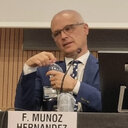 Fernando Munoz合作论文数23Thierry Piechaud合作论文数23Estefania Linares Espinos合作论文数23
 Umberto Capitanio合作论文数Department of Urology, IRCCS Ospedale San Raffaele22
 Khan Mohammed Shamim合作论文数Dept Urol,Kings Hlth Partners, Univ London Kings Coll20
 Alessandro Morlacco合作论文数Clinica Urologica, Azienda Ospedaliero-Universitaria Santa Maria della Misericordia20
 Mieke Van Hemelrijck合作论文数School of Cancer & Pharmaceutical Sciences, Faculty of Life Sciences & Medicine, King’s College London20Francesco Porpiglia合作论文数19
 Derya Tilki合作论文数Martini-Klinik Prostate Cancer Center, University Hospital Hamburg-Eppendorf;Department of Urology, University Hospital Hamburg-Eppendorf;Department of Urology. University Hospital Grosshadern - Munich19
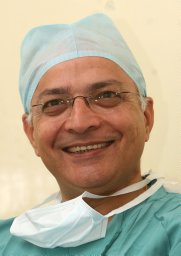 Rajesh Ahlawat合作论文数Department of Urology and Renal Transplantation, Sanjay Gandhi Post Graduate Institute of Medical Sciences19
 Anna Palazzetti合作论文数19Brown Christian T合作论文数19
 Koon Ho Rha (罗君镐)合作论文数Department of Urology, Yonsei University Medical School;Severance Hospital19
 Tim O' Brien合作论文数Guy's and St Thomas' NHS Foundation Trust19
 Nicolò Maria Buffi合作论文数Department of Urology, Humanitas Research Hospital;Urology Residency School, Humanitas University19
 Simone Albisinni合作论文数18A. Fernando合作论文数18Salvatore Smelzo合作论文数18




