The 7th Bench-to-Bedside Uro-Oncology: GU Cancers Triad Meeting, organized in conjunction with the 45th Annual Congress of the Société Internationale d’Urologie, was held on 31 October 2025, in Edinburgh, Scotland, and transmitted live on the SIU@U Congress app [...]
Multidisciplinary team (MDT) discussions are increasingly recognized as a cornerstone of high-quality prostate cancer (PCa) management. This mini-review explores the growing evidence supporting MDT implementation in PCa care pathways, its impact on treatment planning, and evolving tools to streamline decision-making. Evidence from recent cohort studies and implementation research suggests improved guideline concordance, reduced rates of overtreatment, and enhanced patient engagement when multidisciplinary evaluation is applied, particularly in complex cases or cases where management is uncertain. Future directions include evaluating structured decision-support tools and case complexity scoring systems. The integration of MDTs is a scalable model that should be adapted across healthcare settings.
OBJECTIVES:To evaluate biochemical recurrence-free survival (BRFS) and metastasis-free survival (MFS) as potential intermediate clinical endpoints (ICEs) for overall survival (OS) in patients undergoing salvage radical prostatectomy (sRP). PATIENTS AND METHODS:Evaluable patients were selected from a retrospective dataset, resulting in a cohort of 879 patients with recurrent, non-metastatic, hormone-sensitive prostate cancer treated with sRP at 13 centres. ICE surrogacy was evaluated using a two-stage approach: (i) at the individual-patient level by fitting Clayton copula models and estimating Kendall's τ ( τ >0.7 indicating a strong association) and (ii) at the centre level, by fitting weighted linear regression of 5-year OS on 3-year BRFS and MFS. RESULTS:The two-step analysis included 759 patients for BRFS (366 events) and 476 for MFS (137 events), with median follow-up of 37 months (95% confidence interval [CI] 36-42 months) and 34 months (95% CI 31-37 months), respectively. At the individual-patient level, MFS showed a strong association with OS (Kendall's τ 0.85, 95% CI 0.82-0.88), which was not observed for BRFS (Kendall's τ 0.63, 95% CI 0.56-0.69). At the centre level, neither 3-year BRFS (R2 = 0.15; slope = 0.34, P = 0.2) nor 3-year MFS (R2 = 0.21; slope = 0.26, P = 0.14) predicted 5-year OS with sufficient explanatory power. Limitations include the fact that centre-level analysis was based on single-arm associations rather than on treatment-effect surrogacy across arms, and retrospective data collection. CONCLUSIONS:The BRFS should not be used as a surrogate endpoint in the sRP setting. MFS requires further validation in future prospective studies to confirm its association with OS. Patient-reported outcomes, such as quality-of-life and treatment-related toxicity, should be considered in parallel with OS.
Clear cell renal cell carcinoma (ccRCC) tumors display strong yet functionally suppressed immune infiltrate, through mechanisms that remain poorly defined. The contribution of the complement system to this microenvironment is understudied, in part because complement activation cannot be inferred from most omics-based methods. Using our integrated complementomics approach combining spatial imaging, single-cell and spatial transcriptomics, plasma profiling, and clinical datasets, we show that malignant cells facilitate complement activation through local C3 production, without formation of cytotoxic membrane attack complexes. This abortive activation reshapes the myeloid compartment by recruiting C5aR1 + macrophages, comprising C1q-enriched tumor-associated macrophages (TAM), linked to T-cell exhaustion. In primary ccRCC, C3 production, C3 deposition, and C5aR1+/C1q + TAM infiltration marks T-cell exhaustion and predicts poor prognosis in the absence of systemic therapy. In metastatic disease (BIONIKK trial), complement activity diverges by treatment context: elevated plasma C3a associates with resistance to anti-angiogenic therapy, whereas complement activation fragments (C4a, C4d) and strong C1qTAM infiltration identify patients responsive to combined anti-PD1/anti-CTLA-4 immune checkpoint inhibitors (ICI). Our findings suggest that C1qTAMs infiltrate tumors and promote T-cell exhaustion upon local complement activation, making this complement-driven tumor–macrophage–lymphoid crosstalk an interesting target to improve ICI efficacy. *Mikel Rezola, Idris Boudhabhay and Lubka T. Roumenina contributed equally to this study.
Importance:Patients with recurrent prostate cancer after previous radiotherapy typically have poor survival. Those with recurrences prostate confined might be suitable for salvage focal therapy (sFT) or salvage radical prostatectomy (sRP). sFT may offer good cancer control with comparatively less toxic effects, but outcomes beyond 5 years have not been reported, and no study has compared sFT to sRP. Objective:To compare cancer control and perioperative complications among patients after sFT vs sRP. Design, Setting, and Participants:In this international, multicenter cohort study of matched comparison data, patients undergoing sFT were derived from the prospective UK HIFU (high-intensity focused ultrasound) Evaluation and Treatment and International Cryotherapy Evaluation registries (9 centers; 2006-2024) and the prospective UK Focal Recurrent Assessment and Salvage Treatment cohort study (6 centers; 2014-2018). Patients undergoing sRP were derived from an international retrospective registry (12 centers in 8 countries; 2000-2021). Patients with biopsy-confirmed, localized recurrent prostate cancer postradiotherapy, either external beam radiotherapy, brachytherapy, or both, were included. Data were analyzed from March to July 2025. Exposures:sFT using HIFU or cryotherapy vs sRP. Main Outcomes and Measures:The primary outcome was cancer-specific survival up to 10 years. Secondary outcomes were overall survival, any perioperative complications (Clavien-Dindo grades 1-5), and major perioperative complications (Clavien-Dindo grades 3-5). Comparisons were made on matched patients following 1:1 cardinality matching within individual multiply-imputed datasets. Matching variables used were radiotherapeutic treatment, years between primary and salvage treatments, European Association of Urology recurrence risk group, and presalvage age, prostate-specific antigen, prostate volume, grade group, T stage, and androgen-deprivation therapy use. Results:A total of 923 patients were eligible for matching (419 undergoing sFT and 504 undergoing sRP). Of the patients undergoing sFT, 325 (77.6%) underwent HIFU and the remainder cryotherapy, with 241 (57.5%) treated with quadrant ablation. Of patients treated with sRP, 376 (74.6%) underwent open surgery and the remainder robot-assisted surgery. For sFT vs sRP, 10-year cancer-specific survival was 92% (95% CI, 86%-98%) vs 99% (95% CI, 97%-100%), with no statistically significant difference (restricted mean time lost, -0.09 years; 95% CI, -0.22 to 0.03 years; P = .15; subdistribution hazard ratio, 0.45; 95% CI, 0.05-4.00; P = .47). There was no statistically significant difference in 10-year overall survival (restricted mean survival time, -0.13 years; 95% CI, -0.86 to 0.60 years; P = .72). Undergoing sRP was associated with statistically significant higher odds of any complication (adjusted odds ratio, 24.20; 95% CI, 12.94-45.27; P < .001) and major complication (adjusted odds ratio, 9.31; 95% CI, 3.42-25.36; P < .001). Conclusions and Relevance:In this cohort study, sFT and sRP were effective for treating localized radiorecurrent prostate cancer, while sFT was associated with fewer perioperative complications. sFT may provide a favorable therapeutic ratio for many patients with localized radiorecurrent prostate cancer.
INTRODUCTION:Focal therapy is an emerging treatment for localized prostate cancer (PCa). The objectives of this review were to: 1) review how focal therapies are regulated and approved; 2) summarize the scope and quality of the literature regarding safety, efficacy, and side-effects; and 3) outline ongoing clinical trials of focal therapy in Canada. METHODS:Using the PRISMA framework for scoping reviews, we searched PubMed, Embase, and Cochrane from 2021-2024, complementing Hopstaken et al's search up to 2020. We focused on studies reporting functional and oncologic outcomes. Additionally, we examined the FDA database for regulatory details and ongoing trials in Canada via ClinicalTrials.gov. RESULTS:FDA approval for prostate tissue ablation was granted to high-intensity focused ultrasound (HIFU) in 2015 via the de novo pathway; other therapies followed the 510(k) route, citing equivalence to predicate devices. Most studies are in early stages, primarily single-arm, prospective cohort designs. Oncologic outcomes like cancer detection and survival rates, alongside functional data, such as adverse events and erectile function, were assessed. Recurrence-free survival at 48 months ranged from 58-92%, pad-free rates were greater than 95%, and rates of new-onset erectile dysfunction were variable, ranging from no change to 50%. Rates of serious adverse events were low, ranging from 0-14%. Three Canadian clinical trials are actively enrolling participants, and five private clinics were found offering private HIFU, irreversible electroporation, or transurethral ultrasound ablation. CONCLUSIONS:Focal therapy technologies have gained regulatory approval for prostate tissue ablation, and aside from provincial support for cryoablation in Alberta, are available to Canadians through private payment or clinical trials. Many studies demonstrate promising cancer control and impressive functional outcomes but are limited by their short followup and lack of comparator group. Clinical trial or registry participation should be prioritized to ensure an evidence-based integration into current prostate cancer treatment approaches.
Prostate cancer (PCa) management poses challenges due to treatment-related morbidities associated with conventional therapies. Focal therapy (FT) is emerging as a promising alternative for intermediate-risk PCa, aiming to selectively target localized cancerous lesions while preserving healthy tissue. This review explores emerging FT modalities for PCa treatment, focusing on transrectal MRI-guided focused ultrasound surgery (MRgFUS), transurethral ultrasound ablation (TULSA), focal laser ablation (FLA), and histotripsy. A comprehensive literature search was conducted to identify studies and clinical trials related to FT. Relevant articles were selected and data were synthesized to provide insights into the efficacy and feasibility of MRgFUS, TULSA, FLA, and histotripsy for FT. MRgFUS utilizes transrectal high-intensity focused ultrasound under MRI guidance to selectively ablate cancerous tissue, demonstrating positive outcomes in oncologic control and preservation of urinary and sexual function. TULSA employs transurethral delivery of high-intensity ultrasound energy under MRI guidance, showing promising results for whole gland treatment. FLA benefits from precise ablation, indicating effectiveness in tumor destruction while preserving quality-of-life. Histotripsy, a mechanical ablation method, exhibits promise by inducing tissue fractionation through bubble activity, offering advantages such as tissue selectivity and real-time treatment monitoring. Emerging FT modalities present promising alternatives for the management of localized PCa, offering personalized treatment. Further research and clinical trials are warranted to establish the long-term efficacy of these techniques in PCa management.
Robot-assisted radical prostatectomy (RARP) is a minimally invasive treatment for localized prostate cancer, offering potential advantages in urinary functional recovery beyond oncological control. This systematic review and meta-analysis evaluated functional outcomes after RARP, focusing on lower urinary tract symptoms (LUTS), continence, and quality of life. A systematic search of PubMed, Embase, and the Cochrane Library was conducted in accordance with PRISMA. Eligible studies were randomized trials or observational cohorts with ≥ 200 RARP patients, published in the last 10 years, assessing LUTS with validated instruments. Two reviewers independently performed data extraction and quality assessment. Random-effects meta-analysis was used to pool symptom scores and continence outcomes. Eighteen studies with 16,207 patients were included. Postoperative improvements in LUTS were observed, mainly measured by the International Prostate Symptom Score (IPSS). Pooled analysis showed mean IPSS reductions of − 2.84 (95
PURPOSE:Our goals were to assess the survival outcomes of adjuvant radiation therapy (aRT) vs observation with or without early salvage radiation therapy for cN0M0 pN1 prostate cancer (PCa) and to create a model for clinical decision-making. MATERIALS AND METHODS:We retrospectively identified 1103 patients with cN0M0 PCa with pN1 PCa after surgery (2000-2021) at 18 referral centers. Kaplan-Meier curves and Cox proportional hazards models were used. RESULTS:Overall, 670 patients (61%) had International Society of Urological Pathology (ISUP) 4 to 5, and the median number of positive nodes was 1. On multivariable analyses, ≥ 3 positive nodes (HR, 2.03, 95% CI, 1.22-3.37; P = .006) and ISUP 5 (HR, 1.92, 95% CI, 1.15-3.18; P = .01) were associated with an increased all-cause mortality. Based on pT stage, ISUP, and positive nodes, a 2 risk categories model was created. In men undergoing observation, 7-year disease-free survival was 27% (95% CI, 20.4-36) for low- to intermediate-risk and 11% (95% CI, 6.7-17) for high-risk patients; aRT had higher overall survival rates in the high-risk group (92%; 95% CI, 87-96 vs observation 84%, 95% CI, 77-90; P = .006). In interaction term analyses, aRT confirmed its protective effect on mortality in high-risk patients (HR, 0.28, 95% CI, 0.09-0.84, P = .024). Results were comparable when excluding men with PSA persistence. CONCLUSIONS:In cN0M0 pN+ PCa, aRT yields a survival benefit compared with observation with or without early salvage radiation therapy only in men with a high-risk disease based on unfavorable prognostic factors. We created a risk model to guide clinical decision-making in this setting.
PURPOSE:We compare the detection rates of clinically significant prostate cancer (csPCa) between cognitively targeted micro-ultrasound-guided biopsy (MB) and MRI/ultrasound fusion-guided biopsy (PFB) in men with MRI-visible lesions. MATERIALS AND METHODS:We retrospectively analyzed 1119 men who underwent MB (n = 767) or PFB (n = 352) between 2019 and 2022. Inverse probability of treatment weighting based on a logistic regression propensity score was applied to balance baseline characteristics between groups. Weighted logistic regression models were used to compare csPCa detection in the overall cohort and in subgroups of biopsy-naïve men and those with anterior lesions. A separate multivariable logistic regression was performed in the full cohort to identify independent predictors of csPCa. Concordance between biopsy and radical prostatectomy Gleason scores was also evaluated. RESULTS:After inverse probability of treatment weighting adjustment, csPCa detection with MB was higher than with PFB in combined sampling (45% vs 34%; odds ratio, 1.61; 95% CI: 1.23-2.11; P < .01). However, no significant difference was observed between techniques for targeted biopsies alone, both in the overall cohort and among biopsy-naïve men. In patients with anterior lesions, csPCa detection rates were also similar. In the full cohort multivariable model, MB and Prostate Imaging-Reporting and Data System 5 lesions were independently associated with csPCa. Gleason upgrading at prostatectomy was more frequent in the PFB group (38% vs 17%; P = .01). CONCLUSIONS:While MB demonstrated higher csPCa detection in adjusted analyses, the benefit was not consistent across all settings. Further studies are warranted to determine whether this reflects a methodological advantage or context-dependent factors.
 Xavier Cathelineau合作论文数Chirurgie urologique, Institut Mutualiste Montsouris240
 Eric Barret合作论文数136
 Francois Rozet合作论文数Département d’Urologie, L’institut Mutualiste Montsouris116Marc Galiano合作论文数91
 Paolo Gontero合作论文数68
 Giancarlo Marra合作论文数Institute of Molecular Cancer Research, University of Zurich61Macek Petr合作论文数58
 Gonzalo Vitagliano合作论文数58
 Steven Joniau合作论文数Department of Urology, University Hospital Leuven;KU Leuven56
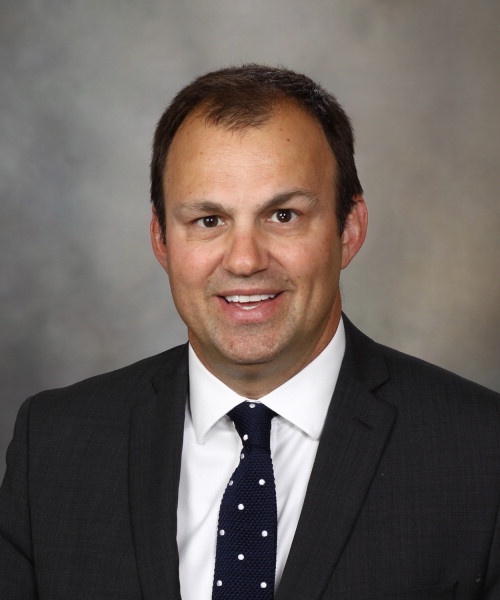 R. Jeffrey Karnes合作论文数Department of Urology, Mayo Clinic55
 Octavio Castillo合作论文数54
 Alberto Briganti合作论文数Faculty of Medicine, Vita-Salute San Raffaele University;Department of Urology, IRCCS San Raffaele Hospital54
 Dominique Prapotnich合作论文数49Nathalie Cathala合作论文数48Annick Mombet合作论文数48
 Marco Moschini合作论文数46
 Francesco Montorsi合作论文数Department of Urology, San Raffaele Hospital;Vita-Salute San Raffaele University of Milan46
 Arjun Sivaraman合作论文数Department of Urology, Institute Mutualiste Monsouris42
 Henk van der Poel合作论文数Department of Urology, Netherlands Cancer Institute41Alejandro Foneron合作论文数40
 Gandaglia Giorgio合作论文数Vita-Salute San Raffaele University;Department of Urology, San Raffaele Hospital40
 Rafael Tourinho-Barbosa合作论文数38
 Simone Albisinni合作论文数36
 Marco Oderda合作论文数35Fernando P. Secin合作论文数33Estefania Linares Espinos合作论文数32
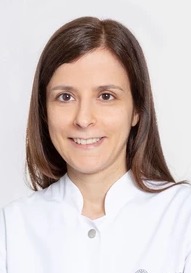 Derya Tilki合作论文数Martini-Klinik Prostate Cancer Center, University Hospital Hamburg-Eppendorf;Department of Urology, University Hospital Hamburg-Eppendorf;Department of Urology. University Hospital Grosshadern - Munich31
 Claudia Filippini合作论文数30
 Martin Spahn合作论文数28Giorgio Calleris合作论文数Molinette Hosp, Univ Turin28
 Morgan Rouprêt合作论文数Sorbonne University;Hôpitaux de Paris28
 Prokar Dasgupta合作论文数King’s College London28Thierry Piechaud合作论文数26
 Alexandre Mottrie合作论文数OLV Ziekenhuis;Urological Department, University Hospital of Homburg-Saar;Department of Urology, OLV Hospital Aalst26Raj Persad合作论文数25Marchioro Giansilvio合作论文数25
 Carneiro Arie合作论文数Department of Urology, Institute Mutualiste Montsouris25
 Alexandre De La Taille合作论文数Hopitaux universitaires Henri Mondor;d’Urologie du CHU Mondor25
 Ben Challacombe合作论文数The Urology Centre, Guy’s Hospital;Guy's and St Thomas' Hospitals NHS Foundation Trust and Kings College25
 Rick Popert合作论文数Guy's & St. Thomas' NHS Foundation Trust25Manuel Diaz合作论文数25
 Shahrokh F. Shariat合作论文数Department of Urology, Medical University of Vienna, Vienna General Hospital;University of Texas Southwestern Medical Center;Weill Cornell Medicine, Cornell University24Juan Palou合作论文数23Guy Vallancien合作论文数23
 David Gillatt合作论文数Macquarie University23
 Declan Cahill合作论文数Urology Department, Guy’s Hospital23Paolo Alessio合作论文数22
 Fernando Munoz合作论文数22
 Armando Stabile合作论文数IRCCS Ospedale San Raffaele, Urological Research Institute21




