Background:Normothermic machine perfusion (NMP) is increasingly used for liver transplantation, but its effect on post-transplantation acute kidney injury (AKI), especially in recipients with renal dysfunction, remains unclear. We evaluated whether NMP was associated with lower early renal injury after deceased donor liver transplantation compared with static cold storage (SCS), including recipients with pre-existing AKI or chronic kidney disease (CKD). Methods:This retrospective, single-centre, cohort study at Cleveland Clinic included deceased donor liver transplantation recipients transplanted between January 2019 and January 2025 with at least 12 months of follow-up. The primary outcome was new post-transplantation AKI by KDIGO serum creatinine criteria. Renal outcomes were assessed using KDIGO staging and validated core outcome set endpoints. Associations were evaluated using mixed-effects logistic regression, and NMP recipients were matched 1:1 to SCS recipients using propensity scores. Findings:893 recipients were included; 319 (36%) received NMP. In multivariable analysis, NMP was associated with lower odds of AKI (odds ratio [OR] 0.70, 95% CI 0.46-0.94; p = 0.036) and new renal replacement therapy (RRT; OR 0.10, 95% CI 0.017-0.64; p = 0.015). Among 213 matched pairs without pre-existing AKI or CKD, AKI occurred in 62 (29%) NMP recipients vs 88 (41%) SCS recipients (p = 0.008), acute kidney disease in 95 (45%) vs 122 (57%; p = 0.009), and stage 3 AKI in seven (3%) vs 15 (7%). Among recipients with pre-existing AKI or CKD, postoperative peak creatinine was lower with NMP in unmatched (2.22 mg/dL [IQR 1.72-2.86] vs 2.71 mg/dL [1.85-3.47]; p = 0.017) and matched cohorts (2.04 mg/dL [1.64-2.34] vs 2.87 mg/dL [2.65-3.34]; p < 0.001). Interpretation:NMP was associated with a modest but clinically relevant reduction in early renal injury after liver transplantation. These effects were most pronounced in recipients without pre-existing renal dysfunction and remained directionally consistent in high-risk recipients. Funding:None.
Living liver donation is a critical component for addressing organ shortage and improving outcomes for patients with end-stage liver disease. As the prevalence of living donor liver transplantation (LDLT) increases worldwide, understanding and optimizing long-term donor health is paramount. The 2025 International Liver Transplantation Society and International Living Donor Liver Transplantation Society (ILTS-iLDLT) Consensus Conference convened experts in the field of liver transplantation to establish evidence-based guidelines focused on the long-term medical, psychological, and social considerations following living liver donation. The aim of this working group was to integrate current evidence and expert consensus on donor follow-up protocols, risk assessment, and management strategies to promote long-term donor health, quality of life, and living liver donor programs globally to safeguard the welfare of this unique population.
This chapter contains sections titled: Historical background Terminology Donor considerations Donor operation Recipient operation Complications Survey of liver transplantation practices Conclusions References
Background:Simultaneous cardiothoracic surgery and liver transplantation (LT) is a high-risk procedure associated with high mortality and morbidity rates. The use of normothermic machine perfusion (NMP) allows graft quality enhancement, assessment of liver viability, and logistics optimization, expanding the donor pool and reducing organ discard rate. We share our institution's experience with simultaneous cardiothoracic surgery and LT, using NMP for liver graft preservation and viability assessment. Methods:Data was retrospectively collected from 14 patients who underwent simultaneous cardiothoracic surgery and LT with NMP for liver graft preservation from October 2022 to August 2023. Data was divided into 3 groups: combined heart transplant and LT, lungs transplant and LT, and nontransplant cardiothoracic surgery and LT. Results:All liver grafts were from brain-dead donors. Median machine perfusion times were 211 min (range, 186-242 min), 222 min (range, 211-246 min), and 627 min (range, 180-1003 min) across the 3 groups, respectively. Postreperfusion syndrome occurred in 3 patients (21%), with 5 (36%) readmitted within 30 d because of complications. Biliary complications developed in 5 patients (36%), and 2 (14%) experienced acute liver rejection within 90 d postsurgery. No mortality was recorded during the median 18-mo follow-up. Conclusions:NMP serves as a safe and valuable tool for patients in need of simultaneous cardiothoracic surgery and LT, potentially broadening the scope of eligibility for these complex procedures.
OBJECTIVE:To assess factors affecting the cumulative lifespan of a transplanted liver. BACKGROUND:Liver aging is different from other solid organs. It is unknown how old a liver can actually get after liver transplantation. METHODS:Deceased donor liver transplants from 1988 to 2021 were queried from the United States UNOS registry. Cumulative liver age was calculated as donor age + recipient graft survival. RESULTS:In total, 184,515 livers were included. Most were donation after brain death donors (n = 175,343). The percentage of livers achieving >70, 80, 90, and 100 years cumulative age was 7.8% (n = 14,392), 1.9% (n = 3576), 0.3% (n = 528), and 0.01% (n = 21), respectively. The youngest donor age contributing to a cumulative liver age >90 years was 59 years, with posttransplant survival of 34 years. In pediatric recipients, 736 (4.4%) and 282 livers (1.7%) survived >50 and 60 years overall, respectively. Transplanted livers achieved cumulative age >90 years in 2.86 per 1000 and >100 years in 0.1 per 1000. The U.S. population at large has a cumulative "liver age" >90 years in 5.35 per 1000 persons, and >100 years in 0.2 per 1000. Livers aged >60 years at transplant experienced both improved cumulative survival ( P < 0.0001) and interestingly improved survival after transplantation ( P < 0.0001). Recipient warm ischemia time of >30 minutes was most predictive of reduced cumulative liver survival overall (n = 184,515, hazard ratio = 1.126, P < 0.001) and excluding patients with mortality in the first 6 months (n = 151,884, hazard ratio = 0.973, P < 0.001). CONCLUSIONS:In summary, transplanted livers frequently get as old as those in the average population despite ischemic-reperfusion-injury and immunosuppression. The presented results justify using older donor livers regardless of donation type, even in sicker recipients with limited options.
Objective: We aim to report our institutional outcomes of single-staged combined liver transplantation (LT) and cardiac surgery (CS). Background: Concurrent LT and CS is a potential treatment for combined cardiac dysfunction and end-stage liver disease, yet only 54 cases have been previously reported in the literature. Thus, the outcomes of this approach are relatively unknown, and this approach has been previously regarded as extremely risky. Methods: Thirty-one patients at our institution underwent combined CS and liver transplant. Patients with at least 1-year follow-up were included. The Leave-One-Out Cross-Validation machine-learning approach was used to generate a model for mortality. Results: Median follow-up was 8.2 years (IQR: 4.6-13.6 years). One- and 5-year survival was 74.2% (N=23) and 55% (N=17), respectively. Negative predictive factors of survival included recipient age >60 years (P=0.036), nonalcoholic steatohepatitis-cirrhosis (P=0.031), coronary artery bypass-graft (CABG)-based CS (P=0.046), and preoperative renal dysfunction (P=0.024). The final model demonstrated that renal dysfunction had a relative weighted impact of 3.2 versus CABG (1.7), age >= 60 years (1.7), or nonalcoholic steatohepatitis (1.3). Elevated LT+CS risk score was associated with an increased 5-year mortality after surgery (area under the curve=0.731, P=<0.001). Conversely, the widely accepted The Society of Thoracic Surgeons Predicted Risk of Mortality calculator was unable to successfully stratify patients according to 1-year (P>0.99) or 5-year (P=0.695) survival rates. Conclusions :This is the largest series describing combined LT+CS, with joint surgical management appearing feasible in highly selected patients. CABG and preoperative renal dysfunction are important negative predictors of mortality. The 4-variable LT+CS score may help predict patients at high risk for postoperative mortality.
BACKGROUND:Portal vein thrombosis is a potentially devastating complication following pediatric liver transplantation. In rare instances of complete portomesenteric thrombosis, cavoportal hemitransposition may provide graft inflow. Here we describe long-term results following a case of pediatric cavoportal hemitransposition during liver transplantation and review the current pediatric literature. METHODS:A 9-month-old female with a history of biliary atresia and failed Kasai portoenterostomy underwent living donor liver transplantation, which was complicated by portomesenteric venous thrombosis. The patient underwent retransplantation with cavoportal hemitransposition on postoperative day 12. OUTCOME:The patient recovered without further complication, and 10 years later, she continues to do well, with normal graft function and no clinical sequelae of portal hypertension. CT scan with 3-D vascular reconstruction demonstrated recanalization of the splanchnic system, with systemic drainage to the inferior vena cava via an inferior mesenteric vein shunt. The cavoportal anastomosis remains patent with hepatopetal flow. Of the 12 previously reported cases of pediatric cavoportal hemitransposition as portal inflow in liver transplantation, this is the longest-known follow-up with a viable allograft. Notably, sequelae of portal hypertension were also rare in the 12 previously reported cases, with no cases of long-term renal dysfunction, lower extremity edema, or ascites. CONCLUSIONS:Long-term survival beyond 10 years with normal graft function is feasible following pediatric cavoportal hemitransposition. Complications related to portal hypertension were generally short-lived, likely due to the development of robust collateral circulation. Additional reports of long-term outcomes are necessary to facilitate informed decision making when considering pediatric cavoportal hemitransposition for liver graft inflow.
Background: Liver transplantation (LT) is a well-established treatment for hepatocellular carcinoma (HCC), but there are ongoing debates regarding outcomes and selection. This study examines the experience of LT for HCC at a high-volume centre. Methods: A prospectively maintained database was used to identify HCC patients undergoing LT from 2000 to 2020 with more than or equal to 3-years follow-up. Data were obtained from the centre database and electronic medical records. The Metroticket 2.0 HCC-specific 5-year survival scale was calculated for each patient. Kaplan-Meier and Cox-regression analyses were employed assessing survival between groups based on Metroticket score and individual donor and recipient risk factors. Results: Five hundred sixty-nine patients met criteria. Median follow-up was 96.2 months (8.12 years; interquartile range 59.9-147.8). Three-year recurrence-free (RFS) and overall survival (OS) were 88.6% (n=504) and 86.6% (n=493). Five-year RFS and OS were 78.9% (n=449) and 79.1% (n=450). Median Metroticket 2.0 score was 0.9 (interquartile range 0.9-0.95). Tumour size greater than 3 cm (P=0.012), increasing tumour number on imaging (P=0.001) and explant pathology (P<0.001) was associated with recurrence. Transplant within Milan (P<0.001) or UCSF criteria (P<0.001) had lower recurrence rates. Increasing alpha-fetoprotein (AFP)-values were associated with more HCC recurrence (P<0.001) and reduced OS (P=0.008). Chemoembolization was predictive of recurrence in the overall population (P=0.043) and in those outside-Milan criteria (P=0.038). A receiver-operator curve using Metroticket 2.0 identified an optimal cut-off of projected survival greater than or equal to 87.5% for predicting recurrence. This cut-off was able to predict RFS (P<0.001) in the total cohort and predict both, RFS (P=0.007) and OS (P=0.016) outside Milan. Receipt of donation after brain death (DBD) grafts (55/478, 13%) or living-donor grafts (3/22, 13.6%) experienced better survival rates compared to donation after cardiac death (DCD) grafts (n=15/58, 25.6%, P=0.009). Donor age was associated with a higher HCC recurrence (P=0.006). Both total ischaemia time (TIT) greater than 6hours (P=0.016) and increasing TIT correlated with higher HCC recurrence (P=0.027). The use of DCD grafts for outside-Milan candidates was associated with increased recurrence (P=0.039) and reduced survival (P=0.033). Conclusion: This large two-centre analysis confirms favourable outcomes after LT for HCC. Tumour size and number, pre-transplant AFP, and Milan criteria remain important recipient HCC-risk factors. A higher donor risk (i.e. donor age, DCD grafts, ischaemia time) was associated with poorer outcomes.
Objective To study a surgical approach to venous vascular thrombosis after uterus transplantation (UTx). Uterus transplantation is the only treatment for uterine factor infertility when conventional therapies are not possible. One of the major limitations of UTx is the high incidence of vascular thrombosis, which in most series reaches approximately 20%. Design A case report. Setting Hospital. Patients We report here a technique used in a 30-year-old woman with congenital absence of the uterus who developed intraoperative thrombosis after a UTx from a brain-dead donor. Intervention The UTx was performed by revascularizing the graft through bilateral donor internal iliac vessels (artery and vein) anastomosed end-to-side to the external iliac vessels of the recipient. The superior uterine veins were not anastomosed and were left unreconstructed. An end-to-end graft to the recipient's vaginal anastomosis was performed. After uterus reperfusion, congestion of the organ was noted, and bilateral venous thrombosis of the internal iliac veins of the graft was found. A "Y-shaped" venous jump graft was used to restore venous outflow of the left superior uterine vein and the internal iliac vein of the graft after thrombectomy. Main Outcome Measures Viability and functionality of the uterus graft after intraoperative bilateral venous thrombosis. Results The postoperative course was uneventful, and this UTx resulted in the delivery of a healthy infant. Conclusion To our knowledge, this is the first successful rescue technique used to restore venous outflow and save the viability and functionality of a transplanted uterus. We demonstrated that a transplanted uterus from a deceased donor with a monolateral outflow could succeed in pregnancy and the delivery of a healthy infant.
 Cristiano Quintini合作论文数183
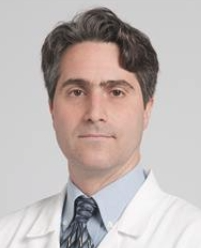 Federico Aucejo合作论文数Cleveland Clinic181
 John Fung合作论文数Transplant Institute, The University of Chicago Medicine176
 Koji Hashimoto合作论文数113
 Charles Miller合作论文数90
 Charles M. Miller合作论文数The Mount Sinai School of Medicine, the City University of New York73M. Fujiki合作论文数71Masato Fujiki合作论文数Graduate School of Medical Science, Kyoto Prefectural University of Medicine68K. Hashimoto合作论文数67
 Choon H David Kwon合作论文数Department of General Surgery, Cleveland Clinic64Dympna M Kelly合作论文数56Zein Nizar N合作论文数47Diago T合作论文数42T. Diago Uso合作论文数35
 Ibrahim Hanouneh合作论文数MNGI Digestive Health29
 Giuseppe D'Amico合作论文数28Amadeo Marcos合作论文数28A. Pita合作论文数26
 Andrea Schlegel合作论文数25J.J Fung合作论文数24Teresa Diago合作论文数24
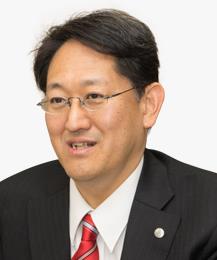 Kazunari Sasaki合作论文数Department of Mechanical Engineering, Faculty of Engineering, Kyushu University23
 Kv Narayanan Menon合作论文数23M. Khalil合作论文数22Jiro Kusakabe合作论文数22Lisa Yerian合作论文数22
 Thomas E. Starzl合作论文数University of Pittsburgh21Charles Winans合作论文数21P Fontes合作论文数20G. D'Amico合作论文数20T. Diago合作论文数20
 Rocio Lopez合作论文数20E. Calderon合作论文数19C Winans合作论文数19
 Anthony J. Demetris合作论文数McGowan Institute for Regenerative Medicine, University of Pittsburgh;Department of Pathology, University of Pittsburgh19B. Cazzaniga合作论文数18Luca Del Prete合作论文数General and Liver Transplant Surgery Unit, Fondazione IRCCS Ca' Granda18
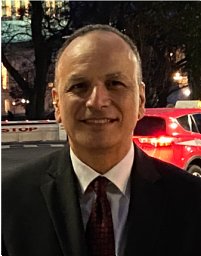 Medhat Askar合作论文数Cleveland Clinic18M. Tuul合作论文数17K. Ali合作论文数17
 Darren Kelly合作论文数Faculty of Medicine, Dentistry & Health Sciences, The University of Melbourne;Department of Medicine, St Vincent’s Hospital;Certa Therapeutics17
 Daniel Firl合作论文数17Jamak Modaresi Esfeh合作论文数17S. Chaudhry合作论文数16
 David Vogt合作论文数16Wallis Marsh合作论文数16K Abu-Elmagd合作论文数15




