Umbilical cord blood (UCB) is a rich source of hematopoietic stem and progenitor cells (HSPCs), mesenchymal stromal cells (MSCs), and diverse immune cell subsets with unique developmental and functional properties. These characteristics have established UCB as an important graft source for hematopoietic stem cell transplantation (HSCT) and an emerging platform for next-generation immunotherapies and regenerative applications. Importantly, cord blood transplantation remains most widely used in pediatric patients, who constitute the majority of UCB transplant recipients due to favorable tissue compatibility and hematopoietic reconstitution kinetics and the suitability of single-unit UCB grafts. Advances in donor recruitment, processing, cryopreservation, ex vivo expansion, and cell engineering continue to broaden the clinical utility of UCB while addressing historical limitations related to cell dose and engraftment kinetics. This review summarizes current biological insights, key aspects of banking infrastructure and the regulatory landscape, established and investigational therapeutic uses, and the evolving challenges and opportunities that will shape the future integration of UCB usage beyond graft source for HSCT.
Background Access to allogeneic hematopoietic cell transplantation (HCT) remains limited for patients of non-European ancestry due to donor unavailability. While 7/8 mismatched unrelated donors (MMUD) provide acceptable outcomes, HCT with ≥2 allele mismatches (<7/8) have historically yielded poor survival and prohibitive toxicity. Post-transplant cyclophosphamide (PTCy) has significantly improved outcomes after MMUD HCT, but the prognostic effect of increasing HLA disparity in this setting is unclear. Methods The prospective ACCESS trial (NCT04904588) evaluated PTCy-based GVHD prophylaxis in adults receiving 4–7/8 HLA-mismatched peripheral blood stem cells (PBSC) from donors ≤35 years old after myeloablative (MAC) or reduced-intensity/non-myeloablative (RIC/NMA) conditioning. Primary endpoint was 1-year overall survival (OS). Secondary endpoints included graft failure, non-relapse mortality (NRM), relapse, acute and chronic GVHD, and GVHD-free relapse-free survival (GRFS). Results Among 268 adults, 85 received <7/8 and 183 received 7/8 MMUD PBSC grafts. The <7/8 cohort (median age 57, range 24–78; 49% male) was racially diverse, with the majority (61%) identifying as racial/ethnic groups other than non-Hispanic White, and included 6/8 (82%), 5/8 (14%), and 4/8 (4%) matches. Conditioning intensity in this group was MAC (n=23) and RIC/NMA (n=62). Diagnoses included AML (55%), MDS (15%), lymphoma (14%) and ALL (11%). Most received fludarabine/melphalan (44%) or myeloablative busulfan/fludarabine (21%); the median CD34+ cell dose was 5.5 × 10^6/kg, and 75% of grafts were cryopreserved. The 7/8 group (median age 63, range 20–79; 52% male) had similar disease distribution, conditioning intensity [MAC (n=52), RIC/NMA (n=131)], and infused cell dose. In this cohort, 61% of grafts were cryopreserved, and nearly half (45%) identified as racial/ethnic groups other than non-Hispanic White.At 1 year, OS was 86% (95% CI, 76–92) for <7/8 vs 79% (72–84) for 7/8. Relapse was 23% (14–33) vs 17% (12–23); NRM 8% (4–16) vs 14% (9–19); and GRFS 55% (43–65) vs 51% (44–58) in <7/8 and 7/8, respectively. At 6 months, grade II–IV acute GVHD occurred in 34% (24–44) vs 39% (32–46), and grade III–IV in 7% (3–14) vs 8% (5–13) in <7/8 and 7/8, respectively. At 1 year, moderate/severe chronic GVHD was 8% (3–15) vs 11% (7–16). Primary graft failure occurred only after RIC/NMA: 8% (3–18) with <7/8 vs 3% (1–8) with 7/8.In <7/8 recipients, 1-year OS was 91% with MAC and 84% with RIC/NMA; relapse 32% vs 20%; GRFS 53% vs 55%; and NRM 9% vs 8%, respectively. Conclusions PTCy-based GVHD prophylaxis results in excellent outcomes following <7/8 MMUD HCT, with OS >80% and low NRM and GVHD, comparable to 7/8. Extending donor criteria to 4–6/8 mismatches should broaden equitable donor access while permitting optimization of non-HLA factors.
Posttransplant cyclophosphamide (PTCy) to prevent graft-versus-host disease (GVHD) improves outcomes in recipients of HLA mismatched unrelated donor (MMUD) allogeneic hematopoietic cell transplantation (allo HCT). Outcomes of MMUD HCT using PTCy in patients requiring reduced intensity or non-myeloablative conditioning (RIC/NMA) are not well described. The Phase II, prospective, ACCESS trial sought to evaluate PTCy-based GVHD prophylaxis in adult recipients of MMUD using peripheral blood stem cell allografts. Here, we report combined results of RIC/NMA recipients treated in the initial study (N = 70) and a planned expansion cohort (N = 123). The number of centers participating in the expansion protocol was 33 compared to 13 in the initial study. Median participant age was 65.0 (range: 22.9-78.9) and the HCT comorbidity index was high-risk (≥ 3) in 65 (33.7%). Donor HLA matching was < 7/8 in 62 (32.1%) participants. One-year survival was 79.6% (95% confidence interval: 73.2-84.7) and was similar between HLA 7/8- and HLA < 7/8-matched donor recipients. Survival was similar between participants in the initial study (78.6%) and the expansion cohort (80.3%) indicating generalizability of this strategy. One-year incidence of severe infection (Grade 3-5) was 39% (32%-46.9%). The 1-year incidence of non-relapse mortality and relapse estimates were 12.5% (8.3%-17.6%) and 17.3% (12.3%-23%), respectively. MMUD with PTCy-based GVHD prophylaxis and RIC/NMA conditioning was safe and effective to facilitate HCT. Outcomes were similar in the expansion cohort that enrolled from a greater number of centers. Post-HCT infections were prevalent.
The rapid advances in HLA genotyping technology and the massive amounts of associated data have created a demand for better and more efficient laboratory data management practices. However, while some standards have been developed, there is a need for comprehensive guidelines that include all laboratory data-related processes such as messaging, storage and retention, documentation, reporting, validation and quality control. An important consideration in developing these recommendations is the feasibility of application in a laboratory setting without posing a substantial staff and cost burden for implementation and long-term maintenance and the availability of publicly available tools. This article presents evidence-based recommendations for multiple laboratory general data practices, focusing on HLA genotyping data and associated meta-data. These recommendations are compiled by experts in the fields of histocompatibility and immunogenetics (H&I) and representation from multiple H&I worldwide professional society leadership with the long-term goal of adopting these recommendations in future laboratory accreditation requirements.
ACCESS is a prospective, multicenter phase II trial evaluating peripheral blood stem cell (PBSC) transplantation using 4-7/8 HLA-mismatched unrelated donors (MMUD) with post-transplant cyclophosphamide (PTCy), tacrolimus, and mycophenolate. Adults undergoing first HCT with myeloablative (MAC) or reduced-intensity/nonmyeloablative (RIC/NMA) conditioning were enrolled, with donors aged 18-35 years and matched at 4/8-7/8 HLA loci by high-resolution typing. This expanded analysis includes all enrolled adult PBSC recipients, including the protocol-specified RIC/NMA cohort expansion, to improve precision of outcome estimates and provide descriptive analyses by HLA match level. Among 268 adults, 183 received 7/8 and 85 received <7/8 MMUD grafts; 82.4% of the <7/8 cohort received 6/8 grafts. Median follow-up among survivors was 11.9 months. At 1-year, overall survival was 78.6% (95% CI, 71.9-83.9) in the 7/8 cohort and 85.6% (95% CI, 76.0-91.5) in the <7/8 cohort. One-year relapse, non-relapse mortality, and GVHD-free relapse-free survival were 17.1%, 13.7%, and 51.1% versus 22.8%, 8.4%, and 54.6%, respectively. The cumulative incidence of grade II-IV and grade III-IV acute GVHD by day 100 was 36.6% and 7.7% in the 7/8 cohort versus 28.3% and 5.9% in the <7/8 cohort. Moderate-to-severe chronic GVHD at 1 year was 11.3% versus 7.7%, respectively. Among adult ACCESS recipients treated on a uniform young-donor PBSC/PTCy platform, short-term outcomes with predominantly 6/8 MMUD transplantation were encouraging. Because donor match level was not prospectively assigned and between-group comparisons were exploratory, these findings are descriptive and should not be interpreted as establishing equivalence with 7/8 MMUD transplantation. (Registered as NCT04904588 at CT.gov)
Background The treatment of acute and chronic graft-versus-host disease (GvHD) remains a challenge, particularly in cases of steroid-refractory GvHD. The management of GvHD varies between institutions, and little is known regarding the practices in different regions of the world. Thus, the Worldwide Network for Blood and Marrow Transplantation has developed a questionnaire to understand the current practices of GvHD management in the Eastern Mediterranean (EM) region. Methodology The questionnaire had 46 items and was distributed electronically to transplant centers in the EM region. Responses were received between December 2022 and June 2023. The questionnaire addressed the management of acute and chronic GvHD for both newly diagnosed and refractory cases. Results The questionnaire was completed by 30 programs across 26 institutions located in 11 countries. For patients with newly diagnosed acute GvHD, most programs reported the use of systemic steroids for initial treatment, with doses selected based on the severity of the presentation: the equivalent of 1 mg/kg/day of prednisone for grade IIa and 2 mg/kg/day for grade IIb. In addition to steroids, most programs continued immunosuppressive therapy or reintroduced it if GvHD developed after its cessation. For patients who were refractory to steroids, ruxolitinib was the most frequently selected second-line treatment, chosen by 80% of the programs, followed by calcineurin inhibitors (47%), high-dose steroids (>2 mg/kg, 43%), mycophenolate mofetil (MMF, 40%), and extracorporeal photopheresis (ECP, 40%). On the other hand, for patients with newly diagnosed chronic GvHD, systemic steroids are used for the initial management of mild chronic GvHD not accessible by topical treatment and moderate to severe disease, with the most commonly used initial dose being the equivalent of 0.5 to 1 and >1 mg/kg/day of prednisone, respectively. More than two-thirds of the programs use another agent in addition to steroids in patients who develop moderate/severe chronic GvHD while off immunosuppressive therapy. For patients with steroid-refractory chronic GvHD, most programs selected multiple options in the second-line setting, with the most frequently selected options being ruxolitinib (77%), calcineurin inhibitors (68%), MMF (53%), imatinib (53%), ECP (50%), rituximab (47%), and ibrutinib (40%). Conclusion Our results demonstrated that GvHD management practices in the EM region generally align with current guidelines. However, the results highlight that access to clinical trials and multidisciplinary support teams remains limited.
Allogeneic hematopoietic cell transplantation (HCT) remains a curative therapy for many patients with hematologic malignancies, bone marrow failure syndromes, inborn errors of immunity and metabolic disorders. Current donor selection strategies typically prioritize the selection of an HLA-matched donor over HLA mismatched ("alternative") donor sources, with a hierarchical approach to the donor search. More recent data challenge this rubric, particularly in the context of novel graft-versus-host disease (GVHD) prophylaxis strategies that demonstrate improved outcomes in alternative donor HCT recipients. In this setting, an increased emphasis on non-HLA factors (both donor characteristics and systemic factors) in determining donor selection is now feasible. In this guideline, we review recent evidence from prospective clinical trials as well as high-quality observational studies and provide expert panel recommendations on donor selection algorithms and prioritization in the era of novel GVHD prophylaxis. We then highlight important questions still to be answered in our field.
The impact of non-HLA drug-metabolizing gene polymorphisms on post-transplant outcomes is well recognized. We aimed to evaluate the impact of 5,10-methylenetetrahydrofolate reductase (MTHFR) C677T and A1982C and CYP3A4 A290G polymorphisms on the outcomes of patients undergoing allogeneic hematopoietic stem cell transplantation (HSCT) from fully matched siblings. Using PCR-RFLP and according to DNA availability, MTHFR and CYP3A4-V polymorphisms were evaluated. In total 60 patient/donor pairs were investigated. The MTHFR genotypes exhibited similar frequencies in both patients and donors; the MTHFR wild-type in patients correlated with a trend towards reduced incidence of GVHD and improved overall survival rates. Most patients (84.9 %) and donors (76.8 %) had CYP3A4 A wild type. Acute GVHD occurred only in patients with the wild type (10/45 AA vs 0/8 AG or GG) and 9/43 vs 1/13 in recipients from donors with AA vs. AG + GG. GVHD prophylaxis regimens that do not include methotrexate demonstrated a 5.5-fold increased risk of acute GVHD (p = 0.03). Alternative conditioning regimens to Busulphan/Cyclophosphamide exhibited a 19.1-fold increase in the risk of transplant-related mortality (TRM), with statistical significance (p = 0.007). Severe oral mucositis was correlated with male gender (p = 0.03) and a diagnosis of leukaemia (p = 0.007). Renal toxicity is correlated with an age of ≥ 18 years (p = 0.04) and male gender (p = 0.04). In conclusion, methotrexate in GVHD prophylaxis correlates with a reduced risk of GVHD, while the Busulphan/Cyclophosphamide conditioning regimen is linked to a lower incidence of TRM. Although statistical significance was not achieved due to the predominance of the CYP3A4 wild type, its nearly exclusive association with GVHD may hold clinical significance. Therefore, genotyping patients and adjusting the CsA dose for individuals with the CYP3A4 wild type is recommended.
Haploidentical donors and HLA-mismatched unrelated donors (MMUDs) are increasingly utilized for hematopoietic cell transplantation (HCT), with post-transplantation cyclophosphamide (PTCy) emerging as an effective graft-versus-host disease (GVHD) prophylaxis strategy. Despite the growing use of these donor types, comparative data to guide donor selection remain limited. Donor age is a known predictor of HCT outcomes, yet its specific impact when choosing between haploidentical and MMUD donors with PTCy-based prophylaxis has not been thoroughly explored. This study aimed to evaluate the influence of donor age on HCT outcomes in patients receiving haploidentical or MMUD HCT with PTCy-based GVHD prophylaxis, hypothesizing that younger donors (<30 years) would be associated with improved outcomes compared to older donors (≥30 years) regardless of donor type. We conducted a retrospective analysis of 7116 patients with hematologic malignancies from the Center for International Blood and Marrow Transplant Research database, transplanted between 2013 and 2021. Donors were categorized into four groups: younger haploidentical (<30 years), older haploidentical (≥30 years), younger MMUD (<30 years), and older MMUD (≥30 years). The primary outcome was GVHD-free relapse-free survival (GRFS), defined as the absence of grade III to IV acute GVHD, chronic GVHD requiring systemic immunosuppressive therapy (IST), relapse, or death. Secondary outcomes included overall survival, treatment-related mortality (TRM), relapse, grade III to IV acute GVHD, overall chronic GVHD, and chronic GVHD requiring IST. Comparisons were made between (1) younger MMUD versus older haploidentical and (2) younger haploidentical versus older MMUD groups using multivariable Cox proportional hazards models. In multivariable analysis, the older MMUD group exhibited inferior GRFS (hazard ratio [HR] 1.20; 95% confidence interval [CI], 1.06 to 1.36; P = .003), higher TRM (HR 1.49; 95% CI, 1.13 to 1.96; P = .005), and increased grade III to IV acute GVHD (HR 2.88; 95% CI, 1.43 to 5.80; P = .003) compared to the younger haploidentical group. The younger MMUD group had modest GRFS improvement over the older haploidentical group (HR 0.87; 95% CI, 0.78 to 0.98; P = .02) and significantly reduced risks of grade II to IV acute GVHD (HR 0.67; 95% CI, 0.51 to 0.88; P = .003) and chronic GVHD (HR 0.78; 95% CI, 0.65 to 0.94; P = .009). Younger donor age is associated with superior HCT outcomes, emphasizing the importance of prioritizing donors aged <30 years regardless of donor type when feasible.
Background:In this study, we compared outcomes of intensified myeloablative conditioning regimens using large registry data from Japan (Japanese Society for Transplantation and Cellular Therapy) and the United States (Center for International Blood and Marrow Transplant Research). Methods:Adult patients who underwent their first myeloablative allogeneic hematopoietic stem cell transplantation (HSCT) for acute leukemia in remission between 2010 and 2018 using conditioning regimens of cyclophosphamide plus total-body irradiation (CY/TBI), CY/TBI+cytarabine (AraC), or CY/TBI+etoposide (VP16) were included. Results:The acute myeloid leukemia (AML) cohort (N = 480, 38.8%) indicated that overall survival (OS) was poorer in CY/TBI+AraC (hazard ratio [HR] 1.46, p < 0.001) and CY/TBI+VP16 (HR 1.39, p = 0.059) compared to CY/TBI. Relapse was not suppressed, while treatment-related mortality (TRM) was significantly higher (HR 1.78 and 1.74, p < 0.001 and 0.018, respectively). In the acute lymphoblastic leukemia (ALL) cohort (N = 3901, 61.2%), OS was comparable among these regimens. With intensified regimens, relapse was significantly suppressed in CY/TBI+VP16 (HR 0.74, p = 0.005), while TRM was higher (HR 1.21, p = 0.077). No interactions were observed regarding the country. Conclusion:In AML adding AraC and VP16 to CY/TBI had an adverse effect on OS. Conversely, in ALL, adding VP16 or AraC to CY/TBI did not affect survival, but the addition of VP16 reduced the risk of relapse. Clinical Trial Registration:The authors have confirmed clinical trial registration is not needed for this submission.
Allogeneic hematopoietic cell transplantation (HCT) remains inaccessible to many patients, particularly those of non-European ancestry, due to the limited availability of matched unrelated donors (URD). While single-HLA mismatched donors (7/8) often yield acceptable outcomes, URD HCT mismatched at ≥ 2 HLA alleles (<7/8) has historically been associated with poor survival and prohibitive toxicity. Post-transplant cyclophosphamide (PTCy) has improved outcomes following mismatched unrelated donor (MMUD) HCT, potentially enabling less stringent donor matching. Whether the degree of donor-recipient HLA disparity remains prognostic after MMUD HCT when PTCy is used is unknown. The ACCESS trial (NCT04904588) was conducted by the Center for International Blood and Marrow Transplant Research Clinical Research Organization and prospectively evaluated PTCy-based graft versus host disease (GVHD) prophylaxis in adult recipients of 4–7/8 (HLA-A, -B, -C and -DRB1) MMUD peripheral blood stem cells (PBSC) from donors age ≤35 years old following either myeloablative (MAC) or reduced intensity/non-myeloablative (RIC/NMA) conditioning. This analysis focused on all adult recipients of <7/8 grafts enrolled on the study across both conditioning strata, with descriptive comparison to patients who received 7/8 MMUD PBSC grafts. The primary endpoint was 1-year overall survival (OS). Secondary endpoints included primary graft failure (PGF), non-relapse mortality (NRM), relapse, acute and chronic GVHD, and GVHD-free relapse-free survival (GRFS). A total of 268 adults received MMUD PBSC grafts: 85 with <7/8 matches (MAC: n=23; RIC/NMA: n=62) and 183 with 7/8 matches (MAC: n=52; RIC/NMA: n=131). Among <7/8 recipients, median age was 57 years old (range, 24–78), 49% were male, with diagnoses of acute myeloid leukemia (AML) (55%), myelodysplastic syndromes (MDS) (15%), and lymphoma (14%). HLA mismatch distribution in the <7/8 group was 6/8 in 82%, 5/8 in 14%, and 4/8 in 4%. Most received fludarabine/melphalan (44%) or myeloablative busulfan/fludarabine (21%). Median CD34+ cell dose was 5.5 ×10^6/recipient kg (range: 3.2-8.0) and 75% of grafts were cryopreserved prior to infusion. Median donor age was 25.8 (range: 18.7-35.7) in the 7/8 group and 25.0 (range: 18.3-34.8) in the <7/8 group. The <7/8 cohort was racially and ethnically diverse, with 61% identifying as other than non-Hispanic white. The 7/8 cohort had a median age of 63 years old (range, 20–79), with 52% male. Disease distribution, conditioning intensity, and infused cell doses were similar to the <7/8 group. A smaller proportion of grafts were cryopreserved (61%), and 47% of patients identified as other than non-Hispanic White. One-year OS for <7/8 recipients was 86% (95% CI: 76–92%), compared to 79% (95% CI: 72–84%) in 7/8 recipients. One-year incidence of relapse was 23% (95% CI: 14–33%) in the <7/8 group and 17% (95% CI: 12–23%) in 7/8 recipients; NRM was 8% (95% CI: 4–16%) and 14% (95% CI: 9–19%), respectively. GRFS was 55% (95% CI: 43–65%) for <7/8 and 51% (95% CI: 44–58%) for 7/8 recipients. PGF occurred in 8% (95% CI: 3–18%) of <7/8 RIC recipients and 3% (95% CI: 1–8%) of 7/8 RIC recipients; no MAC recipients had PGF. At 6 months post-HCT, grade II–IV acute GVHD occurred in 34% (95% CI: 24–44%) of <7/8 patients and 39% (95% CI: 32–46%) of 7/8; grade III–IV acute GVHD was observed in 7% (95% CI: 3–14%) and 8% (95% CI: 5–13%), respectively. Moderate to severe chronic GVHD (NIH consensus criteria) at one year occurred in 8% (95% CI: 3–15%) of <7/8 recipients and 11% (95% CI: 7–16%) of 7/8 recipients. When grouped by conditioning intensity, 1-year outcomes within the <7/8 cohort were: OS 91% after MAC and 84% after RIC/NMA; relapse in 32% after MAC and 20% after RIC/NMA, respectively; GRFS was 53% for MAC and 55% for RIC/NMA; and NRM remained low at 9% after MAC and 8% after RIC/NMA. In this cohort of adult recipients of <7/8 MMUD PBSC grafts with PTCy-based GVHD prophylaxis enrolled on the ACCESS study, 1-year OS exceeded 80% and was comparable to 7/8 recipients. Relapse, NRM, and GVHD rates were similarly favorable and consistent with outcomes reported in 7/8 donor recipients. These findings support extending suitable MMUD match considerations to include 4-6/8 in the context of PTCy, potentially enabling near-universal donor access, while allowing for optimization of other non-HLA donor factors.
Allogeneic hematopoietic cell transplantation (HCT) using an HLA mismatched unrelated donor (MMUD) with calcineurin inhibitor-based graft versus host disease (GVHD) prophylaxis results in increased incidence of non-relapse mortality (NRM) and lower survival compared to matched donor HCT. The NMDP sponsored 15-MMUD study demonstrated that post-transplant cyclophosphamide (PTCy)-based prophylaxis following bone marrow derived MMUD HCT resulted in reduced incidence of GVHD and favorable survival. Because marrow grafts can be difficult to procure and vary in quality, we conducted a phase II, prospective, multicenter study to evaluate PTCy-based GVHD prophylaxis in adult recipients of MMUD using peripheral blood stem cell (PBSC) allografts. The primary study aim was to estimate the probability of one-year overall survival (OS) post HCT. Secondary aims were to assess other key clinical endpoints and determine the rate of severe infections. Initial results of the first 70 recipients who received reduced intensity conditioning (RIC) were previously reported by Al Malki et al (JCO 2025) demonstrating a 1-year OS of 78.6% (95% CI, 67% to 86.5%). Here, we report results from a planned expansion of the study that included 123 additional RIC recipients, with updated results from the initial cohort of 70 patients (total N = 193 subjects) treated at 33 centers. Study participants received cyclophosphamide 50 mg/kg (ideal body weight) administered on days 3 and 4 post HCT with tacrolimus and mycophenolate mofetil as previously described (Al Malki, JCO, 2025). The median study participant age was 65.0 (range: 22.9-78.9); 92 (47.7%) of participants were male, and 84 (43.5%) identified as having other than non-Hispanic white ancestry. The HCT comorbidity index was high-risk (>3) in 65 (33.7%). Underlying histologic diagnosis was AML in 96 (49.7%) participants, MDS in 43 (22.3%), ALL in 20 (10.4%), lymphoma or CLL in 24 (12.4%), and CML/other leukemias in 10 (5.2%). Conditioning regimens used were fludarabine and melphalan (100 or 140 mg/m2) (N=120; 62.2%), 2-day busulfan and fludarabine (N=38; 19.7%), and fludarabine, cyclophosphamide and total body irradiation (200 cGy) (N=32; 16.6%). Donor HLA matching (considering HLA-A, -B, -C, and -DRB1) was 7/8 in 131 (67.9%) of participants, 6/8-matched in 51 (26.4%), and 4-5/8-matched in 11 (5.7%) participants. Median donor age was 25.5 years (range: 18.7-35.7). The one-year overall OS estimate was 79.6% (95% confidence interval [CI]: 73.2-84.7). Survival was similar among HLA 7/8-matched donor recipients (77.8%, 69.7-84%) and <7/8 matched donor recipients (83.7%, 71.8-90.9%). The one-year GVHD-free, relapse-free survival (GRFS) was 49.9% (42.6-56.9%) and the one-year progression-free survival was 70.2% (63.2-76.2%). The one-year cumulative incidence (CI) rates of NRM and relapse were 12.5% (8.3-17.6%) and 17.3%(12.3-23%), respectively. The 6-month CI of grade II-IV and grade III-IV acute GVHD were 40.0% (33.0-46.8%) and 7.8% (4.6-12.1%), respectively. The one-year incidence of all chronic GVHD and severe chronic GVHD were 15.6% (10.7-21.2%) and 3.7% (1.6-7%), respectively, by NIH consensus criteria. The CI of grade 1-4 cytokine release syndrome (CRS) by day 7 post HCT was 28.0% (21.8-34.9%), and grade 3-4 CRS was 0.5% (0-2.9%). Primary engraftment failure occurred in 9 (4.7%) participants. Among 145 evaluated participants, 85.5% were >95% donor in blood chimerism at day 100 post HCT. Within the first 100 days after HCT, CTCAE grade 2-5 infections occurred in 113 (58.5%) of participants and grade 3-5 infections occurred in 59 (30.6%) of participants. The most common etiologies of grade 2-5 infections were bacterial (N=78), followed by viral (N=48). The most common grade 3-5 non-infectious toxicities were cardiac disorders, which occurred in 4 (2.1%) of participants. In conclusion, the results including this expansion cohort demonstrate encouraging 1-year OS, NRM and relapse rates in RIC recipients of PTCy-based GVHD prophylaxis and PBSC allografts from MMUDs. This larger cohort of 193 recipients re-affirm the results from the initial cohort with greater robustness.Measures to mitigate infection risk are likely to further improve outcomes. Reducing the dose of PTCy is a candidate approach currently being tested in the ongoing OPTIMIZE trial (NCT 06001385).These results support the extension of PBSC MMUD using PTCy to individuals who lack an HLA-matched donor and require RIC HCT.
 Aiwen Zhang合作论文数71Dawn M. Thomas合作论文数53
 Ronald Sobecks合作论文数Department of Hematologic Oncology and Blood Disorders, Taussig Cancer Institute, Cleveland Clinic;Transplantation Center, Division of Surgery, Cleveland Clinic;Cleveland Clinic Lerner College of Medicine, Case Western Reserve University36Stephen Spellman合作论文数National Marrow Donor Program33
 Stuart M Flechner合作论文数31L Klingman合作论文数29
 John Fung合作论文数Transplant Institute, The University of Chicago Medicine28
 Jesse Schold合作论文数Department of Quantitative Health Sciences, Cleveland Clinic26Amanda L. Willis合作论文数Translational Genomics Research Institute25
 Marcelo Fernandez Vina合作论文数Department of Pathology, Histocompatibility, Immunogenetics and Disease Profiling Laboratory, School of Medicine, Stanford University25
 Stephanie Lee合作论文数Clinical Research Division, Fred Hutchinson Cancer Center24
 Matt Kalaycio合作论文数Department of Hematology and Medical Oncology, Cleveland Clinic24
 Tao Wang合作论文数Division of Biostatistics, Medical College of Wisconsin23
 Marie Budev合作论文数Department of Pulmonary Medicine, Cleveland Clinic23
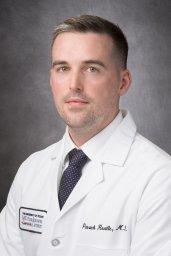 Patrick Reville合作论文数Department of Microbiology,;Department of Pathology, The Ohio State University Medical Center;Department of Pathology, The Ohio State University Medical Center18Lisa A. Rybicki合作论文数18
 Bijan Eghtesad合作论文数Department of Surgery, Cleveland Clinic18
 Rabi Hanna合作论文数17
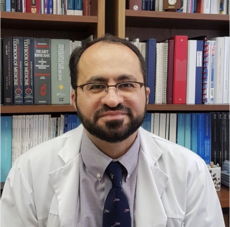 Mahmoud Aljurf合作论文数King Faisal Specialist Hospital and Research Centre17Lynne Klingman合作论文数16
 Brian J Bolwell合作论文数16
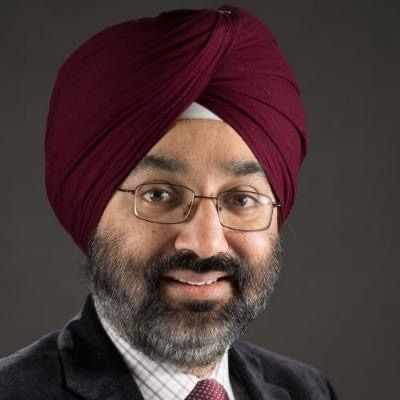 Navneet Majhail合作论文数Sarah Cannon;Tristar Division, HCA Healthcare16
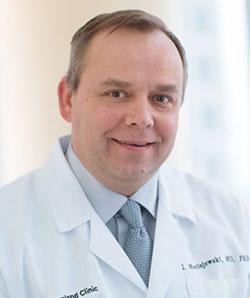 Jaroslaw P. Maciejewski合作论文数Department of Medicine, School of Medicine, Case Western Reserve University;Department of Pathology, School of Medicine, Case Western Reserve University;Department of Translational Hematology and Oncology Research, Taussig Cancer Institute, Cleveland Clinic;Case Comprehensive Cancer Center, Case Western Reserve University16
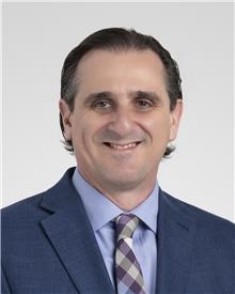 Emilio Poggio合作论文数Department of Nephrology and Hypertension, Glickman Urological and Kidney Institute, Cleveland Clinic16Robin K. Avery合作论文数16Jenifer D. Williams合作论文数15Zein Nizar N合作论文数15
 Robert M. Dean合作论文数Department of Medicine, School of Medicine, Case Western Reserve University;Case Comprehensive Cancer Center, Case Western Reserve University;Department of Hematology and Medical Oncology, Taussig Cancer Institute, Cleveland Clinic14
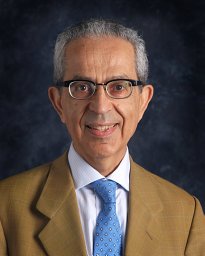 Malek Kamoun合作论文数University of Oregon Health Sciences Center14Michael Haagenson合作论文数14Paul Kawczak合作论文数14
 Martin Maiers合作论文数Natl Marrow Donor Program, Minneapolis, MN USA13Brad Pohlman合作论文数13Kenneth R Mccurry合作论文数13
 Amy Sue Nowacki合作论文数12
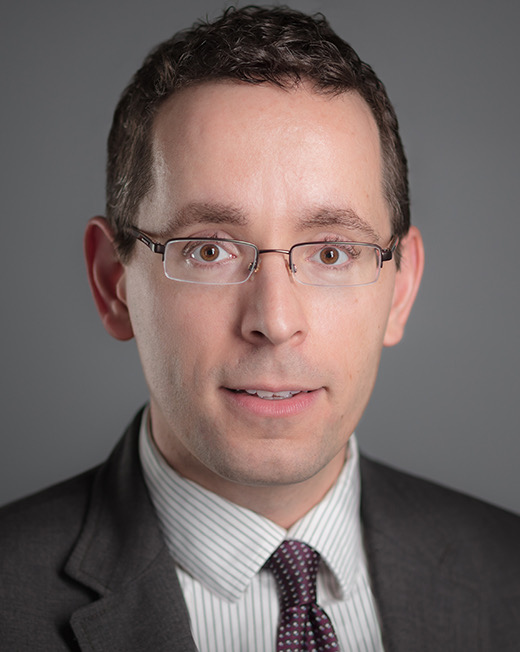 Joseph Pidala合作论文数H. Lee Moffitt Cancer Ctr & Research Institution, Moffitt Cancer Center;Department of Oncologic Sciences, University of South Florida12
 Randall Starling合作论文数Kaufman Center for Heart Failure, Cleveland Clinic12
 Rocio Lopez合作论文数11
 Kirk Schultz合作论文数Division of Hematology and Oncology, Department of Pediatrics, Faculty of Medicine, University of British Columbia;BC Children's Hospital11
 Ann Elizabeth Woolfrey合作论文数11Raymond E Jurcago合作论文数11Terry Knudsen合作论文数10
 Carol Farver合作论文数Department of Pathology, Medical School, University of Michigan-Ann Arbor10
 Susana G. Marino合作论文数Department of Pathology, Biological Sciences Division, The University of Chicago10
 Yuchu Sun合作论文数10
 Daniel Geraghty合作论文数Translational Science and Therapeutics Division, Fred Hutchinson Cancer Center;Scisco Genetics Inc10S. G. E. Marsh合作论文数Anthony Nolan Research Institute, Royal Free Hospital10Taiga Nishihori合作论文数Department of Radiation Medicine and Neurosurgery;Faculty of Medicine;Hokkaido University;Faculty of Medicine, Hokkaido University10Machteld Oudshoorn合作论文数10




