Purpose UGN-101, a reverse thermal mitomycin gel for upper tract instillation, recently became the first FDA approved treatment for upper tract urothelial carcinoma (UTUC). However, the durability of UGN-101 treatment has not been well described. Here we present long term outcomes from our multi-institutional cohort for patients who initially responded to treatment. Materials and Methods We identified patients from a multi-institutional database with UTUC who had a negative endoscopic evaluation following either adjuvant or chemoablative UGN-101 induction. Recurrence and progression data for those patients was reviewed. Kaplan-Meier survival analysis was performed, stratified by relevant clinical features. Results We identified 56 renal units that met the inclusion criteria of which 93% had low-grade disease while 4 cases had high-grade UTUC. With a median follow-up of 23.5 months, 21.4% of renal units experienced a recurrence, with 65% of renal units recurrence-free at 36 months. Three patients experienced eventual progression of disease leading to mortality, however only 1 of these patients had presumed low-grade UTUC and did not undergo nephroureterectomy on recurrence due to solitary kidney. Conclusions UGN-101 treatment has excellent durability in patients who initially respond to the treatment. Further study is needed to better understand the long term outcomes of this novel therapy and also the risks/benefits of maintenance therapy in this setting. Caution should be used in patients with high-grade disease who appear to be at higher risk of relapse and death despite initial response.
Background: Ureteroscopy is a widely used minimally invasive procedure for treating kidney stones. While ureteroscopy is generally safe and effective, it carries risks of complications that may be associated with elevated intrarenal pressure (IRP) during the procedure. This paper discusses the importance of monitoring and managing IRP during endourological procedures to mitigate the risk of complications. Summary: We conducted a review on IRP during endourological procedures, combining systematic and narrative approaches, to examine complications, clinical implications, and IRP monitoring practices. Preclinical and clinical studies have demonstrated strong associations between elevated IRP during endourological procedures and complication risk. Further, cumulative IRP exposure, which considers pressure magnitude and duration, may be a stronger predictor of complication risk than mean or peak IRP values alone. Surveys indicate that while many urologists acknowledge the clinical importance of monitoring and managing IRP, there remains a lack of awareness of real-time IRP monitoring technologies that can alert surgeons to elevated pressures and prompt immediate procedural modifications to mitigate complication risks. Key Messages: Based on current evidence, IRP monitoring should be considered for patients at high risk for pressure-related complications during endourological procedures, which includes a significant proportion of the patient population due to the prevalence of risk factors such as older age, female sex, diabetes mellitus, and obesity. A coordinated effort across the urological community is recommended to generate additional high-quality data to further our understanding of the potential benefits of real-time monitoring technologies. .
You have accessJournal of UrologyBladder Cancer: Upper Tract Transitional Cell Carcinoma III (PD41)1 May 2024PD41-11 LONGITUDINAL FOLLOW UP OF MULTICENTER STUDY OF UGN-101 FOR UPPER TRACT UROTHELIAL CANCER Solomon L. Woldu, Brett Johnson, Katie S. Murray, Hiroko Miyagi, Wade Sexton, Isamu Tachibana, Hristos Kaimakliotis, Joseph Jacob, Rian Dickstein, Jennifer Linehan, Alan Nieder, Marc Bjurlin, Daniel Heidenberg, Mitchell Humphreys, Saum Ghodoussipour, Marcus L. Quek, Michael O'Donnell, Brian Eisner, Surena Matin, Adam S. Feldman, and Yair Lotan Solomon L. WolduSolomon L. Woldu , Brett JohnsonBrett Johnson , Katie S. MurrayKatie S. Murray , Hiroko MiyagiHiroko Miyagi , Wade SextonWade Sexton , Isamu TachibanaIsamu Tachibana , Hristos KaimakliotisHristos Kaimakliotis , Joseph JacobJoseph Jacob , Rian DicksteinRian Dickstein , Jennifer LinehanJennifer Linehan , Alan NiederAlan Nieder , Marc BjurlinMarc Bjurlin , Daniel HeidenbergDaniel Heidenberg , Mitchell HumphreysMitchell Humphreys , Saum GhodoussipourSaum Ghodoussipour , Marcus L. QuekMarcus L. Quek , Michael O'DonnellMichael O'Donnell , Brian EisnerBrian Eisner , Surena MatinSurena Matin , Adam S. FeldmanAdam S. Feldman , and Yair LotanYair Lotan View All Author Informationhttps://doi.org/10.1097/01.JU.0001008568.76803.f1.11AboutPDF ToolsAdd to favoritesDownload CitationsTrack CitationsPermissionsReprints ShareFacebookLinked InTwitterEmail Abstract INTRODUCTION AND OBJECTIVE: UGN-101 is a novel therapeutic for the treatment of upper tract urothelial cancer (UTUC) but there is a lack of longitudinal data on efficacy. This study evaluated a large multicenter cohort of patients treated with UGN-101, with longest follow up available in the literature. METHODS: Data was collected from 15 centers on patients treated with UGN-101 for UTUC. Recurrence free survival (RFS) was calculated only for patients who had no evidence of disease following UGN-101 induction. Progression free survival (PFS) was calculated for all patients treated with UGN-101. Disease progression was defined as: i) grade progression from low-grade to high-grade disease, ii) stage progression, or iii) development of metastatic disease. Receipt of maintenance was defined as dichotomously, although practice patterns varied. RESULTS: There were 136 cases of UTUC treated with UGN-101 with a cumulative median (IQR) follow up of 22 (12-27) months including 107 cases of LGTa UTUC. PFS was 87% at 24 months. Within the subset of 53 cases with LGTa UTUC without evidence of disease following UGN-101 induction – the median time to recurrence was not reached. RFS at 24-months was 86%. Among initial responders, 30% received maintenance therapy. RFS at 24 months was 100% and 61% for patients who received maintenance versus no maintenance, respectively (log rank 0.014). There were 9 cases of high-grade and presumed non-invasive disease treated with UGN-101 who had follow-up available. The median risk of progression was 50% at 12 months. In the subset of 4 cases with HGTa disease who had a negative initial endoscopic evaluation – half had recurred by 10 months. CONCLUSIONS: UGN-101 treatment appears to demonstrate favorable recurrence free survival rates in patients with LGTa UTUC. Administration of maintenance appears to be associated with significantly better RFS. Due to small numbers of patients with high-grade disease, our analysis is limited however there is significant concern for high risk of recurrence and progression in this cohort. Download PPTDownload PPT Source of Funding: None © 2024 by American Urological Association Education and Research, Inc.FiguresReferencesRelatedDetails Volume 211Issue 5SMay 2024Page: e890 Advertisement Copyright & Permissions© 2024 by American Urological Association Education and Research, Inc.Metrics Author Information Solomon L. Woldu More articles by this author Brett Johnson More articles by this author Katie S. Murray More articles by this author Hiroko Miyagi More articles by this author Wade Sexton More articles by this author Isamu Tachibana More articles by this author Hristos Kaimakliotis More articles by this author Joseph Jacob More articles by this author Rian Dickstein More articles by this author Jennifer Linehan More articles by this author Alan Nieder More articles by this author Marc Bjurlin More articles by this author Daniel Heidenberg More articles by this author Mitchell Humphreys More articles by this author Saum Ghodoussipour More articles by this author Marcus L. Quek More articles by this author Michael O'Donnell More articles by this author Brian Eisner More articles by this author Surena Matin More articles by this author Adam S. Feldman More articles by this author Yair Lotan More articles by this author Expand All Advertisement PDF downloadLoading ...
Purpose: To determine the prevalence, incidence, and determinants of kidney stones among adults in the United States. Materials and Methods: This cross-sectional observational study evaluated the lifetime prevalence of kidney stones and the 12-month incidence of kidney stone passage from the 2017 to 2020 National Health and Nutrition Examination Survey. Survey statistical methods were used to estimate kidney stone prevalence and incidence and the association of patient characteristics with these outcomes using logistic regression. Results: The analysis included 9208 participants with prevalence data and 9193 with incidence data. The mean age of the sample was 51 ± 17 years, 49% were male, and the mean body mass index was 30 ± 8 kg/m 2 . The prevalence of kidney stones was 9.9% (95% confidence interval (CI): 8.7%-11.3%), and the incidence of stone passage was 1.8% (95% CI: 1.4%-2.4%). The most important covariates predicting kidney stone prevalence were a history of gallstones (OR = 2.89: 95% CI: 2.16-3.89, P < .001), hypertension (OR = 1.73: 95% CI: 1.06-2.83, P = .03), and chronic kidney disease (OR = 1.99: 95% CI: 1.01-3.90, P = .046). The same variables were most important in predicting the incidence of kidney stone passage: history of gallstones (OR = 2.66: 95% CI: 1.47-4.81, P = .002), chronic kidney disease (OR = 3.34: 95% CI: 1.01-11.01, P = .048), and hypertension (OR = 2.24: 95% CI: 1.17-4.27, P = .02). Conclusions: The self-reported prevalence and incidence of kidney stones in the US adult population between 2017 and 2020 were 9.9% and 1.8%, respectively. History of gallstones, hypertension, and chronic kidney disease were important predictors of both outcomes. Individuals with these risk factors may require more frequent monitoring or targeted preventative lifestyle interventions.
No AccessUrology PracticeUrology Practice Perspectives1 Mar 2024International Medical Graduates in Urology: Tracking Success Through Research David Eugenio Hinojosa-Gonzalez, Shane Kronstedt, Gal Saffati, Wesley A. Mayer, Ruslan Korets, Dimitar Zlatev, Anton Wintner, and Brian H. Eisner David Eugenio Hinojosa-GonzalezDavid Eugenio Hinojosa-Gonzalez *Corresponding Author: David Eugenio Hinojosa-Gonzalez, MD, Scott Department of Urology, Baylor College of Medicine, 7200 Cambridge St, Houston, TX 77030 ( E-mail Address: [email protected] https://orcid.org/0000-0002-0233-0607 Scott Department of Urology, Baylor College of Medicine, Houston, Texas Department of Urology, Massachusetts General Hospital, Harvard Medical School, Boston, Massachusetts , Shane KronstedtShane Kronstedt https://orcid.org/0000-0003-0757-451X Scott Department of Urology, Baylor College of Medicine, Houston, Texas , Gal SaffatiGal Saffati https://orcid.org/0009-0005-3053-5828 Scott Department of Urology, Baylor College of Medicine, Houston, Texas , Wesley A. MayerWesley A. Mayer Scott Department of Urology, Baylor College of Medicine, Houston, Texas , Ruslan KoretsRuslan Korets Division of Urologic Surgery, Beth Israel Deaconess Medical Center, Boston, Massachusetts , Dimitar ZlatevDimitar Zlatev Department of Urology, Massachusetts General Hospital, Harvard Medical School, Boston, Massachusetts , Anton WintnerAnton Wintner Department of Urology, Massachusetts General Hospital, Harvard Medical School, Boston, Massachusetts , and Brian H. EisnerBrian H. Eisner Department of Urology, Massachusetts General Hospital, Harvard Medical School, Boston, Massachusetts View All Author Informationhttps://doi.org/10.1097/UPJ.0000000000000501AboutFull TextPDF ToolsAdd to favoritesDownload CitationsTrack CitationsPermissionsReprints ShareFacebookLinked InTwitterEmail References 1. National Resident Matching Program. Charting the Outcomes of the Match—International Medical Graduates. National Resident Matching Program; 2021. Accessed March 3, 2022. https://www.nrmp.org/wp-content/uploads/2021/08/Charting-Outcomes-in-the-Match-2020_IMG_final.pdf Google Scholar 2. American Urological Association. 2021 Urology Residency Match Statistics.American Urological Association. Accessed March 3, 2022. https://www.auanet.org/documents/education/specialty-match/2021-Urology-Residency-Match-Statistics.pdf Google Scholar 3. . A comparison of objective assessment data for the United States and international medical graduates in a general surgery residency. J Surg Educ. 2017; 74(6):e1-e7. Crossref, Medline, Google Scholar 4. . Comparison of surgical residency applicants from U.S. medical schools with U.S.-born and foreign-born international medical school graduates. J Surg Educ. 2008; 65(6):406-412. Crossref, Medline, Google Scholar 5. . A survey of urology residency program directors assessing criteria to interview applicants during the COVID-19 pandemic. Urol Pract. 2021; 8(4):472-479. Link, Google Scholar 6. . Value of research years for international medical graduates applying to general surgery residency. J Surg Educ. 2020; 77(6):1350-1356. Crossref, Medline, Google Scholar 7. . Applicant characteristics associated with selection for ranking at independent surgery residency programs. J Surg Educ. 2015; 72(6):e123-e129. Crossref, Medline, Google Scholar 8. . The path to U.S. neurosurgical residency for foreign medical graduates: trends from a decade 2007-2017. World Neurosurg. 2020; 137:e584-e596. Crossref, Medline, Google Scholar 9. . The unkindest cut of all: are international medical school graduates subjected to discrimination by general surgery residency programs?. Curr Surg. 2002; 59(2):228-236. Crossref, Medline, Google Scholar 10. . International medical graduates are comparable to American medical graduates as general surgery interns. J Surg Res. 2021; 258:239-245. Crossref, Medline, Google Scholar 11. . Comparing international and United States undergraduate medical education and surgical outcomes using a refined balance matching methodology. Ann Surg. 2017; 265(5):916-922. Crossref, Medline, Google Scholar 12. . Evaluating the quality of care provided by graduates of international medical schools. Health Aff. 2010; 29(8):1461-1468. Crossref, Google Scholar Support: None. Conflict of Interest Disclosures: The Authors have no conflicts of interest to disclose. Ethics Statement: This study was deemed exempt from Institutional Review Board review. Author Contributions: Conception and design: D.H.G., D.Z., B.H.E.; Data analysis and interpretation: D.H.G., G.S., R.K., S.K., W.M., D.Z., B.H.E.; Critical revision of the manuscript for scientific and factual content: D.H.G., G.S., R.K., S.K., W.M., D.Z., B.H.E.; Drafting the manuscript: D.H.G., G.S., S.K., D.Z., B.H.E.; Statistical analysis: D.H.G., G.S., S.K., D.Z., B.H.E.; Supervision: D.H.G., G.S., R.K., S.K., W.M., D.Z., B.H.E. Data Availability: The datasets generated during and/or analyzed during the current study are available from the corresponding author on reasonable request. © 2024 by American Urological Association Education and Research, Inc.FiguresReferencesRelatedDetails Volume 11Issue 2March 2024Page: 254-256 Advertisement Copyright & Permissions© 2024 by American Urological Association Education and Research, Inc.Metrics Author Information David Eugenio Hinojosa-Gonzalez Scott Department of Urology, Baylor College of Medicine, Houston, Texas Department of Urology, Massachusetts General Hospital, Harvard Medical School, Boston, Massachusetts *Corresponding Author: David Eugenio Hinojosa-Gonzalez, MD, Scott Department of Urology, Baylor College of Medicine, 7200 Cambridge St, Houston, TX 77030 ( E-mail Address: [email protected] More articles by this author Shane Kronstedt Scott Department of Urology, Baylor College of Medicine, Houston, Texas More articles by this author Gal Saffati Scott Department of Urology, Baylor College of Medicine, Houston, Texas More articles by this author Wesley A. Mayer Scott Department of Urology, Baylor College of Medicine, Houston, Texas More articles by this author Ruslan Korets Division of Urologic Surgery, Beth Israel Deaconess Medical Center, Boston, Massachusetts More articles by this author Dimitar Zlatev Department of Urology, Massachusetts General Hospital, Harvard Medical School, Boston, Massachusetts More articles by this author Anton Wintner Department of Urology, Massachusetts General Hospital, Harvard Medical School, Boston, Massachusetts More articles by this author Brian H. Eisner Department of Urology, Massachusetts General Hospital, Harvard Medical School, Boston, Massachusetts More articles by this author Expand All Support: None. Conflict of Interest Disclosures: The Authors have no conflicts of interest to disclose. Ethics Statement: This study was deemed exempt from Institutional Review Board review. Author Contributions: Conception and design: D.H.G., D.Z., B.H.E.; Data analysis and interpretation: D.H.G., G.S., R.K., S.K., W.M., D.Z., B.H.E.; Critical revision of the manuscript for scientific and factual content: D.H.G., G.S., R.K., S.K., W.M., D.Z., B.H.E.; Drafting the manuscript: D.H.G., G.S., S.K., D.Z., B.H.E.; Statistical analysis: D.H.G., G.S., S.K., D.Z., B.H.E.; Supervision: D.H.G., G.S., R.K., S.K., W.M., D.Z., B.H.E. Data Availability: The datasets generated during and/or analyzed during the current study are available from the corresponding author on reasonable request. Advertisement PDF downloadLoading ...
Patients presenting with ureteral stones and concurrent urinary tract infections require prompt kidney drainage as per standard care guidelines. However, even in patients who are promptly drained and treated with appropriate antibiotics, the mortality rate due to urosepsis has been reported to be nearly 9
OBJECTIVE:To evaluate the relationship between renal pelvis pressure and infection after ureteroscopy, using a live swine model. MATERIALS AND METHODS:In anaesthetised pigs, a 1-h ureteroscopy was performed using a pressure-sensing guidewire, with renal pelvis pressure maintained at either 37 mmHg or 75 mmHg for the entire procedure and infusion with saline alone or with a standardised concentration of uropathogenic Escherichia coli strain CFT073 (1.5 × 10⁷ colony-forming units [CFU]/mL). Venous blood sampling was performed during and after the procedure. Vital signs, inflammatory biomarkers, and renal tissue and blood cultures were assessed. RESULTS:In 21 pig kidneys, study groups were: 37 mmHg with saline irrigation (n = 3); 75 mmHg with saline irrigation (n = 4); 37 mmHg with saline irrigation with 1.5 × 10⁷ CFU/mL E. coli (n = 7); and 75 mmHg with saline irrigation with 1.5 × 10⁷ CFU/mL E. coli (n = 7). Statistically significant changes in inflammatory biomarkers were most pronounced in the group with 75 mmHg saline irrigation + E. coli and were significantly elevated compared with the control group and the group receiving E. coli irrigation at 37 mmHg. Positive blood cultures were noted in 5/7 animals treated with E. coli at 75 mmHg; no others developed bacteraemia. CONCLUSION:In this swine model of ureteroscopy, irrigation with saline + E. coli at a renal pelvis pressure of 75 mmHg resulted in bacteraemia and inflammatory biomarker elevations significantly greater than both E. coli irrigation with renal pelvis pressure maintained at 37 mmHg and the control.
PURPOSE:Cystine stones, an autosomal recessive disorder caused by cystinuria, result from pathogenic variants of SLC3A1 and SLC7A9. Previous publications revealed that clinical prevalence is higher than genetically predicted prevalence. Heterozygotes in either gene are not stone formers. However, double heterozygotes (DH), individuals with 2 heterozygous pathogenic variants in both genes, were never evaluated and may explain the gap between clinical and genetic prevalence. METHODS:Because of the rarity of the condition, direct clinical observation is impractical. We perform this population study as a surrogate by identifying the observed DH, deriving the theoretical/expected DH, and testing the null hypothesis (NH) that the observed DH frequency is equal or greater than expected. This NH biologically correlate to that DH are asymptomatic and do not have cystine stone. RESULTS:Using the 1000 Genome Database, we identified 0 DH. We derived the theoretical/expected DH with Hardy-Weinberg Equilibrium and Mendel's law of independent assortment as 4.94 × 10-s. Population proportion test revealed z = -0.353, and P = .362, the NH cannot be rejected. CONCLUSION:Statistical testing does not support that DH are symptomatic, ie, DH of SLC3A1 and SLC7A9 may not present with cystine stone, and other factors responsible for the gap that current genetics knowledge cannot explain.
You have accessJournal of UrologyStone Disease: Epidemiology & Evaluation I (MP40)1 May 2024MP40-01 EXTERNAL VALIDATION OF A NOVEL NOMOGRAM TO STRATIFY RISK OF SEPSIS IN PATIENTS UNDERGOING URETERAL STENT PLACEMENT FOR OBSTRUCTING STONES AND PRESUMED URINARY TRACT INFECTION Michal Segall, Noah Hawks-Ladds, Jay Rollins, David E. Hinojosa-Gonzalez, Brian H. Eisner, Dima Raskolnikov, and Alexander Small Michal SegallMichal Segall , Noah Hawks-LaddsNoah Hawks-Ladds , Jay RollinsJay Rollins , David E. Hinojosa-GonzalezDavid E. Hinojosa-Gonzalez , Brian H. EisnerBrian H. Eisner , Dima RaskolnikovDima Raskolnikov , and Alexander SmallAlexander Small View All Author Informationhttps://doi.org/10.1097/01.JU.0001008788.18007.3f.01AboutPDF ToolsAdd to favoritesDownload CitationsTrack CitationsPermissionsReprints ShareFacebookLinked InTwitterEmail Abstract INTRODUCTION AND OBJECTIVE: Urosepsis is a serious complication of obstructing stones and urinary tract infections (UTI), even after decompression with a ureteral stent or nephrostomy. Effective risk stratification is vital for clinical decision-making and hospital resource allocation. Recently, a novel nomogram was developed to evaluate risk of septic shock in this population (Figure 1). The present study aims to externally validate this nomogram with data from an external site with a large, diverse patient cohort. METHODS: A retrospective chart review was conducted on 226 patients with obstructing stones and infection who underwent stent placement at an academic medical center between January 2018 and August 2023. The nomogram was applied utilizing the previously identified risk factors: age, purulent urine, UTI history, WBC, lactate, and Quick Sequential Organ Failure Assessment (qSOFA) score. Patients were considered to be in septic shock in the postoperative period if they required vasopressor support within 1 hour after stent placement and had a positive qSOFA score. RESULTS: Patients' mean age was 53 +/- 17.5. Patients were 66% Hispanic, 16% Black, 12% Non-Hispanic White, and 4% Asian. 22 (9.7%) developed septic shock, compared to the original training model sepsis rate of 13.3%. Receiver operating characteristic (ROC) analysis revealed an Area Under the Curve (AUC) of 90.5% (p=.001), considered "excellent" for this prediction model (Figure 2). The AUC of the original nomogram was 81.1%. CONCLUSIONS: The validation model confirms the nomogram's high predictive performance, suggesting excellent generalizability to different patient populations. A prospective study is needed to determine whether nomogram utilization may help to identify those patients most likely to benefit from ICU admission. Download PPTDownload PPT Source of Funding: None © 2024 by American Urological Association Education and Research, Inc.FiguresReferencesRelatedDetails Volume 211Issue 5SMay 2024Page: e662 Advertisement Copyright & Permissions© 2024 by American Urological Association Education and Research, Inc.Metrics Author Information Michal Segall More articles by this author Noah Hawks-Ladds More articles by this author Jay Rollins More articles by this author David E. Hinojosa-Gonzalez More articles by this author Brian H. Eisner More articles by this author Dima Raskolnikov More articles by this author Alexander Small More articles by this author Expand All Advertisement PDF downloadLoading ...
INTRODUCTION:Percutaneous nephrolithotomy (PCNL) is the gold-standard treatment for large renal stones. One potentially significant complication of PCNL is blood loss, which can result in transfusion requirement and poorer stone-free outcomes. Tranexamic acid (TXA) has emerged as a promising intervention, administered systemically (TXA-S) or as part of irrigation fluid (TXA-I) in endourology. This study aimed to comprehensively analyze existing evidence regarding the applications of TXA in PCNL through a Bayesian network meta-analysis, offering insights into its efficacy and comparative effectiveness. METHODS:In February 2022, a PRISMA-compliant systematic review (PROSPERO registration number CRD 42021270593) was performed to identify randomized controlled clinical trials (RCT) on TXA as either systemic therapy or in irrigation fluid. Studies in languages other than English and Spanish were not considered. A Bayesian network was built using results from identified studies to create models that were later run through Markov Chain Monte Carlo sampling through 200 000 iterations. RESULTS:Eight RCTs compared TXA-S vs. placebo, one TXA-I vs. placebo, and one TXA-I vs. TXA-S. TXA-I had lower risk of transfusion (relative risk [RR] 0.63 [0.47,0.84], SUCRA 0.950) than TXA-S (RR 0.79 [0.65,0.95], SUCRA 0.545). TXA-I had a lower risk of complications (RR 0.38 [0.21,0.67], SUCRA=0.957) compared to TXA-S (RR 0.55 [0.39, 0.78], SUCRA 0.539). TXA-I had a lower postoperative decrease in hemoglobin (mean difference [MD] -1.2 [1.3, 1.0], SUCRA 0.849) compared to TXA-S (MD -0.97 [-1.0, -0.93], SUCRA 0.646]). CONCLUSIONS:TXA, regardless of the route of administration, is an effective intervention in decreasing bleeding, postoperative complications, and risk of transfusion when compared with placebo. Further studies directly comparing TXA-S to TXA-I would be useful to determine the optimal route of delivery.
Introduction: Percutaneous nephrolithotomy (PCNL) is the gold-standard treatment for large renal stones. One potentially significant complication of PCNL is blood loss, which can result in transfusion requirement and poorer stone-free outcomes. Tranexamic acid (TXA) has emerged as a promising intervention, administered systemically (TXA-S) or as part of irrigation fluid (TXA-I) in endourology. This study aimed to comprehensively analyze existing evidence regarding the applications of TXA in PCNL through a Bayesian network meta-analysis, offering insights into its efficacy and comparative effectiveness. Methods: In February 2022, a PRISMA-compliant systematic review (PROSPERO registration number CRD42021270593) was performed to identify randomized controlled clinical trials (RCT) on TXA as either systemic therapy or in irrigation fluid. Studies in other languages other than English and Spanish were not considered. A Bayesian network was built using results from identified studies to create models that were later run through Markov Chain Monte Carlo sampling through 200000 iterations. Results: Eight RCTs compared TXA-S vs. placebo, one TXA-I vs. placebo, and one TXA-I vs. TXA-S. TXA-I had lower risk of transfusion (relative risk [RR], 0.63 [0.47,0.84], SUCRA 0.950) than TXA-S (RR 0.79 [0.65,0.95], SUCRA 0.545). TXA-I had a lower risk of complications (RR 0.38 [0.21,0.67], SUCRA=0.957) compared to TXA-S (RR 0.55 [0.39, 0.78], SUCRA 0.539). TXA-I had a lower postoperative decrease in hemoglobin (MD -1.2 [1.3, 1.0], SUCRA 0.849) compared to TXA-S (MD-0.97 [-1.0, -0.93], SUCRA 0.646]). Conclusions: TXA, regardless of the route of administration, is an effective intervention in decreasing bleeding, postoperative complications, and risk of transfusion when compared with placebo. Further studies directly comparing TXA-S to TXA-I would be useful to determine the optimal route of delivery.
BJU InternationalEarly View Research Letter A novel technique for measurement of fluid absorption during ureteroscopy Juliana Villanueva-Congote, Juliana Villanueva-Congote Department of Urology, Massachusetts General Hospital, Harvard Medical School, Boston, Massachusetts, USASearch for more papers by this authorDavid Hinojosa-Gonzalez, David Hinojosa-Gonzalez Department of Urology, Massachusetts General Hospital, Harvard Medical School, Boston, Massachusetts, USASearch for more papers by this authorMichal Segall, Michal Segall Department of Urology, Massachusetts General Hospital, Harvard Medical School, Boston, Massachusetts, USASearch for more papers by this authorJennifer Saunders, Jennifer Saunders Boston Scientific Corporation, Marlborough, Massachusetts, USASearch for more papers by this authorJay Budrewicz, Jay Budrewicz CBSET, Lexington, Massachusetts, USASearch for more papers by this authorBrian H. Eisner, Corresponding Author Brian H. Eisner [email protected] orcid.org/0000-0002-8891-4100 Department of Urology, Massachusetts General Hospital, Harvard Medical School, Boston, Massachusetts, USA Correspondence: Brian H. Eisner, Department of Urology, GRB 1102, Massachusetts General Hospital, Harvard Medical School, Boston, 55 Fruit Street, Massachusetts, 02114, USA. e-mail: [email protected]Search for more papers by this author Juliana Villanueva-Congote, Juliana Villanueva-Congote Department of Urology, Massachusetts General Hospital, Harvard Medical School, Boston, Massachusetts, USASearch for more papers by this authorDavid Hinojosa-Gonzalez, David Hinojosa-Gonzalez Department of Urology, Massachusetts General Hospital, Harvard Medical School, Boston, Massachusetts, USASearch for more papers by this authorMichal Segall, Michal Segall Department of Urology, Massachusetts General Hospital, Harvard Medical School, Boston, Massachusetts, USASearch for more papers by this authorJennifer Saunders, Jennifer Saunders Boston Scientific Corporation, Marlborough, Massachusetts, USASearch for more papers by this authorJay Budrewicz, Jay Budrewicz CBSET, Lexington, Massachusetts, USASearch for more papers by this authorBrian H. Eisner, Corresponding Author Brian H. Eisner [email protected] orcid.org/0000-0002-8891-4100 Department of Urology, Massachusetts General Hospital, Harvard Medical School, Boston, Massachusetts, USA Correspondence: Brian H. Eisner, Department of Urology, GRB 1102, Massachusetts General Hospital, Harvard Medical School, Boston, 55 Fruit Street, Massachusetts, 02114, USA. e-mail: [email protected]Search for more papers by this author First published: 07 June 2024 https://doi.org/10.1111/bju.16410Read the full textAboutPDF ToolsRequest permissionExport citationAdd to favoritesTrack citation ShareShare Give accessShare full text accessShare full-text accessPlease review our Terms and Conditions of Use and check box below to share full-text version of article.I have read and accept the Wiley Online Library Terms and Conditions of UseShareable LinkUse the link below to share a full-text version of this article with your friends and colleagues. Learn more.Copy URL Share a linkShare onEmailFacebookTwitterLinkedInRedditWechat No abstract is available for this article. REFERENCES 1Hinman F. Urology: the clinical significance of pyelovenous backflow. Cal West Med 1928; 29: 111 CASPubMedGoogle Scholar 2Bhojani N, Koo KC, Bensaadi K, Halawani A, Wong VKF, Chew BH. Retrospective first-in-human use of the LithoVue™ elite ureteroscope to measure intrarenal pressure. BJU Int 2023; 132: 678–685 10.1111/bju.16173 CASPubMedWeb of Science®Google Scholar 3Hjertberg H, Jorfeldt L, Schelin S. Use of ethanol as marker substance to increase patient safety during transurethral prostatic resection. Urology 1991; 38: 423–428 10.1016/0090-4295(91)80230-5 CASPubMedWeb of Science®Google Scholar 4Hill AJ, Basourakos SP, Lewicki P et al. Incidence of kidney stones in the United States: the continuous National Health and Nutrition Examination Survey. J Urol 2022; 207: 851–856 10.1097/JU.0000000000002331 PubMedWeb of Science®Google Scholar 5Monga M, Murphy M, Paranjpe R, Cutone B, Eisner B. Prevalence of stone disease and procedure trends in the United States. Urology 2023; 176: 63–68 10.1016/j.urology.2023.03.040 PubMedWeb of Science®Google Scholar 6Kottooran C, Twum-Ampofo J, Lee J et al. Evaluation of fluid absorption during flexible ureteroscopy in an in vivo porcine model. BJU Int 2023; 131: 213–218 10.1111/bju.15858 PubMedWeb of Science®Google Scholar 7Hjertberg H, Ekberg S, Hahn R, Hultén J, Jorfeldt L, Svedberg J. Absorption of irrigating fluid duringtransurethral prostatic resection as measured by ethanol, radioisotopes, and regular-interval monitoring. Urology 1991; 38: 417–422 10.1016/0090-4295(91)80229-Z CASPubMedWeb of Science®Google Scholar 8Hjertberg H. The use of ethanol as a marker to detect and quantify the absorption of irrigation fluid during transurethral resection of the prostate. Google Scholar Early ViewOnline Version of Record before inclusion in an issue ReferencesRelatedInformation
Background: Residual fragments (RFs) after percutaneous nephrolithotomy (PCNL) have a significant impact on patients' quality of life and clinical course. There is a paucity of studies that evaluate the natural history of RFs after PCNL. The objective of this study is to compare rates of reintervention, complications, stone growth, and passage in patients with RFs >4, & LE;4, and & LE;2 mm after PCNL.Methods: Sites from the Endourologic Disease Group for Excellence (EDGE) research consortium examined data of PCNL patients from 2015 to 2019 with at least 1-year follow-up. RF passage, regrowth, reintervention, and complications were recorded and RFs were stratified into >4 and & LE;4 mm groups, as well as >2 and & LE;2 mm groups. Potential predictors for stone-related events after PCNL were determined using multivariable logistic regression analysis. It was hypothesized that larger RF thresholds would result in lower passage rates, faster regrowth, and greater clinically significant events (complications and reinterventions) than smaller RF thresholds.Results: A total of 439 patients with RFs >1 mm on CT postoperative day 1 were included in this study. For RFs >4 mm, rates of reintervention were found to be significantly higher and Kaplan-Meier curve analysis showed significantly higher rates of stone-related events. Passage and RF regrowth were not found to be significantly different compared with RFs & LE;4 mm. However, RFs & LE;2 mm had significantly higher rates of passage, and significantly lower rates of fragment regrowth (>1 mm), complications, and reintervention compared with RFs >2 mm. On multivariable analysis, older age, body mass index, and RF size were found to be predictive of stone-related events.Conclusions: With the largest cohort to date, this study by the EDGE research consortium further confirms that clinically insignificant residual fragment is problematic for patients after PCNL, particularly in older more obese patients with larger RFs. Our study underscores the importance of complete stone clearance post-PCNL and challenges the use of Clinically insignificant residual fragment (CIFR).
OBJECTIVE To evaluate the prevalence of stone disease and procedure trends among US commercial and METHODS Retrospective analyses for a US commercial population and Medicare population were conFile (5% sample), respectively. Patients aged 18+ were included if they had an encounter in any setting with a primary stone diagnosis or stone procedure (ureteroscopy [URS], percutaneous nephrolithotomy (PCNL), or shockwave lithotripsy [SWL]) between 2011 and 2019. Analyses were conducted at the patient level. RESULTS Over the study time horizon, the prevalence of stone disease showed a small yet statistically significant decrease in the commercial population (1.04%-1.01%; P < 0.0001) and a statistically significant increase in the Medicare population (1.84%-2.34%; P < 0.0001). URS procedure volumes increased by 22.6% (P < 0.0001) in the commercial population and by 56.6% (P < 0.0001) in the Medicare population over the study period. Similarly, PCNL procedure volumes increased by 17.4% (P < 0.0001) in the commercial population and 27.5% (P < 0.0001) in the Medicare population. Procedure volumes for SWL decreased by 26.9% in the commercial population (P < 0.0001) and by 3.8% in the Medicare population although the results were not statistically significant. CONCLUSION The prevalence of stone disease showed a small decrease in the US commercial population and an increase in the Medicare population over the study time horizon. In both populations, increasing procedure volumes were observed for URS and PCNL while decreasing volumes were observed for SWL. UROLOGY 176: 63-68, 2023. & COPY; 2023 The Author(s). Published by Elsevier Inc. This is an open access article under the CC BY-NC-ND license (http://creativecommons.org/licenses/by-nc-nd/4.0/).
Supplemental Table 1. Association of vasectomy with PSA testing and digital rectal examination within three years of study entry. Odds ratios determined by logistic regression.
 Marshall L. Stoller合作论文数Department of Urology, School of Medicine, University of California-San Francisco40
 Ben Chew合作论文数Vancouver Coastal Health Research Institute;Department of Urologic Sciences, Faculty of Medicine, The University of British Columbia;Stone Centre, Vancouver General Hospital31
 Pais Vernon M合作论文数30
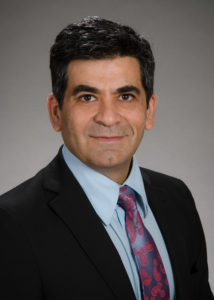 Dushyant Sahani合作论文数Department of Radiology, University of Washington26
 Mitchell R. Humphreys合作论文数Department of Urology, Mayo Clinic23
 Roger Sur合作论文数Division of Urology, Comprehensive Kidney Stone Center22
 Stephen Paul Dretler合作论文数Massachusetts General Hospital;Harvard Medical School19Shoag Jonathan E合作论文数18
 Nicole Miller合作论文数17
 Natalia Hernandez合作论文数ETSI Agrónomos, Universidad Politécnica de Madrid17
 Adam S Feldman合作论文数Boston17
 Amy E Krambeck合作论文数Department of Urology, Feinberg School of Medicine, Northwestern University16Kambadakone Avinash合作论文数16
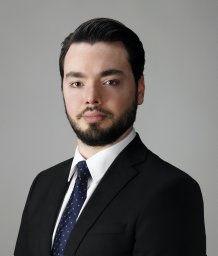 David Eugenio Hinojosa-Gonzalez合作论文数Escuela de Medicina y Ciencias de la Salud, Tecnológico de Monterrey15Bodo E. Knudsen合作论文数15Ojas Shah合作论文数15Alan Yaghoubian合作论文数14Seth K. Bechis合作论文数14
 Jennifer Linehan合作论文数12
 Michael O'Donnell合作论文数Department of Urology, University of Iowa12
 Yair Lotan合作论文数Department of Urology, The University of Texas Southwestern Medical Center12
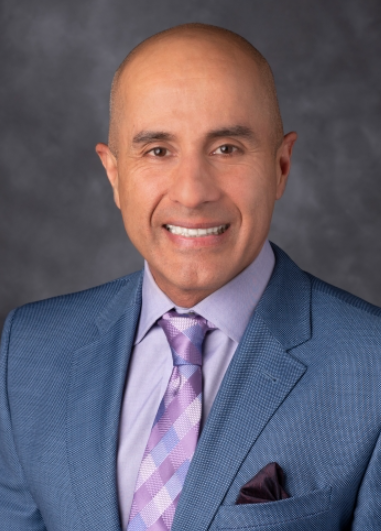 Surena F. Matin合作论文数Department of Urology, Division of Surgery, The University of Texas MD Anderson Cancer Center12
 Dirk Lange合作论文数University of British Columbia12
 Solomon L Woldu合作论文数12
 Silvia Proietti合作论文数Ville Turro Division, Department of Urology, European Training Center of Endourology, IRCCS San Raffaele Hospital12
 Brian Richard Matlaga合作论文数Stephens Center for Stone Disease, School of Medicine, Johns Hopkins University;James Buchanan Brady Urological Institute, School of Medicine, Johns Hopkins University;Bayview Medical Center, School of Medicine, Johns Hopkins University12Sonali Sheth合作论文数11
 Rian J. Dickstein合作论文数11
 Marc Bjurlin合作论文数Urologic Oncology, UNC-Chapel Hill, Clinical Research11Kaimakliotis Hristos Z合作论文数11Murray Katie S合作论文数11
 Ursiny Michal合作论文数11
 Ghodoussipour Saum B合作论文数11
 Wade Sexton合作论文数Moffitt Cancer Center11
 Naeem Bhojani合作论文数Montreal11
 Thomas Chi合作论文数Medicine, University of California, San Francisco11
 Marcus L. Quek合作论文数Loyola University Medical Center11Alan M. Nieder合作论文数Department of Urology, University of Miami School of Medicine11
 Guido Giusti合作论文数Urology Unit, Istituto Clinico Humanitas11
 Rutugandha Paranjpe合作论文数Boston Scientific10Kurtz Michael P合作论文数10Stern Karen合作论文数10Manoj Monga合作论文数9Isamu Tachibana合作论文数9Christina Kottooran合作论文数9Yan Song合作论文数9Gershman Boris合作论文数9
 Raul N. Uppot合作论文数Department of Radiology, Massachusetts General Hospital9




