Introduction: Laser dosimetry selection is utilized to reduce stone retropulsion. Diode-pumped thulium fiber lasers (TFLs) allow for increased pulse energy by lengthening the pulse width. As pulse width lengthens, thermal diffusion has the potential to increase temperature generation outside of an irradiated target. We test the hypothesis that extending the TFL pulse duration longer than the thermal relaxation time poses an independent risk for increased nonspecific heat generation. Methods: A two-dimensional numerical simulation of TFL thermal confinement was performed. Energy output and pulse duration of the SOLTIVE Premium-SuperPulsed TFL were measured. Pulse energies (1.5 J) were selected for pulse durations shorter and longer than thermal relaxation time. Temperature was measured by thermocouple positioned 1 cm lateral to the fiber tip. We compared temperature increases in vitro for identical dosimetries (1.5 J at 20 Hz for 300 seconds) for short (3.1 ms) vs long (11.8 ms) pulse durations. Results: TFL thermal confinement time was calculated at 11.4 ms. For any given preset (short or long), pulse width (duration) increased as pulse energy increased. For any given pulse energy, pulse duration was 3 to 4 times longer comparing short vs long presets. For both short and long pulse settings, temperature increased as total energy increased. The maximum temperature achieved for the long pulse width was 79.6°C vs 71.8°C for the short-width arm (p = 0.002). Conclusion: TFL pulse duration longer than the thermal relaxation time poses an independent risk for increased nonspecific heat generation.
Selection of optimal treatment modalities for patients with kidney and/or ureteral stones is determined by patient factors, urinary tract anatomy, and stone characteristics and are guided by shared decision-making that additionally takes into account patient goals and preferences, resource availability, and physician expertise. This Guideline serves as a resource for clinicians and patients to provide the best available evidence on which to base discussions with patients in a shared decision-making process to arrive at appropriate treatment decisions.
You have accessJournal of UrologyStone Disease: Surgical Therapy (Including ESWL) V (MP78)1 May 2024MP78-17 THE IMPACT OF LASER SETTINGS ON NEPHROLITHIATHIASIS: CLINICAL OBSERVATIONS FROM THE POST-MARKET SOLTIVE REGISTRY AND TEAM OF WORLDWIDE ENDUROLOGICAL RESERACHERS' (T.O.W.E.R.) CONSORTIUM Mitchell R. Humphreys, Ben H. Chew, Wilson R. Molina, Bodo E. Knudsen, Mantu Gupta, Duane D. Baldwin, Victor K. F. Wong, Peter Kronenberg, Palle Osther, and Olivier Traxer Mitchell R. HumphreysMitchell R. Humphreys , Ben H. ChewBen H. Chew , Wilson R. MolinaWilson R. Molina , Bodo E. KnudsenBodo E. Knudsen , Mantu GuptaMantu Gupta , Duane D. BaldwinDuane D. Baldwin , Victor K. F. WongVictor K. F. Wong , Peter KronenbergPeter Kronenberg , Palle OstherPalle Osther , and Olivier TraxerOlivier Traxer View All Author Informationhttps://doi.org/10.1097/01.JU.0001008856.05210.73.17AboutPDF ToolsAdd to favoritesDownload CitationsTrack CitationsPermissionsReprints ShareFacebookLinked InTwitterEmail Abstract INTRODUCTION AND OBJECTIVE: Thulium fiber lasers (TFL) have emerged as an effective treatment for endoscopic lithotripsy. In this prospective, international registry, the Endourological Society's T.O.W.E.R. Research Consortium reports their experience utilizing the TFL, SOLTIVE™ SuperPulsed Laser (Gyrus ACMI, Inc. Brooklyn Park, MN) to provide real-world data. The objective was to determine the impact of surgeon laser setting alterations during treatment of ureteral and kidney stones. METHODS: Patients undergoing lithotripsy for ureteral (n=103) and kidney (n=258) stones with 3 month (m) data using TFL laser were prospectively treated in 8 international institutions between 12/2021- 4/2023. Imaging performed for stone free rate (SFR) reporting: 28% CT scan, 43% US, 25% KUB, 14% not reported. Baseline characteristics, adverse events, and post-operative outcomes were collected. All stones were treated with the following settings for the 1st minute of laser time (subsequent changes at surgeon discretion): Left Pedal (Kidney) – 0.2J, 100Hz; 0.4J, 40Hz, 0.05J, 400Hz Right Pedal (Kidney) – 0.6 J, 30 Hz; 1 J, 20 Hz; 0.1 J, 200 Hz Left Pedal (Ureter) – 0.05 J, 50 Hz; 0.15 J, 14 Hz Right Pedal (Ureter) – 0.1 J, 50 Hz; 0.1 J, 20 Hz. RESULTS: Laser setting were changed in 46% of kidney stone cases. The changed group had larger stones (12.53±5.79 mm vs 9.94±5.29 mm, p<0.001), but no significant difference in 3m SFR (71.22% vs 62.18%, p=0.1236). Comparing the initial (first half of cases) to the later, settings were more frequently changed initially (52.34% vs 40%, p=0.0467) and the 3m SFR was higher (72.66% vs 61.54 %, p=0.0575). Laser settings were changed in 60% of ureteral cases but there was no difference in stone size (8.6±7.5 mm vs 8.5±6.9 mm, p=0.8562) or in 3m SFR (79.03% vs 92.68%, p=0.094). Setting were more frequently altered in the first half of cases (63.46% vs 56.86%, p=0.4393) and SFR at 3 months were slightly higher (88.46% vs 80.39%, p=0.2538). Figure 1 shows the influence of stone diameter on laser setting changes. CONCLUSIONS: Surgeons altered the default TFL settings more for ureteral stones and large kidney stones. In both groups, initial cases saw more setting alterations consistent with learning curves and attempts to better understand TFL capabilities. Download PPT Source of Funding: Olympus Inc © 2024 by American Urological Association Education and Research, Inc.FiguresReferencesRelatedDetails Volume 211Issue 5SMay 2024Page: e1270 Advertisement Copyright & Permissions© 2024 by American Urological Association Education and Research, Inc.Metrics Author Information Mitchell R. Humphreys More articles by this author Ben H. Chew More articles by this author Wilson R. Molina More articles by this author Bodo E. Knudsen More articles by this author Mantu Gupta More articles by this author Duane D. Baldwin More articles by this author Victor K. F. Wong More articles by this author Peter Kronenberg More articles by this author Palle Osther More articles by this author Olivier Traxer More articles by this author Expand All Advertisement PDF downloadLoading ...
You have accessJournal of UrologyEducation Research III (PD60)1 May 2024PD60-06 A NOVEL SKILLS ASSESSMENT TOOL TO ASSESS RESIDENT COMPETENCY DURING URETEROSCOPY WITH LASER LITHOTRIPSY Shagnik Ray, Colin Kleinguetl, Mohammad Mohaghegh, Aliza Khuhro, Dairon Denis-Diaz, Hafsa Asif, Eric Riedinger, Matthew Lee, Geoffrey N. Box, Michael Sourial, Bodo Knudsen, and Tasha Posid Shagnik RayShagnik Ray , Colin KleinguetlColin Kleinguetl , Mohammad MohagheghMohammad Mohaghegh , Aliza KhuhroAliza Khuhro , Dairon Denis-DiazDairon Denis-Diaz , Hafsa AsifHafsa Asif , Eric RiedingerEric Riedinger , Matthew LeeMatthew Lee , Geoffrey N. BoxGeoffrey N. Box , Michael SourialMichael Sourial , Bodo KnudsenBodo Knudsen , and Tasha PosidTasha Posid View All Author Informationhttps://doi.org/10.1097/01.JU.0001009460.27205.df.06AboutPDF ToolsAdd to favoritesDownload CitationsTrack CitationsPermissionsReprints ShareFacebookLinked InTwitterEmail Abstract INTRODUCTION AND OBJECTIVE: With urological resident expressed concerns about readiness for practice as well as a renewed focus on competency based training during residency, there remains a need for a standardized and time-efficient method for resident evaluation and feedback. Mobile feedback applications have been proposed as a potential solution to this dilemma, but those in practice are relatively broad in scope with differences between institutional practice patterns not being accounted for. We sought to evaluate the feasibility of a customizable Qualtrics based mobile phone application to provide real-time feedback/evaluation of resident surgical skills and overall progression with ureteroscopy. METHODS: A Qualtrics procedure-based application detailing key steps of ureteroscopy and laser lithotripsy was created for both semi-rigid and flexible ureteroscopy. Residents were evaluated across 15 steps via Yes/No completion score or via Likert-scale (1–novice to 5–expert), with an additional modifier per case of case complexity (1-3, simple to complex). RESULTS: This pilot study included 15 residents (with 3 residents per year of residency training) for a total of 92 evaluations completed for flexible ureteroscopy, and 13 residents (4 PGY5s, 2 PGY4s, 3 PGY3s, 3 PGY2s, 1 PGY1) for a total of 33 evaluations for semi-rigid ureteroscopy. The average time for faculty to complete an evaluation was 119.0 seconds (SD=42.6). Data extracted from the survey tool allows for a program to highlight an individual resident's skills (Figure 1), an individual resident's improvement over time (Figure 2), cohort tracking by PGY level, and skill stratification by case complexity. CONCLUSIONS: The Qualtrics-based mobile phone application is an easy to create and use tool that allows for residency programs to evaluate residents with their preferred degree of granularity, and subsequently track that real-time resident performance improvement longitudinally for ureteroscopy. Download PPTDownload PPT Source of Funding: N/A © 2024 by American Urological Association Education and Research, Inc.FiguresReferencesRelatedDetails Volume 211Issue 5SMay 2024Page: e1275 Advertisement Copyright & Permissions© 2024 by American Urological Association Education and Research, Inc.Metrics Author Information Shagnik Ray More articles by this author Colin Kleinguetl More articles by this author Mohammad Mohaghegh More articles by this author Aliza Khuhro More articles by this author Dairon Denis-Diaz More articles by this author Hafsa Asif More articles by this author Eric Riedinger More articles by this author Matthew Lee More articles by this author Geoffrey N. Box More articles by this author Michael Sourial More articles by this author Bodo Knudsen More articles by this author Tasha Posid More articles by this author Expand All Advertisement PDF downloadLoading ...
To demonstrate the ureteroscopic treatment of renal stones with the thulium fiber laser including optimal settings and technical considerations. Several patients with stones in the ureter and kidney are reviewed during the treatment with the thulium fiber laser. All stones were successfully treated. Careful attention should be paid to both the laser settings and the technique during thulium fiber laser lithotripsy of renal and ureteral stones to ensure the best outcomes.
Background: Residual fragments (RFs) after percutaneous nephrolithotomy (PCNL) have a significant impact on patients' quality of life and clinical course. There is a paucity of studies that evaluate the natural history of RFs after PCNL. The objective of this study is to compare rates of reintervention, complications, stone growth, and passage in patients with RFs >4, & LE;4, and & LE;2 mm after PCNL.Methods: Sites from the Endourologic Disease Group for Excellence (EDGE) research consortium examined data of PCNL patients from 2015 to 2019 with at least 1-year follow-up. RF passage, regrowth, reintervention, and complications were recorded and RFs were stratified into >4 and & LE;4 mm groups, as well as >2 and & LE;2 mm groups. Potential predictors for stone-related events after PCNL were determined using multivariable logistic regression analysis. It was hypothesized that larger RF thresholds would result in lower passage rates, faster regrowth, and greater clinically significant events (complications and reinterventions) than smaller RF thresholds.Results: A total of 439 patients with RFs >1 mm on CT postoperative day 1 were included in this study. For RFs >4 mm, rates of reintervention were found to be significantly higher and Kaplan-Meier curve analysis showed significantly higher rates of stone-related events. Passage and RF regrowth were not found to be significantly different compared with RFs & LE;4 mm. However, RFs & LE;2 mm had significantly higher rates of passage, and significantly lower rates of fragment regrowth (>1 mm), complications, and reintervention compared with RFs >2 mm. On multivariable analysis, older age, body mass index, and RF size were found to be predictive of stone-related events.Conclusions: With the largest cohort to date, this study by the EDGE research consortium further confirms that clinically insignificant residual fragment is problematic for patients after PCNL, particularly in older more obese patients with larger RFs. Our study underscores the importance of complete stone clearance post-PCNL and challenges the use of Clinically insignificant residual fragment (CIFR).
Introduction: Options for renal drainage after percutaneous nephrolithotomy (PCNL) vary and depend primarily on surgeon preference and case considerations. In our practice, patients traditionally returned one week postoperatively to remove the stents in the office via cystoscopy; however, following uncomplicated PCNL with no plans for second-look procedure, a ureteral stent on a tether is currently removed in tandem with the Foley catheter on postoperative day 1 (POD1) prior to patient discharge. This study compares the number of postoperative events between POD1 stent removal and their longer stented counterparts. Methods: We conducted a retrospective chart review on all patients who had undergone PCNL at our institution from January 1, 2020 to June 31, 2021. Patient demographics, operative metrics, and postoperative events (telephone calls, emergency department [ED]/clinic visits, and complications) were recorded and compared between the two groups. Results: A total of 243 patients were included in final analysis: 46% (n=111) had their stent removed on POD1 and 54% (n=132) had longer indwelling stent times. Baseline demographics were similar between the two groups. Number of telephone calls (p=0.081), ED/clinic visits (p=0.093), and complications (p=0.647) were similar between groups. There were three (1.3%) unplanned second-look procedures: two (1.8%) in the POD1 stent removal group and one (0.8%, p=0.475) in the later stent removal group. Conclusions: In this limited, retrospective study, we did not detect a difference in postoperative events or short-term complications for POD1 vs. later stent removal after uncomplicated PCNL.
You have accessJournal of UrologyCME1 Apr 2023MP10-13 ONGOING IMPROVEMENT IN ACCESS AND QUALITY OF CARE FOR KIDNEY STONE PATIENTS IN AN UNDERSERVED COMMUNITY: A THREE YEAR PROGRAM UPDATE Megan Stout, Molly McNamara, Aliza Khuhro, Matthew Murtha, Max Yudovich, Alicia Scimeca, Dinah Diab, Tasha Posid, Ganesh Shidham, Elizabeth Weinandy, Bodo Knudsen, and Michael Sourial Megan StoutMegan Stout More articles by this author , Molly McNamaraMolly McNamara More articles by this author , Aliza KhuhroAliza Khuhro More articles by this author , Matthew MurthaMatthew Murtha More articles by this author , Max YudovichMax Yudovich More articles by this author , Alicia ScimecaAlicia Scimeca More articles by this author , Dinah DiabDinah Diab More articles by this author , Tasha PosidTasha Posid More articles by this author , Ganesh ShidhamGanesh Shidham More articles by this author , Elizabeth WeinandyElizabeth Weinandy More articles by this author , Bodo KnudsenBodo Knudsen More articles by this author , and Michael SourialMichael Sourial More articles by this author View All Author Informationhttps://doi.org/10.1097/JU.0000000000003225.13AboutPDF ToolsAdd to favoritesDownload CitationsTrack CitationsPermissionsReprints ShareFacebookLinked InTwitterEmail Abstract INTRODUCTION AND OBJECTIVE: There is a call to improve Medicaid patient access to healthcare, enhance quality and outcomes of care, and reduce overall financial burden. We sought to build a comprehensive kidney stone program to help patients navigate through the acute and preventative aspects of stone disease by increasing multidisciplinary referrals, compliance to recommendations, no-show rates at first follow-up, and repeat stone encounters after initial evaluation. METHODS: A collaborative, multi-disciplinary program was established at our single institution consisting of urology, nephrology, and dietary specialists to be piloted over a three-year period. Medicaid-designated patients were evaluated for during new patient encounters by urology and then followed for outpatient follow-up including specialty referrals to nephrology and dietitians when indicated for targeted preventative measures. Subjective compliance reports by patients following interventions and no-show rates at subsequent follow-ups were documented. We also followed patients 6 months beyond initial encounter to assess for repeat Emergency Department (ED) visits for acute stone episodes. RESULTS: One hundred and eighty-three Medicaid-designated stone patients were evaluated from 2018-2021. Sixty-eight percent of patients identified as white, 18% identified as black/African-American, and 14% identified as “other”. Patients underwent specialty referrals to nephrology or a dietician in 47% and 42% of cases, respectively. Since the program’s implementation, reported patient compliance and referrals to multidisciplinary specialists increased from 72.9% to 81.3% and 21.2% to 56.2%, respectively. Repeat Emergency Department visits for stone related encounters within 6 months of initial presentation remained relatively stable (from 17.6% to 18.9%) while no-show rates at first follow-up decreased from 20.0% to 6.3% by study conclusion. CONCLUSIONS: There is continued supporting evidence for the importance of a comprehensive kidney stone program specifically for patients of lower socioeconomic status following a three-year implementation at our institution. Encouraging results indicate increased access to multi-disciplinary specialty referrals, with improvement in follow-up and reported compliance related to stone prevention strategies. Source of Funding: The Upper Payment Limit Grant of The Ohio State University © 2023 by American Urological Association Education and Research, Inc.FiguresReferencesRelatedDetails Volume 209Issue Supplement 4April 2023Page: e119 Advertisement Copyright & Permissions© 2023 by American Urological Association Education and Research, Inc.MetricsAuthor Information Megan Stout More articles by this author Molly McNamara More articles by this author Aliza Khuhro More articles by this author Matthew Murtha More articles by this author Max Yudovich More articles by this author Alicia Scimeca More articles by this author Dinah Diab More articles by this author Tasha Posid More articles by this author Ganesh Shidham More articles by this author Elizabeth Weinandy More articles by this author Bodo Knudsen More articles by this author Michael Sourial More articles by this author Expand All Advertisement PDF downloadLoading ...
You have accessJournal of UrologyCME1 Apr 2023MP66-15 DEVELOPMENT AND APPLICATION OF A NOVEL SKILLS ASSESSMENT TOOL TO EVALUATE RESIDENT COMPETENCY DURING PERCUTANEOUS NEPHROLITHOTOMY Colin Kleinguetl, Tasha Posid, Seyed Mohammad Mohaghem Poor, Matthew Lee, Bodo Knudsen, Dairon Denis-Diaz, Hafsa Asif, Aliza Khuhro, and Michael Sourial Colin KleinguetlColin Kleinguetl More articles by this author , Tasha PosidTasha Posid More articles by this author , Seyed Mohammad Mohaghem PoorSeyed Mohammad Mohaghem Poor More articles by this author , Matthew LeeMatthew Lee More articles by this author , Bodo KnudsenBodo Knudsen More articles by this author , Dairon Denis-DiazDairon Denis-Diaz More articles by this author , Hafsa AsifHafsa Asif More articles by this author , Aliza KhuhroAliza Khuhro More articles by this author , and Michael SourialMichael Sourial More articles by this author View All Author Informationhttps://doi.org/10.1097/JU.0000000000003329.15AboutPDF ToolsAdd to favoritesDownload CitationsTrack CitationsPermissionsReprints ShareFacebookLinked InTwitterEmail Abstract INTRODUCTION AND OBJECTIVE: With the continuing push towards competency-based training during residency, there have been tools developed for skills assessment. There is currently no standardized assessment for percutaneous nephrolithotomy (PCNL). We evaluate the use of a mobile phone-based application to provide real-time assessment of resident surgical competence and progression during PCNL. METHODS: A procedure-based assessment was created to evaluate critical steps during PCNL. To date, 11 residents in our program performing PCNL were immediately evaluated by the faculty involved in the case. Residents were evaluated across 20 steps (see Figure 1), with critical steps of the case being assessed with use of either a Yes/No completion score or via Likert-scale (1–novice to 5–expert). Case complexity was rated on a scale of 1-3 (simple to complex). RESULTS: A total of 19 PCNLs (14 standard, 5 mini) were evaluated involving PGY2-5 for this pilot use of the evaluation tool. As an example, data from a single resident (“X”, n=3 cases to date) was compared to their cohort (PGY2) and program (all residents). Across cohorts, resident exhibited similar competency to their cohort and program, with higher competency for Steps 8/9 (Figure 1). Metrics can be tracked based on level (Figure 2) or by case complexity (Figure 3). Lower competence as an average and over time (case-by-case) would indicate areas where residents can improve or where faculty can provide additional feedback. Average duration to enter feedback was 154 seconds. CONCLUSIONS: Given the need and push for real-time feedback in the operating room to assess learner autonomy, this mobile phone-based application is easily created and accessed and allows for prospective and longitudinal tracking of operative skill and progress during PCNL. Source of Funding: None © 2023 by American Urological Association Education and Research, Inc.FiguresReferencesRelatedDetails Volume 209Issue Supplement 4April 2023Page: e938 Advertisement Copyright & Permissions© 2023 by American Urological Association Education and Research, Inc.MetricsAuthor Information Colin Kleinguetl More articles by this author Tasha Posid More articles by this author Seyed Mohammad Mohaghem Poor More articles by this author Matthew Lee More articles by this author Bodo Knudsen More articles by this author Dairon Denis-Diaz More articles by this author Hafsa Asif More articles by this author Aliza Khuhro More articles by this author Michael Sourial More articles by this author Expand All Advertisement PDF downloadLoading ...
Introduction: Percutaneous nephrolithotomy (PCNL) is the gold standard for treating large or complex renal stones. Renal drainage after the procedure is most commonly via nephrostomy tube or indwelling ureteral stent, but the optimal duration of ureteral stents after PCNL is unknown. This study describes the post-operative events occurring with early stent removal on postoperative day one (POD1) in patients undergoing uncomplicated PCNL. Methods: We identified 336 patients from a single institution that underwent PCNL between 1/1/2020 and 6/1/2021. Of these, 106 patients with uncomplicated procedures that met inclusion criteria for early stent removal on POD1 were included. In addition, a retrospective chart review was performed to collect demographic information, operative data, and to identify adverse outcomes including additional procedures, patient telephone calls for symptoms, complications and emergency department (ED) visits. Results: Mean (SD) patient age was 54 (15.1) years and 56% of patients were morbidly obese (Body Mass Index [BMI] > 30). Overall post-operative complication rate was low (18.8%) and limited primarily to Clavien I/II complications with only two Clavien III (1.9%) complications. Telephone calls or electronic messages were received from 37.7% of patients, with 16% requiring a visit to the ED or clinic. The most common reason for an ED visit was flank pain (11.1%). Conclusions: Early stent removal on POD1 may lead to pain-related telephone calls but appears to be a generally safe and effective management option in carefully selected patients undergoing uncomplicated PCNL.
PURPOSE:Holmium:YAG laser lithotripsy requires high amperage power and has an upper limit of frequency and a minimal fiber size. The technology utilizing thulium-doped fiber offers low pulse energy settings and high pulse frequencies up to 2,400 Hz. We compared the novel SuperPulsed thulium fiber laser (SOLTIVE™; Olympus) to a commercially available 120 W Ho:YAG laser. MATERIALS AND METHODS:Bench-top testing was conducted with 125 mm3 standardized BegoStones (Bego USA). Time to ablate the stone into particles <1 mm was recorded for efficiency calculations. Finite energy was delivered, and resulting particle sizes were measured to determine fragmentation (0.5 kJ) and dusting (2 kJ) efficiencies. Remaining mass or number of fragments were measured to compare efficacy. RESULTS:SOLTIVE™ was faster at ablating stones to particles <1 mm (2.23±0.22 mg/s, 0.6 J 30 Hz short pulse) compared to Ho:YAG laser (1.78±0.44 mg/s, 0.8 J 10 Hz short pulse) (p<0.001). Following 0.5 kJ of energy in fragmentation testing, fewer particles >2 mm remained using SOLTIVE™ than Ho:YAG laser (2.10 vs. 7.20 fragments). After delivering 2 kJ, dusting (1.05±0.08 mg/s) was faster using SOLTIVE™ (0.1 J 200 Hz short pulse) than 120 W 0.46±0.09 mg/s (0.3 J 70 Hz Moses) (p=0.005). SOLTIVE™ (0.1 J 200 Hz) produced more dust particles <0.5 mm (40%) compared to 24% produced by the P120 W laser at 0.3 J 70 Hz Moses and 14% at 0.3 J 70 Hz long pulse (p=0.015). CONCLUSIONS:The efficacy of SOLTIVE™ is superior to the 120 W Ho:YAG laser by producing smaller dust particles and fewer fragments. Further studies are warranted.
You have accessJournal of UrologyCME1 Apr 2023PD01-02 IN VITRO COMPARISON OF LUMENIS PULSE P120 WITH MOSES AND SOLTIVE SUPER PULSED THULIUM LASER FRAGMENTATION EFFICIENCIES AND THERMAL DYNAMICS Ali S. Antar, Emily L. Davidson, Ethan Richmond, Christopher M. Manakas, Margaret A. Knoedler, Kristina L. Penniston, Bodo E. Knudsen, and Stephen Y. Nakada Ali S. AntarAli S. Antar More articles by this author , Emily L. DavidsonEmily L. Davidson More articles by this author , Ethan RichmondEthan Richmond More articles by this author , Christopher M. ManakasChristopher M. Manakas More articles by this author , Margaret A. KnoedlerMargaret A. Knoedler More articles by this author , Kristina L. PennistonKristina L. Penniston More articles by this author , Bodo E. KnudsenBodo E. Knudsen More articles by this author , and Stephen Y. NakadaStephen Y. Nakada More articles by this author View All Author Informationhttps://doi.org/10.1097/JU.0000000000003218.02AboutPDF ToolsAdd to favoritesDownload CitationsTrack CitationsPermissionsReprints ShareFacebookLinked InTwitterEmail Abstract INTRODUCTION AND OBJECTIVE: Holmium:YAG and Thulium Fiber lasers are used for laser lithotripsy. In order to compare the efficiency of lithotripsy between the technologies, two commercially available laser system were tested in an in vitro model, the holmium:YAG Lumenis Pulse P120H (Boston Scientific, Marlborough, MA) and the thulium fiber Soltive SuperPulsed Laser (Olympus Surgical Westbrough, MA). METHODS: Stones were created using 5:1 mixture of BegoStone. PVC tubes with a 13 mm inner diameter were closed with a plug at one end and an access sheath at the other. 200 um holmium and thulium laser fibers were used through a ureteroscope inserted through the sheath to treat the stones to <2 mm fragments. Aluminum mesh with 1 mm squares was used to determine treatment completion. We performed 4 trials at a range of settings (Table 1). A probe in the plug measured the temperature during treatment. Treatment time was recorded with a timer. Total energy delivered and laser time was collected from the laser systems. We then calculated treatment efficiency (stone weight divided by treatment time), laser efficiency (stone weight divided by laser time), and energy efficiency (stone weight divided by joules delivered). P values were calculated using a two sample T test. RESULTS: There were minimal efficiency differences between the thulium and holmium lasers across recommended settings (Table 1). Both were more efficient at higher frequencies. Thulium generated higher aggregate temperatures than holmium. Discoloration and damage to the PVC tubing were seen with thulium laser but not the holmium (Figure 1). CONCLUSIONS: There appear to be minimal differences in efficiency between thulium and holmium lasers in this in vitro study. Further trials can be performed to corroborate these findings and their clinical relevance. Urologists should be aware of the thermal effects of each laser, particularly at higher frequencies. The clinical significance of the thermal data remain unclear. Source of Funding: None © 2023 by American Urological Association Education and Research, Inc.FiguresReferencesRelatedDetails Volume 209Issue Supplement 4April 2023Page: e62 Advertisement Copyright & Permissions© 2023 by American Urological Association Education and Research, Inc.MetricsAuthor Information Ali S. Antar More articles by this author Emily L. Davidson More articles by this author Ethan Richmond More articles by this author Christopher M. Manakas More articles by this author Margaret A. Knoedler More articles by this author Kristina L. Penniston More articles by this author Bodo E. Knudsen More articles by this author Stephen Y. Nakada More articles by this author Expand All Advertisement PDF downloadLoading ...
BACKGROUND:Isiris-α® is a single-use digital flexible cystoscope with an integrated grasper designed for double J (DJ) stent removal. Aim of this study was to conduct a multicentric evaluation of the costs and criticalities of stent removals performed with Isiris®-α in different hospitals and health systems, as compared to other DJ removal procedures.METHODS:After gathering 10 institutions worldwide with experience on Isiris-α®, we performed an analysis of the reported costs of DJ removal with Isiris-α®, as compared to the traditional reusable equipment used in each institution. The cost evaluation included instrument purchase, Endoscopic Room (EnR)/ Operatory Room (OR) occupancy, medical staff, instrument disposal, maintenance, repairs, decontamination or sterilization of reusable devices.RESULTS:The main factor affecting the costs of the procedure was OR/EnR occupancy. Decontamination and sterilization accounted for a less important part of total costs. Isiris-α® was more profitable in institutions where DJ removal is usually performed in the EnR/OR, allowing to transfer the procedure to outpatient clinic, with a significant cost saving and EnR/OR time saving to be allocated to other activities. In the only institution where DJ removal was already performed in outpatient clinics, there is a slight cost difference in favor of reusable instruments in high-volume institutions, given a sufficient number to guarantee the turnover.CONCLUSION:Isiris-α® leads to significant cost benefit in the institutions where DJ removal is routinely performed in EnR/OR, and brings significant improvement in organization, cost impact and turnover.
 Ben Chew合作论文数Vancouver Coastal Health Research Institute;Department of Urologic Sciences, Faculty of Medicine, The University of British Columbia;Stone Centre, Vancouver General Hospital46
 Michael Sourial合作论文数Wexner Medical Center, Ohio State University;Michael.Sourial@osumc.edu.;Wexner Medical Center, Ohio State University31
 Nicole Miller合作论文数20
 Roger Sur合作论文数Division of Urology, Comprehensive Kidney Stone Center20
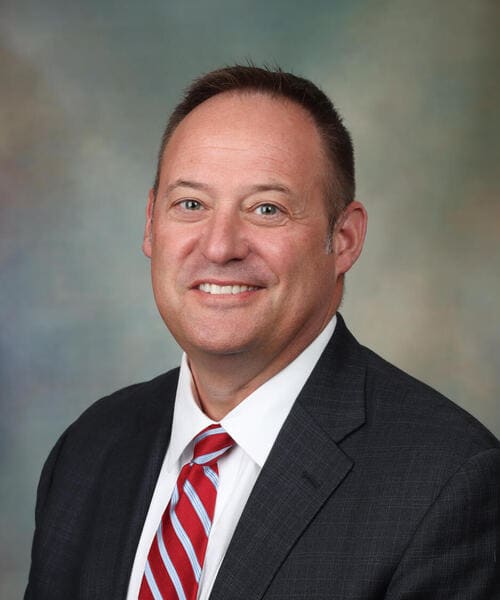 Mitchell R. Humphreys合作论文数Department of Urology, Mayo Clinic18
 Amy E Krambeck合作论文数Department of Urology, Feinberg School of Medicine, Northwestern University17
 Wilson R Molina合作论文数16
 Brian Eisner合作论文数Department of Urology, Massachusetts General Hospital;Department of Surgery, Massachusetts General Hospital;Division of Urology, Newton Wellesley Hospital15
 Ojas Shah合作论文数14Manoj Monga合作论文数13
 Tasha Posid合作论文数13
 Joel M. H. Teichman合作论文数13Geoffrey N. Box合作论文数12
 Dirk Lange合作论文数University of British Columbia10
 John Denstedt合作论文数10Alan Yaghoubian合作论文数9Adam C. Mues合作论文数9Seth K. Bechis合作论文数9
 Brian Richard Matlaga合作论文数Stephens Center for Stone Disease, School of Medicine, Johns Hopkins University;James Buchanan Brady Urological Institute, School of Medicine, Johns Hopkins University;Bayview Medical Center, School of Medicine, Johns Hopkins University9Colin J. Lundeen合作论文数8Stern Karen合作论文数8
 Robert M. Sweet合作论文数Department of Surgery, WWAMI Institute for Simulation in Healthcare, University of Washington;Department of Urology, University of Washington;UW Medicine Kidney Stone Center, Northwest Hospital8Pais Vernon M合作论文数7
 Benjamin R Lee合作论文数University of Arizona Cancer Center;Department of Urology, College of Medicine, University of Arizona7Bradley F. Schwartz合作论文数7Aliza Khuhro合作论文数6
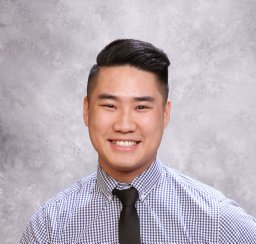 Victor K.F. Wong合作论文数Stone Centre at Vancouver General Hospital, University of British Columbia6Tim Large合作论文数6Menhadji Ashleigh合作论文数6
 Joshua Ebel合作论文数6
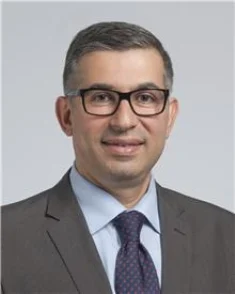 Jihad Kaouk合作论文数Department of Urology, Cleveland Clinic;Cleveland Clinic Lerner College of Medicine, Case Western Reserve University6
 Stephen E. Pautler合作论文数Division of Urology, University of Western Ontario6
 Elspeth Mcdougall合作论文数Department of Urologic Sciences, University of British Columbia6
 Thomas Lendvay合作论文数Department of Urology, School of Medicine, University of Washington;Amend Pet;Tend6Michael E. Lipkin合作论文数6
 Timothy M. Kowalewski合作论文数University of Washington6
 Timothy D Averch合作论文数Glickman Urological Institute, University of Pittsburgh Medical Center6
 Timothy Brand合作论文数Department of Urology, Baptist Health Care Center6Kymora B. Scotland合作论文数6Colin Kleinguetl合作论文数5
 Ryan Hsi合作论文数5
 Mantu Gupta合作论文数5Ryan F. Paterson合作论文数5Timothy Batter合作论文数4Jamie Landman合作论文数4Dianne Sacco合作论文数4Tatevik Broutian合作论文数4Justin Rose合作论文数4




