Supplementary Table S2. TL quartiles and OS association analysis (Crude Cox regression).
Supplementary Table S1. Description of populations included and not included in the TL study and comparative analysis.
Supplementary Table S3. Multivariate Cox regression survival analysis, including TL, age, TG, BCG, radical cystectomy, radiotherapy and chemotherapy. All cause of death.
Supplementary Figure S1. Kaplan-Meier OS curves of bladder cancer patients stratified for TL quartiles. OS, overall survival; TL, telomere length.
INTRODUCTION:The size of penis can cause concern in patients, even if the organ is clinically normal. Additionally, the cost of phosphodiesterase 5 inhibitors (iPDE5) and long waiting lists to access penile prosthesis placement can lead patients to resort to non-medical and potentially dangerous alternatives. One of these dangerous alternatives is the injection of building silicone at the level of the subcutis of the penis or the corpora cavernosa causing the formation of a granuloma that increases the girth and consistency of the penis.CASE REPORT:The article describes the case of a 43-year-old patient who self-injected aedile silicone at the level of his penis in an attempt to achieve greater penile size and greater rigidity. The patient reported that he could not economically afford the iPDE5.The persistence of severe pain in the penis forced the patient to go to a urological examination. The patient subsequently underwent the penile granuloma exeresis procedure and skin reconstruction with scrotal flap.CONCLUSION:The pursuit of sexual well-being can lead some patients to rely on unconventional and potentially harmful techniques. The role of the andrologist and of the scientific society should be to dissuade the patient from using these dangerous methods and to provide valid alternatives accessible to the patient. The economic difficulty in purchasing drugs that facilitate erection or the long waiting lists for the placement of penile prostheses can favor dangerous methods such as penile injection of silicon. There is therefore a clear need to facilitate access to drugs and surgical techniques that favor the patient's sexual well-being.
Literature: The cancer of testicles represents 1% of male neoplasms and 5% of urological malignant neoplasm. Its incidence has been growing in Western societies. Cancer of testicles usually presents as an increase of consistence in one testicles and absence of pain, as a casual ultrasound scan finding, or it could be highlighted by a scrotal injury. The surgical treatment is either radical orchiectomy or radical orchiectomy plus retroperitoneal lymph node dissection. Case presentation: The case presented concerns a 48-year-old male with a history of left testicular trauma and subsequent hypotrophy. Over the next 4 years, the patient developed a testicle size increase up to 15 cm in diameter. At diagnosis, he had retroperitoneal lymphadenopathy. The patient was, after surgery, referred to the oncology department. Conclusion: The awareness of the male population respect to testicular cancer and its screening methods (e.g. self-examination) is essential to make the diagnosis at an early stage. It is also essential to psychologically support patients undergoing surgical and/or pharmacological therapy due to risk of determining anxiety or depression compared to the whole population.
You have accessJournal of UrologyProstate Cancer: Localized: Surgical Therapy IV1 Apr 2018PD29-04 COMPLICATIONS AND FUNCTIONAL OUTCOMES OF SALVAGE RADICAL PROSTATECTOMY: A COMPARISON BETWEEN OPEN AND ROBOT-ASSISTED APPROACHES IN A MULTICENTRE SERIES. Paolo Gontero, Giancarlo Marra, Paolo Alessio, Marco Oderda, Anna Palazzetti, Francesca Pisano, Antonino Battaglia, Stefania Munegato, Bruno Frea, Fernando Munoz, Claudia Filippini, Estefania Linares, Rafael Sanchez-Salas, Sanchia Goonewardene, Prokar Dasgupta, Declan Cahill, Ben Challacombe, Rick Popert, David Gillatt, Raj Persad, Juan Palou, Steven Joniau, Salvatore Smelzo, Thierry Piechaud, Alexandre De La Taille, Morgan Roupret, Simone Albissini, Roland Van Velthoven, Alessandro Morlacco, Sharma Vidit, Giorgio Gandaglia, Alexander Mottrie, Joseph Smith, Shreyas Joshi, Gabriel Fiscus, Andre Berger, Monish Aron, Henk Van Der Poel, Derya Tilki, Declan Murphy, Nathan Lawrentschuk, John Davis, Gordon Leung, and Robert Jeffrey Karnes Paolo GonteroPaolo Gontero More articles by this author , Giancarlo MarraGiancarlo Marra More articles by this author , Paolo AlessioPaolo Alessio More articles by this author , Marco OderdaMarco Oderda More articles by this author , Anna PalazzettiAnna Palazzetti More articles by this author , Francesca PisanoFrancesca Pisano More articles by this author , Antonino BattagliaAntonino Battaglia More articles by this author , Stefania MunegatoStefania Munegato More articles by this author , Bruno FreaBruno Frea More articles by this author , Fernando MunozFernando Munoz More articles by this author , Claudia FilippiniClaudia Filippini More articles by this author , Estefania LinaresEstefania Linares More articles by this author , Rafael Sanchez-SalasRafael Sanchez-Salas More articles by this author , Sanchia GoonewardeneSanchia Goonewardene More articles by this author , Prokar DasguptaProkar Dasgupta More articles by this author , Declan CahillDeclan Cahill More articles by this author , Ben ChallacombeBen Challacombe More articles by this author , Rick PopertRick Popert More articles by this author , David GillattDavid Gillatt More articles by this author , Raj PersadRaj Persad More articles by this author , Juan PalouJuan Palou More articles by this author , Steven JoniauSteven Joniau More articles by this author , Salvatore SmelzoSalvatore Smelzo More articles by this author , Thierry PiechaudThierry Piechaud More articles by this author , Alexandre De La TailleAlexandre De La Taille More articles by this author , Morgan RoupretMorgan Roupret More articles by this author , Simone AlbissiniSimone Albissini More articles by this author , Roland Van VelthovenRoland Van Velthoven More articles by this author , Alessandro MorlaccoAlessandro Morlacco More articles by this author , Sharma ViditSharma Vidit More articles by this author , Giorgio GandagliaGiorgio Gandaglia More articles by this author , Alexander MottrieAlexander Mottrie More articles by this author , Joseph SmithJoseph Smith More articles by this author , Shreyas JoshiShreyas Joshi More articles by this author , Gabriel FiscusGabriel Fiscus More articles by this author , Andre BergerAndre Berger More articles by this author , Monish AronMonish Aron More articles by this author , Henk Van Der PoelHenk Van Der Poel More articles by this author , Derya TilkiDerya Tilki More articles by this author , Declan MurphyDeclan Murphy More articles by this author , Nathan LawrentschukNathan Lawrentschuk More articles by this author , John DavisJohn Davis More articles by this author , Gordon LeungGordon Leung More articles by this author , and Robert Jeffrey KarnesRobert Jeffrey Karnes More articles by this author View All Author Informationhttps://doi.org/10.1016/j.juro.2018.02.1379AboutPDF ToolsAdd to favoritesDownload CitationsTrack CitationsPermissionsReprints ShareFacebookTwitterLinked InEmail INTRODUCTION AND OBJECTIVES Salvage radical prostatectomy (sRP) has been associated with poor functional outcomes and high complication rates. We evaluated functional outcomes of a large contemporary series of sRP, comparing robotic (RsRP) with open (OsRP) sRP approaches. METHODS We retrospectively included 615 men undergoing sRP at 18 Tertiary referral centres between 2000 and 2016. Complications were recorded using Clavien-Dindo score. We evaluated, before sRP, at 6 and/or 12 months, erectile function (EF) and urinary continence (Con) with IIEF before and according to the therapy needed to obtain erections after sRP and with number of pads/day, respectively. A follow-up <6 months and data insufficiency were exclusion criteria. Wilcoxon-Mann-Whitney test was used for continuous variables; Chi-square or Fisher′s exact tests for categorical ones; Con trends were evaluated by the ANOVA for repeated measures. RESULTS We included 395 men who underwent sRP (186 OsRP and 209 RsRP). At baseline, there were no significant differences between groups except for Gleason Score (slightly higher in RsRP, p=0.0159), CCI (higher in for RsRP (2.17 ±2.4 vs OsRP 0.85 ±1.32; p<0.01)) and lymph-node resection (more extended for OsRP (p<0.01)). In the RsRP group, a mono or bilateral (19.75% vs 8.33%) nerve sparing approach was chosen more often (p=0.01). For OsRP, operating time was shorter (213.6 vs 227.9 min; p<0.01), hospital stay (HS) longer (5.6, IQ 3-7, vs 2.9, IQ 1-4 days, p<0.01). Mean blood loss (BL) was higher for OsRP (714.9 vs 221.74 mL; p<0.01) but with no differences in post-operative transfusions (4.61% receiving ≥ 1 unit; p=0.09). Men experiencing at least 1 complication (34.9%, p=0.66) or 1 major (Clavien ≥3) complication (10.1%, p=0.16) were comparable. Only acute renal failure (OsRP 2.96 vs 0%, p=0.04) and anastomotic strictures (OsRP 17.7% vs 7.7%, p=0.01) were different between the two groups. Rectal injury was rare (2.96% of OsRP vs 0.5% of RsRP; p=0.055). At 6 months, EF was similar (p=0.076) but, at 1 year, was higher in RsRP (52.5% having no erections vs 69.8% in OsRP, p=0.03). RsRP showed better Con, both at 6 (22.3% vs 38.1% in OsRP having severe inCon, i.e. using ≥ 3 pads/day, p=0.02) and 12 months (severe inCon 19.8% vs 34.2% in OsRP, p=0.04). CONCLUSIONS Acceptable complication rates and functional outcomes are observed when sRP is performed in tertiary referral centres. RsRP could entail shorter HS, lower BL and may benefit EF and Con recovery compared to OsRP. However, complication rates did not significantly differ between the two approaches. © 2018FiguresReferencesRelatedDetails Volume 199Issue 4SApril 2018Page: e568-e569 Advertisement Copyright & Permissions© 2018MetricsAuthor Information Paolo Gontero More articles by this author Giancarlo Marra More articles by this author Paolo Alessio More articles by this author Marco Oderda More articles by this author Anna Palazzetti More articles by this author Francesca Pisano More articles by this author Antonino Battaglia More articles by this author Stefania Munegato More articles by this author Bruno Frea More articles by this author Fernando Munoz More articles by this author Claudia Filippini More articles by this author Estefania Linares More articles by this author Rafael Sanchez-Salas More articles by this author Sanchia Goonewardene More articles by this author Prokar Dasgupta More articles by this author Declan Cahill More articles by this author Ben Challacombe More articles by this author Rick Popert More articles by this author David Gillatt More articles by this author Raj Persad More articles by this author Juan Palou More articles by this author Steven Joniau More articles by this author Salvatore Smelzo More articles by this author Thierry Piechaud More articles by this author Alexandre De La Taille More articles by this author Morgan Roupret More articles by this author Simone Albissini More articles by this author Roland Van Velthoven More articles by this author Alessandro Morlacco More articles by this author Sharma Vidit More articles by this author Giorgio Gandaglia More articles by this author Alexander Mottrie More articles by this author Joseph Smith More articles by this author Shreyas Joshi More articles by this author Gabriel Fiscus More articles by this author Andre Berger More articles by this author Monish Aron More articles by this author Henk Van Der Poel More articles by this author Derya Tilki More articles by this author Declan Murphy More articles by this author Nathan Lawrentschuk More articles by this author John Davis More articles by this author Gordon Leung More articles by this author Robert Jeffrey Karnes More articles by this author Expand All Advertisement Advertisement PDF downloadLoading ...
PURPOSE:Inguinal lymphadenectomy (iLAD) reduces mortality in patients with cN0 penile cancer but yields high complication rates. Thus, its prophylactic role has been questioned and dynamic sentinel node biopsy (DSNB) was introduced to select men who should undergo the procedure. Our aim was to investigate the accuracy of a contemporary DSNB cohort.METHODS:We performed a retrospective analysis of ≥T1 or ≥G2 cN0 penile cancer undergoing perioperative DSNB from June 2009 to June 2015 at a tertiary referral center. We excluded men with <18 months follow-up or with local recurrence after primary curative treatment. Complications were graded according to the Clavien-Dindo classification.RESULTS:Thirty-five men underwent DSNB; 85.71% had ≤T2 penile cancer with ≤G2a histology. Per groin detection rate was 80% (scintigraphy being positive bilaterally in 60% and unilaterally in 20.0%). In no cases did DSNB prolong the postoperative course compared to primary surgery. Nine men (n = 15/109 nodes removed) had positive results, 8 of whom underwent iLAD. Among negative DSNB patients, 2 developed nodal penile cancer recurrence; none of them had node biopsy due to inconclusive scintigraphy. At a median follow-up of 42 months (interquartile range 30-78 months), if considering only men with scintigraphy detected inguinal nodes, per-patient sensitivity and specificity were 50% and 80% whereas positive predictive value and negative predictive value were 25% and 92.3%, respectively.CONCLUSIONS:Perioperative DSNB is a safe procedure, yielding promising results when performed at a tertiary referral center. Future prospective large studies are needed to investigate how to optimize detection rate and reduce false-negative rates.
You have accessJournal of UrologyProstate Cancer: Localized: Surgical Therapy II1 Apr 2018MP11-05 ONCOLOGICAL OUTCOMES OF SALVAGE RADICAL PROSTATECTOMY IN A CONTEMPORARY, MULTICENTRE SERIES OF 395 CASES Paolo Gontero, Giancarlo Marra, Paolo Alessio, Marco Oderda, Anna Palazzetti, Francesca Pisano, Antonino Battaglia, Stefania Munegato, Giorgio Calleris, Bruno Frea, Fernando Munoz, Claudia Filippini, Estefania Linares, Rafael Sanchez-Salas, Sanchia Goonewardene, Prokar Dasgupta, Declan Cahill, Ben Challacombe, Rick Popert, David Gillatt, Raj Persad, Juan Palou, Steven Joniau, Salvatore Smelzo, Thierry Piechaud, Alexandre De La Taille, Morgan Roupret, Simone Albissini, Roland Van Velthoven, Alessandro Morlacco, Sharma Vidit, Giorgio Gandaglia, Alexander Mottrie, Joseph Smith, Shreyas Joshi, Gabriel Fiscus, Andre Berger, Monish Aron, Henk Van Der Poel, Derya Tilki, Declan Murphy, Nathan Lawrentschuk, John Davis, Gordon Leung, and Robert Jeffrey Karnes Paolo GonteroPaolo Gontero More articles by this author , Giancarlo MarraGiancarlo Marra More articles by this author , Paolo AlessioPaolo Alessio More articles by this author , Marco OderdaMarco Oderda More articles by this author , Anna PalazzettiAnna Palazzetti More articles by this author , Francesca PisanoFrancesca Pisano More articles by this author , Antonino BattagliaAntonino Battaglia More articles by this author , Stefania MunegatoStefania Munegato More articles by this author , Giorgio CallerisGiorgio Calleris More articles by this author , Bruno FreaBruno Frea More articles by this author , Fernando MunozFernando Munoz More articles by this author , Claudia FilippiniClaudia Filippini More articles by this author , Estefania LinaresEstefania Linares More articles by this author , Rafael Sanchez-SalasRafael Sanchez-Salas More articles by this author , Sanchia GoonewardeneSanchia Goonewardene More articles by this author , Prokar DasguptaProkar Dasgupta More articles by this author , Declan CahillDeclan Cahill More articles by this author , Ben ChallacombeBen Challacombe More articles by this author , Rick PopertRick Popert More articles by this author , David GillattDavid Gillatt More articles by this author , Raj PersadRaj Persad More articles by this author , Juan PalouJuan Palou More articles by this author , Steven JoniauSteven Joniau More articles by this author , Salvatore SmelzoSalvatore Smelzo More articles by this author , Thierry PiechaudThierry Piechaud More articles by this author , Alexandre De La TailleAlexandre De La Taille More articles by this author , Morgan RoupretMorgan Roupret More articles by this author , Simone AlbissiniSimone Albissini More articles by this author , Roland Van VelthovenRoland Van Velthoven More articles by this author , Alessandro MorlaccoAlessandro Morlacco More articles by this author , Sharma ViditSharma Vidit More articles by this author , Giorgio GandagliaGiorgio Gandaglia More articles by this author , Alexander MottrieAlexander Mottrie More articles by this author , Joseph SmithJoseph Smith More articles by this author , Shreyas JoshiShreyas Joshi More articles by this author , Gabriel FiscusGabriel Fiscus More articles by this author , Andre BergerAndre Berger More articles by this author , Monish AronMonish Aron More articles by this author , Henk Van Der PoelHenk Van Der Poel More articles by this author , Derya TilkiDerya Tilki More articles by this author , Declan MurphyDeclan Murphy More articles by this author , Nathan LawrentschukNathan Lawrentschuk More articles by this author , John DavisJohn Davis More articles by this author , Gordon LeungGordon Leung More articles by this author , and Robert Jeffrey KarnesRobert Jeffrey Karnes More articles by this author View All Author Informationhttps://doi.org/10.1016/j.juro.2018.02.371AboutPDF ToolsAdd to favoritesDownload CitationsTrack CitationsPermissionsReprints ShareFacebookTwitterLinked InEmail INTRODUCTION AND OBJECTIVES In men with biochemical recurrence (BCR) after primary treatment, salvage radical prostatectomy (sRP) can represent a valid therapeutic option with curative intent. Since current evidence mainly relies on outdated records, including patients treated 50 years ago, our aim was to assess the oncological outcomes in a large, contemporary series of sRP. METHODS Between 2000 and 2016, 615 men with BCR underwent sRP at 18 Tertiary referral centres. We retrospectively collected pre-, intra and post-procedural clinical and pathological data, assessing erectile function (EF) and urinary continence (Con) before sRP, at 6 and/or 12 months. A follow up <6 months or unavailability of the data were exclusion criteria. Continuous variables were compared using Wilcoxon-Mann-Whitney test; Chi-square or Fisher′s exact tests were adopted for differences in categorical variables. RESULTS We included 395 patients: 66.8% had been primarily treated with radiotherapy, 3.5% with cryotherapy, 3% with HIFU, 22.3% with brachytherapy and 3.3% with other primary treatments. Age pre-sRP and mean PSA were 66.3 (IQ 61.8-70.5) ys and 6.36 (IQ 2.5-7.3) ng/mL, respectively. Before sRP, no extra-nodal involvement was present, 143 men (37.1%) were on HT whereas 15 (3.8%) had castration resistant prostate cancer (CRPC). Mean ASA score was 2.17 ±0.78. Six patients (1.74%) underwent a super-extended lymphadenectomy, including retroperitoneal nodes, whilst a nerve sparing procedure was performed in 44 cases (14.1%). Mean operating time was 221.159 (IQ 150-250) min, with a mean blood loss of 439.979 (150-500) mL. At definitive histology, GS was ≥8 in 152 patients (43.43%) whereas 215 (54.7%) presented local extra-prostatic extension (T stage≥3) and 62 (18.73%) had positive nodes. About half of the cases (50.9%, n=165) had positive surgical margins. Forty patients (10.1%) experienced at least one major (Clavien ≥3) complication. Twelve months after surgery, only 8.1% had spontaneous or PDE-5 erections and 25.9% used ≥3pads/day (severely incontinent). After a median follow up of 3 (IQ 1.7-4.9) ys, 150, BCR was present in 48.39% of patients (n=150) and 20.47% had CRPC. Overall and cancer specific survival at 5 years were 95.02% and 96.2%, respectively. CONCLUSIONS Promising oncological outcomes are yielded by sRP, in short to medium term. Nevertheless, major complications and positive surgical margins are relatively frequent; rates of BCR and severe incontinence remain remarkable. Erectile function is poorly preserved. Prospective, long-term series are needed to confirm our findings. © 2018FiguresReferencesRelatedDetails Volume 199Issue 4SApril 2018Page: e128-e129 Advertisement Copyright & Permissions© 2018MetricsAuthor Information Paolo Gontero More articles by this author Giancarlo Marra More articles by this author Paolo Alessio More articles by this author Marco Oderda More articles by this author Anna Palazzetti More articles by this author Francesca Pisano More articles by this author Antonino Battaglia More articles by this author Stefania Munegato More articles by this author Giorgio Calleris More articles by this author Bruno Frea More articles by this author Fernando Munoz More articles by this author Claudia Filippini More articles by this author Estefania Linares More articles by this author Rafael Sanchez-Salas More articles by this author Sanchia Goonewardene More articles by this author Prokar Dasgupta More articles by this author Declan Cahill More articles by this author Ben Challacombe More articles by this author Rick Popert More articles by this author David Gillatt More articles by this author Raj Persad More articles by this author Juan Palou More articles by this author Steven Joniau More articles by this author Salvatore Smelzo More articles by this author Thierry Piechaud More articles by this author Alexandre De La Taille More articles by this author Morgan Roupret More articles by this author Simone Albissini More articles by this author Roland Van Velthoven More articles by this author Alessandro Morlacco More articles by this author Sharma Vidit More articles by this author Giorgio Gandaglia More articles by this author Alexander Mottrie More articles by this author Joseph Smith More articles by this author Shreyas Joshi More articles by this author Gabriel Fiscus More articles by this author Andre Berger More articles by this author Monish Aron More articles by this author Henk Van Der Poel More articles by this author Derya Tilki More articles by this author Declan Murphy More articles by this author Nathan Lawrentschuk More articles by this author John Davis More articles by this author Gordon Leung More articles by this author Robert Jeffrey Karnes More articles by this author Expand All Advertisement Advertisement PDF downloadLoading ...
Background: Mesenchymal stromal cells (MSCs) and renal stem/progenitors improve the recovery of acute kidney injury (AKI) mainly through the release of paracrine mediators including the extracellular vesicles (EVs). Several studies have reported the existence of a resident population of MSCs within the glomeruli (Gl-MSCs). However, their contribution towards kidney repair still remains to be elucidated. The aim of the present study was to evaluate whether Gl-MSCs and Gl-MSC-EVs promote the recovery of AKI induced by ischemia-reperfusion injury (IRI) in SCID mice. Moreover, the effects of Gl-MSCs and Gl-MSC-EVs were compared with those of CD133(+) progenitor cells isolated from human tubules of the renal cortical tissue (T-CD133(+) cells) and their EVs (T-CD133(+)-EVs).Methods: IRI was performed in mice by clamping the left renal pedicle for 35 minutes together with a right nephrectomy. Immediately after reperfusion, the animals were divided in different groups to be treated with: Gl-MSCs, T-CD133(+) cells, Gl-MSC-EVs, T-CD133(+)-EVs or vehicle. To assess the role of vesicular RNA, EVs were either isolated by floating to avoid contamination of non-vesicles-associated RNA or treated with a high dose of RNase. Mice were sacrificed 48 hours after surgery.Results: Gl-MSCs, and Gl-MSC-EVs both ameliorate kidney function and reduce the ischemic damage post IRI by activating tubular epithelial cell proliferation. Furthermore, T-CD133(+) cells, but not their EVs, also significantly contributed to the renal recovery after IRI compared to the controls. Floating EVs were effective while RNase-inactivated EVs were ineffective. Analysis of the EV miRnome revealed that Gl-MSC-EVs selectively expressed a group of miRNAs, compared to EVs derived from fibroblasts, which were biologically ineffective in IRI.Conclusions: In this study, we demonstrate that Gl-MSCs may contribute in the recovery of mice with AKI induced by IRI primarily through the release of EVs.
You have accessJournal of UrologyProstate Cancer: Localized: Surgical Therapy VII1 Apr 2017MP93-02 COMPARISON OF ONCOLOGICAL OUTCOMES BETWEEN OPEN VERSUS ROBOT-ASSISTED SALVAGE RADICAL PROSTATECTOMY: A RETROSPECTIVE MULTICENTRE SERIES Paolo Gontero, Giancarlo Marra, Paolo Alessio, Marco Oderda, Anna Palazzetti, Francesca Pisano, Antonino Battaglia, Stefania Munegato, Bruno Frea, Fernando Munoz, Claudia Filippini, Estefania Linares, Rafael Sanchez-Salas, Sanchia Goonewardene, Prokar Dasgupta, Declan Cahill, Ben Challacombe, Rick Popert, David Gillatt, Raj Persad, Juan Palou, Steven Joniau, Salvatore Smelzo, Thierry Piechaud, Alexandre De La Taille, Morgan Roupret, Simone Albissini, Roland Van Velthoven, Alessandro Morlacco, Sharma Vidit, Giorgio Gandaglia, Alexander Mottrie, Joseph Smith, Shreyas Joshi, Gabriel Fiscus, and Robert Jeffrey Karnes Paolo GonteroPaolo Gontero More articles by this author , Giancarlo MarraGiancarlo Marra More articles by this author , Paolo AlessioPaolo Alessio More articles by this author , Marco OderdaMarco Oderda More articles by this author , Anna PalazzettiAnna Palazzetti More articles by this author , Francesca PisanoFrancesca Pisano More articles by this author , Antonino BattagliaAntonino Battaglia More articles by this author , Stefania MunegatoStefania Munegato More articles by this author , Bruno FreaBruno Frea More articles by this author , Fernando MunozFernando Munoz More articles by this author , Claudia FilippiniClaudia Filippini More articles by this author , Estefania LinaresEstefania Linares More articles by this author , Rafael Sanchez-SalasRafael Sanchez-Salas More articles by this author , Sanchia GoonewardeneSanchia Goonewardene More articles by this author , Prokar DasguptaProkar Dasgupta More articles by this author , Declan CahillDeclan Cahill More articles by this author , Ben ChallacombeBen Challacombe More articles by this author , Rick PopertRick Popert More articles by this author , David GillattDavid Gillatt More articles by this author , Raj PersadRaj Persad More articles by this author , Juan PalouJuan Palou More articles by this author , Steven JoniauSteven Joniau More articles by this author , Salvatore SmelzoSalvatore Smelzo More articles by this author , Thierry PiechaudThierry Piechaud More articles by this author , Alexandre De La TailleAlexandre De La Taille More articles by this author , Morgan RoupretMorgan Roupret More articles by this author , Simone AlbissiniSimone Albissini More articles by this author , Roland Van VelthovenRoland Van Velthoven More articles by this author , Alessandro MorlaccoAlessandro Morlacco More articles by this author , Sharma ViditSharma Vidit More articles by this author , Giorgio GandagliaGiorgio Gandaglia More articles by this author , Alexander MottrieAlexander Mottrie More articles by this author , Joseph SmithJoseph Smith More articles by this author , Shreyas JoshiShreyas Joshi More articles by this author , Gabriel FiscusGabriel Fiscus More articles by this author , and Robert Jeffrey KarnesRobert Jeffrey Karnes More articles by this author View All Author Informationhttps://doi.org/10.1016/j.juro.2017.02.2884AboutPDF ToolsAdd to favoritesDownload CitationsTrack CitationsPermissionsReprints ShareFacebookTwitterLinked InEmail INTRODUCTION AND OBJECTIVES Salvage radical prostatectomy (sRP) represents a valid treatment option in men with biochemical recurrence (BCR) after primary treatment. Oncological outcomes of Robotic (R) and open (O) approaches have not been compared. We report and compare oncological outcomes of R and OsRP in a large contemporary series. METHODS Three hundred seventy-six men with BCR, who underwent sRP between 2000 and 2015 at 13 Tertiary referral centres, were retrospectively analysed. Age, PSA, clinical and pathological TNM, primary and pre-sRP biopsy and sRP gleason score (GS), surgical margins, imaging type and positive sites, lymphadenectomy template used, number of lymph-nodes removed and positive, ASA score and ECOG performance status and use of hormonal treatment (HT) were collected for each patient. Exclusion criteria were a follow up <12 months or unavailability of the aforementioned data. Continuous variables were tested for normal distribution and then compared using Wilcoxon-Mann-Whitney test; differences in categorical variables were assessed by Chi-square or Fisher's exact tests. RESULTS Two hundred forty-three men were included. Primary treatments were: external beam radiation therapy in 69.5% of patients, cryotherapy in 3.7%, HIFU in 4.1%, brachytherapy in 21.4% and other primary treatments in 1.2% of the patients. No differences were observed regarding: pre-operative PSA (p=0.46), age (p=0.053), ASA score (p=0.06), patients receiving HT (p=0.22) and final pTNM (p=0.91) and mean number of pathologically positive nodes (0.9 ±3.0 in the OsRP vs 0.3 ±1.2 in the RsRP group (p=0.1)). However, before sRP castration resistant prostate cancer (CRPC) was higher in the OsRP group (9.5% vs 1.92%; p=0.01), sRP GS was ≥8 in 42% of OsRP vs 32% of RsRP (p=0.04) and median follow up was longer for OsRP (46.7 months, IQ range 30.2-81.1 vs 27.9 months, IQ range 13.5-44.4, in the RsRP group; p<0.01). Surgical margins were focally or extensively positive in 12.59% and 24.4% of the OsRP group versus 24.7% and 12.38% of the RsRP group (p<0.01). No significant differences were detected in BCR (46.62% of OsRP vs 40.8% of RsRP p=0.4) or progression to CRPC (17.7% of OsRP vs 11.5% of RsRP; p=0.31). OS was higher for RsRP (98% vs 88,9% for OsRP (p<0.01)) and CSS was 98% for RsRP and 94.1% for OsRP (p=0.057). CONCLUSIONS Promising oncological outcomes can be achieved by salvage radical prostatectomy. The robot-assisted procedure has similar BCR rates compared to the open approach, but can allow lower rates of extensively positive surgical margins and may favour higher OS and CSS trends. To validate the present findings, a longer follow-up and a higher number of patients are needed. © 2017FiguresReferencesRelatedDetails Volume 197Issue 4SApril 2017Page: e1236 Advertisement Copyright & Permissions© 2017MetricsAuthor Information Paolo Gontero More articles by this author Giancarlo Marra More articles by this author Paolo Alessio More articles by this author Marco Oderda More articles by this author Anna Palazzetti More articles by this author Francesca Pisano More articles by this author Antonino Battaglia More articles by this author Stefania Munegato More articles by this author Bruno Frea More articles by this author Fernando Munoz More articles by this author Claudia Filippini More articles by this author Estefania Linares More articles by this author Rafael Sanchez-Salas More articles by this author Sanchia Goonewardene More articles by this author Prokar Dasgupta More articles by this author Declan Cahill More articles by this author Ben Challacombe More articles by this author Rick Popert More articles by this author David Gillatt More articles by this author Raj Persad More articles by this author Juan Palou More articles by this author Steven Joniau More articles by this author Salvatore Smelzo More articles by this author Thierry Piechaud More articles by this author Alexandre De La Taille More articles by this author Morgan Roupret More articles by this author Simone Albissini More articles by this author Roland Van Velthoven More articles by this author Alessandro Morlacco More articles by this author Sharma Vidit More articles by this author Giorgio Gandaglia More articles by this author Alexander Mottrie More articles by this author Joseph Smith More articles by this author Shreyas Joshi More articles by this author Gabriel Fiscus More articles by this author Robert Jeffrey Karnes More articles by this author Expand All Advertisement Advertisement PDF downloadLoading ...
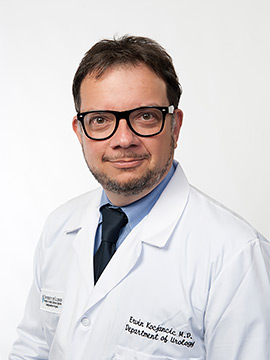 Ervin Kocjancic合作论文数Department of Urology, University of Illinois110
 Paolo Gontero合作论文数83
 Simone Crivellaro合作论文数Department of Urology, University Hospital Udine83
 Alessandro Tizzani合作论文数79P. Gontero合作论文数73Marchioro Giansilvio合作论文数50
 Steven Joniau合作论文数Department of Urology, University Hospital Leuven;KU Leuven43
 Anna Palazzetti合作论文数42
 Paolo Destefanis合作论文数Azienda Ospedaliera Universitaria S. Giovanni Battista Di Torino39
 Marco Oderda合作论文数38R Carone合作论文数36
 Andrea Bosio合作论文数33
 Dario Fontana合作论文数32
 Lorenzo Tosco合作论文数27
 Simone Zaramella合作论文数27
 Giancarlo Marra合作论文数Institute of Molecular Cancer Research, University of Zurich26
 H Van Poppel合作论文数Department of Urology, University Hospitals Leuven25
 O. Sedigh合作论文数23Dalmasso Ettore合作论文数22Battaglia Antonino合作论文数22
 Carlo Ceruti合作论文数21M Sala合作论文数19
 Preto Mirko合作论文数19Timpano Massimiliano合作论文数18Abbinante Maria合作论文数18G. Maso合作论文数17
 Martin Spahn合作论文数17Luigi Rolle合作论文数17Pisano Francesca合作论文数17
 Eugenio Alessandria合作论文数17M Borgno合作论文数16Monesi G合作论文数16
 Alexandre De La Taille合作论文数Hopitaux universitaires Henri Mondor;d’Urologie du CHU Mondor16M Favro合作论文数16
 Claudia Filippini合作论文数15Allasia Marco合作论文数15Giovanni Ceratti合作论文数15Carlo Terrone合作论文数15
 Declan Cahill合作论文数Urology Department, Guy’s Hospital15
 Rick Popert合作论文数Guy's & St. Thomas' NHS Foundation Trust15A. Bisconti合作论文数15
 Tombal Bertrand合作论文数Pôle de Chirurgie Expérimentale et Transplantation, Institut de Recherche Expérimentale et Clinique, Université Catholique de Louvain;Faculty of Medicine and Dentistry, Université Catholique de Louvain;Department of Surgery, Cliniques universitaires Saint-Luc;Division Of Urology, Cliniques universitaires Saint-Luc14
 Sanchia Goonewardene合作论文数Guys Hospital, Kings College London14A. Buffardi合作论文数14
 Ben Challacombe合作论文数The Urology Centre, Guy’s Hospital;Guy's and St Thomas' Hospitals NHS Foundation Trust and Kings College14
 Prokar Dasgupta合作论文数King’s College London14C Giona合作论文数13
 Marco Falcone合作论文数13




