Abstract In well-selected patients with unresectable, liver-limited colorectal liver metastases (CRLM), liver transplantation (LT) is a promising and feasible option. However, hepatic disease containment during the waitlist period remains vital for success, emphasizing the need for a “bridging therapy.” We utilize expert clinical guidance to define the role of Yttrium-90 (Y-90) as a bridge to liver transplant. This comprehensive review assesses the role of Y-90 radioembolization across various levels of evidence, including both prospective and retrospective studies. As a first- and second-line adjunct, Y-90 improves hepatic progression-free survival (hPFS). As a second-line therapy, Y-90 improves PFS and hPFS. The results of recent case series confirm the feasibility on an individual level and explore its unique use in radiation lobectomy. Personalized dosimetry is crucial, as a higher absorbed tumor dose is linked to a better response. As a bridge, Y-90 can effectively control intrahepatic tumor burden in the optimal period between systemic therapy and LT. Given the scarcity of living and deceased donor liver transplantation, a disciplined Y-90 bridging strategy helps preserve LT eligibility. Future studies focusing on standardized selection, dosimetry, and timing to LT are warranted in patients with CRLM in the transplant pathway.
3608 Background: Liver transplantation (LT) for liver limited metastatic colorectal cancer (LL-mCRC) remains underutilized. Reasons for transplant ineligibility are not well described and the acceptance of this procedure for mCRC remains limited. Herein, we describe our initial experience with LT in patients with LL-mCRC. We characterize patient outcomes, characterize the pattern of failure for patients undergoing LT evaluation, and describe the prognostic implication of lymphadenectomy in LT evaluation. Methods: Patients with LL-mCRC potentially eligible for LT were identified, discussed in multidisciplinary tumor boards and liver transplantation clinics, and managed. The Weill Cornell Liver Transplant institutional database was queried to identify patients evaluated for LT, those who were transplanted, and those who were not. Demographic, surgical data, and clinical outcomes abstracted from medical record. Results: Between 7/2020 and 3/2025, 20 patients with LL-mCRC were evaluated for LT. Median age (range) 55 years (29-63); N=10 (50%) white; N=18 (90%) male. All had adenocarcinoma histology with N=14 (70%) left sided primary disease. At diagnosis, N=11 (55%) had ≥1 liver lesion >5.5cm and median CEA (range) was 200 (4.8-6945). The most common mutations were APC (60%), KRAS (55%), TP53 (45%), and PIK3CA (35%). N=6 (30%) had a LT with a median time from diagnosis to transplant of 23.7 months (mo) (range 16-42). The median overall survival (OS) from LT is 64.5 mo (range 22-87). N=5 (83%) are alive with a median follow up of 67 mo (range 22-87). N=3 patients had recurrent disease with a median time to recurrence of 3 mo (range 2-9), 2 in lungs, and 1 retrocrural lymph nodes. At this time, N=4 (67%) patients have no evidence of disease, and one with retrocrural lymph node disease is responding to treatment. The single patient who underwent LT and died was portal lymph node positive at the time of transplant and had an early recurrence (at 2 mo post-transplant). For the 14 patients who were evaluated for transplant, but did not undergo transplant, their mOS is 28 mo (range 13-44). Reasons why these patients did not undergo LT are shown in Table 1. The majority failed transplant evaluation due to progressive disease (lung 43%, liver 21%, abdomen 14%). Positive portal lymphadenectomy was a poor prognostic characteristic, with all 3 patients deceased. Conclusions: LT is a treatment option that confers durable remission and improved OS in LL-mCRC. Recurrent disease after transplant is generally controllable with local treatment modalities. Patient selection is critical in identifying appropriate LT candidates. Portal lymphadenectomy is prognostic and should be considered in all transplant evaluations. Not Transplanted N=14 New lung metastases 6 (43) Progression in liver 3 (21) Worsening liver function 2 (14) Progression in lymph nodes 1 (7) Peritoneal metastases at surgery 1 (7) Patient preference 1 (7)
Unresectable patients with hepatocellular carcinoma within UNOS T2 Criteria may go directly to transplantation, but patients with disease burden exceeding T2 must first undergo downstaging treatment prior to multidisciplinary discussion of transplant eligibility. Locoregional therapy is the mainstay of downstaging therapy, which may be used in combination with resection or systemic therapy. A single-center retrospective cohort study was performed, including patients >18 years old with diagnoses of HCC not meeting T2 criteria. Patients were categorized as within the United Network for Organ Sharing Downstaging Criteria (UNOS-DS) or with disease burden beyond UNOS-DS criteria, labeled “all-comers” (AC). Exclusion criteria included mixed HCC/cholangiocarcinoma tumors and metastatic disease. All patients were outside of T2 Criteria—65 DS versus 102 AC. Patient demographics were similar between groups. The DS group was more likely to be downstaged using locoregional therapies (LRT) alone (p < 0.001) and required fewer LRT treatments to achieve downstage. Y90 was the most used LRT, followed by transarterial chemoembolization. Cumulative probability of downstage favored the DS group at all time points (p = 0.004). Overall survival was significantly different between successfully downstaged versus not downstaged patients, regardless of initial disease burden or cohort. Predictors of successful downstaging were the use of LRT and incorporation of resection when appropriate for the AC group. Predictors of poorer outcomes were alfa-fetal-protein ≥ 1,000 and the need for systemic therapy. Waitlisting rates were higher in the DS group (44.6% vs. 24.5%, p = 0.007), but once listed, transplant rates were similar (76% vs. 82%, p = 0.008) as were posttransplant survival (p = 0.250) and recurrence rates (p = 0.232). Our 10-year experience reinforces that a successful downstaging, rather than the initial tumor burden, determines survival in HCC beyond T2 criteria. While patients falling within UNOS-DS criteria achieved more successful downstaging with fewer interventions and made it to transplant more often, a selection of patients within the AC group who had a successful response to downstaging therapies also derived a meaningful benefit when transplanted.
Early allograft failure (EAF) after living donor liver transplantation (LDLT) remains a clinical challenge. Existing prediction models developed for deceased donor transplantation poorly apply to LDLT due to distinct surgical and physiological factors. This study identifies clinical determinants of EAF and develops an LDLT-specific prediction model. We conducted a multicenter retrospective cohort study from 17 high-volume LDLT centers (January 2016-December 2020) with external validation at a tertiary center in Saudi Arabia (January 2015-December 2022). The primary outcome was EAF (graft loss or patient death ≤90 d). Multivariable mixed-effects logistic regression identified preoperative/intraoperative risk factors. The EAGLE-LDLT model was constructed using postoperative laboratory values. Performance was compared against established models (EAD, MEAF, A2ALL) using ROC analysis and decision curve analysis. The development cohort included 2944 adult LDLT recipients (67.7% male; median age 55 y; median MELD 14) with a 5.5% EAF rate. External validation included 1020 recipients (median MELD 21, 6.7% EAF). Independent risk factors for EAF were MELD (OR 1.06, 95% CI 1.04-1.08), donor BMI (OR 1.05, 95% CI 1.00-1.10), portal vein thrombosis (OR 1.73, 95% CI 1.13-2.63), and hepaticojejunostomy (OR 1.58, 95% CI 1.06-2.36). The EAGLE-LDLT model incorporating peak ALT (>468 U/L), peak INR (>1.9), and bilirubin (>3.5 mg/dL) and INR (>1.3) at POD7, demonstrated superior discrimination (AUC=0.81) compared with MEAF (AUC=0.77, p =0.004), EAD (AUC=0.67, p <0.001), and A2ALL (AUC=0.65, p <0.001). EAGLE-LDLT achieved balanced sensitivity (75.0%) and specificity (73.7%), effectively stratifying patients into high-risk (15% of patients; 40.4% EAF incidence) and low-risk groups. Preoperative and intraoperative clinical factors predict EAF in LDLT. The EAGLE-LDLT model accurately identifies LDLT recipients at the highest risk for EAF postoperatively.
BACKGROUND:Previously, colorectal liver metastases (CLMs) were a highly morbid condition, for which standard palliative chemoradiation conferred dismal survival. Liver transplantation has emerged as a promising treatment for CLM; however, access has been limited to patients without a history of hepatic artery infusion pump (HAIP) therapy and those with access to living donors. STUDY DESIGN:Six centers participated in a retrospective cohort study evaluating patients undergoing deceased donor liver transplantation (DDLT) for CLM. Our primary endpoints were overall (OS) and disease-free survival (DFS). A subanalysis was performed based on HAIP therapy. RESULTS:Thirty-five patients with CLM were transplanted using DDLT, of whom 15 experienced recurrence (42.9%). Patients underwent primary resection a median of 146 days from diagnosis. Nineteen patients underwent HAIP therapy (54.3%). KRAS mutation was statistically significantly associated with recurrence (p = 0.01). Transplant was performed a median of 1,079 days (35.5 months) from diagnosis, at a median model for end-stage liver disease score of 7. Of those who recurred, median time to recurrence was 218 days and most metastasized to the lung (11) followed by the liver (5). Overall DFS was 62.7% at 1 year and 53.2% at 2 years. Most patients who recurred remain alive: overall, OS was 96.9% at 1 year and 84.8% at 2 years. HAIP therapy was not associated with differences in DFS or OS. CONCLUSIONS:DDLT confers favorable long-term OS to patients with CLM. Although HAIP did not confer improved survival in this cohort, larger studies assessing its impact are necessary.
BACKGROUND:Liver surgery carries a significant risk of perioperative bleeding. This randomized clinical trial compared the safety and efficacy of ETHIZIA, a novel, highly adaptable hemostatic patch, to the current standard of care during open liver surgery. METHODS:Adult subjects (N = 132) were randomized 2:1 to ETHIZIA or TachoSil to treat one or more target bleeding sites (TBS) on the liver transection plane. The objective was to demonstrate non-inferiority (margin 10%) and subsequently, superiority, of ETHIZIA to TachoSil in hemostatic success at 3 min post-application. RESULTS:For the first-treated TBS (Per protocol set, ETHIZIA N = 87, TachoSil N = 43), 3-min hemostatic success was both non-inferior (p < 0.0001) and superior (p = 0.0038) for ETHIZIA (93.1%) compared to TachoSil (76.7%); the median time to hemostasis was significantly shorter (0.5 versus 3.0 min, respectively (p < 0.0001)). Failure and rescue rates were lower for ETHIZIA (1.1% and 3.4%) than for TachoSil (7.0% and 11.6%). Efficacy results including additionally treated TBS were similar (ETHIZIA N = 139 TBS, TachoSil N = 59 TBS). Bile/non-bile fluid collections were more frequent in ETHIZIA-treated subjects, but multivariable regression indicated a multifactorial surgical basis and no association with hemostatic device. CONCLUSION:Fast and robust hemostasis supports ETHIZIA as a valuable and safe new hemostatic agent during open liver surgery. CLINICAL TRIAL REGISTRATION:The trial was registered at ClinicalTrials.gov as NCT05385952.
Background. Early allograft dysfunction (EAD) affects outcomes in liver transplantation (LT). Existing risk models developed for deceased-donor LT depend on posttransplant factors and fall short in living-donor LT (LDLT), where pretransplant evaluations are crucial for preventing EAD and justifying the donor’s risks. Methods. This retrospective study analyzed data from 2944 adult patients who underwent LDLT at 17 centers between 2016 and 2020. We developed a logistic regression model to predict EAD based on this development cohort. We used data from 1020 patients at the King Faisal Transplant Center for external validation. Results. In the development cohort, 321 patients (10.9%) experienced EAD. These patients had poorer health status, more liver decompensation, and higher requirements of hospitalization than those without EAD. Multivariable logistic regression identified independent pretransplant predictors of EAD: laboratory Model for End-Stage Liver Disease score (odds ratio [OR], 1.08; 95% confidence interval [CI], 1.06-1.09), the necessity for hospitalization at the time of transplant (OR, 2.58; 95% CI, 2.00-3.30), and graft weight in kilogram (OR, 0.27; 95% CI, 0.17-0.45). Using these predictors, we developed the model for EAD after LDLT, which demonstrated strong discriminative ability in the development cohort with an area under the curve (AUC) of 0.71 (95% CI, 0.68-0.74). The model maintained high discrimination during internal validation (AUC, 0.70; 95% CI, 0.67-0.73) and showed a modest reduction in discriminative power in external validation (AUC, 0.65; 95% CI, 0.61-0.68). Conclusions. EAD post-LDLT is influenced by the recipient’s pretransplant health condition and the graft weight. Integrating the model for EAD after LDLT into the pretransplant process of pairing donors and recipients can enhance the safety and efficacy of LDLT.
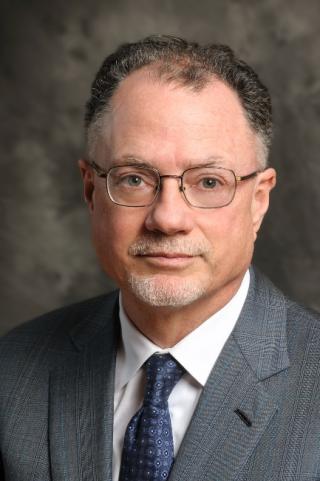 Jean C. Emond合作论文数Herbert Irving Comprehensive Cancer Center, Columbia University;Columbia University Irving Medical Center;NewYork-Presbyterian Westchester;NewYork-Presbyterian Hudson Valley Hospital;Weill Cornell Medical Center;Department of Surgery, Columbia University100
 Tomoaki Kato合作论文数Division of Abdominal Organ Transplantation, Department of Surgery, Columbia University Irving Medical Center;Vagelos College of Physicians and Surgeons, Columbia University67
 James V. Guarrera合作论文数Mount Sinai Medical Center, Recanti/Miller Transplantation Institute66
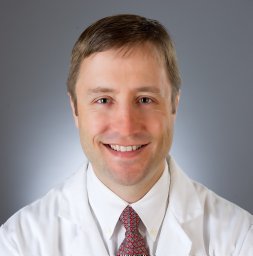 Adam Griesemer合作论文数Department of Molecular Biology, Pharmacology, Washington University School of Medicine35
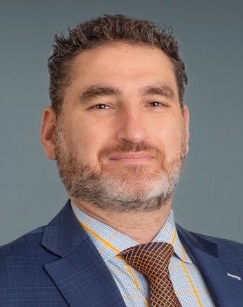 Karim J. Halazun合作论文数Department of Surgery, Grossman School of Medicine, New York University;Transplant Institute, Grossman School of Medicine, New York University34
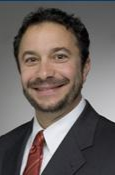 Robert S. Brown合作论文数Joan and Sanford I. Weill Department of Medicine, Weill Cornell Medicine, Cornell University33
 J. Emond合作论文数29
 Elizabeth C. Verna合作论文数Transplant Clinical Research Center, Columbia University;Center for Liver Disease and Transplantation, Columbia University;Department of Surgery, Columbia University Irving Medical Center29K. Halazun合作论文数22
 Daniel Cherqui合作论文数Hepatobiliary Center, Paul Brousse Hospital, Paris Sud University19
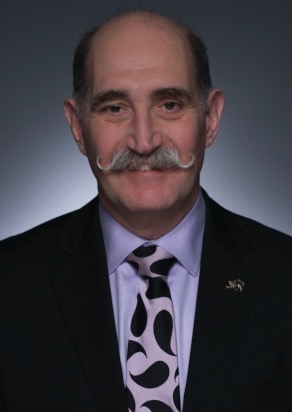 Lloyd E. Ratner合作论文数Department of Surgery, Columbia University Irving Medical Center17
 Kim M. Olthoff合作论文数Division of Transplant Surgery, Perelman School of Medicine, University of Pennsylvania;Children's Hospital of Philadelphia16Michael J. Goldstein合作论文数16Scot D. Henry合作论文数16Jean C Emond合作论文数15A. Mathur合作论文数14
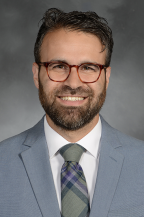 Russell Evan Rosenblatt合作论文数Joan and Sanford I. Weill Department of Medicine, Weill Cornell Medicine, Cornell University14Abhishek Mathur合作论文数12John F. Renz合作论文数From the *Department of Surgery, University of Rochester Medical Center;and the †Department of Surgery, University of California12
 Rana Abbas A合作论文数11Lorna Dove合作论文数11
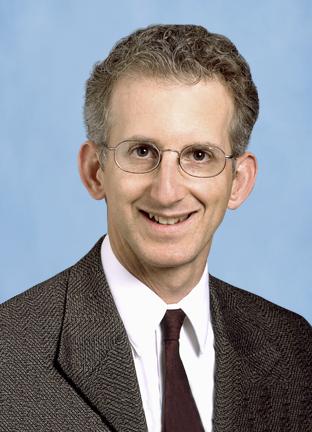 Robert M. Merion合作论文数Department of Surgery, University of Michigan10Carpenter Dustin合作论文数10Mm Abecassis合作论文数9M. Najjar合作论文数9Alyson Kaplan合作论文数Div Gastroenterol & Hepatol, Weill Cornell Med9
 Gonzalo Sapisochin Cantis合作论文数Department of Surgery, Temerty Faculty of Medicine, University of Toronto9Ben Arrington合作论文数8
 Talia B Baker合作论文数Department of Surgery, University of Chicago8Parissa Tabrizian合作论文数8
 Steven J. Lobritto合作论文数Columbia University Irving Medical Center8
 Abraham Shaked合作论文数Surgery Faculty, Perelman School of Medicine, University of Pennsylvania7
 Vatche G. Agopian合作论文数Dumont-UCLA Liver Cancer Center, David Geffen School of Medicine, University of California, Los Angeles7
 Alyson N Fox合作论文数7
 Tsapepas Demetra S合作论文数New York–Presbyterian Hospital, Columbia University Medical Center7
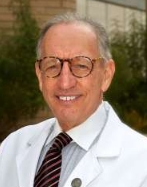 Ronald Busuttil合作论文数Division of Liver and Pancreas Transplantation, Department of Surgery, University of California, Los Angeles;Jonsson Comprehensive Cancer Center, University of California, Los Angeles7
 Pierre-Alain Clavien合作论文数Privatklinik Bethanien;Wyss Zurich Translational Center;Hôpital Paul-Brousse;Department of Surgery, University Hospital Zurich;King’s College London7Kyung-Suk Suh合作论文数7Y. Saenger合作论文数6
 Mohamed Rela合作论文数6P. Jiang合作论文数6
 Brenda Gillespie合作论文数Department of Biostatistics, School of Public Health, University of Michigan6
 David M Salerno合作论文数Dept Pharm, NewYork Presbyterian Hosp6
 Nazia Selzner合作论文数Institute of Medical Science, Temerty Faculty of Medicine, University of Toronto;International Liver Transplant Society;Toronto General Hospital;Toronto General Research Institute6
 Arun B. Jesudian合作论文数Joan and Sanford I. Weill Department of Medicine, Weill Cornell Medicine, Cornell University6
 Brett E Fortune合作论文数Department of Gastroenterology and Hepatology, Weill Cornell Medicine6Julie K. Heimbach合作论文数6Elizabeth A. Pomfret合作论文数6




