Background: Thyroid nodules are a significant clinical concern due to their potential for malignancy. Research suggests prolactin, a known mitogen, may contribute to cancer development, and elevated thyroid peroxidase antibody (TPO-Ab) levels are linked to increased thyroid nodularity in hyperprolactinemia. This study investigates the relationship between serum prolactin levels, thyroid nodularity, and TPO-Ab presence. Methods: Ninety patients were divided into three groups of 30: a control group without nodules, and two case groups with nodules (one TPO-Ab positive, one TPO-Ab negative). Serum prolactin, TPO-Ab, thyroid stimulating hormone, T4, and thyroid ultrasound data were analyzed. Statistical significance was set at p < 0.05. Results: The mean age of the participants was 46.07±12.40 years, with 16 (17.8%) males and 74 (82.2%) females. Serum TSH, prolactin, and TPO-Ab levels were significantly higher in the case group than in the control group (P=0.041, 0.050, and 0.000, respectively). The case group had more instances of hyperprolactinemia than the control group (35% vs. 13.3%) (OR = 3.5, CI 95% = 1.08-11.38, P=0.031). Furthermore, the TPO-Ab positive group demonstrated greater solidity than the TPO-Ab negative group (93.3% vs 73.3%, P=0.038). Conclusion: Our study revealed a positive correlation between thyroid nodules and increased serum TSH, prolactin, and TPO-Ab levels. Furthermore, we discovered that TPO-Ab positive nodules exhibit greater solidity and elevated TSH levels.
BACKGROUND:diabetic Wound is one of the most common complications throughout the world. .This experiment was conducted in order to study the effects of vitamin k cream on repair of full thickness wound in diabetic rat. METHODS:75 adult Male Wistar rats were randomly divided into five groups of equal numbers; each group consists of 15 animals. After diabetes induction, full thickness wound in the shape of 2.25 CM2 square was created on the back of the rats. Group one was not treated and served as control. The woud areas in the second, third and fourth groups were covered twice a day with phenytoin (PHT) cream,0.05 and 1 % vitamin k creams, respectively. Group five treated with eucerin(vichel group) The size of wound area were measured in the 1, 4, 7, 10, 14, 18 and 21 days after wound induction. and histopathological observation and tissue parameters (hydroxyprolin(HP), collagen, glutation(GSH), malondialdeid (MDA), superoxiddesmutase(SOD), glutation peroxidase(GPX), catalase(CAT),tumor necrosis factor alpha (TNF-α), interlukin 1 bata(IL-1β)) were analysed as onther indicators of wound healing on days of 7, 14 and 21. RESULTS:the findings indicated that PHT and 1 % vitamin k creams significantly elevated HP and collagen in contrast with control group. furthermore, in all time points, the average wound size in PHT and 1 % vitamin k groups was significantly greater than other groups (P < 0.05). Also, PHT and vitamin K 1 % creams improved oxidative and inflammatory stress parameters at all times courses. Theses findings were confirmed by histological examination. CONCLUSION:The findings showed that 1 % vitamin k creams have potential effects on wound healing. Vitamin K exerts this effect through its antioxidant and anti-inflammatory properties, as well as stimulating collagen synthesis.
The Type 1 diabetes (T1D) management is a major challenge for families. Parenting styles are considered critical psychosocial factors influencing diabetes management outcomes. The present study investigated the relationship between parenting styles and glycemic control in children with T1D. This study is a cross-sectional study. The samples accordingly consisted of 110 parent–child pairs refereed to an endocrinology clinic in Iran in 2020. Demographic and Clinical Data and Parenting Styles and Dimensions Questionnaire-Short Form (PSDQ-SF) collected data. As a final point, the data were analyzed using the SPSS Statistics software and the associated tests. The Mean ± SD age of the children was 10.31 ± 2.23. Out of 110 parents, 108 cases were practicing the authoritative parenting style and two individuals had thus far adopted the permissive one. More authoritativeness practiced by parents was associated with improved glycemic control. A significant direct relationship was found between the sub-factor 2 of the authoritative parenting style and HbA1c and postprandial blood sugar (β = 0.342, p = 0.004 and β = 0.301, p = 0.02, respectively). This study contributed to more understanding of the significant role of parental responsiveness in promoting good glycemic control.
Objectives: To reduce deaths from type 2 diabetes and heart disease, this study was conducted to determine the relationship between metabolic syndrome, physical activity, and eating habits in participants of the Tabari cohort study. Methods: In this descriptive cross-sectional study, data from the Tabari cohort in an urban and mountain area in Sari, Mazandaran, was utilized from June 2015 to November 2017. Background information of participants was documented, and their eating habits were assessed using a food habit questionnaire. Additionally, the physical activity levels of the participants were recorded. All individuals were assessed for metabolic syndrome according to the third Adult Treatment Panel (ATP III) guidelines. The gathered data was then inputted into SPSS V.23 software for analysis. Qualitative variables, such as demographic and epidemiological data, were compared between the two groups using the chi-square test, while quantitative variables were compared using an independent t-test. Results: A total of 10,255 adults between the ages of 35 and 70 participated in this study, and after applying entry and exit criteria, 9,976 people, including 4,083 with metabolic syndrome and 5,893 healthy individuals, were included in the final analysis. There was no significant difference in the average Body Mass Index (BMI) between individuals with metabolic syndrome (30.6 +/- 4.5 kg/m2) and healthy individuals (26.8 +/- 4.4 kg/m2). However, individuals with metabolic syndrome exhibited significantly higher values for height, weight, waist circumference, abdominal circumference, and wrist circumference compared to the control group (P = 0.001). The average Metabolic Equivalent of Task (MET) for the entire population was 43.03 +/- 9.27, with a median of 40.68 (range: Twenty-four-one hundred three) hours/day. A greater percentage of individuals with metabolic syndrome (57.0%) and healthy individuals (45.2%) had MET values below the average (P = 0.001). Regarding energy intake, individuals with metabolic syndrome consumed an average of 2189.74 +/- 721.90 calories, while healthy individuals consumed 2354.92 +/- 4.04 calories, showing a significant difference (P = 0.006). Moreover, healthy individuals demonstrated significantly higher consumption of added salt in food, fried foods, fried potatoes, fried onions, fried vegetables, and various types of cooking oils compared to those with metabolic syndrome (P = 0.001). Conclusions: Based on the results of the Tabari cohort study, the prevalence of metabolic syndrome in Mazandaran was 41.10%, highlighting the need for prevention and screening programs. In this study, individuals with metabolic syndrome consumed fewer fried foods, trans fats, and daily calories compared to the healthy group. Considering that this study is cross-sectional and utilized data from the Tabari cohort, it is assumed that the difference is due to dietary compliance and lifestyle changes in patients with metabolic syndrome. It is recommended that prospective studies be designed to evaluate the causes of differences
Studies have shown that the co-occurrence of diabetes mellitus (DM) and thyroid dysfunction (TD) exacerbates diabetes complications and imposes a financial burden on the healthcare system. Therefore, this study aimed to investigate the prevalence of TD-DM comorbidity and its associated risk factors. This cross-sectional study was conducted on enrollment phase data of the TABARI cohort population which consisted of 10,255 adults aged between 35 to 70 years old residing in Sari, Mazandaran, Iran from 2015 to 2017. A total of 9939 out of 10,255 individuals (96.92%) entered the study. The prevalence of TD among T2DM patients was 13.2%. The prevalence of T2DM among patients with TD was 9.2%. Furthermore, the prevalence of TD-DM comorbidity in the overall population was 2.2%. Logistic regression analysis revealed that the odds of TD-DM comorbidity was significantly higher in women (OR 2.85; 95% CI 1.58-5.11), in the age group of 60-70 years (OR 9.62; 95% CI 3.69-25.10), in smokers (OR 2.32; 95% CI 1.19-4.52), in individuals with high waist circumference (WC) (OR 2.22; 95% CI 1.32-3.75), in individuals with low high-density lipoprotein (HDL) (OR 1.60; 95% CI 1.20-2.14), in individuals with high total cholesterol (TC) (OR 1.71; 95% CI 1.21-2.41), in individuals with high triglycerides (TG) (OR 1.79; 95% CI 1.27-2.51), and significantly lower in individuals with higher physical activity (PA) (OR 0.67; 95% CI 0.49-0.93). The present study demonstrated a prevalence of 2.2% in patients with both TD and T2DM. Additionally, female gender, older age, smoking, high WC, low HDL, high TC, high TG, and low PA were predictors of TD-DM comorbidity.
Background and purpose: Thalassemia is a common disorder in Iran and the world. The progress in the field of diagnosis and treatment of thalassemia made these people able to live for a longer period. In these patients, frequent blood transfusions are associated with numerous complications such as depression, anxiety, stress, etc. These problems are associated with a decrease in the quality of life. Therefore, this study was carried out to investigate and compare the quality of life in beta-thalassemia major patients with and without blood transfusion. Materials and methods: In this study, which was cross-sectional and descriptive-analytical in nature, a total of 170 patients with thalassemia major, aged 18-60, who were referred to the Thalassemia Center of Bo Ali Sina Hospital in Sari during the summer of 2014, were examined. The study was conducted with the ethical code IR.MAZUMS.REC.1402.18665 of Mazandaran University of Medical Sciences. According to the inclusion criteria, education level, and age range of the studied population, 116 patients out of 170 thalassemia major patients were studied. Considering that the number of thalassemia major patients with and without blood transfusions referring to the thalassemia center of Bo Ali Sina Hospital in Sari is almost equal, out of 116 patients with inclusion criteria, 58 patients are treated with periodic blood transfusions and 58 patients are under control without the need for transfusions. Blood was studied. Thalassemia patients are treated with blood transfusion every 15-30 days for injection and patients who do not need blood transfusion every 1-3 months to the thalassemia center for control. SF 36 standard questionnaire was used to check the quality of life. The reliability and validity of the Persian questionnaire were reported with Cronbach's alpha coefficient of 0.77 to 0.90 and vitality scale of 0.65. To analyze the variables, frequency indices, percentages, independent t-test, and chi-square test were used. Results: Among the thalassemia major patients studied, 52 (44.8%) were male and 64 (55.1%) were female. The average age in the group with and without blood transfusion was 34.75±8.35 and 39.33±8.18 years, respectively. There was no statistically significant difference in the average age between the two groups (P=0.128). There was no significant difference in the marital status, occupation, and level of education between the patients with and without thalassemia major injection. Among the investigated clinical complications, diabetes was significantly higher in the blood transfusion group (P=0.001). From the average coefficients of the eight indices of the SF 36 test, the subscale of general health (GH) was significantly better in patients with blood transfusion with a mean and standard deviation of 55.79±19.20 than in the non-injection group, 44.05±21.59 (P=0.002). Conclusion: It is suggested that in patients with thalassemia, especially thalassemia major, with or without blood transfusion, like other periodical control measures and medical treatment, evaluation of general health and quality of life should be carried out at regular intervals, to improve the quality of life of these patients, timely psychological or psychiatric interventions to be done at the required time.
Background: The COVID-19 pandemic has affected educational processes and methods. Identifying and sharing educational experiences helps policymaking and educational decision-making and planning to face similar situations at the national and international levels. Objectives: This study aimed to explore medical students' lived experiences about the effect of the COVID-19 pandemic on their clinical education. Methods: The main question of the research was, “what were the experiences of medical students from training in the clinical environment during the days of COVID-19?” Therefore, this descriptive phenomenological study was conducted at Mazandaran University of Medical Sciences, Mazandaran, Iran, in 2021. The semi-structured virtual interviews were conducted with 18 medical students. Data were analyzed using Colaizz's method. Results: Most participants were female (N = 10), and their average age was 23.71 ± 2.06. The essential experiences were related to three themes and 20 sub-themes. Themes highlighted teaching and learning methods, educational planning and management disruptions, and assessment methods. Virtual teaching and learning included virtual journal clubs, conferences, tumor boards, case reports, morning reports, skill labs, small groups, flipped classroom methods, etc. Disruption in educational planning was mainly observed in rounds and significant rotations. OSCE, logbook, and activity in e-learning were the predominant assessments. Conclusions: Based on the results, three themes were based on medical students’ experiences. According to these themes, COVID-19 was an accelerator for shifting the paradigm in Iran's medical education and students' learning and assessment strategies. Therefore, some departments used COVID-19 as an opportunity and adapted to this shift. However, several departments were disturbed in their planning and management. requiring support and training to face similar situations.
Objective: Most polycystic ovary syndrome (PCOS) patients have metabolic abnormalities in which insulin resistance (IR) plays a pivotal role. Cinnamon is a herbal medicine with insulinotropic properties. This pilot study aimed to evaluate the effects of cinnamon on ovarian volume, androgenic profile, and metabolic and anthropometric parameters in women with PCOS.Materials and Methods: A single-center, double-blind, randomized, placebo-controlled trial was carried out on 39 overweight / obese women with PCOS. For six months, subjects in the cinnamon (500 mg) (n=19) and placebo (n=20) groups were given three capsules daily. Before and after the intervention, the variables were assessed. The data was analyzed using the GraphPad Prism software.Results: After the intervention, the two intervention and control groups had significant differences in abdominal subcutaneous fat and ovarian volume, but they did not differ significantly in terms of body mass index (BMI). Also, after the intervention, no significant difference was observed between the two groups in terms of lipid profile and the concentration of androgenic biomarkers of insulin resistance.Conclusion: Cinnamon supplementation improves ovarian volume and subcutaneous abdominal fat but has no effect on anthropometric parameters, lipid profile, insulin resistance, or androgen hormones.
Introduction: The prevalence of thyroid nodules poses a grave clinical concern as they may lead to malignancy. Prolactin has been found to have anti-cell death properties and stimulates the growth of breast and prostate cells, as has been discovered in exploratory examinations. In light of this, the current research was designed to investigate whether a possible relationship exists between thyroid nodules and serum prolactin levels. Material and Methods: Ninety participants were enrolled in this study, of which 60 presented with thyroid nodules (30 antithyroid peroxidase antibody (TPO-Ab) positive and 30 TPO-Ab negative) and 30 without thyroid nodules (control group). Patients' serum prolactin, TPO-Ab, thyroid-stimulating hormone (TSH), T4 values, and thyroid ultrasound reports were scrutinized. Statistically significant outcomes were determined by a P-value less than 0.05. Results: Serum TSH, prolactin, and TPO-Ab levels were significantly higher in the case group than in the control group (P=0.041, 0.050, and 0.000, respectively). The case group had more instances of hyperprolactinemia than the control group (35% vs. 13.3%) (OR=3.5, CI 95%=1.08-11.38, P=0.031). Furthermore, the TPO-Ab positive group demonstrated greater solidity than the TPO-Ab negative group (93.3% vs. 73.3%, P=0.038). Conclusion: The present study confirmed the presence of a positive correlation between thyroid nodules and increased serum TSH, prolactin, and TPO-Ab levels. Furthermore, TPO-Ab positive nodules exhibited greater solidity and elevated TSH levels.
Background: Approximately 2-10% of pregnant women experience subclinical hypothyroidism during pregnancy. Although some studies have shown that primary hypothyroidism increases the risk of gestational diabetes mellitus (GDM), there are contradictory results. Hence, this study aimed to determine the relationship between hypothyroidism and GDM. Methods: This is a retrospective cohort study in which the researchers followed up 340 pregnant women (170 with hypothyroidism as exposed group and 170 without hypothyroidism as unexposed group) for GDM. To analyse the data, chi-square, Fisher's exact test and independent t-test were employed. Results: The incidence of GDM in the hypothyroidism group was higher than that of the group without hypothyroidism (11.8% vs. 10.6%, p = 0.731). Moreover, the risk of GDM (95% CI:0.61; 2.02) was 1.11 times higher among women with hypothyroidism. However, the observed association was not statistically significant. The mean two-hour oral glucose tolerance test (OGTT) level in pregnant women with hypothyroidism (108.94 +/- 19.89 mg/dl) was significantly higher than in the other group (104.49 +/- 18.43 mg/dl) with a p-value of 0.033. Conclusions: This study displayed that the risk of GDM is 11% higher among women with hypothyroidism. Furthermore, the difference in the mean two-hour OGTT level in pregnant women with hypothyroidism was 4.4 mg/dl higher than in the other group.
Background and purpose: Metabolic syndrome (MetS) refers to a combination of metabolic disorders which is considered a set of risk factors for chronic diseases such as cardiovascular disease and type 2 diabetes. Oral contraceptive pills (OCPs) are one of the most popular and effective methods of preventing pregnancy. The aim of this study is to investigate the relationship between the use of OCPs and MetS in the Tabari cohort population. Materials and methods: The current cross-sectional study utilized data collected in the enrolment phase of the Tabari cohort study (TCS). In total data of 5979 women aged 35 to 70 years were analyzed. The obtained data were analyzed using Chi-square tests and logistic regression analysis to assess the relationship between the use of OCPs and its duration with the risk of MetS and its components. Results: The prevalence of MetS among women participated in TCS was 49% (2930 individuals). The frequency of OCPs consumption was 42.9% (2563 individuals). The average duration of OCP use in women with and without MetS was 69.15±67.06 71.46±68.38 months respectively (P=0.388). After adjusting of confounding variables, no statistically significant association was observed between the use of OCPs and MetS and its parameters (except blood pressure). Similarly, the duration of taking these pills was also not significantly associated with MetS and these parameters. Conclusion: The use of oral contraceptives is not associated with MetS and other parameters, but its use, especially in the long term, can be accompanied by high blood pressure.
Background and purpose: Depression is one of the most common psychiatric disorders in diabetic patients that could change the disease prognosis in addition to affecting the treatment path. The aim of this study was to evaluate the effectiveness of mindfulness-based cognitive therapy (MBCT) on life expectancy, fear of death, and glycemic control in diabetic patients suffering from depression. Materials and methods: A quasi-experimental research with pre-test/post-test design and control group was conducted. The statistical population included 867 patients. The study inclusion criteria were type 2 diabetes, 20-65 years of age, secondary school education, and HbA1c below 7. Beck Depression Inventory-II (BDI-II) was completed and patients with moderate to severe depression were selected (n= 30). They were randomly assigned into two groups. Data were collected using Miller Hope Scale, Templer Death Anxiety Scale (1970), BDI-II, and measurement of HbA1c level. MBCT was performed for eight weekly sessions of 90 minutes, while the control group received no specific training. Data analysis was carried out applying Analysis of covariance (ANCOVA). Results: Findings showed significant improvements in life expectancy (P= 0.000, F= 25.21), death anxiety (P= 0.000, F= 157.77), and HbA1c level (P= 0.000, F= 151.61) after the intervention. Conclusion: MBCT is effective in improving life expectancy, fear of death, and HbA1c level in diabetic patients with depression. Therefore, attention should be paid to diagnose depressive disorders in diabetic patients and their follow-up and non-pharmacological treatments such as MBCT which could be of great benefit in controlling blood sugar level and reducing the severity of chronic complications.
Background and purpose: Recently, several studies have shown type 2 diabetes to be associated with gastric cancer and metformin appears to inhibit the growth of cancer cells by inducing apoptosis. This study was conducted to investigate the relationship between metformin and gastric cancer. Materials and methods: This case-control study included patients with gastric cancer (case group, n= 121) and a family member of patients with cancer (control group, n= 119). Diabetes history, duration and management of glucose level were recorded in a checklist and data were analyzed in SPSS applying T-test and Chi-square test. Also, logistic regression was used to calculate the odds ratio. Results: There were significant differences between the case group and control group in terms of age, gender, place of residence, level of education, BMI, and smoking (P<0.05). The adjusted odds ratio for history of diabetes was 0.87 (Adjusted OR=0.87, CI95%: 0.3-2.35) which was not significant (P=0.751). The study showed no significant difference between the two groups in history of diabetes control drugs (including metformin) (P>0.05). Conclusion: According to current study, it appears that, in north of Iran, there is no association between gastric cancer and diabetes, control drugs (including metformin), and other factors such as duration of diabetes or a family history of diabetes.
Background and purpose: The present study investigated the association of Metformin use with disease severity, inflammatory markers, and the outcome of COVID-19 in hospitalized diabetic COVID-19 patients at Imam Khomeini Hospital, Sari, in 2021. Materials and methods: The current descriptive study was performed after obtaining the code of ethics and permission from the hospital director for the medical records evaluation. The relevant data of diabetic COVID-19 patients admitted at Imam Khomeini Medical Education Center were determined and analyzed using SPSS software. Results: In this study, 324 patients were included in the study; So that 168 people (51.85%) were men and 156 people (48.15%) were women. The difference in the number of people with and without metformin use in the need to be admitted to the special care unit was statistically significant (P<0.0001). The difference in the number of people with and without metformin use in the final outcome of the disease was statistically significant (P<0.0001). the difference in the number of people needing invasive ventilation according to metformin consumption was not statistically significant. (P= 0.056). Conclusion: In conclusion, our findings revealed that Metformin could have positive effects on the rate of ICU admission, need for mechanical ventilatory support, N/L ratio, and mortality in diabetic patients hospitalized for COVID-19 infection.
Papillary carcinoma is considered the most common thyroid malignancy. This cancer often presents with a good prognosis. This report introduces a patient with papillary thyroid carcinoma with multiple metastases and elevated CA19-9 levels. The 65-year-old male patient presented with weight loss. Gastrointestinal investigations were normal. CA19-9 levels were requested and reported as high. Additionally, blurred vision was present, and metastasis to the choroid was mentioned. Imaging revealed a mass in the left lobe of the thyroid. Fine-needle aspiration was performed, and the histopathology report confirmed papillary thyroid carcinoma. The patient underwent a thyroidectomy and was subsequently treated with iodine-131. Initial tests showed low thyroglobulin levels and high anti-thyroglobulin antibody levels. CA19-9 levels also showed an increasing trend in serial tests. Three months later, the patient experienced abdominal pain, generalized bone pain, neck pain, and right shoulder swelling. Further investigations confirmed metastases from papillary thyroid carcinoma. The patient also developed speech problems and memory loss, with brain metastasis evident in magnetic resonance imaging. The patient underwent ten sessions of brain radiotherapy and was subsequently prescribed sorafenib. During the course of treatment, the patient contracted COVID-19 and passed away due to the resulting pneumonia. In papillary thyroid carcinoma, it is important to take diagnostic measures to rapidly detect metastatic forms in case of any new symptoms. Additionally, if anti-thyroglobulin antibodies are present, CA19-9 can be used as a tumor marker.
Background and purpose: Stress hyperglycemia is a neuroendocrine physiological response to medical stress, hyperglycemic stress increases the risk of mortality and morbidity in ill patients. This study aimed to investigate the frequency of hyperglycemic stress and its related factors, as well as the relationship between hyperglycemia and the severity and clinical outcomes of hospitalized patients with COVID-19. Materials and methods: This cross-sectional study was conducted in Imam Khomeini Hospital in Sari in 2019. The patients were diagnosed based on clinical symptoms, CBC, CRP, ESR tests, RT-PCR test, and CT scan of the lungs and were hospitalized in the Covid ward. Data analysis was performed using SPSS Software. Results: 312 COVID-19 patients were investigated, and 22 (7.1%) suffered from hyperglycemic stress. Hyperglycemic stress patients had more mortality, hospitalization in ICU, respiratory ventilation, and length of hospital stay compared to the normoglycemic subjects, but only in terms of mortality, there was a statistically significant difference between the two groups (P=0.46) Conclusion: Considering the effect of hyperglycemia on the outcome of the disease and the death rate in ill and hospitalized patients compared to patients with normal blood sugar, it shows the importance of timely diagnosis and proper control of blood sugar in these patients.
Background: Metabolic syndrome is a critical health concern associated with an elevated risk of chronic health problems including cardiovascular disease and diabetes. There are shreds of evidence that novel inflammatory ratios including neutrophil-to-lymphocyte, platelet-to-lymphocyte and lymphocyte-to-monocyte ratios serve as prognostic biomarkers for metabolic syndrome (MetS). This hypothesis was investigated in a cohort of the Iranian population. Methods: selection of MetS + subjects was based on the National Cholesterol Education Program Adult Treatment Panel III criteria 3 (NCEP ATP 3). The control group consisted of participants negative for any of the five MetS criteria. Demographic and laboratory data were extracted from the Tabari cohort study. Results: A total of 1930 subjects including 965 Mets positive and 965 MetS criteria negative participants were evaluated. Diabetes (84.8%), hypertension (48.9%), hypertriglyceridemia (81.7%), low HDL cholesterol (70.3%), and high waist circumference (78.9%) were observed in patients. There were no differences between NLR (1.66±0.71 vs. 1.69±0.72 P=0.42), LMR (11.23±3.13 vs. 11.30±11.99, P= 0.86) and PLR (113.85±68.67 vs 114.11±35.85, P=0.91) between case and control groups, respectively. Logistic regression analysis revealed no association between ratios and MetS risk even after adjusting for potential confounders including age, gender, living place, and BMI. Conclusion: In a relatively large population from Northern Iran, no association was observed between CBC-derived inflammatory ratios and the presence of MetS.
Background and aims: Novel biomarkers are required to improve cardiovascular dis-ease prediction in patients with type 2 diabetes (T2D) as a high-risk population. This study was conducted to examine whether coronary artery disease (CAD) risk assessment can be improved by substituting high-density lipoprotein (HDL)-bound paraoxonase 1 (PON1) activity for HDL cholesterol (HDL-C) concentration in patients with T2D. Methods and results: In this study, we studied 139 patients with T2D (mean age 64.12 + 8.17 years) who underwent coronary angiographic examination. The initial rate of substrate hydrolysis was spectrophotometrically assayed in kinetic mode for measuring PON1 activity. Receiver operating characteristic (ROC) graphs are created by plotting true positivity versus false positivity. In patients with HbA1c & GE; 7%, PON1 (AUC = 0.7, p = 0.029) and nonHDL-C/PON1 (AUC = 0.75, p = 0.013) were significantly more capable of differentiating patients with CAD from those without CAD compared to HDL-C and nonHDL-C/HDL-C. Also, the predictive power of PON1 (AUC = 0.64, p = 0.029) and nonHDL-C/PON1 (AUC = 0.71, p = 0.004) were significantly higher in comparison with HDL-C and nonHDL-C/HDL-C for CAD characterization in patients aged & GE;50 years. Moreover, PON1 and nonHDL-C/PON1 are associated with the incidence of CAD with an AUC of 0.7 (p = 0.026) and AUC of 0.64 (p = 0.087), respectively, among subjects with low HDL-C. Conclusion: PON1 and the ratio of nonHDL-C/PON1 significantly improve the prediction of severe CAD in T2D patients and in patients with HbA1c & GE; 7%, age & GE;50 years, or low HDL-C. PON1 activity and lipid ratios using this enzyme may be valuable as substitutes of HDL-C for increasing clinical efficacies in cardiovascular risk assessment. & COPY; 2023 The Italian Diabetes Society, the Italian Society for the Study of Atherosclerosis, the Italian Society of Human Nutrition and the Department of Clinical Medicine and Surgery, Federico II Uni-versity. Published by Elsevier B.V. All rights reserved.
Background: COVID-19 is a highly contagious disease that has already affected millions of people worldwide. Proinflammatory cytokines in COVID-19 infection change lipid metabolism and profile. This study investigates the association between lipid profile and inflammatory markers with the severity and outcome of COVID-19 patients referred to a teaching hospital in Mazandaran Province, Iran, during April-May and July-August 2020. Methods: This study was conducted on 140 patients with COVID-19 based on their clinical symptoms, imaging results, and laboratory findings. Patients were categorized as severe and non-severe groups based on the Centers for Disease Control and Prevention criteria. Blood samples (5-7 mL) were collected from patients after 12 hours of fasting. Serum triglycerides, cholesterol, highdensity lipoprotein-cholesterol (HDL-C), and low-density lipoprotein-cholesterol (LDL-C) levels were measured using Pars Azmoon Kits (Hitachi Ltd). Results: Of 140 COVID-19 patients, 33.57% had severe and 66.43% had non-severe disease. Patients with severe disease had a significantly lower mean LDL serum level than those with non-severe involvement (56.39±3.62 vs 70.10±3.74 mg/dL) (P=0.023). Patients in the intensive care units had significantly lower HDL, LDL, and cholesterol serum levels than those hospitalized in other parts (P=0.006, P=0.002, and P=0.002, respectively). There was a significant negative correlation between HDL serum level and C-reactive protein (CRP) and erythrocyte sedimentation rate (ESR) (P=0.0001 and r=-0.482) and (P=0.01 and r=-0.258), respectively. Additionally, there was a significant correlation between cholesterol level and CRP, triglycerides, and ESR (P=0.016 and P=0.02, respectively). Conclusion: The present study highlights the potential of lipid profiling as a cost-effective and accessible marker to assess COVID-19 severity and prognosis.
Background Appropriate service delivery, access to high quality of cares and optimal management of type 2 diabetes mellitus (T2DM) can decrease the risk of micro and macro vascular complications and mortality. Therefore, monitoring the quality of diabetes care, including keeping glycemic levels at an optimal level, is crucial. The aim of this study was to evaluate processes and outcome-related quality of care indicators, in T2DM using retrospective patient-level data from 2013 to 2017 in 15 Tertiary Diabetes Care Centers in Iran. Method A retrospective observational study was conducted among 1985 T2DM patients at public, semipublic and private diabetes centers. Annual tests for HbA1c, serum lipid (LDL), and screening for nephropathy were used to evaluate process-related indicators; and intermediate biomedical markers including HbA1c, blood pressure (BP), and LDL cholesterol, were used to assess outcome-related indicators. Results Data were extracted from 15 diabetes centers in five provinces in Iran. 62.7% of the patients were female, and the mean duration of diabetes in the patients was 14.7 years. Evaluation of process-related indicators showed that only 9% of patients took the HbA1c test. The percentage of the patients without annual low-density lipoprotein (LDL) test decreased from 13% in 2013 to 7% in 2017. The results of achieving to all indicators concurrently (ABC care) showed that less than 2% of the patients met the criteria of optimal process-related quality indicators. The mean percentage of the patients with HbA1c under 7%, blood pressure (BP) less than 130/80 mmHg, and LDL less than 100 mg /dl in the selected provinces were 32.4, 55, and 71 respectively. However, the average of total achievement in ABC goals was 14.2%. Conclusion Our findings showed that the management of T2DM in all selected provinces was far from the optimal control in both processes and outcome-related indicators and therefore needs serious consideration and improvement.
 Kashi Zahra合作论文数56Ozra Akha合作论文数Sari Medical School25
 Mahmood Moosazadeh合作论文数Addiction Institute, Mazandaran University of Medical Sciences9
 Maryam Mobini合作论文数Imam Khomeini Hospital, Mazandaran University of Medical Sciences7Reza Ali Mohammadpour合作论文数7
 Mohsen Aarabi合作论文数6Mahrooz Abdolkarim合作论文数Faculty of Medicine, Mazandaran University of Medical Sciences5
 Hedayatizadeh-Omran A合作论文数Molecular and Cell Biology Research Center, Mazandaran University of Medical Sciences5
 Ala Shahram合作论文数Faculty of Pharmacy, Mazandaran University of Medical Sciences5Rabiei Khadijeh合作论文数5
 Fatemeh Amini合作论文数Gorgan Branch, Islamic Azad Univ4Motahareh Kheradmand合作论文数Addiction Institute, Mazandaran University of Medical Sciences4
 Mehrnoush Sohrab合作论文数4
 Abediankenari Saeid合作论文数Department of Microbiology and Immunology, Mazandaran University of Medical Sciences4
 Alizadeh Ahad合作论文数Biostatistics Department, Mazandaran University of Medical Sciences4
 Alizadeh-Navaei Reza合作论文数Molecular and Cell Biology Research Center, Mazandaran University of Medical Sciences4
 Majid Saeedi合作论文数3
 Neda Sasanpour合作论文数Student Res Comm, Mazandaran Univ Med Sci3
 Mehrnoush Kosaryan合作论文数Thalassemia Research Center, Mazandaran University of Medical Science3
 Janbabai Ghasem合作论文数Department of Hematology and Oncology/Cancer Research Center, Mazandaran University of Medical Science (MUMS),3
 Khademloo Mohammad合作论文数3
 Elyasi Forouzan合作论文数Psychiatry and Behavioral Sciences Research Center, Mazandaran University of Medical Science;Psychiatry and Behavioral Sciences Research Center, Mazandaran University of Medical Science3Soghra Khani合作论文数Department of Midwifery and Reproductive Health, Tarbiat Modares University3Z Kashi合作论文数2Ommolbanin Zare合作论文数2Afsaneh Khajevand Khoshli合作论文数2
 Shiva Borzouei合作论文数2seyyed saeid mosavidarka合作论文数2Omeh Farveh Khosravi-Asrami合作论文数2Mani Nosrati合作论文数2Neda Mohmmadi合作论文数2
 Ahmad Ahmadzadeh Amiri合作论文数2Atefeh Yousefi合作论文数2Javanshir Asadi合作论文数Islamic Azad University2
 Yahya Bayazidi合作论文数Dept Pharmacoecon & Pharmaceut Adm, Univ Tehran Med Sci2
 Hasan Langari合作论文数2Leila Asadian合作论文数2
 Ghasem Rahmatpour Rokni合作论文数Faculty of Medicine, Mazandaran University of Medical Sciences2
 Abbas Kebriaeezadeh合作论文数2
 Fakhri Mohammad合作论文数2
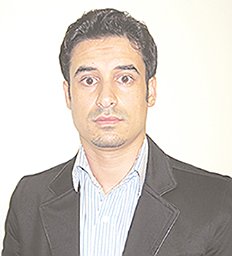 Bagheri Abouzar合作论文数Ophthalmic Research Center, Shahid Beheshti University of Medical Sciences2Giti Ozgoli合作论文数Faculty of Nursing and Midwifery, Shahid Beheshti University of Medical Sciences2
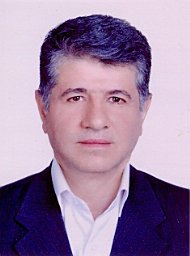 Alavi Majd Hamid合作论文数Dept Biostat, Shahid Beheshti Univ Med Sci2Ramezani Atena合作论文数School of Nutritional Sciences and Dietetics, Tehran University of Medical Sciences;Tehran;Faculty of Health, Mazandaran University of Medical Sciences;Sari-Iran. mjalali87@yahoo.com.;Tehran University of Medical Sciences, Mazandaran University of Medical Sciences2
 Mahdi Afshari合作论文数Department of Community Medicine, School of Medicine, Zabol University of Medical Sciences2
 Maboudi Avideh合作论文数Dental Faculty, Mazandaran University of Medical Sciences2
 Mirzazadeh Ali合作论文数Department of Epidemiology and Biostatistics, University of California San Francisco2
 Mohammad Bagher Hashemi-Soteh合作论文数2
 Majid Davari合作论文数Health Management and Economics Research Centre, Isfahan University of Medical Sciences2




