Breast cancer is classified into distinct molecular subtypes, including Luminal A, Luminal B, HER2-enriched, Basal-like, and Claudin-low. While traditional studies mostly use 2D cell cultures, 3D models better mimic in vivo tumor conditions. In this study, we generated and characterized 3D spheroids from breast cancer cell lines representing different molecular subtypes. Morphologically, spheroids were either compact (MCF-7/AZ, T47D, BT474, MDA-IBC-3, BT-20, SUM149PT) or loosely adhered (MDA-MB-468, SK-BR-3, MDA-MB-231), while retaining key parental subtype biomarkers. Cell viability decreased with increasing spheroid size, but apoptotic cCasp3 staining was restricted to Basal-like spheroids. Compact spheroids expressed E- and/or P-cadherin, indicating epithelial or epithelial-mesenchymal transition (EMT) hybrid traits, while loose spheroids showed vimentin expression linked to a mesenchymal phenotype. In conclusion, EMT-associated features, rather than intrinsic molecular subtype, may contribute to 3D spheroid architecture of breast cancer cell lines.
The Covid-19 pandemic conveyed consequences for people’s physical and mental health. During the worst pandemic scenarios, police officers were one of the most exposed populations. This situation brought these professionals unusual responsibilities, such as adjust work shifts and allocate police officers from operational and administrative services to the Covid-19 supervision teams and put them at an elevated risk of contracting the virus because they are also frontline workers too, and they often did not have personal protective equipment. Due to this, the main objective of this study was to analyze the psychometric properties of a Portuguese version of the Fear of Covid-19 among police officers, as well as to know how the fear of Covid-19 relates to the mental health during the worst wave of the Covid-19 pandemic in Portugal. Participants were 174 police officers aged between 23 and 58 years old (M = 40.81; SD = 6.83) who completed the Fear of Covid-19 Scale, the Operational Police Stress Questionnaire, and the Posttraumatic Disorder Checklist for DSM-5. Confirmatory factor analysis revealed a good adjustment fit for the two-factor model. Construct validity was supported, and the internal consistency was good for both periods of assessment. The model proved invariant for both groups (pre and during lockdown) at the measurement, scalar, and structural levels. Study findings suggest that the Portuguese Version of FCV-19S is a reliable measure to assess the fear of Covid-19 among police officers, including during the pandemic development.
OBJECTIVE:Youth who have been exposed to potentially traumatic events are at risk of developing chronic and severe adjustment problems. However, some youth exposed to potentially traumatic events exhibit better-than-expected adaptation. Person-centered analyses, based on multiple criteria for adaptive behavior and adversity, are well-suited to empirically identifying different patterns of adaptation among high-risk youth. METHOD:Data from 381 youth from three at-risk subgroups in Portugal were collected using self-reported measures of trauma history, trauma-related symptomatology, coping skills, and perceived social support. Distinct classes of adaptation after traumatic experiences were examined with latent class analysis. RESULTS:Four classes were identified: (a) trauma-related psychopathology class (13.6%), (b) adaptive resilience class (36.8%), (c) low resources class (11.4%), and (d) high resources class (38.2%). Trauma-related psychopathology class and low resources class were characterized by high levels of maladjustment. Similarly to the low resources class, the trauma-related psychopathology class reported a significantly higher likelihood of trauma-related psychopathology and higher levels of problem-solving skills. The adaptive resilience class and high resources class also reported lower levels of maladjustment, and the high resources class reported higher levels of coping skills and lower levels of externalizing problems than any other class. CONCLUSION:Clinicians treating children's internalizing mental health or externalizing behavior problems should assess trauma history and trauma-related psychopathology, as well as protective resources that may enhance resilience such as skills for problem solving and social support seeking. (PsycInfo Database Record (c) 2026 APA, all rights reserved).
Abstract: The 2019 televised debate between the leaders of the two main Portuguese parties for the general elections in Portugal drew approximately 2.7 million viewers. Debates constitute a centrepiece of campaigns, allowing candidates to showcase their proposals. The importance of debates in election campaigns reflects their possible influence in changing voters’ perspectives. As the standards for judging candidates increasingly rely on non-political characteristics such as personality traits, we examine the effects of debates on voters’ judgments of the warmth and competence of candidates and their voting intentions. We employed a within subject’s pretest/postest design to monitor participants before and after the debate between the leaders of the two main parties in Portugal, António Costa (Socialist Party, PS) and Rui Rio (Social-Democrat Party, PSD) for the Portuguese 2019 legislative elections. A comprehensive statistical pipeline was implemented to isolate the effects of the debate. Evidence suggesting that the debate influenced the perceived warmth and competence of both candidates was found. This study contributes to the literature on debates and supports the claim that they may shift voters’ perceptions and attitudes.
The 2019 televised debate between the leaders of the two main Portuguese parties for the general elections in Portugal drew approximately 2.7 million viewers. Debates constitute a centrepiece of campaigns, allowing candidates to showcase their proposals. The importance of debates in election campaigns reflects their possible influence in changing voters' perspectives. As the standards for judging candidates increasingly rely on non-political characteristics such as personality traits, we examine the effects of debates on voters' judgments of the warmth and competence of candidates and their voting intentions. We employed a within subject's pretest/postest design to monitor participants before and after the debate between the leaders of the two main parties in Portugal, Antonio Costa (Socialist Party, PS) and Rui Rio (Social-Democrat Party, PSD) for the Portuguese 2019 legislative elections. A comprehensive statistical pipeline was implemented to isolate the effects of the debate. Evidence suggesting that the debate influenced the perceived warmth and competence of both candidates was found. This study contributes to the literature on debates and supports the claim that they may shift voters' perceptions and attitudes.
Positive and negative life events play a decisive role in the development, maintenance, and recovery of eating disorders (Schmidt et al., 1997). For this reason, they can be considered risk and protective factors for eating disorders. However, little is known about how these life events relate to the experience of specific emotions or feelings and their meaning from the patient’s perspective. Only recently has psychological theory begun to consider the role of emotions in eating disorders. Therefore, in this study, 18 female patients with ages ranging between 16 and 21 years with anorexia and bulimia nervosa identified their happiest and saddest life events, as well as their related emotional experiences. Text analyses were conducted using the software program QSR-N*Vivo. Findings showed that the saddest events (e.g., the death of a relative) were related to feelings of perceived lack and loss of support and selfworth, and the happiest events (e.g., the beginning of a relationship) were related to feelings of perceived social support and affection, personal valuation, a sense of family unity, autonomy and independence. In treatment programs, it is essential to enhance patient resources and increase the presence of positive emotional experiences Additionally, emotional regulatory strategies and competencies should be promoted to deal with negative emotional experiences, considering that some eating disorder behaviors may be used to moderate or suppress negative emotions related specific past or current life events.
Effective communication is crucial in multidisciplinary teams (MDTs) within palliative care, where patient needs can be complex and multifaceted. This article examines the significance of communication in promoting collaborative, patient-centered care while addressing challenges such as professional jargon, hierarchical barriers, and the emotional strain associated with end-of-life care. Leadership plays a vital role in creating an environment of open dialogue, reducing hierarchical dynamics, facilitating conflict resolution, and supporting the emotional well-being of team members. The article also outlines strategies to improve communication, including regular team meetings, the use of clear and inclusive language, communication skills training, and the integration of technology. By implementing these strategies, MDTs can overcome communication barriers, leading to better patient outcomes, enhanced team cohesion, and improved family satisfaction. In palliative settings, effective communication is essential for providing holistic and compassionate care.
There seem to be numerous factors that influence life trajectories, both positively and negatively. In the presence of risk factors such as adversity, victimization, and trauma, there is an increased risk of committing violent behavior/crime. Homicide is considered the most severe crime within the category of violent crimes. However, little is known about the impact of adverse and traumatic experiences on the trajectories of people who committed homicide, especially through a qualitative methodology. We aimed to explore and understand how people convicted of homicide integrate the impact of adversity and the perpetration of the crime they committed. Fifteen interviews were analyzed through inductive thematic analysis. Participants reported the adversities they experienced and the strategies they found to cope with them. The adversities reported were lack of family support, socio-economic difficulties, and observed and experienced intra-familiar abuse and neglect. Although participants did not directly link these experiences to their criminal behavior, addressing underlying mechanisms and providing support can be beneficial in promoting positive outcomes and reducing recidivism rates. Therefore, we propose a multifaceted approach to address criminality, including preventive interventions with children at risk and remedial interventions with inmates, aiming to mitigate risk factors and promote rehabilitation and reintegration into society.
Fascioliasis is a zoonotic disease that may affect humans as incidental hosts after the ingestion of contaminated water or aquatic plants. Despite the non-specificity of its signs and symptoms, a triad of abdominal pain, fever, and peripheral eosinophilia should increase suspicion. The diagnosis of fascioliasis can be particularly difficult in non-endemic countries. It presents a worldwide but heterogeneous distribution, according to several environmental and human activity-related factors. Few cases have been described in Portugal. The authors report the case of a 48-year-old man presenting with abdominal pain, fever, and nighttime sweating. The CT scan revealed multiple hepatic nodules, which were then confirmed as abscesses in the context of hepatic fascioliasis. We aim to alert for the persistence of a few autochthonous cases of human fascioliasis in Portugal, the need to maintain a high degree of suspicion for this disease despite its non-specific presentation, and the emergence of triclabendazole resistance.
Police officers are exposed to several operational and organizational stressors that significantly impact on their mental health. The COVID-19 pandemic was a new stressor that further exacerbated existing stressors, highlighting the need for a better understanding of its impact on the mental health of police officers. This study tested the hypothesis that occupational stressors and PTSD are serial mediators of the relationship between fear of COVID-19 and burnout. Two hundred Portuguese police officers completed an online survey that assessed their fear of COVID-19, exposure to operational and organizational stressors, PTSD, and burnout. The results of the serial mediation analysis indicated that not only do occupational stressors act as mediators between fear of COVID-19 and burnout but also that PTSD is a mediator. The findings of this study underscore the need for interventions to reduce the negative impact of operational and organizational stressors on the mental health of police officers. Furthermore, this study highlights the power of police institutions for prevention and intervention with these professionals. By recognizing the specific stressors that contribute to the development of PTSD and burnout, our study provides a foundation for the development of direct interventions that can help to minimize the adverse effects of these stressors
The Lane-Hamilton syndrome (LHS) is an extremely rare association between celiac disease (CD) and idiopathic pulmonary hemosiderosis (IPH), with only a few cases reported in the literature. The authors report a case of a 32-year-old man with Down syndrome who presented to the emergency department with a history of hemoptysis and chronic diarrhea. The complementary investigation revealed iron deficiency anemia and features suggestive of diffuse alveolar hemorrhage on computed tomography (CT) scan of the chest. After excluding all competing diagnosis, the IPH diagnosis was made. The biopsy of the small intestine confirmed CD and the diagnosis of LHS was established. A gluten-free diet and steroids were given to the patient with a very good clinical response. Since there is an established association between IPH and CD, if the diagnosis of IPH is made, it's recommended to screen for CD even in patients without gastrointestinal symptoms.
Being a police officer is a very stressful job, characterized by occupational stressors that impact mental health and increasing work-family balance. Quantitative research is unable to clarify how police officers cope with the impact of work challenges on work-family balance. This study aims to understand how police officers narrate the impact of their work on their family experiences. Nineteen semi-structured interviews were conducted with Portuguese military police and civilian service forces working in the Northern region of Portugal. The interviews were transcribed and analyzed according to the principles of thematic analysis. The main themes indicate that participants are concerned about the work-family conflict. Both common and unique police officers’ perceptions of the impact of professional challenges on work-family balance emerged among both groups. Common work-family balance challenges for both civilian and military police officers included a negative impact on family dynamics and the sharing work experiences with family, but also recognized positive impacts of the profession on the family. For military police officers, making decisions regarding career advancement is a specific challenge. This study enables clinicians and other professional groups, such as commanders and politicians, to further develop a deeper understanding of these challenges and their different levels of impact. It also allows for the development of targeted strategies aligned with the unique needs of these professionals.
Unprovoked venous thromboembolism (VTE) may be the earliest manifestation of cancer. According to recent studies, approximately 5% of patients with unprovoked VTE will be diagnosed with cancer within the first year of follow-up. Although screening extensively at the time of VTE diagnosis is attractive for clinicians, current clinical guidance documents suggest only a limited cancer screening strategy. The authors describe a rare case of Krukenberg tumor of the ovary arising from a primary gastric adenocarcinoma whose first sign was an unprovoked venous thrombosis of the upper extremity.
Western democracies’ voting practices have altered recently, most notably with candidates now taking center stage at the expense of the institutions. These events are the result of a phenomenon called the personalisation of politics. The present review aims to synthesize evidence regarding the impact of voters’ evaluation of candidates’ traits on political outcomes and the effects of voters’ traits on voting. Included studies were identified via electronic databases (up to July 2019). Reviewers extracted data respecting inclusion and exclusion criteria. Methodological quality was assessed independently by two reviewers. Data synthesis was executed through narrative processes. 288 studies were identified, 12 of which were selected for review. Four main outcomes were found: (i) Personality traits and voting behaviour ; (ii) Implicit /explicit trait associations and political outcomes ; (iii) Party identification and personality traits ; and (iv) Ideology and personality traits . Data obtained suggests that political outcomes are heavily influenced by voters’ personality traits and how they perceive the personality traits of the candidates. This review advances the theory of personality trait matching and establishes a connection between traits and the personalization of politics.
Polo-like kinase 4 (Plk4), the major regulator of centriole biogenesis, has emerged as a putative therapeutic target in cancer due to its abnormal expression in human carcinomas, leading to centrosome number deregulation, mitotic defects and chromosomal instability. Moreover, Plk4 deregulation promotes tumor growth and metastasis in mouse models and is significantly associated with poor patient prognosis. Here, we further investigate the role of Plk4 in carcinogenesis and show that its overexpression significantly potentiates resistance to cell death by anoikis of non-tumorigenic p53 knock-out (p53KO) mammary epithelial cells. Importantly, this effect is independent of Plk4’s role in centrosome biogenesis, suggesting that this kinase has additional cellular functions. Interestingly, the Plk4-induced anoikis resistance is associated with the induction of a stable hybrid epithelial-mesenchymal phenotype and is partially dependent on P-cadherin upregulation. Furthermore, we found that the conditioned media of Plk4-induced p53KO mammary epithelial cells also induces anoikis resistance of breast cancer cells in a paracrine way, being also partially dependent on soluble P-cadherin secretion. Our work shows, for the first time, that high expression levels of Plk4 induce anoikis resistance of both mammary epithelial cells with p53KO background, as well as of breast cancer cells exposed to their secretome, which is partially mediated through P-cadherin upregulation. These results reinforce the idea that Plk4, independently of its role in centrosome biogenesis, functions as an oncogene, by impacting the tumor microenvironment to promote malignancy.
Herpetic esophagitis (HE) is an esophageal infection caused by herpes simplex virus (HSV). Although less common, it can occasionally affect immunocompetent hosts. It can manifest as odynophagia and/or dysphagia and should lead to an investigation by upper digestive endoscopy with a biopsy. The authors report a case of a 65-year-old man with a past medical history relevant for schizophrenia, oligophrenia, and malnutrition, and no other history or evidence of immunosuppression, who presented with severe dysphagia over weeks and recent episodes of food aspiration with consequent pneumonia. An upper gastrointestinal endoscopy was performed, revealing severe stenosis at the level of the gastroesophageal junction with scar tissue, not transposable with the endoscope. The biopsy led to the diagnosis of hepatic esophagitis. Despite the immunocompetent status (excepting only the risk factor malnutrition) and treatment with acyclovir, with initial clinical improvement, the patient died a few weeks after diagnosis after multiple respiratory complications such as nosocomial infection. This case highlights that herpetic esophagitis is sometimes observed in immunocompetent hosts. HE has a self-limited course, with severe complications more frequent in immunosuppressed patients. However, it is also important to suspect this condition in immunocompetent patients and look for risk factors, given the potential morbidity this disease entails. In this group of patients, the presence of predisposing factors and associated comorbidities, such as malnutrition, alcohol consumption, or use of corticosteroids, have been associated with the development of viral esophagitis (including HE). HE remains a clinical challenge, especially in patients with risk factors for immunosuppression, such as malnutrition, as in the reported case.
Malignant peritoneal mesothelioma (MPM) is a rare tumor of the serous membranes of the peritoneum and has been linked to exposure to asbestos and other risk factors.The clinical manifestations are vague, with a wide clinical spectrum, predominantly related to the abdominal involvement of the disease.Localized mesothelioma is an uncommon manifestation of the disease.Common symptoms include abdominal pain or abdominal distention, nausea, anorexia, and weight loss.Rarely, patients present with paraneoplastic syndrome.Due to the nonspecific symptoms, many patients already have advanced disease at the time of diagnosis.The authors report a case of a 75-year-old female patient who presented with symptoms of asthenia, anorexia, progressive paleness, and weight loss lasting five months.She reports later new-onset symptoms of diffuse abdominal pain and diarrhea associated with nausea.Laboratory tests showed anemia, mild leukocytosis, thrombocytosis, elevated C-reactive protein (CRP), and elevated liver enzymes.An abdominal and pelvic computed tomography (CT) scan revealed marked tissue thickening of an irregular and striated configuration of the leaflets and peritoneal reflections in an omental cake pattern, and a chest CT scan showed multiple bilateral pulmonary nodules, suggesting diffuse malignant disease.A CT-guided biopsy of a peritoneal implant was performed, establishing the diagnosis of malignant peritoneal mesothelioma.Due to rapid clinical deterioration, the patient did not receive any systemic treatment, surgery, or radiotherapy and was transitioned to comfort care.As in the presented case, most cases of MPM have diffuse peritoneal involvement at the time of diagnosis, although extra-abdominal involvement is very rare.This disease presentation is associated with high morbidity and mortality compared to cases of localized disease.There is no specific imaging diagnostic modality or valuable tumor markers for MPM.Although a CT scan remains important in the diagnostic approach, the changes found are not specific.Radiographically, MPM may present as mesenteric or parietal peritoneal nodules, visceral peritoneal thickening, ascites, or omental masses.Although these features may raise suspicion of MPM, a biopsy is necessary to confirm the diagnosis.Therefore, due to the rarity of this disease and its nonspecific signs or symptoms, MPM is difficult to diagnose, and the prognosis remains poor.
Fluorescence imaging is a powerful and widely used method to visualize and study living organisms. However, fungi are notoriously difficult to visualize using fluorescence microscopy, given that their cell wall represents a diffusion barrier, and the synthetic organic dyes available are very limited when compared to molecular probes available for other organisms. Moreover, these dyes are usually available in only one colour, preventing co-staining experiments. To fill this gap, curcumin-based molecular probes were designed based on the rationale that curcumin is fluorescent and has moderate toxicity toward fungi, implying its ability to cross the cell wall to reach targets in the intracellular compartments. A family of boron diketonate complexes was synthesized, based on a curcumin backbone, tuning their emission color from blue to red. These probes did not present noticeable toxicity to filamentous fungus and, when applied to their visualization, readily entered the cells and precisely localized in sub-cellular organelles, enabling their visualization.
Dissociation is a process that often occurs as a sequela of psychological trauma, and it is interrelated with psychological and behavioral problems. In the at-risk adolescent population, dissociation is often underdiagnosed and undertreated. Having reliable measures to assess this phenomenon can help in identifying adolescents at-risk and improve treatment outcomes. This study assessed the psychometric properties of the Adolescent Dissociative Experiences Scale (A-DES) with a sample of 402 Portuguese adolescents recruited from three at-risk populations. Participants completed self-report measures of trauma exposure, posttraumatic symptoms, psychological and behavioral problems, and the A-DES. A subset of the sample also completed test-retest measures. Confirmatory factor analyses revealed a best-fitting 3-factor model. Analyses revealed good internal consistencies and good agreement test-retest reliability for the scale overall and the factor-based sub-scales. Construct and predictive validity was supported with results showing that A-DES discriminates between youth reporting high versus low levels of cumulative trauma exposure and youth who meet or do not meet criteria for a probable PTSD diagnosis. Study findings replicate prior research supporting a 3-factor model of dissociation and the usefulness of A-DES to identify adolescents with dissociative symptoms. Clinical and research implications are discussed.
The relationship between posttraumatic stress disorder (PTSD) and posttraumatic growth (PTG) has been extensively debated, with evidence supporting that negative and positive outcomes may coexist simultaneously. However, literature consensus has yet to be reached regarding whether the nature of the relationship between these variables is better explained through a linear or curvilinear relationship. In the present study, we examined the psychometric properties of the Posttraumatic Growth Inventory and tested the linear and curvilinear relationship between PTG and PTSD. Participants were 315 adults, with a mean age of 34.66 years (SD = 10.90), and ranged in age between 18 and 68 years; 144 (45.7%) participants were male and 171 (54.3%) were female who had experienced a potentially trauma or adverse event and had a level of education lower than the university education level. The original 5-factor structure of the PTGI was maintained, with satisfactory internal consistency. Exploratory data analysis showed a violation of the normality assumption because the sample reported low levels of PTSD. We used the bootstrap method, which gives an estimate of the sampling distribution (Field, 2018). Results showed a linear positive relationship between PTSD symptoms and PTG, after adjusting for sociodemographic variables. A curvilinear relationship between these variables was not found in the present sample. An overall small positive relationship was found between each PTSD subscale (Intrusion, Avoidance, and Arousal) and the 5 PTGI factors. This study found that PTSD and PTG can coexist. Implications for practice and recommendation for future research are discussed.
 Joana Paredes合作论文数31
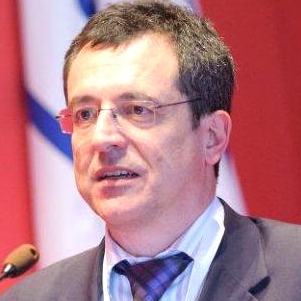 Fernando Schmitt合作论文数Faculdade de Medicina, Universidade do Porto;Instituto de Patologia e Imunologia Molecular, Universidade do Porto28
 Andre Albergaria合作论文数19
 Ana Sofia Ribeiro合作论文数I3S - Instituto de Investigação e Inovação em Saúde16
 Raquel Seruca合作论文数Faculty de Medicina, Institute of Molecular Pathology and Immunology, University of Porto13
 Ana Rita Nobre合作论文数Institute of Molecular Pathology and Immunology, Porto University10
 Fernanda Milanezi合作论文数Institute of Molecular Pathology and Immunology, University of Porto9
 Maia Angela合作论文数Escola de Psicologia, Universidade do Minho8Nair Lopes合作论文数8
 Daniella Serafin Couto Vieira合作论文数Department of Pathology, Federal University of Santa Catarina7Joana Fontes合作论文数6Raquel Costa合作论文数6
 José Carlos Machado合作论文数Faculty of Medicine, University of Porto6
 Patrício Costa合作论文数Faculty of Psychology and Education Sciences, University of Porto6Vítor Carneiro合作论文数5Joana Silva合作论文数5
 Andre F Vieira合作论文数5
 Carla C Oliveira合作论文数5
 Diogo Morgado合作论文数5Diana Martins合作论文数5
 Patricia Correia Santos合作论文数Campus Gualtar, Rua Univ5
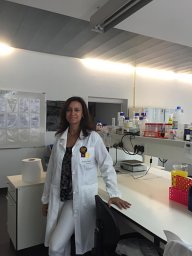 Fátima Baltazar合作论文数Life and Health Sciences Research Institute (ICVS),, University of Minho5
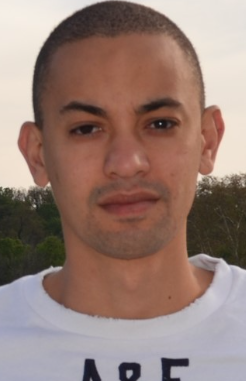 Tiago Antônio de Oliveira Mendes合作论文数Laboratório de Biofármacos, Departamento de Bioquímica e Biologia Molecular, Universidade Federal de Viçosa5Madalena Gomes合作论文数3Elsa Araújo合作论文数3
 Maria Jose Oliveira合作论文数3
 Nuno Mendes合作论文数3Rene Gerhard合作论文数3
 Sonia Sousa合作论文数3
 Sara Ricardo合作论文数Dept Pathol, Univ Porto FMUP3Resende Carlos合作论文数3
 Celine Pinheiro合作论文数School of Health Sciences, University of Minho3
 Rozany M. Dufloth合作论文数Centro de Atenção Integral à Saúde da Mulher ( CAISM );Universidade Estadual de Campinas;Centro de Atenção Integral à Saúde da Mulher ( CAISM ), Universidade Estadual de Campinas3
 Sandra Pinho合作论文数3Luiz Veronese合作论文数3
 Cristina Azevedo Gomes合作论文数3Inês Guimarães合作论文数2
 Flavia Martins合作论文数2
 Ana Paula Morais de Carvalho Macedo合作论文数2
 Marcia Carvalho合作论文数2
 Filipe Pinto合作论文数2Joana Carvalho合作论文数2
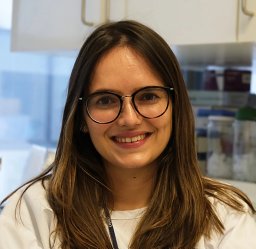 Flávia Castro合作论文数Equal contribution.2
 Sonia Ferreira合作论文数Ctr Studies Educ & Innovat, Polytech Viseu2
 Vilma A Sardao合作论文数CNC – Center for Neuroscience and Cell Biology, University of Coimbra2
 Vieira André Filipe合作论文数IPATIMUP-Institute of Molecular Pathology and Immunology, University of Porto2
 José Luis Costa合作论文数Instituto de Investigação e Inovação em Saúde, Universidade do Porto;Institute of Molecular Pathology and Immunology, Universidade do Porto;Thermo Fisher Scientific Inc2
 Joana Luísa Lourenço Estevinho Pereira合作论文数Centro de Estudos do Ambiente e Mar, University of Aveiro;Department of Biology, University of Aveiro2Araújo Ana Margarida合作论文数Laboratório de Toxicologia, Universidade do Porto2




