Short-term heat acclimation (HA) induces cardiovascular and fluid-regulatory adaptations, but it's impact on markers of renal tubular injury and acute kidney injury risk (AKI) during exercise-heat stress remains unclear. Fourteen healthy endurance-trained male athletes were randomised to five days of isothermic HA (HOT; n = 7; 32 °C, 70% relative humidity; target core temperature ≥38.5 °C), or exercise in thermoneutral conditions (TEMP, n = 7). Heat stress tests (HST; 45 min cycling at 32 °C, 70% RH) were performed pre- and post-intervention. Blood biomarkers of kidney tubular stress (NGAL, KIM-1), fluid-regulation (copeptin, serum osmolality) and sympathetic activity (plasma normetanephrine) were measured at rest and immediately post-HST. HA reduced resting heart rate (-8 ± 5 bpm, p = 0.007, d = 1.0), increased plasma volume (+7.3 ± 5.1%, p = 0.022) and sweat loss (+500 ± 539 mL, p = 0.018, d = 1.1). Copeptin rose during the pre-intervention HST in both groups (HOT: + 11 ± 6; TEMP: + 12 ± 13 pmol·L ⁻ ¹, p < 0.05), but not post-intervention. NGAL increased only in TEMP during HST1 (+45 ± 29 μg·L ⁻ ¹, p = 0.030), while KIM-1 remained unchanged. No group x time interactions were observed for any biomarkers (p > 0.05). Five days of HA improved cardiovascular and thermoregulatory responses but did not alter renal stress markers or fluid-regulatory responses during exercise in the heat. These findings suggest short-term HA enhances heat tolerance but may not attenuate renal biomarker responses associated with early tubular stress under hot, humid conditions.
The aim of this study was to examine triceps surae neuromechanical function during cycling at a range of exercise intensities in endurance populations with different loading regimes, and to quantify differences in morphological properties. Kinematic and neuromuscular data were collected from 29 participants (10 cyclists, nine triathletes, and 10 controls) during cycling at four intensities (150, 200, 250, 300 W). Resting muscle and tendon morphology was assessed with ultrasound. During cycling, there were no differences between groups, despite triathletes possessing thicker Achilles' tendons. At higher intensities, ankle dorsiflexion increased (p < 0.001), leading to higher gastrocnemius medialis muscle-tendon unit range (p < 0.001), but no change in fascicle range or shortening velocity (p ≥ 0.919). Therefore, although there is evidence of some stretch-shortening cycle-like mechanism in the triceps surae during cycling, this does not happen at the muscle level, suggesting that energy storage and return could occur predominantly in the non-contractile series-elastic elements. Despite this, there were no differences detected between trained and untrained individuals in gastrocnemius medialis neuromechanical behavior at the exercise intensities tested, even though triathletes possessed a higher Achilles' tendon thickness.
Neurobiomarkers measured in peripheral blood can supplement management strategies following traumatic brain injury (TBI). Dual-assay of glial fibrillary acid protein (GFAP) and ubiquitin carboxyl-terminal hydrolase isozyme L1 (UCHL1) is FDA-approved to inform a decision threshold approach (GFAP > 30 µg.L− 1 and/or UCHL1 > 360 µg.L− 1) for post-TBI neuroimaging. As physical activity and thermal strain often accompany TBI-prone activities, we investigated whether each molecule’s quantification - and, by extension, clinical decisions - could be influenced by exercise-heat stress. In healthy volunteers monitored continuously for body core temperature (Tc), we used the i-STAT Alinity to assess plasma GFAP and UCHL1 responses to exercise in the laboratory (four female, eighteen male trained participants, cycling for 45 min in 32 °C) and field (three female and 22 male recreational marathon runners, finishing time 231 ± 34 min, peak ambient temperature 11 °C). Respective ΔTc overall were 1.42 ± 0.37 °C and 1.87 [1.53, 2.31] °C. With laboratory exercise, GFAP and UCHL1 did not exceed the manufacturer’s decision threshold. Across the marathon, GFAP was stable, whereas UCH-L1 more than doubled (200 [200, 200] vs. 462 [310, 782] µg.L-1, P < 0.0001), breaching the decision threshold for neuroimaging in 18/25 runners. Confounding from more severe exercise-heat stress should be considered when interpreting near-care assay of UCHL1 for TBI management.
Exercise in the heat and elevated tissue temperature are associated with neuronal stress and changes in blood-brain barrier (BBB) function. More severe thermal insult may manifest as exertional heat illness (EHI) and complication by central nervous system (CNS) dysfunction may persist post-EHI. We investigated neurobiomarkers associated with neuronal injury (brain-derived tau, BD-tau; neurofilament light, NfL; ubiquitin carboxyl-terminal hydrolase isozyme L1, UCH-L1) and BBB function (glial fibrillary acid protein, GFAP) in the peripheral blood of 34 recent (∼4 months) EHI patients and 30 Control individuals without prior EHI history, matched for variables influencing thermoregulation. Participants completed an exercise heat tolerance assessment (HTA), with neurobiomarkers measured pre- and post-HTA. An equal number of participants (n = 6) in both EHI and Control groups showed thermoregulatory responses consistent with thermal intolerance. Pooled changes in BD-tau, GFAP and UCH-L1 showed moderate to large effect sizes (Cohen's d = 1.2, -1.3 and 0.75, respectively), including novel elevation in BD-tau (median [interquartile range] 4.84 [4.10, 5.51] vs. 6.89 [5.69, 7.85] pg mL-1), whereas impact of HTA on NfL was negligible (Cohen's d = 0.03). No differences were evident in neurobiomarker response between EHI and Controls (time × group interaction P = 0.244), and no consistent associations between body core temperature and neurobiomarker concentrations were demonstrated. In conclusion, neurobiomarker responses to HTA were similar between EHI cases and Controls, indicating an absence of ongoing CNS injury in this patient cohort. However, variability in neurobiomarkers with HTA queries the general applicability of these biochemical surrogates in the management of brain insult associated with prior exercise and thermal stress.
A mixed-method heat acclimation (HA) protocol may optimise performance by supporting the training taper while promoting thermal adaptation; however, the impact on cardiovascular and fluid-regulatory adjustments to protect health is unknown. Therefore, we examined the effects of a mixed-method heat protocol on physiological responses, including cardiovascular and fluid-regulatory strain with exercise-heat stress, and self-paced performance in the heat. Twenty (15 males, five females) triathletes were randomised to 8 days of HA (HOT), or exercise in thermoneutral conditions (TEMP). A heat stress test (HST) comprising 45 min of cycling in a climatic chamber (32°C, 70% relative humidity) was performed on days 1, 5 (HOT only) and 8. Before and after the intervention, a cycling time trial was conducted in the same climatic conditions (days 0 and 10). Venous blood samples were analysed at rest and post-HST (days 1 and 8 only) for the catecholamine product normetanephrine and the vasopressin surrogate copeptin. Following 7 days of HA (days 1 vs. 8) resting rectal temperature was significantly lower in the HOT compared to the TEMP group (-0.32 ± 0.36°C, P = 0.002). Normetanephrine was 24.3% lower after 7 days of HA (P = 0.012), and copeptin was 53.4% lower at the post-HST time point (HOT vs. TEMP, P = 0.012). However, HA had no effect (0.3%, P = 0.984) on self-paced performance in the heat. Mixed-method HA elicited a progressive reduction in cardiovascular strain and a net reduction in fluid-regulatory strain without improving self-paced performance in the heat.
Objectives Neurobiomarkers measured in peripheral blood can supplement management strategies following Traumatic Brain Injury (TBI). Dual-assay of glial fibrillary acid protein (GFAP) and ubiquitin carboxyl-terminal hydrolase isozyme L1 (UCHL1) is FDA-approved for assessing, at near-care, a decision threshold for post-TBI neuroimaging. As physical activity and thermal strain often accompany TBI-prone activities, we investigated whether each molecule’s quantification - and, by extension, clinical decisions - could be influenced by exercise-heat stress. Methods In healthy volunteers monitored continuously for body core temperature (Tc), we used the i-STAT Alinity® to investigate plasma GFAP and UCHL1 responses to exercise in the laboratory (three female, seven male trained participants, cycling for 45 min in 32°C) and field (three female and 22 male recreational marathon runners, finishing time 231 ± 34 min, peak ambient temperature 11°C). Results Respective ΔTc overall were 1.42 ± 0.37°C and 1.87 [1.53, 2.31] °C. With laboratory exercise, GFAP and UCHL1 did not exceed the manufacturer’s decision threshold. Across the marathon, GFAP was also stable, whereas UCH-L1 more than doubled (200 [200, 200] vs 462 [310, 782] µg.L-1, P < 0.0001), breaching the decision threshold for neuroimaging in 18/25 runners. Discussion Confounding from more prolonged exercise-heat stress should be considered when managing TBI using near-care assay of UCHL1.
Bike positional configuration changes strongly affect cycling performance. While consensus has emerged on saddle height optimisation, there is none for the relationship between other bike positional variables and cycling performance. Accordingly, this systematic review examines the effect of all major positional variables on performance in cycling, assessing differences between cycling disciplines and sex where possible. The systematic review, conducted per PRISMA guidelines, searched databases including Embase, Web of Science, Medline, and CINAHL, screening 16,578 studies. Of these, 47 were fully analysed. Study quality assessment using the NIH tool revealed none rated "good", 5 "fair" and 33 "poor". The analysis involved 724 participants (90 female, 454 male, 180 sex unstated). Studies focused on trunk angle/upper body position, handlebar height, Q factor, foot position, saddle fore-aft/height, seat tube angle and crank length. Participant cycling disciplines were often unspecified and few papers address women cyclists specifically. Key findings were associated with changing saddle height, trunk angle and saddle fore-aft. For trunk angle, accounting for the biomechanical and physiological effects as well as aerodynamic changes is important. Saddle fore-aft affects the hip angle and trunk angle. There are no clear recommendations for crank length, handlebar height, Q factor or cleat position.
Abstract Introduction Heat adaptation is protective against heat illness however its role in heat syncope, due to reflex mechanisms, has not been conclusively established. The aim of this study was to evaluate if heat acclimation (HA) was protective against heat syncope and to ascertain underlying physiological mechanisms. Method 20 (15 males, 5 females) endurance trained cyclists were randomised to either 8 days of mixed active and passive HA (HEAT) or temperate exercise (CONTROL). Prior to, and following, the interventions participants underwent a head up tilt (HUT) with graded lower body negative pressure (LBNP) continued until presyncope with measurement of cardiovascular parameters. Heat stress testing was performed to determine physiological and perceptual measures of HA. Results There was a significant increase in orthostatic tolerance (OT), as measured by HUT/LBNP, in the HEAT group (pre-intervention; 28 ± 9 mins, post-intervention; 40 ± 7 mins) compared to CONTROL (pre-intervention; 30 ± 8 mins, post-intervention; 33 ± 5 mins) (p = 0.0116). Heat acclimation resulted in a significantly reduced peak and mean rectal and skin temperature (p < 0.0141), peak heat rate (p < 0.0033), thermal comfort (p < 0.0411) and rating of perceived exertion (p < 0.0251). There was a significantly increased plasma volume (PV) in the HEAT group in comparison to CONTROL (p = 0.0293). Discussion Heat adaptation causes improvements in OT and is likely to be beneficial in patients with heat exacerbated reflex syncope. Heat acclimation mediated PV expansion is the likely predominant physiological mechanism underlying improved OT.
Introduction Heat adaptation is protective against heat illness however its role in heat syncope, due to reflex mechanisms, has not been conclusively established. The aim of this study was to evaluate if heat acclimation (HA) was protective against heat syncope and to ascertain underlying physiological mechanisms. Method 20 (15 males, 5 females) endurance trained cyclists were randomised to either 8 days of mixed active and passive HA (HEAT) or temperate exercise (CONTROL). Prior to, and following, the interventions participants underwent a head up tilt (HUT) with graded lower body negative pressure (LBNP) continued until presyncope with measurement of cardiovascular parameters. Heat stress testing was performed to determine physiological and perceptual measures of HA. Results There was a significant increase in orthostatic tolerance (OT), as measured by HUT/LBNP, in the HEAT group (pre-intervention; 28 ± 9 mins, post-intervention; 40 ± 7 mins) compared to CONTROL (pre-intervention; 30 ± 8 mins, post-intervention; 33 ± 5 mins) (p = 0.0116). Heat acclimation resulted in a significantly reduced peak and mean rectal and skin temperature (p < 0.0141), peak heat rate (p < 0.0033), thermal comfort (p < 0.0411) and rating of perceived exertion (p < 0.0251). There was a significantly increased plasma volume (PV) in the HEAT group in comparison to CONTROL (p = 0.0293). Discussion Heat adaptation causes improvements in OT and is likely to be beneficial in patients with heat exacerbated reflex syncope. Heat acclimation mediated PV expansion is the likely predominant physiological mechanism underlying improved OT.
AbstractThe purpose of this study was to assess the reliability of blood biomarkers that can signify exercise-induced heat stress in hot conditions. Fourteen males completed two heat stress tests separated by 5–7 days. Venous blood was drawn pre- and post- heat stress for the concentration of normetanephrine, metanephrine, serum osmolality, copeptin, kidney-injury molecule 1, and neutrophil gelatinase-associated lipocalin. No biomarker, except copeptin, displayed systematic trial order bias (p≥0.05). Normetanephrine, copeptin and neutrophil gelatinase-associated lipocalin presented acceptable reliability (CV range: 0.9–14.3%), while greater variability was present in metanephrine, osmolality and kidney-injury molecule 1 (CV range: 28.6–43.2%). Normetanephrine exhibited the largest increase (p<0.001) in response to heat stress (trial 1=1048±461 pmol. L-1; trial 2=1067±408 pmol. L-1), whilst kidney-injury molecule 1 presented trivial changes (trial 1=–4±20 ng. L-1; trial 2=2 ± 16 ng. L-1, p>0.05). Normetanephrine, copeptin, and neutrophil gelatinase-associated lipocalin demonstrated good reliability and sensitivity to an acute bout of heat stress. These biomarkers may be suitable for application in laboratory and field research to understand the efficacy of interventions that can attenuate the risk of thermal injury whilst exercising in the heat.
ABSTRACT Introduction Heat adaptation is protective against heat illness; however, its role in heat syncope, due to reflex mechanisms, has not been conclusively established. The aim of this study was to evaluate if heat acclimation (HA) was protective against heat syncope and to ascertain underlying physiological mechanisms. Methods Twenty (15 males, 5 females) endurance-trained athletes were randomized to either 8 d of mixed active and passive HA (HEAT) or climatically temperate exercise (CONTROL). Before, and after, the interventions participants underwent a head up tilt (HUT) with graded lower body negative pressure (LBNP), in a thermal chamber (32.0 ± 0.3°C), continued until presyncope with measurement of cardiovascular parameters. Heat stress tests (HST) were performed to determine physiological and perceptual measures of HA. Results There was a significant increase in orthostatic tolerance (OT), as measured by HUT/LBNP, in the HEAT group (preintervention; 28 ± 9 min, postintervention; 40 ± 7 min) compared with CONTROL (preintervention; 30 ± 8 mins, postintervention; 33 ± 5 min) ( P = 0.01). Heat acclimation resulted in a significantly reduced peak and mean rectal and skin temperature ( P < 0.01), peak heat rate ( P < 0.003), thermal comfort ( P < 0.04), and rating of perceived exertion ( P < 0.02) during HST. There was a significantly increased plasma volume (PV) in the HEAT group in comparison to CONTROL ( P = 0.03). Conclusions Heat acclimation causes improvements in OT and is likely to be beneficial in patients with heat exacerbated reflex syncope. Heat acclimation–mediated PV expansion is a potential physiological mechanism underlying improved OT.
Key areas of sports science research investigate the functional role of muscle activations within human movement. Even within relatively constrained movements like cycling, significant variability is observed in muscle activation strategies. Particular attention has been given to particular muscles, despite Soleus and Tibialis anterior muscles presenting a potentially functionally relevant split between monomodal and bimodal activation strategies. The current study (N = 54) investigated the prevalence and functional implications of these different strategies and identified, in addition to monomodal [Soleus: N = 24, Tibialis anterior: N = 7] and bimodal [Soleus: N = 12, Tibialis anterior: N = 31] strategies, a third group switching between strategies [Soleus: N = 16, Tibialis anterior: N = 13]. The combined Soleus group showed significantly higher Index of Force Effectiveness, lower negative work and lower radial forces than the bimodal group. Furthermore, bimodal Soleus strategies produced a period of significantly greater plantar flexion during the upstroke. No differences were found between the Tibialis anterior groups. These data show an identifiable group of cyclists utilising a combination of monomodal and bimodal strategies potentially benefiting mechanical effectiveness. Awareness of such functional implications can aid researchers and practitioners when interpreting cycling biomechanics data or intervention responses. Further research should investigate the factors that mediate transitions between activation strategies within the combined groups.
Measurements of muscle-tendon unit passive mechanical properties are often used to illustrate acute and chronic responses to a training stimulus. The purpose of this study was to quantify the inter-session repeatability of triceps surae passive stiffness measurements in athletic and non-athletic populations, with the view to discussing its usefulness both as a muscle-tendon profiling tool and a control measure for studies with multiple data collection sessions. The study also aimed to observe the effects of quiet standing on passive stiffness parameters. Twenty-nine men (10 cyclists, nine triathletes, 10 controls) visited the laboratory on three separate occasions, where passive stiffness tests were carried out using an isokinetic dynamometer and B-mode ultrasound. Participants were fully rested on two of the sessions and subjected to 20 min of quiet standing in the other. The passive stiffness assessment generally showed only moderate inter-session repeatability but was still able to detect inter-group differences, with triathletes showing higher passive stiffness than cyclists (p < 0.05). Furthermore, quiet standing impacted passive stiffness by causing a reduction in ankle joint range of motion, although mechanical resistance to stretch in the muscle-tendon unit at a given joint angle was relatively unaffected. These findings show that passive stiffness assessment is appropriate for detecting inter-group differences in the triceps surae and even the effects of a low-intensity task such as quiet standing, despite showing some inter-session variation. However, the inter-session variation suggests that passive stiffness testing might not be suitable as a control measure when testing participants on multiple sessions.
Robertson, C, Lodin-Sundstrom, A, O'Hara, J, King, R, Wainwright, B, and Barlow, M. Effects of pre-race apneas on 400-m freestyle swimming performance. J Strength Cond Res 34(3): 828-837, 2020-This study aimed to establish whether a series of 3 apneas before a 400-m freestyle time-trial affected swimming performance when compared with and combined with a warm-up. Nine (6 males and 3 females) regional to national standard swimmers completed four 400-m freestyle time-trials in 4 randomized conditions: without warm-up or apneas (CON), warm-up only (WU), apneas only (AP), and warm-up and apneas (WUAP). Time-trial performance was significantly improved after WUAP (275.79 +/- 12.88 seconds) compared with CON (278.66 +/- 13.31 seconds, p = 0.035) and AP (278.64 +/- 4.10 seconds, p = 0.015). However, there were no significant differences between the WU (276.01 +/- 13.52 seconds, p > 0.05) and other interventions. Spleen volume compared with baseline was significantly reduced after the apneas by a maximum of similar to 45% in the WUAP and by similar to 20% in WU. This study showed that the combination of a warm-up with apneas could significantly improve 400-m freestyle swim performance compared with a control and apnea intervention. Further investigation into whether long-term apnea training can enhance this response is justified.
Heat adaption through acclimatisation or acclimation improves cardiovascular stability by maintaining cardiac output due to compensatory increases in stroke volume. The main aim of this study was to assess whether 2D transthoracic echocardiography (TTE) could be used to confirm differences in resting echocardiographic parameters, before and after active heat acclimation (HA). Thirteen male endurance trained cyclists underwent a resting blinded TTE before and after randomisation to either 5 consecutive daily exertional heat exposures of controlled hyperthermia at 32°C with 70% relative humidity (RH) (HOT) or 5-days of exercise in temperate (21°C with 36% RH) environmental conditions (TEMP). Measures of HA included heart rate, gastrointestinal temperature, skin temperature, sweat loss, total non-urinary fluid loss (TNUFL), plasma volume and participant's ratings of perceived exertion (RPE). Following HA, the HOT group demonstrated increased sweat loss (p = 0.01) and TNUFL (p = 0.01) in comparison to the TEMP group with a significantly decreased RPE (p = 0.01). On TTE, post exposure, there was a significant comparative increase in the HOT group in left ventricular end diastolic volume (p = 0.029), SV (p = 0.009), left atrial volume (p = 0.005), inferior vena cava diameter (p = 0.041), and a significant difference in mean peak diastolic mitral annular velocity (e’) (p = 0.044). Cardiovascular adaptations to HA appear to be predominantly mediated by improvements in increased preload and ventricular compliance. TTE is a useful tool to demonstrate and quantify cardiac HA.
The introduction of semi-automated tracking algorithms in recent years have allowed biomechanists to observe muscle contractile behaviour during modes of locomotion such as walking and running more efficiently (Cronin et al., 2011). However, unlike most forms of data in human movement science and biomechanics, ultrasound data is seldom filtered to remove any noise induced by processing the signal. Investigation is warranted here, as the potential sources for error appear comparable to those of kinematic data, which has been routinely filtered for over 30 years.
The choice of equipment that an athlete makes for sprint racing is determined by the aim of completing the race distance in as little time as possible. The racing paddles used now are essentially derivations of the original design. Further developments have occurred, with paddles now made exclusively of carbon fiber with a number of options for size and shape. This chapter describes the key biomechanical factors that underpin canoeing and kayaking that will help athlete, coaches, and practitioners understand the basis of the environment. The limited research on foot bar forces in kayaking has shown that the pushing forces on the footrest are generally higher than or equal to the forces found at the paddle, and are initiated immediately before the start of the paddle stroke. Equipment changes in canoe slalom were often driven by rule changes and course changes. The interaction between the boat and water is very different in canoe slalom.
The purpose of the study was to assess the validity and inter-bike reliability of 10 Wattbike cycle ergometers, and to assess the test-retest reliability of one Wattbike. Power outputs from 100 to 1000 W were applied using a motorised calibration rig (LODE) at cadences of 70, 90, 110 and 130 rev · min-1, which created nineteen different intensities for comparison. Significant relationships (P < 0.01, r2 = 0.99) were found between each of the Wattbikes and the LODE. Each Wattbike was found to be valid and reliable and had good inter-bike agreement. Within-bike mean differences ranged from 0.0 W to 8.1 W at 300 W and 3.3 W to 19.3 W at 600 W. When taking into account the manufacturers stated measurement error for the LODE (2%), the mean differences were less than 2%. Comparisons between Wattbikes at each of the nineteen intensities gave differences from 0.6 to 25.5 W at intensities of 152 W and 983 W, respectively. There was no significant difference (P > 0.05) between the measures of power recorded in the test-retest condition. The data suggest that the Wattbike is an accurate and reliable tool for training and performance assessments, with data between Wattbikes being able to be used interchangeably.
Little is known about the biomechanics of sprint canoeing, especially for women’s canoeing, and a quantitative kinematic description of the motion would help coaches to develop valid technique coaching models. Five highly-trained female canoeists were filmed at 150 Hz while undertaking a 50 s maximal effort on a canoe ergometer, whose trolley motions were taken to represent those of the boat. Selected boat, body and paddle kinematics were evaluated at three key stroke cycle events (Contact, Paddle Vertical, and End of Drive) and their patterns monitored across the stroke cycle. While no clear trends between the kinematics and power output emerged, a range of strategies were identified and the data represent an initial step in the construction of detailed technique models that can be used to evaluate and monitor individual athletes.
A sprint kayaking specific deterministic model was used to identify key performance related technique factors using data from 12 international-level kayakers. There was large variability in the strength of the between-factor relationships across the group. The pull phase was split into 3 components with the 1st phase contributing the most to increases in boat velocity and the 3rd phase causing a decrease in velocity. The propulsive impulse had the largest influence on velocity, but the magnitude of the impact was moderated by blade slip. Large propulsive impulses in the 3rd phase of the pull were associated with larger decreases in velocity. The results show that the model can be used to identify key technique factors on an individual level, although the use of the model should be confirmed on additional kayakers before being used in an applied setting by practitioners.
 John O'Hara合作论文数Carnegie School of Sport, Leeds Beckett University;Centre for Human Performance, Leeds Beckett University;Higher Education Academy9
 Daniel Snape合作论文数7
 Woods David合作论文数Carnegie School of Sport, Leeds Beckett University;Centre for Human Performance, Leeds Beckett University7
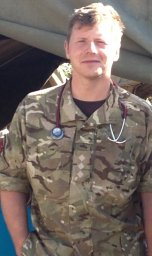 Iain T Parsons合作论文数5Nicholas Gall合作论文数4
 Philip Chowienczyk合作论文数British Heart Foundation Centre of Research Excellence, School of Cardiovascular and Metabolic Medicine & Sciences, Faculty of Life Sciences & Medicine, King’s College London4
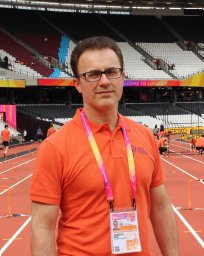 Athanassios Bissas合作论文数4
 Matthew Barlow合作论文数Leeds Beckett University;Leeds Metropolitan University3Michael Stacey合作论文数2Michael J. Stacey合作论文数2Chris Low合作论文数2
 Josh Walker合作论文数Leeds Beckett Univ2Nils Jongerius合作论文数2
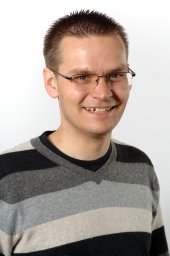 Brian Hanley合作论文数a Carnegie Faculty, Leeds Beckett University2jonathan wheat合作论文数1
 Matt Barlow合作论文数1Colin Hood合作论文数1Cb Cooke合作论文数1Rfgj King合作论文数1Todd Leckie合作论文数1
 Frank J. Nugent合作论文数Hlth Res Inst, Univ Limerick1David Mockler合作论文数Trinity Coll Dublin, Lib Trinity Coll Dublin1
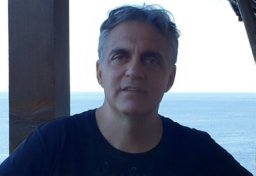 Konstantinos Havenetidis合作论文数Physical and Cultural Education, Hellenic Army Academy1
 Lodin-Sundström Angelica合作论文数1
 Fiona Wilson合作论文数1
 Robertson Craig C合作论文数1
 Holdsworth David A合作论文数1
 Apostolos Theodorou合作论文数1
 Yannis Pitsiladis合作论文数Department of Sport, Physical Education and Health, Faculty of Arts and Social Sciences, Hong Kong Baptist University1
 Neil J. Cronin合作论文数Faculty of Sport and Health Sciences, University of Jyväskylä1Carlton B. Cooke合作论文数1Carlton Cooke合作论文数1Ciaran K. Simms合作论文数Denis Wood Associates, Isoldes Tower1
 Roderick F G J King合作论文数1




