Hydrogel-based plant bioelectronics are emerging as promising platforms for real-time monitoring and modulation of plant physiology, stress responses, environmental interactions, and growth. Compared with rigid electrodes and conventional polymer films, hydrogels provide a soft, hydrated, conductive, and tunable interface that reduces mechanical mismatch with growing plant tissues while enabling electrochemical, electrophysiological, optical, and multimodal sensing. This review examines recent advances in hydrogel materials for plant bioelectronics, focusing on how network structure, design requirements, materials strategies including crosslinking chemistry, porosity, swelling, adhesion, conductivity, transparency, gas permeability, and biocompatibility affect plant-device performance. Applications in monitoring plant physiology, hormones, pH, moisture, glucose, and overall plant health are highlighted. Reported hydrogel systems exhibit Young’s moduli from ∼ 1 kPa to several MPa and ionic conductivities of 10−3-10−1 S cm−1. Several plant-interfacing devices sustain strains above 300 %, maintain stable electrical performance over 10,000 loading cycles, and support continuous growth monitoring for up to 14 days. Despite these advances, standardised evaluation under realistic agricultural conditions remains limited. Future research should prioritise standardised testing, biodegradable biomass-derived materials, multimodal sensing integration, and closed-loop bioelectronic systems to advance precision agriculture and bio-regenerative life-support applications.
γ-Aminobutyric acid (GABA), a nonproteinogenic amino acid first identified in biological systems over 70 years ago, has long been recognized as a metabolic intermediate. More recently, GABA has also been acknowledged as a signaling molecule that couples physiological responses to metabolic status. This review presents a conceptual framework for how metabolism sets GABA concentration and localization, which then modulate ion transport and membrane potential dynamics to influence plant growth, development, and adaptation to stress. We explore the emerging network of GABA's interactions with other signaling pathways, highlighting its involvement in environmental sensing and internal regulatory mechanisms via hormones and reactive oxygen species. These interactions influence key physiological processes including stomatal regulation, pathogen and herbivore defense, root growth, and even the modulation of flavor. Collectively, these findings position GABA as a metabolic signal integrator of plant physiological status and responses, with broad implications for enhancing crop stress resilience and food quality.
Grapevines, a major horticultural crop for table grapes and wine production, are moderately sensitive to soil salinity. However, the increasing salinisation of soils, driven primarily by climate change, poses a growing threat to viticulture across major grape-producing regions worldwide. While the broad physiological effects of salinity on grapevines are well documented, and key genes for salt tolerance have been identified using genomics-assisted methods, less is known about its impact on vine nutrition. This review explores the complex interactions between saline soils and grapevine cultivars, rootstock-scion combinations, root system architecture, and the uptake and translocation of macro- and micronutrients. Particular attention is given to the interactions between sodium (Na+) and potassium (K+), and between nitrate (NO3-) and chloride (Cl-), and the role of ion transporter proteins in regulating nutrient concentrations and excluding Na+ and Cl- under saline conditions. Traditional and emerging strategies for managing grapevine nutrition in saline environments are also discussed. Finally, we review future approaches that use high resolution phenotyping, imaging and molecular genetics to improve our understanding of salt tolerance traits in perennial crops. This synthesis offers novel insights into nutrient-salinity interactions in grapevines, identifies key knowledge gaps, and suggests future research to support sustainable viticulture and breeding of salt-tolerant rootstocks in increasingly saline landscapes.
Wheat is a major staple crop for over one-third of the world's population, crucial for global food security, economic stability and cultural traditions. Recently, single-cell and spatial omics approaches have transformed biological discovery, primarily in medical and animal sciences, and they are now beginning to be applied in plant research. Here we summarize the technical innovations and feasibility of spatial omics applications in wheat research, particularly for understanding developmental and environmental responses, thereby potentially enhancing wheat breeding. We highlight how these tools can reveal spatial and temporal patterns in gene expression, cellular heterogeneity and tissue organization in wheat. Furthermore, we propose developing a spatially resolved single-cell atlas of wheat across its life cycle to facilitate breakthroughs in basic research and potential applications in breeding. To achieve these goals, we advocate for a Wheat Spatial Omics Consortium to foster worldwide collaboration for overcoming barriers and developing sustainable and climate-resilient wheat.
Grapevines (Vitis vinifera, Vvi) are economically important crop plants which, when challenged with salt (NaCl) in soil and/or irrigation water, tend to accumulate Na+ and Cl- in aerial tissues, impacting yield and berry acceptability for winemaking. Grapevine (Vitis spp.) rootstocks vary in their capacity for shoot Cl- exclusion. Here, we characterize two putative anion transporter genes-Aluminium-activated Malate Transporter VviALMT2 and VviALMT8-that were differentially expressed in the roots of efficient (140 Ruggeri) and inefficient (K51-40) Cl--excluding rootstocks, to explore their potential for impacting shoot Cl- exclusion. Using the Xenopus laevis oocyte expression system, VviALMT2 and VviALMT8 formed conductive channels that were highly permeable to NO3-, slightly to moderately permeable to other substrates including Cl- and malate, but impermeable to SO42-. Quantitative reverse transcription-PCR analyses revealed that VviALMT2 was more highly expressed in the root vasculature and up-regulated by high [NO3-] re-supply post-starvation, while the fluorescently tagged translational fusion of VviALMT2 localized to the plasma membrane. As VviALMT8 showed no such features, we selected VviALMT2 as our salt exclusion candidate and assessed its function in planta. Expression of VviALMT2 in Arabidopsis thaliana root vasculature reduced shoot [Cl-]/[NO3-] after NaCl treatment, which suggests that VviALMT2 can be beneficial to plants under salt stress.
Plants must continually balance growth with arrest, especially under stress. Auxin signaling acts as a central regulatory hub in this process, yet the mechanisms that dynamically tune auxin sensitivity in real time remain unknown. Here, we used the light-gated, Ca 2+ -permeable ChannelRhodopsin 2 variant XXM2.0 to optogenetically impose defined Ca 2+ signatures on Arabidopsis root cells. Repetitive light activation triggered cytosolic Ca 2+ signals that in turn suppressed auxin-induced membrane depolarization and Ca 2+ transients. Moreover, persistent optogenetic Ca 2+ stimulation affects auxin-responsive transcriptional reprogramming. As phenotypic output, reversible inhibition of cell division and elongation leading to root inhibition was observed. Our study thus introduces a new tool to decompose calcium–auxin crosstalk in plant cells, and demonstrates that optogenetically imposed cytosolic Ca 2+ signals act as dynamic regulators of auxin susceptibility in roots.
Controlled environment agriculture (CEA) provides unprecedented opportunities to accelerate the translation of plant science breakthroughs into agricultural impact. By precisely controlling growth conditions, CEA enables the reliable and tightly regulated deployment of beneficial optimized traits by integrating emerging breeding, genomic, and synthetic biology tools. In this review we highlight both the progress and the remaining challenges enabled by CEA to reimagine crop design, including enhanced photosynthesis that operates independently of seasonal and circadian limitations, improvements in resource and metabolic efficiency, customized plant architecture, and the reliable, controllable production of high-value compounds. These capabilities position CEA as both a versatile research platform and an efficient, high-yielding production system, bridging fundamental discoveries with real-world crop outcomes to support sustainable, climate-resilient agriculture into the future.
Plants are critical for sustaining human life and planetary health. However, their potential to enable humans to survive and thrive beyond Earth remains unrealized. This Viewpoint presents a collective vision outlining priorities associated with plant science to support a new frontier of human existence. These priorities are drawn from the International Space Life Sciences Working Group (ISLSWG) Plants for Space Exploration and Earth Applications workshop, held at the European Low Gravity Research Association (ELGRA) conference in September 2024. First, we highlight transformative advances gained from using the 'laboratory of space' in understanding how plants respond to gravity and other stressors. Second, we introduce a new crop Bioregenerative Life Support System (BLSS) readiness level (BRL) framework - extending the existing Crop Readiness Level (CRL) - to assist in overcoming challenges to establish resilient, sustainable crop production. Materializing the vision of plants as enablers of space exploration will require innovative approaches, including predictive modeling, synthetic biology, robust Earth-based analogue systems, and reliable space-based instruments to monitor biological processes. Success relies upon a unified international community to promote sharing of resources, facilities, expertise, and data to accelerate progress. Ultimately, this work will both advance human space exploration and provide solutions to enhance sustainable plant production on Earth.
The physiological significance of lithium (Li+) remains largely unexplored in plants despite its consistent presence in at least trace concentrations in plant tissues. While Li+ has traditionally been associated with salinity-like stress symptoms and presumed to utilise sodium (Na+) transport pathways, accumulating evidence points to multiple differences in Li+ and Na+ transport and toxicity responses. Notably, the existence of a putative Li+-specific transporter and the poor Li+ permeability of some Na+ transporters challenge the prevailing dogma of shared transport pathways. In addition, Li+ specific effects on reactive oxygen species further differentiate it from being a Na+ analogue. Moreover, Li+ can strongly displace magnesium (Mg2+) from enzyme binding sites and also directly interact with nucleic acids, effects that have been largely overlooked in plants, but are likely to be central to its biological impact. This review provides a comprehensive synthesis of Li+ transport and molecular interactions, highlighting emerging concepts, knowledge gaps, and new opportunities. As global Li+ demand rises due to its role in batteries, understanding how plants tolerate and mobilise Li+ may open exciting new biotechnological applications for recycling industrial waste, phytoremediation of contaminated soils and biofortification of Li-enriched foods.
Thermal asymmetric interlaced-polymerase chain reaction-based and whole-genome sequencing-based T-DNA localization approaches have been developed for the recovery of T-DNA integration sites (TISs). Nevertheless, a low-cost and high-throughput technique for the detection of TISs, which would facilitate the identification of genetically engineered plants, is in high demand for rapid crop breeding and plant synthetic biology. Here, we present Tn5 transposase-based T-DNA integration site localization (TTLOC), a Tn5-based approach for TIS localization. TTLOC employs specialized adaptor-assembled Tn5 transposases for genomic DNA tagmentation. TTLOC library construction is straightforward, involving only six steps that requires two and a half hours to complete. The resulting pooled library is compatible with next-generation sequencing, which enables high-throughput determination. We demonstrate the ability of TTLOC to recover 95 non-redundant TISs from 65 transgenic Arabidopsis (Arabidopsis thaliana) lines, and 37 non-redundant TISs from the genomes of transgenic rice (Oryza sativa), soybean (Glycine max), tomato (Solanum lycopersicum), potato (Solanum tuberosum), and from the large hexaploid wheat (Triticum aestivum) genome. TTLOC is a cost-effective method, as 1 to 2 Gb of raw data for each multiplexing library are sufficient for efficient TIS calling, independent of the genome size. Our results establish TTLOC as a promising strategy for evaluation of genome engineered plants and for selecting genome safe harbors for trait stacking in crop breeding and plant synthetic biology.
An approach to improving radiation use efficiency (RUE) in wheat is to screen for variability in rates of leaf respiration in darkness (R-dark). We used a high-throughput system to quantify variation in R-dark among a diverse range of spring wheat genotypes (301 lines) grown in two countries (Mexico and Australia) and two seasons (2017 and 2018), and in doing so quantify the relative importance of genotype (G) and environment (E) in influencing variations in leaf R-dark. Through careful design, residual (unexplained) variation represented <10% of the total observed. Up to a third of the variation in R-dark (and related traits) was under genetic control. This suggests opportunities for breeders to use R-dark as a novel selection tool. In addition, E accounted for more than half of the total variation in area-based rates of R-dark. Here, the day of measurement was crucial, suggesting that day-to-day variations in the environment influence rates of R-dark measured at a common temperature. Overall, this study provides new insights into the role G and E play in determining variation in rates of leaf R-dark of one of the most important cereal crops, with implications for future improvements in carbon use efficiency and yield.
Plants must continually balance growth with arrest, especially under stress. Auxin signaling acts as a central regulatory hub in this process, yet the mechanisms that dynamically tune auxin sensitivity in real time remain unknown. Here, we used the light-gated, Ca2+-permeable ChannelRhodopsin 2 variant XXM2.0 to optogenetically impose defined Ca2+ signatures on Arabidopsis root cells. Repetitive light activation triggered cytosolic Ca2+ signals that in turn suppressed auxin-induced membrane depolarization and Ca2+ transients. Moreover, persistent optogenetic Ca2+ stimulation affects auxin-responsive transcriptional reprogramming. As phenotypic output, reversible inhibition of cell division and elongation leading to root inhibition was observed. Our study thus introduces a new tool to decompose calcium–auxin crosstalk in plant cells, and demonstrates that optogenetically imposed cytosolic Ca2+ signals act as dynamic regulators of auxin susceptibility in roots. ### Competing Interest Statement The authors have declared no competing interest.
Salt contamination of soils and irrigation water is a significant environmental concern for crop production. Leaf sodium (Na+) exclusion is commonly proposed to be a key subtrait of salt tolerance for many crop plants. High-Affinity Potassium (K+) Transporter 1 (HKT1) proteins have previously been identified as major controllers of leaf Na+ exclusion across diverse species. However, leaf Na+ exclusion does not always correlate with salt tolerance. We discuss literature which shows leaf Na+ accumulation can, in some circumstances, be tolerated without a detrimental effect on yield when HKT1 still functions to exclude Na+ from reproductive tissues. We conclude that, by having an ultimate role in the protection of reproductive performance, HKT1s' role in adaptation to salinity warrants redefinition.
The Aluminum Activated Malate Transporter (ALMT) family members are anion channels that play important roles in organic acid transport, stress resistance, growth, development, fertilization and GABA responses. The rice malate permeable OsALMT7 influences panicle development and grain yield. A truncated OsALMT7 mutant caused a reduction in malate permeability panicle apical abortion1 (paab1), lacking of 2 (3) transmembrane helices still have the ability of mediating malate efflux. We further investigated the characteristic of the truncated channels and the activity contribution of these transmembrane helices with TEVC and single channel analysis in X. laevis oocytes, and found that OsALMT7 formed as a homodimer by co-expressing OsALMT7 and paab1 in oocytes and detecting the physical interaction between two OsALMT7, and between OsALMT7 and paab1 mutant protein. Further study proved that not just OsALMT7, mutants of TaALMT1 inhibit wild-type TaALMT1 channel, indicating that ALMTs might perform channel function as homodimers. Our discovery brings a light for ion channel structure and homomultimer regulation understanding for ALMT anion channels and potential for crop grain yield and stress response improvement in the context of the essential role of ALMTs in these plant processes.
Transient stimulus-specific increases in the cytosolic Ca2+ concentration ("calcium signatures") of guard cells have been proposed to regulate the opening and closure of stomatal pores on plant leaves. However, the mechanism by which these Ca2+ signatures are generated and translated into stomatal movement is still largely unresolved. We used a light-gated, Ca2+-permeable variant of ChannelRhodopsin 2 (ChR2-XXM2.0) that was stimulated by tailored light pulses to investigate this phenomenon. We found that activation of the ChR2-XXM2.0 channel provoked characteristic increases in the cytosolic concentration of Ca2+. We also demonstrated that the endoplasmic reticulum (ER) was involved in the generation of these calcium signatures. Using ChR2-XXM2.0 technology, we showed that transient increases in Ca2+ activated S-type anion channels and determined the extent and speed of stomatal closure with their number and frequency. Our data reveal that guard cells are capable of counting Ca2+ transients in order to optimize stomatal aperture in the prevailing environmental conditions.
As humanity looks towards expanding activity from low Earth orbit to the Moon and beyond, resource use efficiency and self-sustainability will be critical to ensuring success in the long term. Furthermore, solutions developed for the stringent requirements of space will be equally valuable in meeting sustainability goals here on Earth. Advances in synthetic biology allow us to harness the complex metabolism of life to produce the materials we need in situ. Translating those lessons learned from microbial systems to more carbon-efficient photosynthetic organisms is an area of growing interest. Plants can be engineered to sustainably meet a range of needs, from fuels to materials and medicines.
Optimal stomatal regulation is important for plant adaptation to changing environmental conditions and for maintaining crop yield. The guard cell signal γ-aminobutyric acid (GABA) is produced from glutamate by glutamate decarboxylase (GAD) during a reaction that generates CO2 as a by-product. Here, we investigated a putative connection between GABA signalling and the more clearly defined CO2 signalling pathway in guard cells. The GABA-deficient mutant Arabidopsis lines gad2-1, gad2-2, and gad1/2/4/5 were examined for stomatal sensitivity to various CO2 concentrations. Our findings show a phenotypical discrepancy between the allelic mutant lines gad2-1 and gad2-2-a weakened CO2 response in gad2-1 (GABI_474_E05) in contrast to a wild-type response in gad2-2 (SALK_028819) and gad1/2/4/5. Through transcriptomic and genomic investigation, we traced the response of gad2-1 to a deletion of full-length Mitogen-activated protein kinase 12 (MPK12) in the GABI-KAT line, thereafter renamed as gad2-1*. Guard cell-specific complementation of MPK12 in gad2-1* restored the wild-type CO2 phenotype, which confirms the proposed importance of MPK12 in CO2 sensitivity. Additionally, we found that stomatal opening under low atmospheric CO2 occurs independently of the GABA-modulated opening channel ALUMINIUM-ACTIVATED MALATE TRANSPORTER 9 (ALMT9). Our results demonstrate that GABA has a role in modulating the rate of stomatal opening and closing, but not in response to CO2per se.
Channelrhodopsins (CHRs), originating within algae and protists, are membrane-spanning ion channel proteins that are directly activated and/or deactivated by specific wavelengths of light. Since 2005, CHRs have been deployed as genetically encoded optogenetic tools to rapidly advance understanding of neuronal networks. CHRs provide the opportunity to finely tune ion transport across membranes and regulate membrane potential. These are fundamental biochemical signals, which in plants can be translated into physiological and developmental responses such as changes in photosynthesis, growth, turgor, vascular hydraulics, phosphorylation or reactive oxygen species (ROS) status, gene expression, or even cell death. Exploration of CHR family diversity and structure-function engineering has led to the expansion of the CHR optogenetic toolbox, offering unparalleled opportunities to precisely control and understand electrical and secondary messenger signalling in higher plants. In this Tansley Insight, we provide an overview of the recent progress in the application of CHR optogenetics in higher plants and discuss their possible uses in the remote control of plant biology, illuminating a new future domain for plant research enabled through synthetic biology.
Consumer awareness of environmental sustainability and concern for food safety and quality is driving increased demand for organic and biodynamic (BD) produce. This is coupled with a more physically and economically challenging environment pushing producers to explore more sustainable management techniques. Biodynamic viticulture has both environmental and marketing benefits as drivers and involves the application of a series of nine preparations to soil and plants. Biodynamic preparation 501 is silica-based and has minimum yearly use requirements for certified growers. There are conflicting reports of silicon-based foliar sprays eliciting favourable plant reactions about improvements in quality, yield, and resistance against pests and diseases. Here, vine growth, yield components, berry and wine composition analyses, and sensory evaluations were conducted in two seasons to compare the effects of biodynamic and commercial silica treatments against a water control on Semillon and Cabernet-Sauvignon (Vitis vinifera L.) vines. In both seasons differences in yield and vine growth were observed. Generally, yield was greater with the application of biodynamic silica and potassium silicate. Basic berry compositional attributes pH, TA, TSS, and total anthocyanins and phenolics showed little to no differences. Sensory descriptive analysis of berries and wine indicated significant differences in attributes related to skin and seed tannins, implying that these analyses may better detect subtle yet important variations in the vineyard. The results of this study suggest a direct correlation between silicon and polyphenols, potentially influencing sensory mouthfeel characteristics through changes in skin thickness and/or structure. This study indicates that applying silica can positively impact vine performance and quality.
γ-Aminobutyric acid (GABA) accumulates rapidly under stress via the GABA shunt pathway, which has been implicated in reducing the accumulation of stress-induced reactive oxygen species (ROS) in plants. γ-Aminobutyric acid has been demonstrated to act as a guard-cell signal in Arabidopsis thaliana, modulating stomatal opening. Knockout of the major GABA synthesis enzyme Glutamate Decarboxylase 2 (GAD2) increases the aperture of gad2 mutants, which results in greater stomatal conductance and reduces water-use efficiency compared with wild-type plants. Here, we found that the additional loss of GAD1, GAD4, and GAD5 in gad2 leaves increased GABA deficiency but abolished the more open stomatal pore phenotype of gad2, which we link to increased cytosolic calcium (Ca2+ ) and ROS accumulation in gad1/2/4/5 guard cells. Compared with wild-type and gad2 plants, glutamate was ineffective in closing gad1/2/4/5 stomatal pores, whereas lowering apoplastic calcium, applying ROS inhibitors or complementation with GAD2 reduced gad1/2/4/5 guard-cell ROS, restored the gad2-like greater stomatal apertures of gad1/2/4/5 beyond that of wild-type. We conclude that GADs are important contributors to ROS homeostasis in guard cells likely via a Ca2+ -mediated pathway. As such, this study reveals greater complexity in GABA's role as a guard-cell signal and the interactions it has with other established signals.
 Stephen Tyerman合作论文数School of Agriculture, Food and Wine, Faculty of Sciences, Engineering and Technology, The University of Adelaide49
 Stefanie Wege合作论文数29
 Xu Bo合作论文数24
 Sam Henderson合作论文数21
 Stuart J. Roy合作论文数Department of Plant Sciences;University of Cambridge;Department of Plant Sciences, University of Cambridge21
 Caitlin S. Byrt合作论文数Commonwealth Scientific and Industrial Research Organization;Centre for Plant Functional Genomics;Centre for Plant Functional Genomics, Commonwealth Scientific and Industrial Research Organization20
 Mark Tester合作论文数Center of Excellence for Sustainable Food Security, Biological and Environmental Science and Engineering Division, King Abdullah University of Science and Technology;Center for Desert Agriculture, King Abdullah University of Science and Technology;The Salt Lab, King Abdullah University of Science and Technology19
 Jiaen Qiu合作论文数16
 Simon J Conn合作论文数European Molecular Biology Laboratory, Grenoble Outstation15
 Maria Hrmova合作论文数Department of Plant Science;University of Adelaide;Department of Plant Science, University of Adelaide15
 Yue Qu合作论文数14
 Sunita A Ramesh合作论文数12Asmini Athman合作论文数11
 Brent Kaiser合作论文数School of Life and Environmental Sciences, Faculty of Science, The University of Sydney10
 Cassandra Collins合作论文数School of Agriculture,Food and Wine, The University of Adelaide;Faculty of Sciences, Engineering and Technology, The University of Adelaide10
 Rana Munns合作论文数ARC Centre for Plant Energy Biology, School of Molecular Sciences, University of Western Australia9
 Zhong-Hua Chen (陈仲华)合作论文数School of Agriculture, Food and Wine, College of Sciences, University of Adelaide9
 Na Sai合作论文数8
 Yu Long (龙雨)合作论文数State Key Laboratory of Crop Stress Adaptation and Improvement, Henan University;School of Life Sciences, Henan University8
 Rongxia Guan (关荣霞)合作论文数Institute of Crop Sciences, Chinese Academy of Agricultural Sciences8
 Rainer Hedrich合作论文数Faculty of Synthetic Biology, Shenzhen University of Advanced Technology8
 Jayakumar Bose合作论文数Australian Res Council Ctr Excellence Plant Energ, Univ Adelaide8Gwenda Mayo合作论文数7
 Barry Pogson合作论文数Research School of Biology, College of Science, The Australian National University7
 Lijuan Qiu (邱丽娟)合作论文数Center of Crop Germplasm, Institute of Crop Sciences, Chinese Academy of Agricultural Sciences7Ute Baumann合作论文数7Rob R. Walker合作论文数7Xueying Feng合作论文数6Apriadi Situmorang合作论文数6Rakesh David合作论文数6
 Brad Hocking合作论文数6
 Nathan S. Watson-Haigh合作论文数Davies Laboratory, CSIRO Livestock Industries6
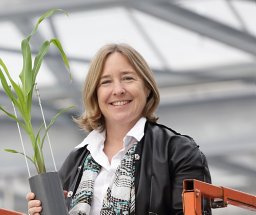 Michelle Watt合作论文数CSIRO Plant Industry6j bose合作论文数5
 Sigfredo Fuentes合作论文数5
 Yue Wu合作论文数Gansu Agr Univ, Coll Hort, Lanzhou 730070, Peoples R China5
 Roberta De Bei合作论文数Waite Research Institute, The University of Adelaide5
 Plett Darren合作论文数Australian Centre for Plant Functional Genomics, University of Adelaide5Lili Yu合作论文数5Nagarajan Yagnesh合作论文数5
 James Michael Whelan合作论文数College of Life Sciences, Zhejiang University5
 Tim Sutton合作论文数University of Reading, Cardiff University5
 Peter R. Ryan合作论文数CSIRO Plant Industry5
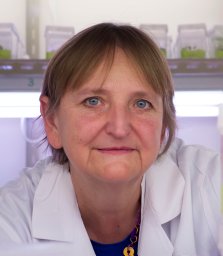 Amanda R. Walker合作论文数Department of Biochemistry;Faculty of Science;Australian National University;Faculty of Science, Australian National University5
 Oliver Berkowitz合作论文数Australian National University;School of Biological Sciences, Research;Research School of Biological Sciences, Australian National University5
 Bettina Berger合作论文数Botanisches Institut, Universität zu Köln5Jay Rongala合作论文数4Adriane Piechatzek合作论文数4
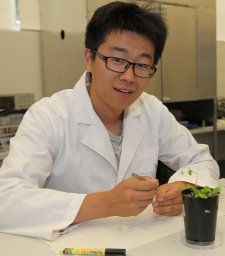 Chenchen Zhao合作论文数Tasmanian Inst Agr, Univ Tasmania4




