Cell-based phenotypic screening of natural product mixtures can reveal new biological and pharmacological principles but has been largely abandoned, partly because such mixtures can be difficult to deconvolute and often contain toxins that confound "down" assays. We reasoned that these concerns could be partly mitigated by screening prefractionated natural product mixtures in cell-based "up" assays. We tested 326,304 natural product mixtures (40,744 extracts and 285,560 fractions derived from them) in a high throughput screen using mammalian cells expressing an oncogenic version of β-catenin (β-cat) fused to a suicide protein. Multiple fractions degraded the β-cat fusion protein or drove it into a compartment where both fusion partners were apparently inactive. The active compound from one of the latter specifically activates novel, but not classical, protein kinase Cs (PKCs) and thereby relocates β-cat to juxtamembrane vacuolar structures. These findings suggest a path for inactivating oncogenic β-cat and underscore the power of natural product screening.
PURPOSE The AMPLIFY trial recently established fixed-duration acalabrutinib, venetoclax, and obinutuzumab (AVO) as a new standard-of-care option for patients with previously untreated chronic lymphocytic leukemia (CLL) with wild-type TP53 ; however, due to the chemoimmunotherapy control arm, AMPLIFY excluded patients with high-risk TP53 aberration, for whom current standards of care are continuous Bruton tyrosine kinase inhibitor therapy or alternatively fixed-duration venetoclax-based doublets. AVO has not previously been evaluated in patients with CLL with TP53 aberration. METHODS This investigator-sponsored, multicenter, phase II study enrolled patients with treatment-naïve CLL enriched for high-risk CLL, defined by TP53 aberration (ClinicalTrials.gov identifier: NCT03580928 ). Patients received acalabrutinib, obinutuzumab, and then venetoclax, with each treatment introduced sequentially and in combination, with the duration guided by measurable residual disease (MRD). Patients who achieved undetectable MRD (uMRD) after either 15 or 24 cycles could discontinue treatment. The primary end point was complete remission (CR) with bone marrow uMRD (BM-uMRD) at the start of cycle 16. RESULTS Seventy-two patients were accrued, including 45 patients with TP53 aberration. The CR with BM-uMRD rates at the start of cycle 16 were 42% in patients with TP53 aberration and 42% in all-comers, and the BM-uMRD rates were 71% and 78%, respectively. Hematologic toxicities were mainly low grade, and cardiovascular toxicities and bleeding complications were infrequent. After a median follow-up of 55.2 months, 10 patients had progressed, including four with transformation, and three patients died. Four-year progression-free survival and overall survival for patients with or without TP53 aberration were 70%/96% and 88%/100%, respectively. CONCLUSION AVO was highly active and well tolerated in patients with previously untreated high-risk CLL, supporting its use as a new standard-of-care treatment option.
Nuclear factor κB (NF-κB) plays roles in various diseases. Many inflammatory signals, such as circulating lipopolysaccharides (LPSs), activate NF-κB via specific receptors. Using whole-genome CRISPR-Cas9 screens of LPS-treated cells that express an NF-κB-driven suicide gene, we discovered that the LPS receptor Toll-like receptor 4 (TLR4) is specifically dependent on the oligosaccharyltransferase complex OST-A for N-glycosylation and cell-surface localization. The tool compound NGI-1 inhibits OST complexes in vivo, but the underlying molecular mechanism remained unknown. We did a CRISPR base-editor screen for NGI-1-resistant variants of STT3A, the catalytic subunit of OST-A. These variants, in conjunction with cryoelectron microscopy studies, revealed that NGI-1 binds the catalytic site of STT3A, where it traps a molecule of the donor substrate dolichyl-PP-GlcNAc2-Man9-Glc3, suggesting an uncompetitive inhibition mechanism. Our results provide a rationale for and an initial step toward the development of STT3A-specific inhibitors and illustrate the power of contemporaneous base-editor and structural studies to define drug mechanism of action.
PDF file - 243K, Tumorigenic growth of human pancreatic cancer cell lines treated with L-NAME
Abstract Mortality from pancreatic ductal adenocarcinoma cancer (PDAC) is among the highest of any cancer and frontline therapy has changed little in years. Activation of endothelial nitric oxide synthase (eNOS, NOS3, or NOS III) has been implicated recently in the pathogenesis of PDACs. In this study, we used genetically engineered mouse and human xenograft models to evaluate the consequences of targeting eNOS in PDACs. Genetic deficiency in eNOS limited the development of preinvasive pancreatic lesions and trended toward an extended lifespan in mice with advanced pancreatic cancer. These effects were also observed upon oral administration of the clinically evaluated NOS small molecule inhibitor NG-nitro-L-arginine methyl ester (l-NAME). Similarly, other transgenic models of oncogenic KRas–driven tumors responded to l-NAME treatment. Finally, these results were recapitulated in xenograft models of human pancreatic cancer, in which l-NAME was found to broadly inhibit tumorigenic growth. Taken together, our findings offer preclinical proof-of-principle to repurpose l-NAME for clinical investigations in treatment of PDACs and possibly other KRas-driven human cancers. Cancer Res; 72(17); 4472–82. ©2012 AACR.
Background While venetoclax (V) plus obinutuzumab (O) is a highly effective frontline CLL regimen, outcomes remain suboptimal for high-risk patients (pts). The efficacy of ibrutinib plus VO in such pts is encouraging, but cardiac and infectious toxicities (tox) are common. We hypothesized that a time-limited triplet with the more selective BTKi acalabrutinib (A) would be active and well-tolerated. We previously published results on an initial cohort unrestricted by genetic risk (Davids et al., 2021), and now report on a new cohort with enrollment restricted to high-risk pts, as well as longer follow-up on the initial cohort. Methods Treatment (tx)-naïve pts with CLL with any genetic risk profile were initially enrolled in this investigator-sponsored, phase 2 study (cohort 1), followed by a multi-center expansion restricted to previously untreated pts with TP53-aberrant CLL (cohort 2). A starts at 100 mg BID for 28 days, followed by 2 cycles of AO (O at standard dosing), and V starts on C4D1 at 20 mg, then 50 mg on C4D2, with weekly ramp-up thereafter to 400 mg QD (total 4 week V ramp-up). AVO continues C5-7 (6 total cycles of O), and AV continues C8-15. If the primary endpoint of undetectable bone marrow MRD (BM-uMRD) CR is reached at C16D1, pts can discontinue therapy (tx); all others continue AV through C24, with the option to discontinue if BM-uMRD at C25D1. Assessments: efficacy by 2018 iwCLL criteria, toxicities (tox) by CTCAE v5, MRD by central 8-color flow (10-4 sensitivity) and NGS clonoSEQ (up to 10-6 sensitivity, Adaptive). BH3 profiling work is ongoing, performed as previously described (Ryan J et al., 2016) on peripheral blood (PB) samples after 1 and 3 cycles. Association of BCL-2 dependence with clinical response was compared by an unpaired t-test. Results As of 13 July 2022, 68 pts were enrolled (cohort 1 all-comers: n=37, cohort 2 TP53-aberrant: n=31) in this ongoing study (NCT03580928), with median follow-up of 35 mos (range 2-45). In all 68 pts, median age 63 yrs (range 36-80); 25% ≥70 yrs; 66% male; 60% TP53-aberrant (del(17p) or mut); 24% complex karyotype (≥3 abnormalities); 74% unmutated IGHV. Of the 56 pts evaluable to date at C16D1, 43% (24/56) achieved the primary endpoint BM-uMRD CR. The best ORR is 98% (48% CR, 50% PR). At C16D1, MRD by flow: 86% PB-uMRD, 86% BM-uMRD (Fig 1A). In a subset of 49 pts with available samples, 59% were PB-uMRD by NGS at 10-5 sensitivity (at 10-6, 59% of pts had indeterminate results due to low cell counts). In the 29 pts with TP53-aberrant disease evaluable at C16D1, the best ORR is 100% (52% CR, 48% PR), and 45% (13/29) achieved BM-uMRD CR, MRD by flow: 86% PB-uMRD, 83% BM-uMRD (Fig 1A). There were no differences in response or MRD based on IGHV status. 79% (19/24) of pts in BM-uMRD CR electively discontinued tx after 15 cycles; median time off tx for these pts is 22.9 mos (range 1-30). 2 of the 19 pts who discontinued tx have had MRD only recurrence, and 1 had CLL disease progression; all 3 restarted tx with AV and achieved PR. 3 pts developed Richter's syndrome: 1 with DLBCL after 15 mos on study, and 2 with Hodgkin transformation (one 13 mos after completing study tx and one 12 mos into study tx; both achieved CR to Hodgkin-directed tx). 93% of all pts (63/68) remain progression-free. In all 68 pts, all-grade heme tox included: neutropenia (75%; 37% Gr3/4), thrombocytopenia (73%; 28% Gr3/4), anemia (49%, 3% Gr3). Non-heme tox: headache (78%, 1% Gr3), fatigue (76%, 1% Gr3), bruising (66%, all Gr1/2), nausea (49%, all Gr1/2), diarrhea (40%, 4% Gr3), infusion-related reaction (30%, 4% Gr3), hypertension (27%; 9% Gr3), increased ALT (27%, 1% Gr3), arthralgia (25%, all Gr1), and infection (6% Gr3; 1 case of Gr5 COVID-19 pneumonia). 2.9% (2/68) pts had afib. 14 pts (21%) required dose-reduction of either only A (4%), only V (9%), or both drugs (7%). BH3 profiling is ongoing, and initial data suggest that pts who later went on to achieve CR may have a greater increase in BCL-2 dependence at C4D1 than pts who achieved PR as best response (p=0.05, Fig 1B). Conclusion AVO is a highly active, well-tolerated triplet in a frontline CLL population enriched for high-risk disease, with 83% of TP53-aberrant pts achieving BM-uMRD after 15 mos of tx. Responses are durable, with 93% PFS in all pts at a median follow-up of nearly 3 yrs. Low rates of cardiac and infectious tox were observed. Our data support continued investigation of the MRD-guided, time-limited AVO triplet. Figure 1View largeDownload PPTFigure 1View largeDownload PPT Close modal
PURPOSE Germline missense variants of unknown significance in cancer-related genes are increasingly being identified with the expanding use of next-generation sequencing. The ataxia telangiectasia–mutated (ATM) gene on chromosome 11 has more than 1,000 germline missense variants of unknown significance and is a tumor suppressor. We aimed to determine if rare germline ATM variants are more frequent in chronic lymphocytic leukemia (CLL) compared with other hematologic malignancies and if they influence the clinical characteristics of CLL. METHODS We identified 3,128 patients (including 825 patients with CLL) in our hematologic malignancy clinic who had received clinical-grade sequencing of the entire coding region of ATM. We ascertained the comparative frequencies of germline ATM variants in categories of hematologic neoplasms, and, in patients with CLL, we determined whether these variants affected CLL-associated characteristics such as somatic 11q deletion. RESULTS Rare germline ATM variants are present in 24% of patients with CLL, significantly greater than that in patients with other lymphoid malignancies (16% prevalence), myeloid disease (15%), or no hematologic neoplasm (14%). Patients with CLL with germline ATM variants are younger at diagnosis and twice as likely to have 11q deletion. The ATM variant p.L2307F is present in 3% of patients with CLL, is associated with a three-fold increase in rates of somatic 11q deletion, and is a hypomorph in cell-based assays. CONCLUSION Germline ATM variants cluster within CLL and affect the phenotype of CLL that develops, implying that some of these variants (such as ATM p.L2307F) have functional significance and should not be ignored. Further studies are needed to determine whether these variants affect the response to therapy or account for some of the inherited risk of CLL.
Background The use of next-generation sequencing in the clinic has increasingly uncovered new variants of unknown significance (VUS), which are often ignored clinically. Ataxia telangiectasia mutated (ATM) is a tumor-suppressor gene that has a critical role in DNA double-strand break repair and has been implicated in the pathogenesis of CLL. In this study, we assessed rare germline ATM variants including VUS using a novel variant calling algorithm, evaluated their impact on the clinical characteristics of CLL and functionally assessed their effect on ATM kinase activity. Methods We evaluated the entire ATM coding region via germline whole exome sequencing from 885 CLL patients representing three different previously reported cohorts (327 DFCI; 276 German CLL Study Group, and 282 ICGC), along with a cohort of ancestry matched controls. We utilized DeepVariant (Poplin et al Nature Biotech 2018) to detect germline variants, followed by a standardized quality control workflow (AlDubayan et al JAMA 2020). All individuals harbored ATM germline variants. Variants were annotated using dbSNP, Clinvar and Varsome, and variants with GnomAD population allele frequency (AF) < 1% were defined as rare. For clinical characterization of CLL patients with rare germline ATM missense variants, we focused on the DFCI cohort. For functional analysis, we evaluated ATM kinase activity by ATM and KAP1 phosphorylation in response to 1 Gy gamma-irradiation using flow cytometry in primary CLL samples with/without rare germline ATM missense variants. We also generated CRISPR/Cas9 engineered cell lines to evaluate the function of ATM p.L2307F which was frequent in our CLL cohort and which we previously demonstrated as enriched in CLL, yet generally annotated as a VUS. Results We identified a total of 130 ATM germline variants among the CLL cases, including 87 missense, and 9 splice site alterations. 80 of 87 missense variants were rare and 59 were annotated as VUS. The top 5 most frequent rare germline missense variants with high odds ratio for association with CLL were ATM p.L2332P (AF cases vs controls, 0.328% vs 0.0188%, OR 17.46), p.L2307F (OR 16.88), p.F763L (OR 18.89), p.Y1442H (OR 35.39) and p.S99G (OR 16.28). In 63 DFCI patients with rare missense variants, the median age at diagnosis was 55 (31-82), 21.7% had a familial history of CLL and 29% had del(11q). Phosphorylation of ATM and KAP1 (pATM, pKAP1) in response to gamma-irradiation was reduced in 12 patients assessed (8 rare and 4 non-rare) with germline ATM variants (ATM variant alone group) compared to those without any somatic or germline ATM aberrancy (WT group) (P<0.01). Similar results were seen when the analysis was restricted to the 8 CLL patients with rare ATM variants. Phosphorylation levels were also significantly lower in 17 patients with rare germline ATM variants with concurrent del(11q) (del 11q + ATM variant group) compared to 13 of those with del(11q) alone (del 11q group) (P<0.01) (Figure 1). Altogether, these results suggest that germline ATM variants have a functional impact on DNA damage response in primary CLL cells. We previously identified the VUS variant ATM p.L2307F as particularly enriched among CLL patients (Tiao G et al., Leukemia. 2017). We therefore generated ATM L2307F knock-in NALM-6 cell lines via CRISPR/Cas9. We generated 7 cell lines including ATM wild type (+/+), ATM monoallelic mutated (+/L2307F), ATM monoallelic knocked out (+/-), ATM monoallelic mutated with knock out of the other allele (-/L2307F), and ATM biallelic knockout (-/-). The induction of both pATM and pKAP1 levels by gamma irradiation was reduced in proportion to ATM mutational status as shown in Figure 2. Conclusions We demonstrate that rare ATM germline variants are common in CLL and affect the DNA damage response in primary CLL cells when controlling for somatic 11q deletion. We further characterize the p.L2307F variant using CRISPR and demonstrate that this allele represents a functional hypomorph in cell-based assays. Further studies are needed to assess the impact of each individual rare germline variant on the function of ATM, CLL pathogenesis and the inherited risk of CLL. Figure 1View largeDownload PPTFigure 1View largeDownload PPT Close modal
Ibrutinib is a highly effective therapeutic agent with multiple hematologic indications, most notably chronic lymphocytic leukemia (CLL). It achieves therapeutic effects through irreversible inhibition of Bruton's tyrosine kinase (BTK). Many patients have achieved durable progression-free and overall survival since its regulatory approval. While ibrutinib carries a favorable toxicity profile compared with prior generations of therapy, cardiac toxicities have emerged as a major clinical consideration.
Improved biomarkers are needed to guide patient selection for autologous stem cell transplantation (ASCT) and post-ASCT maintenance therapies in relapsed/refractory classical Hodgkin lymphoma (cHL). To assess the prognostic value of minimal residual disease (MRD) using immunoglobulin-based high-throughput sequencing (Ig-HTS), we analyzed pre- and post-ASCT peripheral blood and pre-ASCT apheresis stem cell (ASC) samples in 36 cHL patients. A tumor clonotype was detected in only 12 patients (33%). Among these patients, MRD within plasma samples was closely associated with impending relapse. All patients (n = 3) with detectable MRD in any post-ASCT plasma sample relapsed (100% specificity), and MRD was not detected in any patients in remission. MRD testing from cellular specimens (peripheral blood mononuclear cell or ASC samples) was not associated with relapse. In this small cohort, plasma-based MRD testing appeared to be a promising biomarker in cHL, but given low clonotype detection rates with Ig-HTS, alternative MRD approaches should be investigated.
B cells express 4 phosphatidylinositol 3-kinase (PI3K) isoforms and have a dependence on p110δ for survival. The design of isoform-selective inhibitors is possible, and pharmacologic inhibition of p110δ is toxic to neoplastic chronic lymphocytic leukemia (CLL) cells for both cell-intrinsic and cell-extrinsic reasons. Idelalisib is a first-in-class p110δ inhibitor that exhibits efficacy for the treatment of relapsed CLL irrespective of adverse prognostic features. Duvelisib is a p110γ/δ inhibitor with a similar efficacy and safety profile to idelalisib. Recent data indicate that umbralisib, a p110δ/CK-1ε dual inhibitor, is safe and effective when administered to patients with CLL.
Background Both continuous therapy with acalabrutinib and fixed-duration therapy with venetoclax-obinutuzumab are effective for previously untreated chronic lymphocytic leukaemia. We hypothesised that frontline time-limited, minimal residual disease (MRD)-guided triplet therapy with acalabrutinib, venetoclax, and obinutuzumab would induce deep (ie, more patients with undetectable MRD) and durable remissions. Methods In this open-label, single-arm, investigator-sponsored, phase 2 study, patients with chronic lymphocytic leukaemia or small lymphocytic lymphoma were recruited from two academic hospitals in Boston, MA, USA. Eligible patients were aged 18 years or older, with an Eastern Cooperative Oncology Group performance status of 0-2, and were treatment naive. Patients were treated in 28 day cycles. Acalabrutinib monotherapy was given orally at 100 mg twice daily for cycle 1, then combined for six cycles with intravenous obinutuzumab (100 mg on cycle 2 day 1, 900 mg on day 2, 1000 mg on day 8, and 1000 mg on day 15 and on day 1 of cycles 3-7); and from the beginning of cycle 4, oral venetoclax was dosed daily using an accelerated ramp-up from 20 mg on day 1 to 400 mg by day 22 and continued at this dose thereafter. Patients continued on acalabrutinib 100 mg twice daily and venetoclax 400 mg once daily until day 1 of cycle 16 or day 1 of cycle 25. If the patient had undetectable MRD in the bone marrow they were given the option to discontinue therapy at the start of cycle 16 (if also in complete remission) or at the start of cycle 25 (if at least in partial remission). The primary endpoint was complete remission with undetectable MRD in the bone marrow (defined as <1 chronic lymphocytic leukaemia cell per 10 000 leucocytes as measured by four-colour flow cytometry), at cycle 16 day 1. Safety and activity endpoints were assessed in all patients who received at least one dose of any study drug. This study is registered with ClinicalTrials.gov, NCT03580928, and is ongoing. Findings Between Aug 2, 2018, and May 23, 2019, 37 patients with chronic lymphocytic leukaemia were enrolled and all received at least one dose of any study drug. The median age of patients was 63 years (IQR 57-70), and ten (27%) were female and 27 (73%) were male. Median follow-up was 27middot6 months (IQR 25middot1-28middot2). At cycle 16 day 1, 14 (38% [95% CI 22-55]) of 37 participants had a complete remission with undetectable MRD in the bone marrow. The most common grade 3 or 4 haematological adverse event was neutropenia (16 [43%] of 37 patients). The most common grade 3-4 non-haematological adverse events were hyperglycaemia (three [8%]) and hypophosphataemia (three [8%]). Serious adverse events occurred in nine (24%) patients; the most common was neutropenia in three (8%) patients. There have been no deaths on study. Interpretation Acalabrutinib, venetoclax, and obinutuzumab is a highly active and well tolerated frontline therapy for chronic lymphocytic leukaemia. Although the primary endpoint of this study was not met, the high proportion of patients who had undetectable MRD in the bone marrow supports further investigation of this regimen, which is being tested against acalabrutinib-venetoclax and chemo immuno therapy in an ongoing phase 3 study (NCT03836261). Funding AstraZeneca and a Dana-Farber Cancer Institute Collaborative Award. Copyright (c) 2021 Elsevier Ltd. All rights reserved.
Most intracellular proteins lack hydrophobic pockets suitable for altering their function with drug-like small molecules. Recent studies indicate that some undruggable proteins can be targeted by compounds that can degrade them. For example, thalidomide-like drugs (IMiDs) degrade the critical multiple myeloma transcription factors IKZF1 and IKZF3 by recruiting them to the cereblon E3 ubiquitin ligase. Current loss of signal ("down") assays for identifying degraders often exhibit poor signal-to-noise ratios, narrow dynamic ranges, and false positives from compounds that nonspecifically suppress transcription or translation. Here, we describe a gain of signal ("up") assay for degraders. In arrayed chemical screens, we identified novel IMiD-like IKZF1 degraders and Spautin-1, which, unlike the IMiDs, degrades IKZF1 in a cereblon-independent manner. In a pooled CRISPR-Cas9-based screen, we found that CDK2 regulates the abundance of the ASCL1 oncogenic transcription factor. This methodology should facilitate the identification of drugs that directly or indirectly degrade undruggable proteins.
Background Despite active frontline regimens including venetoclax (V) plus obinutuzumab (O) and continuous BTK inhibitors (BTKi), the outcomes for some CLL patients (pts) remain suboptimal. The ibrutinib (I) plus V doublet and IVO triplet are active (Jain et al., NEJM, 2019, Huber et al., EHA, 2020), but are associated with cardiac and infectious toxicities. We hypothesized that a time-limited triplet with a more specific BTKi acalabrutinib (A) with V and O (AVO) would be well-tolerated and active. We report updated data from a phase 2 trial of AVO in previously untreated CLL pts enriched for high risk disease. Methods This ongoing phase 2 investigator-initiated study (NCT03580928) initially enrolled unselected pts with previously untreated CLL. A recent protocol amendment restricted additional enrollment to pts with TP53 aberrant CLL. Additional eligibility: treatment required per iwCLL criteria, ECOG PS ≤ 2, CrCl ≥50ml/min, ANC ≥500/mm3, and platelets ≥30,000/mm3. A, V, and O are started sequentially, with a 28-day lead-in with A at 100 mg bid, then 2 cycles of AO (with O at standard dosing), then AO plus a 4-week V ramp-up beginning C4D1 with 20 mg, then 50 mg on C4D2, then weekly ramp-up to 400 mg qd. After 3 more AVO cycles (6 total cycles of O), AV continues from C8-C15; pts with bone marrow undetectable MRD (BM-uMRD) CR after C15 may discontinue therapy, while all others continue AV until completing C24, with the option to discontinue if BM-uMRD then. Response by 2018 iwCLL criteria, with central MRD testing by 8-color flow cytometry in peripheral blood (PB) and BM at 10-4. Primary endpoint: rate of BM-uMRD CR at C16D1. Non-heme AEs by CTCAE v5.0, and heme toxicity by iwCLL criteria. Results As of July 24, 2020, 44 pts were accrued. Median age: 63 yrs (range: 41-78), 68% male. Baseline prognostics: TP53 aberrant (either del(17p) and/or TP53 mutation) in 17 (39%) pts, del(11q) in 12 (27%) pts, complex karyotype (3 or more changes) in 9 (20%) pts, unmutated IGHV in 29 (66%) pts. With a median follow-up of 19 mo. (range 6-26), 43 pts remain on study (1 withdrew consent after 6 mo. due to GI symptoms). Of 36 pts with at least 16 mo. of follow-up, the overall response rate is 100% (43% CR/CRi, 57% PR [in most cases due to small residual lymph nodes]), with 31% BM-uMRD CR at C16 (primary endpoint). By ITT at C16, 84% PB-uMRD and 78% BM-uMRD. In the 10 pts with TP53-aberrant disease who have reached C16 to date, 4 had CR and 6 had PR, with 9/10 pts PB-uMRD and 7/10 pts BM-uMRD. Response and uMRD did not differ based on IGHV status. Eleven pts in BM-uMRD CR discontinued therapy as allowed per protocol after 15 cycles. Median time off therapy for these pts is 4 mos (range: 1-10). No pts have progressed to date. The most frequent non-heme AEs have been headache (80%, 61% gr1, 16% gr2, 2% gr3), fatigue (77%, 75% gr 1+2, 2% gr3), bruising (57%, 55% gr1, 2% gr2), nausea (45%, all gr 1/2), hypocalcemia (34%, 32% gr 1+2, 2% gr3), rash 32% (30% gr1, 2% gr2), and diarrhea (27%, 18% gr1, 9% gr2). Gr 3/4 heme toxicities: neutropenia (34%), thrombocytopenia (23%), and anemia (4.5%). G-CSF was used in 5 pts (11%). Infusion-related reactions occurred in 11 pts (25%, 23% gr1+2, 2% gr3). One case of gr3 afib (2%) and no cases of major bleeding or febrile neutropenia were observed. 6 pts required dose reductions, including 4 who reduced both A and V, and 1 pt each who reduced A or V alone. SAEs: gr4 neutropenia (n=4), and 1 pt each with gr3 lung infection, cardiac troponin increase, thrombocytopenia, and hyperkalemia. Gr≥3 infection occurred in 1 pt (2.3%). Transient lab TLS occurred in 2 pts (4.5%), both gr3 just after starting O (prior to any V). 41/44 pts (93%) were medium or high risk for TLS at baseline, but only 3 pts (7%) were medium risk at V initiation on C4D1. Five low or medium risk pts were admitted at investigator discretion for V initiation. Conclusion The AVO triplet is highly active, with 78% achieving BM-uMRD after 15 months of time-limited therapy in a frontline CLL population that included nearly 40% pts with TP53 aberrant disease. No pts have progressed, with a median of 19 months follow-up. The safety profile is favorable, with a 2% rate of ≥Gr3 infection and afib, and no TLS due to V, which was given with a more convenient 4-week ramp-up. AVO is now being studied in a registrational phase 3 trial CL-311 (NCT03836261) with the potential to define a new standard frontline therapy option for CLL pts. Disclosures Davids: TG Therapeutics: Consultancy, Research Funding; Verastem: Consultancy, Research Funding; Sunesis: Consultancy; Research to Practice: Honoraria; Janssen: Consultancy; Merck: Consultancy; Surface Oncology: Research Funding; AbbVie: Consultancy; Celgene: Consultancy; MEI Pharma: Consultancy, Research Funding; Zentalis: Consultancy; Gilead Sciences: Consultancy; Novartis: Consultancy, Research Funding; BeiGene: Consultancy; AstraZeneca: Consultancy, Research Funding; Ascentage Pharma: Consultancy, Research Funding; Adaptive Biotechnologies: Consultancy; Eli Lilly: Consultancy; Genentech: Consultancy, Research Funding; Pharmacyclics: Consultancy, Research Funding; Syros Pharmaceuticals: Consultancy; Bristol Myers Squibb: Research Funding. Crombie:Bayer: Research Funding; Abbvie: Research Funding. Montegaard:AstraZeneca: Membership on an entity's Board of Directors or advisory committees; Pharmacyclics: Membership on an entity's Board of Directors or advisory committees; Janssen: Membership on an entity's Board of Directors or advisory committees, Other: KOL lecture seires guest lecturer. LaCasce:Research to Practice: Speakers Bureau; BMS: Consultancy; UptoDate: Patents & Royalties. Armand:Adaptive: Consultancy, Research Funding; ADC Therapeutics: Consultancy; Merck: Consultancy, Honoraria, Research Funding; Affimed: Consultancy, Research Funding; Bristol-Myers Squibb: Consultancy, Honoraria, Research Funding; Celgene: Consultancy; Genentech: Research Funding; IGM: Research Funding; Infinity: Consultancy; Otsuka: Research Funding; Pfizer: Consultancy; Roche: Research Funding; Sigma Tau: Research Funding; Tensha: Research Funding. Arnason:Regeneron: Consultancy; Juno: Consultancy. Fisher:Kyowa Kirin: Membership on an entity's Board of Directors or advisory committees. Brown:BeiGene: Consultancy; Catapult: Consultancy; Dynamo Therapeutics: Consultancy; Eli Lilly and Company: Consultancy; Juno/Celgene: Consultancy; Kite: Consultancy; MEI Pharma: Consultancy; Nextcea: Consultancy; Novartis: Consultancy; Octapharma: Consultancy; Pfizer: Consultancy; Rigel Pharmaceuticals: Consultancy; Sunesis: Consultancy; TG Therapeutics: Consultancy; Verastem: Consultancy, Research Funding; Loxo: Consultancy, Research Funding; Sun: Research Funding; Acerta: Consultancy; Genentech: Consultancy; Pharmacyclics: Consultancy; Morphosys: Consultancy, Membership on an entity's Board of Directors or advisory committees, Other; Gilead: Consultancy, Research Funding; Invectys: Membership on an entity's Board of Directors or advisory committees, Other: DSMC; Astra-Zeneca: Consultancy; Janssen: Honoraria; AbbVie: Consultancy. OffLabel Disclosure: Although acalabrutinib, venetoclax, and obinutuzumab are each approved for frontline CLL, the AVO combination is not approved and therefore considered off-label.
Background: While most patients (pts) with follicular lymphoma (FL) have excellent outcomes with frontline chemoimmunotherapy (CIT), a subset of pts will experience early progression, which is associated with inferior survival. Earlier identification of high-risk FL pts could allow for intervention with novel treatments to forestall early progression. Current prognostic tools are imperfect, particularly for pts receiving bendamustine-based regimens, and novel biomarkers are needed. In Hodgkin lymphoma, interim positron emission tomography (iPET) evaluated based on Deauville score (DS) is highly prognostic and is used to guide response-adapted therapy. The prognostic value of iPET using DS has not yet been assessed in a large population of FL pts receiving frontline CIT. We hypothesized that iPET would predict progression-free survival (PFS) in this population which could support PET-guided treatment approaches. Methods: We retrospectively identified pts with a diagnosis of FL (grade 1-3B) who initiated frontline CIT at Dana-Farber Cancer Institute from 1/2005-3/2019 and underwent an iPET after 2-4 cycles of CIT. Pts who received radiation (XRT) prior to CIT were included. Baseline, interim, and (when available) end-of-treatment (EOT) PET scans were reviewed by a nuclear medicine radiologist in a blinded fashion and assigned a DS of 1-5. Results: 118 pts were identified. The median age was 55 (range 26-82). 73 pts (62%) had grade 1-2 FL, 17 pts (14%) grade 3A, 15 pts (13%) grade 3B, 12 pts (10%) grade 3 NOS, and 1 pt (1%) grade not reported. FLIPI score was low for 32%, intermediate for 42% and high for 26%. In total, 5 pts (4%) received XRT before CIT. The most common CIT regimens were RCHOP (54%) and BR (42%) (Table 1). 107 pts (91%) received 6 cycles of CIT and 4 pts (3%) received 8 cycles, while 7 pts (6%) discontinued CIT after 4-5 cycles due to cytopenias (4), heart failure (1), infection (1), or pt decision (1). 88% of iPETs were performed after 3 cycles. iPET DS was 1 for 18%, 2 for 57%, 3 for 13%, 4 for 9%, and 5 for 3%. EOT PET was available for review for 112 pts (95%) and demonstrated DS of 1 for 32%, 2 for 56%, 3 for 3%, 4 for 4%, and 5 for 5%. After CIT, 29 pts (25%) received a median of 9 doses (range 1-13) of rituximab maintenance (RM) and 2 pts (2%) received consolidative XRT. With a median follow-up of 54 months (range 5-186), the 4-year (yr) PFS and overall survival (OS) for the entire cohort were 69% (95% CI 58-77%) and 94% (95% CI 87-98%), respectively. iPET was a significant predictor of PFS (p=0.0011 for 5 categories). Compared to pts with an iPET DS of 1-2, pts with a DS of 3 (HR 3.0, p=0.006) or a DS of 4-5 (HR 3.4, p=0.004) had inferior PFS (Figure 1) and were grouped together in a +iPET group (n=30) for all analyses. The 4-yr PFS for DS 1-2 and DS 3-5 pts were 77% and 46%, respectively (HR 3.2, p<0.001). iPET had similar prognostic value among pts receiving BR (HR 3.3 p=0.033) or RCHOP (HR 3.6, p=0.005) and retained significance when pts with grade 3B FL were excluded (HR 2.6, p=0.007). iPET was not predictive of OS (HR 1.6, p=0.48). EOT PET was also a significant predictor of PFS (p<0.0001 for 5 categories). 3 pts with a DS of 3 on EOT PET had favorable outcomes and were grouped with DS 1-2 pts. A positive EOT PET (defined as DS 4-5) was observed more frequently among pts with an iPET DS of 3-5 (9/29 pts; 31%) compared to an iPET DS of 1-2 (1/83 pts; 1%) (p<0.001). To determine if iPET provides additional prognostic information beyond EOT PET, we sorted pts into 4 groups based on iPET/EOT PET status (i.e. -/-, +/-, -/+, and +/+). Compared to -/- pts, +/- pts (HR 2.4, p=0.039), -/+ pts (HR 3.6, p=0.045) and +/+ pts (HR 9.1, p=<0.001) all had inferior PFS (Figure 2). A multivariable analysis confirmed that iPET (HR 2.9, p=0.017), EOT PET (HR 7.6, P<0.001), high FLIPI (HR 2.5, p=0.011), and RM (HR 0.3, p=0.015) were significant predictors of PFS, while CIT regimen (p=0.94) and grade (p=0.21) were not. Conclusions: Our study suggests that iPET may be a useful prognostic marker in FL. Additionally, iPET interpretation may be different in FL compared to other lymphomas. In this cohort, pts with a DS of 3 on iPET had inferior PFS with outcomes similar to those of pts with a DS of 4-5. A DS of 3-5 on iPET appears to predict earlier progression independent of EOT PET while providing response-driven prognostic information earlier in a patient's treatment course. If validated, these results suggest that iPET could be investigated as a tool for response-adapted treatment strategies in FL. Disclosures Salles: BMS/Celgene: Honoraria, Other: consultancy or advisory role; Kite, a Gilead Company: Honoraria, Other: consultancy or advisory role ; Epizyme: Honoraria, Other: consultancy or advisory role; Janssen: Honoraria, Other: consultancy or advisory role; MorphoSys: Honoraria, Other: consultancy or advisory role; Novartis: Honoraria, Other: consultancy or advisory role; Roche: Honoraria, Other: consultancy or advisory role; Abbvie: Other: consultancy or advisory role; Autolos: Other: consultancy or advisory role; Debiopharm: Consultancy, Honoraria, Other: consultancy or advisory role; Genmab: Honoraria, Other; Karyopharm: Honoraria; Takeda: Honoraria. Zelenetz:MEI Pharma: Research Funding; Celgene: Research Funding; Sandoz: Research Funding; Novartis: Consultancy; Gilead: Research Funding; Celgene: Consultancy; BeiGene: Membership on an entity's Board of Directors or advisory committees; Adaptive Biotechnology: Consultancy; MorphoSys: Research Funding; Gilead: Consultancy; Genentech/Roche: Consultancy; Amgen: Consultancy; Janssen: Consultancy; Roche: Research Funding. Brown:Janssen, Teva: Speakers Bureau; Gilead, Loxo, Sun, Verastem: Research Funding; Abbvie, Acerta, AstraZeneca, Beigene, Invectys, Juno/Celgene, Kite, Morphosys, Novartis, Octapharma, Pharmacyclics, Sunesis, TG Therapeutics, Verastem: Consultancy. Crombie:AbbVie: Research Funding; Bayer: Research Funding. Davids:Ascentage Pharma: Consultancy, Research Funding; AstraZeneca: Consultancy, Research Funding; BeiGene: Consultancy; Celgene: Consultancy; Eli Lilly: Consultancy; AbbVie: Consultancy; Adaptive Biotechnologies: Consultancy; Genentech: Consultancy, Research Funding; Janssen: Consultancy; Bristol Myers Squibb: Research Funding; Merck: Consultancy; Research to Practice: Honoraria; Syros Pharmaceuticals: Consultancy; Zentalis: Consultancy; Sunesis: Consultancy; Gilead Sciences: Consultancy; Novartis: Consultancy, Research Funding; MEI Pharma: Consultancy, Research Funding; Surface Oncology: Research Funding; Pharmacyclics: Consultancy, Research Funding; TG Therapeutics: Consultancy, Research Funding; Verastem: Consultancy, Research Funding. Fisher:Kyowa Kirin: Membership on an entity's Board of Directors or advisory committees. Jacobsen:Merck: Consultancy; Acerta: Consultancy; Astra-Zeneca: Consultancy; Pharmacyclics: Research Funding; F. Hoffmann-LaRoche: Research Funding; Novartis: Research Funding; Takeda: Honoraria. LaCasce:BMS: Consultancy; Research to Practice: Speakers Bureau; UptoDate: Patents & Royalties. Armand:Sigma Tau: Research Funding; Tensha: Research Funding; Pfizer: Consultancy; Affimed: Consultancy, Research Funding; IGM: Research Funding; Adaptive: Consultancy, Research Funding; Celgene: Consultancy; Merck & Co., Inc.: Consultancy, Honoraria, Research Funding; Otsuka: Research Funding; Bristol-Myers Squibb: Consultancy, Honoraria, Research Funding; Roche: Research Funding; Infinity: Consultancy; ADC Therapeutics: Consultancy; Genentech: Research Funding.
Background: While autologous stem cell transplantation (ASCT) can be curative for patients (pts) with relapsed or refractory diffuse large B-cell lymphoma (DLBCL), relapse remains common. With the emergence of novel effective therapies, it is even more important to identify pts at high risk of treatment failure who may not benefit from ASCT, and pts with impending post-ASCT relapse who may be candidates for pre-emptive interventions. We assembled cohorts of DLBCL pts who underwent ASCT and had apheresis stem cell (ASC) samples or serially collected post-ASCT peripheral blood mononuclear cell (PBMC) and plasma samples. We hypothesized that circulating tumor DNA (ctDNA) identified using immunoglobulin-based next generation sequencing (IgNGS) in ASC or PB samples could predict relapse. Methods: Samples from 3 cohorts were analyzed. Pts in cohort 1 (C1) underwent ASCT at Dana-Farber Cancer Institute (DFCI) from 2003-2013 (Herrera, ASH 2015). Archival tumor tissue and ASC samples were retrospectively collected for analysis. Pts in cohort 2 (C2) were prospectively enrolled on a banking protocol at DFCI and underwent ASCT from 2014-2016. Pts in cohort 3 (C3) underwent ASCT from 2015-2016 and participated in a multicenter phase II trial of post-ASCT pembrolizumab maintenance (PM) (Frigault, Blood Adv 2020). Pts in C2/C3 had tumor tissue and serially collected post-ASCT PBMC and plasma samples as mandated by protocol, and a subset had available pre-ASCT PB or ASC samples. Because PM did not demonstrate a clear benefit in the trial, all cohorts were analyzed together. IgNGS (Adaptive Biotechnologies; Seattle, WA) was performed, as previously described (Armand, BJH 2013). In all cases, ctDNA testing was not performed in real-time or used to drive clinical decisions. Results: 152 pts were enrolled. Among 141 pts with sufficient DNA for testing, a clonotype was identified in 112 (78%) with a higher detection rate in more recent cohorts - C2 (93%) and C3 (90%) vs C1 (67%). Among 97 pts with an available ASC sample, 23 (24%) were ctDNA-positive (pos). With a median follow-up among survivors of 69 months (m) (range 13-185), the 5-year (y) progression-free survival (PFS) for ASC ctDNA-pos and ASC ctDNA-negative (neg) pts were 13% (95% CI 3-30%) and 52% (95% CI 40-63%), respectively (HR 2.8, p<0.001), while the 5y cumulative incidences of relapse were 83% (95% CI 66-99%) and 39% (95% CI 27-50%), respectively (HR 3.1, p<0.001). The sensitivity and specificity of ASC ctDNA for progression or death were 36% and 95%, respectively. ASC ctDNA (HR 2.5, p=0.002) was the only significant predictor of PFS in a multivariable model that included pre-ASCT positron emission tomography (PET), lines of therapy, age, and primary refractory status. Inferior overall survival was observed for ASC ctDNA-pos pts (HR 2.1 p=0.037). In an exploratory analysis, we examined 14 pts with an available pre-ASCT plasma sample. 2/14 were ctDNA-pos (14%) and both pts relapsed (HR for PFS 9.4, p=0.03). Among 13 pts with both pre-ASCT PB and ASC samples (drawn a median of 19 days apart [range 11-47]), results were concordant in 12/13 pts (92%). 56 pts had a median of 3 (range 1-8) post-ASCT plasma samples available for analysis. Within this cohort, 25 pts relapsed and 2 pts died in remission. 21 pts (38%) had detectable ctDNA in a median of 2 post-ASCT samples (range 1-5); among them, 18 (86%) relapsed with a median lead time from first ctDNA detection to relapse of 52 days (range 0-518). Among the 3 ctDNA-pos pts who did not relapse, 2 had detectable ctDNA at a single time point and subsequently became ctDNA-neg, and 1 developed acute myeloid leukemia and underwent allogeneic transplantation. Among 20 pts who relapsed and had ≥1 plasma sample available within 100 days of relapse, 18 (90%) had detectable ctDNA. PBMC testing had inferior performance characteristics (Table). Conclusions: Identification of ctDNA using IgNGS within an ASC sample is a powerful predictor of post-ASCT relapse and provides (at least in this cohort) a better way to predict relapse than pre-ASCT PET. Detection of ctDNA in pre-ASCT plasma also appears to be predictive of relapse. In ctDNA-pos pts, given the dismal PFS, strong consideration could be given to alternative treatment strategies, e.g. CAR-T cell therapy. Furthermore, detection of ctDNA in post-ASCT plasma samples is closely associated with impending relapse, which provides an attractive platform for pre-emptive therapeutic intervention. Figure Disclosures Brown: Dynamo Therapeutics: Consultancy; Morphosys: Consultancy, Membership on an entity's Board of Directors or advisory committees, Other; Octapharma: Consultancy; Pfizer: Consultancy; Acerta: Consultancy; Sun: Research Funding; Genentech: Consultancy; Rigel Pharmaceuticals: Consultancy; Eli Lilly and Company: Consultancy; Juno/Celgene: Consultancy; Invectys: Membership on an entity's Board of Directors or advisory committees, Other: DSMC; Gilead: Consultancy, Research Funding; Astra-Zeneca: Consultancy; Janssen: Honoraria; Sunesis: Consultancy; Novartis: Consultancy; Loxo: Consultancy, Research Funding; Nextcea: Consultancy; MEI Pharma: Consultancy; Kite: Consultancy; Pharmacyclics: Consultancy; AbbVie: Consultancy; Catapult: Consultancy; BeiGene: Consultancy; Verastem: Consultancy, Research Funding; TG Therapeutics: Consultancy. Crombie:AbbVie: Research Funding; Bayer: Research Funding. Davids:Gilead Sciences: Consultancy; Zentalis: Consultancy; Sunesis: Consultancy; Syros Pharmaceuticals: Consultancy; Research to Practice: Honoraria; Merck: Consultancy; Bristol Myers Squibb: Research Funding; Janssen: Consultancy; Genentech: Consultancy, Research Funding; Eli Lilly: Consultancy; Celgene: Consultancy; AstraZeneca: Consultancy, Research Funding; BeiGene: Consultancy; Ascentage Pharma: Consultancy, Research Funding; Adaptive Biotechnologies: Consultancy; AbbVie: Consultancy; Novartis: Consultancy, Research Funding; Verastem: Consultancy, Research Funding; MEI Pharma: Consultancy, Research Funding; Surface Oncology: Research Funding; Pharmacyclics: Consultancy, Research Funding; TG Therapeutics: Consultancy, Research Funding. Fisher:Kyowa Kirin: Membership on an entity's Board of Directors or advisory committees. Jacobsen:Merck, Pharmacyclics, F. Hoffmann-LaRoche, Novartis: Research Funding; Takeda: Honoraria; Acerta, AstraZeneca, Merck: Consultancy. LaCasce:BMS: Consultancy; Research to Practice: Speakers Bureau; UptoDate: Patents & Royalties. Dahi:Kite: Consultancy. Nieto:Secura Bio: Other: Grant Support; Novartis: Other: Grant Support; Affimed: Consultancy, Other: Grant Support; Astra Zeneca: Other: Grant Support. Chen:Incyte Corporation: Consultancy; Takeda: Consultancy; Magenta: Consultancy; Kiadis: Consultancy; Actinium: Other: Data and Safety Monitoring Board Member; Equillium: Other: Data and Safety Monitoring Board Member; AbbVie: Other: Data and Safety Monitoring Board Member. Herrera:Pharmacyclics: Research Funding; Bristol Myers Squibb: Consultancy, Other: Travel, Accomodations, Expenses, Research Funding; Karyopharm: Consultancy; Merck: Consultancy, Research Funding; Genentech, Inc./F. Hoffmann-La Roche Ltd: Consultancy, Research Funding; Gilead Sciences: Consultancy, Research Funding; Seattle Genetics: Consultancy, Research Funding; Immune Design: Research Funding; AstraZeneca: Research Funding. Armand:IGM: Research Funding; Bristol-Myers Squibb: Consultancy, Honoraria, Research Funding; Affimed: Consultancy, Research Funding; ADC Therapeutics: Consultancy; Celgene: Consultancy; Pfizer: Consultancy; Infinity: Consultancy; Otsuka: Research Funding; Genentech: Research Funding; Roche: Research Funding; Tensha: Research Funding; Merck: Consultancy, Honoraria, Research Funding; Adaptive: Consultancy, Research Funding; Sigma Tau: Research Funding.
Despite the propensity for gastric and esophageal adenocarcinomas to select for recurrent missense mutations in TP53, the precise functional consequence of these mutations remains unclear. Here we report that endogenous mRNA and protein levels of mutant p53 were elevated in cell lines and patients with gastric and esophageal cancer. Functional studies showed that mutant p53 was sufficient, but not necessary, for enhancing primary tumor growth in vivo. Unbiased genome-wide transcriptome analysis revealed that hypoxia signaling was induced by mutant p53 in 2 gastric cancer cell lines. Using real-time in vivo imaging, we confirmed that hypoxia reporter activity was elevated during the initiation of mutant p53 gastric cancer xenografts. Unlike HIF co-factor ARNT, HIF1α was required for primary tumor growth in mutant p53 gastric cancer. These findings elucidate the contribution of missense p53 mutations in gastroesophageal malignancy and indicate that hypoxia signaling rather than mutant p53 itself may serve as a therapeutic vulnerability in these deadly set of cancers.
 Jennifer R. Brown合作论文数CLL Center, Division of Hematologic Malignancies, Dana-Farber Cancer Institute;Harvard Medical School22
 Christopher M. Counter合作论文数Department of Pharmacology & Cancer Biology, School of Medicine, Duke University;Department of Radiation Oncology, School of Medicine, Duke University;Duke Cancer Institute, Duke University12
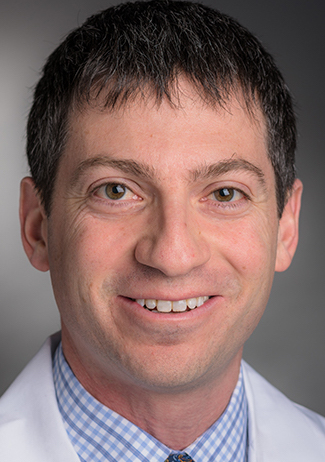 Matthew S. Davids合作论文数Division of Lymphoma, Dana-Farber Cancer Institute;Harvard Medical School;Brigham and Women's Hospital12
 Caron A. Jacobson合作论文数Dana-Farber Cancer Institute;Harvard Medical School10
 Philippe Armand合作论文数Dana-Farber Cancer Institute10
 David C Fisher合作论文数10
 Fernandes Stacey M合作论文数9
 Austin I Kim合作论文数8
 Ann S. Lacasce合作论文数Department of Medical Oncology, Dana-Farber Cancer Institute;Harvard Medical School8Crombie Jennifer合作论文数8
 Diana Cardona合作论文数Department of Pathology, Duke University School of Medicine7Barrientos Katharine S合作论文数7
 Jon E. Arnason合作论文数Beth Israel Deaconess Medical Center, Harvard University7
 Svitlana Tyekucheva合作论文数Harvard T.H. Chan School of Public Health, Harvard University7Michael J. Shealy合作论文数6
 Meghan Morrison Joly合作论文数6
 Matt Crowe合作论文数6
 David F. Kashatus合作论文数Department of Radiation Oncology, Duke University Medical Center6Samuel Yao-Ming Ng合作论文数6Susan B. Gurley合作论文数6Brooke B. Ancrile合作论文数6
 Eric D. Jacobsen合作论文数Division of Hematologic Malignancies, Dana-Farber Cancer Institute;Histiocyte Disorders Center, Dana-Farber Cancer Institute;Harvard Medical School6
 Rebekah R. White合作论文数Gastrointestinal Cancer Unit, Health's Moores Cancer Center, University of California San Diego6S. Disean Kendall合作论文数6Josie Montegaard合作论文数5Victoria Patterson合作论文数5
 Arnold S. Freedman合作论文数Harvard Medical School;Department of Medical Oncology, Dana-Farber Cancer Institute;Brigham and Women's Hospital4Merryman Reid合作论文数4Weinstock Matthew合作论文数4
 William Kaelin合作论文数Division of Medical Sciences, Harvard Medical School;Dana Farber Cancer Institute4
 Robin Marie Joyce合作论文数Department of Medicine, Harvard Medical School;Department of Medicine, Beth Israel Deaconess Medical Center4Jessica Lowney合作论文数3Samantha Pazienza合作论文数3Samantha Shupe合作论文数3Erin Jeter合作论文数3Eleanor Taranto合作论文数3
 Joshua Fein合作论文数Tel Aviv Univ, Sackler Sch Med, Tel Aviv, Israel3David MacAlpine合作论文数Department of Pharmacology and Cancer Biology, Duke University School of Medicine3Pershing Nicole L K合作论文数3
 Siddha Kasar合作论文数Dana-Farber Cancer Institute3
 Tiago R. Matos合作论文数3Odejide Oreofe O合作论文数3Robert Redd合作论文数Dana-Farber Cancer Institute3
 Jerome Ritz合作论文数Connell and O'Reilly Families Cell Manipulation Core Facility, Dana-Farber Cancer Institute;Harvard Medical School3
 Haesook T. Kim合作论文数Department of Data Science, Dana-Farber Cancer Institute;Harvard School of Public Health;Department of Biostatistics and Computational Biology, Dana-Farber Cancer Institute3
 Alexander Vartanov合作论文数2Conner J. Shaughnessy合作论文数2Vidyasagar Koduri合作论文数2Anna Petrackova合作论文数2




