Genetic interactions have been reported to underlie phenotypes in a variety of systems, but the extent to which they contribute to complex disease in humans remains unclear. In principle, genome-wide association studies (GWAS) provide a platform for detecting genetic interactions, but existing methods for identifying them from GWAS data tend to focus on testing individual locus pairs, which undermines statistical power. Importantly, a global genetic network mapped for a model eukaryotic organism revealed that genetic interactions often connect genes between compensatory functional modules in a highly coherent manner. Taking advantage of this expected structure, we developed a computational approach called BridGE that identifies pathways connected by genetic interactions from GWAS data. Applying BridGE broadly, we discover significant interactions in Parkinson’s disease, schizophrenia, hypertension, prostate cancer, breast cancer, and type 2 diabetes. Our novel approach provides a general framework for mapping complex genetic networks underlying human disease from genome-wide genotype data.
Genetic interaction measures how different genes collectively contribute to a phenotype, and can reveal functional compensation and buffering between pathways under genetic perturbations. Recently, genome-wide screening for genetic interactions has revealed genetic interaction networks that provide novel insights either when analyzed by themselves or when integrated with other functional genomic datasets. For higher eukaryotes such as human, the above reverse-genetics approaches are not straightforward since the phenotypes of interest for higher eukaryotes are difficult to study in a cell based assay. We propose a general framework for constructing and analyzing human genetic interaction networks from genome-wide single nucleotide polymorphism (SNP) data used for case-control studies on complex diseases. Specifically, the approach contains three major steps: (1) estimating SNP-SNP genetic interactions, (2) identifying linkage disequilibrium (LD) blocks and mapping SNP-SNP interactions to block-block interactions, and (3) functional mapping for LD blocks. We performed two sets of functional analyses for each of the six datasets used in the paper, and demonstrated that (i) the constructed genetic interaction networks are supported by functional evidence from independent biological databases, and (ii) the network can be used to discover pairs of compensatory gene modules (between-pathway models) in their joint association with a disease phenotype. The proposed framework should provide novel insights beyond existing approaches that either ignore interactions between SNPs or model different SNP-SNP pairs with genetic interactions separately. Furthermore, our study provides evidence that some of the core properties of genetic interaction networks based on reverse genetics in model organisms like yeast are also present in genetic interactions revealed by natural variation in human populations.
 Brian Van Ness合作论文数2
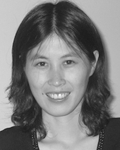 Wen Wang合作论文数2
 Gang Fang合作论文数2
 Vipin Kumar合作论文数Department of Computer Science and Engineering, College of Science and Engineering, University of Minnesota2
 Michael Steinbach合作论文数Department of Computer Science and Engineering, University of Minnesota2
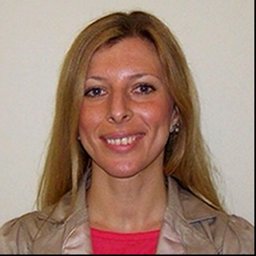 Vanja Paunic合作论文数Department of Computer Science, University of Minnesota2
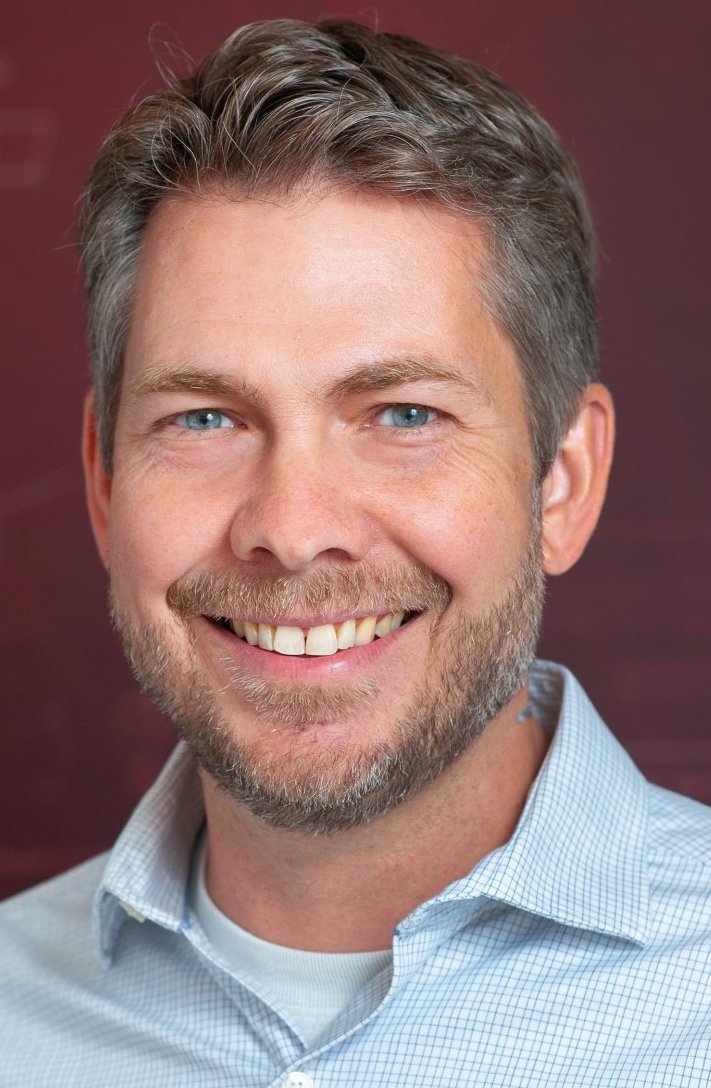 Chad L. Myers合作论文数Department of Computer Science and Engineering, College of Science and Engineering, University of Minnesota2
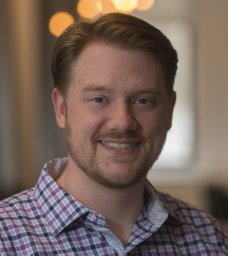 Benjamin VanderSluis合作论文数Dept Comp Sci & Engn, Univ Minnesota Twin Cities1
 Liu Xiaotong合作论文数Department of Plant and Microbial Biology, University of Minnesota1
 Eric Schadt合作论文数Icahn School of Medicine at Mount Sinai;Pathos;Sage Bionetworks1
 Majda Haznadar合作论文数Cancer Center;University of Minnesota;Cancer Research and Biostatistics;Dana Farber Cancer Institute1
 Hamed Heydari合作论文数1
 Nathan Pankratz合作论文数1Michael Costanzo合作论文数The Donnelly Centre, University of Toronto1
 Charles Boone合作论文数Donnelly Centre for Cellular and Biomolecular Research, Temerty Faculty of Medicine, University of Toronto;Department of Molecular Genetics, University of Toronto1




