Land and water acquisitions exacerbate the complexity of the water allocation challenges in the Nile region and consequently have contributed to the growing tensions along the Nile River. Smallholders are especially negatively affected by the increase in water use by foreign investors, the loss of access to the commons, and disposition of ownership. This policy brief is a result of a scenario workshop organized in early 2020 in Leiden, the Netherlands, during which some 30 young scientists from a variety of disciplines joined forces to develop four plausible Nile-futures in 2050. The exercise revealed new challenges and potential knowledge gaps in four areas of policy-based research: local innovation and technology, institutional capacity, gover- nance, and investment regulation. Most urgent was the recommendation to have a unified basin- wide university, which would support basin-wide legislation to promote sustainable farming and reduce the negative impacts of land and water acquisitions.
Growing global demand for sustainable development places immense pressure on the construction industry to select and promote sustainable construction practices. The selection of sustainable construction practices is a challenging task, as there are numerous variables and uncertainties involved in the concept of sustainability and a consistent and widely accepted framework for assessment and evaluation seems to be lacking. Based on an extensive literature review on sustainability, sustainable construction was redefined and evaluation frameworks were identified for comparison. Furthermore, a conceptual framework is proposed by identifying specific indicators and criteria relating to the objectives of sustainable construction (sociocultural, economic, technical and environmental) to evaluate the sustainability of construction practices. Recommendations for the application of the proposed framework is also presented.
Policy of Multi-Actor Systems is an introduction into the art of craft of problem exploration and problem structuring. It positions policy analysis as a scientific discipline focused on systems analysis in a multi-actor context to support better informed decision-making. The approach presented in this book is considered to be the cornerstone of the curricula of the Faculty of Technology, Policy and Management of Delft University of Technology and underlies the research on (the governance of) socio-technical systems. Systems thinking applied in a multi-actor environment and its inherent multi-disciplinary character is what makes this work stand out from traditional hard- and soft systems approaches. The core of the book is dedicated to systems analysis, actor- or stakeholder-analysis and discusses methods for dealing with uncertainty. These analytical activities combined lead to a rich problem description and to plans for further research. Due to the stepwise approach this book serves as a basis for any problem analysis both for our bachelor and master students, our alumni worldwide and any interested practitioners.
Water issues can be a root cause of political instability, but even in times of crisis, and especially in the aftermath of war, water management also requires and contributes towards co-operation. Within the complexity of military stabilisation operations, water management has been identified as a potentially suitable crisis and conflict management tool. Therefore, a comprehensive and appropriate approach to apply water throughout the entire process of transition from a conflict, post-conflict or unstable region towards stability, peace and prosperity is desirable. During the Dutch military stabilisation mission in the Afghan province of Uruzgan, water management was applied effectively by the Netherlands Army as an instrument to create stability and co-operation in the conflict and post-conflict period. Based on this experience, a Comprehensive Water Intervention Framework is presented in this paper. By integrating water management, military, development, diplomacy and co-operation approaches, this framework provides practical guidance for policymakers, mission planners and field officers. Its implementation follows after the initial military intervention and within the stabilisation operation, as a mechanism contributing to peacekeeping and development efforts. The framework can also be further improved, most notably by integrating land management and experiences gained from its implementation in civil–military exercises and from its actual application in stabilisation operations.
Kenya Water Services Regulatory Board (WASREB) Impact Report indicates a stagnation in water coverage at 55 percent, for the last three years, contrary to the 2015 target of 80 percent. One main reason for the stagnation is weak cross-county cooperation between hydrologically interdependent governments. WASREB has little guidance on what indicators to use to enhance cross-county water cooperation. Through literature review, we assess whether the UN-Water methodology for assessing Sustainable Development Goals (SDG) 6.5.2 would provide useful guidelines. Based on the literature review outcomes, we design a water policy game known as Nzoia WeShareIt. After that, we play seven-game sessions in four county governments (Busia, Bungoma, Kakamega, and Trans Nzoia), on 11–22 July 2016. We use the in-game and post-game questionnaire data to measure learning outcomes on interdependence and cooperation. The findings indicate that Nzoia WeShareIt policy game as a form of experiential learning increased understanding on the value of cross-county cooperation. The study constitutes a practical guideline to WASREB and a quick reference tool to be explored when designing indicators to monitor cross-county cooperation. We also propose a mixed method approach that incorporates team interdependence indicators as distinct and separate indicators from cooperation. Moreover, we recommend strengthening SDG 6.5.2 indicator to measure transboundary water cooperation inputs, processes and outcomes.
In the last four decades, the Dutch drinking water industry has undergone two major policy reforms, namely the consolidation of the industry by stimulating mergers and the introduction of yardstick competition by applying benchmarks. This paper addresses the question of whether these two instruments have improved productivity. Productivity changes are derived from an estimated cost function. The effects of average scale as well as the introduction of a form of yardstick competition on productivity are formally tested. Estimation is conducted on the basis of time series data in the period 1980–2015. Industry consolidation has taken place over a long period of time. Yardstick competition was introduced in 1997 on a voluntary basis. It shows that total factor productivity was rather stable in the period 1980–1998. Since 1998, annual productivity growth has been substantial (about 0.6% on average). There was an obvious break point in 1998, providing clear evidence that the introduction of the benchmark instrument has affected productivity change. Moreover, there are various indications that benchmarking has also contributed to improving quality and sustainability. We could not find any empirical evidence for the hypothesis that consolidation of the industry has improved productivity.
The Kenyan government has made significant advances in water resources management at the local authority (county) level with little or no cooperation at the drainage basin level. Research on critical determinants of cooperation amongst transboundary water negotiation teams is limited. In this paper, we assess whether personal attribute diversity (PAD) is a stronger factor than demographic diversity (gender, age, and education play) in determining whether the negotiation team will cooperate or make unilateral actions. We use a negotiation game to study decisions taken by water policymakers. After that, we conduct a multiple discriminant analysis (MDA) to assess the influence of PAD, gender, age, and education on water negotiation outcomes. The findings indicate that PAD plays a significant role in determining whether the group will cooperate or compete. Gender, education, and age barely influence the outcome. Only upon removal of the PAD variable do we see an increase in the discriminant power of gender and education. Age has minimal influence on the negotiation outcomes. We apply the research at a lower level of governance (Nzoia River Basin). However, results might be extrapolated to a bigger basin, like the Nile Basin, through future multiple level analysis which takes account of the complex socio-technical systems.
Residential energy efficiency improvements often have a smaller effect than expected. Although there is agreement on the existence of this effect, called the rebound effect, there is no agreement on the size of the effect. The objective of this study was to investigate the potential of using serious games to assess this effect. We used a game in which participants play home owners who manage their households in terms of energy consumption. Results of experiments with 50 players showed signs of the rebound effect when players with a low efficiency house reduced their energy consumption more than players with a high efficiency house. In addition, some issues related to previous studies were addressed, such as the possibility to perform an ex-ante assessment and to conduct the study in a controlled environment. Calculations of the size of the rebound effect depended on the approach used to determine the expected effect and showed differences between appliances.
Nzoia river basin county governments barely cooperate in water resources management to jointly increase the basin’s food and energy productivity levels, due to limited trust. In this paper, we propose a game-based approach that can be replicated in any river basin, to assess trust and collaboration processes. In particular, we used the pre-game, in-game, and post-game assessment results to assess the relationship between Cooperation and Competition; Trust and Trustworthiness; Trust and Distrust; and (Dis) trust, Complexity, and Uncertainty. The initial assessment of respondents’ propensity to trust (PTS) was divided into two variables (trust and trustworthiness) while adopting the unidimensional view of trust and distrust. We later examined whether we could separate the two constructs using a multidimensional scaling (MDS) technique known as the ALSCAL procedure. There are potentially significant results. Namely, that: trustworthiness and trust are not complementary; both cooperation and competition coexisted and increased throughout the game; more profound complexity and uncertainty led to an increment in trust, and reduced complexity and uncertainty led to a decrease in distrust. Based on the results and discussions, we provide recommendations for further research on trust, trustworthiness, and distrust in the river basin management context.
The city-port of Durban (South Africa), a national key point, has a diversity of economic activities, ecological environments to support livelihoods and extensive port activity. The governance of the Durban city-port is characterised by multiple actors with different values, interests and perspectives. The National Development Plan-Our Future 2030 is a tool used by the presidency to steer economic growth in the country. Transnet port authority and the eThekwini Municipality, amongst others, adhere to contribute to NDP goals by proposing and implementing projects that will benefit civil society, contribute to economic growth, remain within and promote sustainable development. Two projects: Pier 203-205 extension and deepening initiated by port authorities and the Back of Port (BoP) land rezoning and industrial park development initiated by the municipality are case studies showing their attempts. The analysis considers to what extent planning for these projects has taken into consideration social justice, environmental status and human wellbeing. Desk research and interviews were conducted to collect data. Results show that there is conflict between the city and port development objectives. Port development and activities have a negative effect on the estuary the port is located in. Communities are largely affected by the plans of the municipality, claiming that the BoP project continues to promote inequality. Communities have limited power to contribute to plans because they are only consulted once the planning is completed, in EIA stage.
Environmental legislation in China prescribes Public Participation in Environmental Impact Assessment to be arranged by the initiator of a project. Nevertheless concerns of effected citizens are often neglected and not addressed in the impact studies. The rising public environmental awareness and realization of health risks related to the proposed activity can lead to outbreaks of public protests and mass events, which may result in cancellation of such projects. In this paper some recent cases of contestation in China are presented and their impact on environmental decision-making analysed. It shows that the Chinese public does have an impact on policy making and stimulates the government to sharpen environmental regulation and procedures.
The Dutch drinking water sector has been benchmarked every 3 years since 1997, and the sector has significantly improved performance since then.Based on interviews withCEOs and financial managers of drinkingwater companies five drivers for improvement as a result of this benchmark are identified: ‘learning effect’, ‘enhanced transparency’, ‘managed competition’, ‘avoidance of negative consequences’ and ‘personal honour of director’. Different developments have caused stagnation of further improvement: the variation on the benchmarked performance indicators has decreased, participation in the benchmark became mandatory for all Dutch drinking water supply organizations, it lacks a focus on the future, and participating organizations experience high financial pressure. These developments decrease the influence of the drivers. Four possible new impulses for the benchmark are identified and their influence on the effect of the drivers is analysed. The two most promising new impulses are tomake the benchmark adaptive and to involve consumers in the process of benchmarking, both have a positive influence on the effect of almost all drivers. This study contributes to the understanding of how benchmarking leads to improvement and to the analysis of the impact of design choices, leading to well-founded decisions for re-design of the Dutch drinking water benchmark.
Scenarios are valuable tools that could support decision making under deep uncertainty, nevertheless, their potential remains untapped. The paper explores whether participatory scenario construction in the form of stories coupled with the Intergovernmental Panel on Climate Change (IPCC) 2100 projections may contribute to increased utility of the scenarios and projections for climate-induced risk reduction, in the Nile Basin. The Nile River is 6,695 kilometres long and covers a basin area of 3.18 million square kilometres (one-tenth of the African land mass). The basin is highly susceptible to climate-change induced disasters. According to the IPCC, there is high confidence that the Basin will suffer from severe shifts in biome distribution, compounded water stress, degradation of marine life and reduced crop productivity. There is also medium confidence that the Nile Basin will experience: severe decline in livestock, significant increase in vector and water-borne diseases, undernutrition, increased migration and sea level rise. The basin is already experiencing some of these key risks, on the other hand, their impact in the next 30 to 35 years is deeply uncertain. The findings of this paper are based on four scenarios, namely: Kazuri, Miskeen, Umoja and EjoHeza and data collected from two forums that were held in Jinja, Uganda and Nairobi, Kenya. The forum participants were a multi-disciplinary team of national and international stakeholders. The paper concludes that coupling Nile Basin storylines with the IPCC 2100 projections, proved to be an effective tool in increasing the utility of the scenarios and projections, for purposes of disaster risk reduction. Future work will entail analysing the uptake of the scenarios to resolve deadlocks and enhance cooperation.
Since 1997, the performance of Dutch drinking water companies are compared to each other using a benchmark. After a period of much improvement, the process now seems to be stagnating. Why? And what can be done about it?
Public participation is an integral part of the Chinese environmental impact assessment (EIA) system. Successful public participation though is more than just granting a right to participate and setting out a procedure in a legislative act. This paper analyses the strengths and weaknesses of the Chinese EIA system by reporting on the practical issues and lessons learned during regional workshops with EIA professionals in China. It offers an overview of principles, legal instruments, mechanisms and guidelines, and analyses the Chinese practices at the provincial and local level. Recommendations to improve public participation in China are based on a gap analysis, best practices and lessons learned, interviews with key stakeholders, inputs from public authorities, EIA agencies, and civil society organisations, collected in training modules and public events held in Yunnan, Shandong and Beijing.
Nile Basin policy makers, at all levels, are constantly making quick decisions to address emergencies. The decisions are made in the context of a complex, uncertain, ever-changing and highly volatile basin. However, for these decisions to take into account future uncertainties, like climate-change induced disasters, policy makers need to enhance their capacity in strategic foresight. Strategic foresight helps them make more robust decisions that take into account deep uncertainties and thus buffer the basin from future natural disasters. The authors explore the contribution of serious gaming in enhancing the Nile Basin policy makers' capacity on strategic foresight. They present the findings from the application of a game-based, experimental study of a serious game known as WeShareIt. WeShareIt was played in Nairobi on 22 October 2015 by 11 participants from the Kenyan Ministry of Water and Irrigation and Moi University Centre for Public Sector Reforms. Data on the added value and contribution of the game to increased strategic foresight and disaster risk reduction were collected using pre-game, in-game and post-game questionnaires, together with a debriefing session and observations. The analysis shows that strategic foresight is an important element for effective disaster risk reduction. Observations in the game-based intervention provided evidence that the participants engaged in short term quick decision making and were not prepared for life-threatening natural disasters. The results of the experiment support the conclusion that serious gaming may be an effective and promising method for enhancing the capacity of policy makers on strategic foresight so as to prepare them for future climate induced natural disasters.
Every 2 to 7 years, Kenya experiences a reoccurrence of El-Niño rains leading to loss of life and massive damage to property. The 1997/98 El-Niño floods affected 1.5 million persons and led to an estimated USD 1.2 billion infrastructural damage, USD 236 million agricultural damage and USD 9 million on other losses (property, soil erosion, pollution). Recent rains in October 2015 to January 2016 left 112 Kenyans dead and over 100,000 internally displaced. The Kenyan Government predictions indicate that the number of affected persons will be approximately 1,500,000, before 2018. Despite the numerous exposures to floods, Kenyan communities’ resilience to floods risks is weak. Traditional crisis management approaches have not been successful in enhancing citizen capacity in flood prevention and preparedness. In addition, the past flood forecasts have not played a key role, as early warning advisories. To address these complexities, we propose a location-based game so as to create a positive learning environment and increase territory awareness, collaboration and soft skills, which are necessary for flood preparedness. Moreover, through playing the game, we hope that social learning for joint action will be enhanced. The game is known as “MAFURIKO” which is a Swahili word for floods. Through MAFURIKO, the citizens may learn basic flood prevention and preparedness procedures, may begin to see their predicament differently and may also identify opportunities which remain untapped. In this paper, we outline a theoretical framework and preliminary MAFURIKO game design specifications for the Nzoia sub-basin of the Lake Victoria Basin, in Kenya. MAFURIKO is intended to enhance the capacity of Kenyan citizens on flood risk reduction, so that they can work with the Kenyan Government to prevent and prepare for future floods. Future work will entail completion, staging and application of the location based game.
Traditional technologies can have an extended lifetime if companies use various cost-reducing strategies. One of these strategies employed in Western European countries in past decades has been low-cost outsourcing in Central and Eastern Europe, mainly derived from low wages. Specifically, the Czech Republic, Poland, and Hungary are prime destinations for low-cost outsourcing as well as foreign direct investment. However, there is a trend of increased wage levels in Central and Eastern European countries, urging the question of how long (time period) cost advantages can be gained there in the future. Accordingly, in a situation of diminishing cost advantages, the question can be posed to what extent traditional manufacturing will “return” to Western Europe if smart manufacturing methods are being used. This study adopts a scenario-analysis approach in which five scenarios are drawn, particularly focusing on labor cost development and the crucial cost advantage and other critical factors in outsourcing, such as the availability of low-skilled labor, productivity changes, and greening of manufacturing. In one scenario, “reshuffle,” cost reduction will be abandoned as the competitive strategy in favor of high product quality. Each scenario will be examined in terms of attractiveness for outsourcing and potential implications on decisions by companies for (continuing) outsourcing relationships with Central and Eastern Europe.
 Loes Witteveen合作论文数Van Hall Larenstein University of Professional Education9
 Abby Onencan合作论文数Multiactor Syst MAS Dept, Delft Univ Technol8
 Bartel Van de Walle合作论文数United Nations University - Maastricht Economic and Social Research Institute on Innovation and Technology, Maastricht University6
 Willem A. Smit合作论文数5Boelem Elzen合作论文数5
 L.M. (Leon) Hermans合作论文数Faculty of Technology, Policy and Management, Delft University of Technology;IHE Delft Institute for Water Education5Naber Arienne C合作论文数4
 B. Elzen合作论文数4
 Joop Koppenjan合作论文数Delft University of Technology4Mita Patel合作论文数3
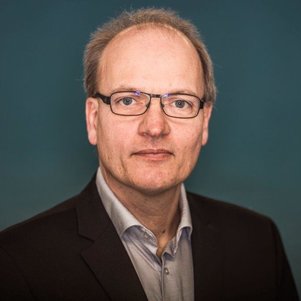 Erik Mostert合作论文数Department of Water Management, Faculty of Civil Engineering and Geosciences, Delft University of Technology3
 Niki Frantzeskaki合作论文数Utrecht University3
 Wim A Smit合作论文数Laboratorium voor Vaste-Stof-Fysica, Universiteit van Groningen3
 Nicole Kranz合作论文数3
 Wil Thissen合作论文数Faculty of Technology, Policy and Management, Delft University of Technology3
 Tineke Egyedi合作论文数Delft Institute for Research on Standardization3
 James Chelang’a合作论文数2
 Felix Kulei合作论文数2sergey filippov合作论文数2
 b kotterink合作论文数TNO Strategy & Policy2
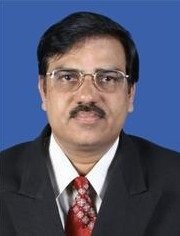 A. Ramachandran合作论文数School of Industrial;Cochin University of Science and Technology;School of Industrial, Cochin University of Science and Technology2
 Rico Lie合作论文数Faculty of Political and Social Sciences, University of Antwerp2Josefina Maestu合作论文数2
 Wout Hofman合作论文数TNO2
 Jill Slinger合作论文数Faculty of Technology, Policy and Management, Delft University of Technology;Faculty of Civil Engineering and Geosciences, Delft University of Technology2
 Wim Ravesteijn合作论文数Delft University of Technology;Faculty of Technology;Faculty of Technology, Delft University of Technology2
 T.E. Van der Lei合作论文数Delft University of Technology2
 J.H. Kwakkel合作论文数Faculty of Technology, Policy and Management, Delft University of Technology2
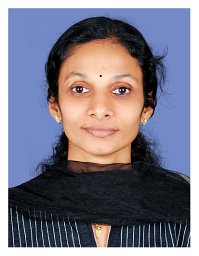 Deepa G Nair合作论文数2Bertien Broekhans合作论文数1
 T. A. Vogelzang合作论文数1Bas van Nuland合作论文数1
 Iman Mohammed合作论文数1Thomas Robert V.合作论文数1Mirjam Huis in 't Veld合作论文数1JM Echavarren合作论文数1Rah Monnikhof合作论文数1Philip Vergragt合作论文数1obakeng tendani molelu合作论文数1Abeer R. Y. Abazeed合作论文数1R. Kortmann合作论文数1a a s van heezik合作论文数1Renate Klaassen合作论文数1
 Pierre Maurel合作论文数CEMAGREF / ENGREF / CIRAD1
 J.L.T. (Jos) Blank合作论文数Department of Values, Technology and Innovation, Faculty of Technology, Policy and Management, Delft University of Technology1
 Emile Chappin合作论文数Faculty Technology, Policy and Management, Delft University of Technology;TPM Energy Transition Lab, Delft University of Technology1
 Hans de Bruijn合作论文数Faculty of Technology, Policy and Management, Delft University of Technology1
 L.J. (Rens) Kortmann合作论文数Faculty of Policy, Technology, and Management, Delft University of Technology1
 Robert Briggs合作论文数San Diego State University1




