Complex issues like sustainable land and water management demand a transdisciplinary and collaborative approach, such as that of living labs, bridging between science, policy, and society. Living labs facilitate active collaboration among diverse actors from public and private sectors, research institutes, and civil society, creating an environment that fosters innovations to address environmental challenges. However, the impact of these labs is often assessed based only on their immediate results, overlooking the potential effects of learning during co- creation activities. Thus, this paper develops a framework that allows to capture learning in a living lab co- creative environment. In response to widespread calls for an epistemological basis for living labs, the study bases the framework on relevant learning theories. First, the literature dealing with learning theories relevant to the characteristics of living labs is reviewed. The relevant theories are identified as: behaviorism, cognitivism, constructivism, experimental, situated, social, organizational, transformative, and connectivism. Next, the insights on learning theories are used in developing a Living Lab Learning Framework with three interacting components: A. Learning types (what), B. Learning process (how), and C. Learning levels (who), contributing to learning outcomes. The framework distinguishes content, capacity, and network as learning types; intentional or incidental as learning processes; and individual, team, and organization as learning levels. Finally, the potential application of the framework during the initiation, implementation, and evaluation project phases of living labs is highlighted. The framework is envisaged to extend the impacts of living labs beyond immediate results by providing a systematic method for assessing learning and its outcomes and generating insights regarding future improvements in the configuration of living lab learning environments.
As current challenges become more complex, bringing together people from different backgrounds to solve multifaceted problems has become crucial in the STEM field. There is growing recognition of the need to explicitly teach students the skills necessary to conduct inter- and transdisciplinary science, including communication, collaboration, reflection, and understanding of the research process. This set of skills is complex and requires acquiring knowledge and practice and changing attitudes. Moreover, these processes also require the cultivation of emotional skills, which are often neglected in the STEM field, especially in project-based learning programs that primarily emphasize technical expertise. As educators, we recognize our need to develop these competencies as well. This case study reports on the co-creation journey of an education program designed to teach collaboration with a strong emotional intelligence component in biomedical research to bachelor’s students while providing them with a project to practice. This program also provides an environment for scientists, PhD students, and us as an education design team to improve our skills. We report on what we have done and learned from each other and our students in 360º education, including the program design process evaluation, which tends to be overlooked in the development process of such educational programs.
Living labs have emerged as a long-term, collaborative approach to addressing complex societal challenges, such as sustainable land and water management and climate change adaption. While these transdisciplinary environments foster continuous knowledge exchange and interactions among actors from diverse disciplines and sectors, the role of learning in realizing the impacts of living labs on participating actors and broader society is often underexplored. This paper aims to identify and analyze learning that occurs within a sequence of co-creative activities and their resulting outcomes, using the concept of ‘learning pathways’. The ‘living lab learning framework’ provides a systematic approach to organizing and categorizing living lab activities, enabling to infer learning pathways. An ex-post analysis of an empirical case study on a climate adaptation project, KLIMAP, resulted in seven distinct learning pathways: 1) harnessing collective integrated knowledge, 2) building collaborative networks, 3) enhancing stakeholder capacity, 4) adapting and contextualizing knowledge, 5) diffusing knowledge, 6) facilitating co-creation, and 7) reflecting on learning. These pathways were developed by examining the types of learning activities, their processes, and the entities involved, linking them to the outcomes achieved. The findings highlight that learning pathways contribute to identifying outcomes and broader impacts of living labs.
In this paper, we closely examine the case of the Marker Wadden, a nature restoration project with recreational opportunities in the Dutch lake Markermeer. The Marker Wadden - a mud island concept - has been constructed using locally sourced building materials (sediments from the lake) and is designed to withstand natural dynamics such as storms and waves. Lack of funding and financing has been repeatedly discussed and identified as a key barrier to implementing and upscaling ecological restoration, or Nature-based Solutions (NbS) in general. This highlights the importance of studying a unique case, such as the Marker Wadden, where this well-documented barrier has been overcome. We aim to identify the financial arrangements made and how they came about. We adopt the rounds model (a policy analysis theory), apply evidence triangulation, and employ a theoretical framework that captures an institutional perspective on financial barriers. We find the Marker Wadden project to be an example of public and private co-funding for ecosystem restoration. We further find revenue generation from recreational activities leads to partial cost-recovery, and non-public funding sources are unlocked due to the involvement of an NGO. We also find the pre-investment phase to be instrumental in overcoming financial barriers during later (implementation) phases. We surface the main drivers that led to funding for the Marker Wadden project, reveal opportunities for investment planning for NbS, and expose trade-offs in terms of (democratic) equity, efficiency, and environmental outcomes resulting from the combined public, private, and philanthropic co-funding arrangements used.
Coastal erosion threatens flood safety and other uses of beaches and dunes globally. In the Netherlands a coastline maintenance policy was implemented in the 1990's to address the negative effects of erosion, with sand nourishments as the primary means. In this study, the cumulative effects of these nourishments are evaluated against the strategic goal of sustainable preservation of the uses and values of the coast. This research aims to inform national and international policy makers, practitioners, and scientist about the possible long-term effects of coastal management with structural sand nourishments. Coastal indicators were analysed to quantify the morphological evolution of the coast before and since coastline maintenance. It is observed that regular nourishments serve to halt structural coastline retreat. The coastline built out, on average, which was necessary to achieve maintenance of the most erosive areas. Additionally, strong dune growth is observed since the start of coastline maintenance, thanks to wind-driven transport of nourished sand and more dynamic dune management. Nourishments thus contribute positively to flood safety, although flood safety is not an automatic benefit of coastline maintenance. Space for recreation and nature is maintained or improved: the dry beach width was unaffected, and dune areas have grown. Further, it is reported that the impact of nourishments on the coastal ecosystem is local and temporary, leading to the inference that uses and values of the coast are being maintained sustainably through regular nourishments. Overall, the approach of coastline maintenance with regular proactive nourishments has thus proven to be successful.
Nature-based living labs combine the elements of nature-based solution design with a living lab context to address social and environmental resilience challenges. There is a need to deepen insights on the characteristics of the emergent phenomenon of nature-based living labs, with respect to their predecessors. Accordingly, the paper first develops an outline of how living labs evolved into nature-based living labs, informed by bibliometric analysis. Second, the unique characteristics of nature-based living labs are identified using a systematic literature review. Finally, the core characteristics of living labs are determined, and nature-based living labs are placed within this context. Initial living labs had a strong technological focus, which proliferated into diverse application domains and regions after the European Network of Living Labs was established and expanded. Urban living labs emerged as a significant multidisciplinary and geographically specific domain, while nature-based living labs are inherently sustainability-oriented and consider ecosystem processes, interactions, and natural materials. Next, the paper identifies nine characteristics of nature-based living labs, five of which are always present, namely: (i) real-life spatial context and multi-scale, (ii) innovation and learning, (iii) user-centric, (iv) multi-actor involvement and (v) sustainability-oriented multiple benefits. Then, the four core characteristics of living labs, the variation within these characteristics, and how these align with the characteristics of nature-based living labs are clarified. Finally, the need for research on living labs across application domains and regions is highlighted, so that the global applicability of these local, user-centric, innovative approaches can be established.
A financing gap is seen as a crucial barrier, hampering the further uptake and upscaling of Nature-based Solutions (NbS). However, it is not always clear what is meant by this, nor is it clear why this barrier exists and persists. The aim of this paper is to generate an enhanced understanding of financial barriers to NbS. This is accomplished through first conceptually and theoretically clarifying the difference between funding and financing and then exploring these through an integrative literature review. We expose three different dimensions of financial barriers in NbS projects, namely the occurrence of multiple types of funding gaps, the occurrence of multiple types of financing gaps, and the particular and complex cost structures of NbS. NbS funding gaps can be broken down into public funding gaps, private funding gaps, and funding gaps specific for lifecycle phases, activities, and cost types. Bridging the funding gap is a necessary (although not sufficient) condition for bridging the finance gap and financing alone cannot solve a funding problem. We further find that these different dimensions of financial barriers can be explained by the misalignment between the characteristics of NbS and the characteristics of our existing institutions. These misalignments occur through different institutional mechanism, including (i) Funders’ preferences, (ii) Revenue generation enablers, (iii) Justification requirements, (iv) Funders’ regimes, (v) Financiers’ preferences and (vi) Finance application processes. All mechanisms influence the occurrence of public and private funding and financing gaps and they influence the cost structure of NbS, in particular transaction costs. The results of this analysis suggest that overcoming NbS funding and financing challenges requires a systemic, multi-level approach as the barriers to project implementation are not all located within a project's sphere of influence or control.
Abstract. Sea level rise (SLR) will affect Europe's coasts over the coming decades and beyond, giving rise to ongoing challenges in governing coastal and marine areas. Progress is being made in adapting to and addressing these challenges at both national and sub-national levels across all major European sea basins. This paper assesses progress in coastal adaptation governance in Europe by, first, characterising the socio-economic and political contexts in European sea basins and then by reviewing coastal-adaptation-relevant policy frameworks in place at regional and national levels within each of these sea basins. The regional frameworks reviewed are derived from regional sea conventions and are assessed for their legal status and their inclusion of SLR information. The national coastal policy frameworks reviewed include national adaptation plans focusing on coastal areas and marine spatial planning instruments for all European member states, as well as public financing arrangements for coastal adaptation, focusing on flood risk reduction measures. Key national policies for coastal adaptation are assessed for which coastal hazards they address, the extent to which they incorporate sea level rise information and their inclusion of SLR-specific adaptation measures. Finally, the paper presents governance challenges that arise due to the complexity of adaptation to SLR, i.e. time horizon and uncertainty, cross-scale and cross-domain coordination, and equity and social vulnerability, and discusses examples illustrating how each of these challenges is being addressed in different European sea basins. The paper finds that for all basins, regional policy frameworks generally do not include specific provisions for SLR or coastal adaptation, while at the national level, significant progress on SLR governance is being made. For all basins except for the Black Sea, all countries have reported observed and future SLR hazards and have adopted adaptation strategies. The inclusion of adaptation measures specific to SLR is less advanced, as most sea basins have at least one country that does not include specific SLR adaptation measures in either their adaptation strategies or their marine spatial plans. Regarding SLR governance challenges, key examples of how these are being addressed include approaches for incorporating flexibility into coastal planning, e.g. dynamic adaptation pathways in the Netherlands or dike crest widening in Germany, as well as co-development of nature-based adaptation solutions in Italy. Examples of addressing equity and social vulnerability challenges include the emerging issue of climate ligation illustrated through several court cases on liability for SLR-related damage.
Download This Paper Open PDF in Browser Add Paper to My Library Share: Permalink Using these links will ensure access to this page indefinitely Copy URL Copy DOI
Nature-based Solutions (NbS) are actions that harness nature to help address major societal challenges. The assessment frameworks for NbS proposed in the literature differ in scope and intended use. In 2020, the International Union for Conservation of Nature (IUCN) introduced their Global Standard for NbS as a framework that can be used by anyone working on different types of NbS. Since research on the applicability of the IUCN Standard remains limited, the aim of this paper is to analyse whether the IUCN Standard may be used as an overarching assessment framework for NbS in river flood management applications and to identify the main differences in content with other NbS-frameworks. This was achieved through a comparison with 29 assessment frameworks for NbS, that are applicable to physical interventions for riverine flood risk reduction. The comparisons showed that the IUCN Standard has the largest breadth in scope of application and may therefore be used as an overarching framework. In addition, we identified a distinction between frameworks for the assessment of project processes (process-oriented) and project results (results-oriented), where the IUCN Standard can be characterized as process-oriented. This implies that the IUCN Standard may be used to assess the processes (e.g. stakeholder engagement and adaptive management) of planned, ongoing or completed NbS projects for a wide variety of environmental contexts and societal challenges. This will help persuade policy makers to consider NbS as one of the solutions in flood management issues, next to or in combination with e.g. engineering solutions or changing land use. We also identified that, while the IUCN Standard is straightforward to use and incorporates stakeholder input, the environmental context specificity as well as guidance depth on resources for assessment can be improved.
The International Union for Conservation of Nature (IUCN) published their Global Standard for Nature-based Solutions (NbS) in an effort to further a common understanding and successful application of NbS. Our objective is to analyse the applicability of and considerations and advancements in using the IUCN Standard, as very few studies have examined and reflected on its actual application. As method, we applied the IUCN Standard to three case studies of river restoration projects with a focus on flood risk mitigation: (1) Eddleston Water Project, (2) “Room for the River” Deventer Project, and (3) Missouri River Levee Setback Project. Rather than evaluating the case studies itself, we evaluated the outcome to find the strong and weak points of the IUCN Standard. The gathered data (publicly accessible documents, conducted interviews with experts and stakeholders) was analysed and showed the role of the number of documents and interviews available. This determined the outcome of the IUCN assessment. The consultation of project experts has appeared to be an essential step in the data collection, while stakeholder interviews and field visits were less important, but did increase the degree of substantiation and the ease of data collection, respectively. Although restricted by a limited evaluation of flood risk mitigation studies, using the IUCN Standard for an ex-post assessment can provide credibility to project processes (e.g. stakeholder engagement and adaptive management), reveal project strengths and weaknesses, and provide opportunities for the comparison of projects. Hence, the IUCN Standard aptly evaluates process-based aspects of Nature-based Solutions for riverine flood risk mitigation.
Water renewal and flushing in small, intermittently open or closed estuaries is receiving increasing attention particularly in light of the climate change induced alterations in run-off, wave and sediment transport conditions along coasts. The challenges of predicting the stratification-circulation state and the balance between tidal or freshwater flushing in response to the mouth dynamics of small, wave-dominated estuaries is the focus of the paper. Such predictions are required for determining estuary freshwater requirements or establishing the estuary's capacity to maintain sound water quality under pollutant discharges. Advances in simulating changes in stratification-circulation over long time scales are limited. Instead attention has focused on generating indices of stratification or water quality state using heuristic methods. In this paper, systems dynamics modelling is applied to simulate the non-linear response of the estuary to changes in river and marine water fluxes. The estuary is modelled as a basin with a specified water volume to water level relationship, connected to the sea by a channel with variable sill height, but fixed width. The direction and magnitude of the flow through the mouth determines whether the sill height erodes or accretes and hence the mouth dynamics (see Slinger, 2017). The tidal flux through the mouth co-determines the volumetric exchange of salt, influencing both the stratification state of the estuary and the degree of tidal or freshwater flushing. This is also influenced by run-off. The resulting dynamic balance is captured in two bulk indices, the Estuarine Richardson number and the bulk densimetric Froude number. Using measured data from the Great Brak Estuary, South Africa, the model is calibrated. Model simulations demonstrate the importance of tidal flushing and concomitant mouth breaching for water renewal as freshwater flushing declines under scenarios of increased water abstraction. Although the estuary remains partially mixed, there is increased average salinity and a more uniform the water column. Water releases and mouth breaching bringing about a more natural stratification-circulation state, but these effects are short-lived.
Ports are increasingly ‘greening’ operations to protect their ‘license to operate’ by integrating social-environmental considerations into their management and reporting on their sustainability performance. In this research, we develop a novel method for port sustainability performance (PSP) assessment that combines science-based knowledge with place-based contextualisation. Specifically, we address a recognised challenge of combining global (‘top-down’) techno-scientifically oriented indicators with place-based locally relatable (‘bottom-up’) contexts in sustainability performance, in addition to addressing limitations encountered in empirical verification. First, a critical evaluation of the international literature on port sustainability assessments is undertaken to distil commonalities in global performance indicators, and to identify typical frames used in the design of sustainability performance indices. We apply this learning, together with place-based experiential knowledge, to develop a science-based framework for a Port Sustainability Performance (PSP) Index that is explicitly aligned with the Sustainability Development Goals (SDGs). We then apply a co-design process to demonstrate local customisation of the index to derive place-based quantifiable measures and targets. Further, for easy-to-use empirical verification, a simple spreadsheet is applied to develop a flexible weighted scoring matrix. The matrix uses place-based rating systems for selected measures and associated targets, and aggregates allocated scores into informative outputs. Finally, the concept of Circles of Sustainability is adapted for ports to visually display sustainability performance, in alignment with related SDGs. This research contributes to bridging the science-practice divide in reporting on port sustainability performance.
Intervention methods to establish commitment to (collaborative) action are of potential interest to researchers and policymakers intent upon including stakeholder perspectives in natural risk governance (Scolobig, Nat Hazards 81:27–43, 2016). In this paper, a 6-step co-design method for engaging with local people in collaboratively envisioning nature-based solutions for flood defence is described. The problem structuring base of the participatory method is extended to accommodate the multi-actor situation and the local context of flood risk management. The intervention method is applied in a workshop in the Houston–Galveston Bay area in October 2014. At that time there was strong contestation surrounding the proposed Ike Dike with alternative combinations of nature-based and smaller conventional engineering solutions being proposed. The results indicate that the local participants were able to envision a wide range of future outcomes for the bay and were able to use the insights on nature-based solutions and the social contacts that they acquired at the transdisciplinary workshop to mobilize commitment to joint action. This action focused on collaboration rather than specifying ecological or technical infrastructural requirements and was instrumental in initiating more open discourse on flood defence options for the Houston–Galveston Bay area. The paper concludes that the generic applicability of the co-design method is limited by the requirement to understand and accommodate local circumstances and participants’ insights within the workshop.
A large sandy peninsula and beach were realized in Dutch coastal waters in the Sand Engine pilot project. In addition to the benefits for flood protection, the Sand Engine generates multiple other societal values. It provides a new type of landscape of uncommon size along the Holland coast where nature, culture, history and the future can come together. In this paper we discuss the added value of the Sand Engine for culture and the arts, its iconic value, and the development of knowledge in diverse sciences most notably morphology, archeology and paleontology, as well as its educational function. Then we explore how different governance modes can influence how the added value is generated and what type of societal value arises. We distinguish four different governance modes related to the level of control exercised and the level of autonomous societal development allowed by project initiators and managers: directive, co-creational, facilitatory and observational. Different modes can co-exist and may change over time. For the Sand Engine we find that the knowledge development was highly directed, archeology and paleontology were facilitated, while an observational mode was employed towards arts and culture. This leads to the inference that when the physical and societal space is created, societal value-added initiatives emerge. However, such emergence depends on the societal and institutional context as this can act to constrain or enable the type of societal value generated and the extent to which it is realized. Finally, we suggest that applying a more pro-active governance mode to the Sand Engine even at this stage could lead to more diverse and inclusive societal value generation.
Communal rangelands in South Africa are generally perceived as overgrazed owing to complexities in their histories and collective utilisation which often leads to improper management. A suitable solution has not been found in land management policies because local people’s contexts and their indigenous knowledge are ignored. Hence, this paper is aimed at (i) assessing the role indigenous knowledge can play in communal rangeland management, (ii) exploring working solutions to incorporate indigenous knowledge into effective communal rangeland management and land use policies, (iii) assessing mechanisms for generational transfer of indigenous knowledge. Findings from the Participatory Geographic Information System (PGIS) and Focus Group Discussion, conducted with Cata and Guquka villages in the Eastern Cape province were synthesised. This revealed that communal farmers have in-depth knowledge of their communal land, past and present rangeland management strategies and changes in rangeland condition. However, there is breakdown in the indigenous knowledge system whereby this knowledge is not being transferred and translated into good rangeland management practice, owing to the ageing population of communal farmers, limited youth involvement in livestock farming and limited access to extension services. This suggests a need for new policy approaches that would include participation of local people in policy planning and development.
The construction of the Akosombo and Kpong dams in the Lower Volta River basin in Ghana changed the downstream riverine ecosystem and affected the lives of downstream communities, particularly those who lost their traditional livelihoods. In contrast to the costs borne by those in the vicinity of the river, Ghana has enjoyed vast economic benefits from the affordable hydropower, irrigation schemes and lake tourism that developed after construction of the dams. Herein lies the challenge; there exists a trade-off between water for river ecosystems and related services on the one hand and anthropogenic water demands such as hydropower or irrigation on the other. In this study, an Evolutionary Multi-Objective Direct Policy Search (EMODPS) is used to explore the multi-sectoral trade-offs that exist in the Lower Volta River basin. Three environmental flows, previously determined for the Lower Volta, are incorporated separately as environmental objectives. The results highlight the dominance of hydropower production in the Lower Volta but show that there is room for providing environmental flows under current climatic and water use conditions if the firm energy requirement from Akosombo Dam reduces by 12 % to 38 % depending on the environmental flow regime that is implemented. There is uncertainty in climate change effects on runoff in this region; however multiple scenarios are investigated. It is found that climate change leading to increased annual inflows to the Akosombo Dam reduces the trade-off between hydropower and the environment as this scenario makes more water available for users. Furthermore, climate change resulting in decreased annual inflows provides the opportunity to strategically provide dry-season environmental flows, that is, reduce flows sufficiently to meet low flow requirements for key ecosystem services such as the clam fishery. This study not only highlights the challenges in balancing anthropogenic water demands and environmental considerations in managing existing dams but also identifies opportunities for compromise in the Lower Volta River.
•The papers in this VSI describe major results from the Coastal Genesis 2 research programme in the Netherlands.•Coastal Genesis 2 aimed at the development of a future-proof long-term coastal management strategy.•Three types of papers are included: policy development, lower shoreface, and Wadden Sea tidal inlet systems.
The long-term sediment demand of the Dutch coast is integral to the current Dutch Coastal Flood and Erosion Risk Management policy. The Coastal Genesis 2 research programme was initiated to address the sustainability of this policy under sea level rise by focusing on key uncertainties in the conceptual model of the sediment demand of the Dutch coast. The substantive scientific contributions of the Coastal Genesis 2 research programme are analysed in this paper by applying an output-outcome-impact framework. The direct outputs of the programme are categorised in terms of the knowledge types of a 5-element framework, namely measurement data, simulation models, system understanding, conceptual models, and policy and practice. The research outcomes arise from the interactions of these knowledge types. Our analysis of these outcomes highlights that synthesising new scientific insights into shared conceptual models is critical to achieving impact in policy and practice. In the Dutch situation, a new shared conceptual model of the long-term sediment demand enabled the development of four potential nourishment strategies aiming to meet the strategic goals of the Coastal Flood and Erosion Risk Management policy on a timescale up to 20 years. In 2021, the Minister of Infrastructure and Water Management officially articulated her intention to adopt the advised nourishment strategy from 2024 onwards. This represents a lasting impact of the Coastal Genesis 2 research programme in policy and practice. Further, the insight regarding the pivotal role of shared conceptual models as intermediary between science, policy and practice may prove useful in the design of future research programmes aiming to influence policy.
 H.S.I. (Heleen) Vreugdenhil合作论文数Department of Multi Actor Systems, Faculty of Technology, Policy and Management, Delft University of Technology;Water Research Institute Deltares35
 Susan Taljaard合作论文数19
 L.M. (Leon) Hermans合作论文数Faculty of Technology, Policy and Management, Delft University of Technology;IHE Delft Institute for Water Education13
 Scott Cunningham合作论文数Delft University10
 Pieter Van Der Zaag合作论文数IHE Delft Institute for Water Education, Delft University of Technology8
 John L. Largier合作论文数Bodega Marine Laboratory, Department of Environmental Science and Policy, College of Agricultural and Environmental Sciences, University of California Davis7
 Afua G. Owusu合作论文数Land & Water Management Dept, IHE Delft Inst Water Educ6
 Marloes Mul合作论文数UNESCO IHE Delft6
 C. (Els) Van Daalen合作论文数Faculty of Technology, Policy and Management, Delft University of Technology6
 e kater合作论文数5Lotte E. Bontje合作论文数5Tiedo Vellinga合作论文数5
 Wil Thissen合作论文数Faculty of Technology, Policy and Management, Delft University of Technology5
 Carolyn Gay Palmer合作论文数Institute for Water Research, Rhodes University;ARUA Water Centre of Excellence, Rhodes University5
 Gonenc Yucel合作论文数Faculty of Technology;Policy and Management;Delft University of Technology;Faculty of Technology|Policy and Management, Delft University of Technology5Quirijn Lodder合作论文数4
 Steven Weerts合作论文数Coastal Systems Research Group, Council for Scientific and Industrial Research (CSIR4
 Niki Frantzeskaki合作论文数Utrecht University4
 Kathelijne Wijnberg合作论文数Dept . of Water Engineering & Management;University of Twente4
 Lara van Niekerk合作论文数Department of Geography;Environmental Studies;University of Stellenbosch;Department of Geography, University of Stellenbosch4
 J.H. Kwakkel合作论文数Faculty of Technology, Policy and Management, Delft University of Technology4
 Erik Pruyt合作论文数Delft University of Technology;Policy Analysis Section;Faculty of Technology;Faculty of Technology, Delft University of Technology4Ad van der Spek合作论文数3Astha Bhatta合作论文数3Suzanne Linnane合作论文数3Sadie McEvoy合作论文数3
 Jai K. Clifford-Holmes合作论文数Institute for Coastal and Marine Research, Nelson Mandela University3
 J. (Jazmin) Zatarain Salazar合作论文数Group of Policy Analysis, Department of Multi-Actor Systems, Faculty of Technology, Policy and Management, Delft University of Technology3
 Blom Astrid合作论文数Rivers, Ports, Waterways and Dredging Engineering, Department of Hydraulic Engineering, Faculty of Architecture and the Built Environment, Delft University of Technology3A. J. M. Smits合作论文数3M. Cuppen合作论文数3
 Karin De Bruijn合作论文数Department of Water Management, Delft University of Technology3
 Frans.H.M. Van de Ven合作论文数Department of Water Management, Faculty of Civil Engineering and Geosciences, Delft University of Technology3
 Kwasi Appeaning Addo合作论文数Department of Oceanography and Fisheries, University of Ghana3
 Zhengbing Wang (王正兵)合作论文数Coastal Engineering, Department of Hydraulic Engineering, Faculty of Architecture and the Built Environment, Delft University of Technology3
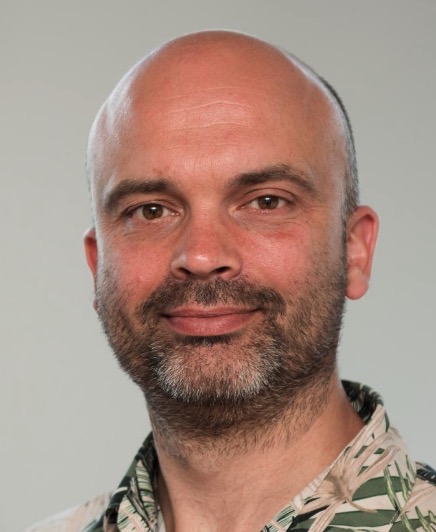 Mick Van Der Wegen合作论文数The Coastal and Urban Risk & Resilience Department, IHE Delft Institute for Water Education3
 R.M.J. Schielen合作论文数3Wiebe de Boer合作论文数2g j alaerts合作论文数2j m kaspersma合作论文数2David Getty合作论文数2johannes h van der merwe合作论文数2
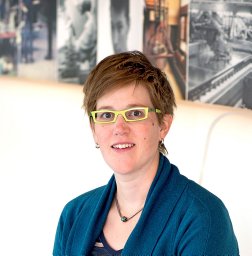 m j p mens合作论文数Deltares, Dept Water Resources Management, Delft, Netherlands2
 Filipe Galiforni Silva合作论文数Dept Geosci, Coastal Geol & Sedimentol, Christian Albrechts Univ Kiel2
 Stephanie Janssen合作论文数2Ewert Aukes合作论文数STePS, Univ Twente2
 Rault Philippe Ker合作论文数Climate Change and Adaptive Land and Water Management Team, Wageningen University and Research Centre (ALTERRA),2
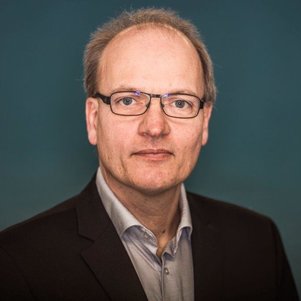 Erik Mostert合作论文数Department of Water Management, Faculty of Civil Engineering and Geosciences, Delft University of Technology2
 F.M. (Floortje) d'Hont合作论文数Department of Multi-Actor Systems, Faculty of Technology, Policy and Management, Delft University of Technology2




