We present new observations on the dynamics and locations of deep mantle reservoirs derived from the ages and compositions of Voyager Seamount Chain lava flows. The previously unexplored Voyager Seamount Chain trends NW-SE between the Mid-Pacific Mountains and the Northwestern Hawaiian Ridge. Volcanic samples were recovered from the chain during the Ocean Exploration Trust expedition NA134. The lava flows are alkalic to highly alkalic in composition. Ages ranged from 81 to 86 Ma (n = 8), with the oldest ages in the NW and an age-progression toward the SE. The Voyager age-progression continues southward through the Northern Line Islands region until at least 69 Ma. Mantle flowlines using absolute plate motion models indicate that the Voyagers were emplaced near the modern Marquesas Hotspot location approximately 86-69 Ma. The Sr-Nd-Pb-Hf isotope systematics show the influence of an EMII component and overlap the compositions of Pliocene volcanism from the Marquesas Islands, consistent with the plate motion age model. These data imply a long-lived plume as the source of the Voyager seamounts and the Marquesas. However, the lack of a clear and continuous seamount chain between the 86-69 Ma Voyager Seamount Chain and the 6-0 Ma Marquesas Islands implies that the mantle plume displays variable buoyancy flux over time. The surface expression of this mantle reservoir experienced a potential hiatus of up to similar to 60 m.y. These new data indicate that the mantle beneath the Marquesas Islands region has been discontinuously producing age-progressive, EMII-like hotspot volcanism since at least the Late Cretaceous.
The chemical cycles carried out by bacteria and archaea living in coastal sediments are vital aspects of benthic ecology. These ecosystems are subject to physical disruption, which may allow for increased respiration and complex carbon consumption-impacting chemical cycling in this environment often thought to be a terminal place of deposition. We use the redox-enzyme sensitive probe RedoxSensor Green to measure rates of electron transfer physiology in individual sulfate reducer cells residing in anoxic sediment, subjected to transient exposure of oxygen and laminarin. We use index fluorescence activated cell sorting and single cell genomics sequencing to link those measurements to genomes of respiring cells. We measure per-cell sulfate reduction rates in marine sediments (0.01-4.7 fmol SO42- cell-1 h-1) and determine that cells within the Chloroflexota phylum are the most active in respiration. Chloroflexota respiration activity is also stimulated with the addition of laminarin, even in marine sediments already rich in organic matter. Evaluating metatranscriptomic data alongside this respiration-based technique, Chloroflexota genomes encode laminarinases indicating a likely ability to degrade laminarin. We also provide evidence that abundant Patescibacteria cells do not use electron transport pathways for energy, and instead likely carry out fermentation of polysaccharides. There is a decoupling of respiration-related activity rates from transcription, as respiration rates increase while transcription decreases with oxygen exposure. Overall, we reveal an active community of respiring Chloroflexota that cycles sulfate at potential rates of 23-40 nmol h-1 per cm3 sediment in incubation settings, and non-respiratory Patescibacteria that can cycle complex polysaccharides.
Rates of microbial processes are fundamental to understanding the significance of microbial impacts on environmental chemical cycling. However, it is often difficult to quantify rates or to link processes to specific taxa or individual cells, especially in environments where there are few cultured representatives with known physiology. Here, we describe the use of the redox- enzyme- sensitive molecular probe RedoxSensorTM Green to measure rates of anaerobic electron transfer physiology (i.e., sulfate reduction and methanogenesis) in individual cells and link those measurements to genomic sequencing of the same single cells. We used this method to investigate microbial activity in hot, anoxic, California. Combining this method with electron donor amendment experiments and metatranscriptomics confirmed that the abundant spore formers including Candidatus Desulforudis audaxviator were actively reducing sulfate in this environment, most likely with acetate and hydrogen as electron donors. Using this approach, we measured environmental sulfate reduction rates at 0.14 to 26.9 fmol cell-1 h-1. Scaled to volume, this equates to a bulk environmental rate of -103 pmol sulfate L-1 d-1, similar to potential rates determined with radiotracer methods. Despite methane in the system, there was no evidence for active microbial methanogenesis at the time of sampling. Overall, this method is a powerful tool for estimating species- resolved, single- cell rates of anaerobic metabolism in low- biomass environments while simultaneously linking genomes to phenomes at the single- cell level. We reveal active elemental cycling conducted by several species, with a large portion attributable to Ca. Desulforudis audaxviator.
The oceanic igneous crust is a vast reservoir for microbial life, dominated by diverse and active bacteria, archaea, and fungi. Archaeal and bacterial viruses were previously detected in oceanic crustal fluids at the Juan de Fuca Ridge (JdFR). Here we report the discovery of two eukaryotic Nucleocytoviricota genomes from the same crustal fluids by sorting and sequencing single virions. Both genomes have a tRNATyr gene with an intron (20 bps) at the canonical position between nucleotide 37 and 38, a common feature in eukaryotic and archaeal tRNA genes with short introns (<100 bps), and fungal genes acquired through horizontal gene transfer (HGT) events. The dominance of Ascomycota fungi as the main eukaryotes in crustal fluids and the evidence for HGT point to these fungi as the putative hosts, making these the first putative fungi-Nucleocytoviricota specific association. Our study suggests active host-viral dynamics for the only eukaryotic group found in the subsurface oceanic crust and raises important questions about the impact of viral infection on the productivity and biogeochemical cycling in this ecosystem.
After decades studying the microbial "deep biosphere" in subseafloor oceanic crust, the growth and life strategies in this anoxic, low energy habitat remain poorly described. Using both single cell genomics and metagenomics, we reveal the life strategies of two distinct lineages of uncultivated Aminicenantia bacteria from the basaltic subseafloor oceanic crust of the eastern flank of the Juan de Fuca Ridge. Both lineages appear adapted to scavenge organic carbon, as each have genetic potential to catabolize amino acids and fatty acids, aligning with previous Aminicenantia reports. Given the organic carbon limitation in this habitat, seawater recharge and necromass may be important carbon sources for heterotrophic microorganisms inhabiting the ocean crust. Both lineages generate ATP via several mechanisms including substrate-level phosphorylation, anaerobic respiration, and electron bifurcation driving an Rnf ion translocation membrane complex. Genomic comparisons suggest these Aminicenantia transfer electrons extracellularly, perhaps to iron or sulfur oxides consistent with mineralogy of this site. One lineage, called JdFR-78, has small genomes that are basal to the Aminicenantia class and potentially use "primordial" siroheme biosynthetic intermediates for heme synthesis, suggesting this lineage retain characteristics of early evolved life. Lineage JdFR-78 contains CRISPR-Cas defenses to evade viruses, while other lineages contain prophage that may help prevent super-infection or no detectable viral defenses. Overall, genomic evidence points to Aminicenantia being well adapted to oceanic crust environments by taking advantage of simple organic molecules and extracellular electron transport.
Deep-sea mining could wreck more than just the ocean floor in ways we have no idea how to repair. Deep-sea mining could wreck more than just the ocean floor in ways we have no idea how to repair.
The phyla Nitrospirota and Nitrospinota have received significant research attention due to their unique nitrogen metabolisms important to biogeochemical and industrial processes. These phyla are common inhabitants of marine and terrestrial subsurface environments and contain members capable of diverse physiologies in addition to nitrite oxidation and complete ammonia oxidation. Here, we use phylogenomics and gene-based analysis with ancestral state reconstruction and gene-tree-species-tree reconciliation methods to investigate the life histories of these two phyla. We find that basal clades of both phyla primarily inhabit marine and terrestrial subsurface environments. The genomes of basal clades in both phyla appear smaller and more densely coded than the later-branching clades. The extant basal clades of both phyla share many traits inferred to be present in their respective common ancestors, including hydrogen, one-carbon, and sulfur-based metabolisms. Later-branching groups, namely the more frequently studied classes Nitrospiria and Nitrospinia, are both characterized by genome expansions driven by either de novo origination or laterally transferred genes that encode functions expanding their metabolic repertoire. These expansions include gene clusters that perform the unique nitrogen metabolisms that both phyla are most well known for. Our analyses support replicated evolutionary histories of these two bacterial phyla, with modern subsurface environments representing a genomic repository for the coding potential of ancestral metabolic traits.
Leading deep-sea research expeditions requires a breadth of training and experience, and the opportunities for Early Career Researchers (ECRs) to obtain focused mentorship on expedition leadership are scarce. To address the need for leadership training in deep-sea expeditionary science, the Crustal Ocean Biosphere Research Accelerator (COBRA) launched a 14-week virtual Master Class with both synchronous and asynchronous components to empower students with the skills and tools to successfully design, propose, and execute deep-sea oceanographic field research. The Master Class offered customized and distributed training approaches and created an open-access syllabus with resources, including reading material, lectures, and on-line resources freely-available on the Master Class website (cobra.pubpub.org). All students were Early Career Researchers (ECRs, defined here as advanced graduate students, postdoctoral scientists, early career faculty, or individuals with substantial industry, government, or NGO experience) and designated throughout as COBRA Fellows. Fellows engaged in topics related to choosing the appropriate deep-sea research asset for their Capstone “dream cruise” project, learning about funding sources and how to tailor proposals to meet those source requirements, and working through an essential checklist of pre-expedition planning and operations. The Master Class covered leading an expedition at sea, at-sea operations, and ship-board etiquette, and the strengths and challenges of telepresence. It also included post-expedition training on data management strategies and report preparation and outputs. Throughout the Master Class, Fellows also discussed education and outreach, international ocean law and policy, and the importance and challenges of team science. Fellows further learned about how to develop concepts respectfully with regard to geographic and cultural considerations of their intended study sites. An assessment of initial outcomes from the first iteration of the COBRA Master Class reinforces the need for such training and shows great promise with one-quarter of the Fellows having submitted a research proposal to national funding agencies within six months of the end of the class. As deep-sea research continues to accelerate in scope and speed, providing equitable access to expedition training is a top priority to enable the next generation of deep-sea science leadership.
Fluids circulating through oceanic crust play important roles in global biogeochemical cycling mediated by their microbial inhabitants, but studying these sites is challenged by sampling logistics and low biomass. Borehole observatories installed at the North Pond study site on the western flank of the Mid-Atlantic Ridge have enabled investigation of the microbial biosphere in cold, oxygenated basaltic oceanic crust. Here we test a methodology that applies redox-sensitive fluorescent molecules for flow cytometric sorting of cells for single cell genomic sequencing from small volumes of low biomass (approximately 10 3 cells ml –1 ) crustal fluid. We compare the resulting genomic data to a recently published paired metagenomic and metatranscriptomic analysis from the same site. Even with low coverage genome sequencing, sorting cells from less than one milliliter of crustal fluid results in similar interpretation of dominant taxa and functional profiles as compared to ‘omics analysis that typically filter orders of magnitude more fluid volume. The diverse community dominated by Gammaproteobacteria, Bacteroidetes, Desulfobacterota, Alphaproteobacteria, and Zetaproteobacteria, had evidence of autotrophy and heterotrophy, a variety of nitrogen and sulfur cycling metabolisms, and motility. Together, results indicate fluorescence activated cell sorting methodology is a powerful addition to the toolbox for the study of low biomass systems or at sites where only small sample volumes are available for analysis.
A comprehensive understanding of the deep-sea environment and mining’s likely impacts is necessary to assess whether and under what conditions deep-seabed mining operations comply with the International Seabed Authority’s obligations to prevent ‘serious harm’ and ensure the ‘effective protection of the marine environment from harmful effects’ in accordance with the United Nations Convention on the Law of the Sea. A synthesis of the peer-reviewed literature and consultations with deep-seabed mining stakeholders revealed that, despite an increase in deep-sea research, there are few categories of publicly available scientific knowledge comprehensive enough to enable evidence-based decision-making regarding environmental management, including whether to proceed with mining in regions where exploration contracts have been granted by the International Seabed Authority. Further information on deep-sea environmental baselines and mining impacts is critical for this emerging industry. Closing the scientific gaps related to deep-seabed mining is a monumental task that is essential to fulfilling the overarching obligation to prevent serious harm and ensure effective protection, and will require clear direction, substantial resources, and robust coordination and collaboration. Based on the information gathered, we propose a potential high-level road map of activities that could stimulate a much-needed discussion on the steps that should be taken to close key scientific gaps before any exploitation is considered. These steps include the definition of environmental goals and objectives, the establishment of an international research agenda to generate new deep-sea environmental, biological, and ecological information, and the synthesis of data that already exist.
The ocean–atmosphere exchange of CO 2 largely depends on the balance between marine microbial photosynthesis and respiration. Despite vast taxonomic and metabolic diversity among marine planktonic bacteria and archaea (prokaryoplankton) 1–3 , their respiration usually is measured in bulk and treated as a ‘black box’ in global biogeochemical models 4 ; this limits the mechanistic understanding of the global carbon cycle. Here, using a technology for integrated phenotype analyses and genomic sequencing of individual microbial cells, we show that cell-specific respiration rates differ by more than 1,000× among prokaryoplankton genera. The majority of respiration was found to be performed by minority members of prokaryoplankton (including the Roseobacter cluster), whereas cells of the most prevalent lineages (including Pelagibacter and SAR86) had extremely low respiration rates. The decoupling of respiration rates from abundance among lineages, elevated counts of proteorhodopsin transcripts in Pelagibacter and SAR86 cells and elevated respiration of SAR86 at night indicate that proteorhodopsin-based phototrophy 3,5–7 probably constitutes an important source of energy to prokaryoplankton and may increase growth efficiency. These findings suggest that the dependence of prokaryoplankton on respiration and remineralization of phytoplankton-derived organic carbon into CO 2 for its energy demands and growth may be lower than commonly assumed and variable among lineages.
Seasonally ice‐covered permafrost lakes in the Arctic emit methane to the atmosphere during periods of open‐water. However, processes contributing to methane cycling under‐ice have not been thoroughly addressed despite the potential for significant methane emission to the atmosphere at ice‐out. We studied annual dissolved methane dynamics within a small (0.2 ha) Mackenzie River Delta lake using sensor and water sampling packages that autonomously and continuously collected lake water samples, respectively, for two years at multiple water column depths. Lake physical and biogeochemical properties (temperature; light; concentrations of dissolved oxygen, manganese, iron, and dissolved methane, including stable carbon, and radiocarbon isotopes) revealed annual patterns. Dissolved methane concentrations increase under‐ice after electron acceptors (oxygen, manganese, and iron oxides) are depleted or inaccessible from the water column. The radiocarbon age of dissolved methane suggests a source from recently decomposed carbon as opposed to thawed ancient permafrost. Sources of dissolved methane under‐ice include a diffusive flux from the sediments and may include water column methanogenesis and/or under‐ice hydrodynamic controls. Following ice‐out, the water column only partially mixes allowing half of the winter‐derived dissolved methane to be microbially oxidized. Despite oxidation at depth, surface water was a source of methane to the atmosphere. The greatest diffusive fluxes to the atmosphere occurred following ice‐out (75 mmol CH 4 m −2 d −1 ) and during a mixing episode in mid‐July, likely driven by a storm event. This study demonstrates the importance of fine‐scale temporal sampling to understand dissolved methane processes in seasonally ice‐covered lakes.
This manuscript describes porewater and solid phase profiles of oxygen, nitrate, manganese, cobalt, and nickel in oligotrophic sediment within the German nodule exploration block of the Clarion Clipperton Zone in the northern Pacific Ocean. The authors document variable profiles of oxygen, with fully oxic sediment profiles in relatively thin sediment profiles near seamounts and thicker sediment packages overlying presumed subsurface faults. The profiles of oxygen indicate diffusion from the seawater-sediment and the sediment-basement interfaces, indicating oxic conditions in basement in this region, as had been documented before. By contrast, thicker sediment packages away from these features exhibit zones of suboxic conditions where dissolved manganese increases from solid phase Mn oxide dissolution, which also leads to mobilization of cobalt. It is presumed that oxygen also diffuses from basement into deeper layers of sediment, but the coring depths were too shallow to confirm this. The main points of the manuscript are that: 1) the depth of oxygen penetration from the seafloor is somewhat uniform, the depth of oxygen diffusion from basement is more variable and suggests highly variable basement oxygen concentrations, 3) nitrification in sediment can lead to a nitrate source to basement fluids in some instances, 4) cobalt and other redox sensitive elements are remobilized due to suboxic conditions and do not reflect initial burial conditions.
The deep seafloor covers two-thirds of Earth's surface area, but our understanding of the ecosystems and resources found in the deep ocean, as well as the ability of deep-sea ecosystems to withstand human perturbation, is limited. These deep-sea habitats demand urgent study as there are emergent human uses in the form of deep-sea mining and carbon sequestration that will fundamentally alter physical, chemical, and biological conditions that took millions of years to establish. We propose the international network COBRA, a research accelerator for the crustal ocean biosphere. COBRA will bring together diverse stakeholders and experts, including interdisciplinary academic and government scientists, private institutions, policy makers, data systems engineers, industry experts, and others to coordinate efforts that generate new knowledge and inform decision making about activities that could affect the deep ocean and, by extension, all of society. We will also train the next generation of leaders in ocean exploration, science, and policy through an innovative virtual program to carry this effort into future generations of ocean and earth science research. COBRA will inform policies relating to emergent industrial uses of the deep ocean, decrease the likelihood of serious harm to the environment, and maintain ecosystem services for the benefit of society.
Bacteria and archaea are key contributors to deep-sea biogeochemical cycles and food webs. The disruptions these microbial communities may experience during and following polymetallic nodule mining in the Clarion-Clipperton Zone (CCZ) of the North Pacific Ocean could therefore have broad ecological effects. Our goals in this synthesis are to characterize the current understanding of biodiversity and biogeography of bacteria and archaea in the CCZ and to identify gaps in the baseline data and sampling approaches, prior to the onset of mining in the region. This is part of a large effort to compile biogeographic patterns in the CCZ, and to assess the representivity of no-mining Areas of Particular Environmental Interest, across a range of taxa. Here, we review published studies and an additional new dataset focused on 16S ribosomal RNA (rRNA) gene amplicon characterization of abyssal bacterial and archaeal communities, particularly focused on spatial patterns. Deep-sea habitats (nodules, sediments, and bottom seawater) each hosted significantly different microbial communities. An east-vs.-west CCZ regional distinction was present in nodule communities, although the magnitude was small and likely not detectable without a high-resolution analysis. Within habitats, spatial variability was driven by differences in relative abundances of taxa, rather than by abundant taxon turnover. Our results further support observations that nodules in the CCZ have distinct archaeal communities from those in more productive surrounding regions, with higher relative abundances of presumed chemolithoautotrophic Nitrosopumilaceae suggesting possible trophic effects of nodule removal. Collectively, these results indicate that bacteria and archaea in the CCZ display previously undetected, subtle, regional-scale biogeography. However, the currently available microbial community surveys are spatially limited and suffer from sampling and analytical differences that frequently confound inter-comparison; making definitive management decisions from such a limited dataset could be problematic. We suggest a number of future research priorities and sampling recommendations that may help to alleviate dataset incompatibilities and to address challenges posed by rapidly advancing DNA sequencing technology for monitoring bacterial and archaeal biodiversity in the CCZ. Most critically, we advocate for selection of a standardized 16S rRNA gene amplification approach for use in the anticipated large-scale, contractor-driven biodiversity monitoring in the region.
 C. Geoffrey Wheat合作论文数Global Undersea Research Unit;University of Alaska Fairbanks;Global Undersea Research Unit, University of Alaska Fairbanks41
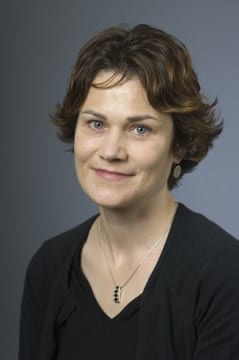 Katrina Edwards合作论文数University of Southern California37Timothy D'Angelo合作论文数16
 Brandy Toner合作论文数Department of Soil, Water, and Climate, College of Food, Agricultural and Natural Resource Sciences, University of Minnesota16
 Sylvan Jason B合作论文数Dept Oceanog, Texas A&M Univ15
 Wolfgang Bach合作论文数Fachbereich Geowissenschaften, Universitat Bremen15
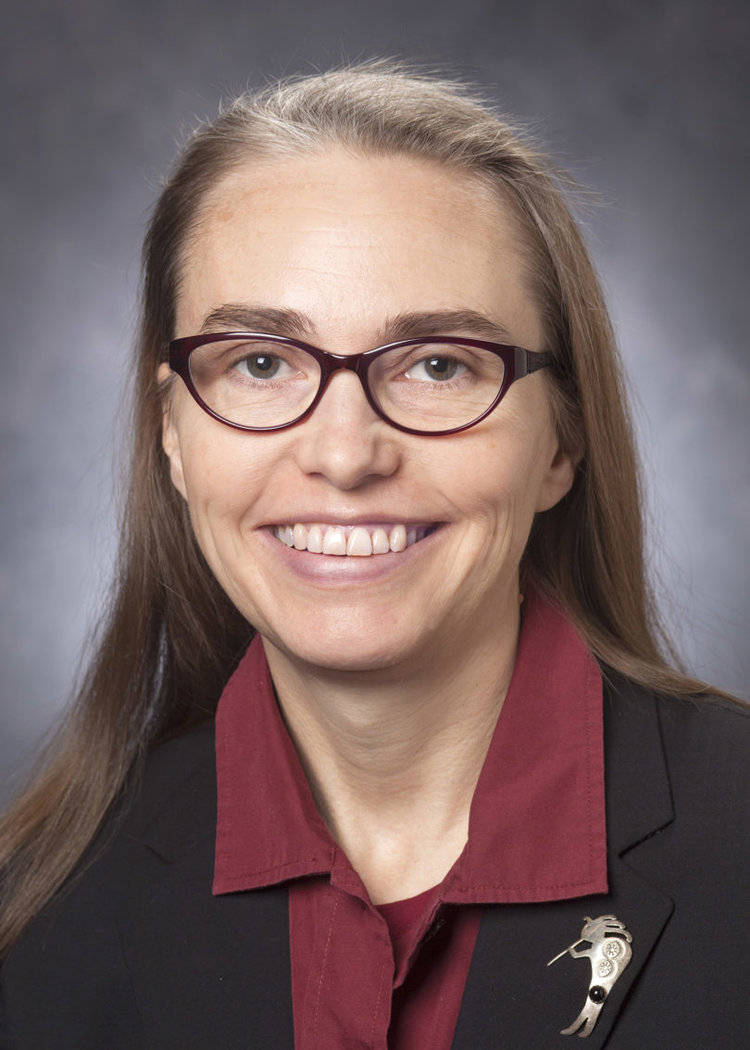 Samantha (Mandy) Joye合作论文数Department of Marine Sciences, Franklin College of Arts and Sciences, University of Georgia15
 Andrew T. Fisher合作论文数Department of Earth & Planetary Sciences, University of California, Santa Cruz;Physical & Biological Sciences Division, Institute of Marine Sciences, University of California, Santa Cruz14
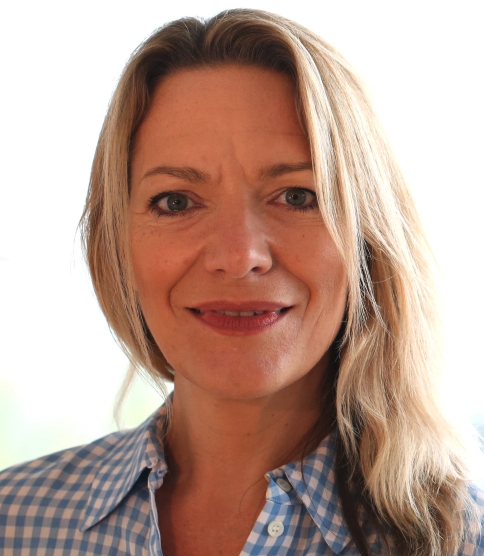 Antje Boetius合作论文数Max Planck Institute for Marine Microbiology;Alfred Wegener Institute, Helmholtz Centre for Polar and Marine Research;MARUM Cluster of Excellence, University of Bremen12
 Samuel Hulme合作论文数12
 Julie Huber合作论文数Marine Chemistry and Geochemistry Department, Woods Hole Oceanographic Institution11Keir Becker合作论文数10
 Matt Schrenk合作论文数Department of Earth & Environmental Sciences, College of Natural Science, Michigan State University;Department of Microbiology, Genetics, and Immunology, Michigan State University10Vladimir A. Samarkin合作论文数10
 Ramunas Stepanauskas合作论文数Single Cell Genomics Center, Bigelow Laboratory for Ocean Sciences8
 Sean Patrick Jungbluth合作论文数School of Ocean and Earth Science and Technology, University of Hawaii Kaneohe;School of Ocean and Earth Science and Technology, University of Hawaii Honolulu;University of Hawaii Kaneohe, University of Hawaii Honolulu8
 Susan Q. Lang合作论文数College of Ocean and Fisheries Sciences, University of Washington8
 Laura L. Lapham合作论文数Chesapeake Biol Lab, Univ Maryland8Gretchen L. Frueh-Green合作论文数7
 Melody R Lindsay合作论文数Montana State Univ, Dept Microbiol & Immunol, Bozeman, MT 59717 USA7
 Rappé Michael S合作论文数Hawaii Inst Marine Biol, Univ Hawaii Manoa7
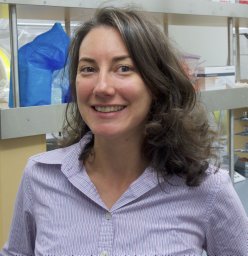 Twing Katrina I合作论文数Department of Geological Sciences, Michigan State University East Lansing7Haddad Amanda G合作论文数7
 James Mcmanus合作论文数College of Oceanic and Atmospheric Sciences, Oregon State University7
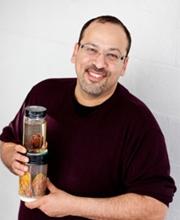 Peter R. Girguis合作论文数Department of Organismic & Evolutionary Biology, Harvard University7
 Andrew M Mccaig合作论文数Department of Earth Sciences, University of Leeds7Gaye Bayrakci合作论文数6Emilio Herrero-Bervera合作论文数6
 Amila Sandaruwan Ratnayake合作论文数Faculty of Applied Sciences, Uva Wellassa University6Esther M. Schwarzenbach合作论文数Institute of Geological Sciences, Freie Universität Berlin, 12249 Berlin, Germany6Benedicte Menez合作论文数Institut de Physique du Globe de Paris, Sorbonne Paris Cité, Université Paris Diderot, CNRS UMR 7154, 1 rue Jussieu, 75238 Paris cedex 5, France6
 Marianne Quemeneur合作论文数6Lisa E. Mayhew合作论文数Department of Geological Sciences, University of Colorado6
 Goordial Jacqueline合作论文数Department of Natural Resource Sciences, McGill University6
 Norikatsu Akizawa合作论文数6
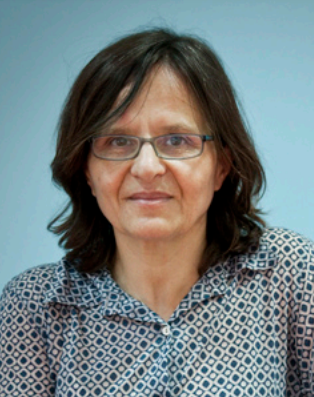 Cannat Mathilde合作论文数Institut de Physique du Globe de Paris-CNRS6
 Barbara John合作论文数Department of Geology and Geophysics, University of Wyoming6S.A. Whattham合作论文数5K.G. Dunkel合作论文数5W.J. Brazleton合作论文数5Y. Morono合作论文数5
 Rui Zhao合作论文数Univ Bergen, Dept Biol, Ctr Geobiol, Bergen, Norway5
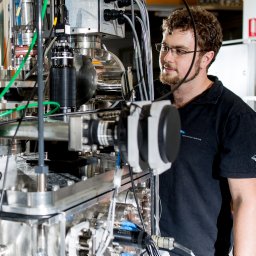 Morgan Williams合作论文数Commonwealth Sci & Ind Res Org CSIRO5
 Gustavo A Ramírez合作论文数Dept Biol Sci, Calif State Univ5
 Dominique Weis合作论文数Department of Earth, Ocean and Atmospheric Sciences, Faculty of Science, The University of British Columbia;Carnegie Institution of Washington5
 Nicole J. Poulton合作论文数Bigelow Laboratory for Ocean Sciences, East Boothbay, ME 04544;Bigelow Laboratory for Ocean Sciences, East Boothbay, ME 04544;5
 Steven D’Hondt合作论文数Graduate School of Oceanography, The University of Rhode Island5
 Stephanie Carr合作论文数5
 Andreas Teske合作论文数Department of Earth, Marine and Environmental Sciences, College of Art And Sciences, University of North Carolina at Chapel Hill5




