BACKGROUND AND AIMS:Efficacy and safety of endoscopic ultrasound (EUS)-guided placement of lumen-apposing metal stents (LAMSs) has been reported, but the advantage of using 15-mm LAMSs over 10-mm LAMSs has yet to be explored. METHODS:This was an international, retrospective, case-matched study of patients with intra-abdominal abscess who underwent EUS-guided drainage with 15-mm (case) and 10-mm (control) LAMSs from March 2019 through September 2022. RESULTS:Fifty-one patients underwent EUS-guided drainage using LAMSs (15-mm, 29 [57%]; 10-mm, 22 [43%]). The most common location of the abscess was peripancreatic 43%. Technical success rate was achieved in 97% of the case subjects and 100% of the control subjects (P = .412), and clinical success was achieved in 98% and 96%, respectively (odds ratio, 1.3; P = .089). Adverse events occurred in 7.8% of the case subjects. Patients with 15-mm LAMSs underwent fewer total endoscopic procedures (mean, 2.5 vs 3.6; P < .023). CONCLUSIONS:Both sizes showed similar clinical success and safety profiles, with a significant trend of the need for fewer endoscopic procedures with the 15-mm LAMS.
Objective EUS-guided gallbladder drainage (EUS-GBD) with electrocautery-enhanced lumen-apposing metal stents (EC-LAMS) is an emerging method of establishing GBD in patients with acute cholecystitis lacking fitness for surgery. Robust data on long-term outcomes are lacking. This study assessed the efficacy, safety and durability of this procedure. Design/method Retrospective review of consecutive patients undergoing this procedure at 12 tertiary institutions across the UK and Ireland between January 2016 and May 2023 was undertaken. Primary outcomes included technical success, clinical success (resolution of acute cholecystitis within 96 hours) and adverse event (AE) rates at 30 days, 1 year and 3 years. Secondary outcomes in the cohort with non-malignant cholecystitis included rates of recurrent cholecystitis and further endoscopic procedures for stone extraction and/or stent removal. Results 64 patients (68.8% female) were included. The most common indication was calculous cholecystitis (45%; n=29) and the median follow-up period was 467 days. Technical and clinical success was achieved in 95.3% (n=61) and 94.6% (n=53), respectively. The 30-day AE rate was 4.7% (n=3). A further AE occurred in 15% (n=4), 7.1% (n=1) and 0% (n=0) at 1, 2 and 3 years, respectively, while the unplanned biliary reintervention rate was 0% (n=0), 7% (n=1) and 0% (n=0). Of those with benign disease, the EC-LAMS was removed in 15.0% (n=3) at 1 year, with only one case of recurrent cholecystitis. Conclusions EUS-GBD with EC-LAMS at tertiary institutions is a highly effective and relatively safe technique in patients who are not fit for surgery. Routine stent removal in non-malignant cases does not appear to impact clinical outcome.
Abstract Background Biliary obstruction is a common manifestation of biliary tract cancer. Decompression is indicated if patients develop systemic illness due to the obstruction or to facilitate chemotherapy. Stent insertion via ERCP is the current first line decompressive technique, although in certain situations such as duodenal/ampullary obstruction, is not always feasible. When ERCP has failed, our centre has implemented using lumen apposing metallic stents (LAMS) delivered by the HOT AXIOS™ system to create a draining choledochoduodenostomy. Our aim is to report on our experience of carrying out pancreaticoduodenectomy after biliary drainage has been achieved with this technique. Method All patients who underwent biliary drainage with a LAMS and then surgical resection of a biliary tract cancer were identified from a prospective database. Both procedures were carried out at St James’s Hospital, Leeds, between June 2018 and May 2024 by expert gastroenterology and pancreatic surgical consultants. Procedural and inpatient notes were retrospectively reviewed. The primary outcomes were the assessment of technical feasibility of pancreaticoduodenectomy and of perioperative complications, classified by the Clavien-Dindo (CD) system. Secondary outcomes were the safe and clinically effective (defined as >50% reduction of serum bilirubin within 7 days) application of LAMS. Results Thirteen patients were identified with a median age of 69 (51-81), twelve requiring drainage due to jaundice and one due to cholangitis. Duration to resection was median 68 days (12-377). Surgical resection was successful in all thirteen patients, in seven cases the surgeons commented on fibrosis due to the stent, with one qualifying that this was no more than a conventional biliary stent. Postoperatively five patients had no complications, one CD grade 1, five CD grade 2 and one CD grade 5. There were no significant post endoscopic complications and 10 patients demonstrated clinical effectiveness of the LAMS. Conclusion ERCP is the current first line method of drainage in malignant biliary obstruction. Technical success is reliant on unimpeded access to the bile duct. The HOT AXIOSÔ system circumvents this reliance by delivering a LAMS in a single stage forming a draining choledochoduodenostomy. Our centre’s experience suggests that it is a safe and effective method of biliary drainage which does not impede surgical resection. Additionally, it is not associated with the risk of post procedural pancreatitis. Our experience justifies further large-scale studies into this technique with consideration for its use not only when ERCP is not possible.
© Author(s) (or their employer(s)) 2023. No commercial reuse. See rights and permissions. Published by BMJ. INTRODUCTION Primary sclerosing cholangitis (PSC) is a rare cholestatic disorder with a prevalence of 16.2 per 100 000 population. It is characterised by progressive inflammation and destruction of the intrahepatic and extraheptic bile ducts culminating in progressive fibrosis and cirrhosis. The course of PSC is complicated by biliary strictures, recurrent cholangitis and a 4001500 times higher risk of cholangiocarcinoma (CC) and other hepatopancreatobiliary malignancy than the general population. 4–9 Treatment of PSC revolves around managing symptoms and complications as they arise. Endoscopic retrograde cholangiography (ERC) is a valuable tool that allows therapeutic interventions to optimise biliary drainage and facilitate biliary sampling. Despite the utility, controversies remain as to when ERC should be performed. 12 This article aims to clarify some of the issues surrounding this and to provide practical guidance on the ERCbased assessment and management of biliary strictures in PSC. bile ducts culminating in progressive fibrosis and cirrhosis. The course of PSC is complicated by biliary strictures, recurrent cholangitis and a 4001500 times higher risk of cholangiocarcinoma (CC) and other hepatopancreatobiliary malignancy than the general population. 4–9 Treatment of PSC revolves around managing symptoms and complications as they arise. Endoscopic retrograde cholangiography (ERC) is a valuable tool that allows therapeutic interventions to optimise biliary drainage and facilitate biliary sampling. Despite the utility, controversies remain as to when ERC should be performed. 12 This article aims to clarify some of the issues surrounding this and to provide practical guidance on the ERCbased assessment and management of biliary strictures in PSC.
Aims Single session EUS/ERCP for biliary stone disease has the advantages of obtaining immediate, real-time information from EUS, administering only one sedation for both diagnosing and treating biliary stones, and potentially avoiding an unnecessary ERCP in the event of a spontaneous passage of CBD stones. The objective of this study was to review the combined EUS-ERCP procedures for biliary stone disease and how it alters the proportion of patients undergoing subsequent ERCP. A secondary objective was to assess the imaging modalities that led to the ERCP request and any correlation between the EUS findings, liver function tests (LFTs), abdominal ultrasound (USS)/CT/MRCP findings and scan-to-ERCP time.
Objectives: Standard endoscopic retrograde cholangiopancreatography (ERCP) sampling techniques for pancreaticobiliary malignancy have modest yields that could lead to delays in treatment. We evaluated whether combining EUS-guided tissue acquisition (EUS-TA) with ERCP improved time to first outpatient evaluation and treatment. Materials and Methods: All patients without a prior pathological diagnosis who underwent index ERCP at Leeds Teaching Hospitals NHS Trust, United Kingdom, for malignant distal biliary obstruction from 2015 to 2020 were considered. Results: A total of 292 patients were included, of whom 74.7% (n = 202) underwent EUS-TA/ERCP. A combined approach was more likely to establish a positive diagnosis (96.5% [n = 195] vs 57.8% [n = 52], P < 0.01) and less likely to require further sampling procedures (2.0% [n = 4] vs 17.8% [n = 16], P < 0.01). Mean times to first outpatient evaluation (16.9 vs 24.5 days [P = 0.01]) and oncological treatment (55.1 vs 79.3 days [P = 0.03]) were significantly shorter. A third (n = 86) of patients with a positive diagnosis did not receive oncological/surgical treatment. Conclusions: A combined approach was associated with improved yield and reduced time to evaluation/treatment, with similar success and adverse event rates. Careful multidisciplinary discussion is recommended to avoid performing unnecessary EUS procedures.
Introduction Live biopsy remains the gold standard once less invasive methods in the diagnostic pathway of liver disease are non-diagnostic. EUS guided liver biopsy (EUS-LB) is increasingly seen as a viable alternative to percutaneous or trans-jugular biopsies. We sought to assess the suitability for histological diagnosis and identify factors associated with non-diagnostic samples. Methods A prospective database of consecutive patients who underwent EUS guided liver biopsy from September 2020 to December 2022 was retrospectively analysed. Results Twelve patients (7 female; 5 male) were identified. Median age was 52 years (range 23- 81). Indication for EUS-LB was deranged liver function tests (LFT) (n=11, 92%) or biliary pain with normal LFT in the context of positive autoantibodies (n=1, 8%). In addition to raised liver enzymes; 7 (58%) had biliary pain and 3 (25%) had biliary dilatation. Five (42%) patients had positive autoantibodies; smooth muscle antibodies in 3 (25%), anti-mitochondrial antibody in 1 (8%) and anti-LC1 in 1 (8%). Two (16%) had a radiological diagnosis of cirrhosis. There was one (8%) patient with a previous liver transplant. The preprocedural median bilirubin was 23 μmol/L (range 5–80 μmol/L), alanine aminotransferase 157 IU/L (range 13–642 IU/L) and alkaline phosphatase 141 IU/L (range 57–306 IU/L). A 19-gauge Franseen needle (Acquire, Boston Scientific Corp, Natick, Massachusetts, United States) was used in all cases. Two passes were taken from the right and 2 from the left lobe of the liver in 10 cases (83%). Median number of portal tracts was 30 (range 8- 103). The median specimen length was 20mm (range 15–31mm). Adequate specimen for a definitive histological diagnosis was available for 11 (92%) patients. The patient without sufficient tissue for histological diagnosis had 2 passes into the left liver lobe alone, 8 portal tracts were retrieved. Three (25%) patients were found to have no evidence of parenchymal liver disease. Three (25%) had minor changes of uncertain significance. One patient had non-specific cholestatic changes and was found to have a common bile duct stone on further investigation. One patient each had drug induced liver injury, non-alcoholic steatohepatitis, chronic ductopenia and cystic fibrosis associated changes. One (8%) patient developed periprocedural pain which recovered with simple analgesia. There were no other complications. Conclusions EUS guided liver biopsy is a safe and effective method of tissue acquisition. Two passes of both lobes of the liver should be taken. A full PB examination should be undertaken prior to performing liver biopsy to rule out other causes of deranged LFTs including biliary stones.
ObjectiveEndoscopic ultrasound-guided through-the-needle microbiopsy (EUS-TTNB) forceps is a recent development that facilitates sampling of the walls of pancreatic cystic lesions (PCL) for histological analysis. We aimed to assess the impact of EUS-TTNB and its influence on patient management in a tertiary pancreas centre. DesignA prospective database of consecutive patients who underwent EUS-TTNB from March 2020 to August 2022 at a tertiary referral centre was retrospectively analysed. ResultsThirty-four patients (22 women) were identified. Technical success was achieved in all cases. Adequate specimens for histological diagnosis were obtained in 25 (74%) cases. Overall, EUS-TTNB led to a change in management in 24 (71%) cases. Sixteen (47%) patients were downstaged, with 5 (15%) discharged from surveillance. Eight (24%) were upstaged, with 5 (15%) referred for surgical resection. In the 10 (29%) cases without change in management, 7 (21%) had confirmation of diagnosis with no change in surveillance, and 3 (9%) had insufficient biopsies on EUS-TTNB. Two (6%) patients developed post-procedural pancreatitis, and 1 (3%) developed peri-procedural intracystic bleeding with no subsequent clinical sequelae. ConclusionEUS-TTNB permits histological confirmation of the nature of PCL, which can alter management outcomes. Care should be taken in patient selection and appropriately consented due to the adverse event rate.
Endoscopic ultrasound (EUS) has an important role in the management algorithm of patients with pancreatic ductal adenocarcinoma (PDAC), typically for its diagnostic utilities. The past two decades have seen a rapid expansion of the therapeutic capabilities of EUS. Interventional EUS is now one of the more exciting developments within the field of endoscopy. The local effects of PDAC tend to be in anatomical areas which are difficult to target and endoscopy has cemented itself as a key role in managing the clinical sequelae of PDAC. Interventional EUS is increasingly utilized in situations whereby conventional endoscopy is either impossible to perform or unsuccessful. It also adds a different dimension to the host of oncological and surgical treatments for patients with PDAC. In this review, we aim to summarize the various ways in which interventional EUS could benefit patients with PDAC and aim to provide a balanced commentary on the current evidence of interventional EUS in the literature.
Background and Aims: EUS-guided choledochoduodenostomy (EUS-CDD) with an electrocautery-enhanced lumen-apposing metal stent (EC-LAMS) has emerged as a viable method of establishing biliary drainage in patients with malignant distal biliary obstruction (MDBO). Our aim was to assess the efficacy, safety, and outcomes in patients with MDBO who underwent EUS-CDD with an EC-LAMS. Methods: A retrospective review of consecutive patients with MDBO who underwent EUS-CDD with EC-LAMSs at 8 tertiary institutions across the United Kingdom and Ireland between September 2016 and November 2020 was undertaken. Results: One hundred twenty patients (55% men) with a median age of 73 years (interquartile range, 17; range, 43-94) were included. The median follow-up period in 117 patients was 70 days (interquartile range, 169; range, 3869), and 23 patients (19.2%) were alive at the end of the follow-up. Three patients were lost to follow-up. Technical success was achieved in 109 patients (90.8%). Clinical success (reduction of serum bilirubin to <= 50% of original value within 14 days) was achieved in 94.8% of patients (92/97). The adverse event rate was 17.5% (n = 21). Biliary reintervention after initial technical success was required in 9 patients (8.3%). Conclusions: EUS-CDD with EC-LAMSs at tertiary institutions within a regional hepatopancreatobiliary network for treatment of MDBO was effective in those where ERCP was not possible or was unsuccessful. When technical failures or adverse events occur, most patients can be managed with conservative or endoscopic therapy.
Introduction Fully covered intraductal self-expanding metal stents (IDSEMS) have been well described in the management of post-liver transplant anastomotic strictures (AS). They are increasingly used in a non-transplant (NT) setting. We conducted a multi-centre study across nine tertiary centres in the UK to analyse their use and efficacy Methods Consecutive patients who underwent Endoscopic Retrograde Cholangiopancreatography (ERCP) with insertion of IDSEMS were retrospectively analysed. Results 178 episodes (109 males, 61%) were identified. 162 (91%) underwent IDSEMS stent insertion for AS and 16 (9%) for a NT indication. Age at transplant was 54 years (range 12-74) and stent duration was 15 weeks (range three days-78 weeks). 131 (81%) had complete resolution of stricture at endoscopic re-evaluation. Stricture recurrence was observed in 13 (10%) cases. The most frequent indication for stenting in the NT setting was bile leak post partial hepatectomy (n=8, 50%). In the NT cohort, stent duration was 15 weeks (range 2- 41 weeks). 10 (83%) patients had complete resolution of biliary pathology on stent removal. At removal, there were 26 (14%) adverse events, five (3%) episodes of cholangitis and two (1%) of pancreatitis. In 13 (7%) cases the removal wires unravelled, 3 (2%) stents migrated, and three (2%) stents were embedded. All were removed endoscopically. Conclusions IDSEMS appear to be safe and highly efficacious in the management of post-liver transplant AS, with low rates of AS recurrence. IDSEMS can be effectively used in the non-transplant setting.
BACKGROUND AND AIMS:EUS-directed transgastric ERCP (EDGE) is an established method for managing pancreaticobiliary pathology in Roux-en-Y gastric bypass patients, with high rates of technical success and low rates of serious adverse events (AEs). However, widespread adoption of the technique has been limited because of concerns about the development of persistent gastrogastric or jejunogastric fistulas. Gastrogastric and jejunogastric fistulas have been reported in up to 20% of cases in some series, but predictive risk factors and long-term management and outcomes are lacking. Therefore, our aims were to assess factors associated with the development of persistent fistulas and the technical success of endoscopic fistula closure. METHODS:This is a case-control study involving 9 centers (8 USA, 1 Europe) from February 2015 to September 2021. Cases of persistent fistulas were defined as endoscopic or imaging evidence of fistula more than 8 weeks after lumen-apposing metal stent (LAMS) removal. Control subjects were defined as endoscopic or imaging confirmation of no fistula more than 8 weeks after LAMS removal. AEs were defined and graded according to the American Society for Gastrointestinal Endoscopy lexicon. RESULTS:Twenty-five patients identified to have evidence of a persistent fistula on follow-up surveillance (cases) were matched with 50 patients with no evidence of a persistent fistula on follow-up surveillance (control subjects) based on age and sex. Mean LAMS dwell time was 74.7 ± 106.2 days. After LAMS removal, argon plasma coagulation (APC) ablation of the fistula was performed in 46 patients (61.3%). Primary closure of the fistula was performed in 26.7% of patients (20: endoscopic suturing in 17, endoscopic tacking in 2, and over-the-scope clips + endoscopic suturing in 1). When comparing cases with control subjects, there was no difference in baseline demographics, fistula site, LAMS size, or primary closure frequency between the 2 groups (P > .05). However, in the persistent fistula group, the mean LAMS dwell time was significantly longer (127 vs 48 days, P = .02) and more patients had ≥5% total body weight gain (33.3% vs 10.3%, P = .03). LAMS dwell time was a significant predictor of persistent fistula (odds ratio, 4.5 after >40 days in situ, P = .01). The odds of developing a persistent fistula increased by 9.5% for every 7 days the LAMS was left in situ. In patients with a persistent fistula, endoscopic closure was attempted in 19 (76%) with successful resolution in 14 (73.7%). CONCLUSIONS:Longer LAMS dwell time was found to be associated with a higher risk of persistent fistulas in EDGE patients. APC or primary closure of the fistula on LAMS removal was not found to be protective against developing a persistent fistula, which, if present, can be effectively managed through endoscopic closure in most cases.
Introduction Standard ERCP sampling techniques for pancreaticobiliary (PB) malignancy have modest yields that could lead to delay in treatment. We aimed to evaluate whether combining EUS guided tissue acquisition (EUS-TA) with ERCP versus ERCP alone at time of index procedure improved time to treatment in patients with suspected PB malignancy. Methods All patients without a prior pathological diagnosis who underwent index ERCP at Leeds Teaching Hospitals NHS Trust for distal biliary obstruction from January 2015 to December 2020 were included. Time to first clinical evaluation (for outpatients) and time to initial treatment were compared between ERCP alone and ERCP combined with EUS-TA. Results A total of 292 patients were included; 74.7% (n=202) underwent EUS-TA/ERCP and the remainder (n=90) underwent ERCP alone. EUS-TA/ERCP yielded a positive diagnosis more frequently than ERCP alone (96.5% (n=195) vs 57.8% (n=52), p< 0.01). Further procedures for tissue acquisition were required in 2.0% (n=4) of the EUS-TA/ERCP group and 17.8% (n=16) of the ERCP group. Mean time to first outpatient oncological/surgical evaluation (16.9 days vs 24.5 days (p = 0.01)) and times to commencement of oncological (55.1 vs 79.3 days (p= 0.03)) and surgical treatment (50.7 vs 72.0 days (p= 0.13)) were shorter in the EUS-TA/ERCP than the ERCP alone groups. However, 33.2% (n=86/292) of patients who had a positive tissue diagnosis did not undergo further oncological/surgical treatment, of whom 70.9% (n=61/86) were from the EUS-TA/ERCP group. Conclusions In our cohort of patients with malignant distal biliary obstruction, a combined approach of EUS-TA/ERCP at index procedure improved diagnostic yield, reduced the need for repeat sampling procedures and was associated with reduced time to treatment. Careful case selection is required to avoid offering unnecessary EUS procedures to patients who will not benefit from further treatment.
[This corrects the article DOI: 10.1055/a-1629-7540.].
Background: Fully covered intraductal self-expanding metal stents (IDSEMS) have been well described in the management of post-liver transplant (LT) anastomotic strictures (ASs). Their antimigration waists and intraductal nature make them suited for deployment across the biliary anastomosis. Objectives: We conducted a multicentre study to analyse their use and efficacy in the management of AS. Design: This was a retrospective, multicentre observational study across nine tertiary centres in the United Kingdom. Methods: Consecutive patients who underwent endoscopic retrograde cholangiopancreatography with IDSEMS insertion were analysed retrospectively. Recorded variables included patient demographics, procedural characteristics, response to therapy and follow-up data. Results: In all, 162 patients (100 males, 62%) underwent 176 episodes of IDSEMS insertion for AS. Aetiology of liver disease in this cohort included hepatocellular carcinoma ( n = 35, 22%), followed by alcohol-related liver disease ( n = 29, 18%), non-alcoholic steatohepatitis ( n = 20, 12%), primary biliary cholangitis ( n = 15, 9%), acute liver failure ( n = 13, 8%), viral hepatitis ( n = 13, 8%) and autoimmune hepatitis ( n = 12, 7%). Early AS occurred in 25 (15%) cases, delayed in 32 (20%) cases and late in 95 (59%) cases. Age at transplant was 54 years (range, 12–74), and stent duration was 15 weeks (range, 3 days–78 weeks). In total, 131 (81%) had complete resolution of stricture at endoscopic re-evaluation. Stricture recurrence was observed in 13 (10%) cases, with a median of 19 weeks (range, 4–88 weeks) after stent removal. At removal, there were 21 (12%) adverse events, 5 (3%) episodes of cholangitis and 2 (1%) of pancreatitis. In 11 (6%) cases, the removal wires unravelled, and 3 (2%) stents migrated. All were removed endoscopically. Conclusion: IDSEMS appears to be safe and highly efficacious in the management of post-LT AS, with low rates of AS recurrence.
Backgrounds/Aims: Gallstone disease is a recognized complication of bariatric surgery. Subsequent management of choledocholithiasis may be challenging due to altered anatomy which may include Roux-en-Y gastric bypass (RYGB). We conducted a retrospective service evaluation study to assess the safety and efficacy of endoscopic ultrasound-directed transgastric endoscopic retrograde cholangiopancreatography (EDGE) in patients with RYGB anatomy. Methods: All the patients who underwent EDGE for endoscopic retrograde cholangiopancreatography after RYGB at two tertiary care centers in the United Kingdom between January 2020 and October 2021 were included in the study. Clinical and demographic details were recorded for all patients. The primary outcome measures were technical and clinical success. Adverse events were recorded. Hot Axios lumen apposing metal stents measuring 20 mm in diameter and 10 mm in length were used in all the patients for creation of a gastro-gastric or gastro-jejunal fistula.Results: A total of 14 patients underwent EDGE during the study period. The majority of the patients were female (85.7%) and the mean age of patients was 65.8 +/- 9.8 years. Technical success was achieved in all but one patient at the first attempt (92.8%) and clinical success was achieved in 100% of the patients. Complications arose in 3 patients with 1 patient experiencing persistent fistula and Conclusions: In patients with RYGB anatomy, EDGE facilitated biliary access has a high rate of clinical success with an acceptable safety profile. Adverse events are uncommon and can be managed endoscopically.
Background and Aims: Placement of a lumen-apposing metal stent (LAMS) between the gastric pouch and the excluded stomach allows for EUS-guided transgastric interventions (EDGIs) in patients with Roux-en-Y gastric bypass (RYGB). Although EUS-guided transgastric ERCP (EDGE) outcomes have been reported, data are scant on other endoscopic interventions. We aimed to evaluate the outcomes and safety of EDGIs. Methods: This retrospective study involved 9 centers (United States, 8; Europe, 1) and included patients with RYGB who underwent EDGIs between June 2015 and September 2021. The primary outcome was the technical success of EDGIs. Secondary outcomes were adverse events (AEs), length of hospital stay, and fistula follow-up and management. Results: Fifty-four EDGI procedures were performed in 47 patients (mean age, 61 years; 72% women), most commonly for the evaluation of a pancreatic mass (n Z 16) and management of pancreatic fluid collections (n Z 10). A 20-mm LAMS was used in 26 patients and a 15-mm LAMS in 21, creating a gastrogastrostomy in 37 patients and jejunogastrostomy in 10. Most patients (n Z 30, 64%) underwent a dual-session EDGI, with a median interval of 17 days between the 2 procedures. Single-session EDGI was performed in 17 patients, of whom 10 (59%) had anchoring of the LAMS. The most common interventions were diagnostic EUS (with or without FNA or fine-needle biopsy sampling; n Z 28) and EUS-guided cystgastrostomy (n Z 8). The mean procedural time was 97.6 +/- 78.9 minutes. Technical success was achieved in 52 patients (96%). AEs occurred in 5 patients (10.6%), of which only 1 AE (2.1%) was graded as severe. Intraprocedural LAMS migration was the most common AE, occurring in 3 patients (6.4%), whereas delayed spontaneous LAMS migration occurred in 2 (4.3%). Four of the 5 LAMS migration events were managed endoscopically, and 1 required surgical repair. LAMS anchoring was found to be protective against LAMS migration (P Z.001). The median duration of hospital stay was 2.1 +/- 3.7 days. Of the 17 patients who underwent objective fistula assessment endoscopically or radiologically after LAMS removal, 2 (11.7%) were found to have persistent fistulas. In 1 case the fistula was intentionally left open to assist with weight gain. The other fistula was successfully closed endoscopically. Conclusions: EDGI is effective and safe for the diagnosis and management of pancreaticobiliary and foregut disorders in RYGB patients. It is associated with high rates of technical success and low rates of severe AEs. LAMS migration is the most common AE with evidence that anchoring can be protective against its occurrence. Persistent fistulas may occur, but endoscopic closure seems to be effective.
 Matthew T. Huggett合作论文数32Wei On合作论文数19Simon Everett合作论文数17
 Kofi Oppong合作论文数Department of Chemistry, University of Florida12Wafaa Ahmed合作论文数11
 Nayar Manu K合作论文数Department of Gastroenterology, Freeman hospital11
 George Webster合作论文数8
 Gavin Johnson合作论文数Medical School, University College London;University College London Hospitals;The Physicians' Clinic7
 John S. Leeds合作论文数Gastroenterology and Liver Unit, Royal Hallamshire Hospital7
 Hegade Vinod S合作论文数Yorkshire and the Humber Deanery6Joshi Deepak合作论文数Institute of Liver Studies, King's College Hospital6T KOWALSKI合作论文数6
 Mouen Khashab合作论文数School of Medicine, The Johns Hopkins University;The Johns Hopkins Hospital6John Devlin合作论文数6
 Bachir Ghandour合作论文数5Suresh Vasan Venkatachalapathy合作论文数Nottingham Digest Dis Ctr NDDC, Univ Nottingham5
 Yervant Ichkhanian合作论文数Department of Medicine, Henry Ford Hospital5Ryan Scott合作论文数5
 Guru Aithal合作论文数Faculty of Medicine & Health Sciences, University of Nottingham;Division for the Nottingham Digestive Diseases Centre, School of Medicine, University of Nottingham5
 Shayan Irani合作论文数Virginia Mason Medical Center5
 Stephen Pereira合作论文数Institute for Liver and Digestive Health, University College London5
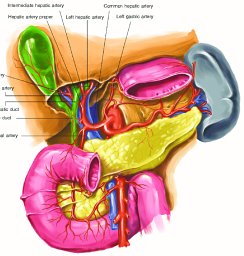 Swati Pawa合作论文数Bill Hefner VA Healthcare Syst4Tobias Zuchelli合作论文数4Michael Bejjani合作论文数Division of Gastroenterology and Hepatology, Johns Hopkins Hospital4
 Reem Z. Sharaiha合作论文数Joan and Sanford I. Weill Department of Medicine, Weill Cornell Medicine, Cornell University4Martin W. James合作论文数4
 Mohammad Al-Haddad合作论文数Division of Gastroenterology and Hepatology, Mayo Clinic College of Medicine4Harshit S. Khara合作论文数4Rishi Pawa合作论文数Beth Israel Deaconess Medical Center and Harvard Medical School, Soonchunhyang University4Alistair Young合作论文数3Muhammad A. Saleem合作论文数3Aditya Gutta合作论文数3Joe Geraghty合作论文数3Ioannis Varbobitis合作论文数3James Pine合作论文数3Ciaran McDonald合作论文数3Austin L Chiang合作论文数3Terence Wong合作论文数3El Chafic Abdul Hamid合作论文数Department of Medicine, Indiana University School of Medicine3Haugk Beate合作论文数3
 Geri Keane合作论文数Institute for Liver and Digestive Health, University College London3
 Gauci James合作论文数Department of General Medicine, Mater Dei Hospital3
 Danny Cheriyan合作论文数3
 Douglas K. Pleskow合作论文数Beth Israel Deaconess Medical Center;Harvard Medical School3Confer Bradley D合作论文数3Darné Antony合作论文数3
 David L. Diehl合作论文数Geisinger Medical Center;New York University School of Medicine;Geisinger Commonwealth School of Medicine;College of Health Sciences, Geisinger Health3David E. Loren合作论文数3
 Lionel S D'Souza合作论文数3




