Cultivating Pharmaceutical talents with characteristic of traditional Chinese medicine(TCM)is the objective andimperative need of the current TCM growth.According to the current status ofpharmaco-chemistry experiment course in Chinese medicine colleges and universities,new methods of pharmacy pro-fessional training reform were arised in this paper.By merging the theory and technique of western medi-cine and TCM,methods and patterns with high quality will be gained in pharmacochemistry practicing teaching.TCM could be maintained and further strengthened in pharmacy education in Chinese medicine colleges.
目的 建立以γ-氨基丁酸转氨酶(GABA-T)抑制剂类抗癫痫神经系统药物筛选模型,并运用此模型对天麻有效成分及其类似物进行体外活性筛选和构效关系分析.方法 优化酶催化反应温度、反应时间、底物NAD+浓度、底物α-酮戊二酸浓度、底物γ-氨基丁酸(GABA)浓度等因素建立GABA-T酶系活性筛选模型,采用对羟基苯甲醛(HBA)及其11种结构类似物验证模型可靠性.结果 成功构建GABA-T酶系抗癫痫活性筛选模型,HBA及1 1个结构类似物测定结果与文献报道抗癫痫作用相一致,且构效分析发现-OH及苯环对位上的-CHO为必需药效团.结论 建立的模型可应用于GABA-T酶抑制剂的高通量筛选,为GABA-T酶抑制剂类抗癫痫活性成分的筛选及其作用机制研究提供参考.
Objective To establish a model of screening succinate semialdehyde dehydrogenase (SSADH)inhibitors with anti-epilepsy effects,then using this model to find out the effective components in Tall Gastrodia Tuber (Latin:Rhizoma Gastrodiae,pinyin:Tianma)and some analogues and to study their structure-activity relationship.Methods First,SSADH enzyme system fluid was prepared,and the correlation of activity and optical density of SSADH was evaluated using UV spectrophotometry.Then,af-ter the screening method of SSADH activity was established by optimization of reaction temperature,reac-tion time,concentration of NAD +,SSA and SSADH,and pH of buffer on the SSADH activity,p-hydroxybenzaldehyde (HBA),a positive drug recorded in literature,was applied to verify the model. And the structural analogues of HBA were measured and the mechanism was analyzed.Results The screening model was established successfully,proved by HBA test.The UV detective system and its buff-ers of SSADH activity were determined with reaction temperature at 37 ℃ for 30 min,and detect wave at 340 nm.The structure-activity of HBA on GABA-T was as the same as that of vanillic aldehyde,and—OH and —CHO of benzene ring were the essential groups for inhibition SSADH.Conclusion The model established in this paper can be used for high throughput screening SSADH inhibitors and may guide the study of analogues of SSADH inhibitors and their mechanism.
A series of oleanolic acid derivatives were synthesized by diverse reactions, including the introduction of conjugated alkadiene and epoxy ring moieties formed by means of photosensitized oxidation. Eosin Y was used as photosensitizer during this process. Next the cytotoxicity of the products was evaluated on HepG2.2.15 cells to determine the appropriate treatment concentration for the subsequent experiments. Most of the OA derivatives exhibited anti-HBV antigens secretion activity in HepG2.2.15 cells. Among the tested compounds, OA-4 (3.13 µg/mL) showed significant activity against the secretion of HBsAg, HBeAg, and HBV DNA replication with inhibitory ratios of 90.52% ± 1.78%, 31.55% ± 3.65%, and 94.57% ± 3.11% after 6 days, respectively. Besides, OA-4 was further investigated in a duck model with DHBV infection. When OA-4 was administered at a dosage of 500 mg/kg, the results revealed a significant inhibitory effects of DHBV at 19.94% ± 2.87%, 28.80% ± 3.62% and 29.25% ± 2.65% at days 5, 10, and 3 after the cessation of OA-4 treatment, respectively. It’s worth noting that OA-4 is superior to lamivudine in the inhibition of rebound of viral replication rate. The structure–activity relationships of OA derivatives had been preliminary discussed, which should be useful to explore further novel anti-HBV agents.
Hepatic fibrosis is a naturally occurring wound-healing reaction, with an imbalance of extracellular matrix (ECM) during tissue repair response, which can further deteriorate to hepatocellular carcinoma without timely treatment. Inhibiting activated hepatic stellate cell (HSC) proliferation and inducing apoptosis are the main methods for the treatment of liver fibrosis. In our previous study, we found that the TOA-glycine derivative (G-TOA) had exhibited more significant inhibitory activity against HepG2 cells and better hydrophilicity than TOA, ligustrazine (TMP), and oleanolic acid (OA). However, inhibiting activated HSC proliferation and inducing apoptosis by G-TOA had not been reported. In this paper, the selective cytotoxicity of G-TOA was evaluated on HSC-T6 cells and L02 cells, and apoptosis mechanisms were explored. It was found that G-TOA could selectively inhibit the proliferation of activated HSC-T6 cells, induce morphological changes, early apoptosis, and mitochondrial membrane potential depolarization, increase intracellular free calcium levels, downregulate the expression of NF-κB/p65 and COX-2 protein, and decrease the ratio of Bcl-2/Bax, thereby inducing HSC-T6 cell apoptosis. Thence, G-TOA might be a potential antifibrosis agent for the therapy of hepatic fibrosis, provided that it exerts anti-fibrosis effects on activated HSC-T6 cells.
Previous studies display that bile acids (Bas) could be used as carriers and pharmaceutical excipients. In this study, the selective cytotoxicity of 6 bile acids (BAs) was evaluated against hepatoma cell line HepG2, human colon carcinoma cell line HT-29, gastric cancer cell line BGC823, cervical cancer cell line Hela and hepatocyte line L02. Our study suggested that most of the BAs showed cytotoxicity against a broader spectrum of tumor cells and display high cell selectivity toward HepG2. In particular, chenodeoxy- cholic acid (CDCA) exerted the most potent selective cytotoxicity against HepG2 (IC₅₀ = 54.62 ± 3.5 µM) and low toxicity on L02 cells (IC₅₀ >200 µM). According to the structure-activity relationship, the position, configuration and number of OH groups in BAs could affect cell proliferation and selectivity. Moreover, the pre-mechanism of CDCA on HepG2 cells was studied by Giemsa staining, DAPI staining, AO/EB staining, apoptosis analysis and mitochondrial membrane potential assay. Results showed that CDCA could induce apoptosis and loss of mitochondrial transmembrane potential in HepG2 cells. The study inferred that CDCA might be a carrier and parent pharmaceutical excipient for hepatic carcinoma targeting drug.
中药配伍法则为中药复方理论的精华,复方配伍产生的中药多成分、多靶点、多途径的治疗作用为中药新药研发提供了理论指导和实践依据.中药复方的配伍原则和化药设计中的结构拼合原理均是将不同的药物单元按照一定的法则有机组合,以期达到增效、减毒的目的.受此启发,将配伍法则与拼合原理相结合,从经典药对中选择有效成分进行拼合,进而发现可开发为临床新药的先导化合物.本文介绍了相关研究中"配伍法则·拼合原理"成功结合的典型实例,本思路将在中药有效成分及新药先导化合物开发中得到更广泛的应用.
A new anticancer ligustrazine derivative, 3β-hydroxyolea-12-en-28-oic acid- 3,5,6-trimethylpyrazin-2-methylester (T-OA, C38H58O3N2), was previously reported. It was synthesized via conjugating hepatoprotective and anticancer ingredients of traditional Chinese medicine. We found that T-OA exerted its anticancer activity by preventing the expression of nuclear transcription factor NF-κB/p65 and COX-2 in S180 mice. However, the selective cytotoxicity of T-OA on various kinds of cell lines has not been studied sufficiently. In the present study, compared with Cisplatin, T-OA was more toxic to human hepatoma cell line Bel-7402 (IC50 = 6.36 ± 1.56 µM) than other three cancer cell lines (HeLa, HT-29, BGC-823), and no toxicity was observed toward Madin–Darby canine kidney cell line MDCK (IC50 > 150 µM). The morphological changes of Bel-7402 cells demonstrated that T-OA had an apoptosis-inducing effect which had been substantiated using 4ʹ,6-diamidino-2-phenylindole (DAPI) staining, acridine orange (AO)/ethidium bromide (EB) staining, flow cytometry and mitochondrial membrane potential assay. Combining the immumohistochemical staining, we found T-OA could prevent the expression of NF-κB/p65 and COX-2 in Bel-7402 cells. Both of the proteins have been known to play roles in apoptosis and are mainly located in the nuclei. Moreover subcellular localization was performed to reveal that T-OA exerts in nuclei of Bel-7402 cells. The result was in accordance with the effects of down-regulating the expression of NF-κB/p65 and COX-2.
There has been no remarkable progress in the synthesis of sultones in recent years. To facilitate more detailed studies of this functional group, we found a new method to synthesize the sulfonic acid lactone derivatives and finish its ring-closing reaction. A new sultone derivative, (E)-ethyl 4-oxo-6-styryl-3,4-dihydro-1,2-oxathiine-5-carboxylate 2,2-dioxide (S-CA), was synthesized and structurally identified by 1H-NMR, 13C-NMR, HMQC and X-ray single crystal diffraction analysis. The new rapid synthesis extended the method of ring-closing reaction of sulfonic acid lactone derivatives. The angiogenesis activities of S-CA were evaluated by the chick chorioallantoic membrane (CAM) model. It could selectively suppress small angiogenesis in CAM, without influencing either middle and large angiogenesis. In addition, anticancer efficacy of S-CA was evaluated in vivo using a murine sarcoma S180 model. Reduction of the tumor weight and tumor HE staining regions demonstrated that S-CA (10 mg/kg, intraperitoneal injection) had potent inhibition effects and a 44.71% inhibitory rate in S180 mice. Moreover, an acute toxicity test showed that the LD50 value of S-CA via intraperitoneal injection was 25.624 mg/kg.
To provide the toxicological evaluation for safety of Dendrobium huoshanense. The contents of organic chlorine pesticide residue and heavy metals were determined by gas chromatography and atomic absorption spectrophotometer; Acute toxicity test, genetic toxicity test(Ames test, micronucleus test of born marrow in mice, sperm shape abnormality test in mice) and thirty- day feeding test in rats w ere conducted in this study. The contents organic chlorine pesticide residue and heavy metals all measure up to national standard. The oral MTD in both male and female mice were more than 30.0 g/kg·bw, the results of Ames test, micronucleus test of born marrow in mice, sperm shape abnormality in mice were negative. The thirty-day feeding test in rats demonstrated that it had no obvious toxic effects on growth and development, routine blood, biochemical index, VSI and histopathological changes. Dendrobium huoshanense has no significant acute and Sub-aeute toxicity and mutagenic effect and is safe as a health food.
Objective To study the effect of NF-kB decoy oligodeoxynucleotides on IL-1βexpression in LPS induced SW480 cells.Methods SW480 cells were cultured in vitro,and then randomly divided into five groups,control group,LPS group,NODN group,SODN group and lipofectin2000 group which was stimulated for 3 hours with LPS(10μg/L),then added with lipofectin2000 mediated NF-κB decoy oligodeoxynucleotides for 3 hours.The supernatants were collected and measured for IL-1βmRNA,the expression of IL-1βmRNA were examined by RT-PCR respectively.The results were compared with control group,SODN group,and lipofectin2000 group.Results The concentration of LDH were not significant different in all of the five groups(P0.05).After SW480 cells were stimulated by LPS,IL-1βmRNA expression were significantly increased,compared with control group,the difference was statistical significant(P0.01).After NF-κB decoy oligodeoxynucleotides treating,IL-1βmRNA expression was significantly inhibited(P0.01),but there were no statistical differences between the SODN group and lipofectin2000 group(P0.05).Conclusion NF-κB decoy ODNs can effectively decrease the expression of IL-1βmRNA in SW480 cell,it will become a new gene drug for treating IBD.
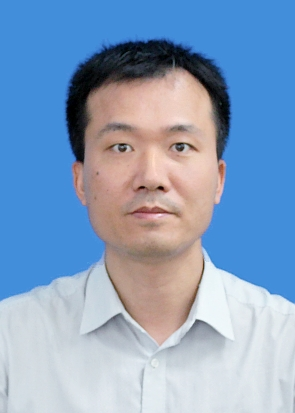 Penglong Wang (王鹏龙)合作论文数School of Chinese Materia Medica, Beijing University of Chinese Medicine10
 Haimin Lei (雷海民)合作论文数School of Chinese Materia Medica, Beijing University of Chinese Medicine8
 Zhang Chenze合作论文数School of Chinese Pharmacy, Beijing University of Chinese Medicine7
 Yan Wenqiang (颜文强)合作论文数北京中医药大学7Fuhao Chu (褚福浩)合作论文数7
 Bing Xu (徐冰)合作论文数School of Chinese Materia Medica, Beijing University of Chinese Medicine7Siling BI (毕思玲)合作论文数4LIANG Miao (梁淼)合作论文数3Zhang Huazheng合作论文数3Xiong FANG (方雄)合作论文数2Yan GONG (龚艳)合作论文数2Gong Yan合作论文数2
 Qiuli Yao (姚秋丽)合作论文数School of Nursing, Beijing University of Chinese Medicine2Jian Ren合作论文数1
 Mina Wang合作论文数Sch Tradit Chinese Med, Beijing Univ Chinese Med1Xin Xu合作论文数1Pei MAO (毛佩)合作论文数1Wenbo Guo合作论文数1
 Qiang Li (李强)合作论文数北京中医药大学中药学院1Liang Xu合作论文数1Gu Shun合作论文数1Guoliang Li (李国梁)合作论文数1
 Liwei Ren (任丽薇)合作论文数School of Traditional Chinese Medicine, Beijing University of Chinese Medicine1
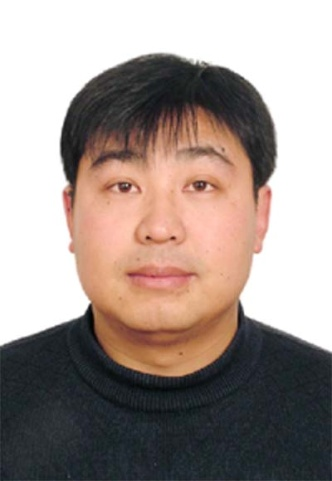 Yonggang Liu (刘永刚)合作论文数School of Chinese Materia Medica, Beijing University of Chinese Medicine1
 Bo Li (Bob) (李博)合作论文数Beijing Hospital of Traditional Chinese Medicine, Capital Medical University1
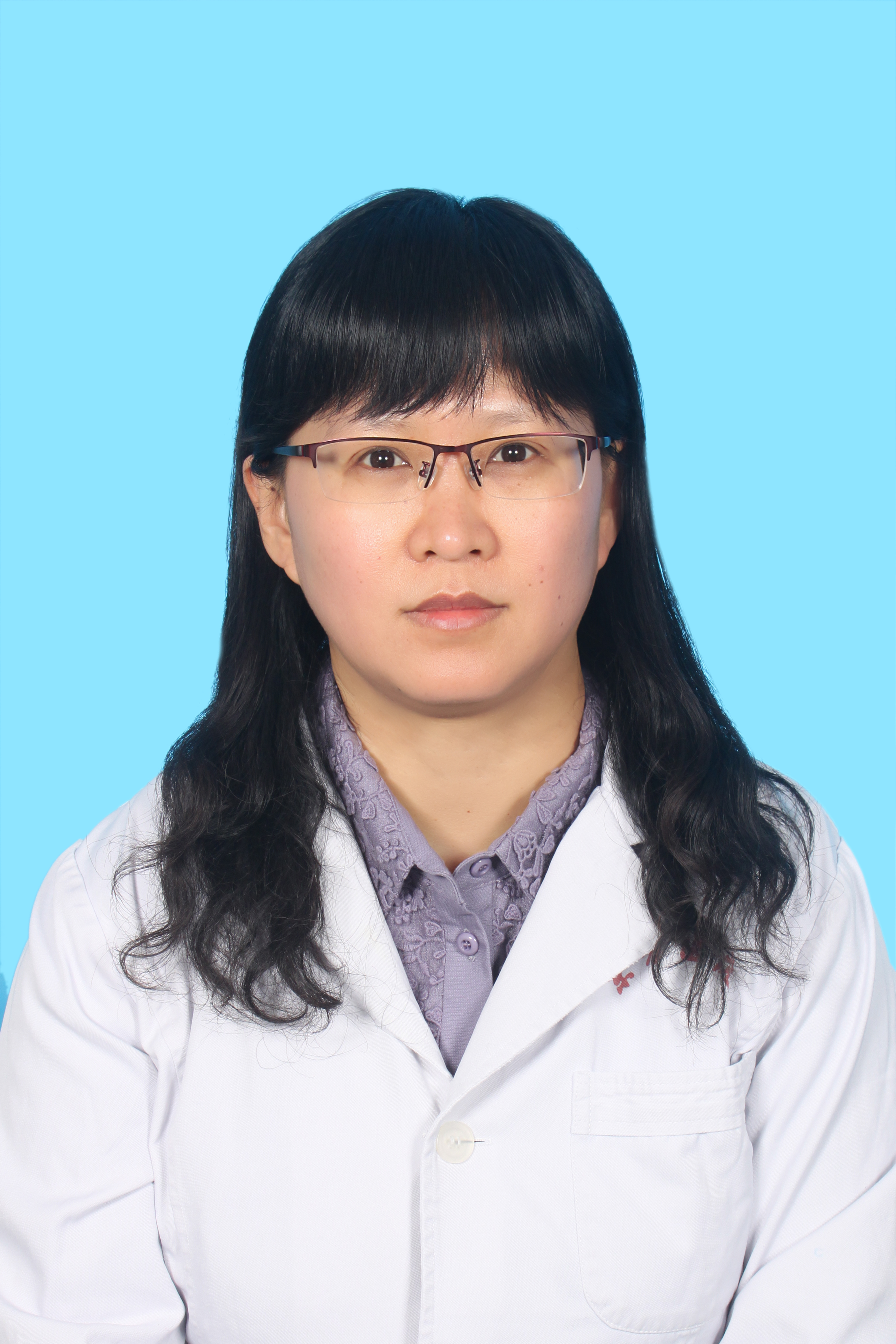 Yang Liu (刘洋)合作论文数Dongfang Hospital, Beijing University of Chinese Medicine1
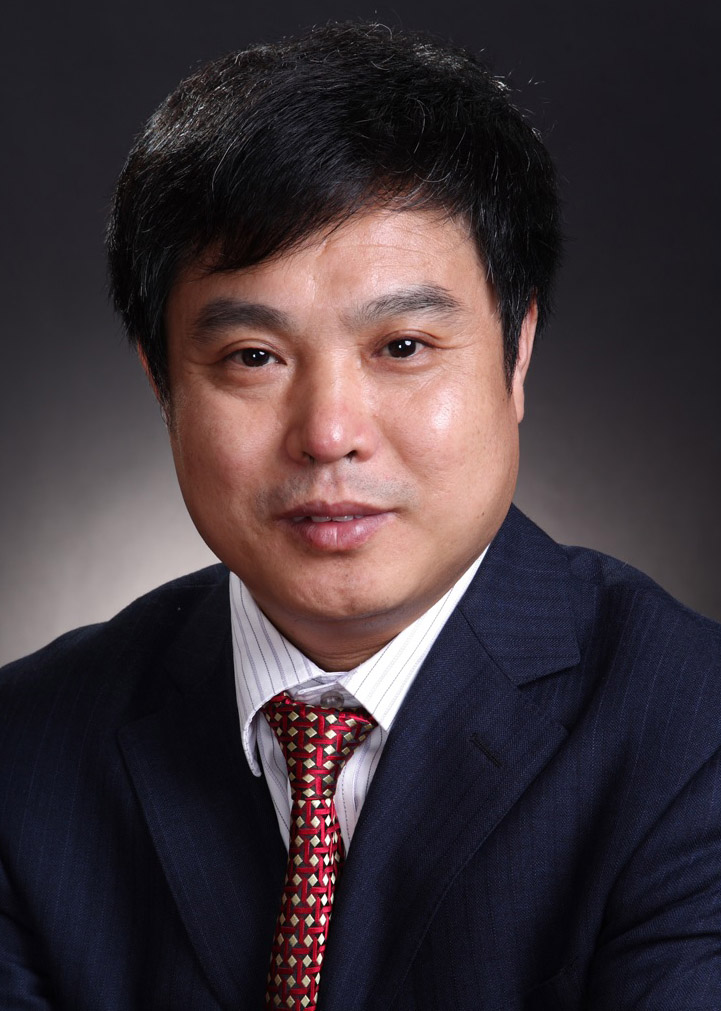 Yuzhong Zhang (张玉忠)合作论文数College of Marine Life Sciences, Ocean University of China;State Key Laboratory of Microbial Technology, Shandong University1




