目前关于中医火神派与道家关系的研究成果甚少.有鉴于此,文章首先从火神派争议焦点入手,剖析了火神派扶阳实质上是"内阳外阴"的阴阳平衡;进而诠释了以"先天炁"为核心的道家"内阳外阴"生命观的内涵,提出了"双环体用生命观".在此基础上,从火神派"以火立极"与道家"先天炁"、火神派扶阳与道家崇阳、火神派"伏火温潜"与道家先天炁的固护3个方面,探讨道家"内阳外阴"生命观对中医火神派思想的启示.因此,围绕健康与长寿这两个生命要素,治病与养生均要在生命的体用上进行动态平衡.
沈氏女科学术流派在临床中注重辨别"气水血",规定了在涉及气、水、血三层次病机中的用药原则:治疗要分先后,宜先治气、治痰饮;用药要分层级,以防药过病所和药不及病;注重虚实补泻,即勿伐无过,勿补实邪.
赵绍琴教授对温病学体系进行了大胆革新,对温病学说提出了诸多新的思想和方法,诸如对温病首立纵横学说、透热转气再论述、髓病论、火郁发之等重要温病学思维进行了系统梳理,并且将其应用于临床,获效良多.对临床疑难病进行了有益的探索,拓展了温病学治疗方法在杂病论治中的应用,具有一代宗师风范.
当前学术界研究"道医医案"的成果接近空白,为此文章首先诠释了"医案"的内涵,厘清"医案"与"医话""医论"的区别,指出医家、患者、病情、治疗方案是"医案"成立的4个基本要素;进而以《吕祖全书》记载的16个医案为依据,分析了道医医案具有奇特的治病手段、慈爱万物的情怀以及病症多样、疗效神奇、少用方药等特点.
“当归散”是药王孙思邈《千金要方》中的一帖抢救摔伤急危重症的药方.然而今天学术界探讨其急救疗效机制的研究成果颇为少见.为此,笔者从“气象思维”的视角切入,以方论药、以药论方分析了“当归散”的主治原理.文中指出,该方侧重于走人体一气周流的左路,对应摔伤瘀血严重、疼痛非常之病机,故能收急救之疗效.为了更为直观地明确“当归散”的治病机制,笔者根据医道太极图画出了该方的药气运行图.
从研究对象来看,医学可以划分为两大类:"后天医学"与"先天医学"."后天医学"关注生命形体生后死前的阶段,"先天医学"则拓展至生命诞生前与消亡后的情况,道医内丹医学属于先天医学."文化符号"具有高度的凝练性、便于传播的传递性、深刻的隐喻性、鲜明的指向性、象征的稳定性五个特征,而秘传于气功修炼内部的具有鲜明先天医学属性的《修真图》与《内经图》,是道教内丹先哲探索人体生命奥秘和启迪后学的文化符号载体.解读此二图蕴含的深刻象征内涵,对于认知生命仍然具有良好的裨益作用.
The ligustrazine - betulin derivative (TB), TB amino acids derivatives (TB-01 - TB-09) and TB dipeptide derivatives (TB-10 - TB-18) were designed and synthesized. And their in vitro cytotoxic activities were evaluated against four cancer cell lines (Hela, HepG2, BGC-823 and HT-29) and normal cells MDCK by standard methylthiazol tetrazolium (MTT) assay. Most of them demonstrated better antitumor activity than the relevant material betulin. Among them, compound TB-01 showed the best anti-tumor effect on the cancer cells and the lowest toxicity on the normal cells. For example, the cytotoxicity of TB-01 against the cancer cells (mean IC50 = 4.86 ± 1.16 μM) was 3-fold higher than that against the normal cells MDCK (IC50 = 16.11 ± 2.29 μM). Moreover, TB-01 showed better cytotoxic than positive drug cisplatin (DDP) on tumor cells. Besides, the Zebrafish toxicity evaluation test showed that TB-01 demonstrated high biosafety. Subsequently, fluorescent staining, apoptosis detection and cell cycle analysis indicated that TB-01 induced early apoptosis in HepG2 cells and blocked the cell cycle in the G1 phase. In addition, the structure-activity relationships of these derivatives were briefly discussed.
清代道医刘一明认为:人体生命的诞生是落于母体子宫的父精、母血和先天元气三者抟搏而成;之后先天精气神不断外旋和逐量转化为后天精气神,于是胎儿的脏腑器官和五官百骸等后天形体得以形成,待十月气足破胎而出,是为婴儿,进入了后天状态.虽然后天识神开始滋生,但此时元气量最足,故仍为先天元神主宰.随着时间的推移,二者成此消彼长的态势,至15岁左右后天识神开始占据主导地位,先天元神退次,故人体多欲.到30岁左右单位时间内元神量的释放和识神量的增长速度开始放慢,但仍一退一进.此时身体达到顶峰,欲望也开始有所减少.随着岁月的进一步流逝,元神总量越来越少,识神总量越来越多,逮至百岁左右时元神全部消散完毕,生命结束,复归尘土,再次融入天地一气.人体常态下的生长壮老已的生命过程即是元神与识神的此消彼长造就的.
民国白族医家彭子益提出的升浮降沉大气圆运动造化四季万物的生命观不仅对临床医疗具有简明高效的指导作用,更对当今人类社会可持续发展具有启迪警醒作用.阐释彭子益先生这一圆运动生命观的具体内容,进而以此观点为指导思想,探讨今天在开采石油、煤炭、天然气与使用地铁、水泥路、农药化肥等事关人类社会长足发展所应注意的几点问题.
A new series of ligustrazine-cinnamon acid derivatives had been designed and synthesized as potential neuro-protective agents. Among the derivatives, 3a exhibited the promising neuroprotective activity (EC50 = 3.68 mu M). Moreover, with the deep research of the drug pathway, it (the further mechanism researches) suggested compound 3a could inhibit the apoptosis of injured PC12 cells via blocking the mitochondria apoptosis pathway including up-regulation the ratio of Bcl-2/Bax, down-regulation the expression of cytochrome-c (Cyt-c) and inhibition of the activity of caspase-9 and -3. In addition, the structure-activity relationships (SARs) of novel compounds were also discussed. (C) 2018 Published by Elsevier Inc.
从"一气周流"的角度分析指出:"龙牡远茯汤"并不只是安神,而是化痰祛湿与敛降安神并用,升降同调、通补相兼,使得人体生命升降回环再次复圆,从而收安神之显效.
Objective: In order to find lead compound with anti-HBV activity from peroxo-bridged diosgenin derivatives obtained with Eosin Y as the photosensitizer. Method: Eosin Y was used as the photosensitizer to activate the oxygen in the air to synthesize novel diosgenin derivatives with peroxo-bridge. The structures of synthesized compounds were identified by NMR and HR-MS. Their cytotoxicity and antihepatitis B activity were evaluated via MTS assay and ELISA method, respectively. Results: Six diosgenin derivatives were synthesized, three of which contained peroxo-bridge, and their structures were confirmed by spectroscopy. It showed that 5 alpha,8 alpha-peroxo-6-alkenyl-diosgenin (7) could suppress the production of HBsAg on transfected HepG2.2.15 cells at low-toxic concentration and the inhibition rate on HepG2.2.15 cells was 18.28% at 12.50 mu g/mL, better than that of 3TC (7.30% at 12.50 mu g/mL) and others. Conclusion: Due to its lower cytotoxicity and potential anti-hepatitis B activity, compound 7 could be developed as the promising candidate of anti-hepatitis B drug. It also indicated that the peroxo-bridged derivatives had potential biological values for developing clinical agents. (c) 2017 Tianjin Press of Chinese Herbal Medicines. Published by Elsevier B.V. All rights reserved.
The lead compound TBA, 3β-Hydroxy-lup-20(29)-ene-28-oic acid-3, 5, 6-trimethylpyrazin-2-methyl ester, which exhibited promising antitumor activity and induced tumor cell apoptosis in various cancer cell lines, had previously been reported. Moreover, reports have revealed that the introduction of amino acid to betulinic acid could improve selective cytotoxicity as well as water solubility. Thus, a series of novel TBA amino acid and dipeptide derivatives were designed, synthesized and screened for selective cytotoxic activity against five cancer cell lines (HepG2, HT-29, Hela, BCG-823 and A549) and the not malignant cell line MDCK by standard MTT assay. Most of the tested TBA-amino acid and dipeptide analogues showed stronger anti-proliferative activity against all tested tumor cell lines than TBA. Among them, BA-25 exhibited the greatest cytotoxic activity on tumor cell lines (mean IC50 = 2.31 ± 0.78 μM), that was twofold than the positive drug cisplatin (DDP), while it showed lower cytotoxicity on MDCK cell line than DDP. Further cell apoptosis analyses indicated BA-25-induced apoptosis was associated with loss of mitochondrial membrane potential and increase of intracellular free Ca2+ concentration.
A novel hepatoprotective oleanolic acid derivative, 3-oxours-oleana-9(11), 12-dien-28-oic acid (Oxy-Di-OA), has been reported. In previous studies, we found that Oxy-Di-OA presented the anti-HBV (Hepatitis B Virus) activity (IC50 = 3.13 µg/mL). Remarkably, it is superior to lamivudine in the inhibition of the rebound of the viral replication rate. Furthermore, Oxy-Di-OA showed good performance of anti-HBV activity in vivo. Some studies showed that liver fibrosis may affiliate with HBV gene mutations. In addition, the anti-hepatic fibrosis activity of Oxy-Di-OA has not been studied. Therefore, we evaluated the protective effect of Oxy-Di-OA against carbon tetrachloride (CCl4)-induced liver injury in rats. Daily intraperitoneally administration of Oxy-Di-OA prevented the development of CCl4-induced liver fibrosis, which was evidenced by histological study and immunohistochemical analysis. The entire experimental protocol lasted nine weeks. Oxy-Di-OA significantly suppressed the increases of plasma aspartate aminotransferase (AST) and alanine aminotransferase (ALT) levels (p < 0.05). Furthermore, Oxy-Di-OA could prevent expression of transforming growth factor β1 (TGF-β1). It is worth noting that the high-dose group Oxy-Di-OA is superior to bifendate in elevating hepatic function. Compared to the model group, Oxy-Di-OA in the high-dose group and low-dose group can significantly reduce the liver and spleen indices (p < 0.05). The acute toxicity test showed that LD50 and a 95% confidence interval (CIs) value of Oxy-Di-OA were 714.83 mg/kg and 639.73–798.73 mg/kg via intraperitoneal injection in mice, respectively. The LD50 value of Oxy-Di-OA exceeded 2000 mg/kg via gavage in mice. In addition, a simple and rapid high performance liquid chromatography-ultraviolet (HPLC-UV) method was developed and validated to study the pharmacokinetic characteristics of the compound. After single-dose oral administration, time to reach peak concentration of Oxy-Di-OA (Cmax = 8.18 ± 0.66 μg/mL) was 10 ± 2.19 h; the elimination half-life and area under the concentration-time curve from t = 0 to the last time of Oxy-Di-OA was 2.19 h and 90.21 μg·h/mL, respectively.
A series of ligustrazine-phenolic acid esters which exhibited promising neuroprotective activities have previously been reported. Nevertheless, we found that these ester compounds (like T-VA) were not stable in plasma by further in vivo studies. To investigate plasma-stable neuroprotective agents, a series of new ligustrazine derivatives were synthesized by conjoining ligustrazine and phenols with ester, ether and amide bonds. Most of the compounds exhibited higher protective effects against CoCl2-induced neurotoxicity in differentiated PC12 cells than ligustrazine. Structure-activity relationships were also briefly discussed. We found that compound 2c (2-((2-methoxy-4-(((3,5,6-trimethylpyrazin-2-yl)methoxy) methyl)phenoxy)methyl)-3,5,6-trimethylpyrazine) displayed the highest protective effect on the PC12 cells damaged by CoCl2 (EC50 = 1.07 μM). Preliminary stability investigation in rat plasma was verified in vitro and better plasma stability was observed with 2c in comparison to T-VA.
The candidate drug T‐VA (C24 H28 N4 O4 ) was synthesized using two kind of neuroprotective ingredients from Chinese traditional medicinal herbs , and displayed promising protective effect on the injured PC12 cells .In previous study ,this beneficial effect was due to the modulation of nuclear transcription factor‐κB/p65 (NF‐κB/p65) and cyclooxygenase‐2 (COX‐2) expressions .T‐VA also exhibited neuroprotective effect in a rat model of ischemic stroke with concomitant improvement of motor functions .Un‐derstanding drug metabolites contributes to discovering and developing the novel drug from the metabolites possessed the pharmacological activities .The structure profile of the metabolites provides an essential perspective for the synthetic refinement and the candidates among an extensive series of potential structures ,resulting in an optimum drug effectiveness and safety .Liquid chromatography with electrospray ionization mass spectrometric detection (LC‐ESI‐MS) has been extensively utilized for the online analy‐sis and structural characterization of the active ingredients and metabolites .Thus ,there is a need to determine the primary metabolites and mass fragmentation pathways of T‐VA in order to understand its potential pharmacological applications .It is a pathway via LC/LTQ‐Orbitrap MS to investigate the mass fragmentation of a candidate drug T‐VA and study its metabolites in rats .As a result ,a method of LC/MSn was estab‐lished for the analysis of T‐VA and its metabolites in rats .The fragmentation pathway of T‐VA was explained using the Analyst V4.0 software .By further analysis of main fragment ions (m/z 317 ,285 ,135) and structural information (C17 H21 O4 N2 ,RDB :8.5 , delta ppm :-3.038 ppm ) , M1 [methyl‐3‐methoxy‐4‐((3 ,5 ,6‐trimethylpyrazin‐2‐yl ) methoxy)benzoate] was discovered as one of the main metabolites .According to the suppositional structure of M1 ,M1‐1 was synthesized via condensation reaction ,which was determined by nuclear magnetic resonance spectrum (1 H‐NMR ,13C‐NMR) and HRMS .By comparing the mass spectrum characters and chromatographic features of M1‐1 and M1 ,it can confirm the exact structure of M1 .Furthermore ,the neuroprotec‐tive effect of M1 in differentiated PC12 cells were evaluated .As a result ,M1 in differ‐ent concentrations could protect PC12 cells injured by CoCl2 (EC50 = 16.01 μmol/L ) , which was close to T‐VA .The result indicated that both T‐VA and its main metabolite have neuroprotective effect ,w hich provides references for further new drug design .In this study ,metabolite of candidate drug T‐VA was obtained by chemical synthesis and verified by MS technique ,which provided a novel idea on the study of drug metabolism . M1 may become a potential neuroprotective agent and further studies are currently underw ay .
主要表现为突然晕倒、肢体偏瘫、口眼歪斜、言语不利等症状的“中风”是困扰当代医学界的一大急危重症,而见于《道藏·孙真人备急干金要方》的“续命汤”1则是宋代以前治疗中风病的主方,宋之后才逐渐淡化,近现代以来更是基本退出历史舞台.虽近年来该方又开始受到当代一些有识医家的重视并用于医疗实践之中,并出现了喜人的疗效,但学界对其起效原理研究甚少,致使其应用范围大大受限.
Compounds in the form of precipitation (CFP) are universally formed during the decocting of Chinese prescriptions, such as Huang-Lian-Jie-Du-Tang (HLJDT). The formation rate of HLJDT CFP even reached 2.63% ± 0.20%. The identification by liquid chromatography mass spectrometry (LC-MSn) proved that the main chemical substances of HLJDT CFP are baicalin and berberine, which is coincident with the theory that the CFP might derive from interaction between acidic and basic compounds. To investigate the formation mechanism of HLJDT CFP, baicalin and berberine were selected to synthesize a simulated precipitation and then the baicalin–berberine complex was obtained. Results indicated that the melting point of the complex interposed between baicalin and berberine, and the UV absorption, was different from the mother material. In addition, 1H-NMR integral and high-resolution mass spectroscopy (HR-MS) can validate that the binding ratio was 1:1. Compared with baicalin, the chemical shifts of H and C on glucuronide had undergone significant changes by 1H-, 13C-NMR, which proved that electron transfer occurred between the carboxylic proton and the lone pair of electrons on the N atom. Both HLJDT CFP and the baicalin–berberine complex showed protective effects against cobalt chloride-induced neurotoxicity in differentiated PC12 cells. It is a novel idea, studying the material foundation of CFP in Chinese prescriptions.
 Penglong Wang (王鹏龙)合作论文数School of Chinese Materia Medica, Beijing University of Chinese Medicine18
 Bing Xu (徐冰)合作论文数School of Chinese Materia Medica, Beijing University of Chinese Medicine14
 Haimin Lei (雷海民)合作论文数School of Chinese Materia Medica, Beijing University of Chinese Medicine14
 Zhang Chenze合作论文数School of Chinese Pharmacy, Beijing University of Chinese Medicine12
 Fuhao Chu (褚福浩)合作论文数11
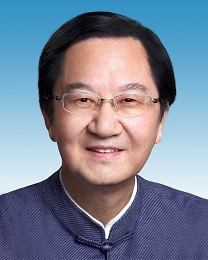 Qicheng Zhang (张其成)合作论文数School of Chinese Classics, Beijing University of Chinese Medicine8Rui Zhao合作论文数7Li Bi合作论文数7Menglu Jia合作论文数4Tianxin Xie合作论文数4
 Mengmeng Yan合作论文数4Yaotian Han合作论文数3Siling BI (毕思玲)合作论文数3Xiong FANG (方雄)合作论文数3Chen Dagang合作论文数2Jian Ren合作论文数2Zhao Rui合作论文数2Xu Bing合作论文数2Xin Xu合作论文数2Hong-shun GU (谷洪顺)合作论文数2LIANG Miao (梁淼)合作论文数2Yan GONG (龚艳)合作论文数2WanChun Wei (尉万春)合作论文数2Zhang Huazheng合作论文数2
 Yuzhong Zhang (张玉忠)合作论文数College of Marine Life Sciences, Ocean University of China;State Key Laboratory of Microbial Technology, Shandong University2
 Qiuli Yao (姚秋丽)合作论文数School of Nursing, Beijing University of Chinese Medicine2LIU Wei合作论文数1Jinchai Qi合作论文数1Desheng Cai合作论文数1
 Fei Zhou合作论文数1Hongshan Chen合作论文数1Xuemei Huang合作论文数1Xiaohui Jia合作论文数Beijing University of Chinese Medicine1Jing Chen合作论文数1Hao Zhang合作论文数1Jing CHEN (陈静)合作论文数1Xinyu Zhang合作论文数1Wenbo Guo合作论文数1Gaorong Wu合作论文数1ShiChuang Zhan (詹石窗)合作论文数1HongYing Lin (林宏英)合作论文数1Shuai Liu (刘帅)合作论文数1
 Hongjun Xiang (向宏军)合作论文数School of Civil Engineering, Beijing Jiaotong University;School of Environment, Beijing Jiaotong University1
 Moyan Qiu (邱模炎)合作论文数Wang Jing Hospital Of CACMS1Gong Yan合作论文数1Gu Shun合作论文数1Guoliang Li (李国梁)合作论文数1
 Chengwei Li (李成卫)合作论文数School of Traditional Chinese Medicine, Beijing University of Chinese Medicine1




