Accurately forecasting pedestrian trajectories is critical for safe and efficient urban-mobility services, yet existing data-driven models often (i) ignore the kinematic laws that bound human motion and (ii) report performance merely on the single "best" trajectory sample. These limitations undermine both physical plausibility and real-world reliability. To address these challenges, we introduce DSPIGCN, a dual-stream physics-informed graph convolutional network that fuses domain physics with deep representation learning. Specifically, DSPIGCN employs a novel dual-stream spatiotemporal graph encoding architecture to jointly capture latent dependencies in displacement and velocity pathways, with a physics-informed neural network leveraged to connect displacement and velocity streams via explicit motion equations. To preserve predictive diversity without sacrificing distributional fidelity, we design a Gaussian mixture model-based anchor sampling strategy and propose mean ADE/FDE-an evaluation protocol that averages error across all generated trajectories rather than only the best one. Experiments on two public benchmarks (GC and UCY Datasets) showthat DSPIGCN improves mean ADE/FDE by 9%/28%, over state-of-the-art baselines while matching them on the conventional min ADE/FDE metric. Qualitative analyses confirm that the model generates physically consistent paths, especially for pedestrians exhibiting steady motion patterns.
Accurate modeling of commuting flows is important for urban governance, traffic planning, and resource allocation. However, the combined influence of individual intentions, geographic constraints, and social dynamics leads to considerable heterogeneity in commuting patterns, making it difficult to develop generation models that generalize across cities. To address this issue, we propose SEDAN, a Structure-Enhanced Diffusion model conditioned on Attributed Nodes for generalizable OD matrix generation. SEDAN models a city as an attributed graph. Each region is treated as a node with demographic and point-of-interest features, and commuting flows are modeled as weighted edges. Adjacency and distance matrices are incorporated to characterize spatial structure. Based on this representation, we design a fusion mechanism within SEDAN to jointly model semantic information and spatial information. Regional semantic attributes are used to model latent travel demand through graph-transformer-based node interactions, while spatial structure is injected into the generation process as explicit constraints. The adjacency matrix guides attention weights to strengthen interactions between neighboring regions. Meanwhile, the distance matrix serves as a diffusion condition to capture spatial proximity and travel impedance. The fusion of urban semantics and spatial constraints enables SEDAN to generate OD matrices that are both behaviorally plausible and geographically coherent. Experiments on real-world OD datasets from U.S. cities show that SEDAN achieves a 7.38% improvement in RMSE over the state-of-the-art baseline, WEDAN. It also remains robust across heterogeneous urban scenarios and varying structural patterns. Our work provides an effective and generalizable solution for commuting OD matrix generation. The code is available at https://anonymous.4open.science/r/SEDAN.
Consumer-grade drones equipped with low-cost sensors have emerged as a cornerstone of Autonomous Intelligent Systems (AISs) for environmental monitoring and hazardous substance detection in urban environments. However, existing studies predominantly focus on single-source search problems, neglecting the complexities of real-world scenarios where the number and location of hazardous sources are unknown. To address this gap, we propose the Dynamic Likelihood-Weighted Cooperative Infotaxis (DLW-CI) approach to enhance search efficiency and accuracy by integrating the Infotaxis strategy with optimized source term estimation and a dedicatedly-designed cooperative mechanism. Specifically, we introduce a multiple particle filter-based source term estimation method, in which each filter independently estimates the parameters of a potential unknown source, enabling scalable multi-source detection. Additionally, we develop a dynamic likelihood-weighted cooperative mechanism to prevent redundant estimation for the same source, thereby improving energy efficiency while expanding search coverage. Experimental results demonstrate that DLW-CI significantly outperforms baseline methods in terms of success rate, estimation accuracy, and root mean square error, particularly in scenarios with relatively few sources. The approach is further validated in a computational fluid dynamics (CFD)-generated diffusion scenario, confirming its robustness under realistic conditions. Our findings highlight the potential of DLW-CI to enhance environmental safety monitoring in smart city infrastructure, offering a scalable solution for multi-source detection using consumer drone networks.
Obtaining crowdedness level and crowd movement trends on campus can help in understanding campus dynamics, and therefore, improve campus management efficiency and increase faculty and student satisfaction. Given the limitations of traditional data collection methods that heavily rely on fixed IoT (Internet of Things) devices or mobile sensors, this research turns to crowdsourcing as an alternative approach, capitalizing on the widespread use of mobile devices and web technology. This work introduces a mobile crowdsourcing approach for capturing campus dynamics within universities. We included three HCI (Human-Computer Interaction) modes for mobile crowdsourcing – passive mode, questionnaire mode, and dialogue mode. The passive mode collects the user's movement trajectory upon user’s approval. The questionnaire mode asks for campus dynamics in-formation such as the user's current activity location, activity time, and activity type through a pre-designed questionnaire. The dialogue mode collects the same information as the questionnaire mode, however, through dialogues between chatbots and users. We tested the feasibility of the proposed crowdsourcing approach on a university campus. We found that in the passive mode, the participants perceived the lowest cognitive workload. The questionnaire mode and the dialogue mode can not only produce valuable subjective perception and evaluation of campus dynamics, but also provide acceptable output quality of objective data compared to the passive mode. The dialogue mode outperforms the questionnaire mode in terms of output quality. This work provides valuable implications in designing crowdsourcing apps and improving university management.
Drones have gradually been employed to search for unknown sources during leakage accidents. However, current studies have mainly focused on the single-source search problem, while in practical situations, the location and quantity of the sources are commonly unknown. Existing multi-source search methods fail to accurately estimate the source term, primarily due to the inefficient utilization of concentration information. This limitation results in sub-optimal drone movement strategies. To address these issues, we propose a Dynamic Likelihood-Weighted Cooperative Infotaxis (DLW-CI) approach. The approach integrates the Infotaxis cognitive search strategy with multi-drone cooperation by optimizing both source term estimation and the cooperative mechanism. Specifically, we devise a novel source term estimation method that leverages multiple parallel particle filters, with each filter estimating the parameters of a potentially unknown source in scenarios. Subsequently, we introduce a cooperative mechanism based on dynamic likelihood weight to prevent multiple drones from concurrently estimating and searching for the same source. The results show that the success rate for the localization of 2–4 diffusion sources reaches 90%, 78%, and 42% respectively when employing the DLW-CI approach, achieving a 37% average improvement over baseline methods. Our findings indicate that the proposed DLW-CI approach significantly improves estimation accuracy and search efficiency for multi-drone cooperative multi-source search, making a valuable contribution to environmental safety monitoring applications.
Crowd simulation plays a crucial role in the prevention and management of public safety events in cities. However, the inherent complexity and diverse nature of human behaviors present substantial challenges in developing realistic and precise simulation models. Traditional rule-based physical models are limited by their reliance on fixed physical formulas and parameters, which hinders their ability to effectively handle the complex tasks associated with crowd simulation. Although deep learning methods have emerged as a promising solution, existing approaches largely emphasize pedestrian trajectory generation while struggling with interpretability and real-time dynamic simulation requirements. To address the aforementioned issues, we propose a novel data-driven crowd simulation framework that integrates physics-informed machine learning (PIML) with navigation potential fields. Our approach takes advantage of the strengths of both physical models and PIML. Specifically, we design an innovative physics-informed spatial-temporal graph convolutional network (PI-STGCN) as a data-driven module. Leveraging PI-STGCN, pedestrian movement trends can be accurately predicted in real-time during the simulation. Additionally, we construct a physical model of navigation potential fields based on flow field theory to guide pedestrian movements, thereby reinforcing physical constraints during the simulation. In our framework, navigation potential fields are dynamically computed and updated based on the movement trends predicted by the PI-STGCN, while the updated crowd dynamics, guided by these fields, subsequently feed back into the PI-STGCN. Comparative experiments on two publicly available large-scale real-world datasets across five scenes demonstrate that our proposed framework outperforms existing rule-based methods in both accuracy and fidelity. The similarity between the simulated and actual pedestrian trajectories improves by 10.8%. Furthermore, our framework exhibits enhanced adaptability and superior interpretability compared with methods that rely solely on deep learning for trajectory generation.
Consumer-grade drones equipped with low-cost sensors have emerged as a cornerstone of Autonomous Intelligent Systems (AISs) for environmental monitoring and hazardous substance detection in urban environments. However, existing research primarily addresses single-source search problems, overlooking the complexities of real-world urban scenarios where both the location and quantity of hazardous sources remain unknown. To address this issue, we propose the Dynamic Likelihood-Weighted Cooperative Infotaxis (DLW-CI) approach for consumer drone networks. Our approach enhances multi-drone collaboration in AISs by combining infotaxis (a cognitive search strategy) with optimized source term estimation and an innovative cooperative mechanism. Specifically, we introduce a novel source term estimation method that utilizes multiple parallel particle filters, with each filter dedicated to estimating the parameters of a potentially unknown source within the search scene. Furthermore, we develop a cooperative mechanism based on dynamic likelihood weights to prevent multiple drones from simultaneously estimating and searching for the same source, thus optimizing the energy efficiency and search coverage of the consumer AIS. Experimental results demonstrate that the DLW-CI approach significantly outperforms baseline methods regarding success rate, accuracy, and root mean square error, particularly in scenarios with relatively few sources, regardless of the presence of obstacles. Also, the effectiveness of the proposed approach is verified in a diffusion scenario generated by the computational fluid dynamics (CFD) model. Research findings indicate that our approach could improve source estimation accuracy and search efficiency by consumer drone-based AISs, making a valuable contribution to environmental safety monitoring applications within smart city infrastructure.
Underwater target tracking technology plays a pivotal role in marine resource exploration, environmental monitoring, and national defense security. Given that acoustic waves represent an effective medium for long-distance transmission in aquatic environments, underwater acoustic target tracking has become a prominent research area of underwater communications and networking. Existing literature reviews often offer a narrow perspective or inadequately address the paradigm shifts driven by emerging technologies like deep learning and reinforcement learning. To address these gaps, this work presents a systematic survey of this field and introduces an innovative multidimensional taxonomy framework based on target scale, sensor perception modes, and sensor collaboration patterns. Within this framework, we comprehensively survey the literature (more than 180 publications) over the period 2016-2025, spanning from the theoretical foundations to diverse algorithmic approaches in underwater acoustic target tracking. Particularly, we emphasize the transformative potential and recent advancements of machine learning techniques, including deep learning and reinforcement learning, in enhancing the performance and adaptability of underwater tracking systems. Finally, this survey concludes by identifying key challenges in the field and proposing future avenues based on emerging technologies such as federated learning, blockchain, embodied intelligence, and large models.
The transition from CPS-based Industry 4.0 to CPSS-based Industry 5.0 brings new requirements and opportunities to current sensing approaches, especially in light of recent progress in Chatbots and Large Language Models (LLMs). Therefore, the advancement of parallel intelligence-powered Crowdsensing Intelligence (CSI) is witnessed, which is currently advancing towards linguistic intelligence. In this paper, we propose a novel sensing paradigm, namely conversational crowdsensing, for Industry 5.0. It can alleviate workload and professional requirements of individuals and promote the organization and operation of diverse workforce, thereby facilitating faster response and wider popularization of crowdsensing systems. Specifically, we design the architecture of conversational crowdsensing to effectively organize three types of participants (biological, robotic, and digital) from diverse communities. Through three levels of effective conversation (i.e., inter-human, human-AI, and inter-AI), complex interactions and service functionalities of different workers can be achieved to accomplish various tasks across three sensing phases (i.e., requesting, scheduling, and executing). Moreover, we explore the foundational technologies for realizing conversational crowdsensing, encompassing LLM-based multi-agent systems, scenarios engineering and conversational human-AI cooperation. Finally, we present potential industrial applications of conversational crowdsensing and discuss its implications. We envision that conversations in natural language will become the primary communication channel during crowdsensing process, enabling richer information exchange and cooperative problem-solving among humans, robots, and AI.
The expanded demands of complex sensing campaigns involving Cyber-Physical-Social spaces have brought forth a multitude of challenges for web crowdsensing applications, such as substantial human efforts, potential user privacy breaches, and interest diminishes of users. Significant advancements have occurred in the application of Large Language Models (LLMs) for various tasks, such as conversational engagement, social simulation, and decision-making. Despite this, their potential to empower web crowdsensing activities is under-explored. To bridge this gap, we explore the design of a LLM-based autonomous web crowdsensing framework for flood-related data collection to mitigate the workload and professional demands on individuals in this poster.
Weather forecasting is a complex and challenging task. Numerical Weather Prediction (NWP), grounded in atmospheric dynamics, has long supported modern forecasting efforts. However, traditional NWP models often fall short due to the nonlinear nature of atmospheric systems. Enter Artificial Intelligence (AI): With its capacity for nonlinear learning, AI is transforming weather forecasting by introducing precise, data-driven approaches. Notably, Science named "The AI weather forecaster arrives" as one of the top ten scientific breakthroughs of 2023. It highlighted how meteorologists use advanced computing to model atmospheric futures, a practice that previously depended on vast computational resources to solve complex hydrodynamic equations. AI is revolutionizing this field by adeptly handling large datasets, learning autonomously, and generalizing across different scenarios, thus efficiently managing the complexities of atmospheric systems. Prominent tech companies like Google, Huawei, and NVIDIA have developed sophisticated AI models that now forecast weather with an accuracy that meets or surpasses that of traditional models, all while reducing computational demands. Despite these advancements, AI's role in weather forecasting is not without its challenges. As noted by Science, AI models do not directly solve atmospheric equations but rather rely on decades of historical data, which can limit their effectiveness in predicting extreme weather events. These models often struggle with interpretability, data uncertainty, transferability, and the precise prediction of severe conditions. They cannot yet operate independently of numerical models. While AI can effectively predict stable conditions and moderate changes, capturing and forecasting sudden, severe weather events remains a challenge. In contrast, numerical models, with their solid mathematical and theoretical bases, are better suited to understanding the physical processes behind these abrupt changes, although they too have limitations in accuracy. Numerical models and AI models each contribute unique strengths to weather forecasting, and the future of this field lies in effectively integrating both approaches. By incorporating AI techniques, we can refine the semi-empirical parameterization used in numerical models, thus enhancing both the efficiency and accuracy of data assimilation processes. Additionally, AI can facilitate the development of integrated forecasting methods that leverage multiple models for more robust predictions. AI's data-driven capabilities are particularly valuable in compensating for the limitations of numerical models, which may not effectively incorporate historical data. Introducing dynamic models can also enhance the interpretability of these forecasts. By combining the principles of atmospheric dynamics with AI methodologies, we can significantly improve both the accuracy and efficiency of weather predictions. This article explores Science review of the progress in AI-assisted weather forecasting, emphasizing the importance of further integrating dynamic systems and AI technologies. It identifies specific areas where these integrations can occur and outlines prospective advancements. Fueled by interdisciplinary collaboration and advancements in AI, future weather forecasting systems are poised to become more customized, provide real-time updates, and function autonomously. Such evolution will lead to significantly improved accuracy in predicting extreme weather and climate, enabling more precise weather forecasts.
The widespread use of smart devices and efficient wireless network transmission has fostered the development of crowdsourcing systems, providing vast data for the advancement of digital twins and parallel intelligence. For a crowdsourcing system, the task allocation has been proven to have a crucial influence on the overall performance of the system. However, there are few previous works addressing the allocation of complex tasks, resulting in inadequate capacity for such tasks in crowd-sourcing systems. This paper aims to solve the allocation problem of complex tasks by dividing complex tasks into several subtasks with dependency relationships among them and employing a two-stage genetic algorithm to optimize the allocation of each subtask. Specifically, the optimization process contains two iterative stages : the subtask sequence optimization stage and the user-subtask matching optimization stage. The former stage uses the genetic algorithm to explore different subtask sequences, while the latter stage employs a sequential decision-making approach to assign appropriate users to each subtask based on the subtask sequence. To further improve the efficiency of user-subtask matching and obtain a better allocation scheme, we combine the tabu search algorithm and simulated annealing algorithm to form two variant algorithms: GA2S-TS and GA2S-SA. The experimental results verify the effectiveness of our proposed algorithms.
With the rapid growth of connected and autonomous vehicles (CAVs), vehicular crowdsensing (VCS) has emerged as an effective way in a wide range of applications, especially in intelligent transportation systems. However, centralized VCS frameworks have confronted many problems, such as privacy, security, utility, and dependability. To remedy these challenges, blockchain technology can be applied in VCS systems for effectively forming decentralized autonomous vehicles organizations and operations. This article briefly introduces blockchain-based VCS solutions addressing the current problems and presents potential directions for future research.
As socio-economic growth and living standards improve, holidays experience a significant increase in population density at tourist attractions in major cities, which poses a substantial challenge to public safety. Currently, research on evacuation strategies in open and multi-exit scenarios is limited. This paper integrates the bounded rational path selection mechanism with potential energy field theory to model the path selection and movement of pedestrians with access to exit information. This approach more accurately simulates the decision-making processes of pedestrians in real-world situations and their movement dynamics under boundary conditions. The study demonstrates that the congestion sensitivity parameter β affects both the path length and queuing time during exit selection, while the conservatism level μ influences the frequency with which pedestrians change their chosen paths. This research provides a comprehensive analysis of efficient evacuation scenarios, enhances our understanding of bounded rational pedestrian path selection, and establishes a foundation for effectively managing crowd evacuations in open multi-exit scenarios.
With ubiquitous mobile devices, mobile crowdsensing (MCS) emerges as a promising paradigm for monitoring the overall status of a large-scale area. However, the MCS applications have yet to be widely adopted in practice because of high sensing and communication costs as well as insufficient participants. To deal with these problems, compressive sensing is introduced into mobile crowdsensing, where it is used to deduce the missing data of unsensed locations by exploiting the inherent correlations of sensory data. This new paradigm is the so-called sparse mobile crowdsensing or compressive crowdsensing (CCS). In this emerging approach, compressive sensing not only can be used after the data are collected, but also before or during the data collection process. Two main questions lying in CCS are: (1) Where to sense? (2) How to recover the unsensed data accurately? Considering the practical factors (e.g., diverse sensing cost and importance disparity of different cells), it would affect the selection strategies design and further determine the recovery accuracy. In this chapter, we will have a close look at recent advances about CCS and provide formulations to solve the above-mentioned problems.
Object detection on panoramic/spherical images has been developed rapidly in the past few years, where IoU-calculator is a fundamental part of various detector components, i.e. Label Assignment, Loss and NMS. Due to the low efficiency and non-differentiability of spherical Unbiased IoU, spherical approximate IoU methods have been proposed recently. We find that the key of these approximate methods is to map spherical boxes to planar boxes. However, there exists two problems in these methods: (1) they do not eliminate the influence of panoramic image distortion; (2) they break the original pose between bounding boxes. They lead to the low accuracy of these methods. Taking the two problems into account, we propose a new sphere-plane boxes transform, called Sph2Pob. Based on the Sph2Pob, we propose (1) an differentiable IoU, Sph2Pob-IoU, for spherical boxes with low time-cost and high accuracy and (2) an agent Loss, Sph2Pob-Loss, for spherical detection with high flexibility and expansibility. Extensive experiments verify the effectiveness and generality of our approaches, and Sph2Pob-IoU and Sph2Pob-Loss together boost the performance of spherical detectors. The source code is available at https://github.com/AntXinyuan/sph2pob.
Source searching algorithms are widely used in different domains and for various applications, for instance, to find gas or signal sources. As source searching algorithms advance, search problems need to be addressed in increasingly complex environments. Such environments could be high-dimensional and highly dynamic. Therefore, novel search algorithms have been designed, combining heuristic methods and intelligent optimization, to tackle search problems in large and complex search space. However, these intelligent search algorithms usually cannot guarantee completeness and optimality, and therefore commonly suffer from the problems such as local optimum. Recent studies have used crowd-powered systems to address the complex problems that machines cannot solve on their own. While leveraging human rationales in a computer system has been shown to be effective in making a system more reliable, whether using the power of the crowd can improve source searching algorithms remains unanswered. To this end, we propose a crowd-powered sourcing search approach, using human rationales as external supports to improve existing search algorithms, and meanwhile to minimize the human effort using machine predictions. Furthermore, we designed a prototype system, and carried out an experiment with 10 participants (4 experts and 6 non-experts). Quantitative and qualitative analysis showed that the sourcing search algorithm enhanced by crowd could achieve both high effectiveness and efficiency. Our work provides valuable insights in human-computer collaborative system design.
针对当前混合式教学方法容易忽视创新实践能力培养的问题,该文结合CDIO工程教育模式,提出人工智能赋能的线上线下混合式教学方法.该文基于线下授课为教学主线,线上虚拟实验为创新实践环节的教学模式,结合人工智能系统与学习分析等技术为教学中的创新实践环节赋能,进一步丰富课程资源、提升学习体验、提高教学质量.该文以寻源算法学习为例,深入开展混合式教学方法在培养学生创新实践能力、促进学习参与度与成就感、发展量化分析评价方法中的应用与实践,并为相关课程提供可资借鉴的混合式教学实施方案.
 Xiaogang Qiu (邱晓刚)合作论文数National University of Defense Technology87
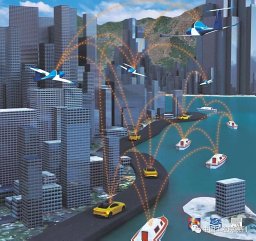 Zhengqiu Zhu合作论文数National University of Defense Technology, Changsha, China46
 Chuan Ai合作论文数Natl Univ Def Technol, Coll Syst Engn, Changsha 410073, Hunan, Peoples R China26
 Sihang Qiu合作论文数College of Systems Engineering, National University of Defense Technology;Hunan Institute of Advanced Technology22
 Ma Liang合作论文数21
 Kedi Huang (黄柯棣)合作论文数20Peng Zhang合作论文数16
 Yong Zhao合作论文数School of Physical Science and Technology, Southwest Jiaotong University16
 Guoxian Pei (裴国献)合作论文数School of Medicine, Southern University of Science and Technology;Third Affiliated Hospital of Southern University of Science and Technology15
 Rongxiao Wang合作论文数15
 Guo Gang合作论文数15
 Lingnan He (何凌南)合作论文数The School of Communication and Design, Sun Yat-sen University14
 Laobing Zhang合作论文数Safety and Security Science Group (S3G), Faculty of Technology, Policy and Management, TU Delft, 2628 BX Delft, Netherlands13
 Nong Xiao (肖侬)合作论文数School of Computer Science and Engineering, Sun Yat-sen University;National Super Computer Center in Guangzhou, Sun Yat-sen University;College of Computer Science and Technology, National University of Defense Technology11
 Xiaocheng Liu (刘晓城)合作论文数11
 Jian Dong合作论文数11
 Zhen Li合作论文数10
 Hailiang Chen合作论文数9KuanHai Wei (魏宽海)合作论文数9Dan Jin (金丹)合作论文数9ZongChen Fan (樊宗臣)合作论文数8Wei Duan (段伟)合作论文数College of Information Systems and Management, National University of Defense Technology;University of Amsterdam8
 Rongqing Meng合作论文数8
 Jibo Wei (魏急波)合作论文数National University of Defense Technology8
 Zhichao Song合作论文数7Xingquan Zhang合作论文数6
 Feiran Chen合作论文数Natl Univ Def Technol, Coll Syst Engn, 109 Deya Rd, Changsha 410073, Hunan, Peoples R China6
 Zhiping Cai (蔡志平)合作论文数National University of Defense Technology6Ke Wang (王珂)合作论文数6
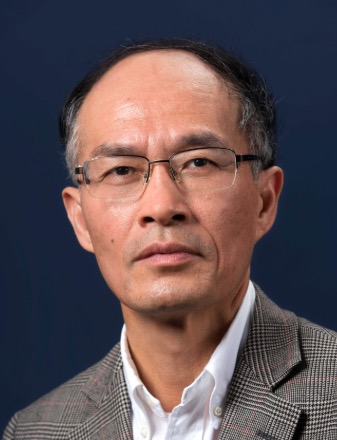 Feiyue Wang (王飞跃)合作论文数The State Key Laboratory for Management and Control of Complex Systems, Institute of Automation, Chinese Academy of Sciences;University of Chinese Academy of Sciences6
 Tingfeng Yi (伊廷锋)合作论文数School of Resources and Materials, Northeastern University at Qinhuangdao6Jinyu Tong合作论文数5Shijia Chen合作论文数5Gang Wang (王钢)合作论文数5
 Kaisheng Lai (赖凯声)合作论文数School of Journalism & Communication, Jinan Uiniversity5
 Guangwu Fang合作论文数5Yiping Wang合作论文数5
 Yatai Ji合作论文数5Rusheng Ju合作论文数5Xingjun Fan合作论文数4Wangchun Jiang (蒋望春)合作论文数4
 Chunsheng Zhu合作论文数4WANG Quan-min合作论文数4Zhu Mengna (朱蒙娜)合作论文数4HongQing Zhu (朱洪庆)合作论文数4AngRu Lin (林昂如)合作论文数4Hong Duan (段红)合作论文数4
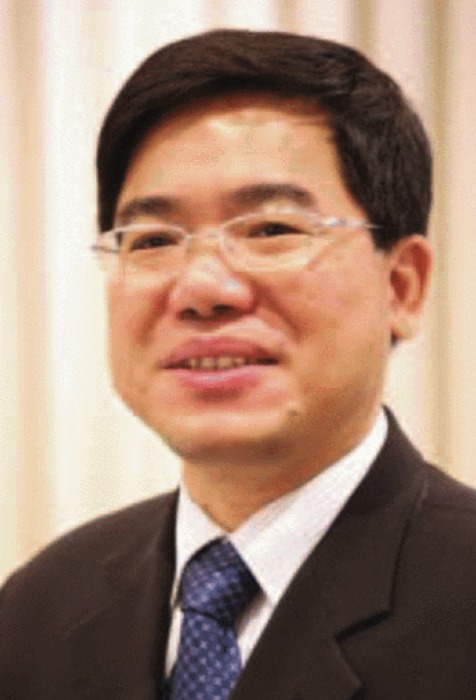 Heping Chen合作论文数Ingram School of Engineering, Texas State University4
 Jing Lei (雷菁)合作论文数National University of Defense Technology4




