Contradictory experimental reports on the relationship between efficiency and stimulation frequency have hindered mechanistic understanding of how neural activity is converted into mechanical work during muscle contraction. To resolve this issue, we develop a biophysical model that integrates calcium-mediated excitation with a detailed cross-bridge cycle, enabling single-fiber simulations. Our model predicts that the emergent shortening velocity is the primary determinant of cross-bridge efficiency: efficiency peaks at an optimal velocity and declines at higher or lower velocities, while stimulation frequency plays only a secondary role. Critically, the velocity that yields peak efficiency remains nearly constant across frequencies, with a modest upward shift at higher frequencies in most parametric studies. We further quantify the cross-bridge energy basis of Henneman's size principle: smaller motor units are more efficient at low loads. Additionally, elevated inorganic phosphate ([Pi]) appears to amplify the efficiency gap between high- and low-frequency conditions. Our findings suggest that stimulation frequency modulates efficiency mainly by regulating shortening velocity, which in turn governs the kinetics of the myosin power stroke. This work may help clarify neural control of muscle energetics and provide a quantitative foundation for studying muscle function in physiological and pathological contexts.
Endocytosis and lysosomal degradation are critical pathways that determine the intracellular trafficking and therapeutic efficacy of antibody-drug conjugates (ADCs). However, inefficient internalization and lysosomal trafficking often limit ADC potency. Here, we introduce receptor-ubiquitination-targeting ADCs (ubitaADCs), a class of ADCs engineered to simultaneously bind target receptors and E3 ubiquitin ligases, thereby inducing receptor ubiquitination to enhance endocytosis and lysosomal delivery. Using engineered ubitaADC targeting epidermal growth factor receptor (EGFR), we demonstrate that promoting receptor ubiquitination accelerates internalization and lysosomal trafficking, leading to enhanced intracellular drug release and improved tumor cell killing. Mechanistic studies reveal that E3 ligase recruitment facilitates receptor ubiquitination, triggering endocytosis and subsequent lysosomal degradation. In vivo, ubitaADCs exhibit superior antitumor efficacy compared to conventional ADCs. This study establishes receptor ubiquitination as a powerful strategy to optimize ADC function and provides a generalizable approach for improving targeted protein degradation in therapeutic applications.
Hydrogels are widely used in applications that require durability under cyclic loading, yet fatigue fracture often limits their reliability. The underlying physical principles of hydrogel fatigue remain elusive due to the complex interplay between molecular-scale events and macroscopic crack propagation. Here, we harness folded protein domains as reversible, mechanically defined sacrificial units within polyprotein crosslinkers to directly correlate single-molecule unfolding with bulk fatigue behavior. By engineering hydrogels with protein domains that have tunable unfolding forces (100–1500 pN) and varying the number of domains per crosslink, we demonstrate that random networks incorporating weaker protein domains can achieve unexpectedly high fatigue thresholds through distributed energy dissipation. Moreover, we develop a force response model—introducing a generalized force-decay law and integrating unfolding or refolding kinetics—to establish a quantitative framework for understanding fatigue behavior. This combined approach offers a versatile strategy for designing next-generation, fatigue-resistant hydrogels that retain low stiffness and high extensibility.
If premature rupture of fetal membranes (PROM) can be forecasted, doctors can formulate individualized medical treatment plans and optimize the utilization efficiency of unevenly distributed medical resources in China to lower the odds of PROM, preterm birth, and neonatal mortality. We collected the medical records of 20,392 dyads of mothers and term-birth neonates who had received prenatal care services from January 1, 2014 to December 31, 2019 in Hangzhou, Zhejiang province, East China. According to participants’ home and working addresses, maternal exposure to air pollution and meteorological conditions was estimated. Deep learning was used to predict the odds of PROM occurrence. The efficiency of Large Language Model—DeepSeek was tested in healthcare settings. Of 32 clinical covariates have been identified to be statistically significantly associated with PROM, 25 variables—7 positively and 18 negatively linked to PROM—can be detected at least one week before PROM or delivery. Using the Bonferroni correction as a stricter classification tool, 10 out of 32 clinical covariates were statistically associated with PROM. Air pollution exposure and meteorological conditions that were associated with PROM were identified. Based on these findings, approximately 86.1% of PROM cases can be forecasted using deep learning. Thus, individualized treatment can be crafted and vital medical resources can be allocated in advance. DeepSeek can facilitate healthcare processes and optimization of medical resources, showing its uniformity, thoroughness, and robustness. However, the improvement of prediction accuracy for PROM was accompanied by increasing false-positive cases, which is a paradox that needs to be solved.
As a fundamental force, friction exerts a profound influence on various aspects of our daily lives across multiple disciplines. To understand why adhesive friction is associated with the contact area, here we investigate the generic sliding of elastic solids adhered to a rigid surface by considering re-attachment/healing. We then reveal multiple adhesive fronts closely aligned along the interface, with the number of these regions generally increasing with the contact area. These adhesive fronts exhibit rich dynamics, and their accumulation along an interface can aid each other through re-attachment/healing in friction, apparently resulting in an increase in the calculated shear-off force with the contact area. Based on these findings, we propose a refined law of adhesive friction. Our analysis further suggests that accumulating adhesive fronts along the interface can trigger crack-like propagation of individual fronts at high velocities, which potentially bridges the gap between tribology and fracture mechanics. We also discuss the relevance of this work to earthquake mechanics, which might provide a unified framework that captures key aspects of fault behavior. We expect that this work can supply a fundamental understanding of healing-mediated interfacial phenomena in diverse systems spanning biology, geology, and engineering.
While the power stroke of myosin and the release of inorganic phosphate (Pi) play crucial roles in transforming ATP's chemical energy into mechanical work across diverse biological systems, the exact temporal relationship between these events continues to be intensely debated. In this study, from a functional perspective, we computationally investigate the impact of Pi release kinetics during the power stroke on muscle contraction dynamics. By implementing a mechanics model of the sarcomere unit that comprehensively incorporates the chemomechanical cycle of individual myosin molecules, we successfully replicate a broad range of experimental observations through parameter variation. Our simulation results reveal that delayed Pi release can significantly enhance energy efficiency during muscle contraction. This work suggests that a gradual Pi release that is not directly coupled with the lever arm swing may offer a route to adjust the stability of a working myosin on the actin filament, thereby modulating the power stroke to influence muscle contraction.
Hydrogels, a class of soft materials composed of a polymer chain network, are widely known to be prone to fatigue failure. To understand the underlying mechanisms, we simulate polymer scission and fatigue initiation in the vicinity of a crack tip within a two-dimensional polymer network. For a network without pores, our findings reveal that polymer scission can occur across multiple layers of chains, rather than just a single layer as assumed in the classical Lake-Thomas theory, consistent with previous studies. In contrast, for a network with a high density of micropores, our results demonstrate that the pores can substantially enhance the intrinsic fracture energy of the network in direct proportion to the pore size. This enhancement is attributed to pore-pore interactions, which lead to a relatively uniform distribution of cohesive energy ahead of the crack tip. Our model suggests that incorporating micropores could be a promising strategy for improving the intrinsic fracture energy of hydrogels and that natural porous tissues may have evolved to achieve enhanced fatigue resistance.
Highly entangled hydrogels exhibit excellent mechanical properties, including high toughness, high stretchability, and low hysteresis. By considering the evolution of randomly distributed entanglements within the polymer network upon mechanical stretches, we develop a constitutive theory to describe the large stretch behaviors of these hydrogels. In the theory, we utilize a representative volume element (RVE) in the shape of a cube, within which there exists an averaged chain segment along each edge and a mobile entanglement at each corner. By employing an explicit method, we decouple the elasticity of the hydrogels from the sliding motion of their entanglements, and derive the stress-stretch relations for these hydrogels. The present theoretical analysis is in agreement with experiment, and highlights the significant influence of the entanglement distribution within the hydrogels on their elasticity. We also implement the present developed constitutive theory into a commercial finite element software, and the subsequent simulations demonstrate that the exact distribution of entanglements strongly affects the mechanical behaviors of the structures of these hydrogels. Overall, the present theory provides valuable insights into the deformation mechanism of highly entangled hydrogels, and can aid in the design of these hydrogels with enhanced performance.
Strain localization frequently occurs in cohesive materials with friction (e.g., composites, soils, rocks) and is widely recognized as a fundamental cause of progressive structural failure. Nonetheless, achieving high-fidelity simulation for this issue, particularly concerning strong discontinuities and tension -compression -shear behaviors within localized zones, remains significantly constrained. In response, this study introduces an integrated algorithm within the finite element framework, merging a coupled cohesive zone model (CZM) with the nonlinear augmented finite element method (N-AFEM). The coupled CZM comprehensively describes tension -compression and compressionshear failure behaviors in cohesive, frictional materials, while the N-AFEM allows nonlinear coupled intraelement discontinuities without necessitating extra nodes or nodal DoFs. Following CZM validation using existing experimental data, this integrated algorithm was utilized to analyze soil slope failure mechanisms involving a specific tensile strength and to assess the impact of mechanical parameters (e.g., tensile strength, weighting factor, modulus) in soils.
Chirality plays a crucial role in biology, as it is highly conserved and fundamentally important in the developmental process. To better understand the relationship between the chirality of individual cells and that of tissues and organisms, we develop a generalized mechanics model of chiral polarized particles to investigate the swirling dynamics of cell populations on substrates. Our analysis reveals that cells with the same chirality can form distinct chiral patterns on ring-shaped or rectangular substrates. Interestingly, our studies indicate that an excessively strong or weak individual cellular chirality hinders the formation of such chiral patterns. Our studies also indicate that there exists the influence distance of substrate boundaries in chiral patterns. Smaller influence distances are observed when cell-cell interactions are weaker. Conversely, when cell-cell interactions are too strong, multiple cells tend to be stacked together, preventing the formation of chiral patterns on substrates in our analysis. Additionally, we demonstrate that the interaction between cells and substrate boundaries effectively controls the chiral distribution of cellular orientations on ring-shaped substrates. This research highlights the significance of coordinating boundary features, individual cellular chirality, and cell-cell interactions in governing the chiral movement of cell populations and provides valuable mechanics insights into comprehending the intricate connection between the chirality of single cells and that of tissues and organisms.
Hydrogels capable of swift mechanical energy dissipation hold promise for a range of applications including impact protection, shock absorption, and enhanced damage resistance. Traditional energy absorption in such materials typically relies on viscoelastic mechanisms, involving sacrificial bond breakage, yet often suffers from prolonged recovery times. Here, we introduce a hydrogel designed for friction-based damping. This hydrogel features an internal structure that facilitates the motion of a chain walker within its network, effectively dissipating mechanical stress. The hydrogel network architecture allows for rapid restoration of its damping capacity, often within seconds, ensuring swift material recovery post-deformation. We further demonstrate that this hydrogel can significantly shield encapsulated cells from mechanical trauma under repetitive compression, owing to its proficient energy damping and rapid rebound characteristics. Therefore, this hydrogel has potential for dynamic load applications like artificial muscles and synthetic cartilage, expanding the use of hydrogel dampers in biomechanics and related areas.
The time-lag effect between temperature and thermal displacement may induce the displacement-based safety assessment results of long-span bridges to derivate from the truth. In this paper, the typical characteristics of the time-lag effect between temperature and thermal displacement are firstly investigated by using the synchronously monitored temperature and displacement data from a long-span steel box-girder arch bridge. And then, the inherent reasons of the time-lag effect are found out by employing the Kendall correlation coefficient. Following that, a general method derived from the Bayesian function registration model and the Z-mixture preconditioned Crank-Nicolson algorithm is proposed to compensate the time-lag effect. Finally, the proposed compensation method is verified by data from three bridges and compared with the traditional method achieved through shifting a fixed time interval. The results show that thermal displacement may be ahead of or lag behind temperature, depending on the temperature and thermal displacement of concern. The lag time varies from a few minutes to several hours with temperature and displacement variables, as well as time instants. The time-lag effect between temperature and thermal displacement is caused by the asynchronous change of the dominant temperature for the specific thermal displacement and other temperatures because of different material thermodynamic parameters and geometric characteristics of different bridge components. The developed compensation method can completely eliminate the time-lag effect between temperature and thermal displacement of various long-span bridges without any pre-correlation analysis and prior knowledge. The correlation between temperature and thermal displacement compensated by the method proposed in this paper is much stronger than that compensated by the traditional method.
Despite the significance of the high flexibility exhibited by short DNAs, there remains an incomplete understanding of their anomalous persistence length. In this study, we propose a novel approach wherein each fundamental characteristic of gene sequences within short DNAs is modeled as a transversely isotropic ring. Our comprehensive model analysis not only successfully replicates the observed high flexibility of short DNAs but also sheds light on the impact of sequence dependence, aligning with experimental findings. Furthermore, our analysis suggests that the bending behavior of short DNAs can be effectively described by the Timoshenko beam theory, accounting for shear considerations.
The development of an intelligent nanomotor system holds great promise for enhancing the efficiency and effectiveness of antitumor therapy. Leveraging the overexpressed substances in the tumor microenvironment as propellants and chemotactic factors for enzyme-powered nanomotors represents a versatile and compelling approach. Herein, a plasma amine oxidase (PAO)-based chemotactic nanomotor system has been successfully developed, with the ability to enzymatically produce toxic acrolein and H2O2 from the upregulated polyamines (PAs) in the tumor microenvironment for active tumor therapy. Zwitterionic polymeric nanoparticles with superior biocompatibility are synthesized, followed by PAO modification via electrostatic interactions. As expected, the resulting nanomotor system exhibits positive chemotaxis toward PAs concentration gradient. Upon reaching the tumor region, our nanomotors, actuated by the tumor microenvironmental PAs, effectively enhance diffusion and enable deep penetration into the tumor site. This leads to the induction of tumor apoptosis and simultaneous inhibition of tumor invasion and migration by decomposing PAs into toxic products. By smartly utilizing the consumption of these local chemotactic factors and their enzymatic products, our nanomotor system provides a versatile and intelligent platform for active and enhanced tumor therapy.
To understand the relationship between the chirality of individual cells and that of tissues and organisms, we have developed a chiral polarized particle model to investigate the movement of cell populations on substrates. Our model analysis indicates that cells with the same chirality can form distinct chiral patterns on ring-shaped or rectangular substrates. Our model analysis also reveals the importance of coordination between boundary features and individual cellular chirality in regulating the movement of cell populations. This work provides valuable insights into comprehending the intricate connection between the chirality of single cells and that of tissues and organisms.
Microrobot assembled by magnetic nanoparticles was developed as a novel mechanical signal generator for precise macrophage polarization. Theoretical and experimental demonstrations not only revealed the magneto-driven principles of microrobots, but also probed their ability for successful macrophage polarization via fixed-point rotational motion, opening a new avenue for mechanical regulation of cell fate.
Since the traditional bending theory of bilayers was mainly for linear elastic materials with the assumption of infinitesimal deformation, here we study the bending of a bilayer soft strip with large deformation. The strip under investigation is comprised of an active layer and a passive layer, where only the active layer is assumed to be subjected to an isotropic volumic expansion. A bending theory for the large deformation of the strip is then developed. The subsequent analysis indicates that our theoretical predictions agree well with the finite element simulation, which, however, can significantly diverge from those predicted by the traditional theory under certain circumstances. With our theory, it is also shown that there exists an optimal modulus ratio or thickness ratio for a bilayer strip to achieve a maximal curvature. We suggest that our theory may greatly facilitate the design of soft bilayer strips that can be potentially employed in varied fields.
Synthetic slide-ring hydrogels display excellent mechanical properties, including high extensibility, low viscosity, high toughness, etc. Here, by considering molecular frictions induced by sliding of rings on polymer chains, we have developed a nonaffine constitutive theory for large stretch behaviors of these hydrogels. In the theory, a represented volume element of a cube is employed with one chain aligning along each cubic edge, similar to the classical 3-chain model. Different from the classical 3-chain model, crosslinks at each corner of the cube are now mobile due to ring sliding so that contour lengths of chains within the cube would adapt upon loading. Based on the virtual work principle at each time step, the stress-stretch relationship is then obtained using an explicit method. With the theory, we predict viscoelastic behaviors of several slide-ring hydrogels, which are in agreement with experiments. Our analysis clearly indicates that sliding of rings is critical for their high fracture energy. Our analysis also suggests that the molecular friction coefficient for ring sliding on chains can be very small at small stretching but large at large stretch, which might strongly depend on the normal force occurring at the interface between rings and polymer chains. This work provides insights into the understanding of the high mechanical performance of slide-ring hydrogels.
How to directly relate frictions at the level of a single molecular chain to the viscoelasticity of soft materials is intriguing. Here, we choose to investigate classical elastomers, where molecular frictions are known to be generated when dangling chains move relatively to the surrounding polymer chain network. With explicit forms employed for the relationship between friction and velocity at the molecular scale, a constitutive theory is then developed for the coupling of molecular frictions and the macroscopic viscoelasticity of elastomers. With the utilization of this theory, viscoelastic behaviors of varied elastomeric materials are predicted, which agree well with existing experiments at both low and high strain rates under different loading conditions. The theory also reproduces the time-temperature equivalent principle of elastomers. We suggest that this work might have provided a modeling framework that directly couples frictions at the level of a single molecular chain to the viscoelasticity of soft materials.
With the utilization of a representative volume element, we investigate the effect of interfacial adhesion on the in-plane viscoelasticity of graphene oxide thin films. A multiple-bond contact model is employed for the interfacial adhesion due to the dynamic association and dissociation of molecular bonds. With an explicit finite element method, we simulate stress-strain curves upon uniaxial loading. Our results reveal that the reversible interfacial adhesion leads to the viscoelasticity of thin films. We further find that the thickness of layers within thin films and also other parameters can have a strong effect on the viscoelasticity of thin films. Local buckling/wrinkling of layers similar to that within engineered graphene oxide thin films is also observed in some simulations. This work might provide important insights into the fabrication of graphene oxide thin films with desirable mechanical performance.
 Huajian Gao (高华健)合作论文数Department of Mechanical Engineering, Tsinghua University;Mechane-Xlnstitute, Tsinghua University18
 Yi Cao (曹毅)合作论文数Institute of Biomedical Physics,School of Physics, Nanjing University8
 Zhong Chen (陈忠)合作论文数College of Pharmaceutical Sciences, Faculty of Medicine and Pharmaceutical Sciences, Zhejiang University;School of Medicine, Faculty of Medicine and Pharmaceutical Sciences, Zhejiang University7
 Lingdong Chen合作论文数6
 Guangdong Zhou (周广东)合作论文数College of Civil and Transportation Engineering, Hohai University6Di Lu合作论文数5
 Yi Wang (汪仪)合作论文数Department of Pharmacology, School of Basic Medicine Sciences, Zhejiang University5
 Bin Xue (薛斌)合作论文数5
 Cenglin Xu合作论文数5Tang Yang-Shun合作论文数5
 Peidong Wu合作论文数Institute for Multi-hazard Systemic Risk Studies, McMaster University;Department of Mechanical Engineering, Faculty of Engineering, McMaster University5
 Xiaofeng Chen (陈晓峰)合作论文数Guangdong Choicore Optoelect Co Ltd4
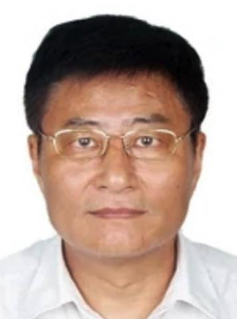 Qifan Yang (杨启帆)合作论文数School of Mathematical Sciences, Zhejiang University4
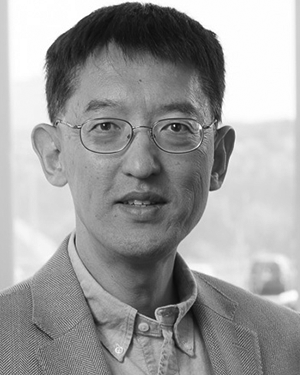 Kevin Lee合作论文数Eaton4
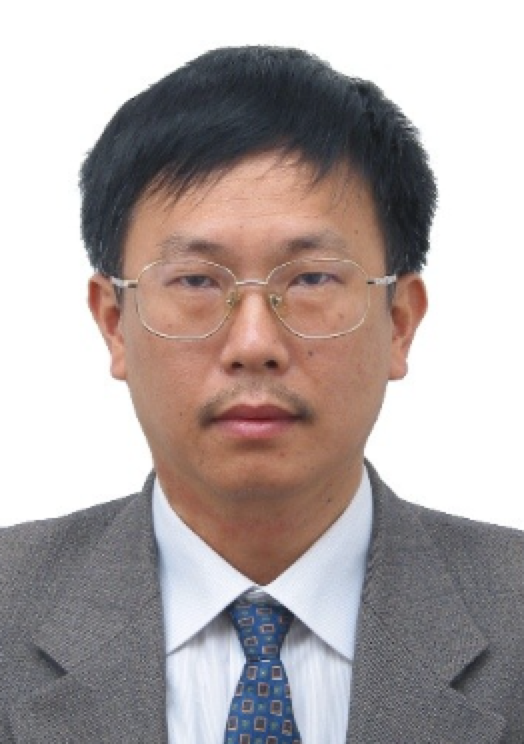 Zheng-yu Lu (吕征宇)合作论文数College of Electrical Engineering, Zhejiang University4
 Wenxi Yao (姚文熙)合作论文数College of Electrical Engineering, Zhejiang University4
) Xi Li (李希)合作论文数College of Chemical and Biological Engineering, Zhejiang University4
Xi Li (李希)合作论文数College of Chemical and Biological Engineering, Zhejiang University4 Shuang Wang (王爽)合作论文数The Second Affiliated Hospital Zhejiang University School of Medicine4
 Wei Wang (王炜)合作论文数Collaborative Innovation Center of Advanced Microstructures, School of Physics, Nanjing University;Institute of Biomedical Physics, Nanjing University4
 Tinghua Yi (伊廷华)合作论文数School of Civil and Transportation Engineering, Beijing University of Civil Engineering and Architecture4
 Hai Lei (雷海)合作论文数Institute of Condensed Matter Physics, School of Physics, Zhejiang University3Xiaohua Wu合作论文数3
 Ying Li (李英)合作论文数School of Chemistry and Materials Science, Nanjing University of Information Science & Technology3
 Yunjian Dai合作论文数3
 Hui Pan (潘暉)合作论文数Institute of Applied Physics and Materials Engineering, University of Macau3
 Bo Feng (冯波)合作论文数School of Physics, Zhejiang University3
 Weiwei Hu (胡薇薇)合作论文数School of Medicine, Zhejiang University3Deng-Chang Wu合作论文数3
 Shihong Zhang (张世红)合作论文数Department of Pharmacology, School of Medicine, Zhejiang University3Jiangke Tao合作论文数2Ying Wang合作论文数2Qianqian Xie合作论文数2Jiamiao Jiang合作论文数2Yu Zhang合作论文数2Yi You合作论文数2Weiqiang Xu合作论文数2Yuting Zhang合作论文数2Hui Liu合作论文数2Yicheng Ye合作论文数2huan zhang合作论文数2Junbin Gao合作论文数2
 Yingfeng Tu (屠迎锋)合作论文数College of Chemistry, Chemical Engineering and Materials Science of Soochow University2
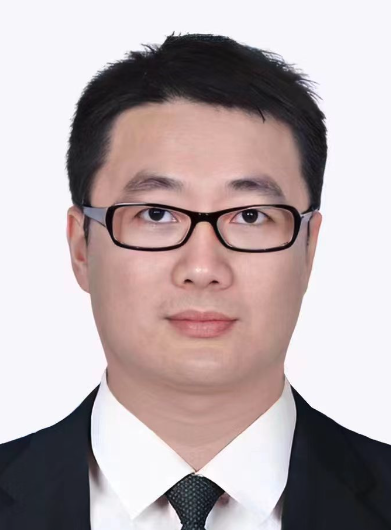 Xinghua Shi (施兴华)合作论文数National Center For Nanoscience and Technology, Chinese Academy of Sciences;University of Chinese Academy of Sciences2
 Meng Qin (秦猛)合作论文数Institute of Biomedical Physics, Nanjing University;School of Physics, Nanjing University2
 Yilin Cao (曹谊林)合作论文数Shanghai Jiao Tong University School of Medicine;Shanghai 9th People’s Hospital Affiliated to Shanghai Jiao Tong University School of Medicine;Shanghai Key Laboratory of Tissue Engineering2Mao Zhixiu合作论文数2Sun Dezhang合作论文数2
 Yiran li合作论文数2
) Yan Xu (徐彦)合作论文数Institute of Flight Vehicle Design and Propulsion Technology, School of Aeronautics and Astronautics, Zhejiang University2
Yan Xu (徐彦)合作论文数Institute of Flight Vehicle Design and Propulsion Technology, School of Aeronautics and Astronautics, Zhejiang University2




